
Cats possess an instinctive talent for concealing discomfort that often surprises even experienced owners. What appears as normal behavior on the surface can mask deeper issues that build quietly over time.
Recognizing these understated signals early makes a real difference in how quickly a cat receives the care it needs. Many households simply miss the patterns because the changes unfold gradually rather than dramatically.
Unexplained Hiding Spots

Cats naturally seek out quiet corners when they feel off, yet the choice of location and duration often signals more than a simple preference for solitude. A cat that suddenly favors the back of a closet or under furniture for hours at a stretch may be protecting a sore spot or managing low level pain.
Owners frequently interpret this as the pet wanting space, especially in busy homes. Watching whether the hiding persists across several days helps separate routine rest from a genuine need for attention.
Shifts in Eating Patterns
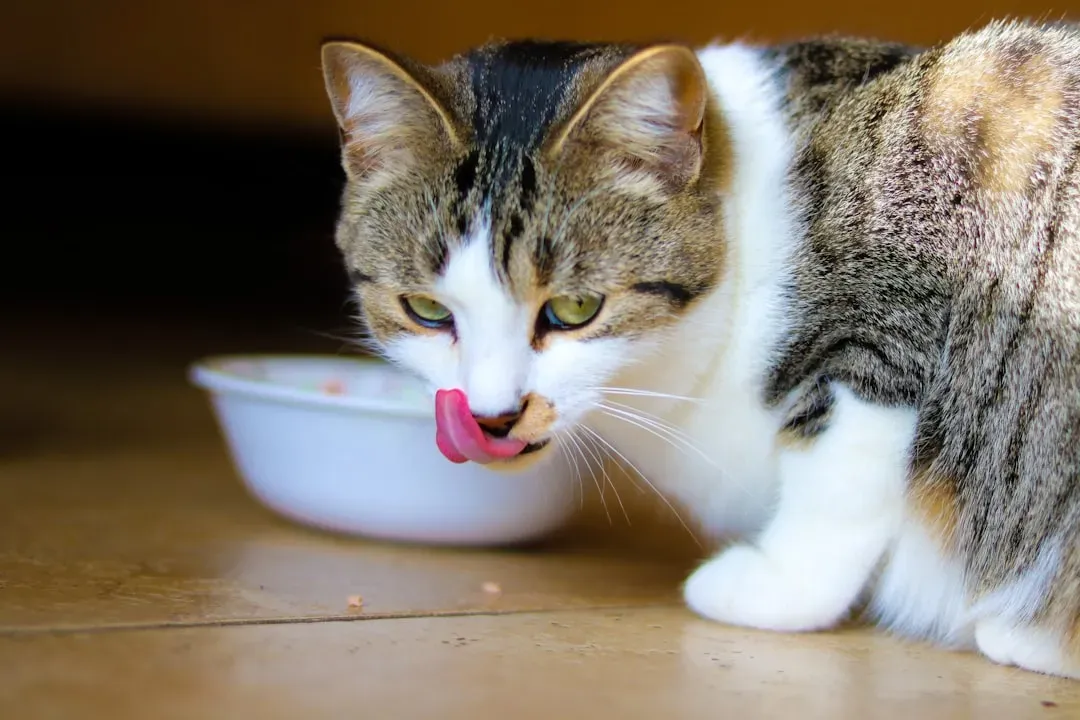
A cat that once finished meals promptly might begin nibbling slowly or leaving portions untouched without any obvious change in food quality. These small reductions in intake can point to dental discomfort or digestive unease that the animal tries to manage on its own.
Tracking daily portions over a week reveals whether the pattern holds steady or worsens. Offering the same meal in a different dish or location sometimes clarifies if the issue stems from the food itself or from how the cat feels while eating.
Litter Box Mysteries
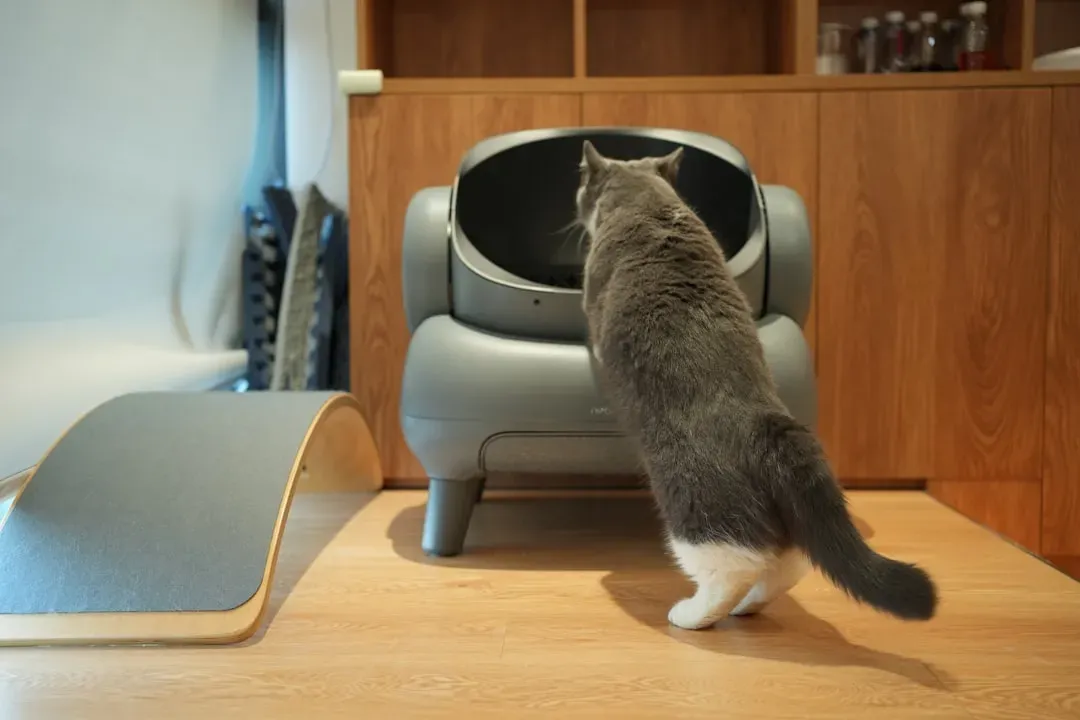
Changes in litter habits rarely announce themselves loudly. A cat may start avoiding the box entirely or produce smaller, more frequent deposits that go unnoticed until an accident appears elsewhere in the house.
Some cats begin scratching outside the box or choosing softer surfaces like rugs. Noting the exact timing and location of these incidents provides useful clues for a veterinary visit rather than assuming simple preference or training lapses.
Grooming Neglect or Overdoing It
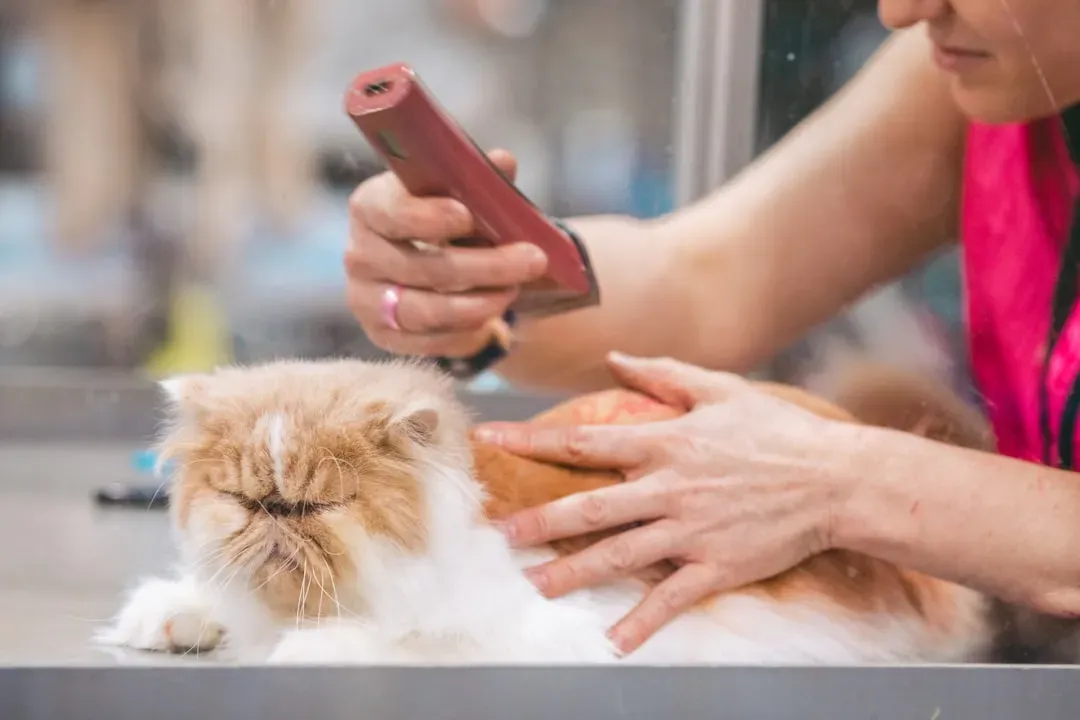
Healthy cats maintain a consistent grooming routine that keeps their coat smooth. When that routine breaks, either through matted fur in hard to reach areas or excessive licking that creates bald patches, the body is often signaling irritation or pain.
Over grooming can focus on one spot repeatedly, while under grooming leaves the coat dull and unkempt. Both extremes deserve observation because they reflect the cat attempting to soothe an underlying problem without drawing attention.
Body Language Whispers
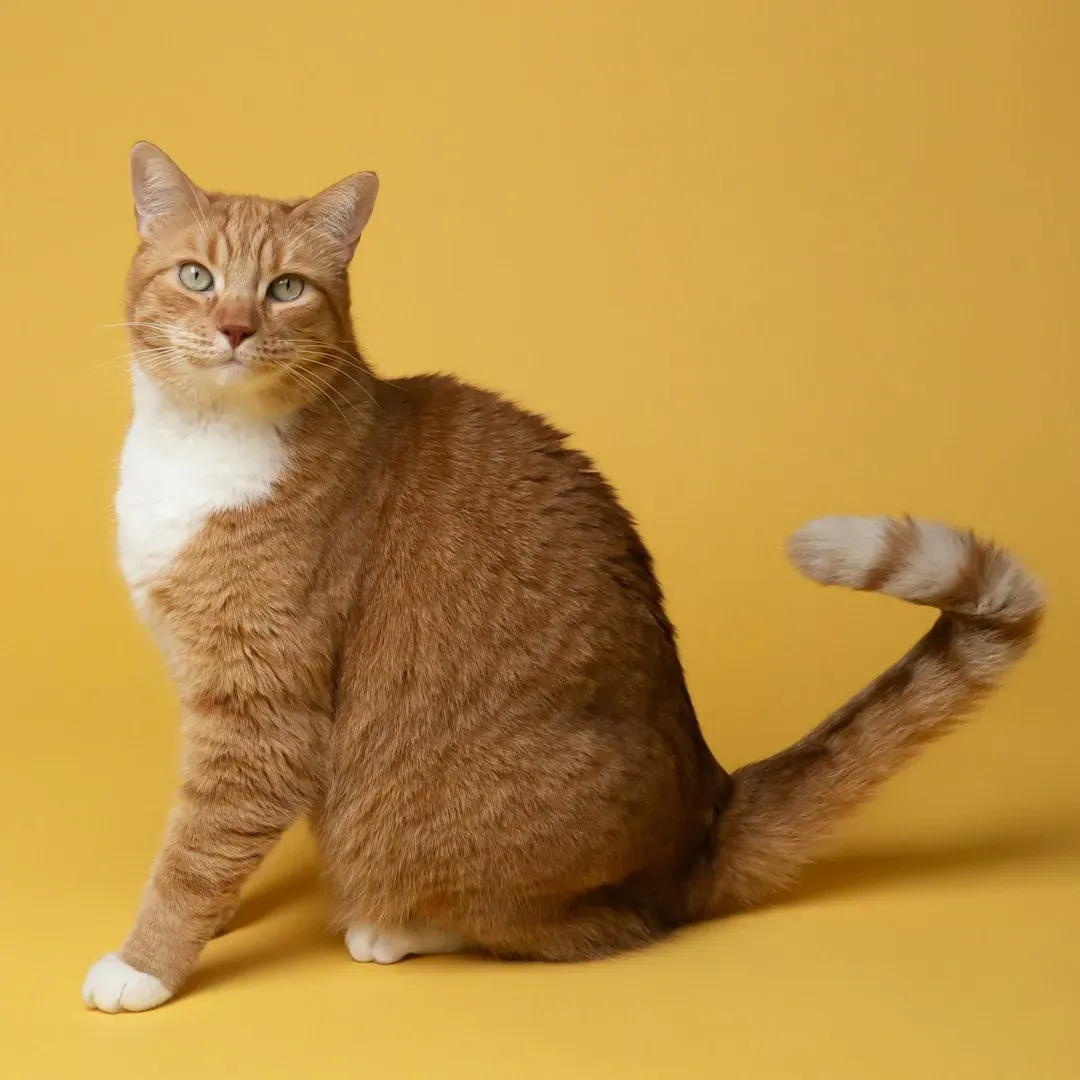
Subtle posture adjustments often go overlooked in daily life. A cat that holds its tail lower than usual or tucks it tightly may be guarding its midsection or back legs from discomfort during movement.
Reluctance to jump onto favorite perches or a slower descent from heights can indicate joint sensitivity that develops gradually. These quiet shifts in how the cat carries itself accumulate into clearer pictures when tracked over several interactions.
Playtime Pauses

Interest in toys or interactive play tends to fade gradually rather than stop abruptly. A cat that once chased feathers or pounced on strings might now watch from a distance or engage only briefly before retreating.
Owners sometimes attribute this to age or boredom, yet consistent disinterest across different toys and times of day suggests something more physical at work. Reintroducing familiar games in short sessions can help gauge whether energy levels are truly reduced.
Social Withdrawal Signals

Cats that once greeted family members or sought laps may begin keeping more distance without aggression. This withdrawal often appears as simply being less present rather than actively avoiding contact.
Reduced vocal greetings or fewer instances of rubbing against legs can reflect a desire to conserve energy. Noticing these changes alongside any of the earlier signs strengthens the case for a professional checkup rather than assuming the cat has simply become more independent.
Paying attention to these understated cues transforms routine observation into meaningful care. Cats rely on owners to notice what they cannot voice, and consistent attention to small shifts often prevents larger problems from developing unnoticed.


