
Florida is unlike any other state when it comes to dog ownership. You’ve got year-round heat, thick humidity, sprawling suburbs, high-rise condos in Miami, and retirees sipping coffee on screened-in porches with a small fluffy companion curled at their feet. The dogs that thrive here aren’t just the ones people love nationwide. They’re the ones that can handle 90-degree afternoons, afternoon storms, saltwater beaches, and a lifestyle that shifts from active to laid-back depending on the zip code.
Florida is a hot state with only a couple of months offering a real reprieve from the heat. Many pet owners gravitate toward dogs that love the water, given the beaches and backyard pools, while the state’s sizeable retired population also tends to favor smaller, more manageable breeds. Whether you’re already a Florida dog parent or you’re thinking of adopting, knowing what makes each breed tick in this specific climate is everything. Here’s a deep dive into the ten most popular breeds you’ll find across the Sunshine State.
1. Labrador Retriever: Florida’s Eternal Favorite

Labrador Retrievers are gentle, intelligent, loyal, and extremely friendly, and they love the water, which makes them a natural fit for Florida’s hot climate. According to the American Kennel Club, Labs have consistently ranked among the most popular dog breeds in the country for over three decades. It’s hard to find a breed that fits as many different Florida lifestyles as the Lab does, from families in Tampa Bay neighborhoods to outdoorsy owners in the Panhandle.
The intense heat and humidity in Florida put significant cardiovascular strain on Labs during exercise, especially in dogs prone to weight gain. Florida’s subtropical environment also means year-round exposure to fleas, ticks, heartworm-carrying mosquitoes, and intestinal parasites, all of which require continuous preventative care. Labs in Florida often enjoy water activities in lakes and coastal areas, which raises their exposure to waterborne pathogens like leptospirosis and increases the risk of ear infections from chronic moisture in the ear canal. Keep their ears clean and dry after every swim, and never skip monthly heartworm prevention.
2. French Bulldog: The City Dog With a Florida Problem
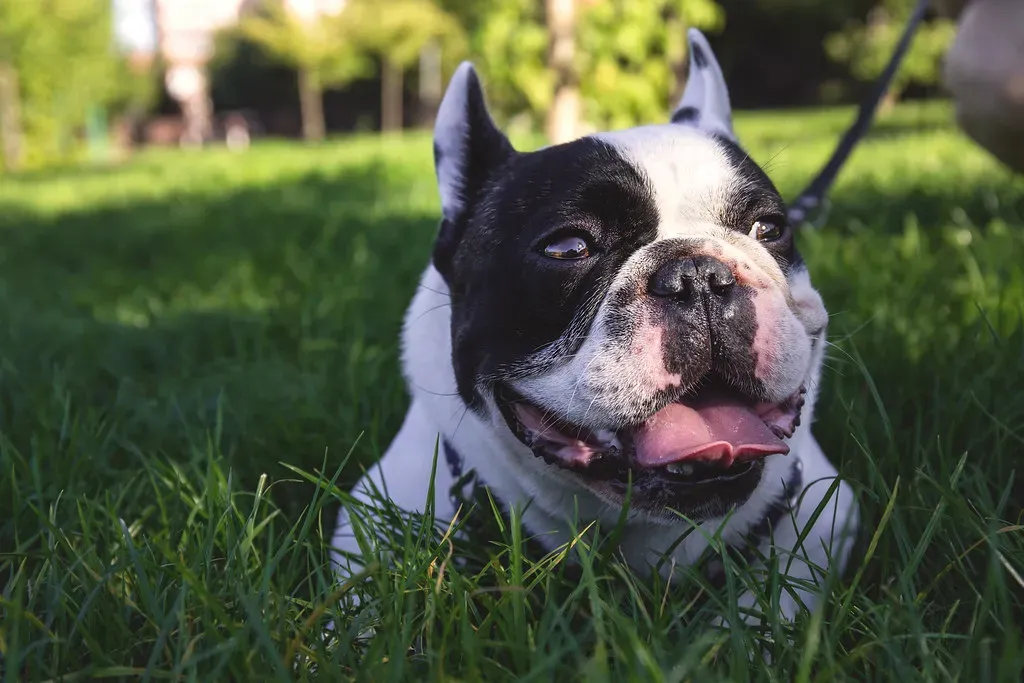
The French Bulldog takes the number one spot nationally for the fourth year in a row, making it the most registered breed in the country for 2025. French Bulldogs can adapt anywhere and are popular in Florida, particularly in West Palm Beach. Their compact size, low exercise needs, and affectionate nature make them perfect apartment dogs, and Florida’s urban corridors are full of them.
Frenchies have flat faces with brachycephalic muzzles that restrict their airways, and because they can’t pant effectively, they are highly susceptible to overheating. French Bulldogs cool themselves mainly through panting, but that short airway is far less efficient at moving hot, humid air. Add Florida’s humidity, which slows evaporation, and you have a dog that can overheat quickly. Early morning walks until about 8:30 AM and late evening walks after sunset are the safest windows. Use the five-second rule on pavement: if you can’t hold your hand on it for five seconds, it’s too hot for paw pads.
3. Golden Retriever: The Sunshine State’s Golden Child

According to search data compiled over a recent twelve-month period, the Golden Retriever is actually Florida’s most searched dog breed, drawing an average of over 83,000 monthly searches. That kind of interest isn’t accidental. Golden Retrievers have such terrific traits and characteristics that they consistently rank among the most popular dogs in America. They are affectionate and love to be with their families, doing well with children and other pets.
Goldens love water and will take a dip any chance they get, which makes sense since they were originally bred as hunting companions to retrieve fowl from the water. They are highly trainable and make great family pets, fitting seamlessly into Florida’s active lifestyle. Goldens enjoy outdoor activities like swimming and hiking, making them perfect companions for adventurous owners. Watch for seasonal allergies, which are common in the breed and can be aggravated by Florida’s year-round pollen and mold exposure.
4. German Shepherd Dog: South Florida’s Loyal Guardian
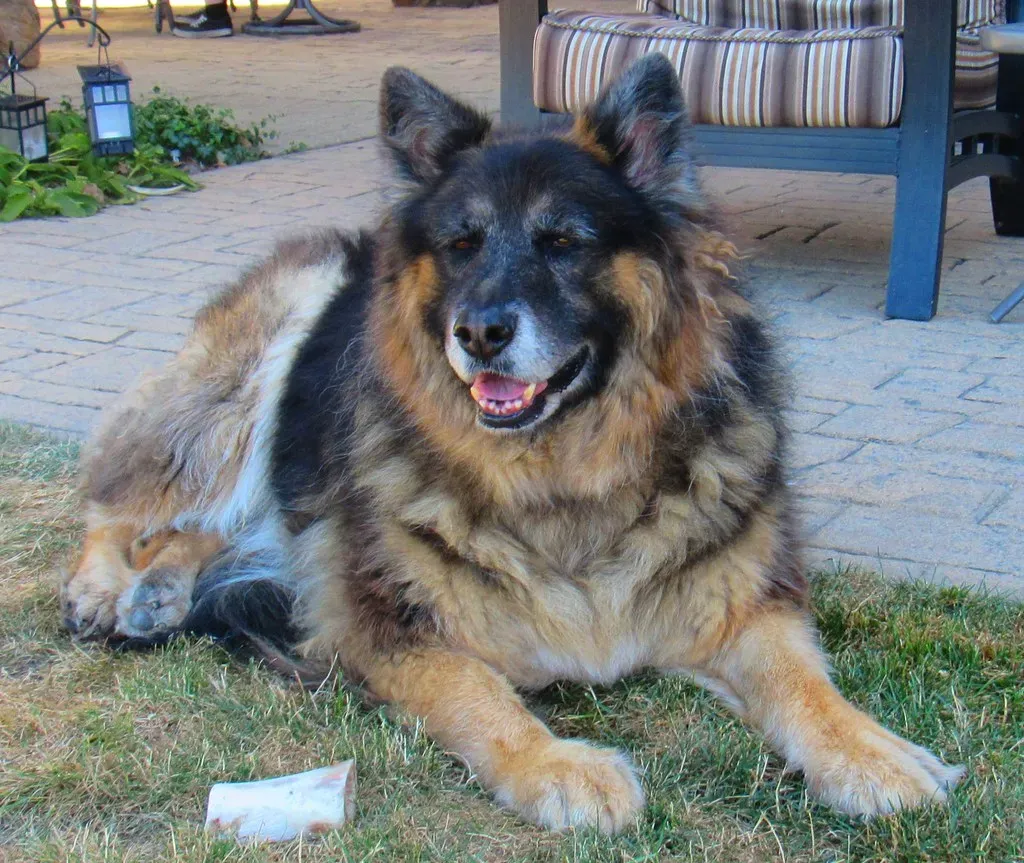
South Florida has a well-documented love for the German Shepherd Dog. The breed ranks first in West Palm Beach as well as Miami, where it has held the top spot since 2002, the first year the American Kennel Club began tracking city registration statistics. That kind of loyalty to a single breed over more than two decades says a lot. German Shepherds are working dogs at heart, and in a state with large military and law enforcement communities, they’ve found their people.
German Shepherds are highly trainable, intensely loyal, and thrive with a job to do. In Florida, their thick double coat means they need proper shade and hydration during the warmer months. They’re prone to hip dysplasia, so regular vet screenings and a healthy weight are essential. Early socialization is also critical, since their protective instincts can develop into overreactivity if they’re not properly exposed to new people, environments, and sounds from puppyhood.
5. Poodle: Smart, Allergy-Friendly, and Built for the Florida Life
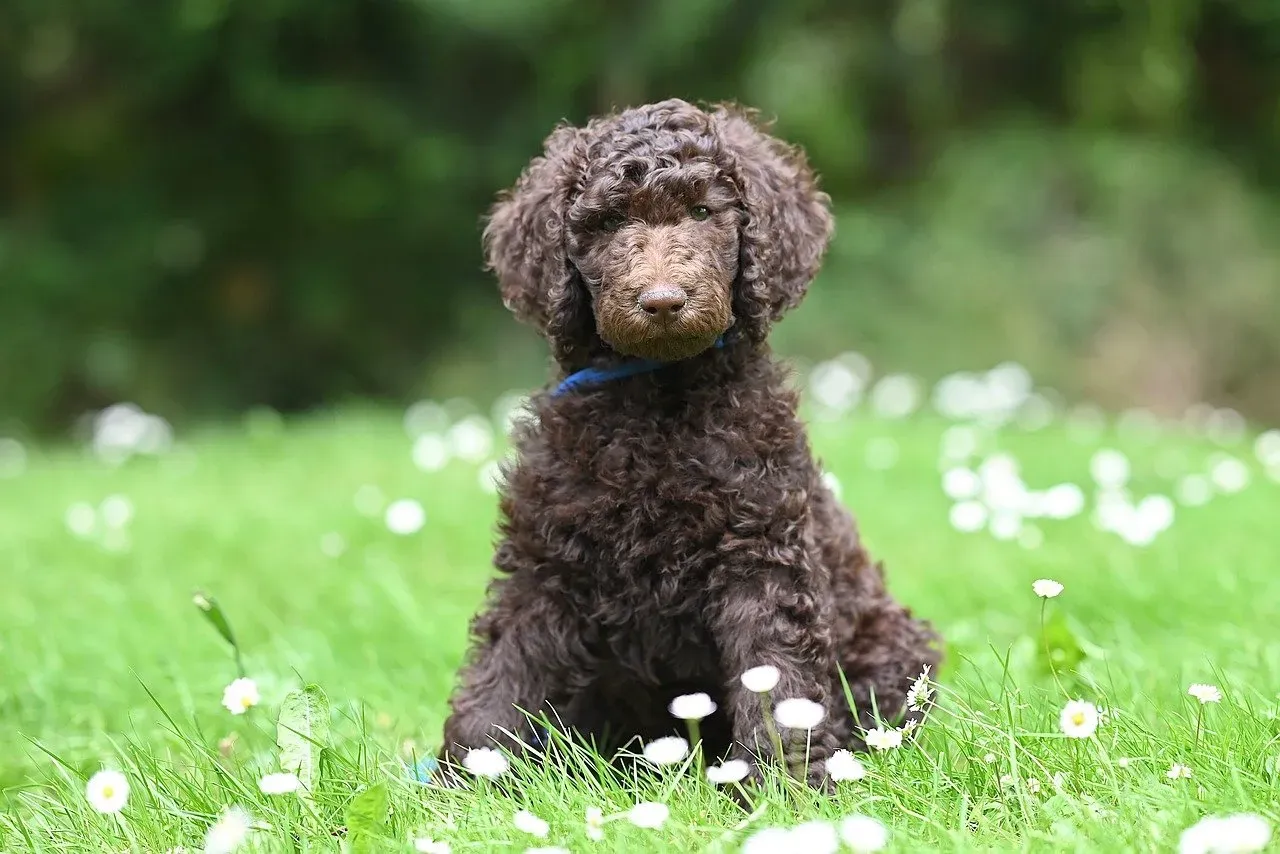
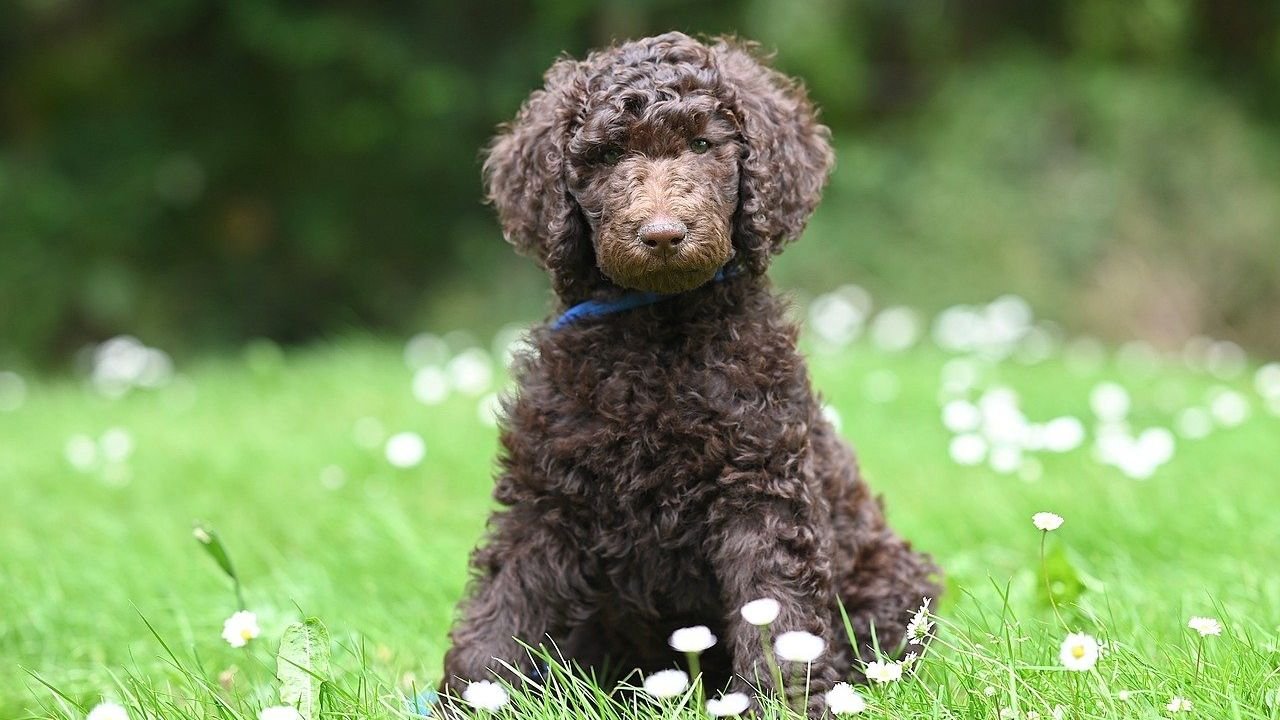
The Poodle is a popular dog breed in Florida, and for allergy sufferers they are considered hypoallergenic because they shed very little. They rank among the top five popular breeds in the state and are intelligent and easy to train. Poodles come in three sizes, Standard, Miniature, and Toy, so whether you’re in a Sarasota condo or a Gainesville house with a big yard, there’s a Poodle that fits your space.
The Poodle, available in standard and miniature sizes, is highly regarded for its intelligence and hypoallergenic coat. They require regular grooming, especially in Florida’s humid climate, to prevent matting. Grooming appointments every six to eight weeks are a practical necessity, not just an aesthetic choice. Poodles also need adequate mental stimulation. A bored Poodle in a hot apartment is not a happy dog, so puzzle feeders, training games, and interactive play are well worth incorporating into the daily routine.
6. Bulldog (English Bulldog): The Laid-Back Floridian

Bulldogs are very popular in Florida and throughout the United States. They are recommended for those who need a smaller dog, though they are considered medium-sized and quite bulky, carrying more weight than their compact frame suggests. Bulldogs are friendly and calm and make excellent family dogs. They suit the slower pace of Florida retirement communities just as well as they suit families with young kids.
Like French Bulldogs, English Bulldogs are brachycephalic, which means Florida’s heat is a real concern. High temperatures are extremely dangerous for brachycephalic dogs because they cannot pant properly, and their bodies can end up overheating, leading to heat stroke and other serious medical conditions. Keep walks short and timed for the coolest parts of the day. Watch for heavy or labored breathing as a warning sign, and make sure air conditioning is accessible whenever temperatures climb. Skin fold infections are also common in Bulldogs, particularly in Florida’s humidity, so wiping the folds clean and dry daily makes a real difference.
7. Rottweiler: Florida’s Underestimated Protector
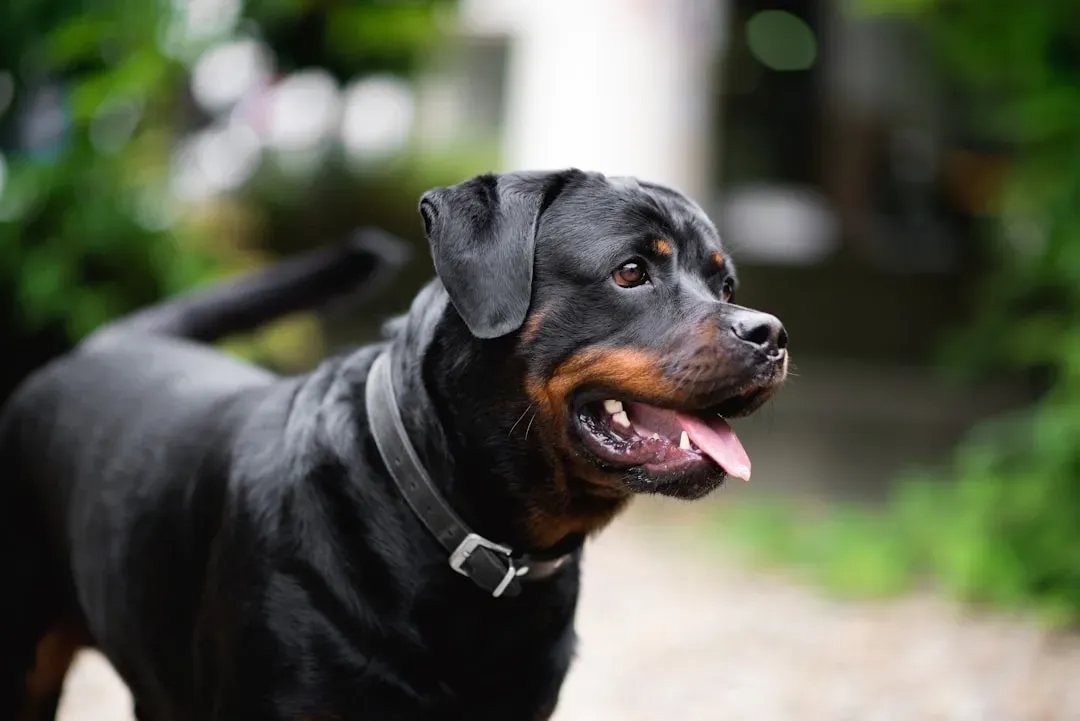
The Rottweiler can have an intimidating look and can reach up to 135 pounds. They are loyal dogs that protect their families fiercely and are popular in Florida. They are excellent guard dogs and fast learners, though owning one in Florida can prove challenging since some homeowners’ insurance policies do not cover the breed. It’s worth checking your policy before bringing a Rottweiler home.
Despite the negative view by some insurance companies, the Rottweiler was in the top five dogs owned in the Miami area. The Rottweiler is a strong and protective breed, making them well-suited for active families. Rotties need consistent obedience training starting in puppyhood, proper socialization, and daily exercise. In Florida’s heat, walks should be scheduled early morning or after sunset. Joint health is also a priority for this heavy breed, so a balanced diet and appropriate weight management go a long way toward preventing mobility issues later in life.
8. Dachshund: The Small Dog With a Big Personality

The Dachshund rose to the number five spot nationally in 2025, unseating the perennially popular Poodle from the top five. In Florida, their small size makes them perfect for condo living, and their bold, curious personalities charm just about everyone they meet. The Dachshund has a unique appeal with its long body and short legs. These dogs are playful and friendly, making them great family pets, though owners should ensure they don’t overexert their Dachshunds during the hottest parts of the day.
Because Dachshunds are so long and short, they have health problems associated with their backs. Purchasing from a quality breeder is recommended since health testing can lessen the chance of chronic back problems. Intervertebral Disc Disease is one of the most common serious health issues in the breed. Avoid letting your Dachshund jump off furniture without ramp access, and keep their weight lean, since extra body weight puts direct pressure on an already vulnerable spine. Florida’s many steps, pools, and raised decks are worth thinking through when you set up your home environment.
9. Miniature Schnauzer: The Apartment Star of Urban Florida

When it comes to companion breeds, the Miniature Schnauzer fits the bill perfectly. These pups weigh between 9 and 20 pounds and are balls of energy. They are popular in urban areas of the state and can tolerate the heat quite well. They are affectionate, friendly, and do well with apartment living, with a wiry double coat that sheds minimally. For Florida renters and condo owners, that combination is genuinely hard to beat.
Miniature Schnauzers are clever and alert, which makes training them both enjoyable and necessary. They can be vocal if they become bored or under-stimulated, so mental engagement matters. Regular grooming is important, as their wiry coat requires trimming every six to eight weeks to stay neat. Health-wise, this breed can be prone to pancreatitis, so a measured diet low in fat is worth discussing with your vet, especially since rich treats tend to become habit in households that love spoiling their small dogs.
10. Boxer: The Energetic Florida Companion
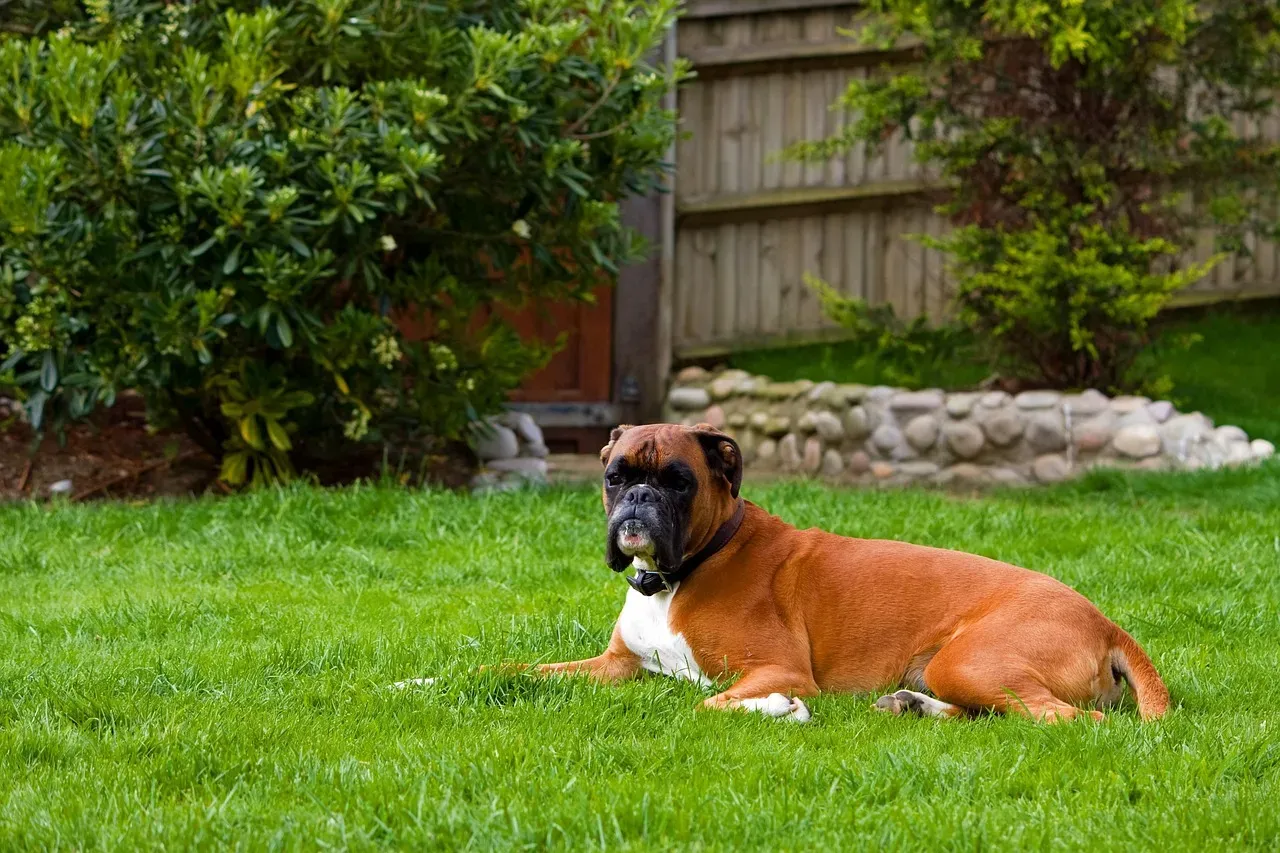
Boxers are common throughout the United States, though they are somewhat less common in Florida than in other regions. They are active and fun-loving, which is a big part of why they are so often adopted. Families with children and active owners who like outdoor time tend to be drawn to Boxers for exactly these reasons. They’re playful without being fragile, and they bond intensely with their people.
Boxers are another brachycephalic breed, which means Florida’s heat demands careful management. Between high temperatures, thick humidity, hot pavement, and afternoon storms, pets can slide into dehydration or heat stress faster than many owners expect. Even a quick walk around the neighborhood, an hour at the park, or lounging on a screened lanai can be enough to tip the balance. Boxers also tend toward heart conditions and certain cancers as they age, so regular veterinary check-ups become even more important after age five. Keep their outdoor time reserved for early morning or evening hours, and always have fresh water within reach.
Conclusion: Choosing the Right Breed for the Florida Life
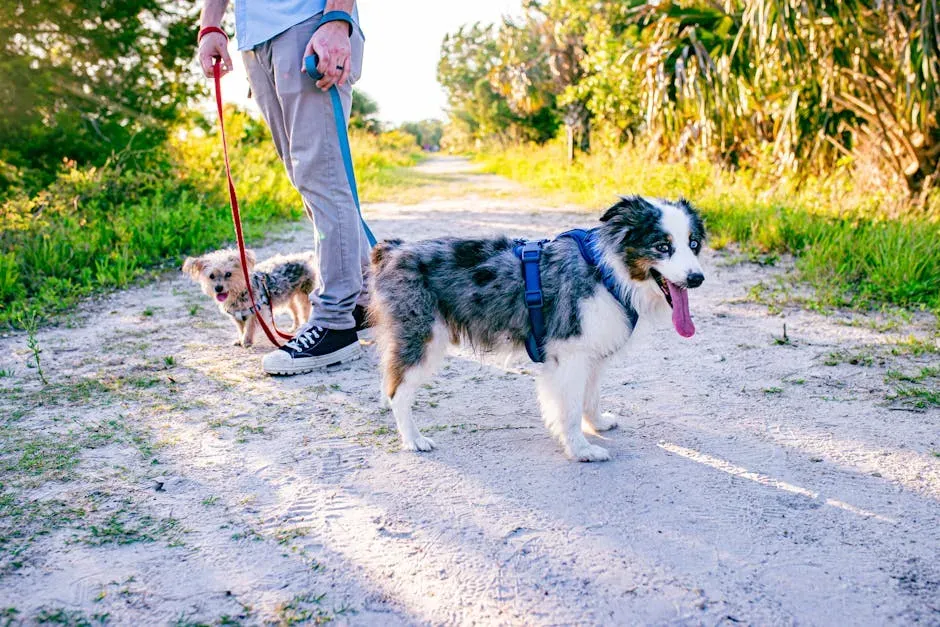
Every dog on this list brings something different to a Florida household. Some thrive on the beach, some belong curled up under air conditioning, and some are happiest in a backyard where they can patrol the perimeter at dusk. What they all share is the need for an owner who understands the specific demands of Florida’s climate and is genuinely committed to meeting them.
Florida’s year-round subtropical climate means pets face health risks that are seasonal elsewhere but constant here. Heartworm is endemic, ticks are active twelve months a year, and summer heat stress lasts from April through October. Knowing that before you bring a dog home puts you ahead of the curve. The best dog for Florida isn’t necessarily the most popular one nationally. It’s the one whose needs match your lifestyle, your living space, and your capacity to care for them well through every season the Sunshine State throws at you.


