
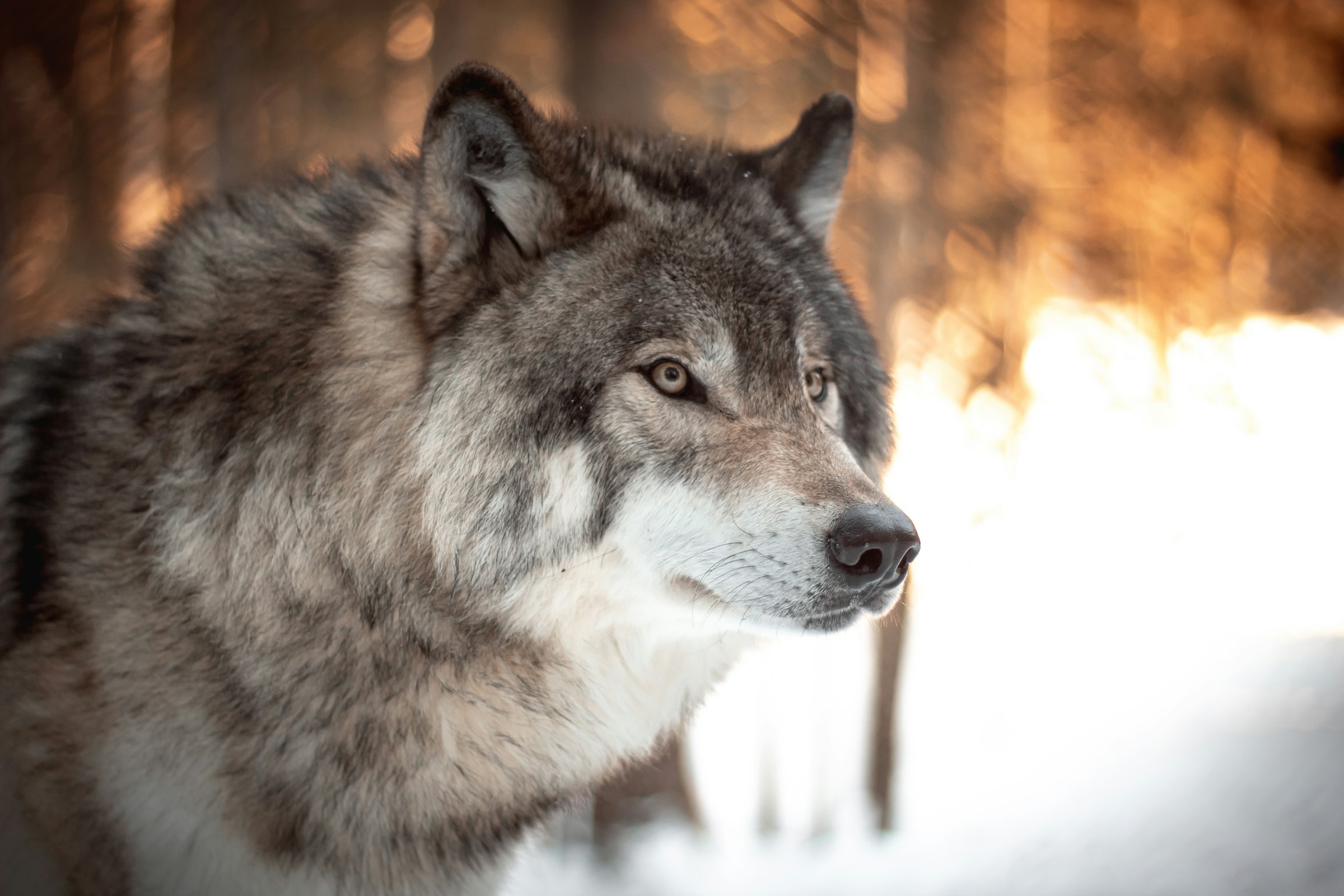
There’s a special kind of hush in Idaho’s forests at night. The air is cold, the stars feel close, and then, maybe, you hear it: the long, rising call of a wolf somewhere in the dark. Your heart jumps. Part of you is awed; another part quietly panics and starts scrolling through every half-remembered survival tip you’ve ever heard.
Most people will camp in Idaho their whole lives and never see a wild wolf up close. Encounters are rare, and serious incidents are even rarer. But if you camp in wolf country, it is smart and respectful to know exactly what to do. Let’s break it down in a calm, clear, and very human way so you can enjoy your trip instead of lying awake imagining teeth in the shadows.
Understanding Wolves in Idaho: The Reality vs. The Horror Stories
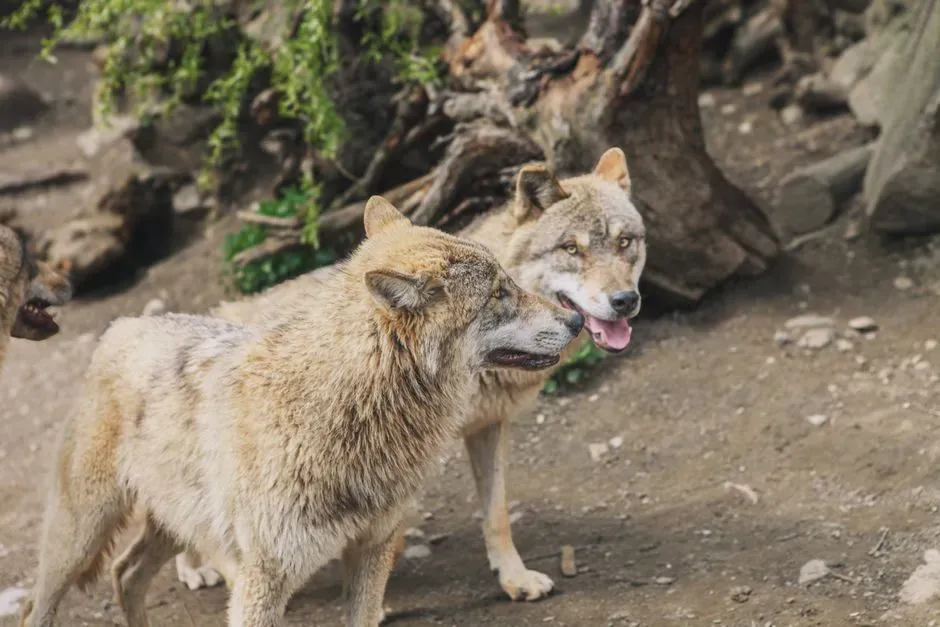
Wolves in Idaho are real, wild predators, but they’re not movie monsters stalking every campsite for a late-night snack. They are highly intelligent, wary animals that usually avoid humans if given the choice. In North America, confirmed wolf attacks on people are extremely uncommon, especially compared to risks like driving to the trailhead or slipping on a wet rock.
A big part of staying safe is updating the story in your head. Instead of picturing a horror-movie villain, think of wolves as shy, powerful neighbors that prefer their space. When you understand that their instinct is usually to keep away from people, it becomes easier to respond calmly and logically rather than out of blind fear. Calm thinking is your number-one safety tool in the backcountry.
Before You Go: Smart Prep for Camping in Wolf Country
Safety during an encounter often starts long before you see a single paw print. Check where you’re headed: is it known wolf territory, are there recent wildlife advisories, and what do local land managers recommend? Pack accordingly – bear spray (which can also deter wolves), a headlamp with extra batteries, proper food-storage gear, and a whistle are simple things that make a big difference.
I like to think of it like packing a seatbelt: you hope you never need it, but you feel better knowing it’s there. Talk with your group before you even leave the trailhead about what you’d do if you saw a wolf – who grabs the spray, who collects kids or dogs, who speaks calmly to coordinate. That tiny bit of pre-trip “what if” rehearsal can turn a scary surprise into a controlled, confident response.
Encountering a Wolf at a Distance: The Best-Case Scenario
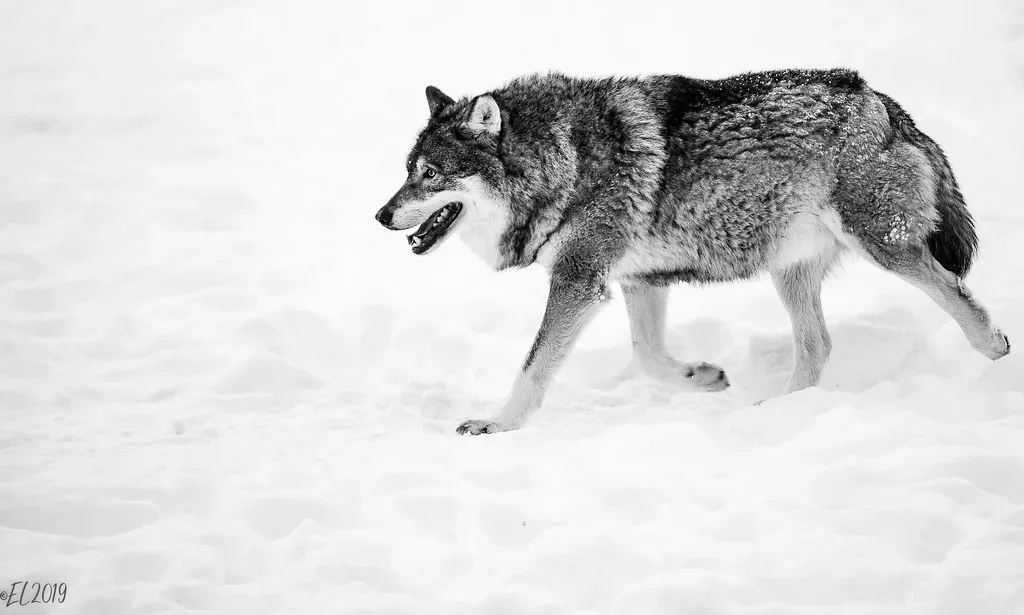
The most common “encounter” is seeing a wolf far away: a gray shape on a ridge, a silhouette slipping through trees, or a pair of eyes shining briefly in a meadow at dusk. In that situation, your main job is to enjoy the moment without turning it into a problem. Stay where you are, keep your group together, and resist the urge to move closer for a better photo.
If the wolf looks your way but does not approach, you can slowly increase your distance by calmly backing away or taking a different route. Talk quietly with your group so the animal easily recognizes you as humans, not prey. This is the wildlife experience most people dream of – a glimpse of a top predator going about its life, while you respectfully stay in your own lane.
What to Do if a Wolf Gets Too Close
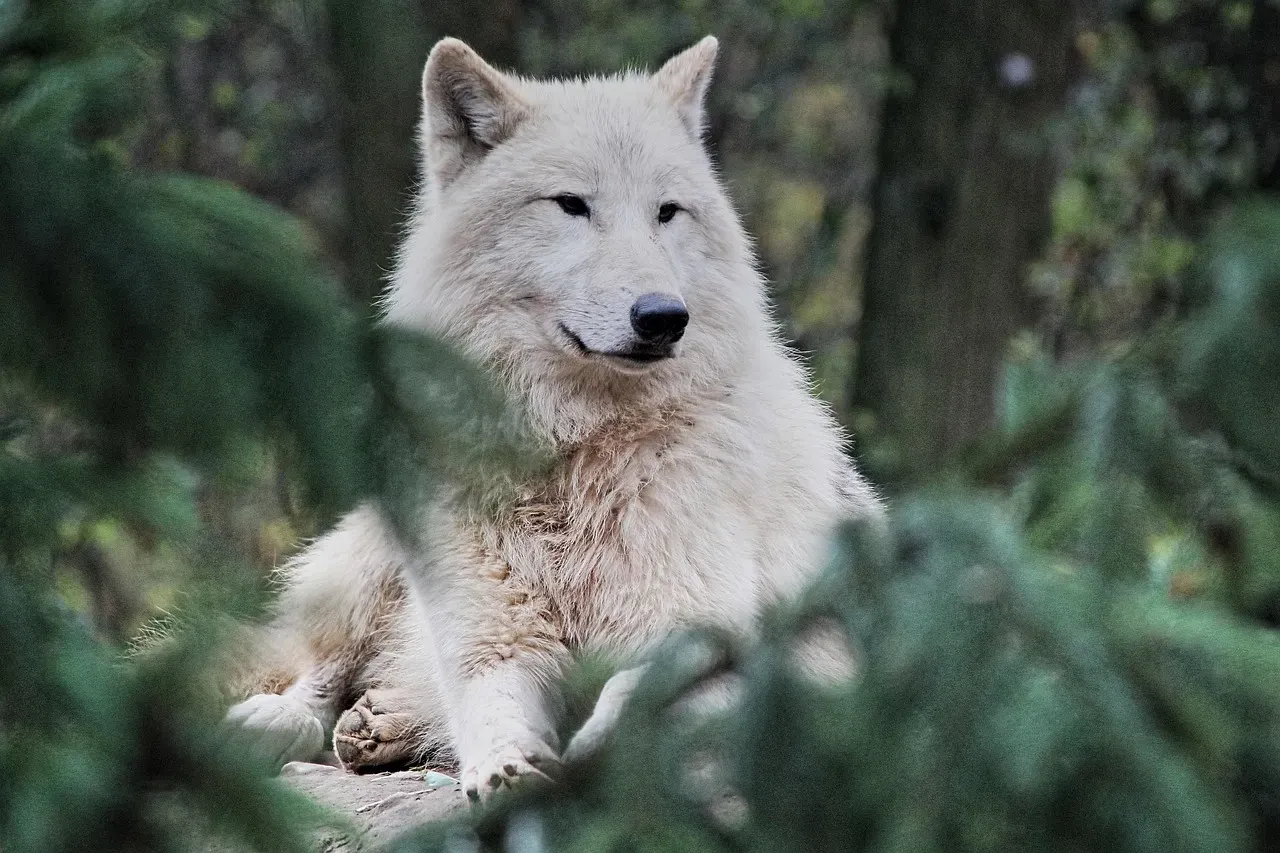
Things feel different when a wolf is not on a distant ridge but within what your gut calls “too close.” Maybe it’s curious, maybe it has been fed by humans in the past, or maybe there’s food around your camp that caught its attention. This is where you shift deliberately from passive observer to active, assertive human.
Stand tall, keep your group tight, and do not run. Running can kick off a chase instinct, the same way a dog might sprint after a fleeing jogger. Make yourself look big – raise your arms, hold out a jacket or backpack, and speak firmly in a loud, steady voice. If the wolf does not move away, you can escalate by shouting, clapping, throwing small rocks or sticks near (not at its head) to convince it you are not worth the trouble. Your goal is to restore that healthy fear of people that keeps both you and the wolf safer in the long run.
If a Wolf Acts Bold or Aggressive: Your Immediate Response
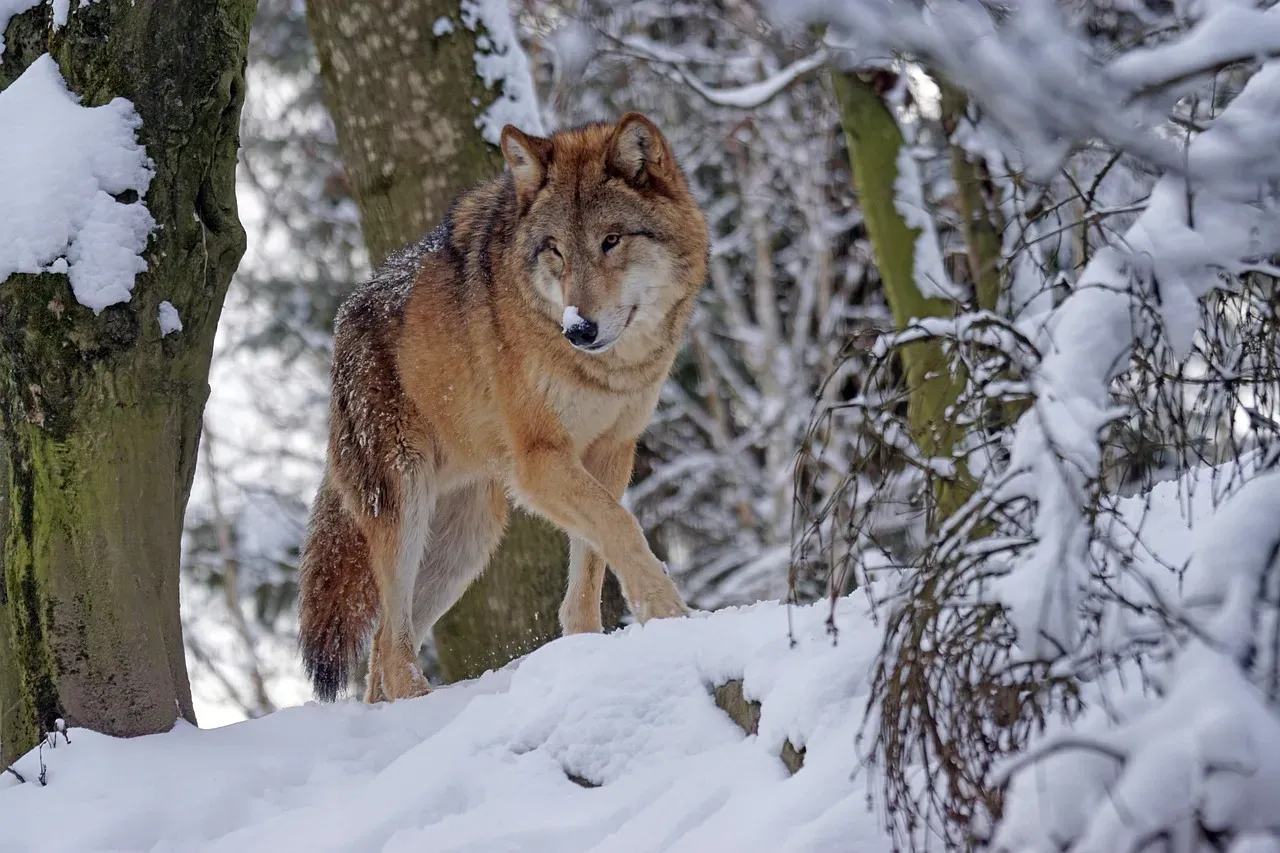
A truly bold wolf – one that keeps approaching, circles you, or shows its teeth – deserves your full focus. This behavior is rare, but you should be mentally ready for it. Keep eye contact without staring it down like a challenge, continue to face it, and back away slowly with your group tight together. Put children in the middle and keep any dog under strict control.
If you have bear spray, now is the time to unholster it and be ready. Should the wolf close the gap to just a few yards and not retreat, you can use the spray exactly the way you would on a bear: aim slightly downward in front of the animal so it runs into the cloud. If physical contact ever occurs, fight back with everything you have – sticks, rocks, trekking poles, your hands. This is not the time to play dead; it is the time to be loud, unpredictable, and completely unwilling to be an easy target.
Keeping Your Camp “Boring” to Wolves: Food, Smells, and Habits

The easiest wolf encounter is the one that never happens because your campsite smells like nothing interesting. Store food in bear-resistant containers, vehicles where allowed, or properly hung away from camp. That includes trash, cooking oil, fish guts, flavored drink packets, and anything else that has a strong odor. Think of your camp like a tiny, scent-based advertisement; your job is to put up a giant “closed” sign.
Cook and wash dishes away from your sleeping area, and never keep food, snacks, or scented toiletries inside your tent. Avoid leaving pet food out or letting kids wander around with crumbly snacks that end up everywhere. These habits do not just help with wolves; they reduce visits from bears, coyotes, raccoons, and a whole cast of opportunistic freeloaders. A clean camp is quieter, calmer, and far less likely to attract the wrong kind of four-legged curiosity.
Camping With Dogs and Kids: Extra Precautions That Really Matter
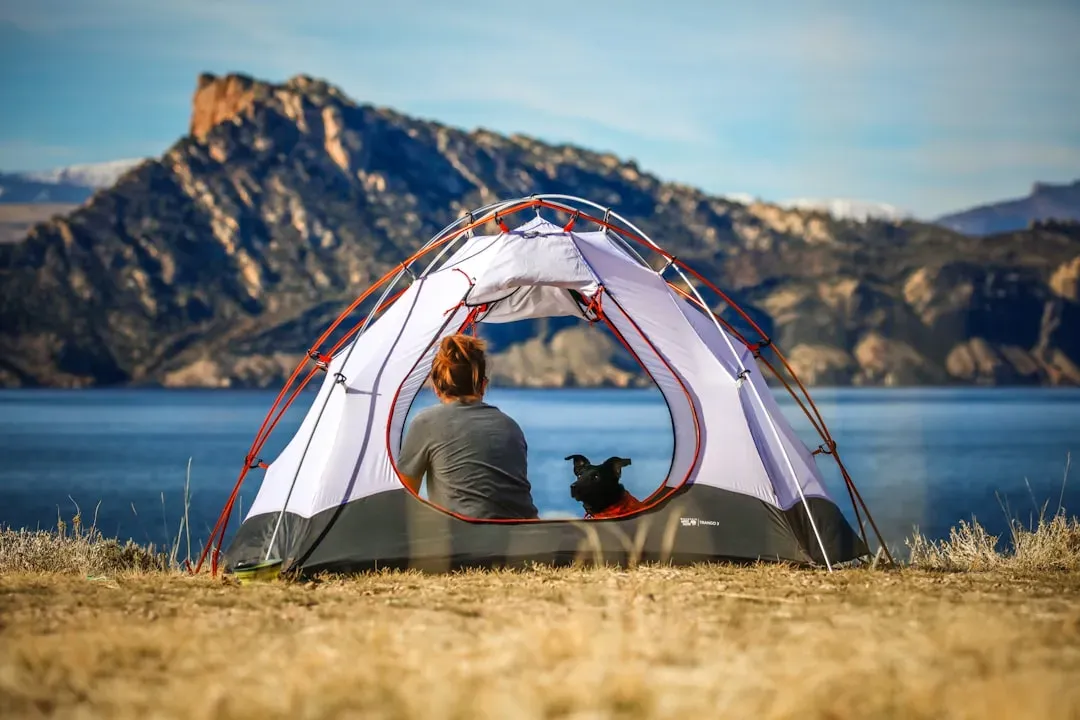
Dogs and kids change the risk picture, not because wolves are automatically drawn to them, but because they add unpredictability. Dogs, especially off-leash, can trigger defensive reactions if they run toward wildlife, and then drag the trouble right back to you. In wolf country, keep dogs leashed or under extremely tight voice control, and bring them into the tent or vehicle at night rather than leaving them to sleep outside.
With children, the rule is simple: they are never alone or unsupervised in camp, especially at dusk and dawn when wildlife is most active. Explain the basics in a calm way – stay close to adults, do not approach wild animals, and tell someone right away if they see anything unusual. I often frame it as a team game: we’re all wildlife detectives, paying attention, sticking together, and taking care of each other so everyone gets home with an awesome story, not a scary one.
After an Encounter: Reporting, Reflecting, and Respecting the Wild
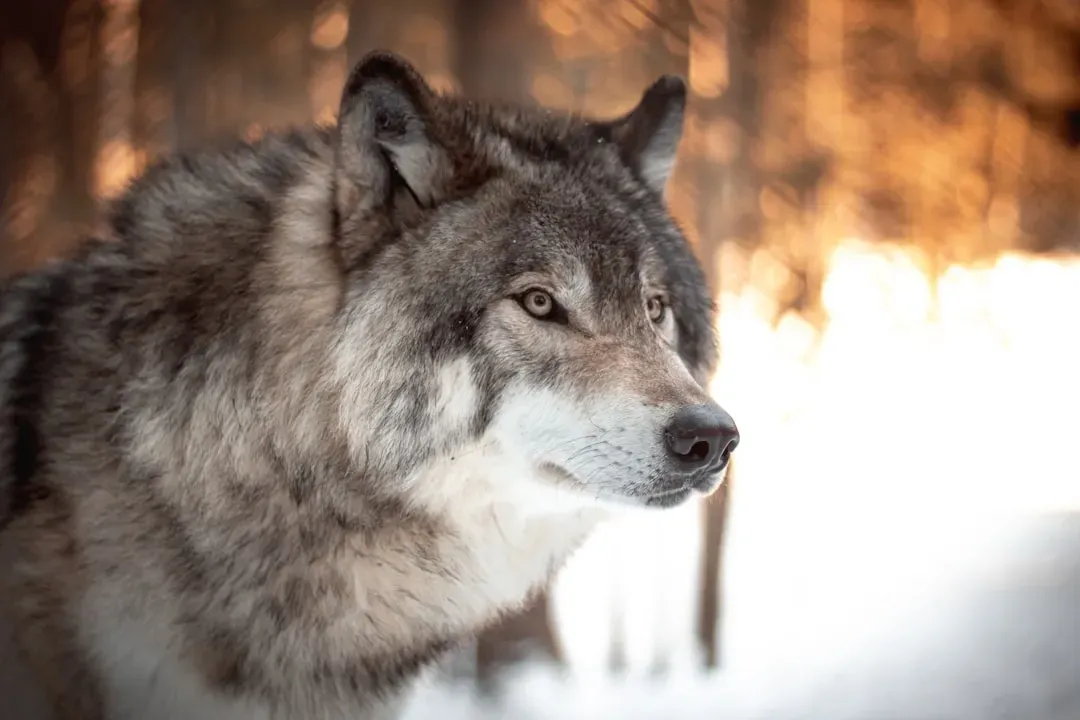
If you have a close or unusual encounter with a wolf – especially one that seemed bold, curious around camp, or unafraid of people – it is worth reporting it to local wildlife officials or land managers once you are safely out. That information helps them monitor animal behavior, identify problem spots (like areas where people may be feeding wildlife), and protect both people and wolves. You are not “getting the wolf in trouble”; you are contributing to a clearer picture of what is happening on the landscape.
On a personal level, it is also good to debrief with your group. What did you do well? What would you change next time? I still remember the first time I realized I had left a snack wrapper in a tent pocket – small, silly things like that are how you learn. Encounter or not, camping in Idaho’s wolf country should deepen your respect for wild places: these forests are not amusement parks, they are living systems where you are a guest.
Conclusion: Sharing the Woods With a Predator You’ll Probably Never Meet
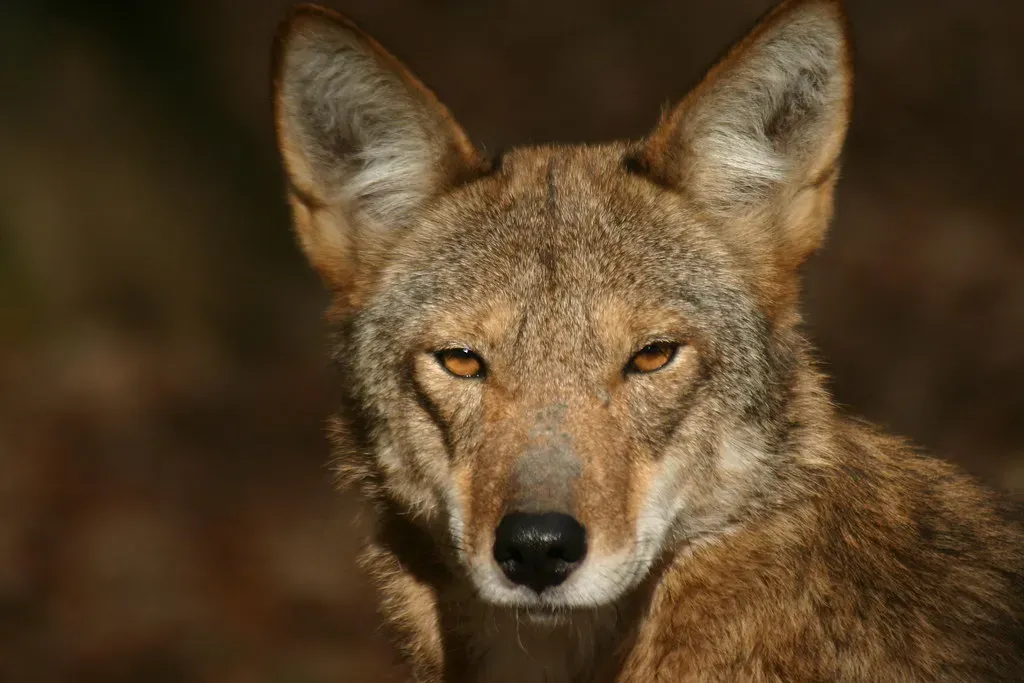
The truth is, if you camp in Idaho long enough, you are far more likely to hear a distant howl than to stand face-to-face with a wolf. But knowing exactly what to do if that rare moment happens transforms fear into readiness. You are no longer the panicked character in a horror story; you are a prepared visitor in a wild place, with a clear plan and a healthy respect for the animals that live there.
In my view, the goal is not to make wolves less wild or less scary, but to make us more thoughtful. When we learn how to camp clean, manage dogs and kids, stand our ground if needed, and report what we see, we become part of a quiet agreement between humans and predators: you stay wild, we stay smart, and we both get to keep this place magical. Next time you hear that echoing call through the trees, will you feel only fear – or a little bit of earned confidence too?


