

You walk into the kitchen after a long day, ready to unwind, only to find your trash can tipped over. Banana peels scattered across the floor, coffee grounds smudged into the tiles, and your dog sitting there with the most innocent expression, tail wagging like nothing happened. Sound familiar? If you’ve ever wondered why your furry friend seems magnetically drawn to the garbage bin, you’re not alone.
The truth is, this behavior runs deeper than simple mischief. It’s wired into their DNA, driven by instincts that date back thousands of years. Your pup isn’t trying to drive you crazy, even though it certainly feels that way sometimes. There’s a fascinating mix of biology, curiosity, and sometimes genuine need behind those trash raids. Let’s dive into what’s really going on in that adorable, infuriating little head of theirs.
It’s All About That Ancient Scavenging Instinct
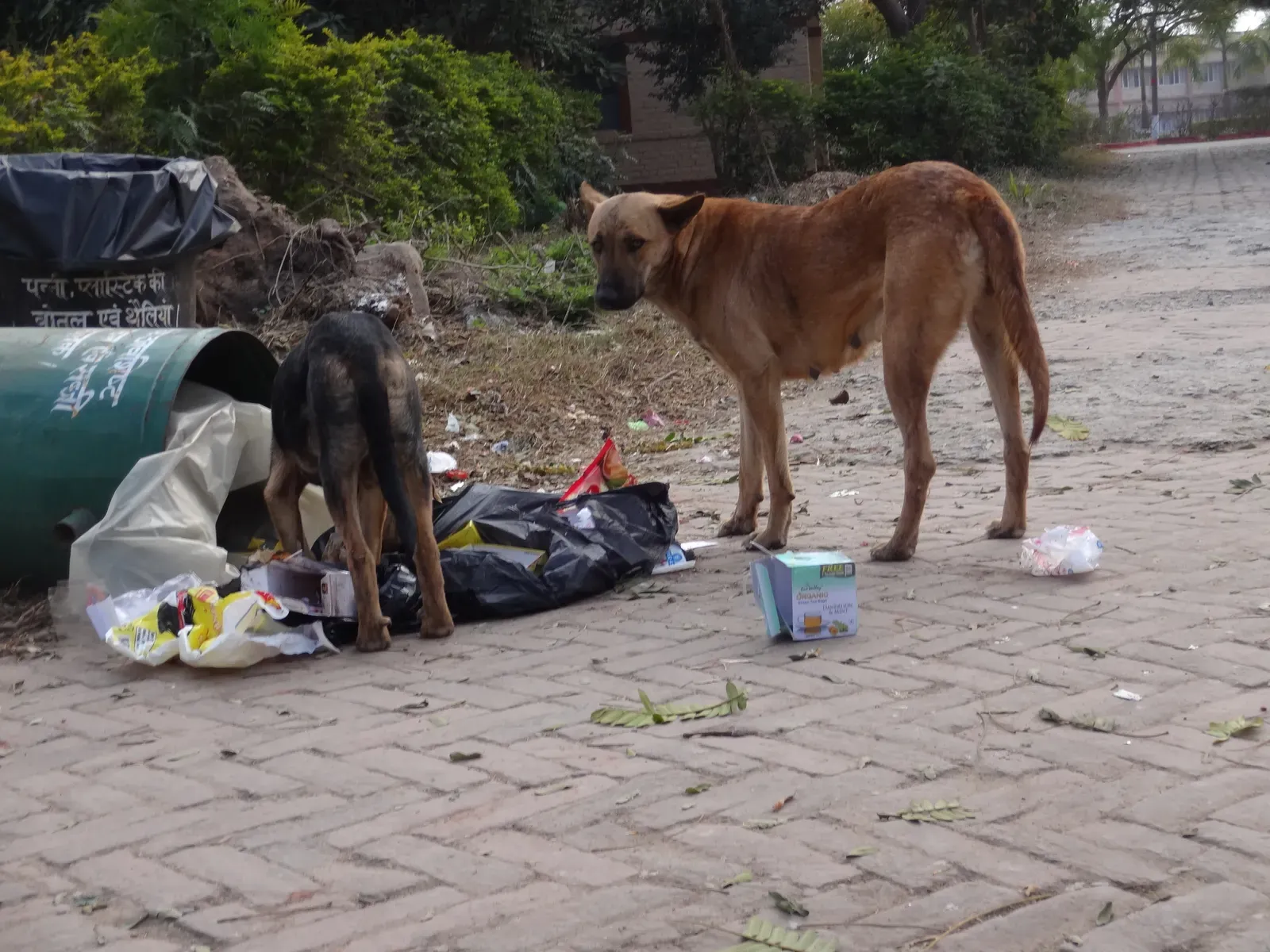
Here’s the thing: dogs are descendants of wolves and have inherited many of their ancestral traits, including the instinct to scavenge for food, and this behaviour is natural and can be seen in dogs of all breeds and sizes. Think about it for a second. Before dogs became our couch companions, their ancestors had to survive by any means necessary.
Scientists believe that the dog’s early ancestor the wolf became domesticated to humans due to them hanging around villages and soon realising that the human’s waste was a great source of food, and these domesticated wolves were quite happy to spend time with people in these villages because they could scavenge for leftovers. So when your dog tips over the trash, they’re essentially following an age-old survival blueprint. We may consider the food we throw out to be garbage, but to some dogs, it is merely food – stinky, ripe, aromatic food, and it is a bouquet of scents that are interesting and exciting to them.
Your Dog’s Nose Knows Everything

Let’s be real, your dog’s sense of smell is absolutely mind-blowing compared to ours. They have good sniffers, and some evidence suggests they can detect scents over 12 miles away! That means every coffee ground, every chicken bone, every discarded wrapper in your trash bin is sending out a signal like a flashing neon sign to your pup.
Dogs’ sense of smell encourages them to sniff and explore and is far more acute than ours, but their taste buds are less discriminating, hence they will eat what we consider to be inedible, contaminated and decaying food. What smells revolting to you might smell like a five-star buffet to them. Research has shown that dogs have different smell preferences, and they go beyond a juicy steak or grilled chicken, with scientists finding some pups like smelling blackberries and blueberries. Your trash is basically a mystery box of enticing aromas they simply can’t resist exploring.
Boredom, Hunger, and Attention-Seeking Behavior
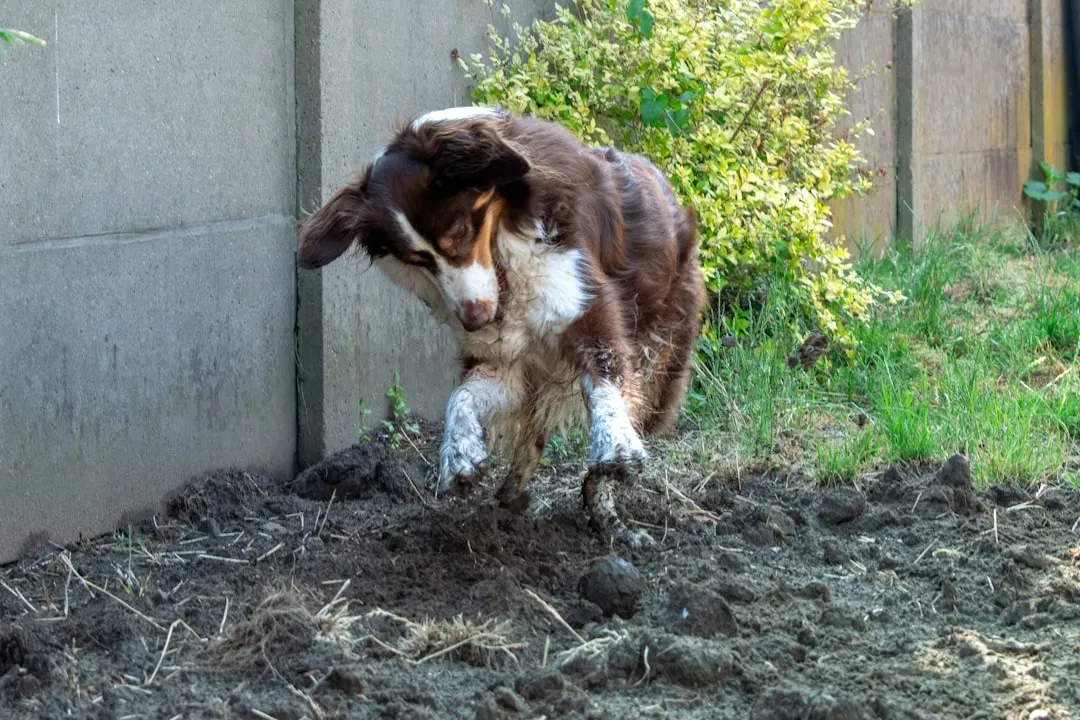
Some dogs will get into the trash due to sheer boredom, as dogs require stimuli throughout the day to keep their bodies and minds occupied, and when dogs don’t get enough exercise or mental stimulation, they may resort to unwanted behaviors, such as digging through the trash. If your dog spends most of the day alone without much to do, that trash bin becomes an entertainment center.
Sometimes it’s actually about hunger or inadequate nutrition. If your dog has never gotten into the trash before or is continuously trying to eat from the trash, he may be suffering from a medical condition, such as hyperthyroidism, which causes the metabolism to operate too fast, causing your dog to always be hungry. Honestly, I’ve also seen dogs who just learned that knocking over the trash gets them instant attention from their owners. Other dogs have learned that digging in the trash is a good way of getting an owner’s attention, so it becomes attention-seeking behavior. Even negative attention is still attention to a lonely pup.
The Serious Health Risks You Need To Know

This isn’t just about cleaning up messes. Sometimes garbage contains food that has gone mouldy but that’s no deterrent to a determined pooch, and some species of mould produce toxins that can cause trembling and liver disease in dogs. I know it sounds scary, but it’s the reality.
Some of the food rubbish in your bin can be quite toxic to dogs, such as coffee grounds or leftover onion/garlic, leftover meat can become contaminated by bacteria such as salmonella that can make your dog very sick, and cooked bones are very brittle and can perforate their intestine. Items like bones, plastic bags, or food wrappers can cause choking, potentially blocking the dog’s airways, and non-food items like socks, plastic, or tinfoil can get stuck in your dog’s digestive system, requiring expensive surgery to remove. It’s not worth the risk, which is why addressing this behavior matters so much.
Practical Prevention Strategies That Actually Work
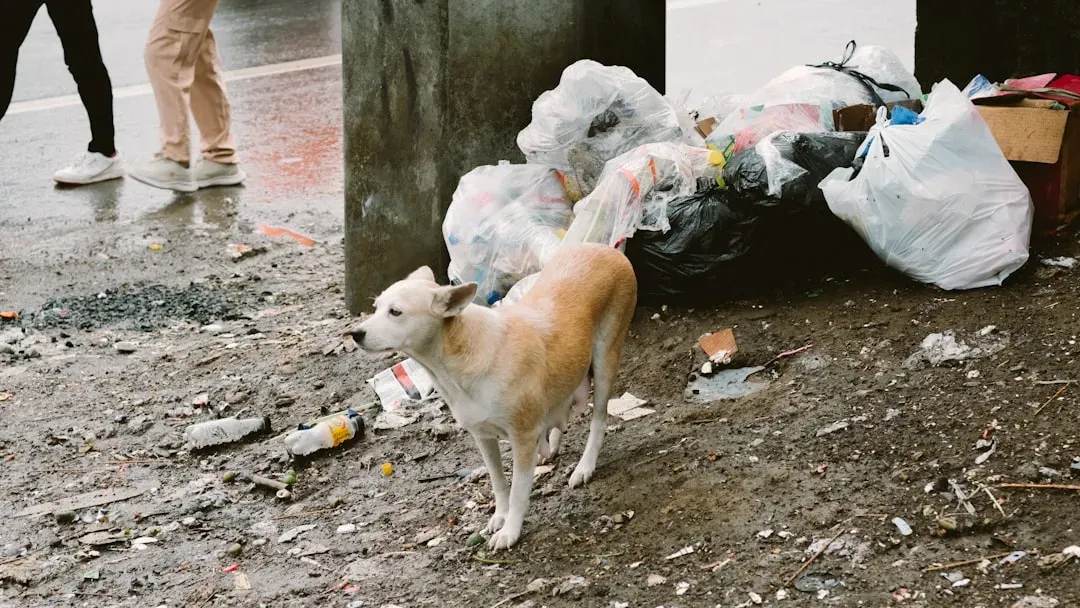
The simplest solution? Make the trash inaccessible. Start by purchasing a trash can that has a tight lid or a lid that can be locked in place, and if possible, keep the trash can in a closed cupboard or a secure space, such as a pantry, and install a childproof latch on the pantry door or cabinet to prevent your pet from nudging it open. Seriously, sometimes the easiest fix is just putting it somewhere your dog can’t reach.
Your dog may be hanging around the garbage can because he’s genuinely hungry, so consider feeding several smaller servings of food throughout the day rather than one or two bigger meals and see if it makes a difference, as switching up your dog’s eating routine in this way can help him feel fuller all day so he doesn’t need to hunt for a snack. If you suspect that your dog is digging through the trash due to boredom, change up your routine to keep your pet more engaged by going for more walks throughout the day, playing fetch in the yard, or trying indoor games, such as dog puzzle games, and chew toys can also help keep your pet independently occupied.
Training Techniques To Break The Habit
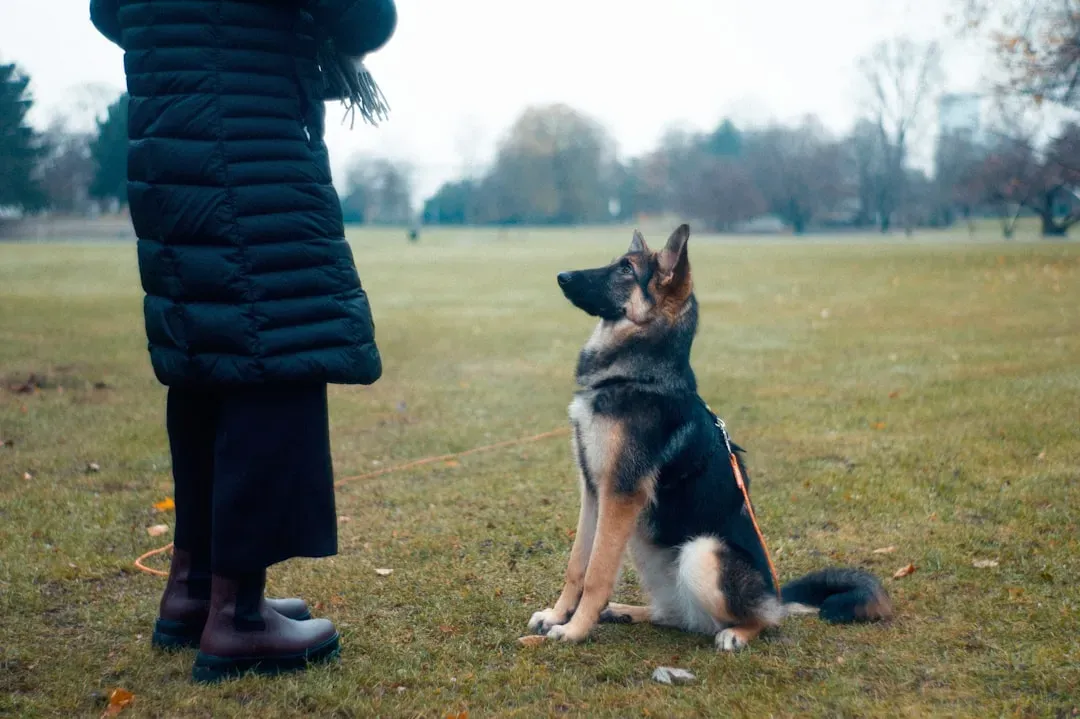
The method that requires the most work is teaching your dog to “leave it,” which first involves teaching a dog to turn away or back off from your hand while you are holding treats, and once the dog has learned the phrase “leave it,” then use that phrase every time the dog goes near the trash, and when the dog backs or turns away, immediately offer praise and treats. Patience is key here because it won’t happen overnight.
The best way to start the training programme is to teach the command “No” which is not negotiable and means “No,” and you can set up a controlled situation where you put a large cookie onto a plate on the coffee table where your dog can see and smell it, then as your dog approaches the food check them with the lead and say “No!” firmly, remembering that “once is a habit” for a dog, so they must be prevented from snatching the food. Consistency matters more than anything else when training your dog out of this behavior. Stay calm, be patient, and remember that your dog isn’t being bad on purpose.
Conclusion
Understanding why your dog raids the garbage bin comes down to recognizing their natural instincts, meeting their physical and mental needs, and creating an environment where the trash simply isn’t an option. It’s hard to be frustrated when you realize they’re just following thousands of years of canine programming. Yes, it’s annoying, and yes, it can be dangerous, but with the right approach, you can absolutely break this habit.
Whether you invest in a dog-proof trash can, amp up their exercise routine, or commit to consistent training, the solution is out there. Your dog isn’t trying to make your life difficult. They’re just being a dog, and with a little understanding and effort, you can keep both your kitchen and your pup safe. What strategies have worked for you? Sometimes the best solutions come from fellow dog lovers who’ve been right where you are now.


