
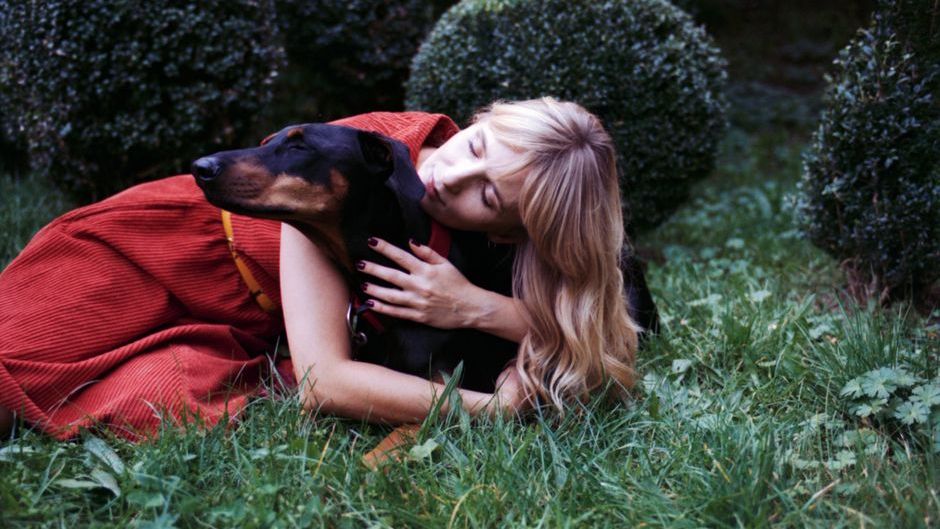
Picture the quiet spot by the door where a familiar tail once thumped against the floor. The absence lingers in small ways that catch you off guard weeks later. Many people notice the tears come faster and last longer when a dog is gone, and psychology points to one clear reason behind that intensity.
The bond with a pet strips away the layers of expectation and compromise that color most human ties. What remains feels pure and steady in a way few other relationships achieve.
The Uncomplicated Connection Pets Offer

Dogs greet their people with the same enthusiasm whether the day brought success or failure. They do not keep score or bring up past arguments during quiet evenings at home. This steady presence creates a safe space where affection flows without conditions attached.
Over time the routine of walks, shared meals, and simple companionship builds trust that rarely wavers. Owners often describe feeling seen and accepted in the most ordinary moments. That consistency stands out against the shifting dynamics found in many friendships and family ties.
How Unconditional Love Shapes Our Emotions
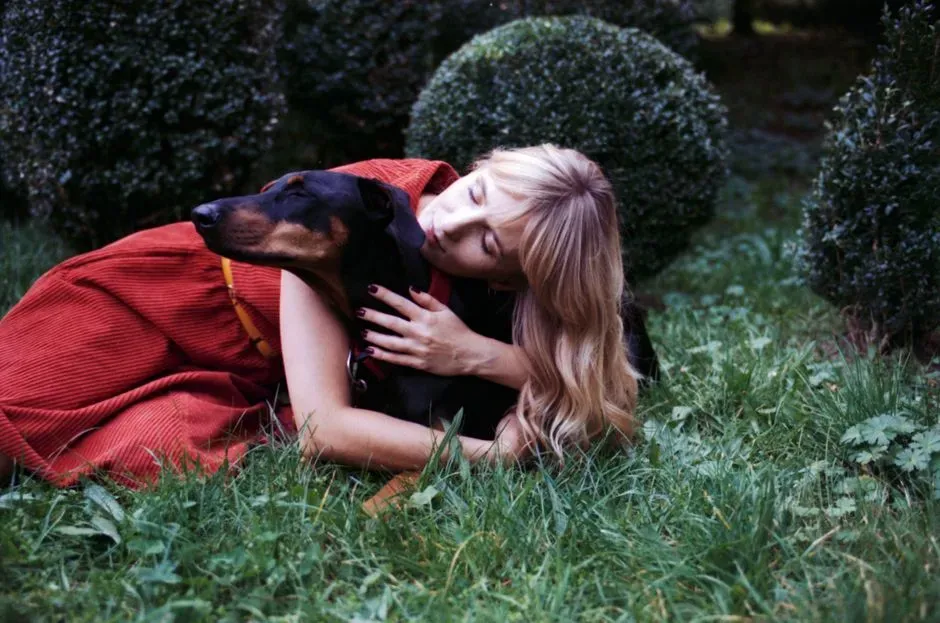
The love from a dog arrives without demands for reciprocity or performance. A person can return home tired or distracted and still receive the same warm welcome. This lack of pressure allows emotions to settle in ways that feel restorative after a long day.
Psychologists note that such bonds reduce feelings of judgment that sometimes accompany human interactions. The result is a deeper sense of security that people come to rely on without always realizing it. When that source disappears the emotional gap can feel especially wide.
Comparing Bonds with Animals and People
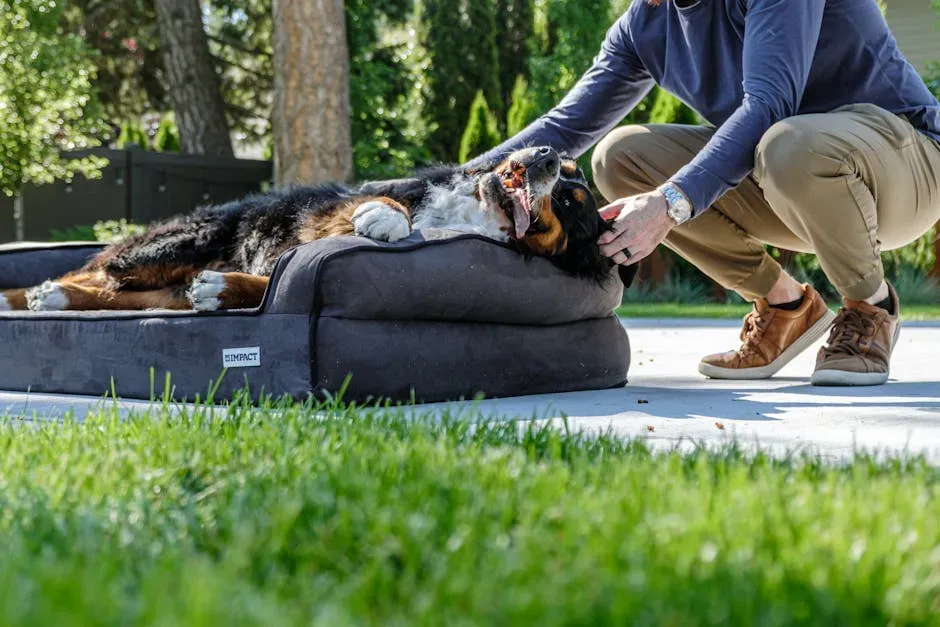
Human relationships often involve unspoken rules about support, timing, and emotional labor. Friends and family members may pull back during difficult periods or expect certain responses in return. Dogs bypass these complexities entirely and simply stay present.
The contrast becomes clear during moments of vulnerability. A dog offers comfort through presence alone, without advice or analysis. Many owners find this simplicity refreshing and easier to accept than the layered conversations typical among people.
The Role of Psychology in Pet Grief
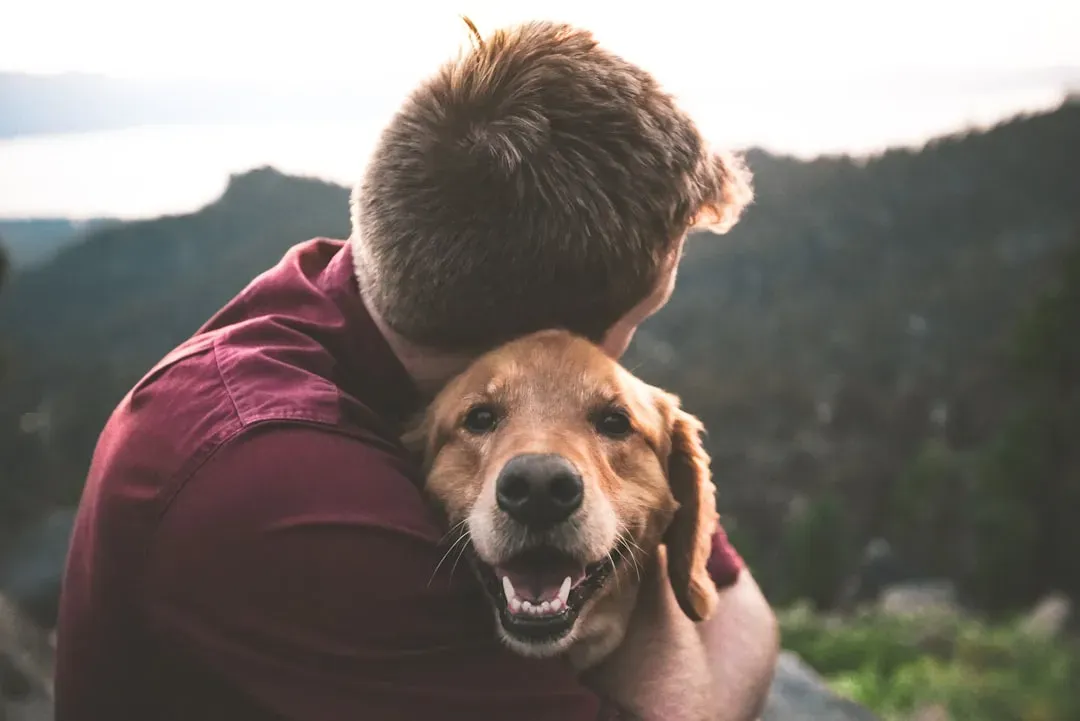
Research into attachment shows that pets can fulfill core needs for companionship and belonging. The loss disrupts those attachments in sudden and complete ways. Grief responses tend to intensify because the relationship carried fewer complications from the start.
Therapists often observe that clients describe pet loss as uniquely raw. The absence removes a daily source of uncomplicated joy that other relationships rarely replicate. This pattern helps explain why the sadness can feel sharper and more immediate than expected.
Everyday Experiences of Losing a Beloved Dog

Small reminders appear throughout the day, from an empty food bowl to the quiet during evening routines. These triggers keep the memory close and the emotions active for longer periods. Owners frequently mention feeling the loss in physical spaces that once held shared activity.
Stories shared among friends often highlight how the grief lingers in unexpected places. A familiar park bench or the sound of a collar can bring fresh waves of feeling. The everyday nature of the bond makes its absence feel woven into ordinary life.
What Makes These Losses So Profound

The relationship with a dog tends to center on presence rather than achievement or status. This focus creates a foundation that feels steady even when other parts of life shift. Losing that anchor removes a reliable source of calm that many people come to count on.
Because the connection stays free of the usual social negotiations, the grief carries fewer distractions. People can focus directly on the missing companionship without sorting through mixed feelings. That directness contributes to the depth many report experiencing.
Finding Ways to Honor That Special Bond

Memorials such as photo collections or small rituals help keep the memory present in gentle ways. Some owners plant trees or create dedicated spaces that reflect the shared routines. These acts provide outlets for the affection that once had a living recipient.
Support groups and conversations with others who understand pet loss can ease the isolation that sometimes follows. Sharing stories keeps the bond alive while allowing space for new connections to form. Over time the intensity softens, yet the appreciation for that uncomplicated love remains.
The depth of feeling that follows a dog’s passing reveals something honest about what people truly value in companionship. Those steady, judgment-free moments leave a lasting mark that shapes how loss is felt long after the immediate sadness fades. In the end the tears speak to a rare kind of connection worth remembering.


