
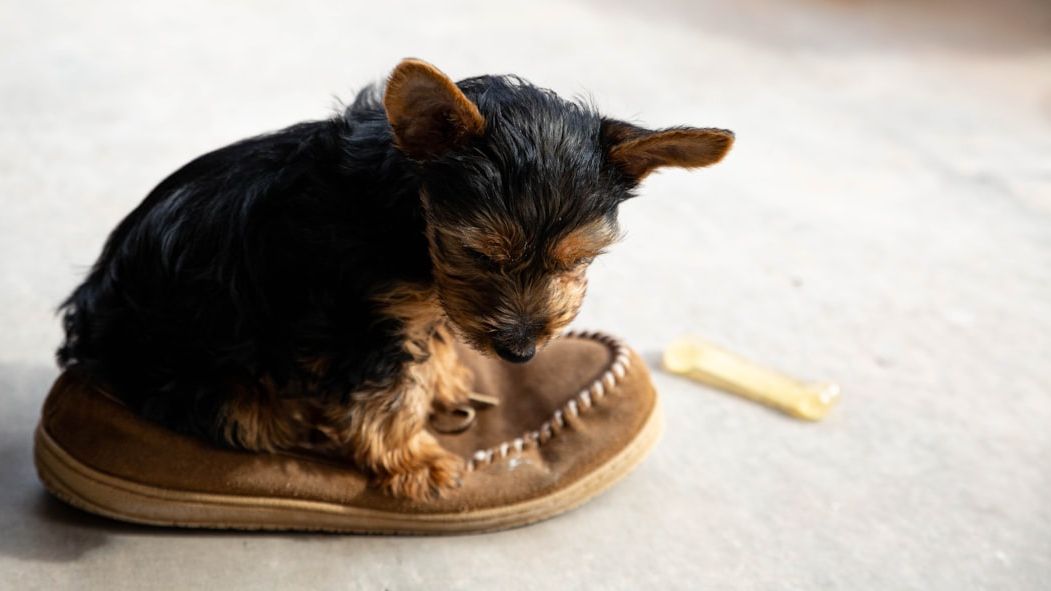
Many dog owners notice a strange pattern. Their pet targets one shoe in a pair while ignoring the other completely. This selective chewing often leaves people wondering what makes the left side so appealing over the right.
The behavior ties into broader habits around scent, access, and daily routines. Exploring these elements reveals more about how dogs interact with their surroundings than any single preference.
The Mystery of One Sided Chewing
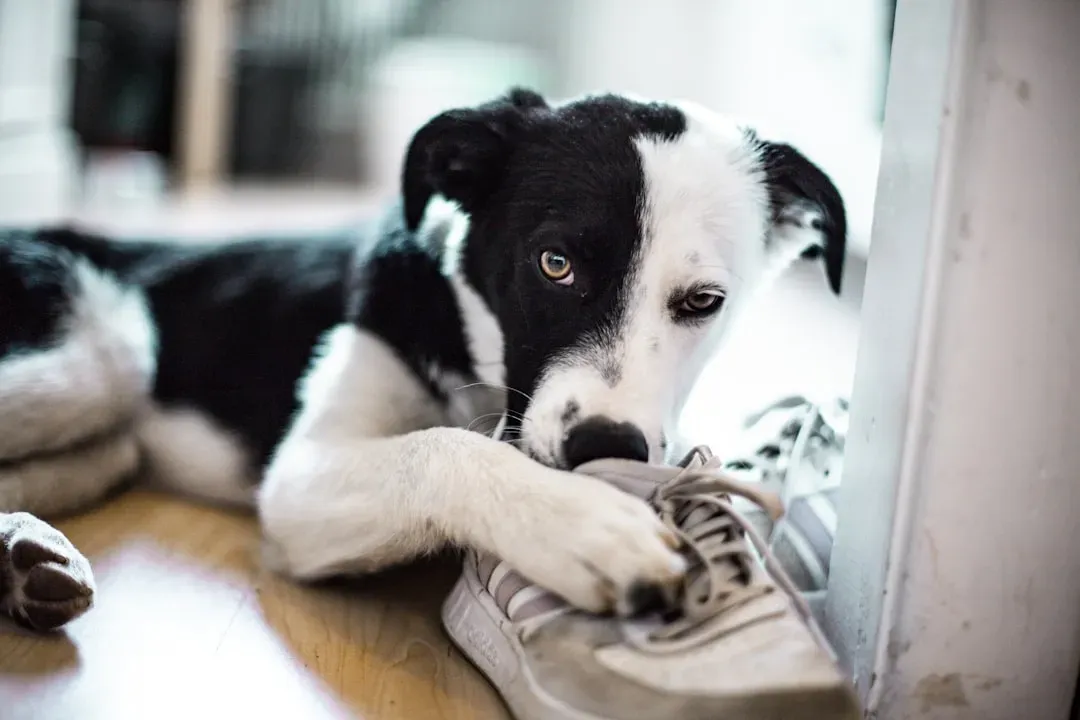
Dogs explore the world through their mouths, and shoes offer an irresistible combination of texture and familiar smells. Reports from owners show this one sided focus appears across different breeds and ages. It rarely stems from any deliberate choice on the dog’s part.
Instead, small differences in how items are stored or used can steer the behavior. A shoe left slightly more exposed or handled more often becomes the default target. Over time this creates the illusion of a strong preference.
How Your Scent Plays a Part
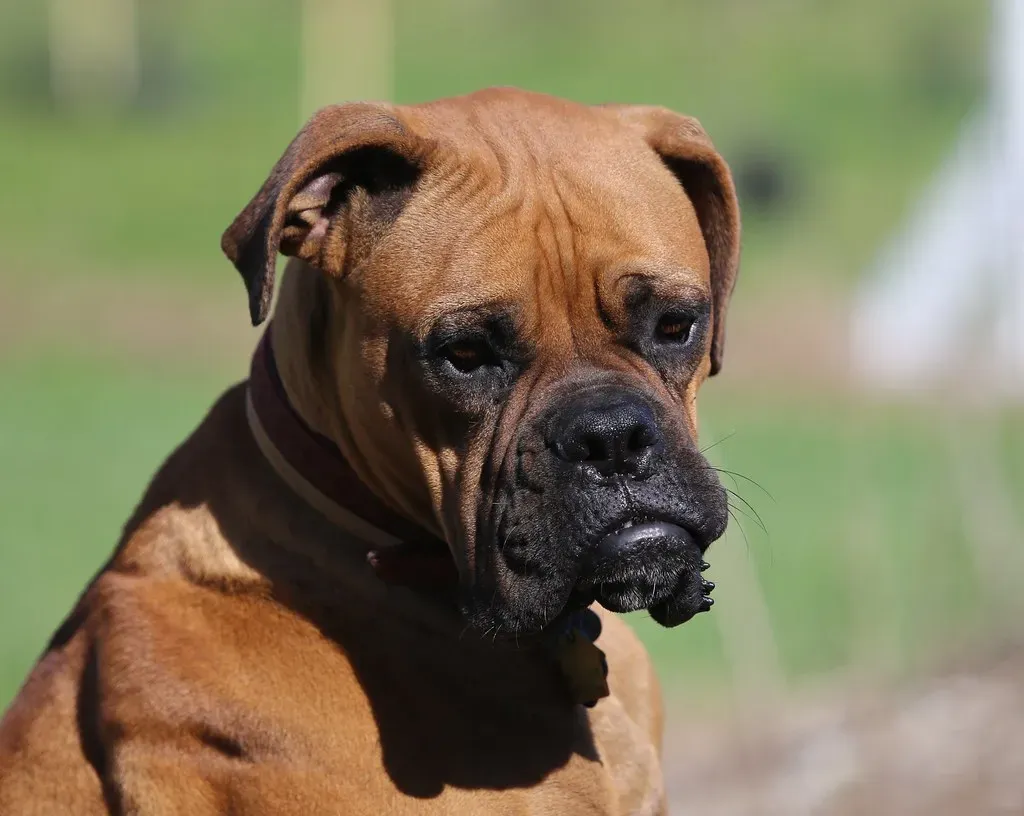
Shoes carry traces of sweat and skin cells that comfort many dogs. These odors remind them of their favorite person and can reduce feelings of isolation. The left shoe might simply pick up more of that scent if it is the one worn during certain activities.
Individual foot differences, such as slight variations in perspiration, add another layer. Dogs notice these subtle cues far better than humans do. What seems random to us often follows a clear olfactory trail for them.
Why Location Matters More Than You Think
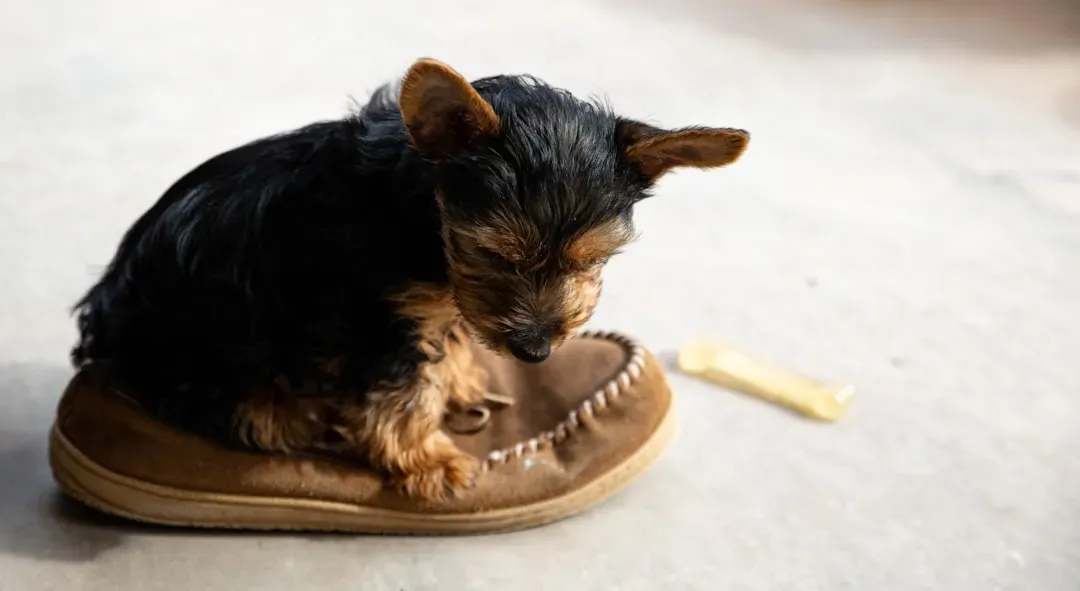
Shoes rarely sit in perfectly symmetric spots around the house. One might rest closer to a doorway or under a chair where the dog passes frequently. Easy access turns that particular item into the go to chew target.
Daily habits reinforce the pattern without any conscious decision. If the left shoe ends up on the floor more often after walks, the dog learns to associate it with opportunity. Consistency in placement shapes the outcome more than any shoe feature itself.
Boredom as a Hidden Driver
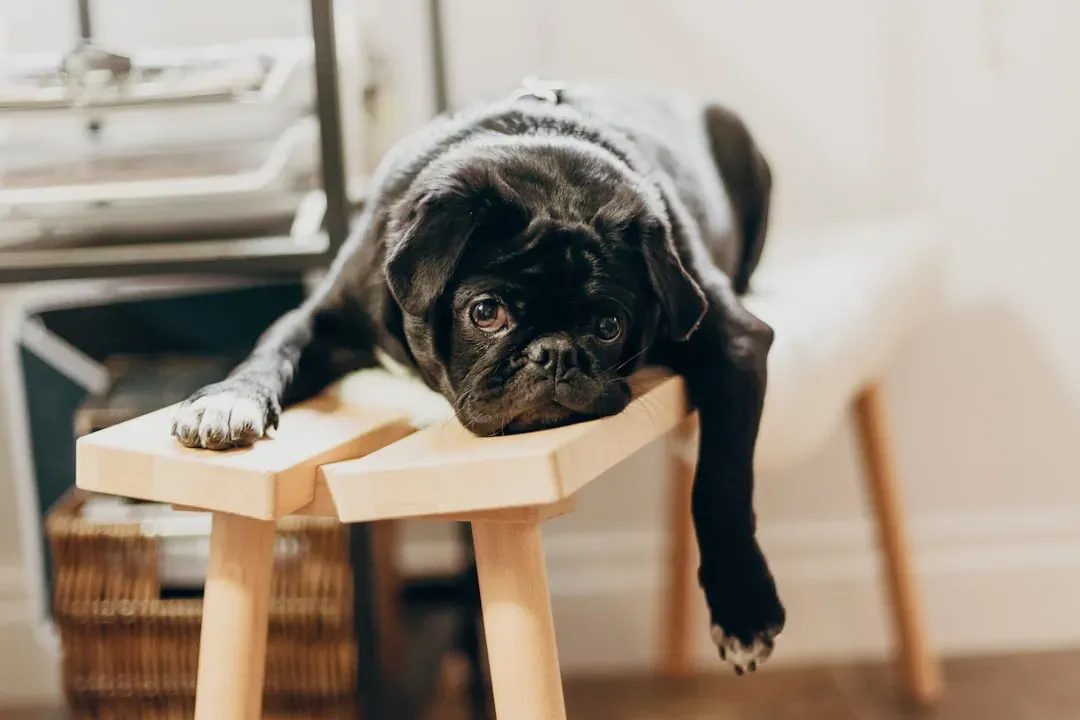
Chewing provides mental stimulation when a dog has little else to occupy its time. A single accessible shoe becomes an outlet during quiet hours. This explains why the behavior surfaces mainly when owners are away or distracted.
Energy levels and lack of enrichment play key roles here. Dogs with regular exercise and puzzle toys show less interest in household items overall. The apparent left shoe focus often fades once more appropriate outlets appear.
Teething Pains and Puppy Phases
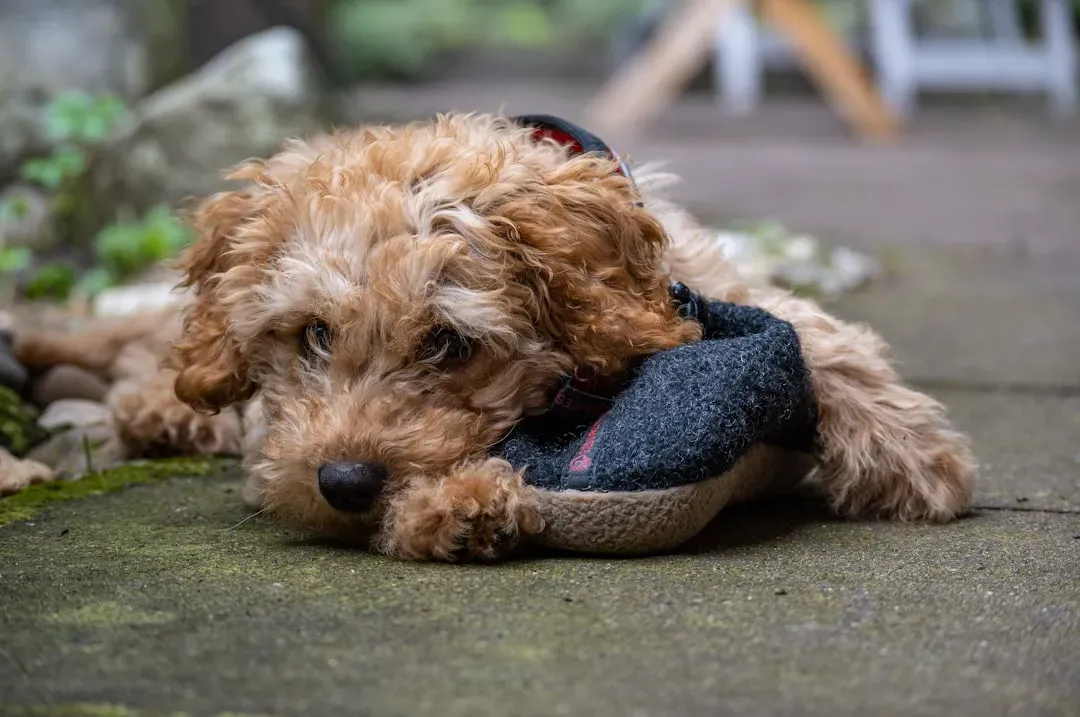
Young dogs chew to ease gum discomfort during growth spurts. Shoes feel soft enough to provide relief without much resistance. This phase passes, yet the habit can linger if not redirected early.
Even adult dogs sometimes revisit the behavior during periods of change or discomfort. The choice of one shoe over another usually traces back to whichever feels most available at the moment. Age related factors influence frequency more than side selection.
Stress and Separation Anxiety Signals
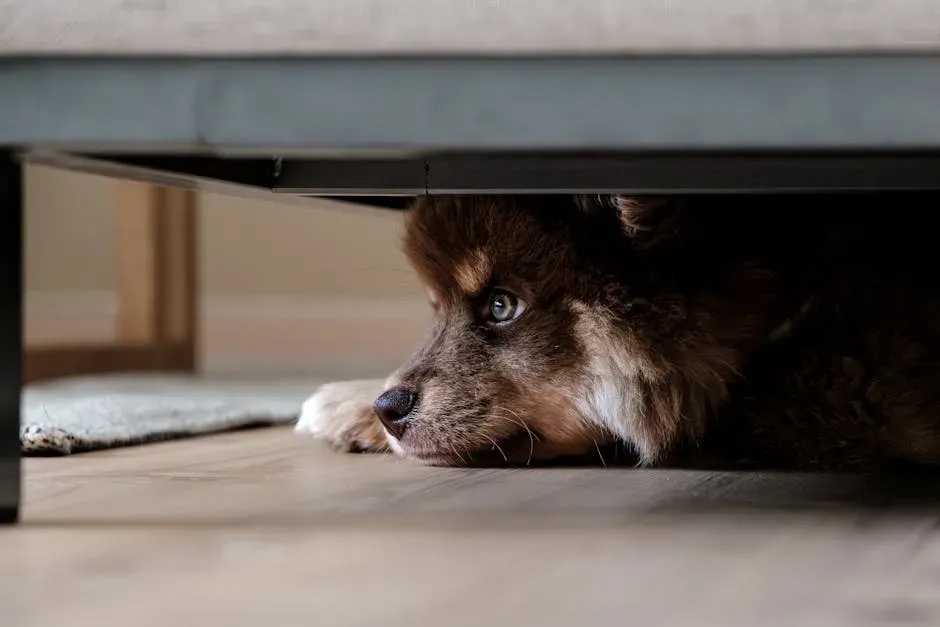
Some dogs chew when they feel unsettled by changes in routine. Shoes near the door carry strong owner scents that ease mild anxiety. The pattern emerges most clearly during departures or arrivals.
Professional trainers note that this form of chewing rarely indicates a true medical issue. It serves as a coping mechanism tied to environment and schedule. Addressing the underlying stress often reduces the selective destruction.
Steps to Protect Your Footwear
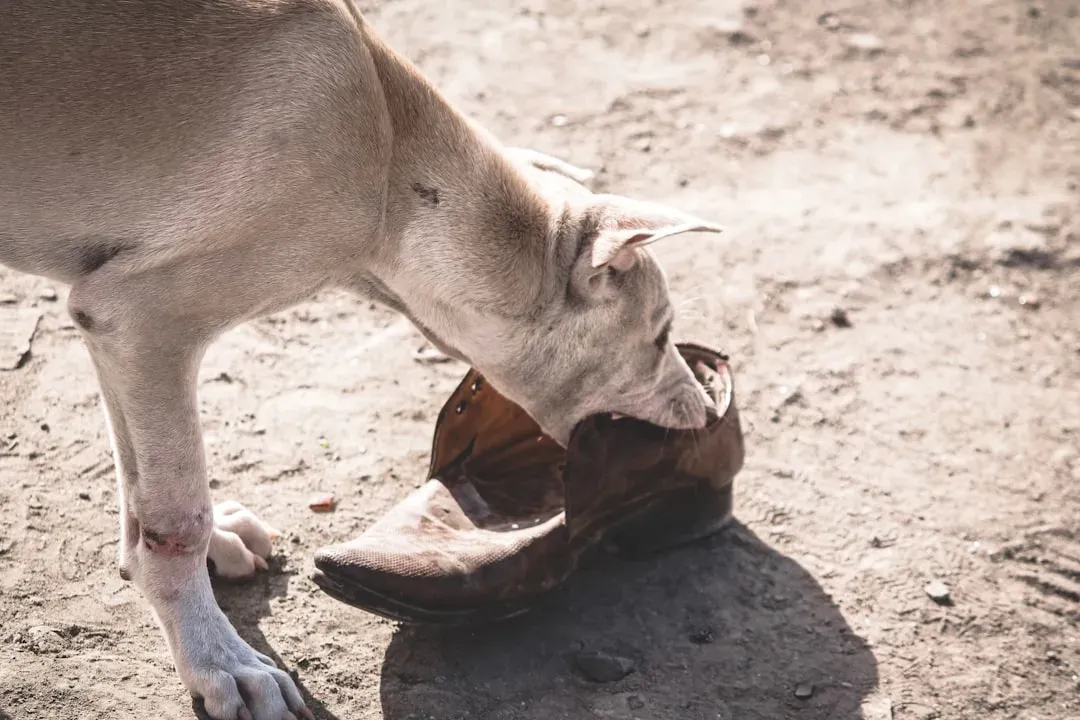
Simple storage changes make a big difference. Keeping shoes in closed closets or on higher shelves removes the temptation entirely. Consistent routines help dogs understand boundaries without confusion.
Providing sturdy chew toys scented with owner items offers a safe substitute. Positive reinforcement for appropriate chewing builds better habits over weeks. Patience and observation usually resolve the issue without lasting frustration.
Ultimately the left shoe mystery reflects everyday dog logic more than any hidden rule. Small adjustments in how we manage our belongings often solve what feels like a puzzling preference. In the end, understanding these patterns strengthens the bond between owner and pet.


