
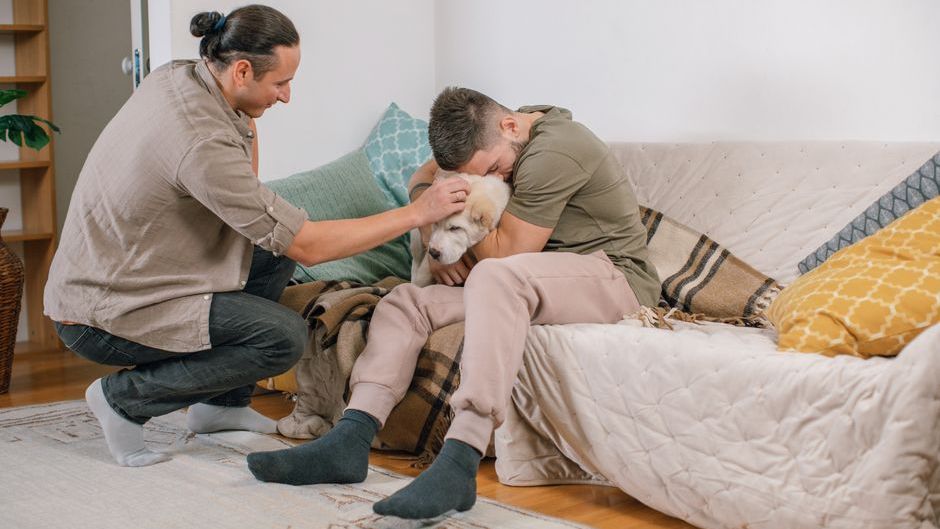
Dogs seem to know exactly how to tug at our heartstrings and get their way, often without a single bark out of place. They watch us closely and adjust their behavior in ways that feel almost calculated. It leaves many owners wondering just how much these furry companions understand about human responses.
Mastering the Irresistible Gaze
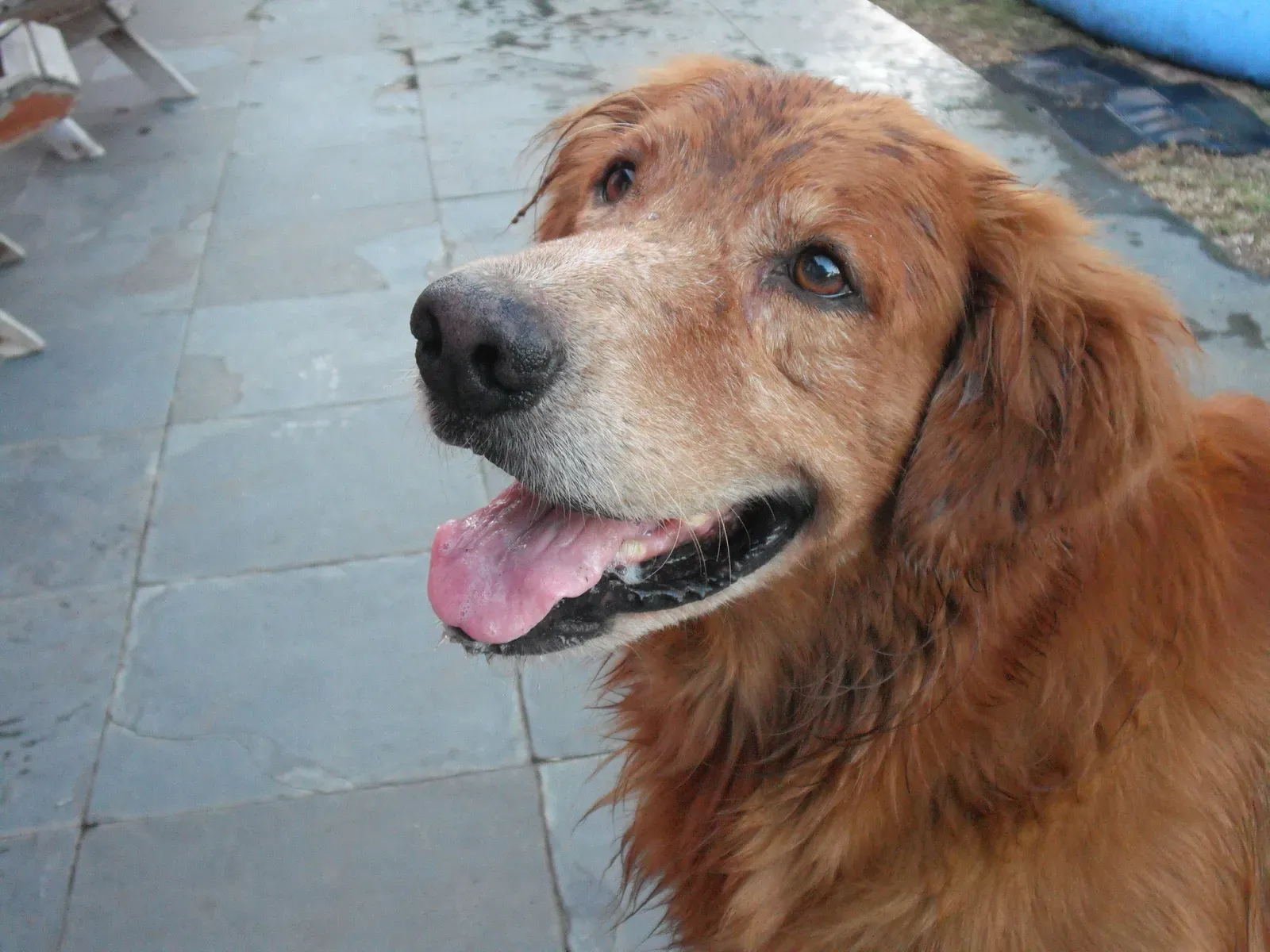
Dogs often lock eyes with their owners in a soft, prolonged stare that mimics the wide eyed look of a puppy. This expression triggers nurturing instincts in people because it resembles the features of young animals that need care. Over time the habit becomes a reliable signal that something is desired, whether food or attention.
Owners frequently report giving in quickly once that look appears. The behavior works because it taps into emotional responses rather than logical ones. Dogs learn through repetition which expressions bring the fastest results.
Employing the Perfect Whine
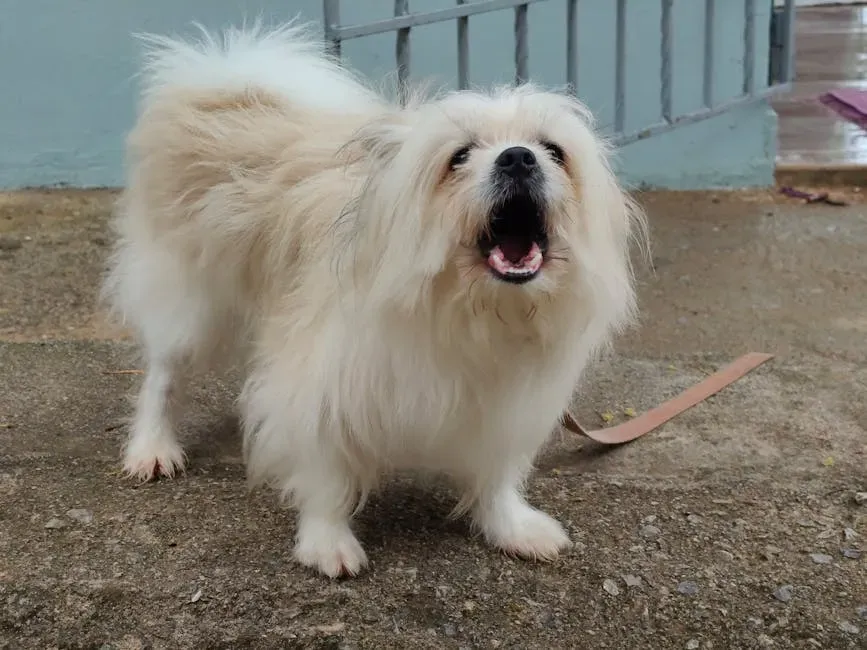
A well timed whine can sound pitiful enough to interrupt whatever a person is doing. Dogs adjust the pitch and volume based on past successes, making the sound harder to ignore than a simple bark. This vocal tactic often leads straight to treats or a walk outside.
The whine stands out because it carries an emotional weight that feels urgent. Many dogs combine it with a slight body lean to increase the effect. Repetition teaches them when this approach works best during the day.
Offering Gifts at Just the Right Moment
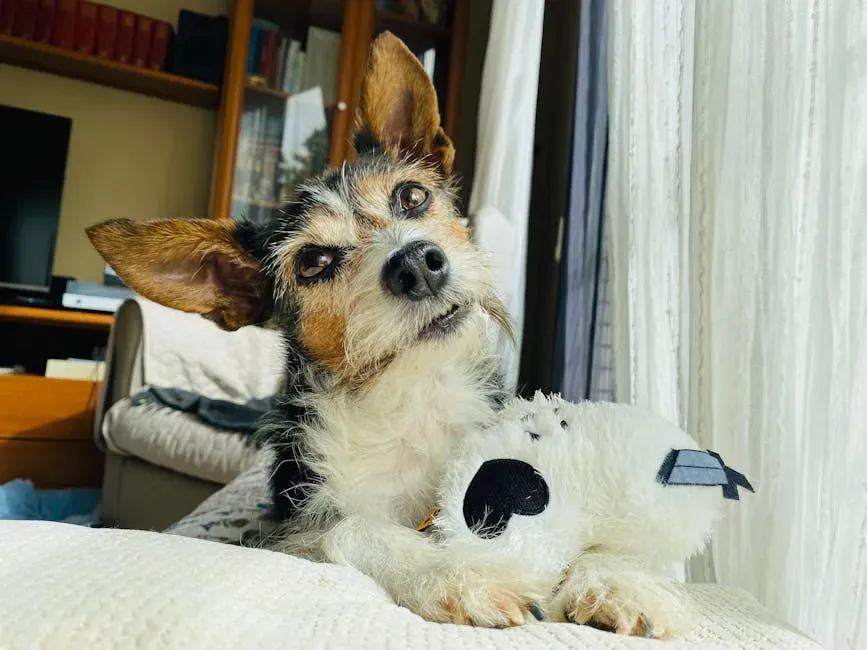
Bringing a toy or stick to an owner can serve as more than play. Dogs present these items when they sense their person is relaxed or distracted, turning the gesture into a request for interaction. The act creates a sense of reciprocity that encourages the owner to respond positively.
Over repeated trials the dog refines the timing so the gift arrives during moments of potential boredom. This strategy keeps the interaction light while steering it toward the desired outcome. Owners often find themselves engaged before they realize the original goal.
Using Play as Leverage
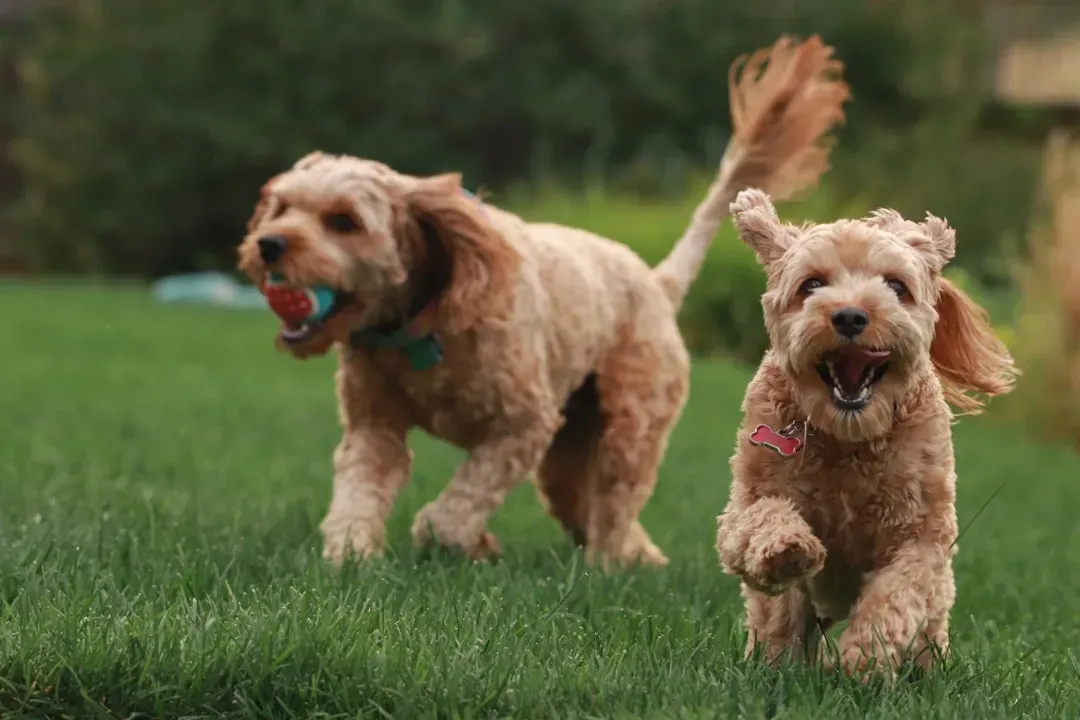
A sudden play bow or excited bounce can shift an owner from chores to fun in seconds. Dogs initiate these moments when they notice a window of free time, such as after a meal or during a break. The energy becomes contagious and pulls attention away from other tasks.
Successful dogs remember which play signals produce the longest sessions. They may even pause mid game to check if more rewards follow. This approach turns shared activity into a pathway for extra treats or affection.
Shadowing Your Every Move
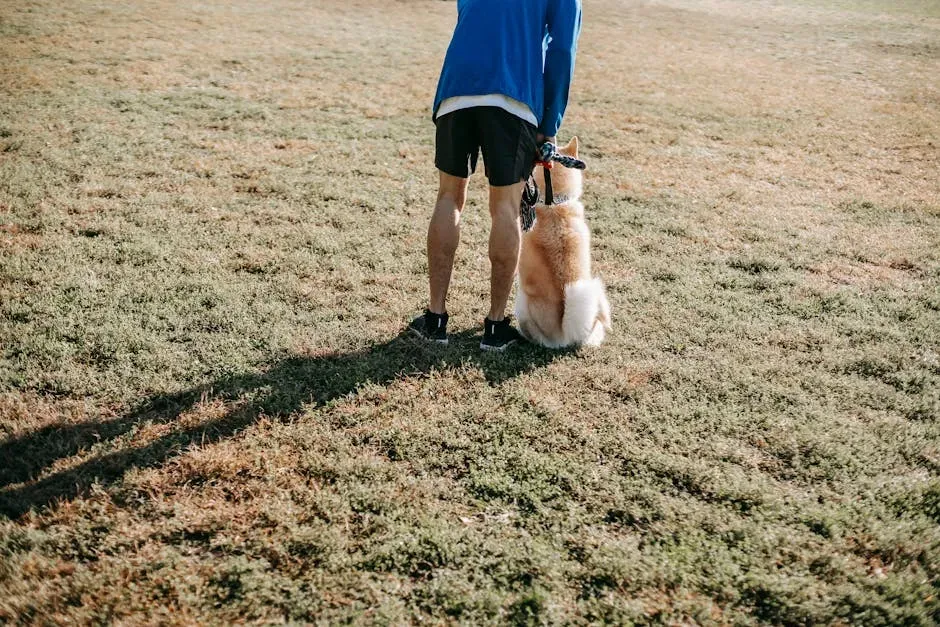
Following an owner from room to room creates constant visibility that makes requests hard to overlook. Dogs stay close during routines like cooking or relaxing on the couch, positioning themselves for easy eye contact. The persistent presence acts as a gentle reminder of their needs.
This habit develops because proximity often leads to small concessions throughout the day. Owners grow accustomed to the company and find it easier to share a bite or open the door. The pattern reinforces itself with each small success.
The Charming Head Tilt
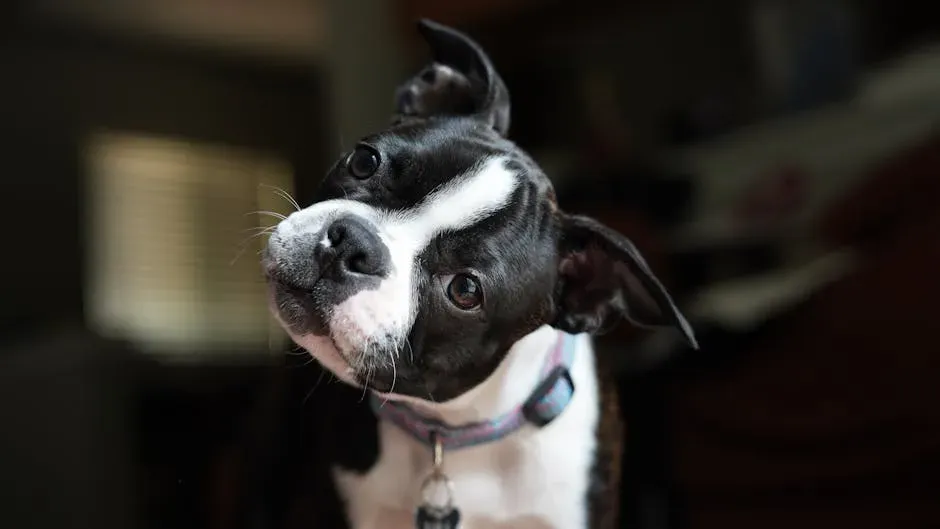
A quick head tilt catches attention and makes a dog appear curious or thoughtful. Dogs use this move when they want to draw focus during conversations or when food appears nearby. The unexpected angle stands out and invites a response from the owner.
Many dogs pair the tilt with a soft expression to heighten its appeal. The behavior pays off when it leads to praise or a snack. Repetition strengthens the association between the tilt and positive outcomes.
Feigning Vulnerability
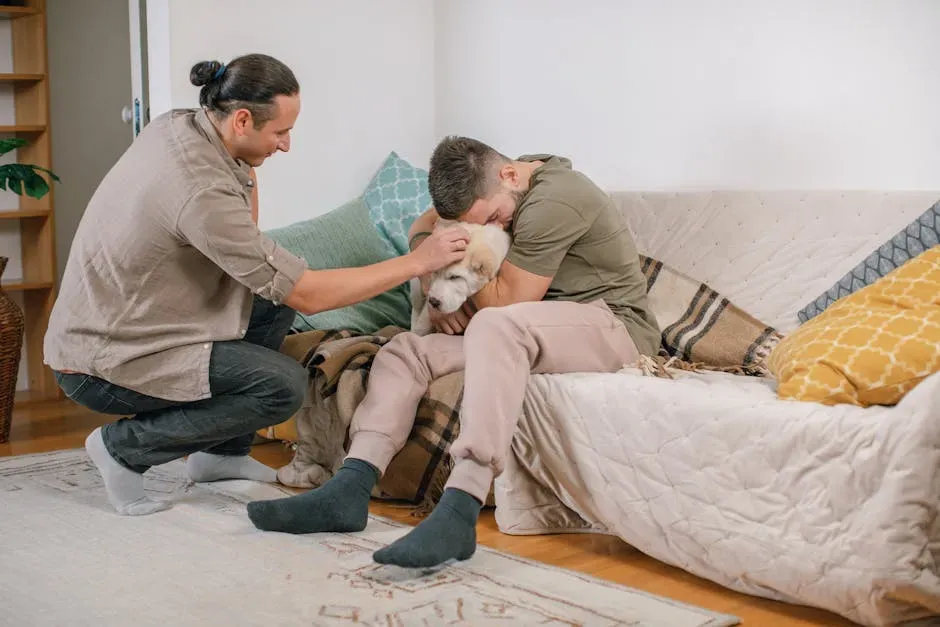
Some dogs lie down with a sigh or rest their head on a lap to signal they need comfort. This posture often appears when an owner seems busy or distant, shifting the mood toward care. The display encourages petting or closeness that the dog seeks.
The tactic succeeds because it appeals to protective feelings rather than direct demands. Dogs learn to read subtle cues in their person and match them with the right level of apparent need. Small adjustments keep the approach fresh and effective.
Reading Your Emotions and Responding Accordingly

Dogs notice changes in voice tone or posture and mirror them to stay connected. When an owner looks stressed a dog might approach calmly or offer a toy as a distraction. This sensitivity allows them to time requests for moments when resistance is lowest.
Through daily observation dogs build a map of what works with each family member. They adjust their energy to match the situation and increase the chance of success. The skill grows stronger with consistent practice over months and years.
These small behaviors add up to a relationship that feels deeply mutual even when one side holds the treats. Watching a dog refine its approach over time reveals a quiet intelligence that keeps life interesting. In the end the real trick may be how willingly we play along because the bond feels worth every concession.


