
Rescue dogs often arrive with stories etched into their every move. A flinch at a raised hand or a retreat to the corner tells part of the tale, yet time and steady care can rewrite those chapters in surprising ways.
Watching the shift from wary survivor to confident companion raises a quiet question about what really turns the page. Certain everyday actions stand out as clear markers that the past no longer holds the same grip.
Seeking Out Gentle Touch After Months of Avoidance
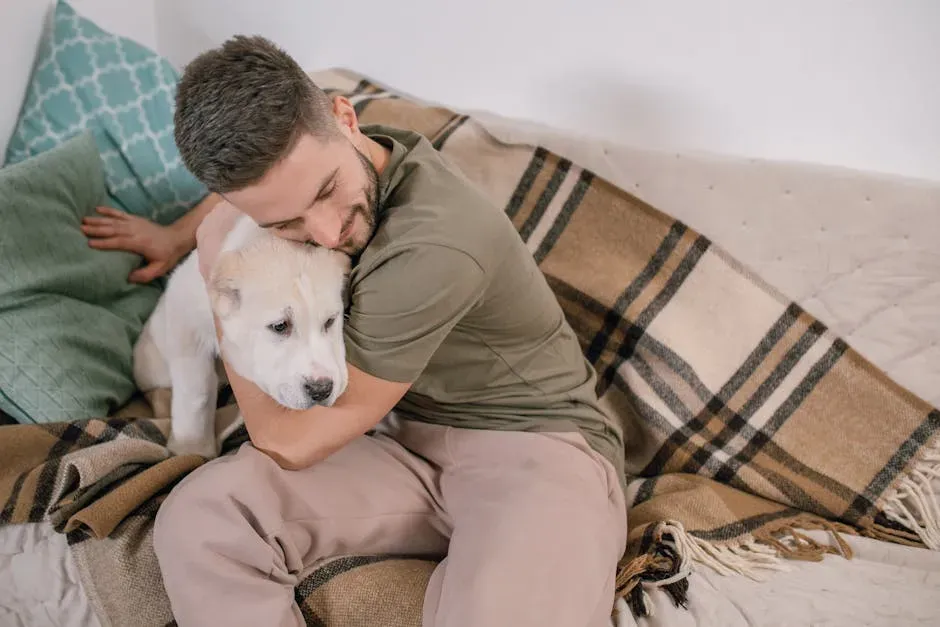
Many dogs who once shrank from any contact begin to lean into a hand on their side or rest their head on a lap without prompting. This change unfolds gradually as daily routines build a sense of safety that overrides earlier fears. The dog starts to initiate the interaction, perhaps nudging a knee or rolling over for a belly rub during quiet evenings.
Over repeated positive experiences the hesitation fades into something more relaxed and even eager. Owners notice the dog choosing closeness during stressful moments rather than hiding. Such a shift signals that consistent kindness has begun to replace old associations with new ones rooted in trust.
Initiating Play With Toys or Family Members
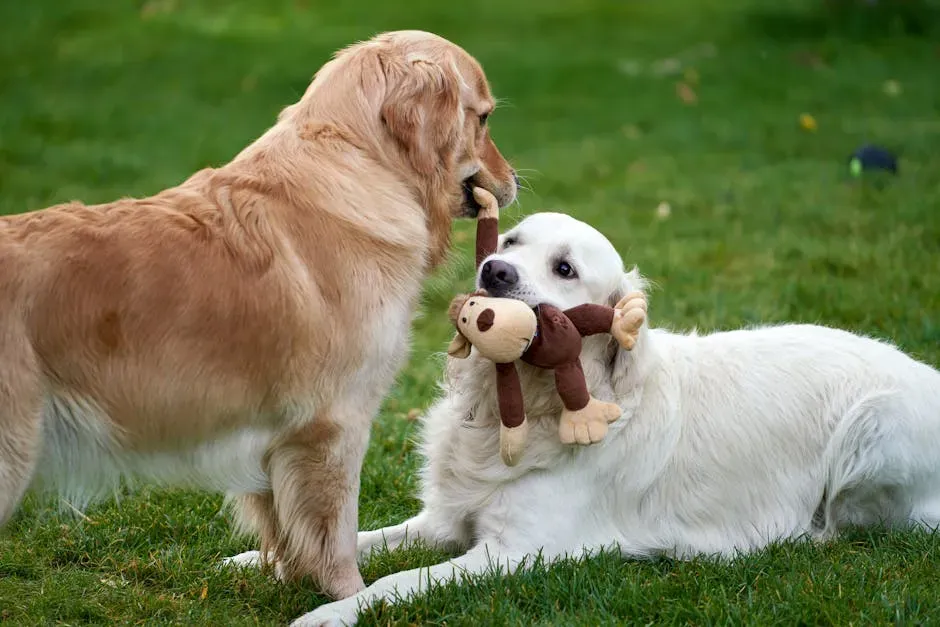
A dog that once ignored every squeaky ball or tug rope suddenly grabs one and brings it over for a game. The transition often appears after weeks of calm exposure to the household rhythm without pressure to perform. Play becomes a shared language that strengthens the bond in lighthearted moments.
Family members see the dog offering toys to children or other pets as an invitation rather than a guarded resource. The energy in these sessions grows more joyful and less frantic as time passes. This behavior reflects a mind that now associates home with fun instead of constant vigilance.
Sleeping Soundly Through the Night in Open Spaces

Rescue dogs frequently start by curling into the smallest corner or under furniture where they feel hidden. With steady reassurance they begin to stretch out on a dog bed or even the living room rug in full view. Deep, even breathing replaces the shallow alertness that once kept them half awake.
Owners report fewer midnight pacing episodes and more mornings greeted by a rested companion ready for the day. The choice of an exposed sleeping spot shows the dog no longer needs constant escape routes. Restorative sleep itself becomes evidence that the environment feels secure enough to let guard down completely.
Displaying a Loose, Wagging Tail in Everyday Situations
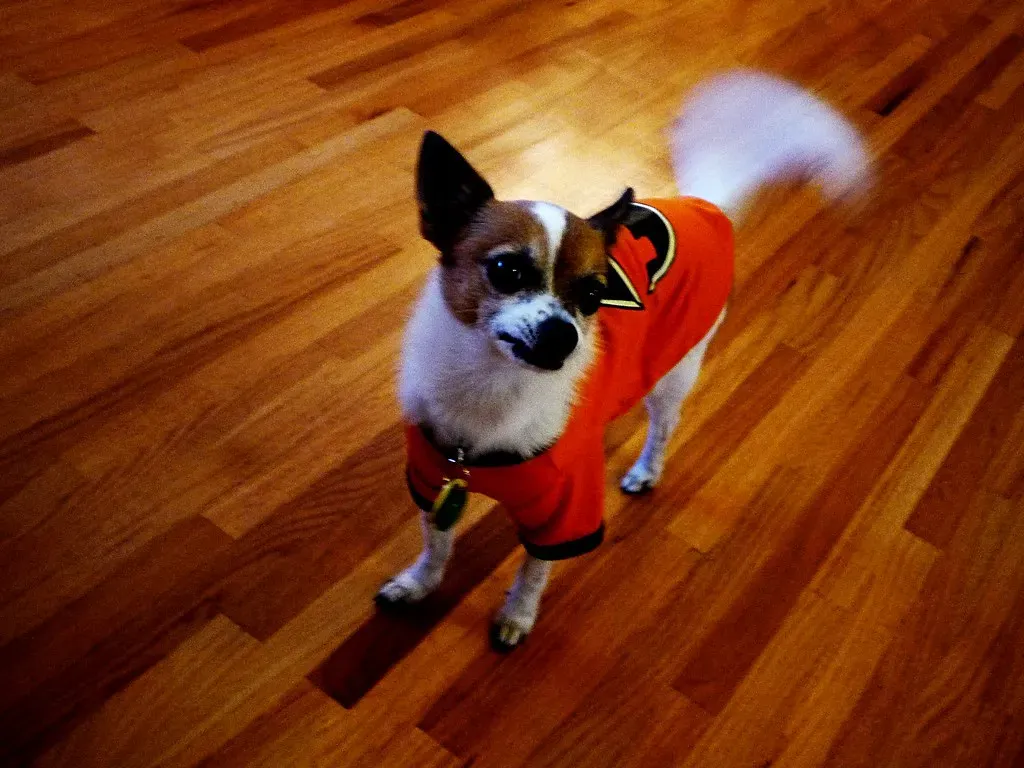
Early on the tail might stay tucked or move in tight, nervous arcs at the slightest sound. Later the same tail swings in wide, relaxed loops when the family returns home or during casual walks around the block. The movement carries a different quality, loose and rhythmic rather than stiff or forced.
This physical cue often coincides with other relaxed signals like soft eyes and a lowered head. The dog greets visitors or new environments with curiosity instead of immediate shutdown. A freely wagging tail in varied contexts points to an internal reset where former threats no longer trigger the same response.
Forming Close Bonds With Multiple Household Members
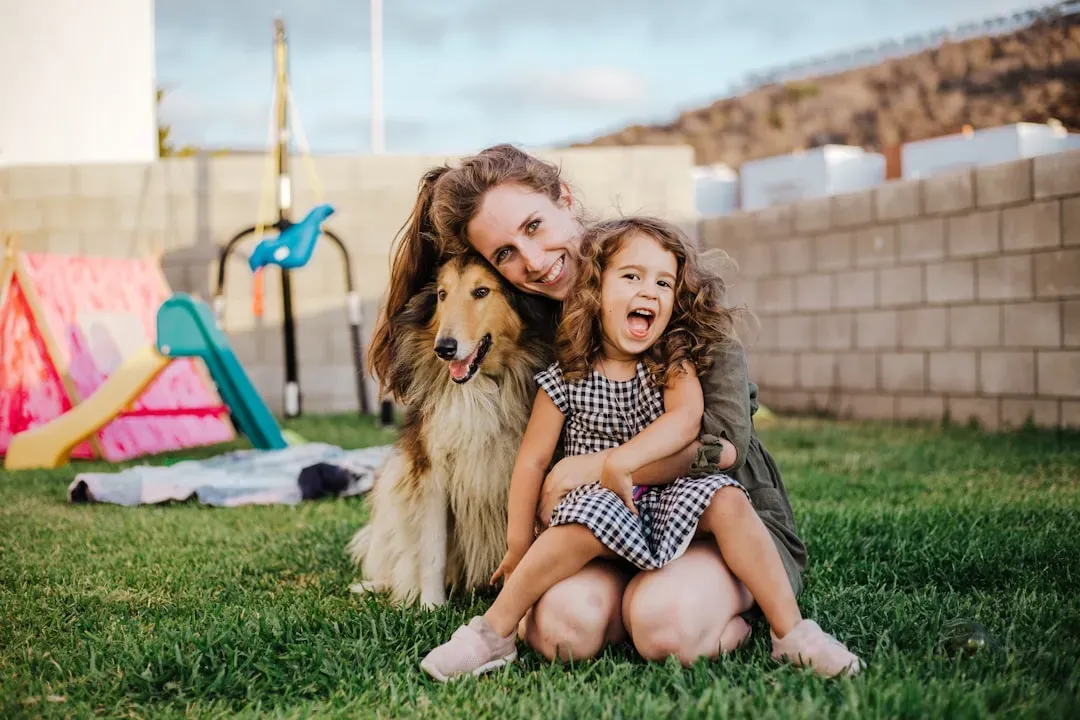
Some dogs attach to one person at first while keeping distance from everyone else. Over months the attachment spreads as each family member offers food, walks, and quiet company without demands. The dog begins to seek out different people for different comforts, such as one for play and another for calm petting sessions.
Interactions become more balanced and less possessive as the circle of trust widens. The dog shows comfort when one person leaves because others remain present and familiar. This broadening connection demonstrates that love from several sources can fill gaps left by earlier instability.
Responding Eagerly to Training and New Experiences
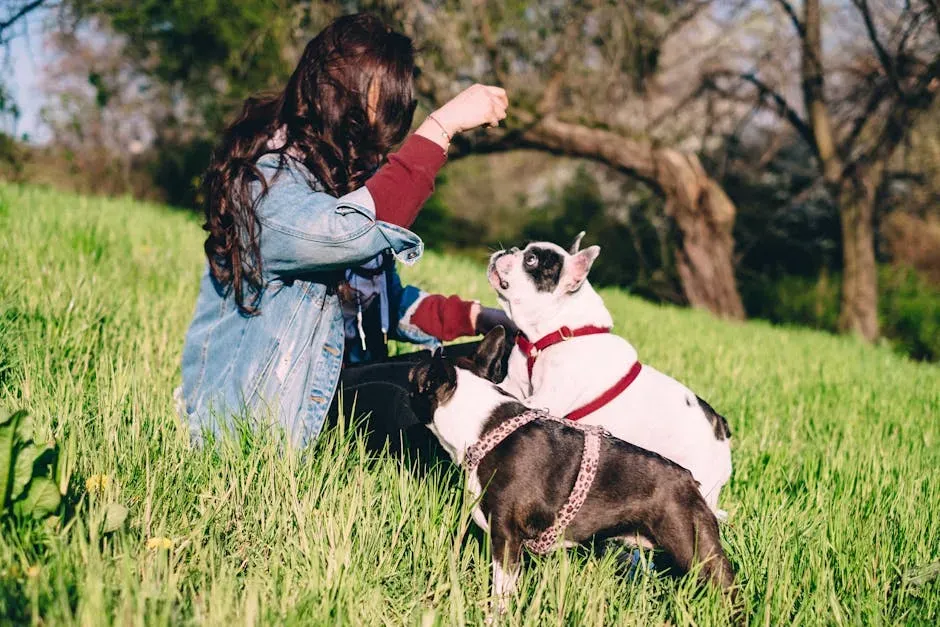
Initial attempts at basic commands might meet blank stares or outright avoidance from a dog still processing past uncertainty. With patient repetition paired with rewards the same dog starts to offer behaviors quickly and with visible enthusiasm. New situations like car rides or visits to the park shift from sources of stress to opportunities for shared adventure.
The dog watches its person for cues and checks in during walks rather than pulling ahead or freezing. Progress in learning feels collaborative instead of one sided. Such willingness reveals a growing confidence that the world can be navigated together safely.
Showing Protective Yet Calm Loyalty During Family Activities
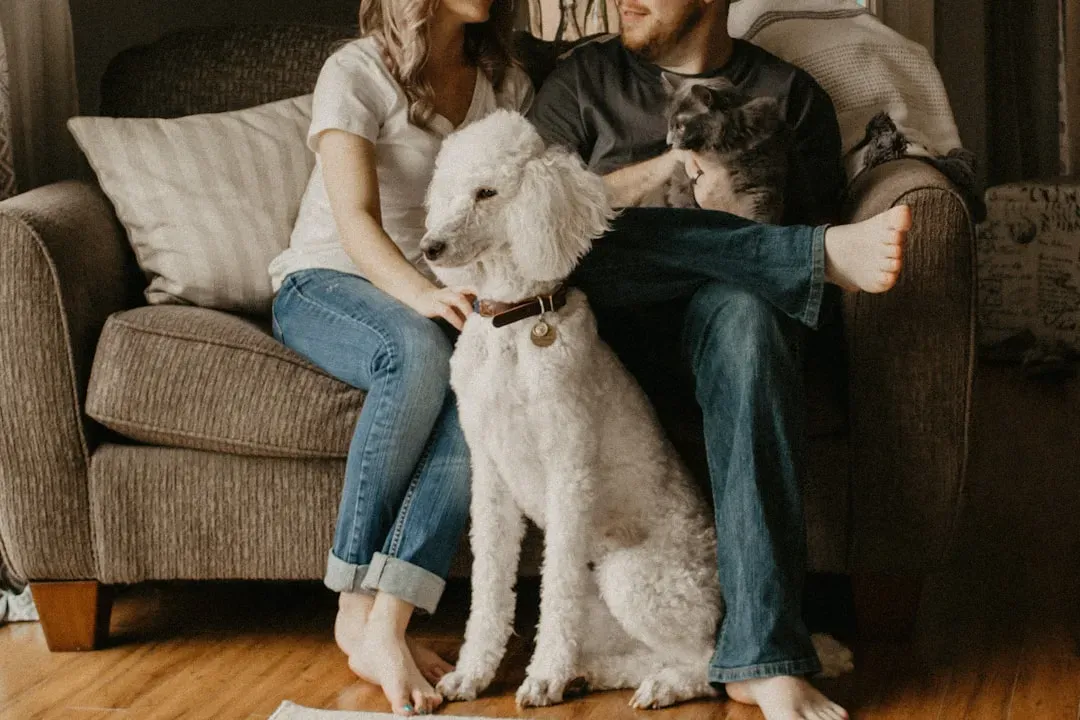
Early protectiveness can appear as barking at every noise or positioning between the dog and perceived threats. Later the same instinct settles into quiet presence, staying near during gatherings without escalating tension. The dog offers a steady watchfulness that feels reassuring rather than reactive.
Family members notice the dog settling beside children during play or remaining composed when guests arrive. This balanced loyalty grows from repeated experiences where the household proves itself a safe unit. The behavior underscores how unconditional care can channel natural instincts into positive, steady companionship.
Why These Shifts Matter More Than We Often Realize
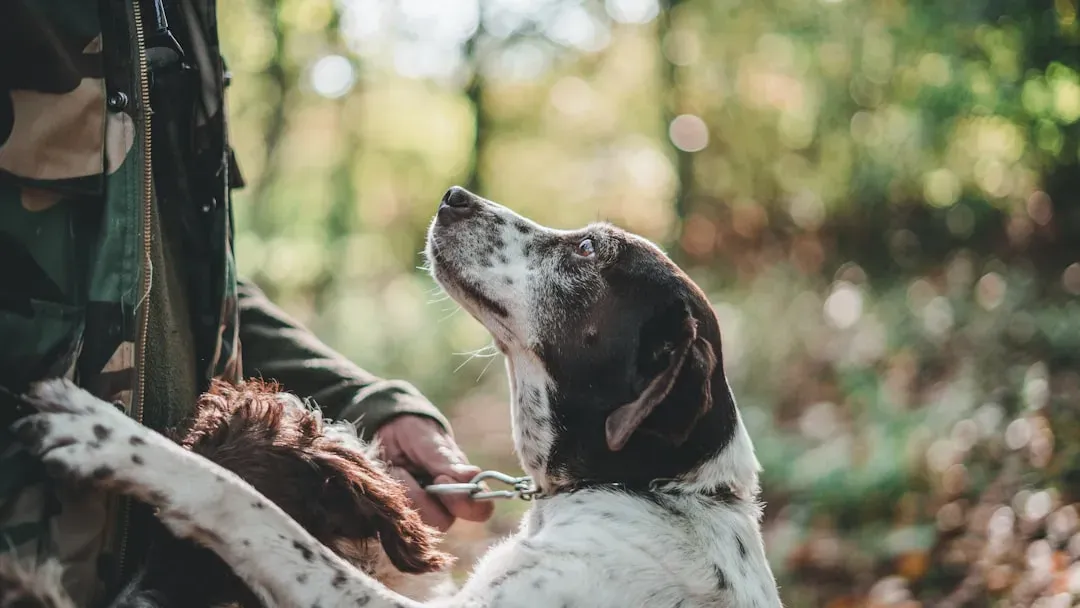
Each of these behaviors builds on the last, creating a fuller picture of recovery that no single moment captures. The process rarely follows a straight line, yet the patterns repeat across countless homes that open their doors to dogs carrying heavy histories. What stands out is how ordinary acts of presence and patience accumulate into something transformative.
Love does not erase what came before, but it can loosen its hold until new habits take root. Watching a once wary dog choose connection again offers a quiet reminder that healing often looks like small, repeated choices made in safety. In the end the real proof lies not in dramatic rescues but in the steady, everyday ways these animals begin to live as if tomorrow holds promise.


