
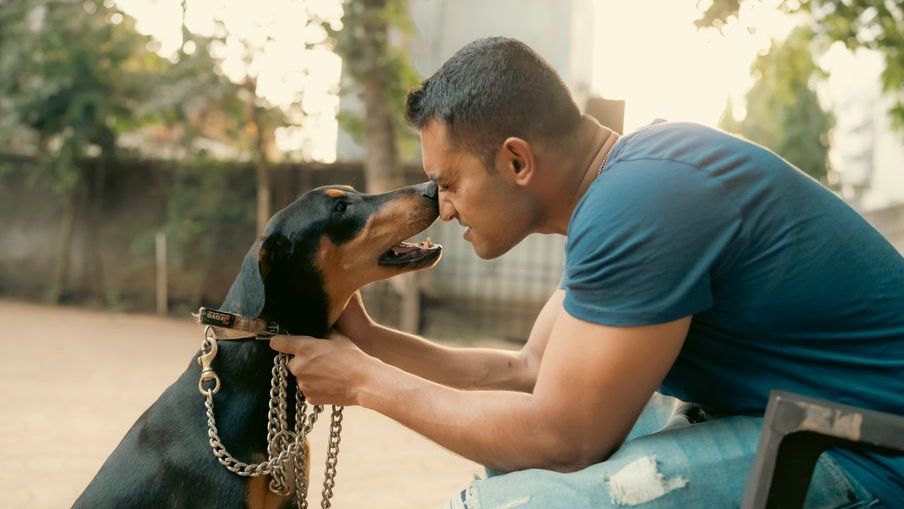
Picture this scene. Voices climb in the next room, tension thickens the air, and suddenly your dog appears at your side, pressing close as if the argument needs a referee. Many owners notice this pattern yet rarely pause to wonder what drives it.
The behavior feels instinctive rather than random. Canine psychology offers a clear window into why dogs choose proximity over distance when emotions flare.
Dogs Pick Up on Emotional Cues More Than We Realize

Canines read human body language and tone with remarkable precision. They notice shifts in posture, breathing patterns, and vocal pitch long before words turn sharp. This sensitivity stems from thousands of years living alongside people, where survival once depended on spotting trouble early.
Research into dog cognition shows they process emotional signals in ways similar to young children. When an argument begins, those cues register as potential disruption rather than background noise. The dog responds by moving closer instead of retreating to another corner of the house.
Loud Voices Signal Potential Threats in a Dog’s Mind
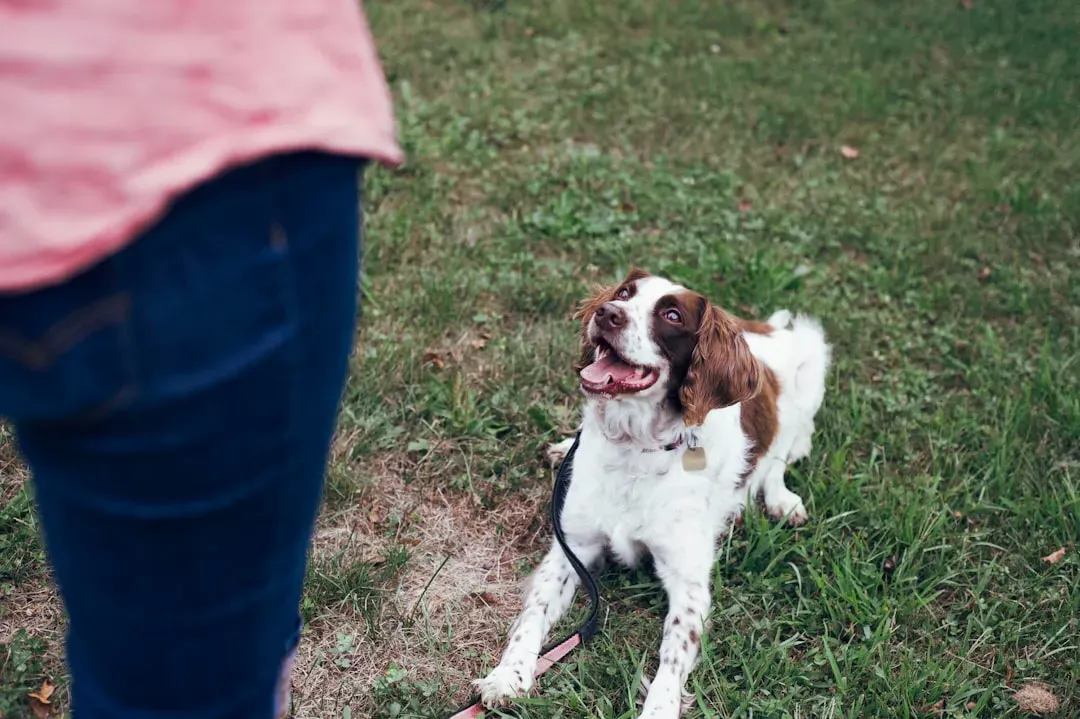
Raised voices carry a different acoustic profile than calm conversation. Dogs associate volume changes with conflict or danger because their hearing detects subtleties humans often miss. In the wild, loud sounds could mean predators or disputes within the pack.
Domestic dogs carry forward that ancient wiring. An argument at home triggers the same alert system. Rather than interpreting the noise as harmless human drama, they treat it as something requiring attention and possible intervention through their presence.
Angry Energy Creates a Need for Reassurance

Energy in a room shifts noticeably during conflict. Dogs sense this change through scent, movement, and the overall atmosphere. What feels like simple frustration to people registers as unease or instability to them.
Seeking out their owner becomes a coping strategy. The familiar scent and touch provide a steady reference point amid the emotional turbulence. This move toward safety mirrors how pack animals cluster together when external pressure rises.
Your Presence Offers the Comfort They Crave
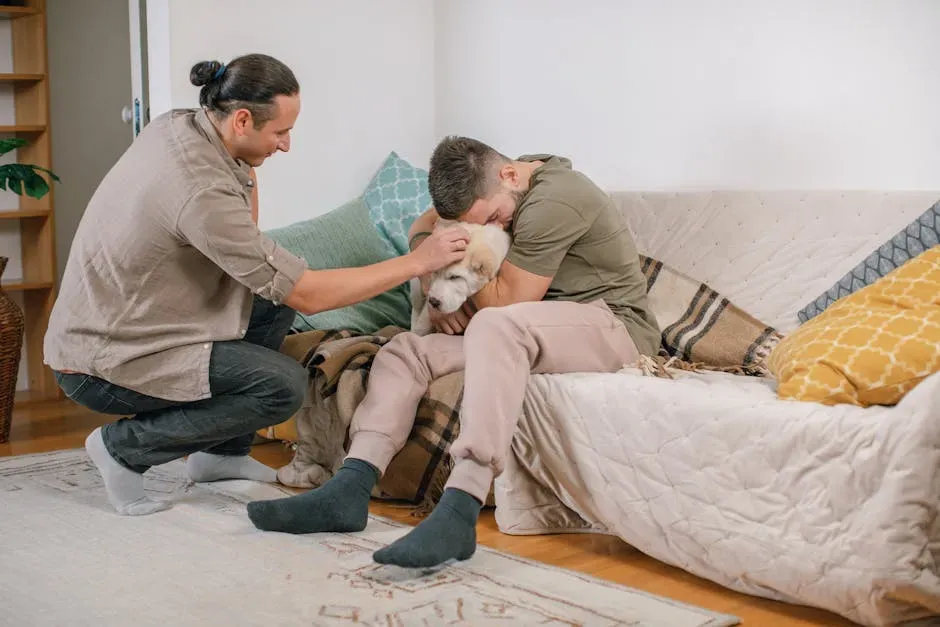
Owners represent the primary source of security for most dogs. When tension builds, dogs default to the person they trust most. Physical closeness allows them to monitor the situation while drawing on that established bond for calm.
Some dogs even position themselves between arguing parties. Others simply lean against a leg or settle at feet. Either way, the goal remains the same: stay near the source of stability until the storm passes.
This Behavior Strengthens the Human Canine Bond
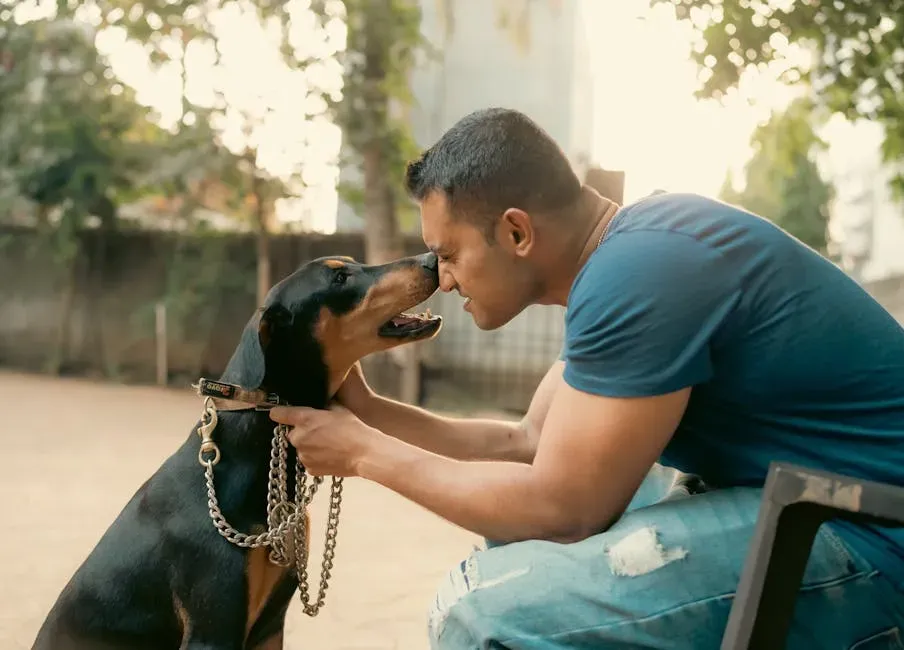
Repeated moments like these deepen mutual understanding over time. The dog learns that staying close brings relief, while the owner begins to recognize the pattern as a form of communication. Both sides benefit from the quiet exchange.
These interactions also highlight how dogs view their role within the household. They do not see arguments as abstract disagreements. Instead, they experience them as events that affect the entire group, prompting protective or supportive actions.
Observing These Moments Can Improve Your Interactions

Paying attention to when your dog approaches during conflict reveals useful details about their stress thresholds. Some dogs react to volume alone, while others respond more to body language or specific tones. Tracking patterns helps owners adjust their own habits if needed.
Simple steps like lowering voices or offering a calm touch can ease the dog’s experience. Over time, these adjustments create a more predictable environment that reduces unnecessary anxiety for everyone involved.
Reflecting on What It Means for Everyday Life
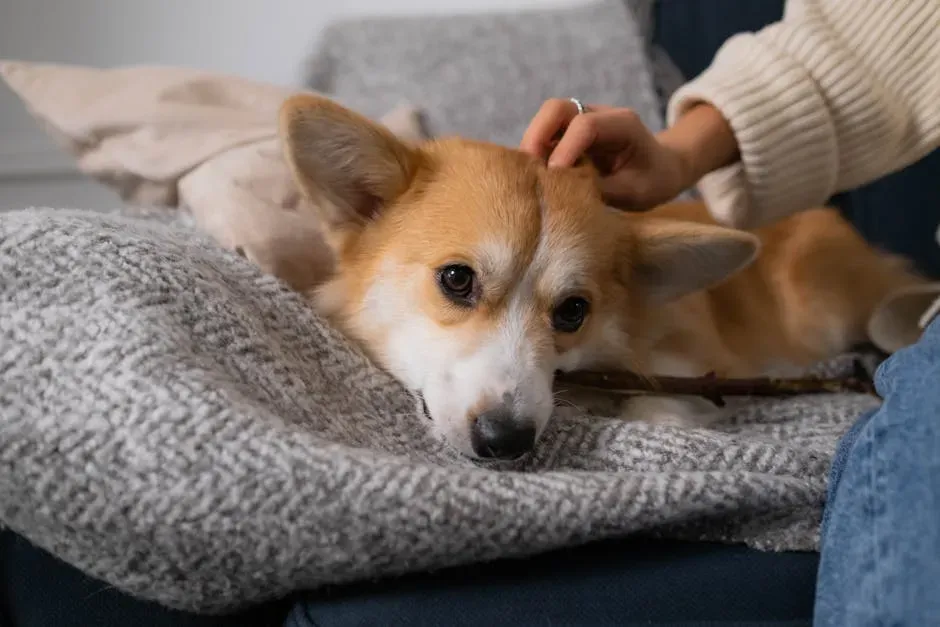
This tendency reveals something quietly profound about the relationship between people and dogs. They do not merely tolerate our emotional ups and downs. They actively navigate them alongside us, choosing connection when things feel unsettled.
In a world that often treats pets as accessories, this behavior serves as a reminder of their deeper investment in our well-being. Appreciating that instinct encourages more thoughtful responses on our end, turning ordinary arguments into opportunities for greater awareness rather than sources of shared stress.


