
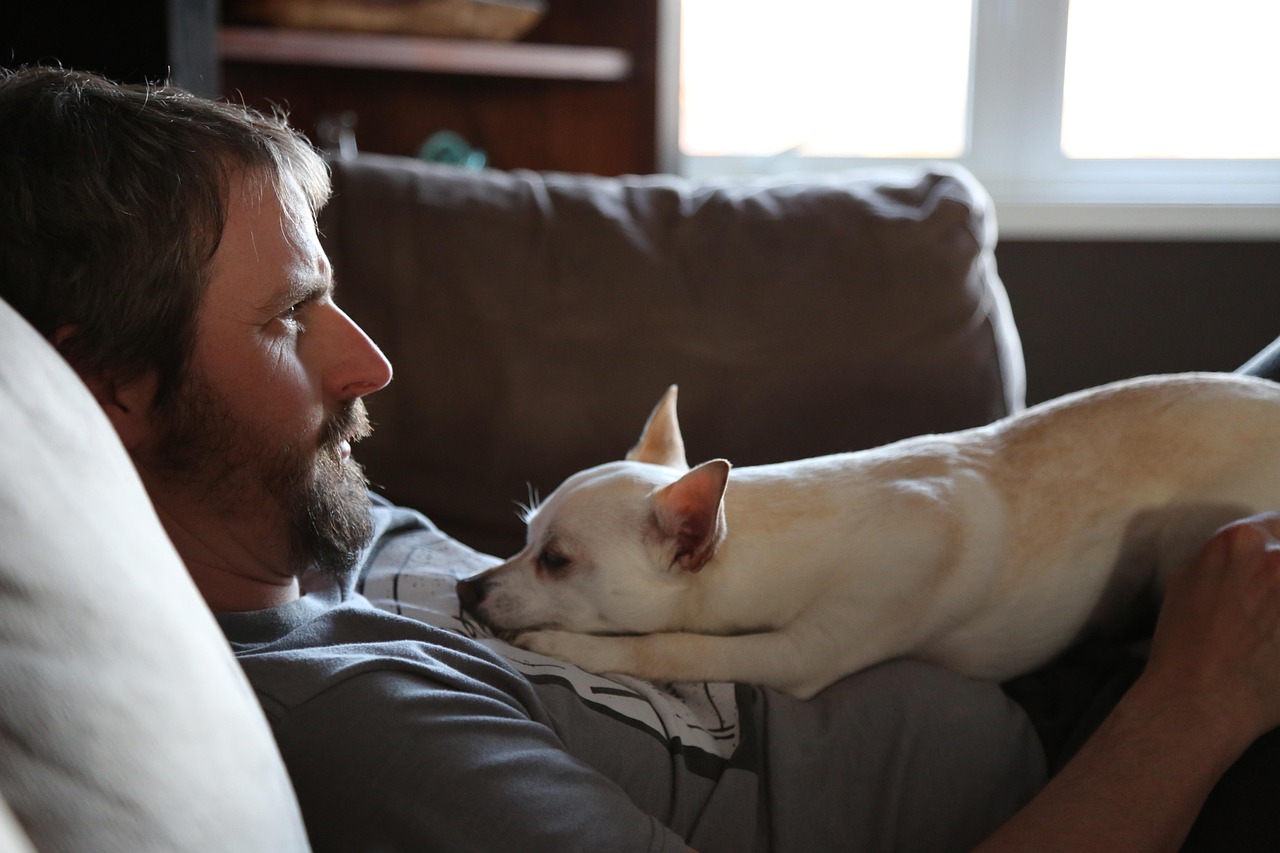
If dogs could talk, half of us would probably burst into tears from how sweet they actually are. The funny thing is, they already are talking to us – just not in words. The licking, leaning, following, staring, even that weird habit of bringing you a soggy toy at 6 a.m.? A lot of what we brush off as “just dog stuff” is actually your dog saying, in their own quiet way, that they love you.
Once you start seeing these behaviors as emotional messages instead of random quirks, your relationship with your dog changes completely. You stop getting mildly irritated at the dog under your feet in the kitchen and start realizing, wow, this animal is choosing to be as close to me as possible. Let’s unpack some of the most misunderstood dog behaviors that are, in reality, pretty powerful signs of affection.
1. The Slow, Soft Eye Contact (AKA “Doggy Heart Eyes”)
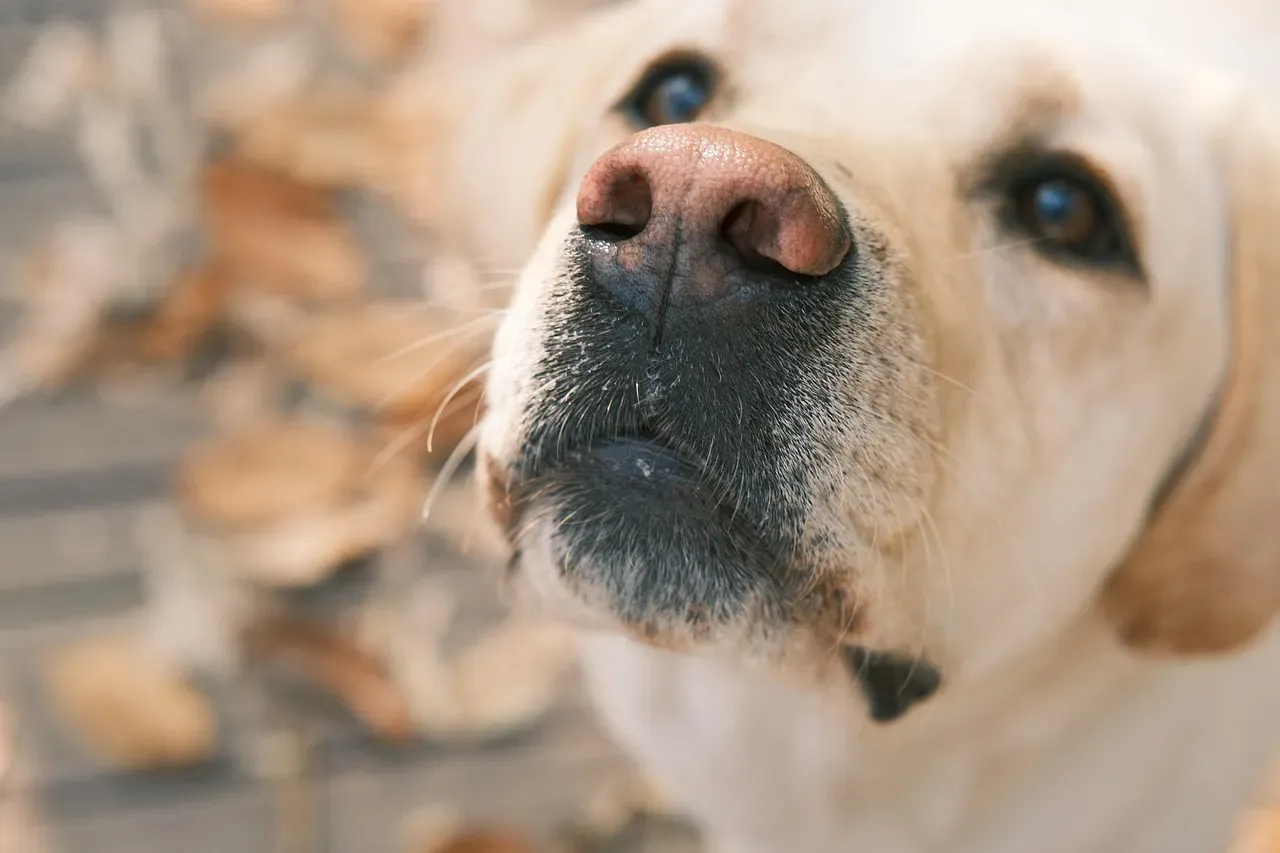
Long, relaxed eye contact from a dog can feel oddly intense, and many people wonder if it means the dog is challenging them. In reality, when the body is loose and the eyes are soft, this lingering gaze is one of the most intimate ways a dog can connect with you. Research has even shown that mutual eye contact between dogs and their humans can increase oxytocin, the same hormone linked to bonding between parents and babies.
Think of it like your dog’s version of a quiet, content smile. If your dog is staring at you with a relaxed face, maybe their ears are neutral and their mouth is slightly open, they’re not plotting world domination – they’re soaking you in. Many dogs will do this when you’re calm, like when you’re reading, working, or scrolling your phone on the couch. It’s their way of checking in and saying, “You and me? We’re good.”
2. Following You From Room to Room (Your Little Furry Shadow)
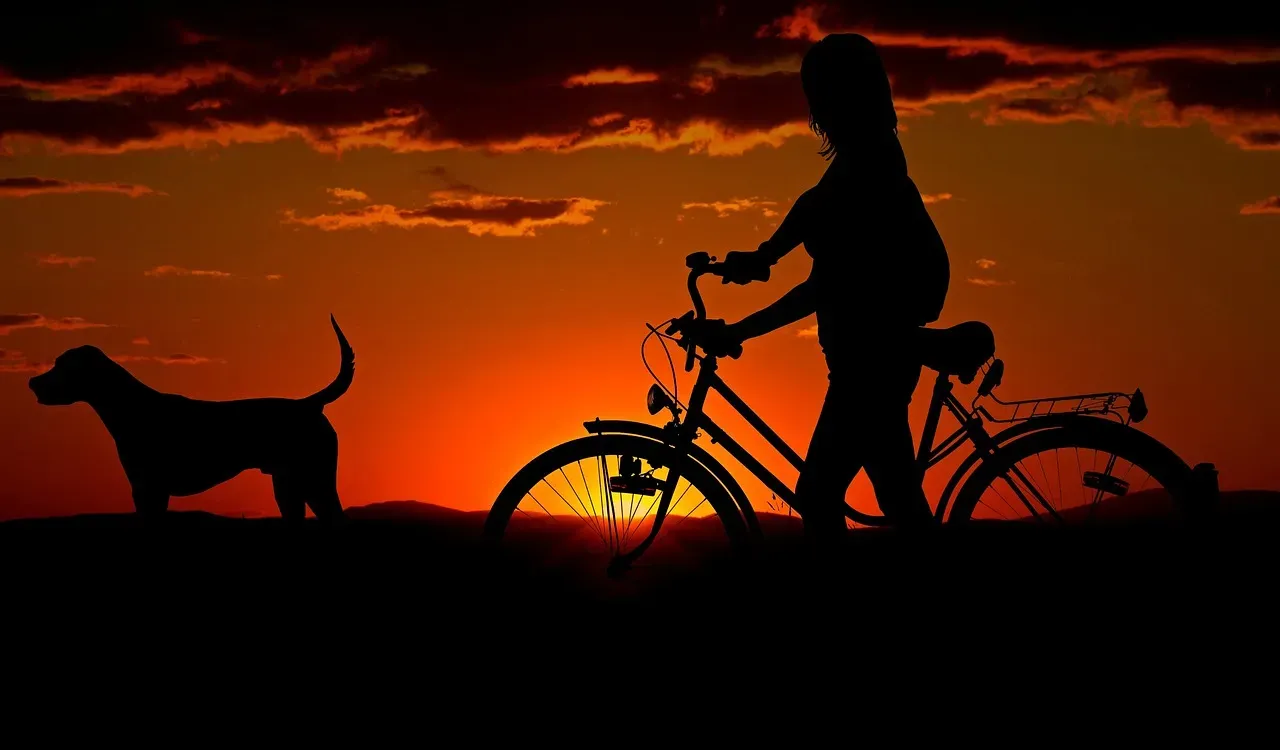
Ever get up to grab a glass of water and suddenly you’ve got four paws trailing right behind you? A lot of owners call this “velcro dog” behavior and worry that it’s clinginess or separation anxiety. In many cases, though, especially when the dog is relaxed and confident, it’s simply a dog choosing to stay close to their favorite person because that’s where they feel safest and happiest.
Dogs are social animals wired to keep an eye on their group, and you are their group. Following you around the house can be a kind of quiet devotion, like a kid who just likes to do their homework at the same table where their parent is working. If your dog isn’t panicking when you leave the house but insists on trailing you like a polite little satellite at home, that’s affection on paws, not a problem to fix.
3. Leaning Their Body Weight Against You
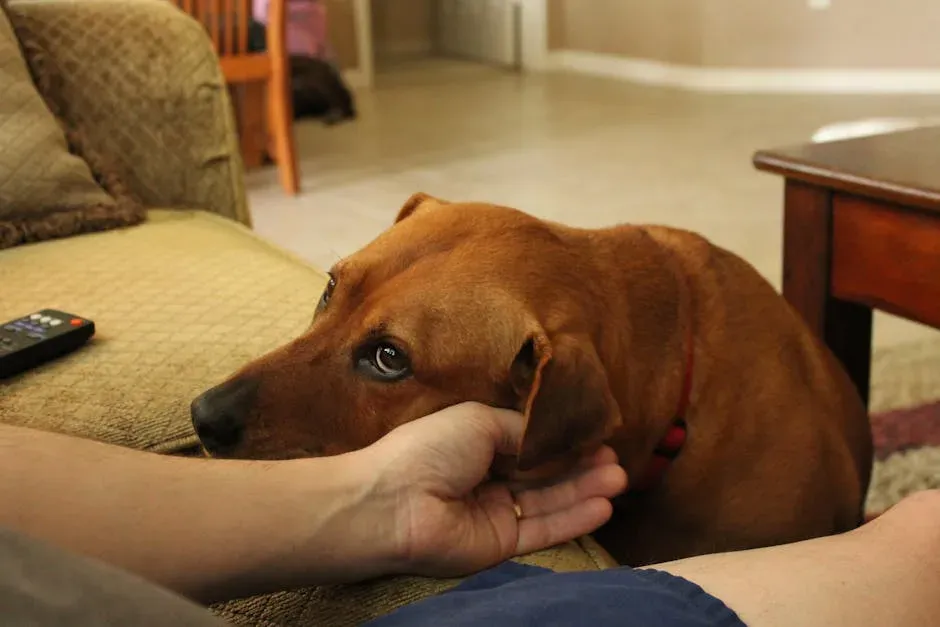
That full-body lean into your legs, hip, or shoulder is one of the clearest “I choose you” moments dogs offer. Some people think it means the dog is trying to dominate them, but behavior research has moved away from those old dominance myths. In most everyday situations, the lean is way more about contact seeking and comfort than about control. It’s the canine equivalent of scooting closer on the couch.
Dogs naturally seek pressure and closeness when they’re feeling content, and sometimes when they want a bit of reassurance. You might notice your dog leaning into you during fireworks, at the vet, or in a new environment – they’re literally using your body as a grounding point. It’s hard not to feel honored when you realize your dog has decided that your leg is their emotional anchor.
4. Bringing You Toys (Even If They Don’t Actually Let Go)
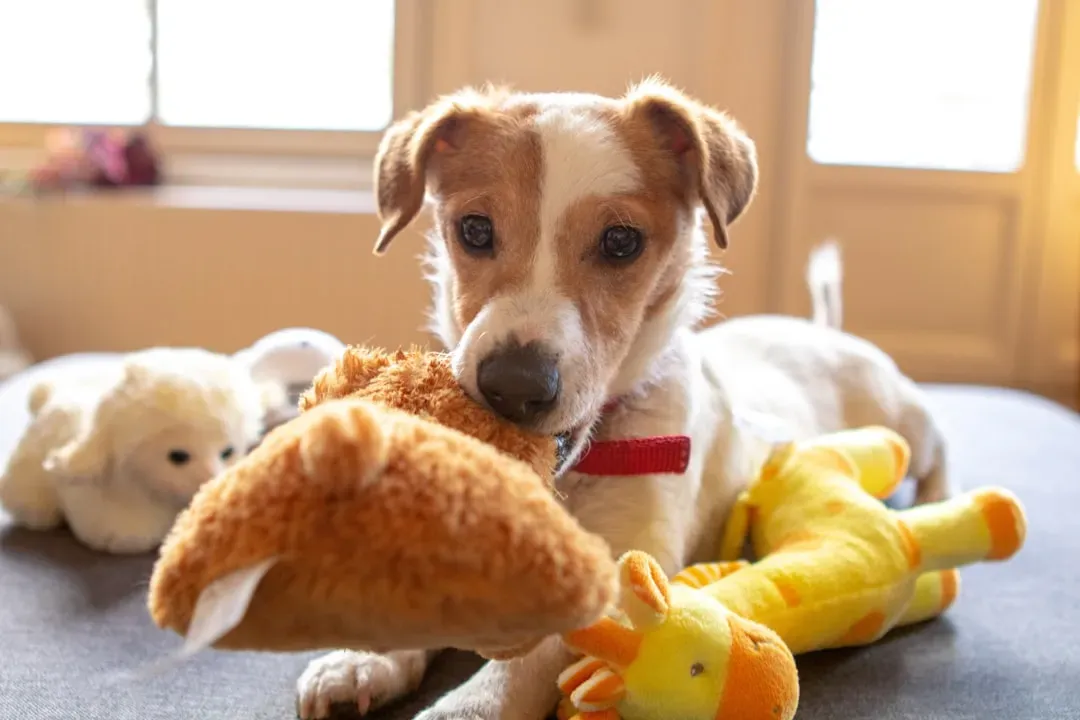
When a dog proudly marches over with a toy, stuffed animal, or even a random sock, it’s easy to assume they just want to play fetch. And sure, sometimes that’s the case. But bringing you something – especially a favorite toy – is also a social gesture. They’re choosing to share something valuable to them, or at least involve you in what they enjoy, which is a big deal in dog language.
Even when they hover and won’t quite release the toy, that’s often an invitation: “Look what I’ve got, wanna engage with me?” This is not a power struggle; it’s more like a kid running up to you saying, “Watch this!” The real affection here is not the object itself but the desire to include you in their fun. You’re not just the person who feeds them; you’re part of their play and their joy.
5. Sleeping Touching You or In Your Space
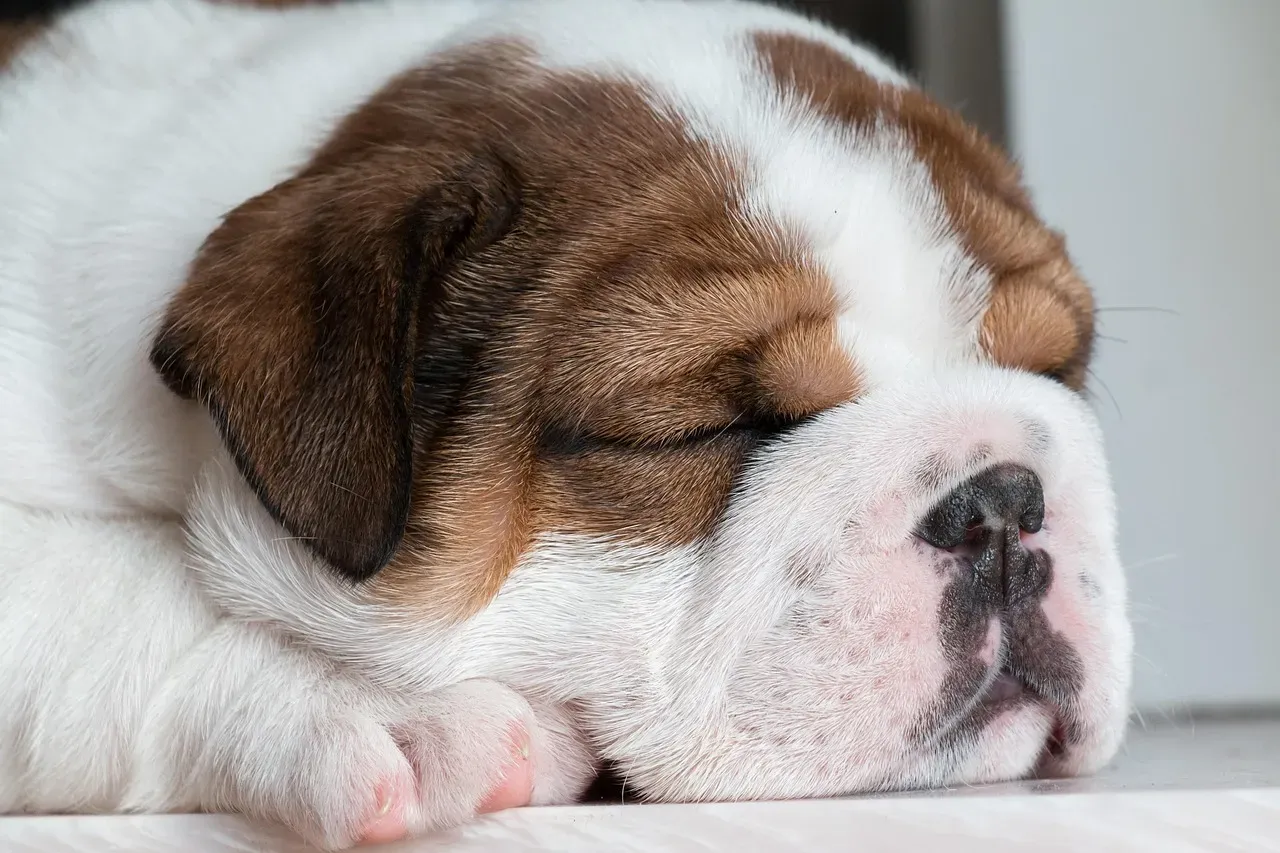
Where a dog chooses to sleep tells you how safe they feel. In the wild, canids sleep close to pack members for protection and warmth. When your dog curls up against your legs in bed, naps with their back pressed into you on the couch, or insists their bed must be exactly three centimeters from your side of the bed, they’re choosing you as their safe zone. That physical closeness during their most vulnerable state is a huge sign of trust and affection.
Even dogs that aren’t big cuddlers will often position themselves so they can at least see you, like at the doorway of your room or at the foot of the bed. That “guarding the doorway” position can be both a comfort choice and a quiet protective instinct. They’re not just sleeping; they’re making sure they can react if something feels off. To them, sharing sleeping space is one of the most intimate ways to say, “You’re my family.”
6. Licking You (Yes, Even the Slightly Gross Face Licks)
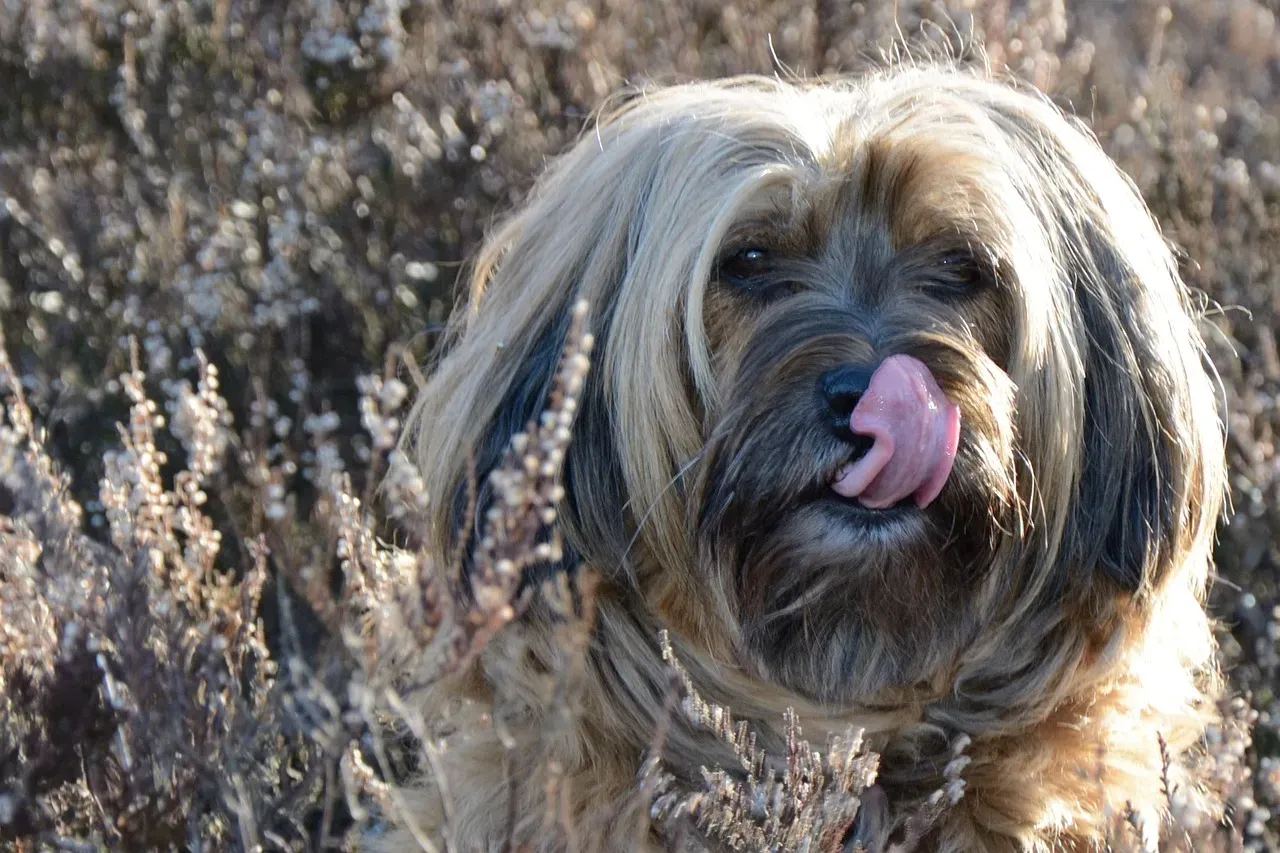
Licking is one of those behaviors that humans love or hate, but to dogs, it’s layered with meaning. Puppies lick their mother and littermates for comfort and attention, and adult dogs sometimes continue that habit with their humans. Gentle licking of your hands, arms, or face can be a soothing, affiliative behavior – basically grooming and bonding wrapped into one slightly slobbery package.
Of course, dogs also learn quickly that licking gets a reaction, and sometimes it becomes a habit or attention-seeking behavior. But especially when the dog’s body is relaxed and the licks are calm and rhythmic, it’s often more about closeness than begging. You can absolutely set boundaries (no one needs a surprise nostril lick), but it’s worth remembering that underneath the drool is a dog trying to connect with you in the way that comes most naturally to them.
7. The Happy Wiggle, Butt Scoot, and Full-Body Wag
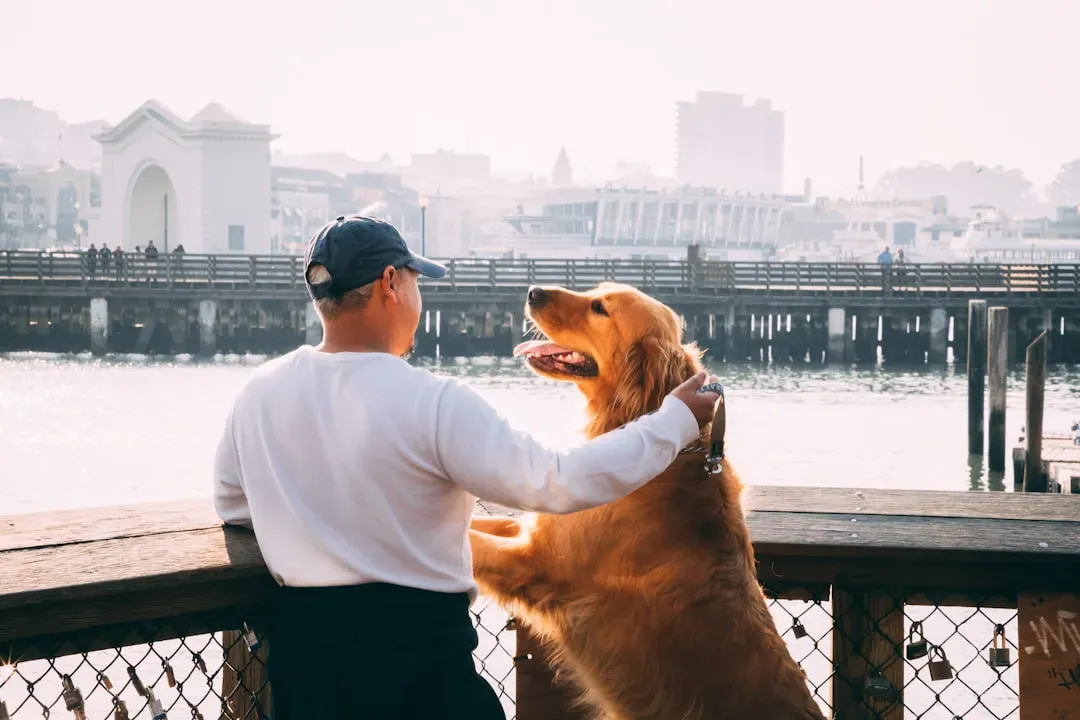
There’s the polite little tail wag, and then there’s the full-body, whole-dog-is-a-noodle celebration when you walk in the door. That loose, side-to-side wiggle, wiggly hips, and soft eyes are pure affection and excitement. Your presence is literally changing your dog’s whole body language in a positive way. It’s hard to overstate how special that is when you think about it.
People sometimes zoom in only on the tail, but the real tell is the entire body. A happy, affectionate dog looks like they can hardly contain themselves: relaxed muscles, open mouth, maybe a little sneeze of excitement. They don’t move like that for just anyone. That über-wiggly greeting is your dog’s version of shouting your name across a crowded room and running in for a hug.
8. Checking On You From Across the Room
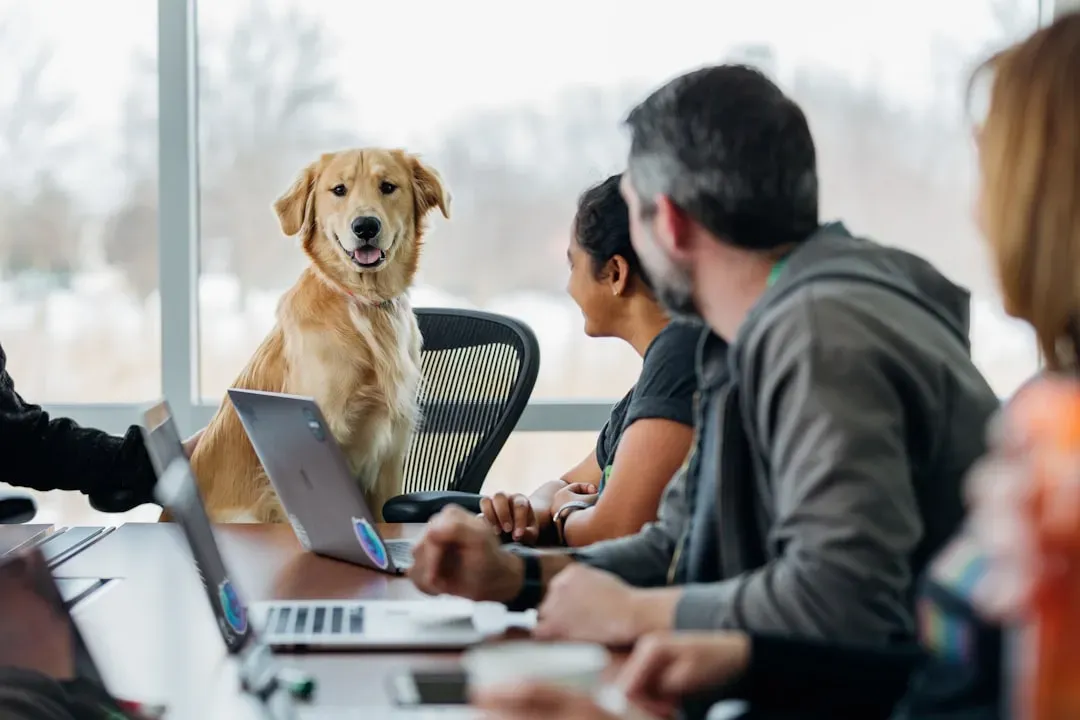
Not all loving dogs are clingy or in-your-face. Some are more independent but still quietly tuned into you. You’ll see it when you’re working on your laptop and your dog is across the room, then they suddenly lift their head, look at you, maybe get up, walk over for a quick sniff or a brief touch, and then go back to what they were doing. That’s not random; that’s a subtle check-in.
This “orbiting” behavior shows up a lot in confident, secure dogs. They don’t need constant contact, but they still want to keep track of you. It’s a bit like living with a roommate who occasionally walks by just to say a soft hello. That quiet monitoring says, “You matter to me, and I want to make sure you’re okay,” without any drama or fuss. It’s affection in minimalist form.
9. Bringing You Into Their Relaxation Rituals
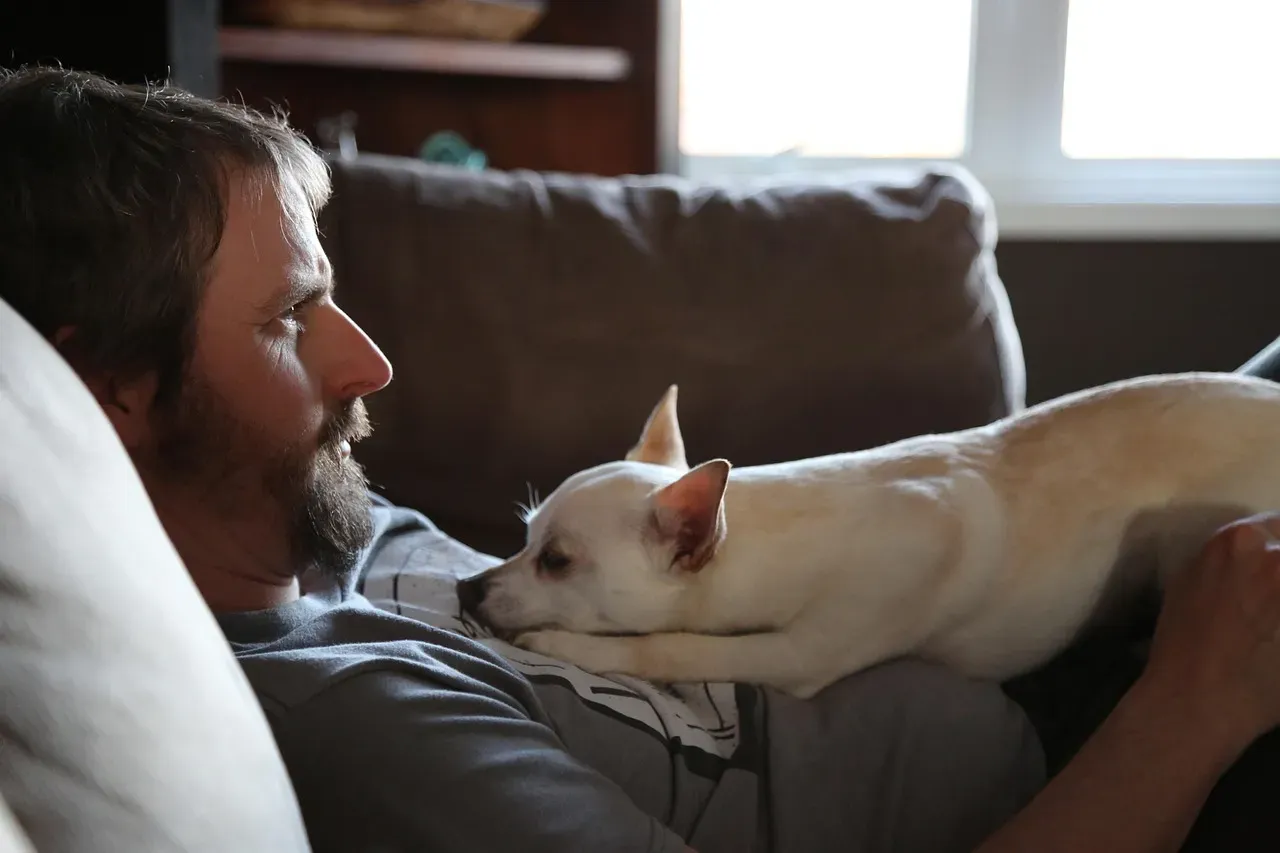
When a dog chooses to lie down and fully relax near you, that’s a big emotional statement. You might notice your dog doing their little pre-nap circle, sighing, and then plopping down against your leg, or flopping onto their back and exposing their belly while they’re right beside you. Exposed bellies, soft breathing, and heavy, content sighs are signs of deep trust. They’re shutting off their guard mode because they feel safe with you.
Sometimes dogs will even mirror your downtime. You stretch out on the couch with a book, and a minute later, they settle across your feet or curl up against your side. They’re weaving you into their daily rhythm of rest and recovery, almost like syncing your emotional clocks. That shared quiet is one of the most underrated ways dogs show affection – no tricks, no treats, just choosing to exist peacefully next to you.
10. Listening to You and Seeking Your Guidance
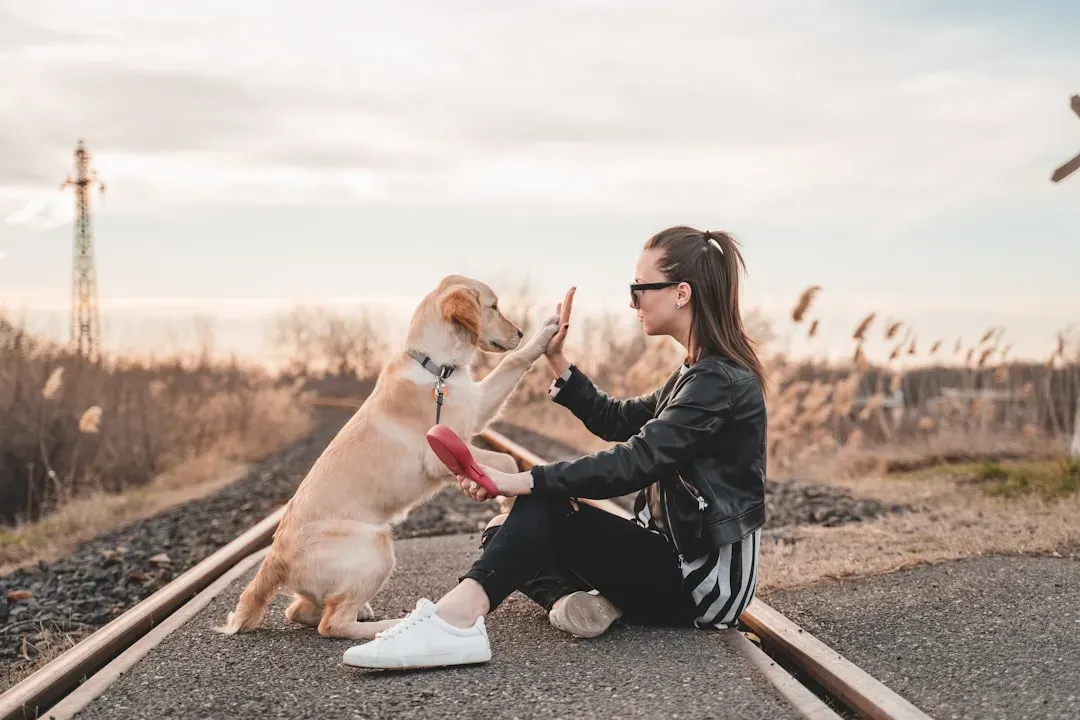
Affection in dogs doesn’t always look cuddly; sometimes it looks like cooperation. A dog that checks your face before making a decision, comes when you call, or looks to you in confusing situations is showing a deep social bond. They’ve learned that you are their source of information, safety, and predictability. Trust and affection are tightly linked here – they follow your lead because they care what you think and feel.
You’ll see this when something odd happens: a loud noise, a new object, an unfamiliar person. Many dogs will briefly freeze, then look straight at their human to “ask” what to do. That moment is loaded with meaning: your reaction helps them decide whether to relax or be alert. When a dog chooses to use you as their emotional compass, that’s not just training showing up – it’s a relationship.
Conclusion: Love in a Language We’re Still Learning
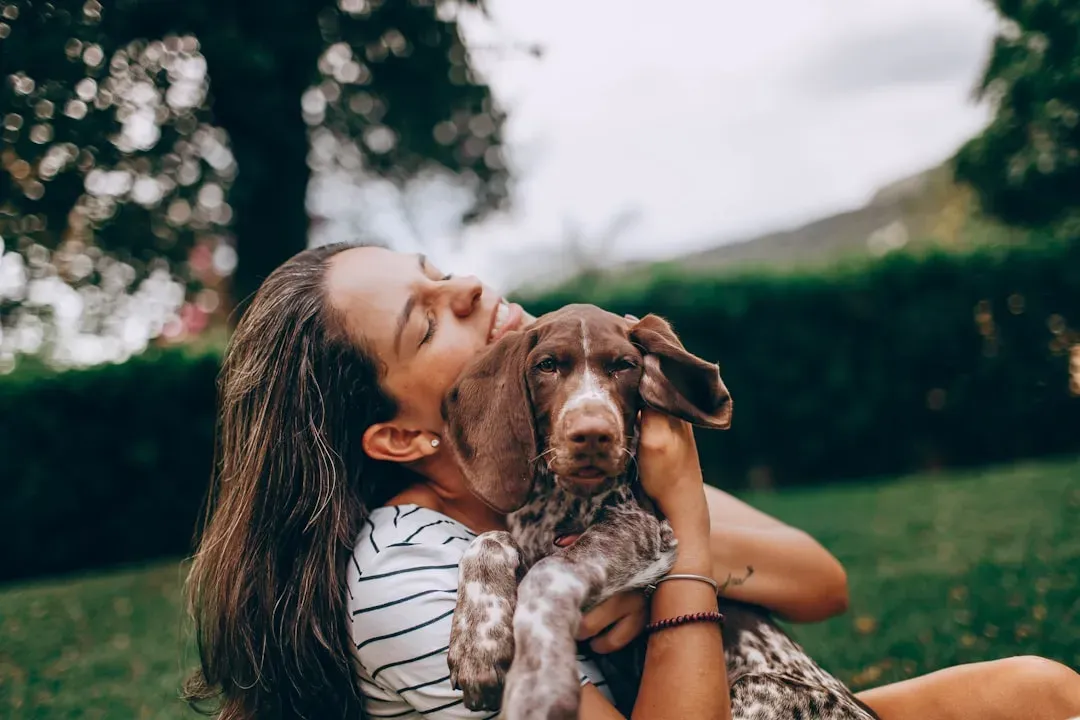
Once you start recognizing these behaviors for what they really are, it becomes hard to see your dog as “just a pet.” Suddenly, the leaning, following, licking, and quiet check-ins feel less like quirks and more like a complex emotional language built around loyalty and love. We spend so much time trying to teach dogs our words that we sometimes forget to learn theirs.
Here’s my opinion: the more we respect these subtle signs of affection, the better we become not just as dog owners, but as partners in a cross-species friendship. You don’t need to be perfect, or know every scientific term, to respond with kindness when your dog leans in, wiggles, or sighs at your feet – you just need to pay attention. In the end, most dogs are not asking for much more than that. Now that you know what their “I love you” really looks like, how many of these little declarations have you been walking past without noticing?


