
You can buy the fanciest bed, the trendiest harness and the most expensive food, and still miss the small daily things that actually make your dog’s life feel good. Most dogs are not lacking stuff; they’re lacking needs that are quietly going unmet: movement, mental challenges, predictable routines, real rest, and honest connection with their humans.
The good news is that improving your dog’s wellbeing usually does not require more money or complicated hacks. It’s mostly about changing how you use the 24 hours you already have with them. Let’s walk through ten science-backed, practical and surprisingly simple ways to upgrade your dog’s everyday life – starting today.
1. Build a Reliable, Calm Daily Routine
A surprisingly powerful way to improve your dog’s wellbeing is simply to make their day more predictable. Dogs do not understand calendars, but they absolutely feel patterns in time: when walks usually happen, when the house gets noisy, when people leave and come back. A roughly consistent rhythm lowers stress hormones and helps many dogs feel safer, which you’ll often see as fewer “random” outbursts, less whining, and easier settling.
This does not mean your life has to be robotic. Think in anchor points, not exact minutes: a morning outing, a midday bathroom break, an evening play or training session, and a calm wind-down before bed. Keep these anchors steady even on busy days, and your dog is more likely to handle unusual events – like visitors or schedule changes – without spiraling into anxiety or overexcitement.
2. Upgrade Walks From “Potty Breaks” to Real Movement
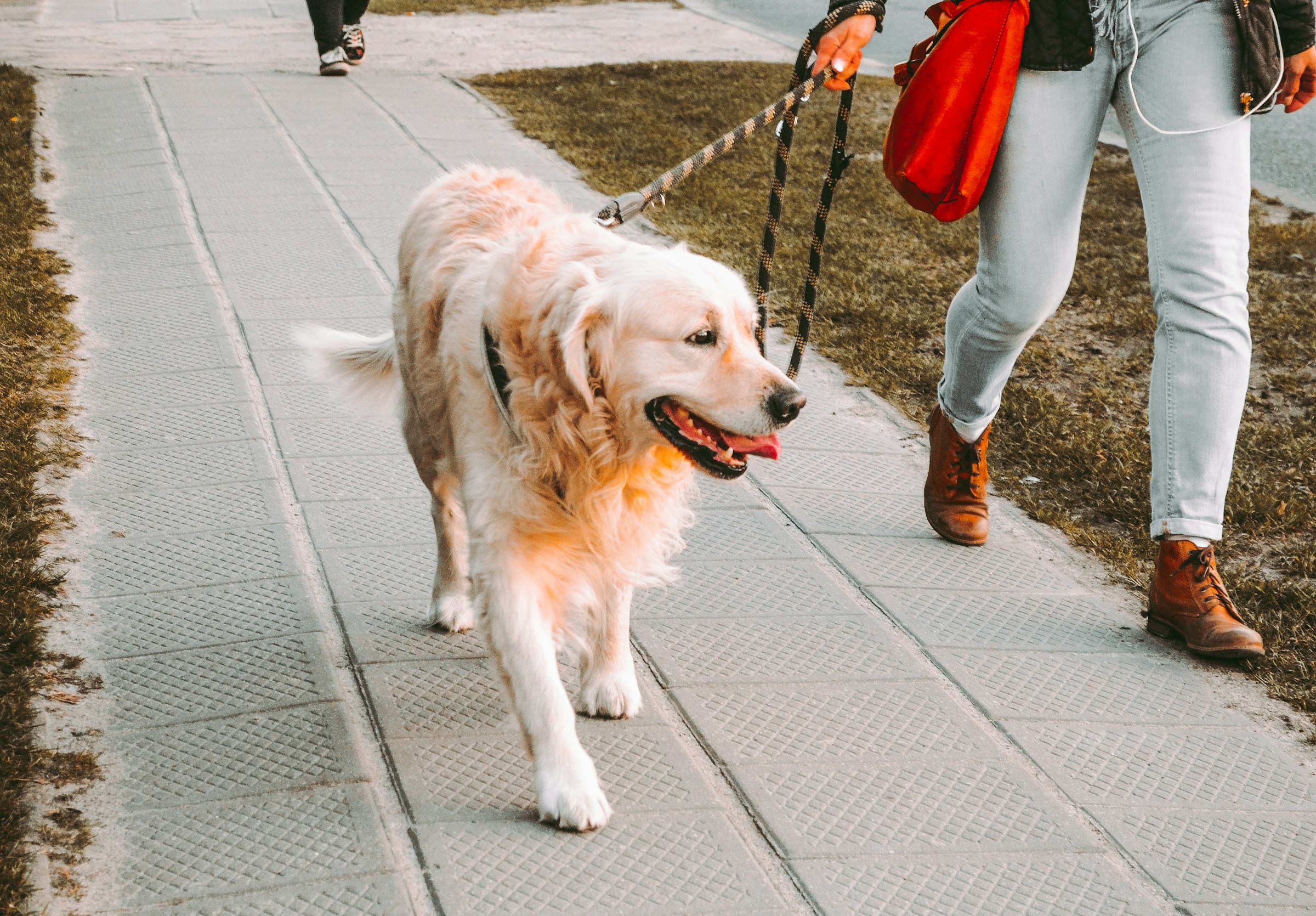
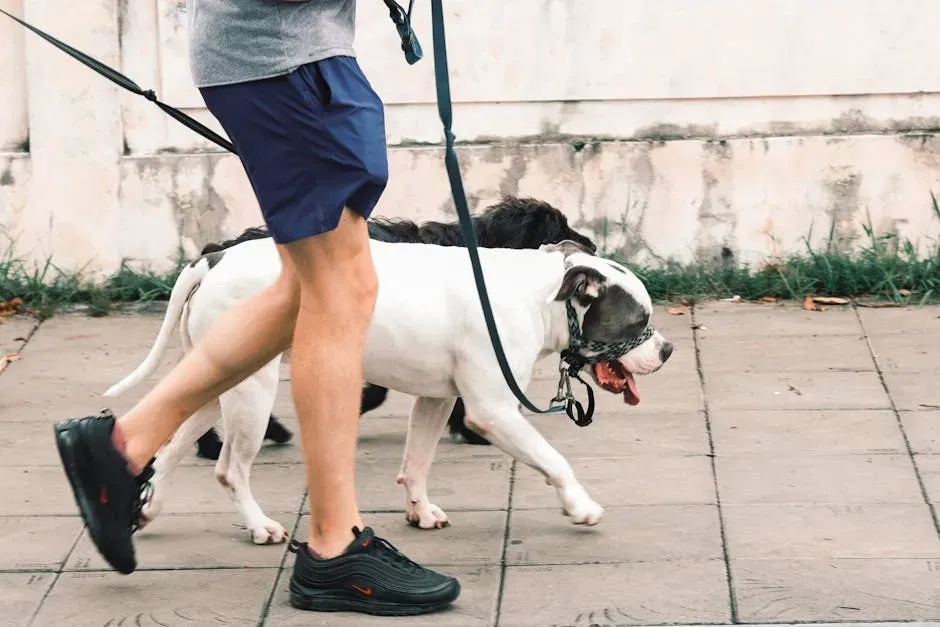
Many dogs are quietly under-exercised, even when they go out several times a day. Shuffling around the same small patch of grass on a tight leash is not the same as a proper walk that lets their body and brain reset. A high-energy dog, or a young dog, often needs more than a quick loop around the block to feel truly relaxed at home.
Try to include at least one walk a day that’s about quality, not just necessity: a slightly longer route, a change of scenery, and periods where your dog can move at a natural pace instead of constantly stopping and starting. For some dogs, this might be a power walk; for others, a meandering, sniff-filled stroll is ideal. Watch how your dog behaves after different kinds of outings – you’ll quickly see what leaves them pleasantly tired versus wired and restless.
3. Let Your Dog Sniff… A Lot More Than You Think
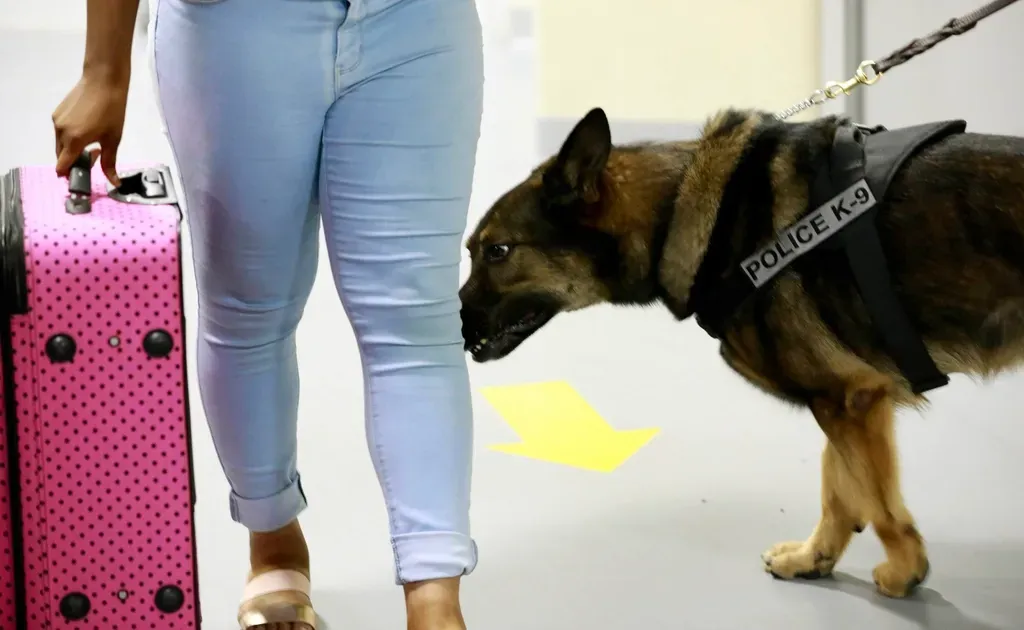
If exercise is for your dog’s body, sniffing is for their brain. Dogs experience the world primarily through scent, and restricting sniffing on walks is like taking someone to a museum and rushing them past every painting. When dogs are allowed to linger, track smells and investigate, you’re not just “wasting time” – you’re giving them a deep mental workout that can be as tiring as a long run.
Build in what many trainers call “sniffaris”: parts of the walk that are intentionally slow and dog-led. Loosen the leash a bit, let your dog move in gentle zigzags, and resist the urge to rush them away from every blade of grass. Indoors, you can scatter a portion of their kibble around a safe area or hide a few treats for them to hunt. It looks simple, but you’ll often notice calmer behavior and softer body language afterwards.
4. Feed With Brain in Mind, Not Just Belly
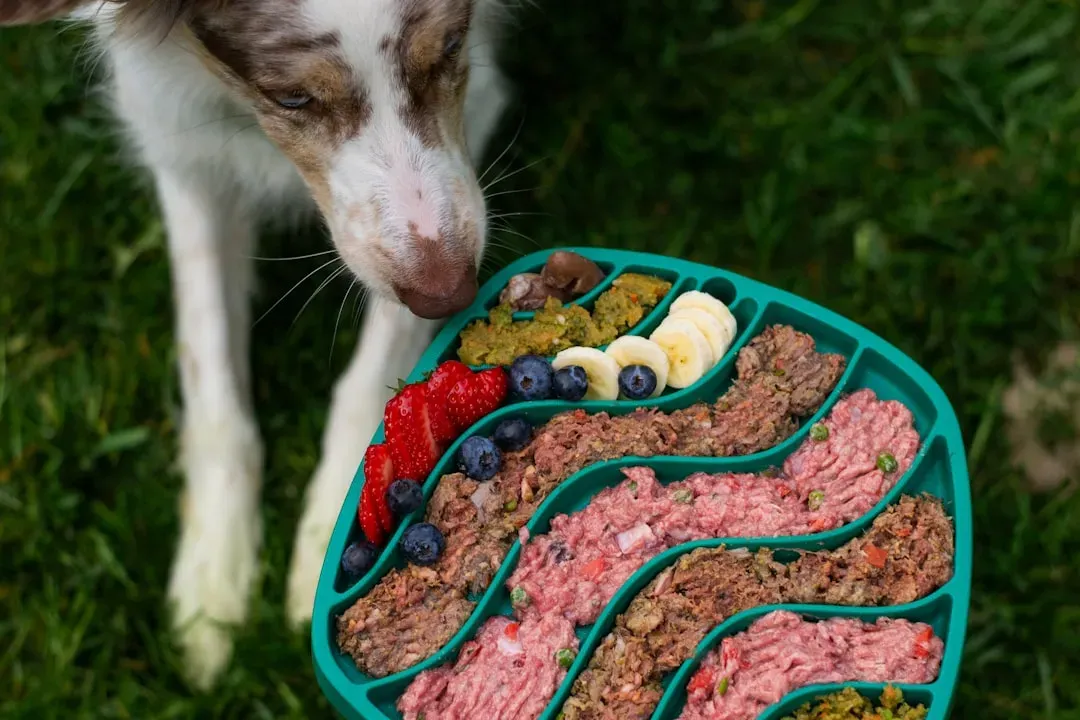
What and how you feed your dog has a major impact on their daily wellbeing. A complete, balanced diet that fits their age, size and activity level is non-negotiable, because chronic underfeeding or overfeeding can both cause stress on the body. If you are unsure, it’s worth speaking with a veterinarian or qualified nutrition professional instead of guessing based on marketing buzzwords like “natural” or “grain-free.”
But there’s another layer: turning mealtimes into enrichment. Instead of always serving food in a regular bowl, use puzzle feeders, slow feeders, snuffle mats or stuffed food toys. Having to “work” a little to get their food taps into natural foraging behaviors, slows down gulpers, and turns a two-minute gobble into a 10-minute activity that leaves them more satisfied and relaxed.
5. Prioritize Real Rest and Decompression Time

Many dogs live in a constant low-level state of stimulation: the TV is on, doors slam, kids run around, people come and go, and the dog is always on alert. Rest is not just “when the dog is lying down.” True decompression means your dog feels safe enough to fully switch off instead of half-napping with one ear open. Chronic sleep debt can show up as irritability, reactivity and what looks like hyperactivity.
Create at least one cozy, protected spot in your home where your dog can rest undisturbed – a crate with the door open, a bed in a quiet room, or a corner blocked off from household traffic. Then protect that space: no kids bothering the dog, no constant poking for cuddles when they’re sleeping. Sometimes the kindest thing you can do is stop entertaining your dog and let them truly rest without interruption.
6. Add Short, Fun Training Sessions Into the Day
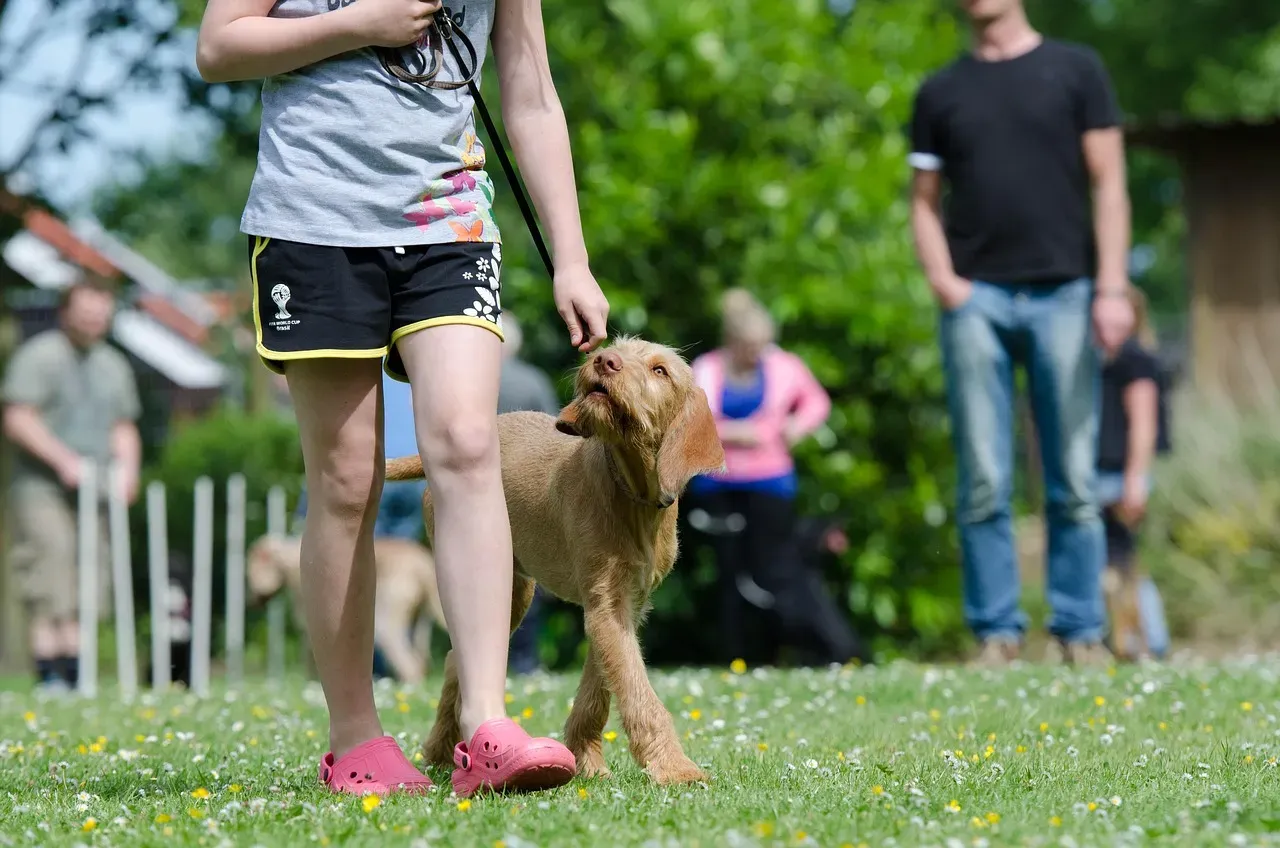
Training is not only about obedience; it’s a daily mental gym and a way to communicate clearly with your dog. When training is short, upbeat and reward-based, it becomes a highlight of their day, not a chore. Five minutes of focused practice a few times a day can leave a dog more content than an hour of chaotic, overstimulating play.
Pick simple, practical skills: a relaxed “sit” before going out the door, a hand target, a recall game down the hallway, or a “go to your mat” cue for calmness. Keep sessions brief, end on a win, and use rewards your dog actually cares about, whether that’s food, toys, or enthusiastic praise. Over time you’ll notice not just better manners, but a dog who looks to you for guidance instead of guessing or panicking.
7. Offer Social Contact That Matches Your Dog’s Personality
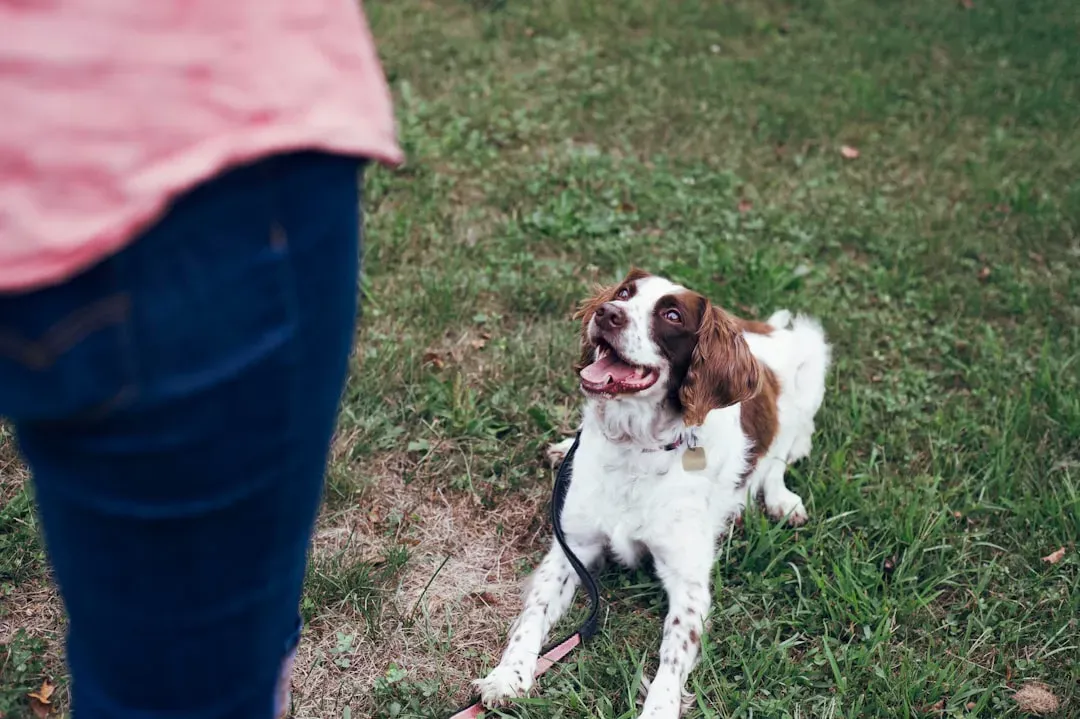
There’s a myth that all dogs should love dog parks and want to greet every dog and person they see. In reality, social needs vary hugely. Some dogs thrive with regular playdates, while others prefer quiet walks with their human and minimal contact with unknown dogs. Forcing a shy or sensitive dog into busy, chaotic environments “for socialization” can actually damage their confidence and wellbeing.
Watch your dog’s body language: a loose, wiggly body, soft eyes and easy movement usually mean they’re enjoying the interaction. Stiffness, frequent shaking off, constant yawning, hiding behind you or dragging toward the exit are signs they’ve had enough. It’s perfectly okay if your dog’s idea of a great social life is hanging out on the sofa with you or calmly watching the world from a distance.
8. Keep Vet Care and Pain Management Up to Date
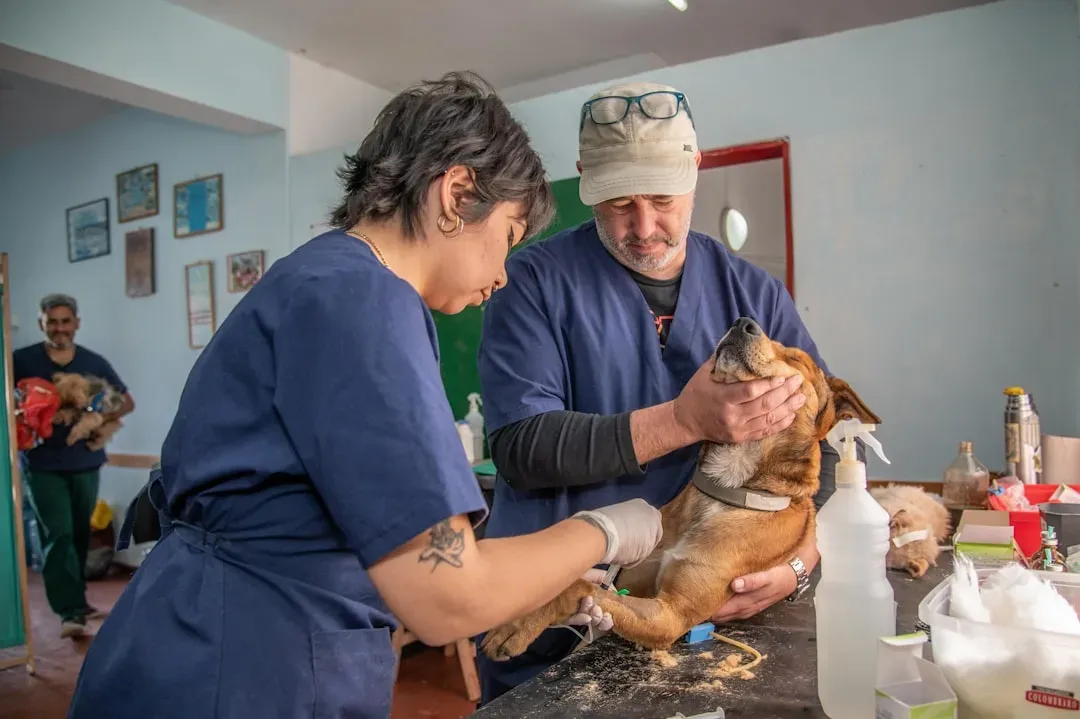
Sometimes what looks like “bad behavior” is actually pain, discomfort, or a brewing health issue. A dog who suddenly growls when you touch them, refuses stairs, starts having accidents in the house, or becomes withdrawn may be trying to cope with something that hurts. Living with ongoing, untreated pain quietly erodes daily wellbeing and can make the world feel unsafe and unpredictable for your dog.
Regular veterinary checkups, age-appropriate screening, and honest conversations about mobility, weight and dental health can make a huge difference. If you notice changes in mood, appetite, movement or sleep patterns, do not just assume your dog is being stubborn or “getting old.” Getting ahead of health issues – through treatment, pain relief, weight management, or environmental adjustments – can often bring back the bright, curious version of your dog you thought was gone.
9. Design a Home Environment That Makes Good Choices Easy
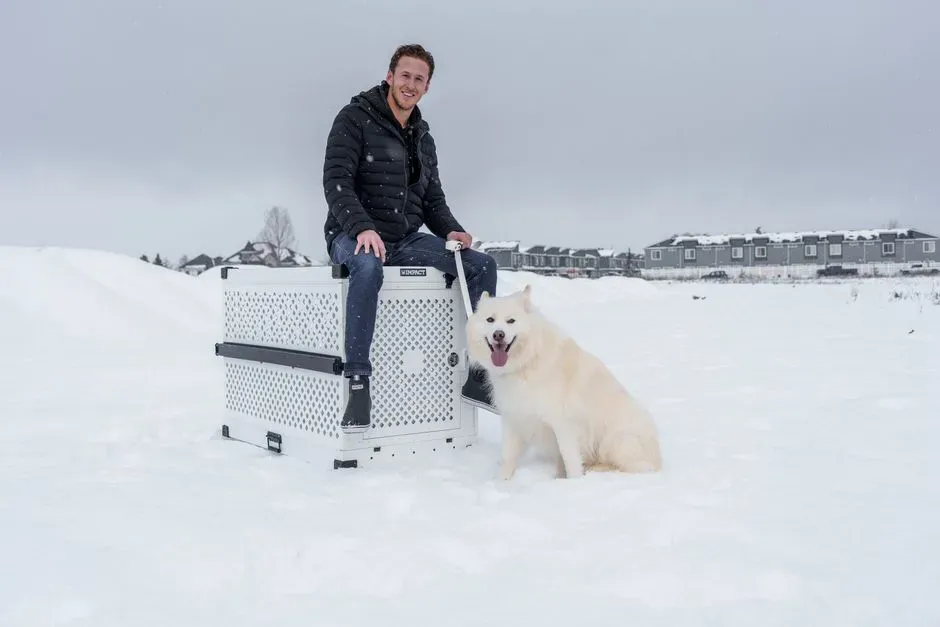
We often expect dogs to resist temptations that we leave right in front of them: shoes on the floor, food on low tables, open trash cans. Then we get frustrated when they “misbehave.” A wellbeing-focused approach accepts that dogs are opportunistic animals and instead shapes the environment so that the easiest choice is usually the right one. That reduces daily conflict and gives your dog more chances to succeed.
Use baby gates, closed doors, and smart storage to block off trouble spots instead of relying only on willpower and scolding. Provide legal outlets for natural behaviors – chew toys instead of table legs, a digging box instead of your flower bed, a tug toy instead of grabbing clothing. The more your home is set up with the dog in mind, the less you’ll need to micromanage, and the calmer everyone will feel.
10. Make Connection, Not Control, Your Daily Priority
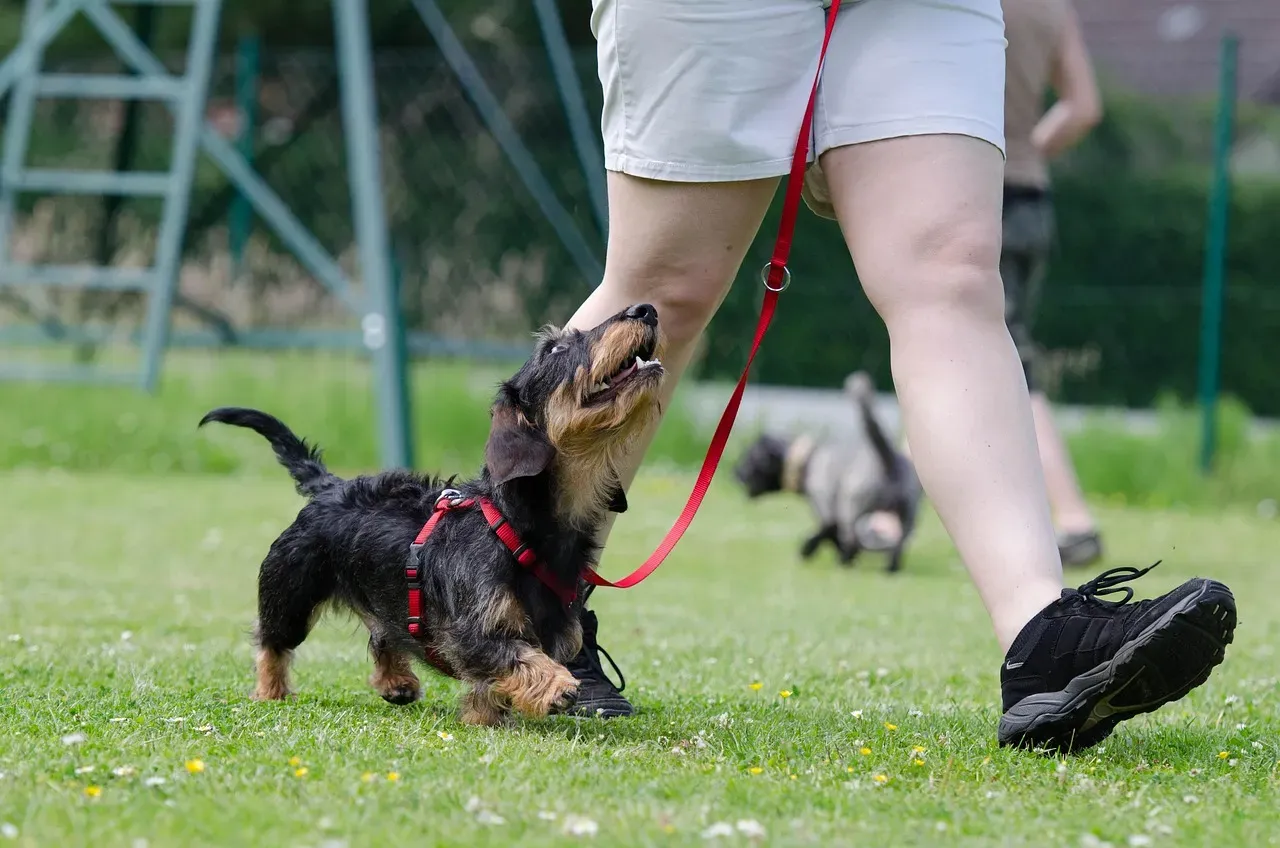
At the heart of your dog’s wellbeing is the relationship they have with you. If daily life is mostly corrections, raised voices, and constant “no,” your dog learns that you are unpredictable or even scary. That fractures trust, and animals who do not fully trust their humans tend to live in a state of quiet tension, always bracing for the next bad thing. Over time, that can spill out as reactivity, shutdown, or seemingly “out of the blue” aggression.
Shift the ratio in your everyday interactions: notice and reward what your dog does right, offer clear guidance instead of punishment, and make time for moments that are just about enjoyment – gentle petting if they like it, silly games, relaxed co-existing. You do not have to be perfect or endlessly patient; you just have to be consistent in showing that you are safe, fair and worth listening to. A dog who feels secure in their bond with you can handle the rest of the world with far more resilience.
Conclusion: Your Dog’s Best Life Is Built in the Small Moments

When you zoom out, there is nothing especially flashy about these ten ideas. They are not miracle gadgets or secret training tricks; they are ordinary choices repeated day after day. Yet that is exactly why they are so powerful. Your dog’s wellbeing is not decided by the rare big events – vacations, birthdays, new toys – but by the boring, quiet patterns of every Tuesday afternoon and Sunday morning.
If you start treating your dog’s time and feelings as seriously as you treat their food and vet bills, everything shifts: the house feels calmer, problems shrink instead of explode, and your dog’s personality has room to really shine. In the end, improving your dog’s daily life is just another way of asking yourself what kind of human you want to be to the creature who trusts you most – so, looking at your usual day, what will you change first?


