
Everyone assumes the kids are the only ones who feel that gut-drop when summer ends and backpacks reappear by the door. But dog owners know a secret the rest of the world hasn’t caught up to: the family dog feels it first, and feels it harder.
One minute the house is chaos and cartwheels and dropped crackers. The next, it’s silence, a closed door, and a dog standing in the hallway like something just went terribly wrong. Some of what happens next is heartbreakingly sweet. Some of it is a quiet stress signal most owners walk right past. Here’s what actually happens inside your dog’s head on that first back-to-school morning.
#1 – They Pace the Hallway Like Security Guards
Your dog isn’t “just walking around” that morning. They’re doing a full perimeter check. Dogs used to grandkids thundering through the house will pace the exact routes the children usually take, pausing at bedroom doors and the front window like they’re checking a post.
This isn’t random – it’s pattern-seeking. Dogs are creatures of routine, and when that routine snaps overnight, they go looking for the missing piece. You’ll catch them sniffing beds, backpacks, or the spot where sneakers used to pile up, tracking footprints that are already long gone.
#2 – They Wait by the Door Way Longer Than You’d Guess
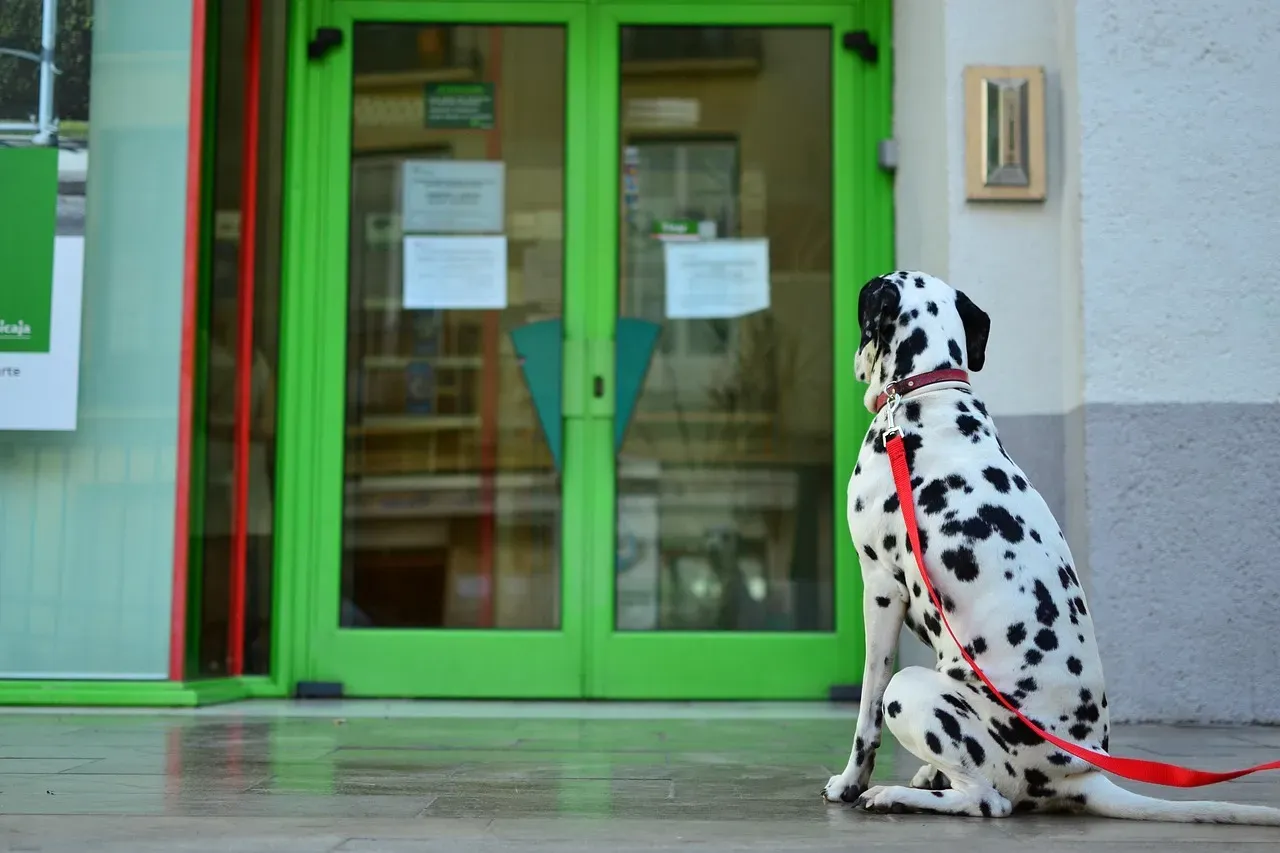
Everyone jokes that dogs “wait all day,” but dogs will genuinely camp at the last exit point for ten to thirty minutes after their favorite people leave. On that first school morning, the wait hits different. They heard the excited voices, saw the backpacks, felt the whole emotional buildup – and then silence.
Some dogs lie down with their chin on their paws, staring at the handle like they can will it to turn. Others sit bolt upright, reacting to every passing car or bus. It isn’t always sad. Sometimes it’s hope – in their mind, this might just be a quick grocery run, and any second now, the door opens again.
Fast Facts
- Many dogs linger at the last exit point for 10 to 30 minutes after someone leaves
- Dogs rely on both sound and scent to track who’s coming and who’s gone
- A calm, low-key goodbye tends to shorten this door-watching phase
#3 – They Raid the Kids’ Smell Trail Like It’s Buried Treasure
When the kids leave, their scent doesn’t. And your dog absolutely knows it. That morning, a lot of dogs go on what can only be called a nostalgia sniff tour – hopping onto the couch cushion where a child sat the night before, burying their nose in a blanket from a sleepover, digging through the laundry pile like it’s a jackpot of familiar smells.
This isn’t bad behavior. It’s comfort-seeking. Scent is one of the strongest emotional threads a dog has, and you might catch yours stealing a sock and carrying it straight to their bed, or nudging open a bedroom door just to stand there breathing it in.
- Stealing a sock or T-shirt and carrying it to their bed
- Nudging open a bedroom door and just standing there, breathing slowly
Owners scold the sock-stealing, but in this context it’s a quiet sign of longing. They’re literally holding onto the kids the only way they know how.
#4 – They Suddenly Turn Into a Furry Shadow Attached to Grandma or Grandpa
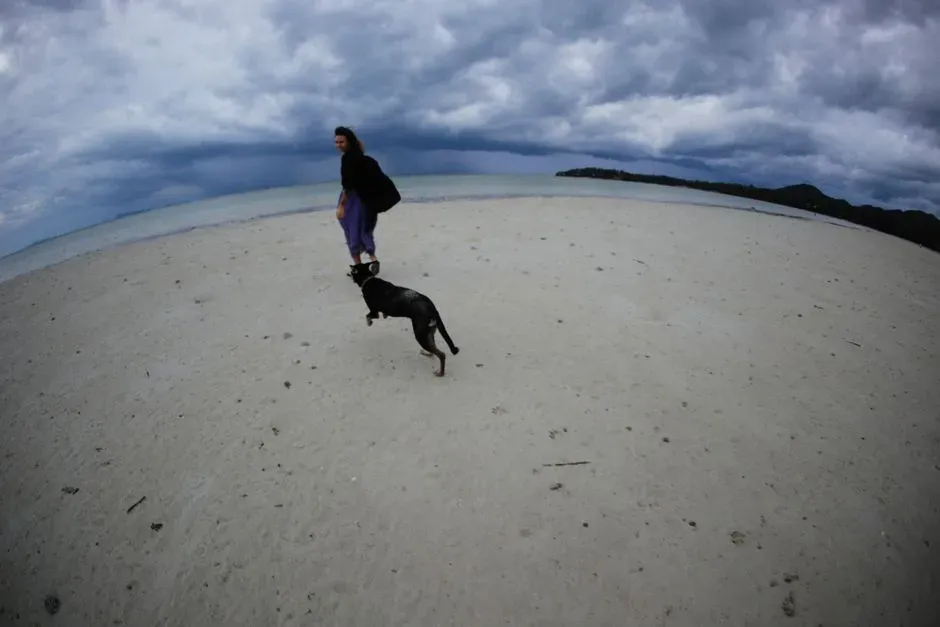
The second the house empties, your dog’s internal math changes fast: small humans gone, big humans better not leave too. So don’t be surprised when they glue themselves to you like they’ve been surgically attached – kitchen to bathroom, a paw resting on your foot, a hip pressed against your leg the entire time.
It isn’t spoiled behavior. It’s emotional triage. Their pack just shrank, and you’re the anchor still standing. For a lot of grandparents, this sudden clinginess feels sweet and a little suffocating at the same time – but sitting on the floor for a few minutes, or starting a small “after the kids leave” ritual, can genuinely calm a dog trying to re-stabilize their whole world in real time.
#5 – They Crash Like They Just Pulled an All-Nighter
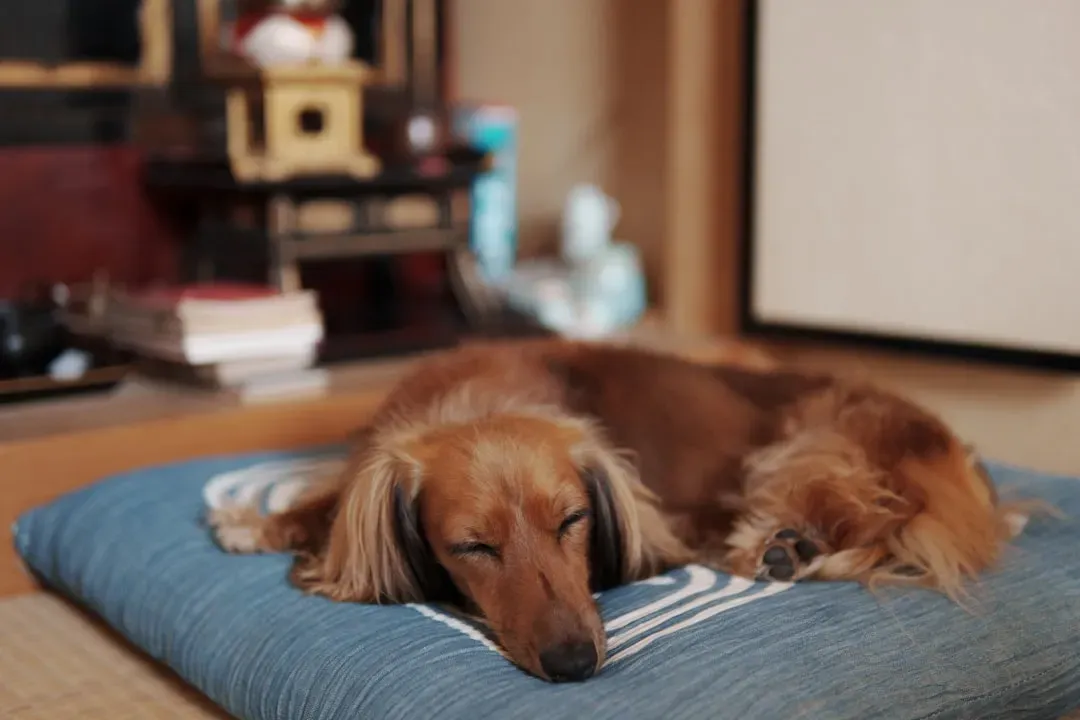
Here’s the part most people completely misread. That big, dramatic flop onto the dog bed after the bus pulls away? That’s not laziness. That’s your dog finally crashing after weeks of nonstop kid-level chaos.
Summer with grandchildren is loud, unpredictable, and full of late nights – dogs love it, until their nervous system quietly begs for a break. The first school morning often triggers what trainers call a recovery crash: deeper sleep, slower breathing, less shifting around. It isn’t depression. It’s decompression, and letting them sleep it off in a dark, quiet room tells their brain it’s finally safe to relax.
Worth Knowing
- Most adult dogs need 12 to 14 hours of sleep a day just to feel balanced
- Overstimulation from noise and activity can trigger longer, deeper “recovery sleep”
- A dim, quiet room signals safety to a nervous system that’s been on high alert
#6 – They Carry Toys Into Empty Rooms and Just Stand There
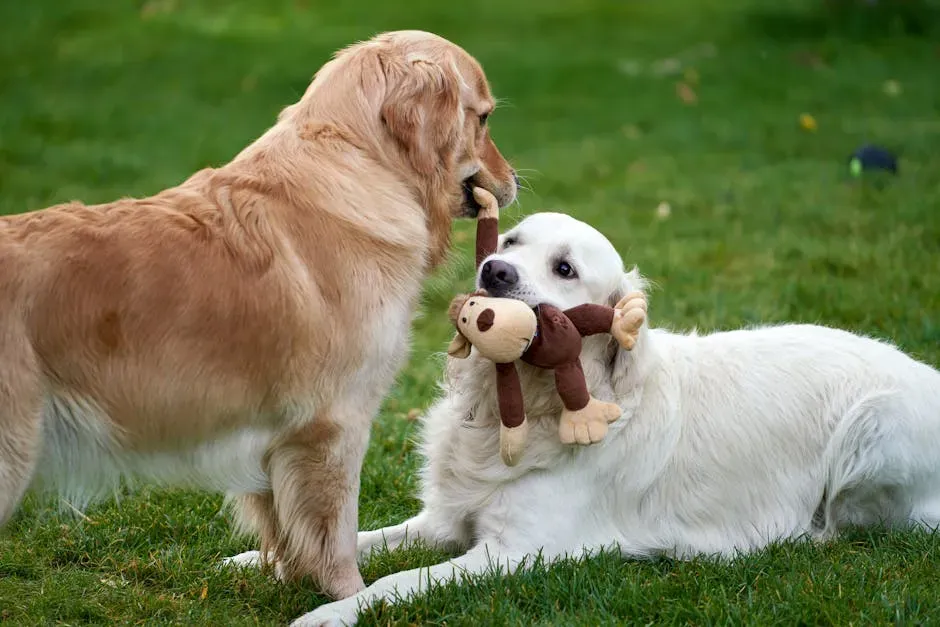
One of the eeriest sights in a house that morning: the dog walking into the grandkids’ room with a ball or a squeaky toy, and nobody’s there to catch it. Dogs used to constant play will carry their favorite toy straight to the spot where the kids usually sat, then freeze, confused.
Dogs learn who throws which toy, who roughhouses, who plays tug – and when that specific person vanishes, the muscle memory doesn’t. You might see a dog drop a toy on an empty bed and wag uncertainly, or nudge it against your leg with more urgency than usual. It’s not just “missing people” in general. They’re missing a job – the playmate role – and a short, consistent morning play session with you can quietly fill that gap.
- A dog dropping a toy on an empty bed and wagging uncertainly
- A dog nudging a toy against your leg with more urgency than usual
#7 – They Panic Over Every School Bus and Kid Noise Outside
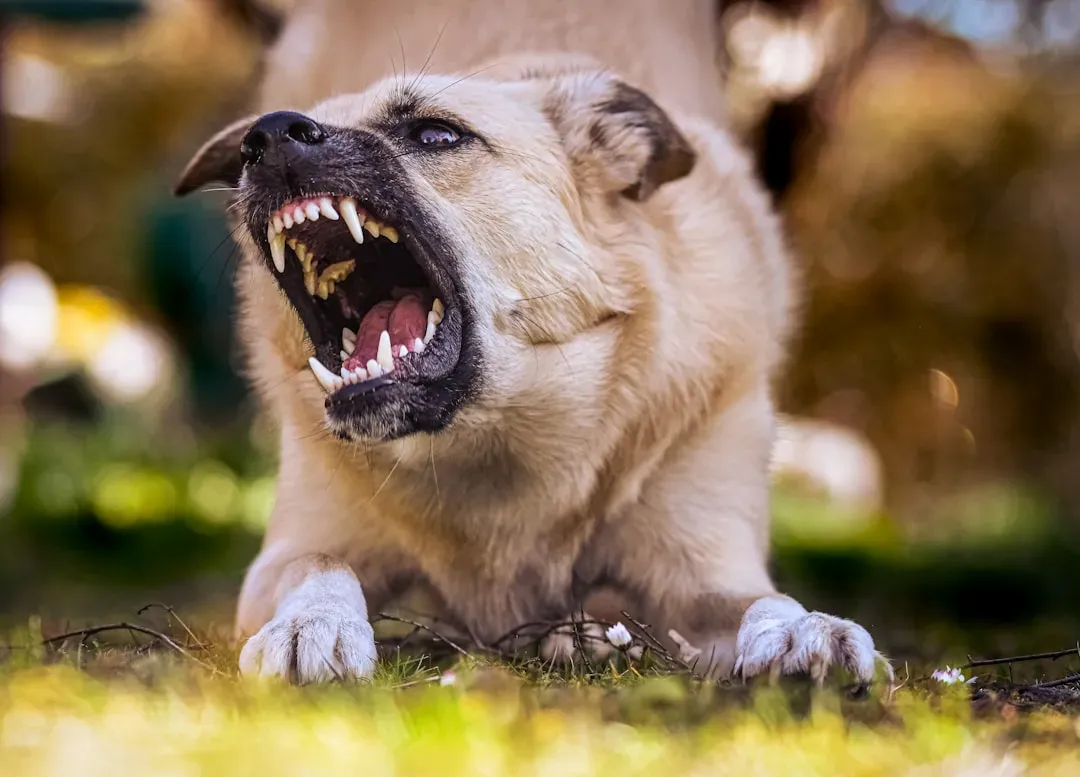
On that first morning, outside sounds suddenly matter more than they ever did before. Many dogs sprint to the window the second they hear a school bus air brake, kids shouting down the block, or backpacks rustling two houses away.
To us, those are strangers’ kids. To your dog, every one of those sounds is a possible clue that “their” kids are finally coming back. Ears perk, tails stiffen, and a frustrated whine slips out when nothing happens. Some dogs escalate into territorial barking, which owners write off as annoying – but it’s really confusion colliding with protective instinct, and closing the blinds or offering a puzzle toy during typical bus times can stop that false-alarm rollercoaster before it becomes a daily habit.
#8 – Their Eating Habits Quietly Flip, and Almost Nobody Notices
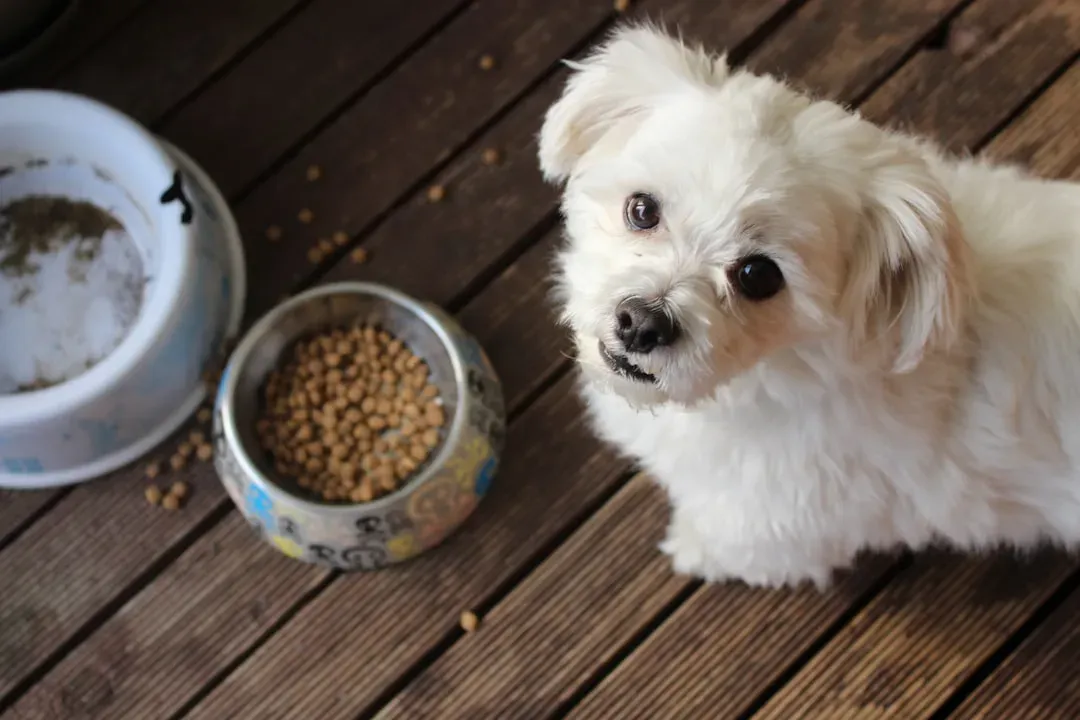
Food is one of the most honest stress meters a dog has. On the morning the grandchildren head back to school, some dogs skip breakfast for the first time in weeks, sniffing the bowl and walking away entirely. Others do the opposite – inhaling their food fast and hard, like they’re trying to self-soothe.
Then there’s the “snack patrol is officially over” factor. All summer, the dog’s been catching dropped crackers and mystery crumbs off the floor. That quiet, structured school-morning kitchen is a food desert by comparison, and their brain has to recalibrate from constant bonus snacks to plain kibble at 8 a.m. Most owners shrug this off as a one-day wobble, but if it drags past a few days, it’s a real clue that the back-to-school stress runs deeper than it looks.
At a Glance
- Skipping the bowl entirely: a common first-morning stress signal
- Eating unusually fast: often a self-soothing habit, not hunger
- Sniffing food then walking away: worth watching if it repeats
- Back to normal within two to three days is typical for most dogs
#9 – They Reclaim the Cozy Spots the Kids Hogged All Summer
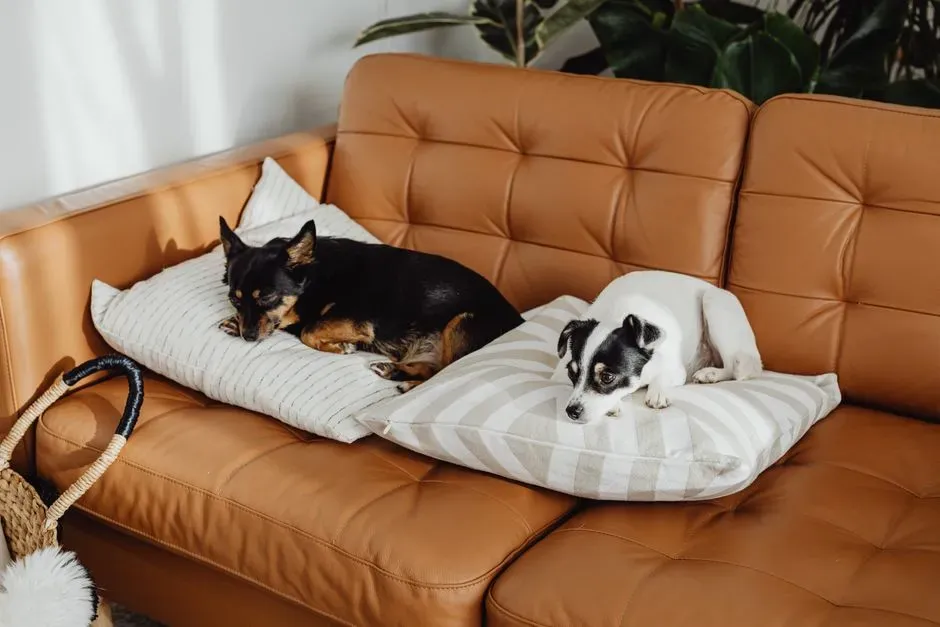
Here’s a slightly controversial truth: the moment the grandkids leave, plenty of dogs immediately move in on the cozy real estate they’d been quietly pushed out of all summer – the prime end of the couch, the sunny patch by the sliding door, even the exact pillow a child used to claim.
It isn’t spite. It’s spatial politics. Dogs track who controls which spaces with surprising precision, and when the small humans who crowded them out all summer disappear, they quietly retake their territory. Behavior folks call it recalibration, not betrayal – during kid season, dogs tolerate more grabbing and shuffling than usual, and settling back into the safest, softest spot is simply relief.
#10 – They Test Brand New “Alone Time” Boundaries
With fewer eyes on them, plenty of dogs wake up that first school morning thinking some version of, let’s see what I can get away with now. Counter-surfing where school lunches were just assembled. Nose deep in the trash can. Slipping quietly into rooms that used to be busy and supervised all day long.
- Counter-surfing where school lunches were just assembled
- Nose in the trash can, investigating discarded wrappers
- Quietly slipping into rooms that are usually busy and supervised
This isn’t your dog going bad overnight – it’s a response to sudden, low-supervision quiet. Here’s the uncomfortable part: a lot of this mischief is something we accidentally trained ourselves. All summer, dogs get rewarded with dropped food, attention, and glorious chaos. Then in one morning, we demand perfect calm without ever preparing them for the switch. Baby gates and puzzle toys aren’t coddling – they’re just honest about how fast their world just changed.
#11 – They Watch You Like They’re Waiting for the Other Shoe to Drop
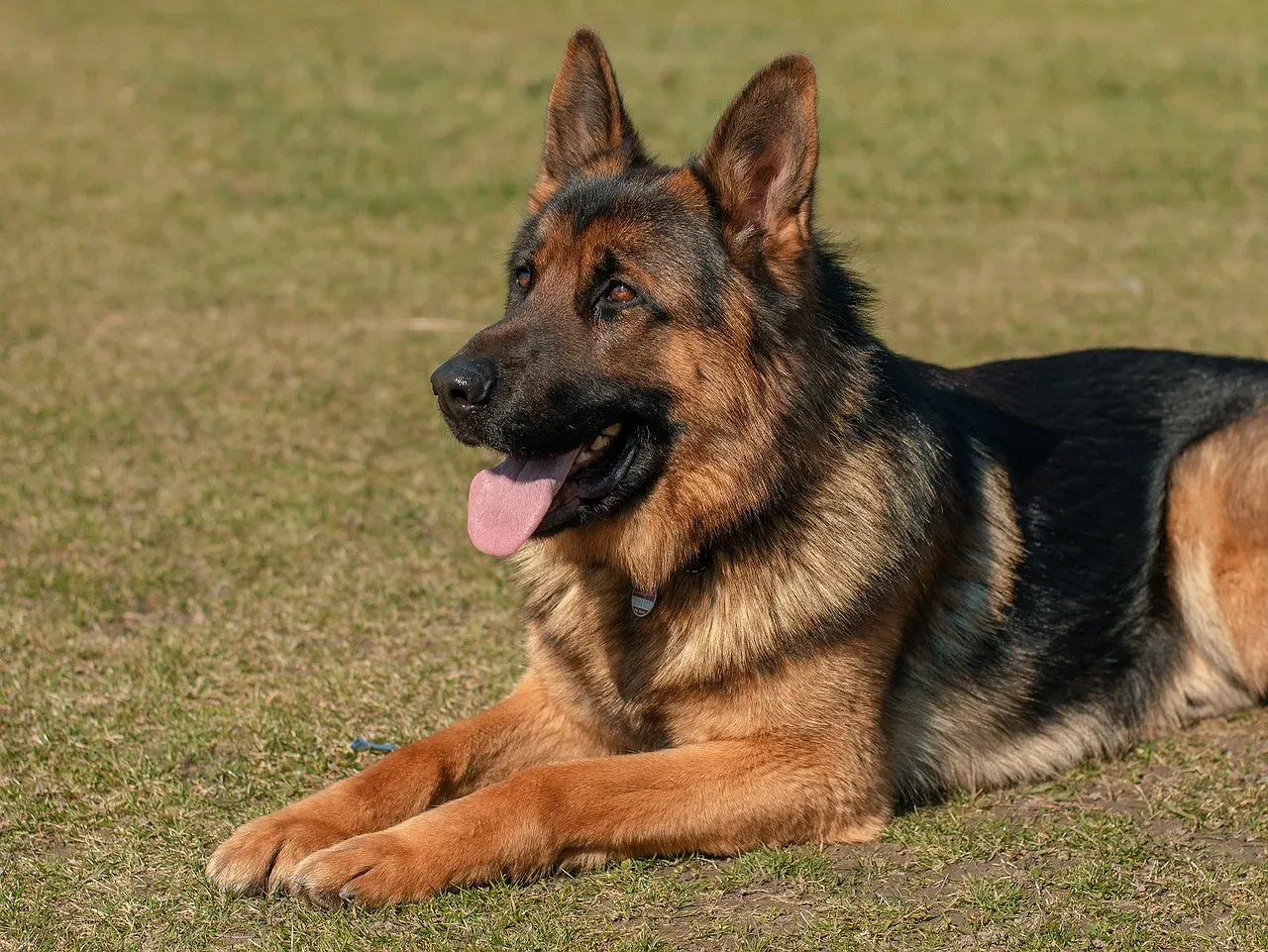
Once the house goes quiet, your dog’s entire focus narrows to one thing: you. That first school morning, many dogs stare at their remaining human like they’re trying to decode the next plot twist. Every time you grab your keys or glance at your shoes, watch for the tension – ears up, eyes wide, tail frozen mid-wag.
They’re recalculating in real time: if the kids can just disappear like that, what about you? This hyper-watchfulness can look like devotion, and honestly, it partly is. But panting, whining, or frantic following can be early separation anxiety brewing, and the back-to-school shift is a known trigger window for dogs who already lean clingy. Calm, boring, predictable exit routines do more to prevent genuine panic than almost anything else you can offer.
Quick Compare
- Devotion look: relaxed body, soft eyes, calmly following you room to room
- Anxiety look: stiff tail, heavy panting, whining, frantic pacing near exits
- Fix for devotion: nothing needed – just a little extra affection
- Fix for anxiety: calm, predictable, low-drama exits every single time
#12 – They Try to Restart Yesterday’s Show, Solo
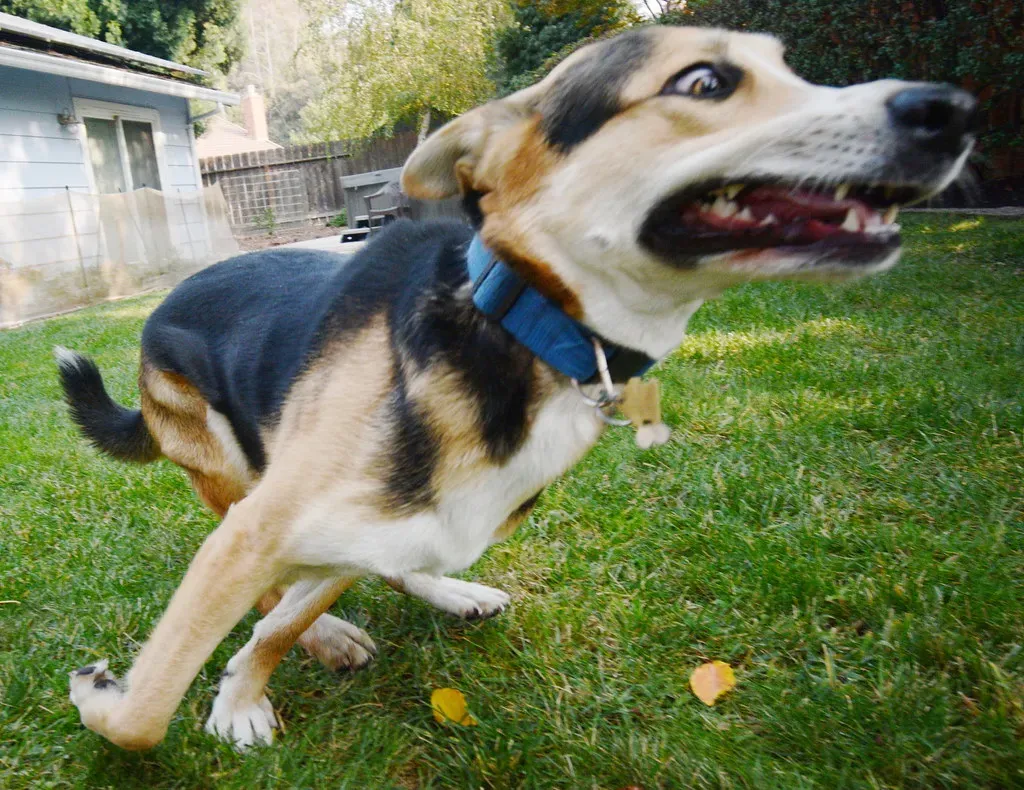
Dogs don’t mark time with a calendar – no “first day of third grade” on their radar. They just remember what worked. So , plenty of dogs pull out the exact trick or toy that got big laughs the day before, fully expecting the same reaction.
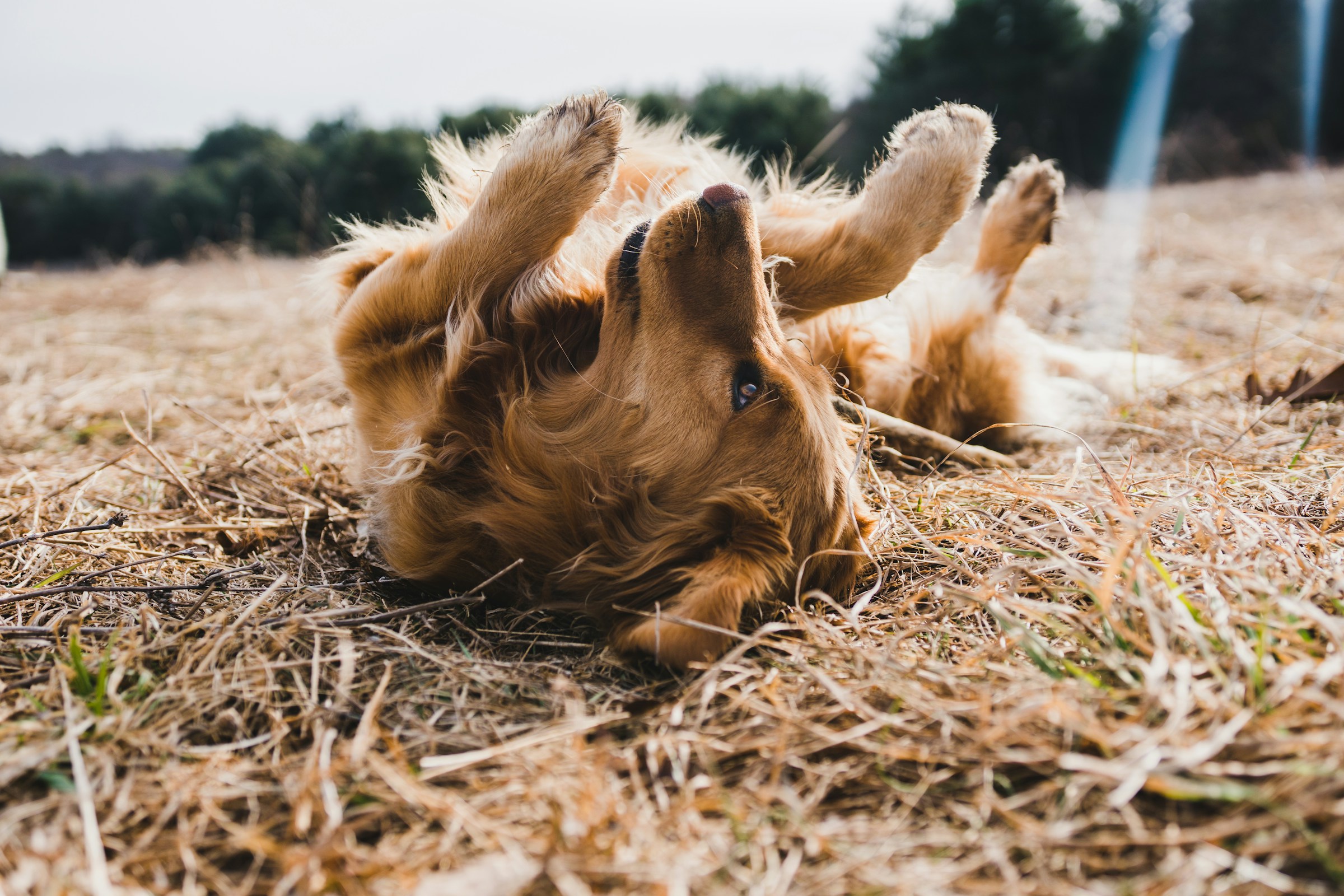
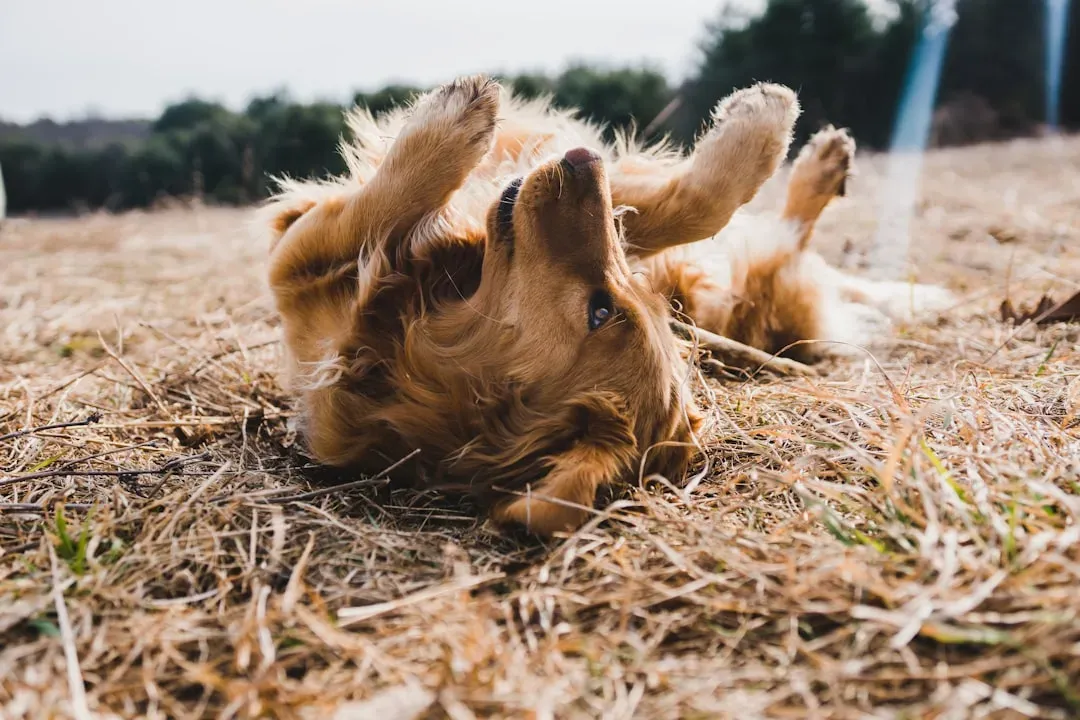
They’ll slam a tennis ball into the wall, roll onto their back in the middle of the room, or launch into the goofy zoomie lap that had the kids screaming with delight yesterday. When no tiny audience shows up, they often pause mid-move, visibly confused. This is where a lot of adults make a quiet mistake and ignore it completely – when really, the dog is running a small experiment: does this still work? Is someone still here for me? A quick game or a little praise answers that question in the best possible way.
#13 – They Quietly Start Building a Whole New Ritual Around Pickup Time
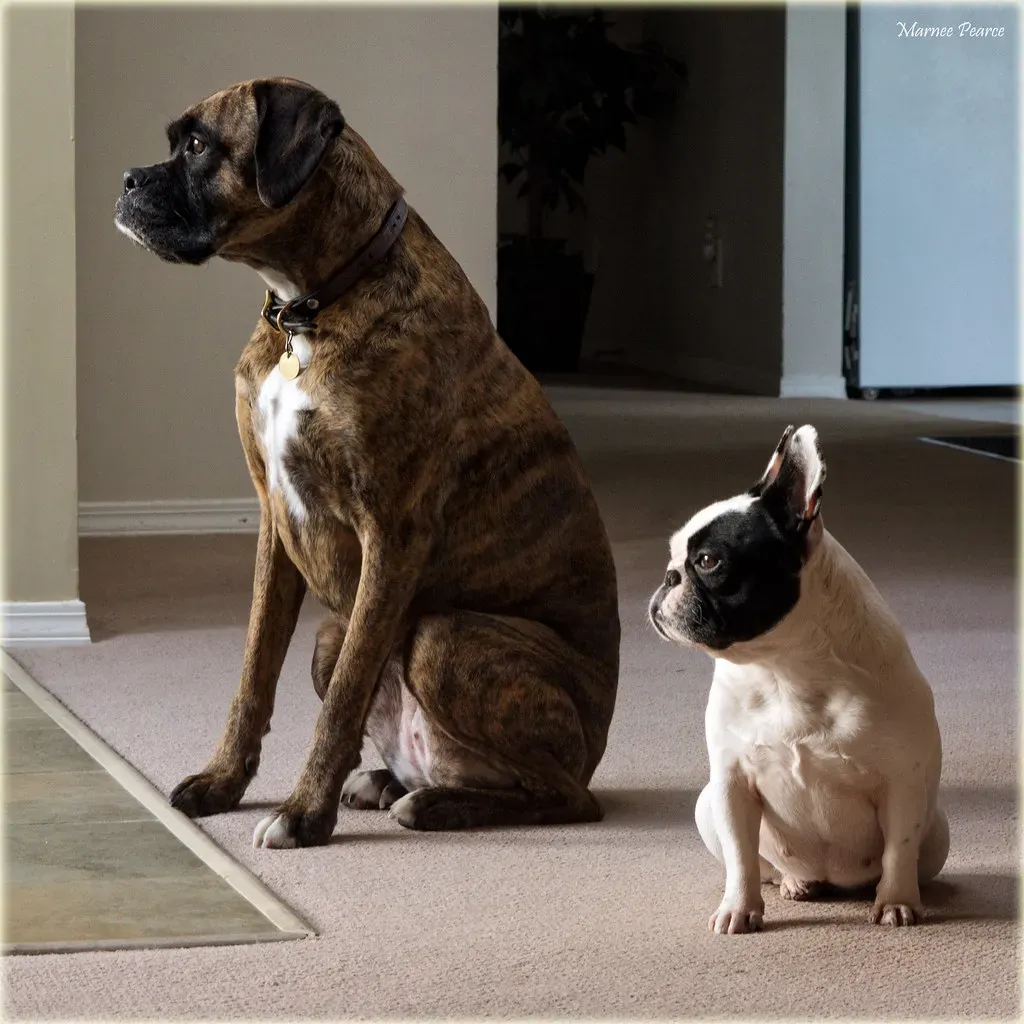
Here’s the part most people miss entirely: dogs don’t just suffer through the back-to-school shift, they adapt to it fast. Within days, many dogs start anchoring their whole afternoon around the exact moment the grandchildren walk back through the door.
That very first morning, you can already see the ritual forming. They perk up around the time the bus is expected, hover near the window a little early, or trot to the door at the sound of keys, even though pickup time is still hours away. Give it a week or two and it becomes a full ceremony – the same waiting spot, ears tuned to specific footsteps, a tail wag timed almost perfectly to the kids’ routine. The morning they left was the shock. Everything after is the adjustment, and if you help shape that ritual with calm greetings and predictable rules, your dog will handle the emotional whiplash of school seasons better than most humans in the house.
hits dogs harder than most people are willing to admit. They aren’t being dramatic – they’re recalibrating a world that lost its noise, its snack trails, and its favorite small humans in the span of one bus ride.
From pacing hallways and raiding scent trails to reclaiming the couch and testing new boundaries, every one of these odd little behaviors is your dog trying to solve a puzzle you created with the calendar. Ignoring it is easy. Understanding it takes a little more work, but that’s exactly where the real bond lives.
Here’s the opinion that’s going to irritate some people: if we expect our dogs to love our families like a pack, we don’t get to laugh off their confusion the moment that pack vanishes at 7:30 in the morning. What did your dog do this year when the kids went back? Did you see yourself – and them – in any of this? Drop it in the comments.


