

Having a high maintenance pet can feel a bit like running a tiny, very dramatic luxury hotel in your own home. There’s always something: grooming, special food, vet visits, boredom toys, training, cleaning. The bills creep up quietly, and one day you look at your bank statement and think, how is this fluffball more expensive than my car?
The good news is, you do not have to choose between giving your pet a great life and keeping your own finances intact. With a bit of planning, some smart substitutions, and a few mindset shifts, you can cut costs in ways your pet will barely notice – but their health and happiness won’t suffer at all.
1. Get Serious About Preventive Vet Care

It sounds backwards, but one of the best ways to spend less is to spend earlier and smarter. Preventive vet care – annual checkups, vaccines, parasite control, dental checks – catches problems when they’re small, simple, and far cheaper to fix. Waiting until an issue is obvious can mean emergency visits, surgery, or long-term medication that cost many times more than routine care.
Think of it like changing the oil in a car rather than waiting for the engine to fail. Work with your vet to create a realistic preventive schedule based on your pet’s species, breed, and age, then stick to it. Many clinics offer wellness plans that spread out costs monthly; it feels less painful than big one-off bills and can protect you from those terrifying surprise expenses.
2. Choose Food With Value, Not Just a Fancy Label

Pet food is one of the biggest ongoing costs, and marketing in this space is intense. Expensive packaging, buzzwords, and trendy ingredients can make you feel guilty if you do not buy the top-shelf bag. In reality, the most budget-friendly option is a nutritionally complete food that actually suits your individual pet, not the prettiest box on the shelf.
Ask your vet for a few science-based brands at different price points and compare the cost per day, not just per bag. Higher quality food often means you feed slightly less because it is more calorie-dense and digestible, so that mid-range bag might stretch further than the super cheap one. Buying in larger bags, on subscription, or from warehouse stores can shave off a surprising amount over a year without compromising your pet’s nutrition.
3. Learn Basic Grooming Skills at Home

If you have a breed that needs frequent grooming – think doodles, Persians, spaniels – you already know how fast professional grooming adds up. You do not have to become a pro groomer overnight, but learning some basics at home can dramatically cut how often you need full salon visits. Regular brushing, nail trimming, and simple sanitary or paw trims between appointments can extend the time between full grooms.
Investing once in decent tools – clippers, a good brush, nail trimmers – often pays for itself after just a few skipped appointments. Start slowly, keep sessions short and positive, and watch good tutorial videos from reputable sources. Even if you still use a groomer for the heavy work, you will walk in less often and with a pet whose coat is in better shape, which usually means a lower bill and fewer extra fees.
4. Buy Smart: Quality Gear Once, Not Junk Over and Over

High maintenance pets often come with high maintenance gear: harnesses, crates, litter boxes, scratching posts, carriers, terrariums, filtration systems. Cheap options can be tempting, but when a litter box cracks after a month or a flimsy harness breaks, you end up buying twice, sometimes more. Over time that cycle quietly bleeds money.
Instead, decide where quality matters most – safety items, daily-use gear, health-related equipment – and buy the most durable, well-reviewed version you can reasonably afford. I still remember the day I finally replaced a series of bargain scratching posts with one solid, heavy-duty one; my cat stopped destroying the couch, and I stopped replacing junk posts every few months. One solid purchase often beats five flimsy ones.
5. Make Enrichment and Toys on a Budget

High energy or anxious pets can be toy-destroying machines, and the cost of constant entertainment really adds up. The trick is to meet their mental and physical needs without treating every trip to the pet store like a festival. Many animals are just as happy with homemade enrichment as they are with designer toys, as long as it engages their instincts safely.
Use household items to create food puzzles, snuffle boxes, or DIY flirt poles, always making sure there are no sharp edges or swallowable bits. Rotate toys so they feel “new” rather than buying fresh ones every week. Training sessions, scent games, and structured play cost almost nothing but burn a lot of energy; ten minutes spent teaching a new trick can tire out a dog more than another squeaky plush they will shred in five minutes.
6. Train the Behavior That Saves You Money

We usually think of training as something we do for manners or fun, but good training also protects your wallet. A dog with solid recall is less likely to need emergency care after chasing something into traffic. A cat happily using a scratching post instead of a sofa saves you from furniture replacements. Even basic crate training can prevent destructive chewing when you are out.
Focus on practical behaviors that directly reduce risk or damage: calm leash walking, polite greetings, relaxed handling for vet and grooming, reliable potty habits. If professional classes are too pricey, look for community centers, shelter-run classes, or reputable online courses and books. A few weeks of focused training now can save you years of repair, replacement, and medical bills later.
7. Shop Around for Vet Care and Medications
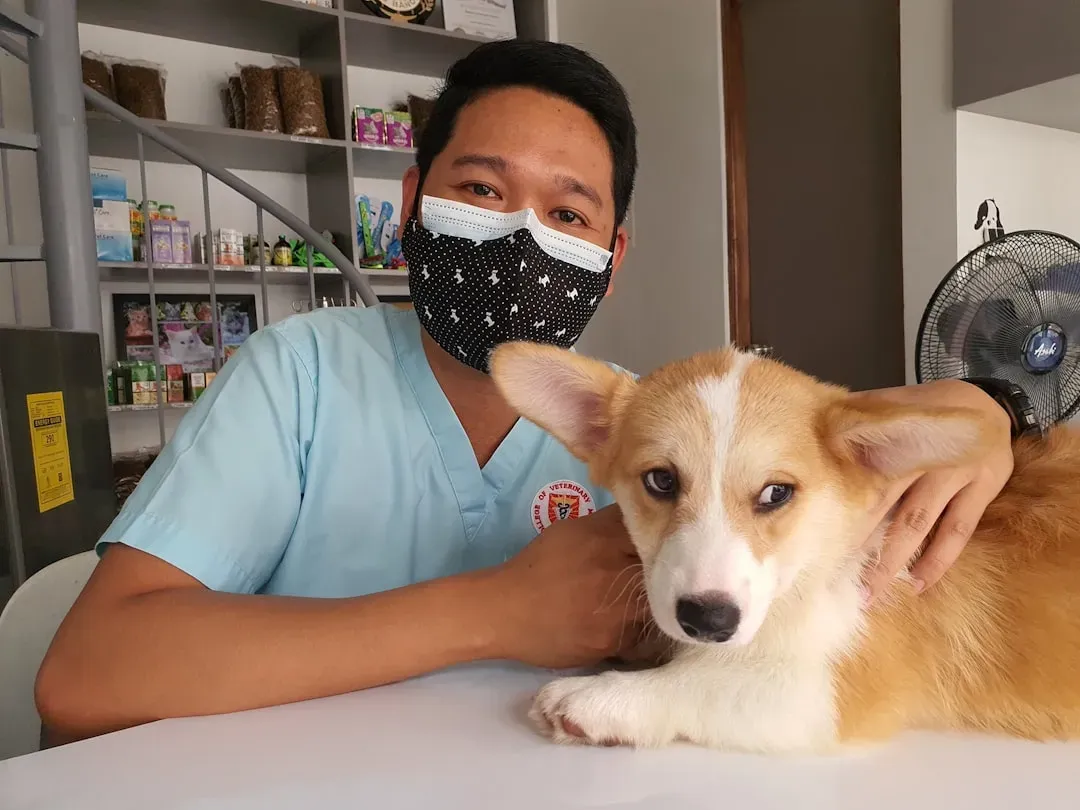
Many people feel awkward comparing prices for vet services, but it is completely reasonable to ask about costs, payment options, and alternatives. Different clinics can vary quite a bit on exam fees, dental work, or imaging, and it does not make you a bad pet parent to look for fair pricing. What matters is finding a clinic that is both medically solid and financially transparent.
For medications and preventives, check if your vet will write a prescription you can fill at an accredited online pharmacy or big-box store, where prices are often lower. Just make sure you are using reputable sources, not random marketplaces. Generics, when available and appropriate, can offer the same benefit for less, and asking about them is a smart, responsible move – not a sign that you care less about your pet.
8. Use Pet Insurance or a Dedicated Emergency Fund (Not Both Blindly)
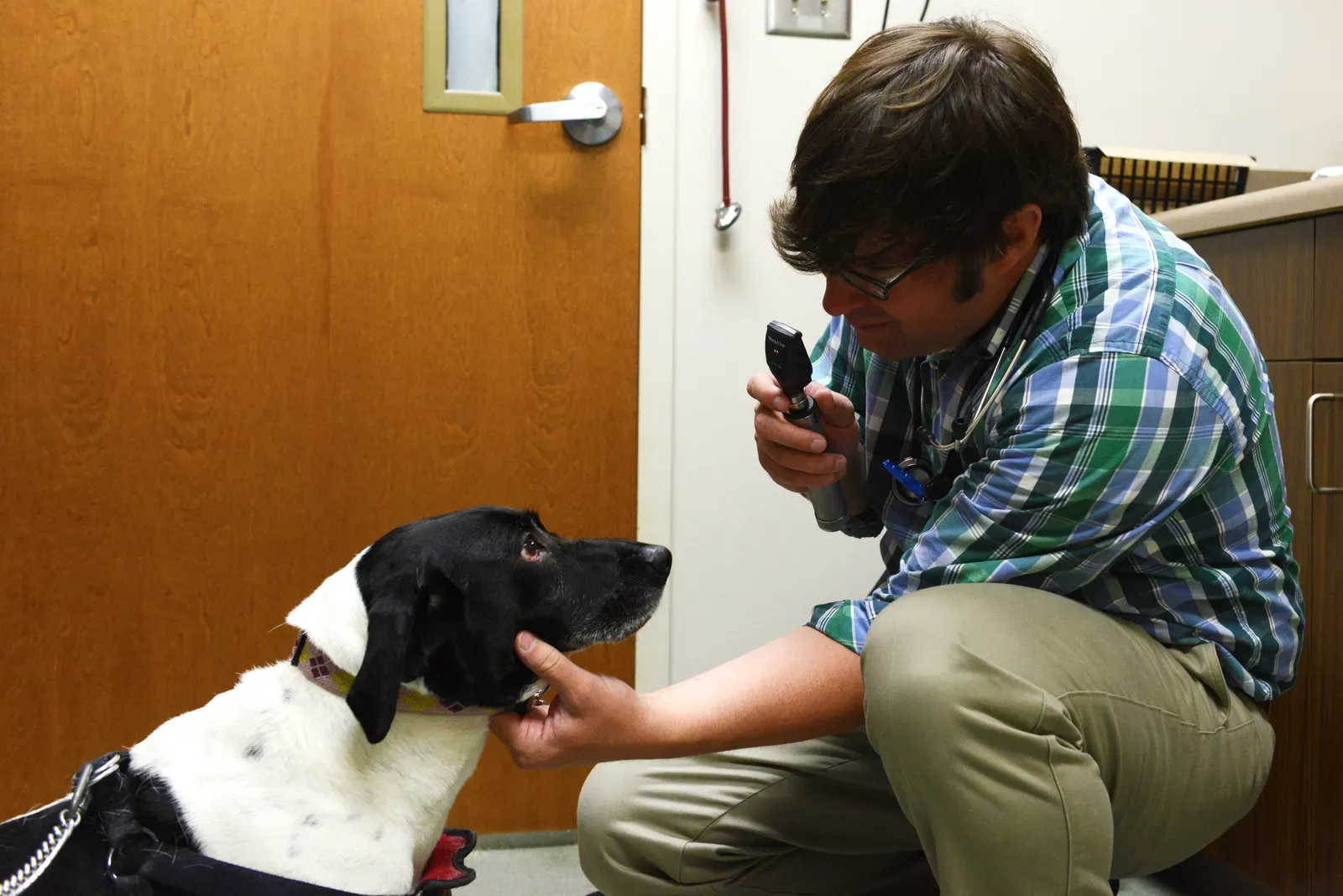
High maintenance pets often come with higher medical risk, whether that is a breed tendency, a chronic condition, or just sheer clumsiness. Pet insurance can protect you from crushing emergency bills, but it is not automatically the right choice for everyone. Policies vary in what they cover, and premiums for certain breeds or older animals can be steep.
Compare the monthly cost of a solid policy with what you could realistically set aside in a dedicated emergency fund instead. For some owners, especially with younger animals or breeds known for expensive health issues, insurance can absolutely be worth it. For others, disciplined saving in a separate account works better. The key is not to rely on wishful thinking – high maintenance pets are likely to test your finances at some point, and planning beats panicking every time.
9. Cut Hidden “Lifestyle” Costs That Add Up

Some pet expenses are obvious – food, vet bills, grooming – but others creep in quietly: frequent boarding, last-minute pet sitters, rush fees for urgent grooming, replacements for things your pet destroys when they are bored or under-exercised. These lifestyle costs can easily rival the basics if you are not paying attention. The solution is not to stop traveling or living your life, but to get more deliberate about how you do it.
Build a small, trusted network of friends, neighbors, or local pet lovers you can trade help with instead of always paying full price for last-minute services. Plan ahead for trips so you are not stuck with the most expensive boarding option. Adjust daily routines – like an extra walk, a food puzzle, or a dog walker a couple of times a week – so your pet is calmer and less destructive, which quietly protects your stuff and your budget.
10. Be Honest About What Your Pet Actually Needs vs. What Feels Cute

This is the part a lot of us do not like to admit: some of our pet spending is for them, but a lot is also for us. Matching outfits, themed beds, seasonal accessories, constant new toys – none of these are wrong, and they can be fun, but they are optional. High maintenance pets already come with unavoidable real costs; layering emotional impulse buys on top is where things often spiral.
Before hitting “buy,” pause and ask whether this item will genuinely improve your pet’s health, comfort, or safety, or if it is just scratching an itch for you. I am not immune to this either – I once bought an absurdly fancy cat tree that my cat ignored in favor of the beaten-up cardboard box it arrived in. Now I stick to a simple rule: first cover essentials, then invest in things that solve actual problems, and only then consider the just-for-fun extras if the budget still allows.
Conclusion: Caring Deeply Without Spending Blindly

High maintenance pets are often the ones who steal our hearts the hardest: the anxious rescue who needs extra patience, the glamorous breed with the ridiculous grooming schedule, the tiny dragon of a reptile with complicated habitat needs. It is easy to let love blur into overspending, and the pet industry quietly encourages that. But being a responsible, loving owner is not about buying everything; it is about making thoughtful choices that keep both your pet and your finances healthy.
If you focus on prevention, smart buying, basic skills at home, and clear-eyed planning, you can absolutely lower your costs without shortchanging your animal’s quality of life. In my view, the most devoted pet owners are not the ones with the biggest haul of products, but the ones who balance heart and practicality so that caring for their animals is sustainable for the long haul. Looking at your own situation, where do you think your biggest hidden savings might be hiding right now?


