
11 Ear Problems In Dogs That Repeat in the Same Season Every Year
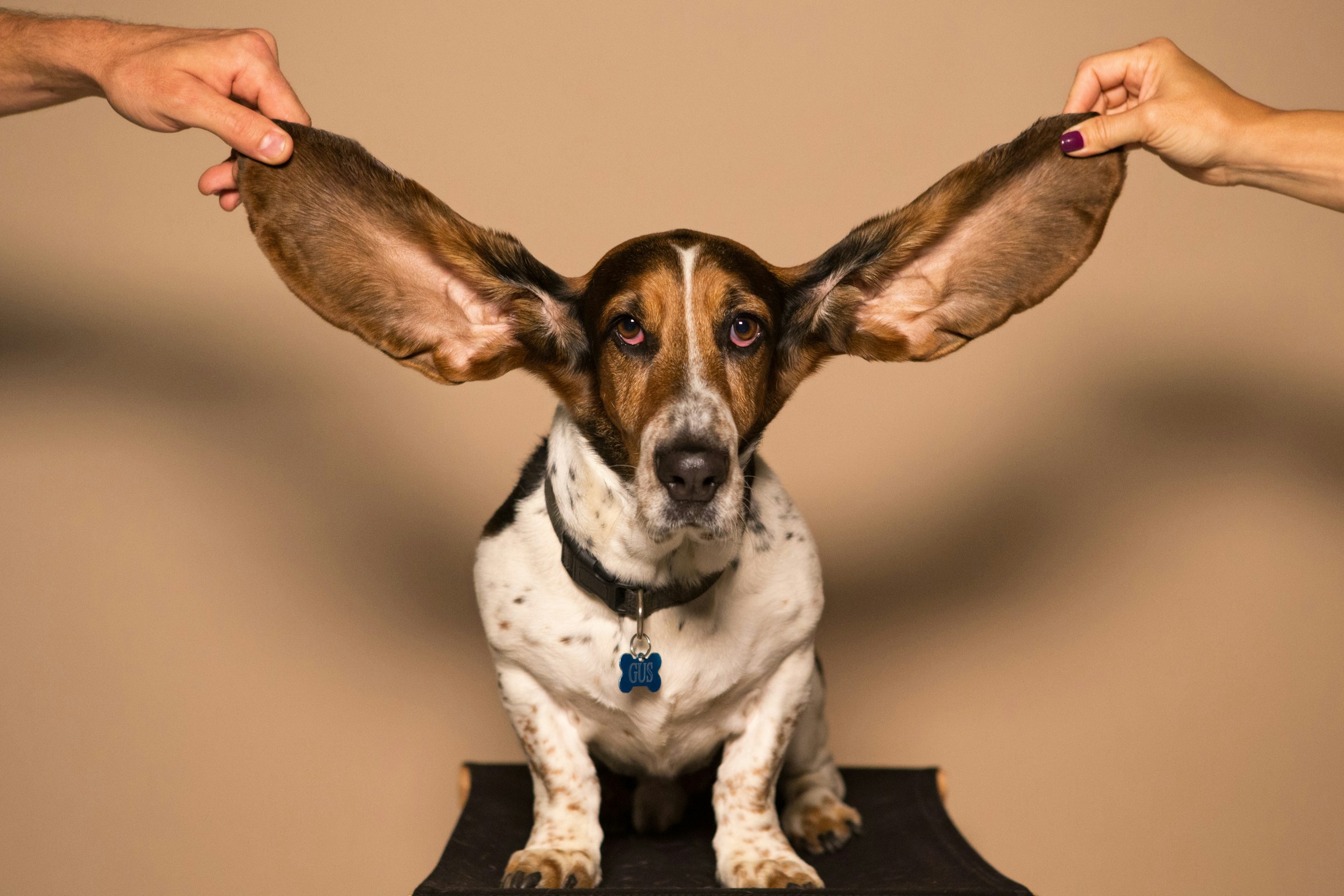
#1 Spring Tree Pollen Allergies Triggering Ear Inflammation
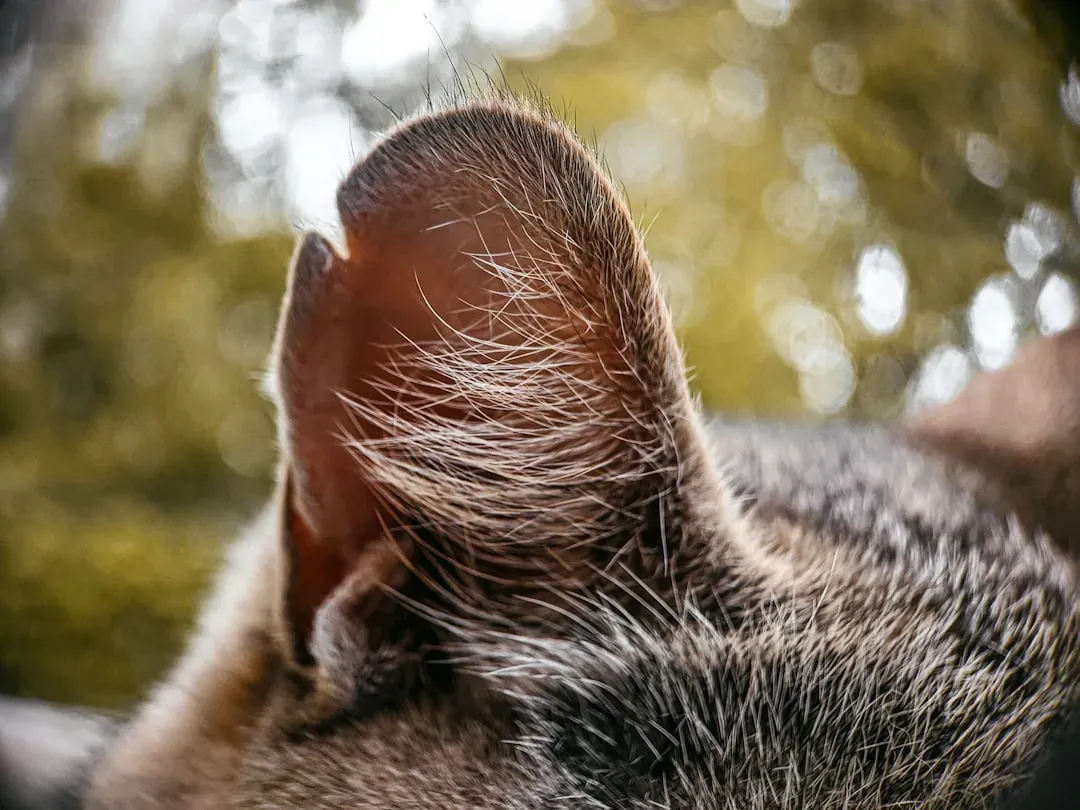
Many dogs with environmental sensitivities react strongly to tree pollens that fill the air in early spring. The ear canal lining becomes inflamed, which increases wax production and creates a welcoming spot for secondary issues to develop. Owners frequently report the first signs appearing just as buds open on local trees.
This reaction often pairs with itching on the paws or belly, though the ears can stand out as the most bothersome area. Regular checks during pollen peaks allow for early intervention before full discomfort sets in. Keeping windows closed on high pollen days and wiping paws after walks can reduce exposure noticeably.
#2 Summer Swimming Induced Moisture Buildup
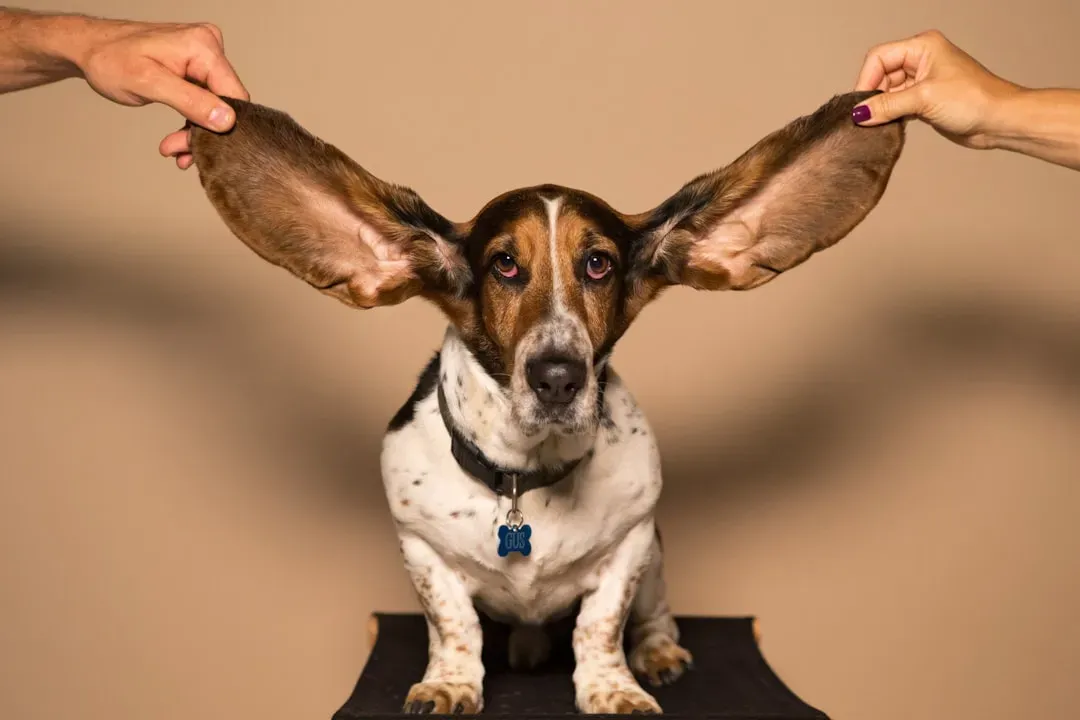
Summer brings more time in water for active dogs, and trapped moisture quickly changes the ear environment. The L shaped canal holds water longer than many owners realize, leading to irritation that repeats every warm season. Breeds with floppy ears face this challenge more often because air circulation stays limited.
After each swim or bath, thorough drying becomes essential to break the cycle. Some dogs benefit from vet recommended drying solutions applied right after water exposure. Consistent routines during the hottest months prevent the problem from escalating into something more stubborn.
#3 Fall Weed Pollen Reactions
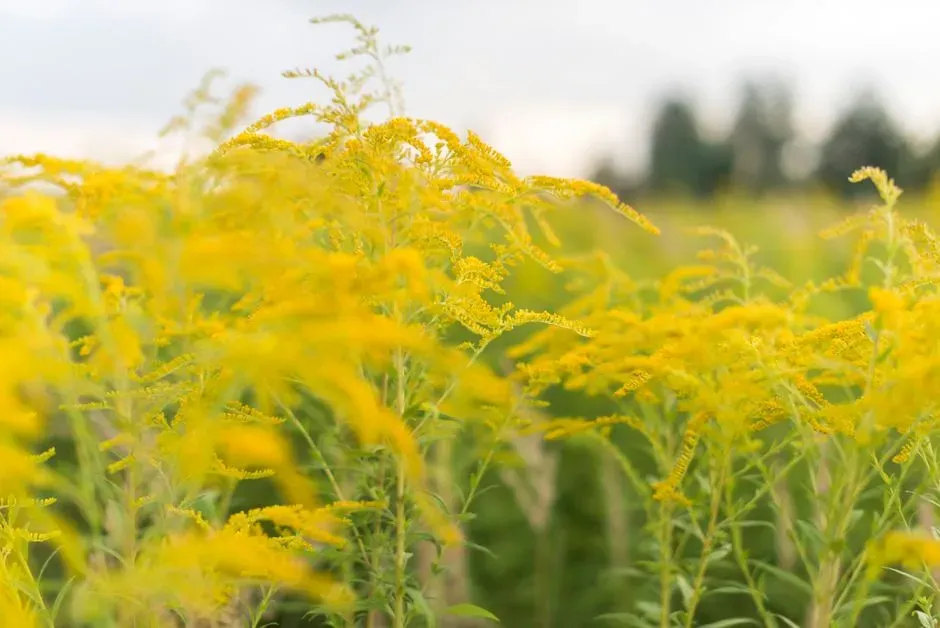
As summer fades, weed pollens such as ragweed become dominant and trigger fresh waves of ear inflammation in allergic dogs. The timing aligns closely with the start of cooler weather, creating a second seasonal peak for many pets. Inflammation here follows the same pathway as spring reactions but stems from different plants.
Dogs may show head shaking alongside subtle skin changes around the ears. Monitoring local pollen counts helps predict flare timing. Simple steps like evening walks instead of midday ones can lower the amount of allergen contact during this period.
#4 Winter Dust Mite and Indoor Allergen Flares
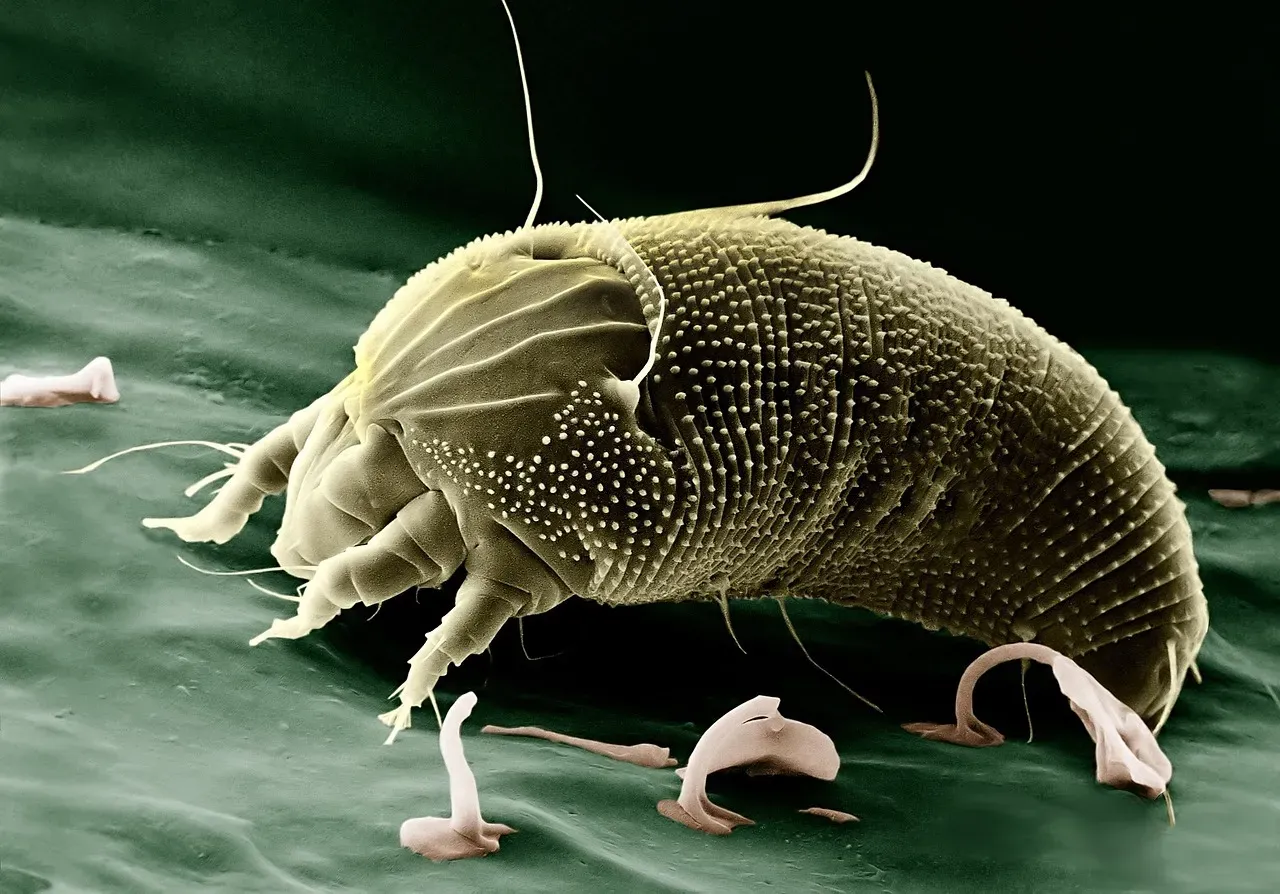
Indoor living increases during colder months, and dust mites thrive in heated homes with limited ventilation. These microscopic allergens keep ear canals irritated even when outdoor pollens disappear. The shift to more time inside often marks the start of winter ear troubles for sensitive dogs.
Dry heated air can further dry the skin lining, making it easier for minor issues to grow. Regular ear maintenance with gentle cleaners helps manage buildup. Owners who notice the pattern can adjust home humidity levels to ease the seasonal load.
#5 Grass Awn Foreign Bodies in Warm Months
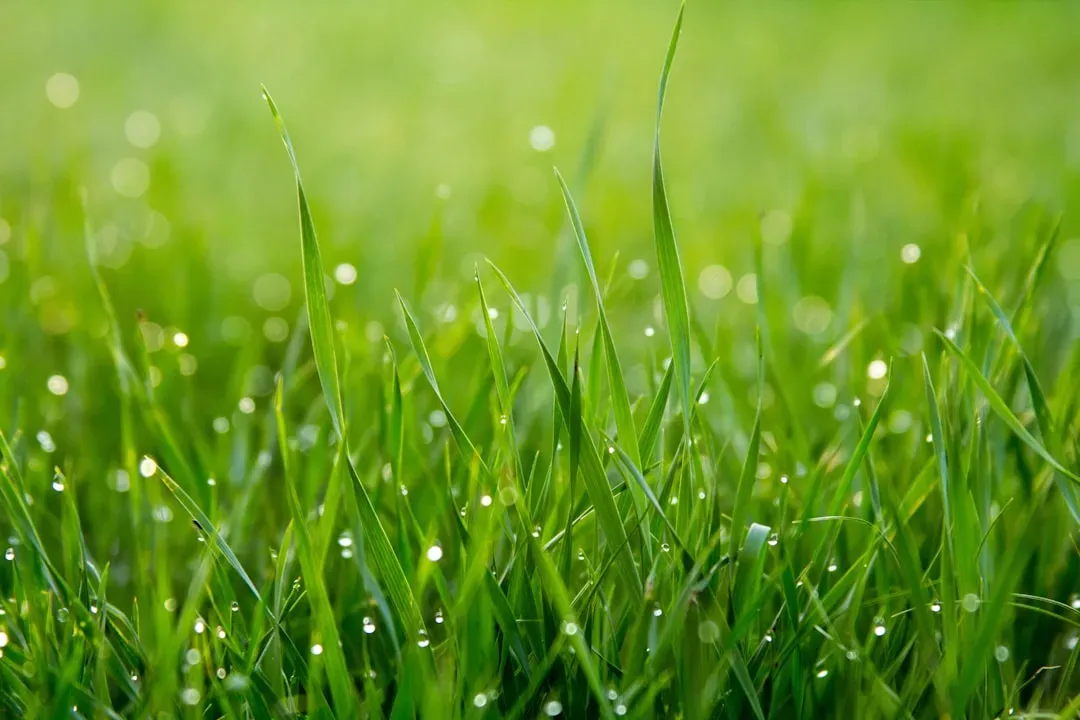
Outdoor adventures in spring and summer expose dogs to grass awns that can lodge in the ear canal. These barbed seeds irritate tissue and create pockets where bacteria settle quickly. The problem repeats annually for dogs that spend time in fields or tall grass during peak growth seasons.
Checking ears after hikes becomes a useful habit in affected areas. Early removal prevents deeper embedding and more serious inflammation. Some regions see higher rates of this issue due to specific grass types common in local parks.
#6 Humidity Driven Yeast Overgrowth in Summer
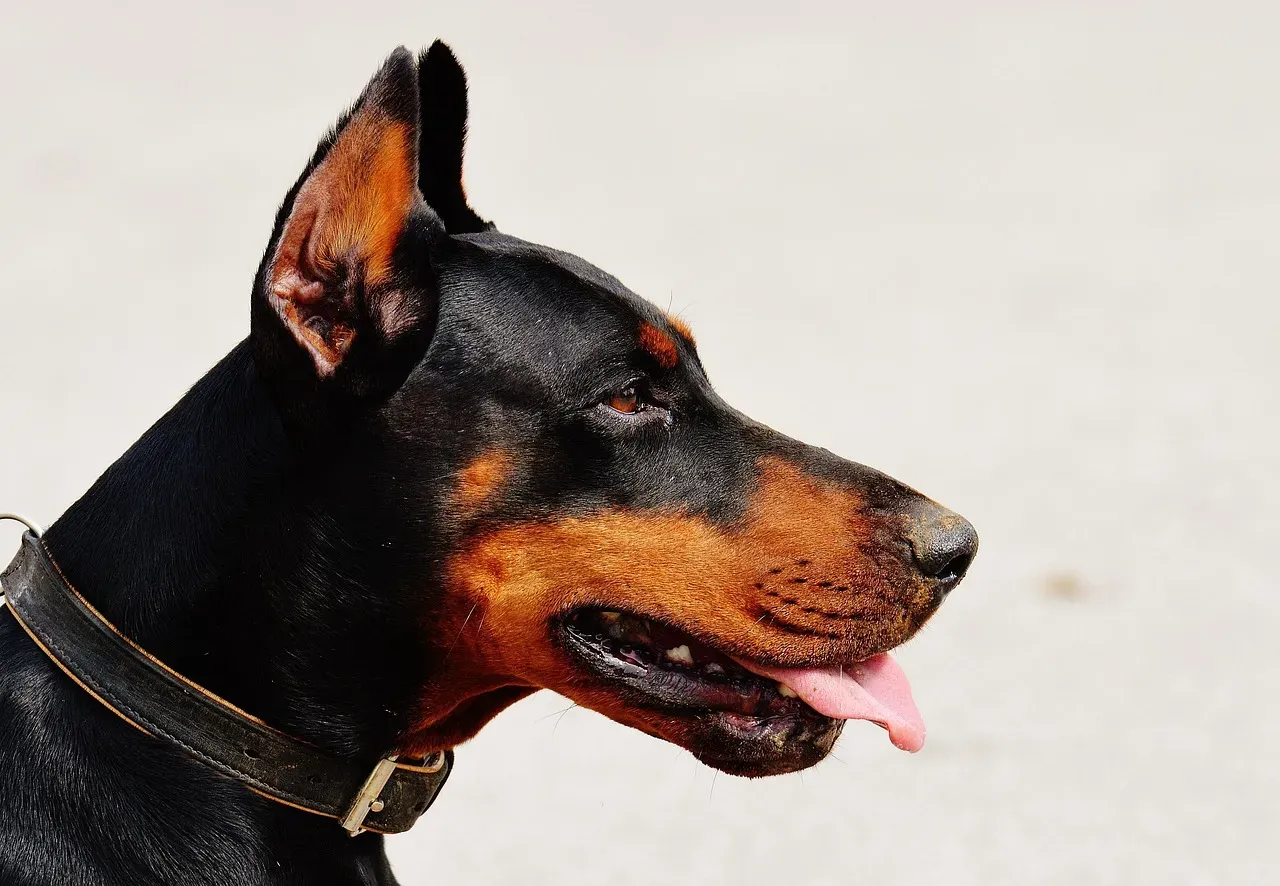
High summer humidity supports yeast populations that normally stay in check. When combined with any moisture or inflammation, these organisms multiply rapidly inside the ear. The result is a recurring odor and discharge that owners recognize from previous years.
Yeast thrives in the warm, damp conditions typical of many summer climates. Prompt attention at the first sign of musty smell helps limit spread. Maintenance routines focused on keeping ears dry pay off during the steamiest weeks.
#7 Secondary Bacterial Infections During Allergy Seasons
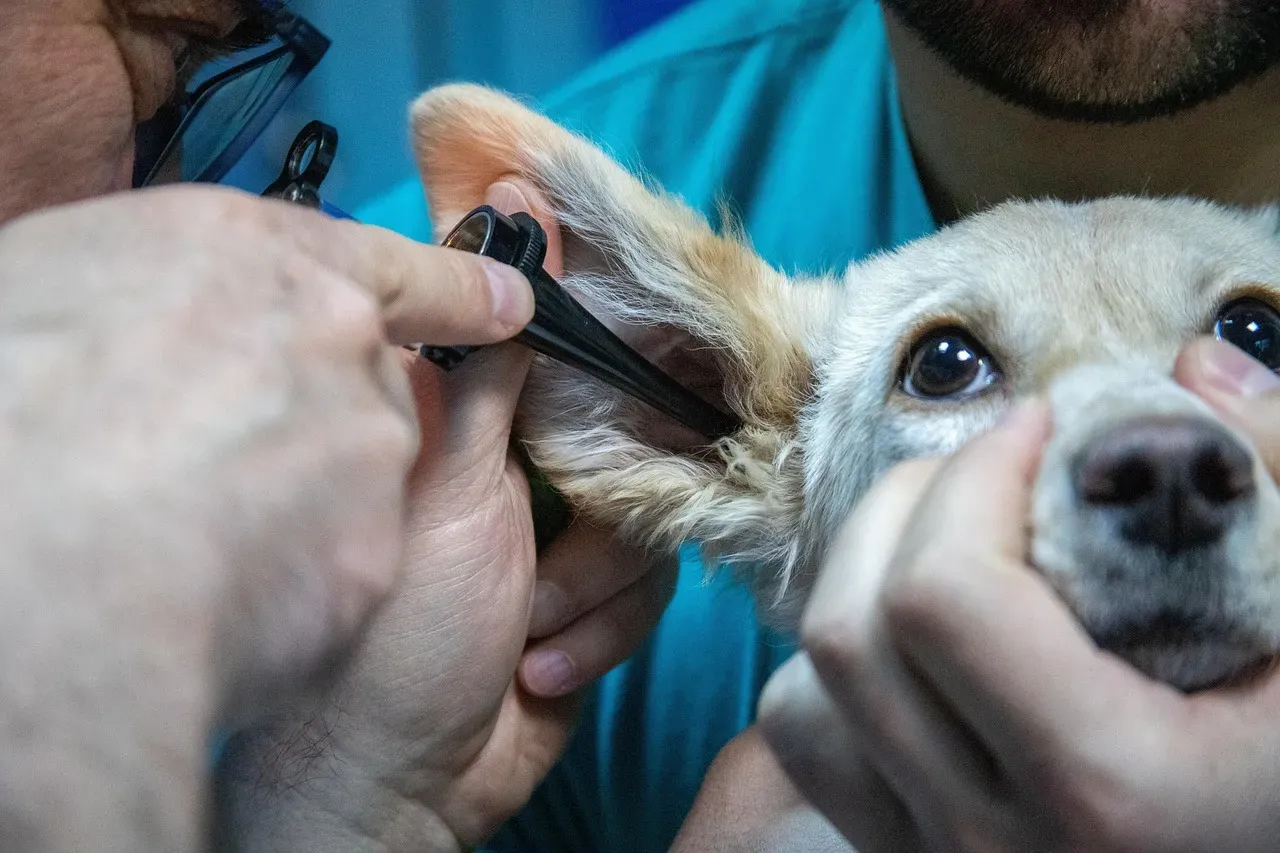
Allergy flares open the door for bacteria to overgrow in already irritated ears. This secondary step often follows the initial seasonal trigger by a week or two. The combination produces more intense symptoms than either factor alone.
Dogs with known seasonal patterns benefit from proactive allergy management before peak times. Cytology tests at the vet confirm the bacterial involvement and guide targeted care. Breaking the cycle requires addressing both the allergy and the infection.
#8 Mold Spore Exposure in Damp Fall Periods

Falling leaves and increased rainfall create ideal conditions for outdoor mold growth in autumn. Sensitive dogs inhale or contact these spores, which then inflame ear tissues in a familiar seasonal rhythm. The issue often overlaps with weed pollen reactions for added effect.
Indoor mold from damp basements or bathrooms can extend the problem into cooler months. Good ventilation and prompt cleanup of wet areas reduce spore levels at home. Owners tracking the calendar can prepare with extra ear checks during wet spells.
#9 Flea Allergy Related Ear Issues in Peak Flea Season
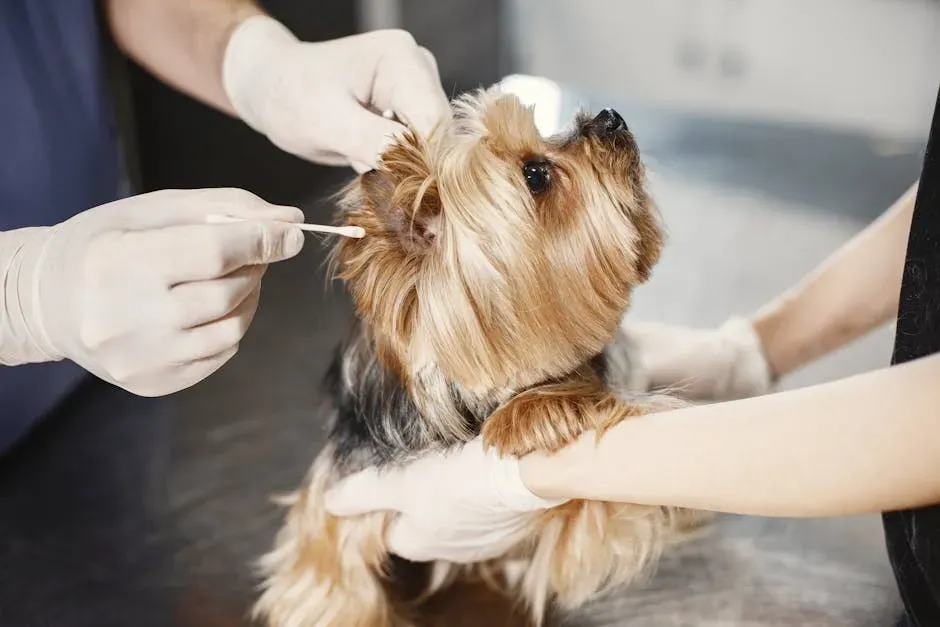
Flea populations surge in warmer months, and dogs allergic to flea saliva develop ear inflammation alongside other skin reactions. Even a few bites trigger widespread itching that includes the ears. This seasonal spike repeats reliably in regions where fleas remain active through summer and early fall.
Year round flea prevention breaks the link between bites and ear problems. Monthly treatments keep populations low before they reach problematic levels. Consistent use protects dogs that show ear signs tied to flea exposure.
#10 Dry Winter Air Causing Irritation and Secondary Issues
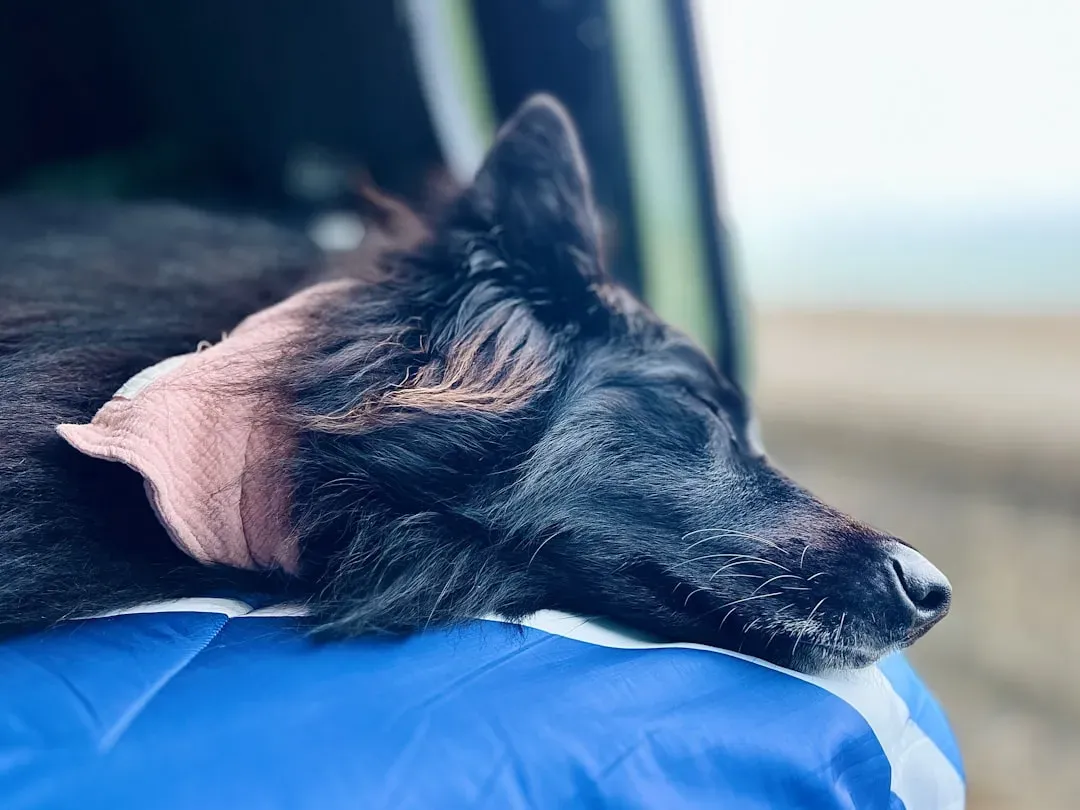
Low humidity from indoor heating dries the delicate skin inside the ear canal during winter. This dryness leads to flaking and minor cracks that invite secondary irritation. The pattern emerges as soon as heating systems turn on each year.
Adding moisture to the air with a humidifier can ease the effect for many dogs. Gentle cleaning removes dry debris without further irritation. Watching for early flaking allows owners to adjust routines before discomfort builds.
#11 Pollen and Mold Combination in Transitional Seasons
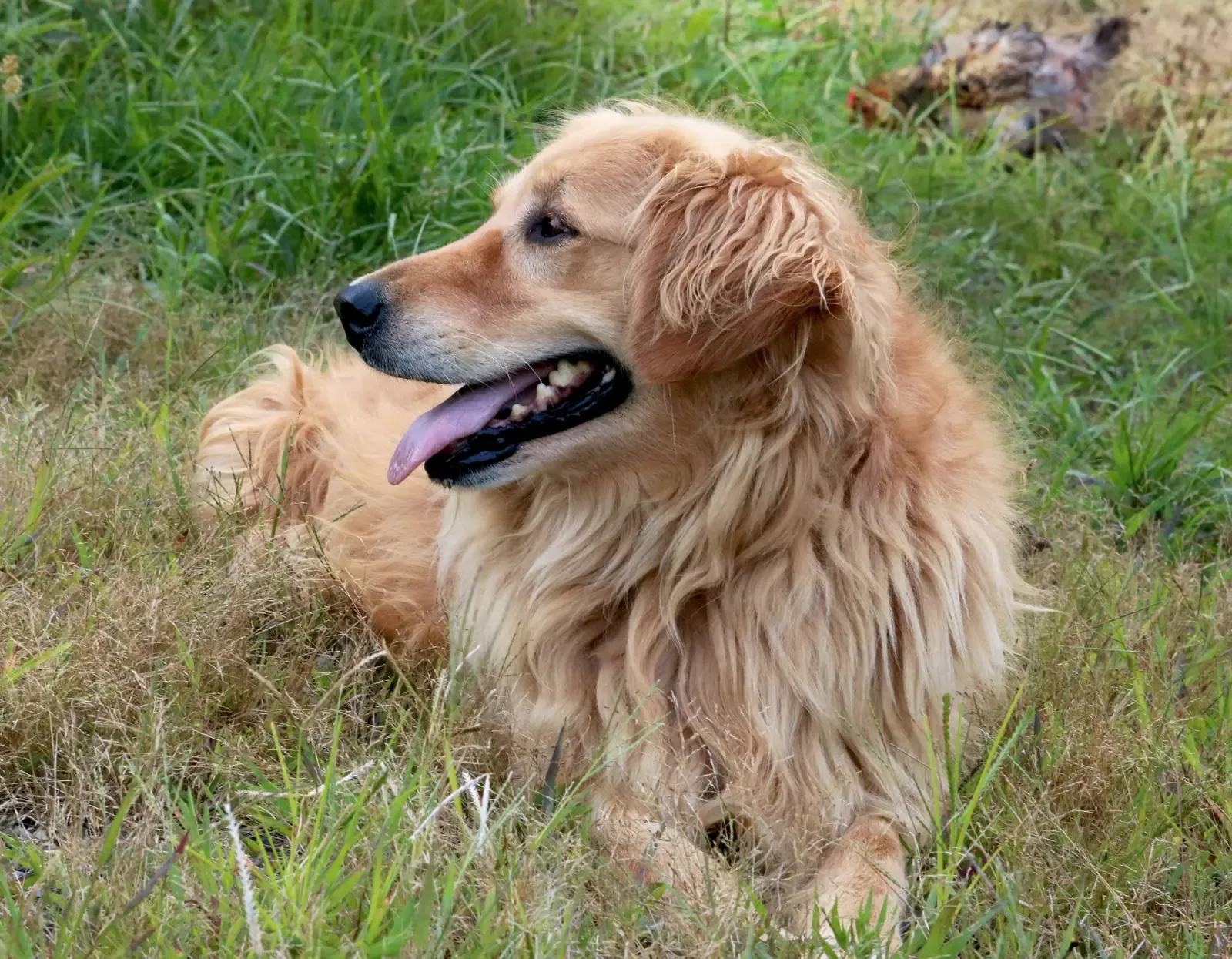
Spring and fall bring overlapping exposures to both pollens and molds, creating compounded ear reactions in highly sensitive dogs. The double trigger often produces stronger or longer lasting symptoms than single allergen periods. This transitional timing catches many owners by surprise until the pattern becomes clear over multiple years.
Tracking symptoms against local weather and plant cycles reveals the combined influence. Layered prevention, such as wipes after outings plus indoor air management, helps during these windows. Recognizing the overlap allows for more precise timing of supportive care.
Why Seasonal Awareness Changes the Outcome
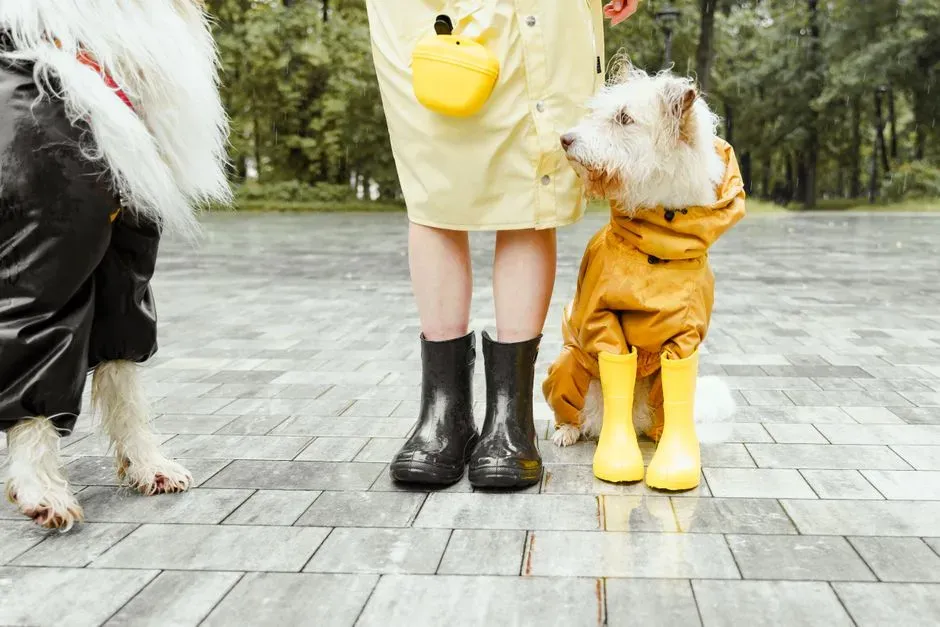
Recognizing these repeating patterns shifts the focus from repeated treatments to prevention. Many dogs experience fewer episodes once owners align care with the calendar and address underlying sensitivities. The ears serve as an early warning system for broader environmental reactions.
Veterinary guidance tailored to each dog remains the most reliable path forward. Simple daily habits, combined with professional input, often reduce the frequency and intensity of these seasonal challenges. Over time, the predictable nature of the issues becomes an advantage rather than a frustration.