
11 Results That Changed How Vets Measure Pain in Dogs
Walk into a modern veterinary clinic today and you might notice something quietly revolutionary: vets talking about pain in dogs the way human doctors talk about blood pressure or heart rate. That was not always the case. For decades, dogs were often treated as if they either “hurt” or “didn’t hurt” – a crude yes-or-no decision based more on guesswork than science.
Over the last few years, a wave of studies has completely reshaped how vets think about canine pain. Researchers have watched videos frame by frame, tracked tiny changes in sleep and heart rate, and asked owners very specific questions about their dog’s daily habits. The results have been surprising, sometimes uncomfortable, and absolutely game changing.
If you share your life with a dog, this science matters to you. It changes how quickly pain is spotted, how well it’s treated, and whether a dog spends months suffering in silence or gets relief early. Below are 11 key findings that pushed the profession away from guesswork and toward measurable, trackable, more humane ways of understanding pain in dogs.
#1: Dogs Show a “Pain Face” – And Vets Can Score It

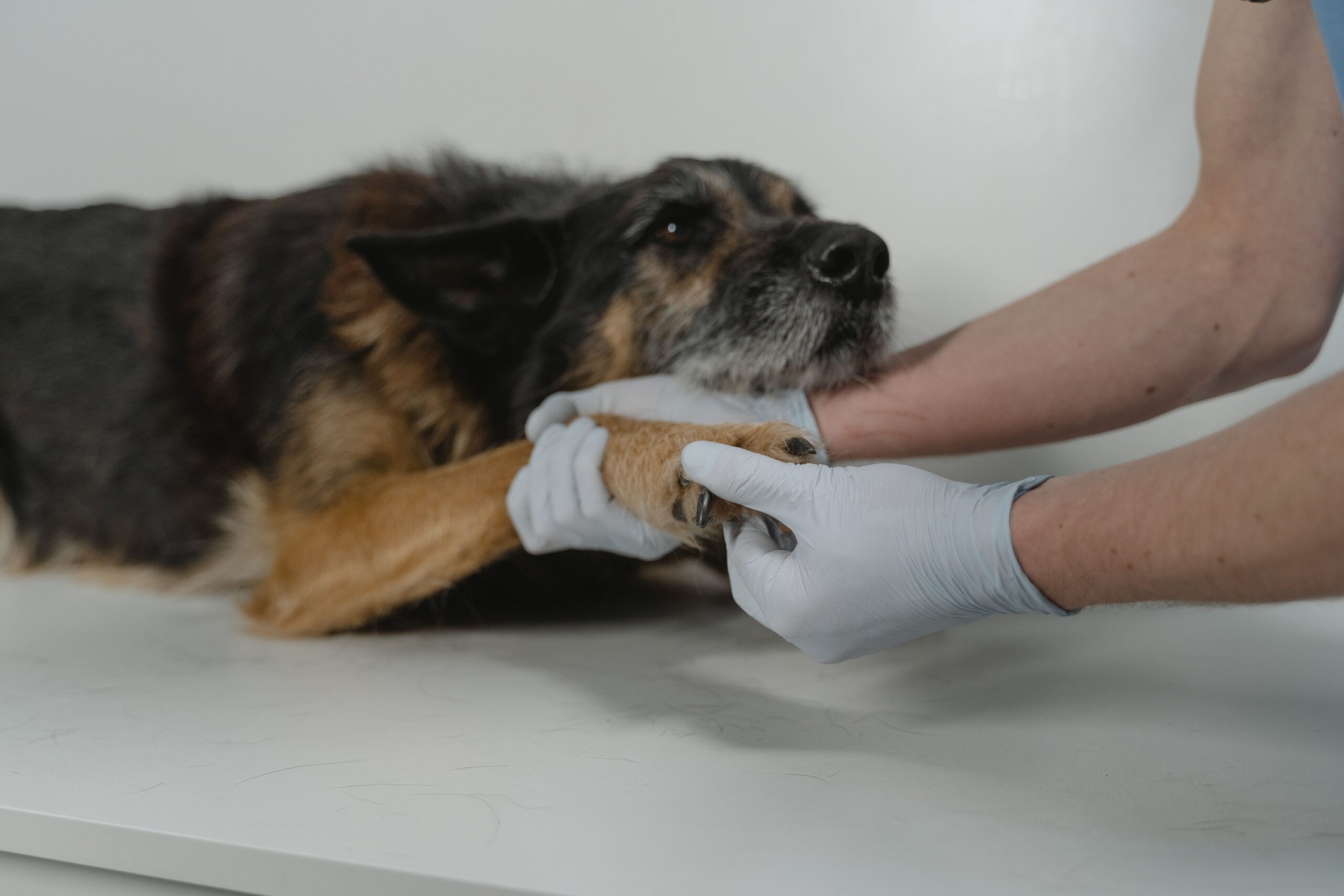
One of the most striking discoveries was that dogs, like people, have a recognizable “pain face.” Researchers carefully analyzed high‑quality photographs and videos of dogs before and after surgery, or when they were in known pain, and picked out consistent changes in facial expression. These included slightly narrowed eyes, tension around the muzzle, changes in ear position, and subtle tightening of the muscles around the nose and cheeks.
What started as careful observation turned into something much more powerful: a scoring system. Known as a grimace scale, it lets vets rate the intensity of pain based on facial features alone. Instead of a vague comment like “He looks uncomfortable,” a vet can now say, “His grimace score is high enough that we need more pain relief.” That shift from impression to measurement has changed how rapidly dogs get treated.
In practice, this matters most in situations where a dog is unable or unwilling to move much, such as after major surgery, trauma, or serious illness. Facial scoring gives the team a way to track improvement or worsening over the first crucial hours. It has also helped convince skeptics who used to worry that vets were “over‑treating” pain; when you can see a pattern that lines up with known painful conditions, it is very hard to ignore.
- Key facial cues: eye narrowing, muzzle tension, ear position changes
- Used especially after surgery or trauma
- Turns “he looks sore” into a repeatable score
#2: Pain Alters How Dogs Walk Long Before They Limp

Another big breakthrough came from something that looks like it belongs in a sports science lab: force plates and pressure‑sensing walkways. These systems measure how much weight a dog puts on each leg with every step. Researchers found that arthritic or injured dogs were shifting their weight in subtle ways long before owners or even vets could see an obvious limp.
For example, a dog with early hip osteoarthritis might distribute slightly less weight onto the hind legs and slightly more onto the front, or push off less forcefully on one side. To the naked eye, the dog looks “fine” or just a little stiff in the morning. On the force plate, though, the pattern is as clear as a sore thumb. This has turned gait analysis into one of the most objective tools for detecting and tracking chronic pain.
Clinically, these findings changed two things. First, vets now have a way to show owners that pain is present even when the dog is not screaming or limping dramatically, which can speed up decisions about treatment. Second, it offers a way to test whether therapies actually work: if a new medication, supplement, or physical therapy regimen truly helps, the dog will shift more normal weight back onto the painful limb. This makes it harder for ineffective treatments to hide behind wishful thinking.
- Force plates reveal weight‑shifting patterns invisible to the naked eye
- Early joint pain often shows up as subtle front‑vs‑hind weight changes
- Objective gait data helps evaluate if treatments actually help
#3: Standardized Pain Scales Turn Guesswork Into Numbers

Before pain scales, vets relied on experience and feel. One vet’s “moderate” might be another’s “mild,” and dogs could receive totally different pain control in different clinics. That changed when validated pain scales, like the Glasgow Composite Measure Pain Scale and the Colorado State University scales, came into broad use. These tools break pain down into observable behaviors and assign a score to each.
Instead of a vague hunch, a nurse or vet now works through a checklist: Is the dog whining or silent? How does it react when its wound is gently touched? Is it willing to get up and move? How is its posture? Each answer adds up to a total score, and that score correlates with recommended treatment thresholds. When the number is high enough, pain relief is not a suggestion; it becomes standard of care.
In real life, this has changed both hospital routines and outcomes. Many clinics now score dogs at set intervals after surgery or during hospitalization, watching the numbers go up or down and adjusting medication accordingly. It has also improved consistency between staff members. A dog is much less likely to be overlooked on a busy night because someone was distracted; the number on the chart demands attention and action.
- Pain scales use checklists of behavior and posture
- Scores tie directly to treatment decisions
- Help standardize care across vets and clinics
#4: Owners Notice Pain at Home That Vets Miss in the Exam Room
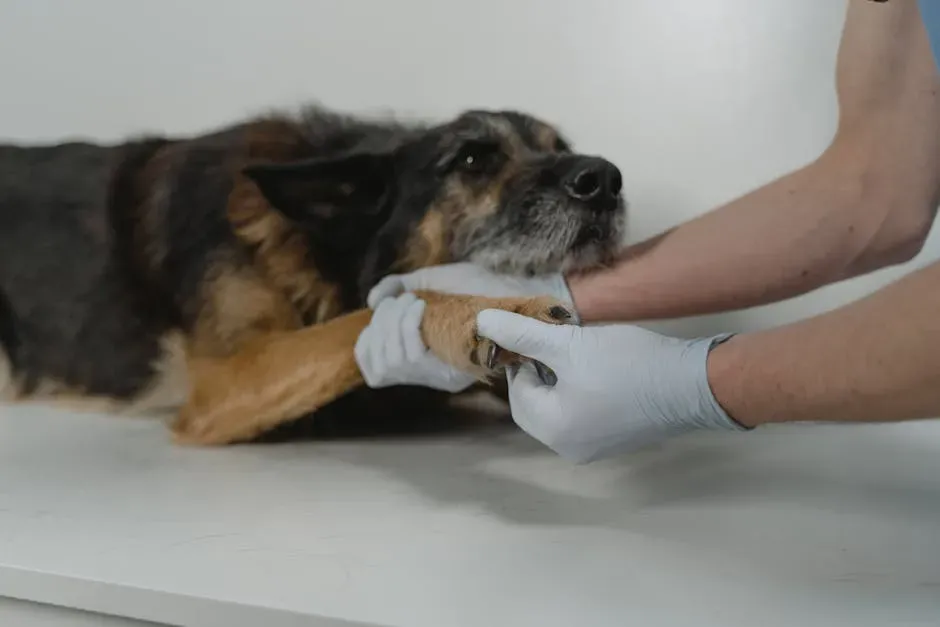
One of the humbling findings in pain research is that vets do not always see what owners see. Several studies have shown a big gap between what a dog does in a quiet exam room and what it does at home. A stiff, arthritic dog might perk up with adrenaline at the clinic and trot around just enough to look almost normal, fooling everyone into thinking the pain is mild.
When researchers started using structured owner questionnaires and activity diaries, a different picture emerged. Owners reported things like difficulty jumping on the couch, hesitating at stairs, lagging on walks, or no longer playing with favorite toys. These “little” changes, repeated over days and weeks, often signaled significant chronic pain even when a single in‑clinic exam looked unremarkable.
That realization has pushed vets to formally include owner‑completed pain questionnaires as part of the assessment. Rather than just asking, “Does he seem sore?” they use specific prompts about mobility, play, sleep, and mood. For chronic conditions like osteoarthritis, these owner reports can be as critical as any physical test. In my own experience, the most accurate picture usually comes when a vet’s exam and an owner’s daily observations are combined, not when one replaces the other.
#5: Activity Trackers Revealed That “Slowing Down” Is Often Pain, Not Aging
Wearable tech did not just change human fitness; it quietly revolutionized canine pain research too. When scientists started putting accelerometer‑based activity monitors on dogs, they could finally measure, in hard numbers, how much dogs actually moved throughout the day. The results were eye‑opening. Many dogs with arthritis or chronic pain had significantly lower daily activity levels than healthy dogs of the same age, even when owners described them as “just getting older.”
Even more compelling were the changes after treatment. When painful dogs were given effective pain relief or started a solid rehab plan, their activity scores went up. They walked longer, played more, and spent less time just lying around. Sometimes the owners noticed the difference right away. Other times, the tracker data changed first, and the owner only later realized the dog was following them around more or asking to go outside again.
This has changed how vets talk about aging and pain. A dog that is “slowing down” is no longer automatically seen as just old; it is now a red flag for possible pain that deserves a proper workup. Activity monitors are also being used in clinical trials to test new treatments, making it harder for weak therapies to look good based only on subjective impressions. Numbers do not solve everything, but they make quiet suffering much harder to ignore.
- Wearables measure real‑world movement over days and weeks
- Painful dogs often have noticeably lower activity levels
- Improved activity after treatment is a strong sign of better pain control
#6: Subtle Behavior Changes Became Recognized as Red‑Flag Pain Signals

For a long time, many signs of pain were dismissed as “quirks” or “personality changes.” Researchers who studied behavior patterns over time showed that this was a serious mistake. Dogs in chronic pain often became more irritable, more withdrawn, or more anxious. They might growl when touched in specific areas, avoid children they used to adore, or hide when visitors came over. None of those things scream “pain” in a dramatic way, so they were easy to misinterpret as training or temperament issues.
By carefully comparing painful dogs to healthy ones, scientists showed that these behavior shifts were not random. They cropped up consistently in dogs with conditions like osteoarthritis, spinal disease, or dental pain and improved when the pain was treated. That was a turning point. It forced vets and owners to see mood and behavior as important pain clues, not as separate, unrelated problems.
Nowadays, behavior is formally included in many pain assessments. A dog that suddenly does not want to be picked up, stops greeting family at the door, or starts guarding its space is no longer just “grumpy.” Those can be early, vital signals that something hurts. It has also changed how professionals talk about pain with owners. Instead of focusing only on limping or yelping, they ask, “Has his personality changed at all?” That one question has uncovered a lot of previously missed suffering.
#7: Sleep, Restlessness, and Night‑Time Pacing Turned Out to Be Pain Markers

Another surprising area of research was sleep. Many owners of painful dogs would mention offhand that their dog was “restless at night” or “kept changing positions,” but it was rarely taken as a primary pain sign. When scientists monitored dogs with arthritis and other chronic pain conditions overnight, they found that these animals woke more often, changed positions repeatedly, or paced around the house much more than pain‑free dogs.
These sleep disruptions did not just annoy the humans; they were part of the dog’s struggle to get comfortable. You can think of it like a person twisting and turning when their back hurts. The dog cannot explain that in words, but its body tells the story through movement. Importantly, when effective pain treatment was started, many of these dogs began sleeping more deeply and moving less restlessly at night.
As a result, nighttime behavior is now seen as a useful part of pain assessment, especially in older dogs. Vets are more likely to ask whether the dog is sleeping through the night, whether it paces, pants, or seeks cooler floors, and whether the restlessness is new. For some families, those sleep‑related changes are the first hint that their dog’s discomfort has moved from mild to serious. Recognizing sleep disruption as a pain marker has led to more targeted treatment and, frankly, better rest for everyone in the house.
- Restlessness and repeated position changes at night can signal pain
- Overnight monitoring showed clear differences between painful and healthy dogs
- Sleep often improves once pain is properly managed
#8: Heart Rate, Stress Hormones, and “Vital Signs” Alone Were Not Enough

In the early days, many vets hoped that pain could be measured by simple, objective numbers like heart rate, breathing rate, or stress hormone levels. It made intuitive sense: pain is stressful, so surely vital signs should spike in painful dogs. Research did show that in acute, intense pain, these measures can change. But here is the twist that really changed the field: those same measures can also change just because a dog is anxious, scared, or excited.
That overlap meant that relying heavily on heart rate or cortisol levels led to serious confusion. A nervous but not very painful dog could look similar, on paper, to a calm dog in significant discomfort. Chronic pain also did not always cause dramatic or sustained shifts in vital signs. Dogs adapted over time, and the numbers drifted back toward normal even while the underlying pain remained.
Rather than giving up, researchers took an important lesson from this: pain is multidimensional. It is not something you can capture with a single number or lab test. This insight pushed the profession toward composite scales that combine behavior, posture, owner reports, and sometimes selected physiological data, rather than betting everything on heart rate. In other words, instead of searching for a magic single marker, vets learned to build a fuller picture.
#9: Early, Aggressive Pain Control Improved Recovery and Behavior Long‑Term

One of the most hopeful findings in all this research is that treating pain early and assertively can change outcomes in a lasting way. Studies on dogs undergoing surgery or dealing with chronic conditions showed that when pain was well controlled from the start, animals recovered faster, ate sooner, and were more willing to move. That part might seem obvious, but the real surprise came later: some dogs that had experienced good pain control early on were less anxious, less reactive, and easier to handle down the road.
Researchers and clinicians began to suspect that unmanaged pain does more than cause immediate suffering. It may actually “teach” a dog that vet visits, handling, and certain movements are dangerous or unbearable. Those lessons can stick, turning routine care into a struggle. By contrast, when vets anticipated pain and prevented it rather than chasing it, dogs often stayed more relaxed and cooperative with future care.
This has reshaped veterinary protocols, especially around surgery and dentistry. Many clinics now use what is called pre‑emptive and multimodal pain management: giving pain relief before the procedure, using combinations of drugs and techniques, and maintaining that relief consistently afterward. It is not about being soft; it is about recognizing that strong, smart pain control is part of good medicine and better long‑term behavior.
- Good early pain control speeds up recovery from surgery or injury
- Unmanaged pain can create long‑lasting fear of handling and vet visits
- Modern protocols aim to prevent pain, not just react to it
#10: Dental and Internal Pain Were Far More Common (and Quieter) Than Expected

Most people think of pain in dogs as something visible: limping, yelping, or struggling to get up. Research into dental disease and internal disorders quietly blew that assumption apart. Dogs with severe dental pain often kept eating, just a bit more slowly or selectively, and rarely cried out. Similarly, dogs with painful pancreatitis, bladder issues, or gastrointestinal problems sometimes showed only vague signs like “not themselves,” clinginess, or occasional vomiting.
When vets and researchers started tracking these cases more systematically and pairing them with pain assessments, a pattern emerged: internal and dental pain were underdiagnosed and undertreated. Once diseased teeth were removed or the internal issue was managed with proper pain control, owners often reported a dramatic personality shift. The dog that “just seemed old” or “a bit grumpy” suddenly became playful, more interactive, and more energetic.
These results forced a major mindset shift. Pain was no longer seen only as something tied to obvious lameness or visible injuries. It became clear that chronic, hidden sources of pain could quietly wear down a dog’s quality of life for months or years. That insight has pushed vets to take vague complaints more seriously, to look carefully at the mouth and abdomen, and to use pain trials and diagnostics more proactively instead of waiting for dramatic signs.
#11: Owner‑Completed Quality‑of‑Life and Pain Questionnaires Became Central Tools

The final piece of the puzzle might be the most practical for everyday dog owners: structured quality‑of‑life and pain questionnaires. These forms ask about mobility, appetite, sleep, play, mood, social interaction, and more. At first glance, they look simple, almost too simple. But when researchers validated them against exams, imaging, and other tests, they found that consistent patterns in questionnaire answers strongly matched the presence and severity of chronic pain.
Over time, repeated use of these tools has changed how vets discuss difficult topics like long‑term arthritis or end‑of‑life decisions. Instead of vague back‑and‑forth like “I think he’s doing okay, mostly,” they can track scores over months. A declining quality‑of‑life score might prompt a change of medication, adding physical therapy, or revisiting weight management. In some cases, it helps families recognize that despite their best efforts, a dog’s world has become too small and too uncomfortable, and it is time to talk about humane euthanasia.
From my own perspective, this is one of the most humanizing advances. It gives owners a structured way to express what they see day in and day out and helps them feel heard. It also anchors emotionally charged decisions in something more concrete than raw feeling. By turning a dog’s daily joys and struggles into trackable information, these questionnaires have become quiet but powerful tools for measuring and responding to pain.
- Questionnaires capture subtle, daily changes that exams can miss
- Scores help track pain and quality of life over months or years
- They support clearer, kinder decisions about treatment and comfort
Conclusion: Pain in Dogs Is No Longer Invisible – If We Choose to See It

The biggest lesson from all these findings is uncomfortable but important: for a very long time, a lot of dogs were hurting more than we realized. They were not “stoic heroes” so much as animals whose pain signals we failed to read. The studies that uncovered grimace scales, gait changes, behavior shifts, and sleep disruption did not suddenly create pain; they finally gave us tools to see what was already there.
At the same time, there is something deeply hopeful here. When vets and owners use these newer tools – structured scales, activity tracking, questionnaires, careful observation of mood and sleep – dogs get better pain relief, faster diagnosis, and kinder care. Early, thoughtful pain management can change how a dog recovers from surgery, how it ages with arthritis, and how it experiences its final months. To me, that makes all the data and scoring systems feel far from cold; they are acts of compassion turned into numbers.
In the end, measuring pain in dogs is not about winning a scientific argument; it is about refusing to accept silent suffering as “just part of being a dog.” The results that changed veterinary practice are really an invitation. They ask us to notice more, to take subtle changes seriously, and to push for real comfort instead of vague reassurance. The question now is simple and a bit challenging: knowing what we know in 2026, are we willing to see pain clearly and act early, or will we still tell ourselves that a dog who is “just slowing down” must be fine?