
13 Things a Vet Would Tell You If the Appointment Were Longer
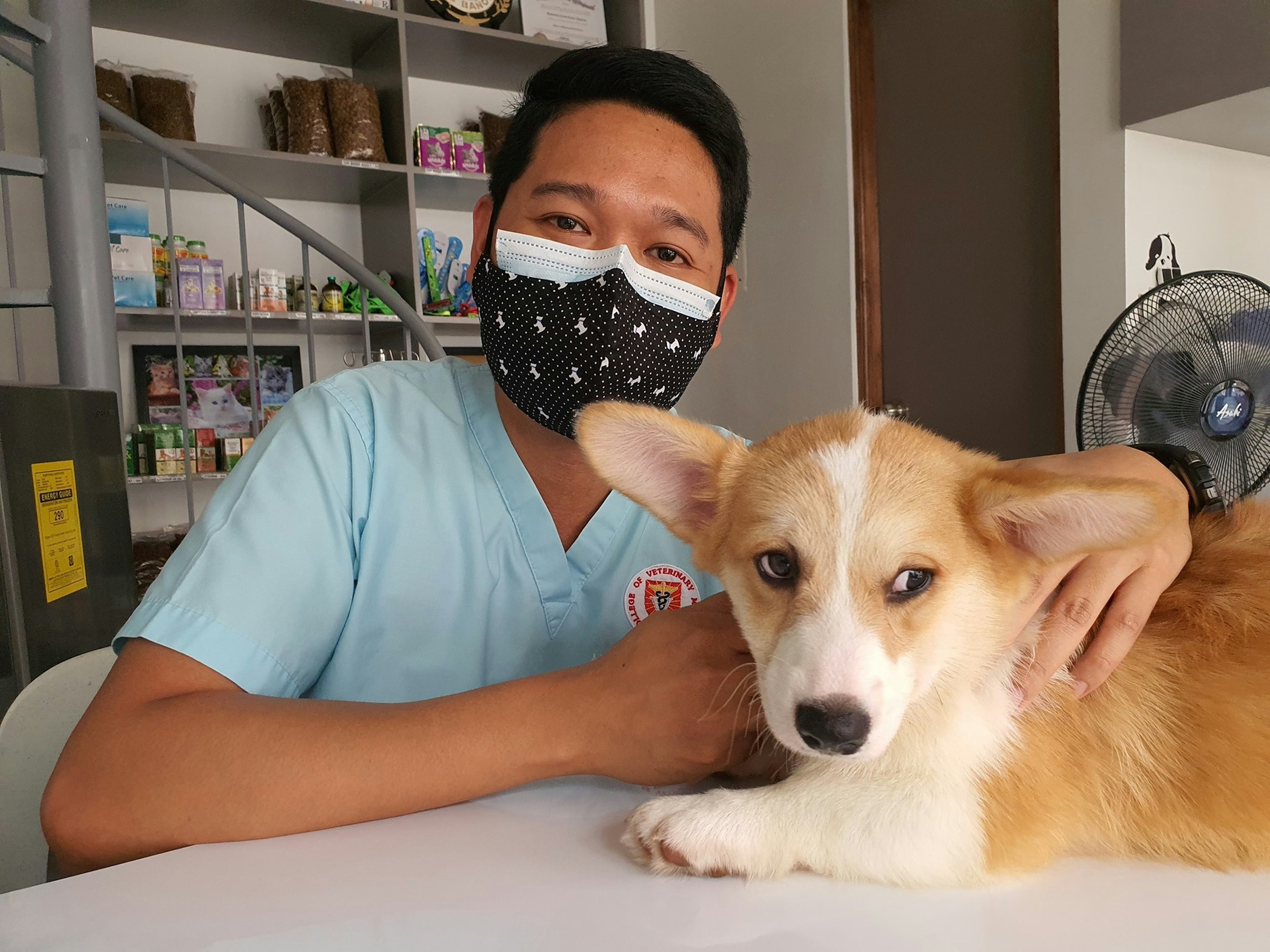
If you’ve ever walked out of the vet’s office thinking, “Wait, I still have ten more questions…”, you’re not alone. Most appointments are crammed into a short window, and your vet is racing through exams, vaccines, and records while trying to squeeze in meaningful advice.
Behind that quick visit, though, there’s a mountain of knowledge your vet wishes they had time to share. Some of it is practical, some of it is scientific, and a lot of it is about everyday decisions that make a huge difference over the years.
Let’s pull back the curtain a bit. Imagine your vet had an extra hour, a cup of coffee, and no waiting room full of barking, meowing, nervous patients. Here are 13 things they’d probably want to tell you, in detail.
#1: Your Pet’s Weight Matters More Than You Think

This is the one topic most vets wish they could talk about without anyone feeling judged: weight. Being a little chubby might look cute on your dog or cat, but long-term it quietly grinds away at their joints, heart, and overall lifespan. Extra fat is not just “stored energy”; it’s an active tissue that contributes to inflammation in the body.
Many studies in dogs show that even being mildly overweight can shave years off their life and increase the risk of arthritis, diabetes, and certain cancers. The same pattern appears in cats, especially with diabetes and joint issues. Think of every extra pound as putting another brick into a backpack your pet has to carry every day, on every walk, up every stair.
Vets often use a body condition score (BCS) rather than just the number on the scale. They are looking for a waist from above, a tummy tuck from the side, and ribs that are easy to feel but not sticking out. If you have to dig to find the ribs, your pet is probably overweight. Getting this right does more for your pet’s future than any fancy supplement ever could.
#2: Most Pets Are Quietly Under-Stimulated and Bored

If your dog is “misbehaving” or your cat is scratching the couch, there’s a good chance they’re not being bad; they’re just bored. Modern pets live safe, comfortable lives, but they’re often missing the mental and physical challenges their bodies and brains are built for. Your vet sees the consequences every day: anxiety, destructive behavior, and even medical problems linked to stress.
Dogs evolved to work, sniff, explore, and solve problems. Cats are solitary hunters designed to stalk, pounce, and climb. When their whole world shrinks to a couch, a food bowl, and a short walk around the block, frustration builds. That frustration often shows up as chewing, barking, licking, or seemingly “random” aggression.
Many vets wish they could spend more time talking about enrichment:
- Food puzzles and slow feeders
- Sniff walks instead of just power laps around the block
- Vertical spaces and window perches for cats
- Short training sessions as “brain workouts”
#3: Dental Disease Is Not Just “Bad Breath”
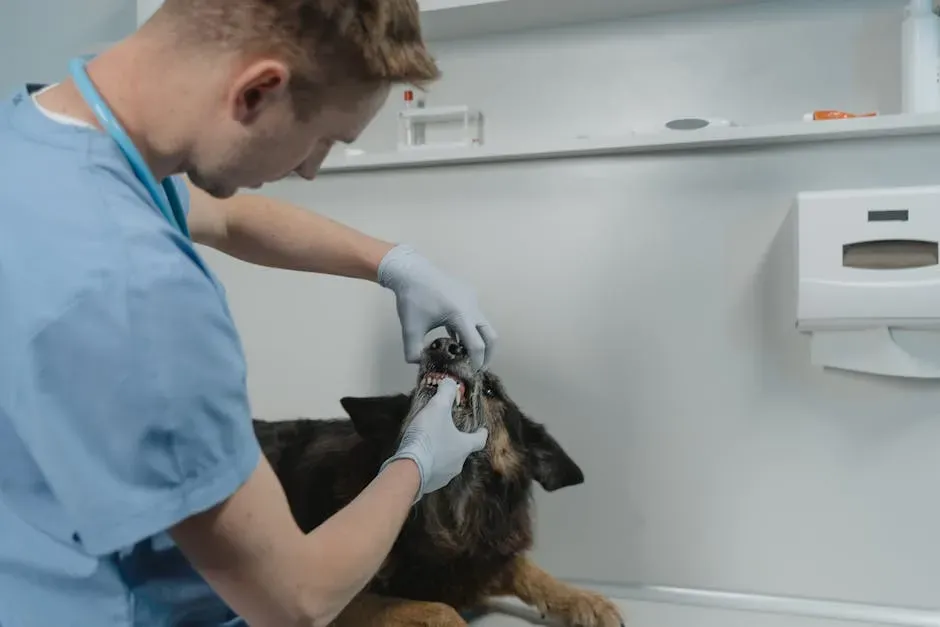
Dental health is one of the most glossed-over topics in short vet visits, even though it’s one of the biggest hidden sources of pain. By middle age, the vast majority of dogs and a very large portion of cats have some level of periodontal disease. Most of this happens slowly, quietly, under the gumline where you can’t see it.
What looks like “just tartar” is usually attached to inflamed gums and pockets of bacteria. Those bacteria can damage the tissues that hold teeth in place and may travel through the bloodstream, affecting organs like the heart and kidneys. Many vets have stories of older pets who seemed “slowed down by age,” only to act years younger after a proper dental cleaning and extractions of painful teeth.
Daily brushing is the gold standard, but your vet knows that most people won’t realistically brush every day, and certainly not for life. So they might recommend a combination of:
- Regular professional dental cleanings under anesthesia
- Approved dental chews or diets
- Antibacterial rinses or gels when needed
#4: “Annual Shots” Are More Nuanced Than You Think
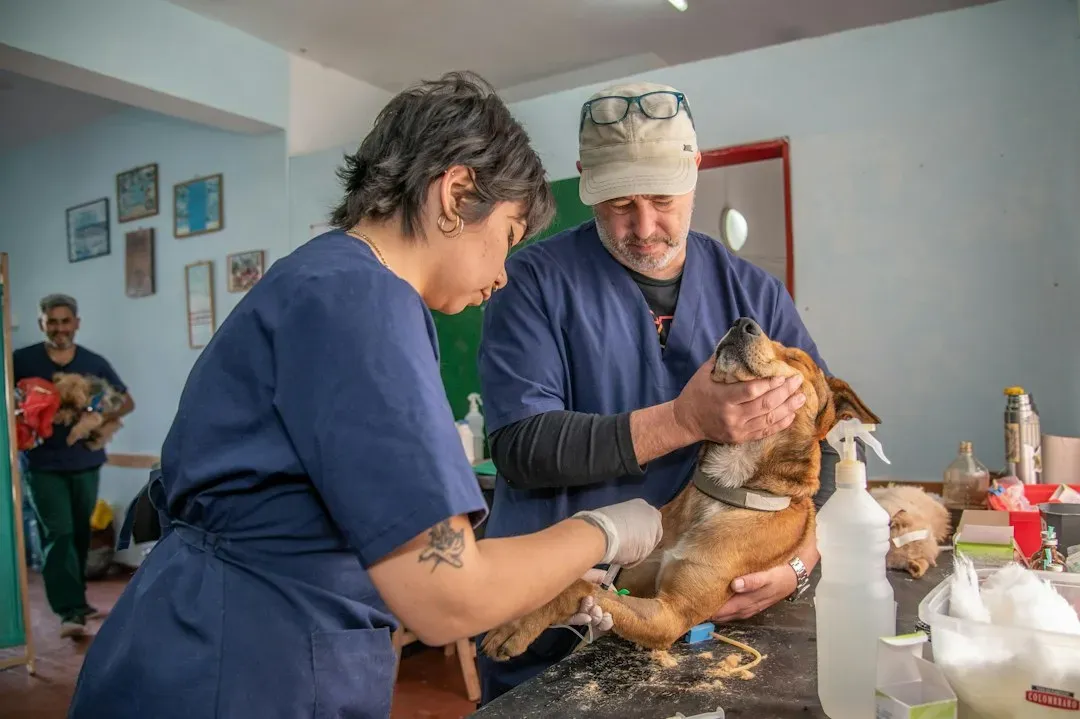
If your last memory of puppyhood or kittenhood is, “They need shots every year forever,” your vet probably wishes they had time to update that picture. Modern vaccination schedules are more tailored and science-based than the old one-size-fits-all approach. Some vaccines absolutely need to be given regularly, others can be spaced out after initial boosters, and some may not be needed at all depending on lifestyle.
Core vaccines, like those against rabies and common serious viruses, are usually non-negotiable for safety and legal reasons. But for non-core vaccines, your vet is weighing risk versus benefit. An indoor-only cat on the 20th floor does not have the same risk profile as a sociable Labrador who visits dog parks, daycare, and boarding facilities every month.
If appointments were longer, your vet would probably walk you through:
- Which vaccines are core and why they matter
- How long immunity often lasts after proper puppy or kitten series
- Why titer tests may sometimes be an option, and when they are not
#5: Behavior Problems Are Often Medical Problems in Disguise
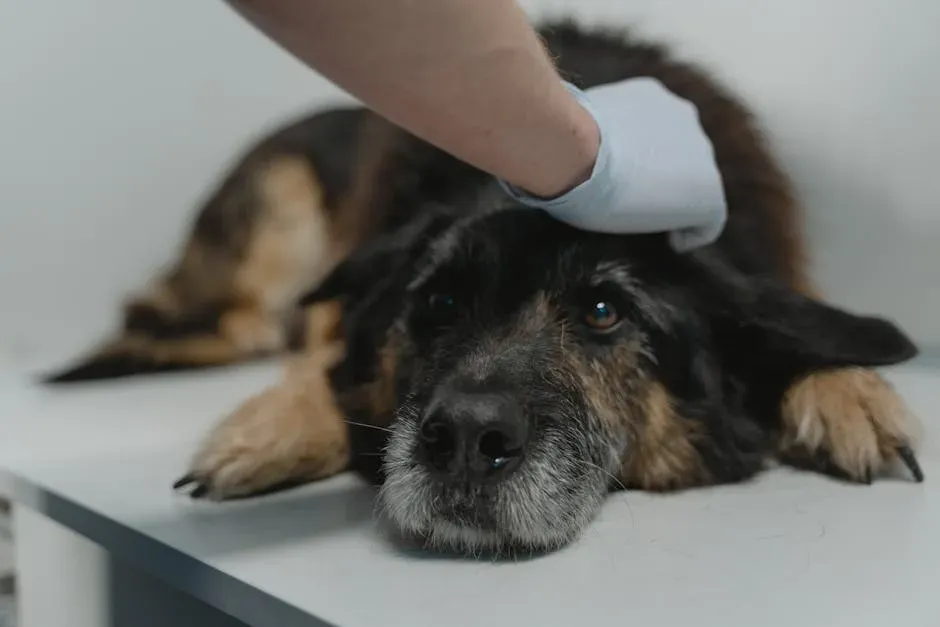
When a pet suddenly starts acting “difficult,” it’s tempting to see it as a training problem, a personality change, or even spite. Your vet, though, is always thinking: “What if this is pain or illness speaking?” They see it too often not to suspect it. A sweet dog that snaps when you touch their hip, a tidy cat that suddenly pees outside the box, a cuddly pet that now hides under the bed – these are red flags.
Arthritis, dental pain, urinary tract disease, thyroid imbalances, neurological issues, and even subtle digestive problems can all express themselves as behavior changes. Animals can’t say “this hurts,” so they show it through avoidance, aggression, restlessness, or withdrawal. Punishing those behaviors can make things worse and delay needed treatment.
In a longer appointment, many vets would explain a simple mental checklist:
- New behavior? Think medical first, training second.
- Sudden change? Higher suspicion for pain or disease.
- Older pet “getting grumpy”? Arthritis or cognitive decline are prime suspects.
#6: Nutrition Is Full of Myths (and Marketing)

Your vet knows you’ve been bombarded by ads, social media takes, and well-meaning advice about what to feed your pet. Grain-free, raw, human-grade, boutique, ancient grains, air-dried, freeze-dried – it’s overwhelming. In a short appointment, there’s rarely time to unpack what’s actually backed by research and what’s mostly clever branding.
Most veterinarians are less interested in trends and more focused on whether the diet is complete, balanced, and appropriate for your pet’s age, size, and health conditions. They also keep up with studies linking certain diet patterns – like some grain-free, boutique, or exotic-ingredient foods – to possible heart issues in dogs. It’s a complicated, evolving area, and responsible vets are cautious rather than trendy.
If there were more time, your vet might cover:
- Why “natural” or “grain-free” on a bag doesn’t automatically mean healthier
- The importance of AAFCO or other complete-and-balanced standards
- How home-cooked or raw diets can be risky if not properly formulated
#7: Pain in Pets Rarely Looks Like Human Pain
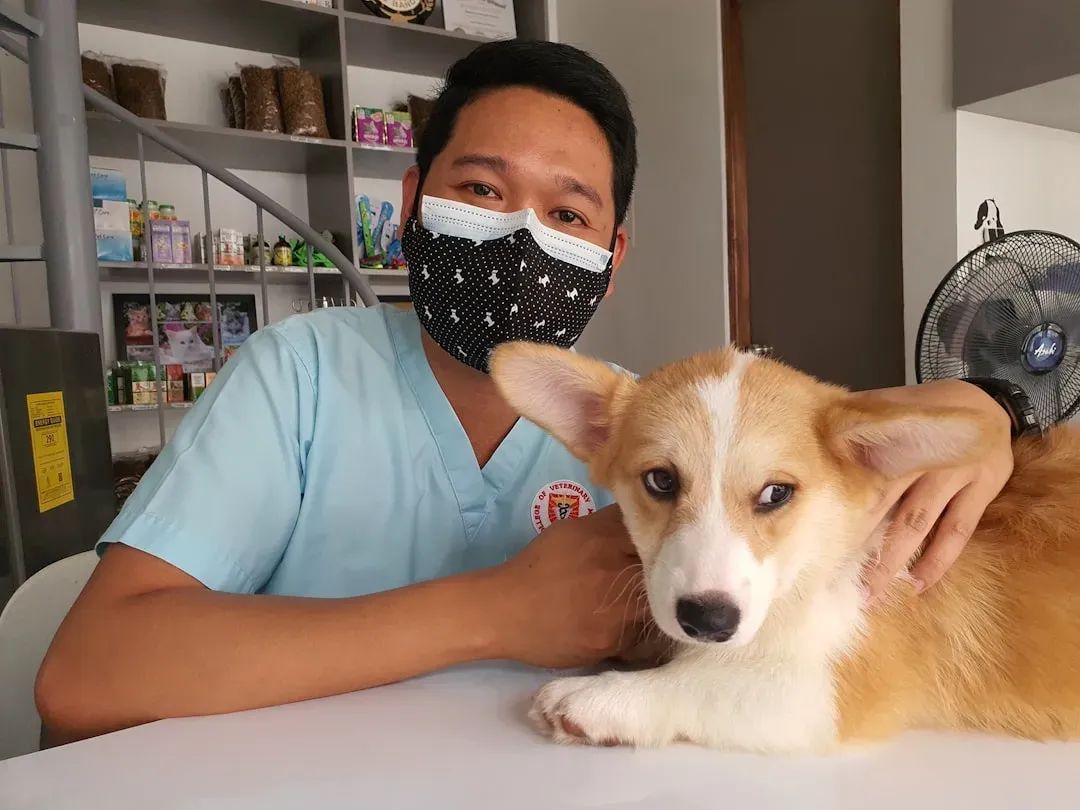
This is one of the most heartbreaking gaps between humans and their animals. Many owners assume that if their pet is not crying out or limping dramatically, they’re not in pain. Your vet knows that most animals are experts at hiding discomfort, a survival trait from their wild ancestors where showing weakness could be dangerous.
Instead of dramatic signs, chronic pain often looks like “slowing down” or “getting old.” Maybe your dog hesitates before jumping into the car, or your cat no longer jumps onto high shelves. Maybe they sleep more, play less, or get irritable when touched in certain areas. Those subtle changes are often the only clues that joints, spine, or other areas are hurting.
With more time, your vet would likely go over pain checklists with you:
- Changes in how your pet moves or uses stairs
- Shifts in grooming, like a cat that stops cleaning its back
- Altered posture, licking at joints, or restless sleep
#8: Preventive Care Is Not a Money Grab
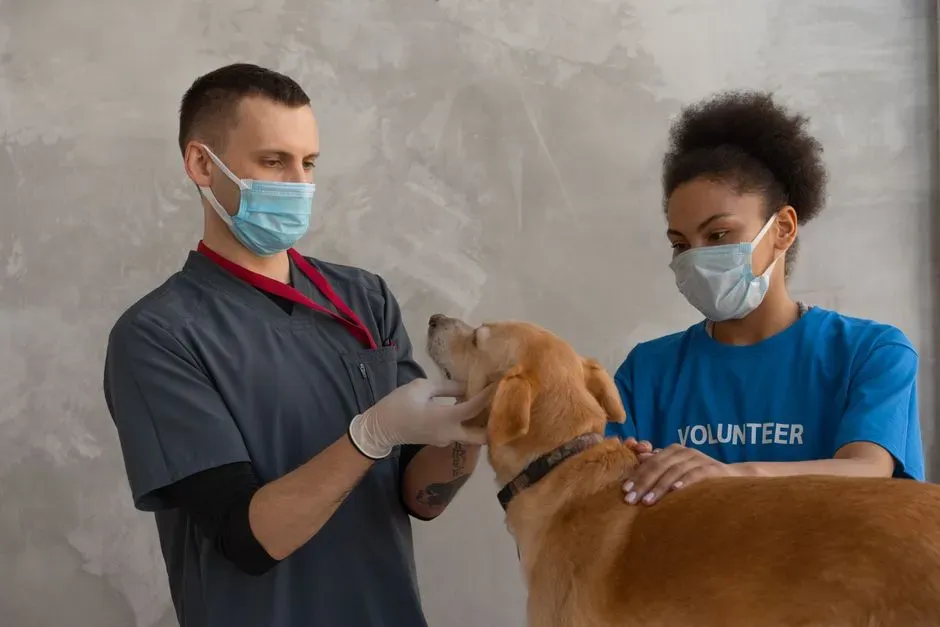
Heartworm disease, for example, can cause serious lung and heart damage in dogs and sometimes cats, and the treatment is intense, risky, and costly. Fleas and ticks are not just annoying; they transmit infections that can sometimes affect both animals and humans. Routine bloodwork and urine tests in middle-aged and older pets often catch kidney disease, diabetes, or thyroid problems before they become crises.
In an unhurried visit, your vet would probably break it down like this:
- Preventive meds are usually cheaper than emergency treatment.
- Early detection can add good years, not just more years.
- Skipping prevention is a bit like driving without insurance; it seems fine until the day it really isn’t.
#9: Your Pet’s Environment Affects Their Health More Than You Realize

Vets do a lot of problem-solving with very limited information. They get a ten- or twenty-minute glimpse of your pet in a quiet exam room, but your pet’s real life happens at home. Everything from your flooring to your cleaning products to the household routine can subtly influence their health and behavior.
For older, arthritic pets, for example, slippery hardwood floors can be the difference between comfortable movement and constant strain. Litter box setups can make or break a cat’s bladder health and stress level. Indoor air quality, secondhand smoke, scented products, and household chemicals can all impact long-term respiratory and skin health.
With more time, your vet might talk through:
- Non-slip rugs and ramps for seniors
- Multiple litter boxes in quiet, easy-to-access areas
- Safe storage of medications and toxic foods like xylitol, grapes, or onions
#10: “Spoiling” Can Sometimes Hurt More Than Help
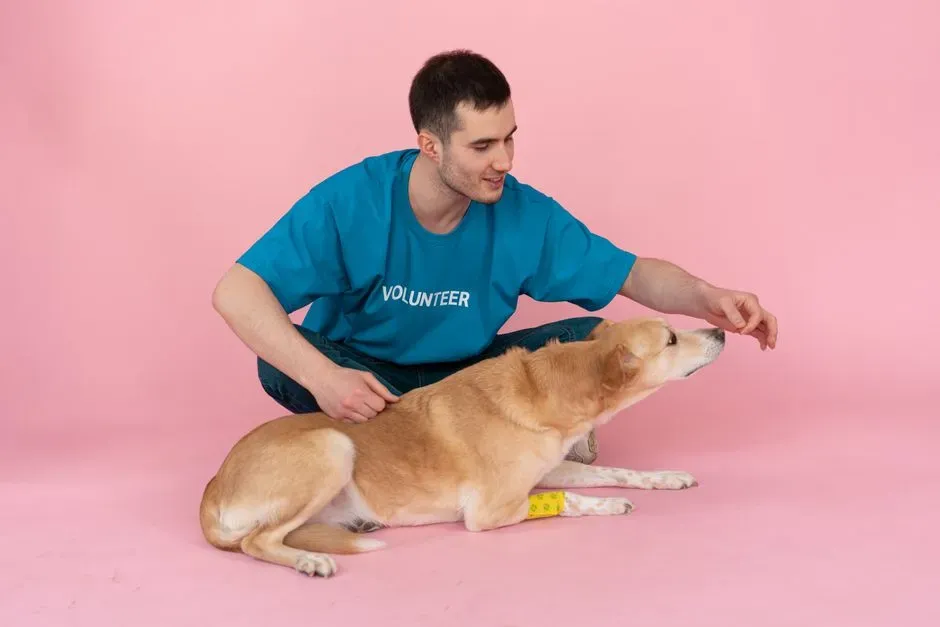
Many of us express love through food, treats, table scraps, and constant access to our attention. Your vet understands this on a human level – they’re often pet parents themselves – but they also see how our version of kindness can backfire. Too many treats, no boundaries, and zero structure can nudge pets into anxiety, obesity, and even aggression.
Food rewards are a powerful training tool, but when every whine or stare at the table leads to a snack, your pet learns to control you rather than the other way around. Constant coddling of anxious behavior, like petting and soothing every time a dog reacts fearfully, can accidentally reinforce that anxiety instead of helping them learn to cope.
In a longer chat, a vet might gently suggest:
- Setting clear meal times and sticking to them
- Using treats strategically for training, not constantly for guilt or amusement
- Creating predictable routines and safe spaces instead of constant stimulation
#11: Senior Pets Need More Than Just “Watchful Waiting”

People often assume that when their pet hits a certain age, decline is inevitable and there is not much to do except “let them enjoy life.” Your vet, on the other hand, knows there is a big difference between normal aging and untreated disease. Older pets can still have really good, comfortable years if we actively support them instead of just waiting for serious problems to show up.
Regular checkups become more important with age, not less. Bloodwork, blood pressure checks, dental monitoring, weight tracking, and mobility assessments help catch issues like kidney disease, heart disease, and cognitive decline while there’s still time to meaningfully help. Many signs we write off as “just old age” – house soiling, pacing at night, wandering, or changes in appetite – often have treatable causes.
With more time, your vet might walk you through senior-care pillars:
- Pain management and joint support
- Environmental changes to prevent slips and falls
- Adjusting diet for changing metabolism and organ health
#12: Pet Insurance and Planning Ahead Can Save Heartbreak

Many vets carry a quiet burden: they regularly watch people forced to choose between financial reality and medical options for a beloved pet. It is emotionally brutal for everyone involved. In a rushed appointment, there is rarely a natural moment to say, “We should really talk about money before there’s an emergency.” So the conversation doesn’t happen until it is already too late.
Pet insurance or a dedicated savings plan are not exciting topics, but they can be the difference between saying yes or no to life-saving surgery or advanced care. Insurance will not cover everything, and it has disclaimers and fine print, but for a large medical event it can dramatically soften the blow. Even a modest automatic monthly deposit into a “pet emergency” fund can change what’s possible later.
In a longer visit, your vet might suggest:
- Researching insurance while your pet is young and relatively healthy
- Asking honest questions about typical costs for emergencies and chronic conditions
- Talking with the clinic about payment policies before there’s a crisis
#13: Your Relationship With Your Vet Should Be a Partnership, Not a Transaction
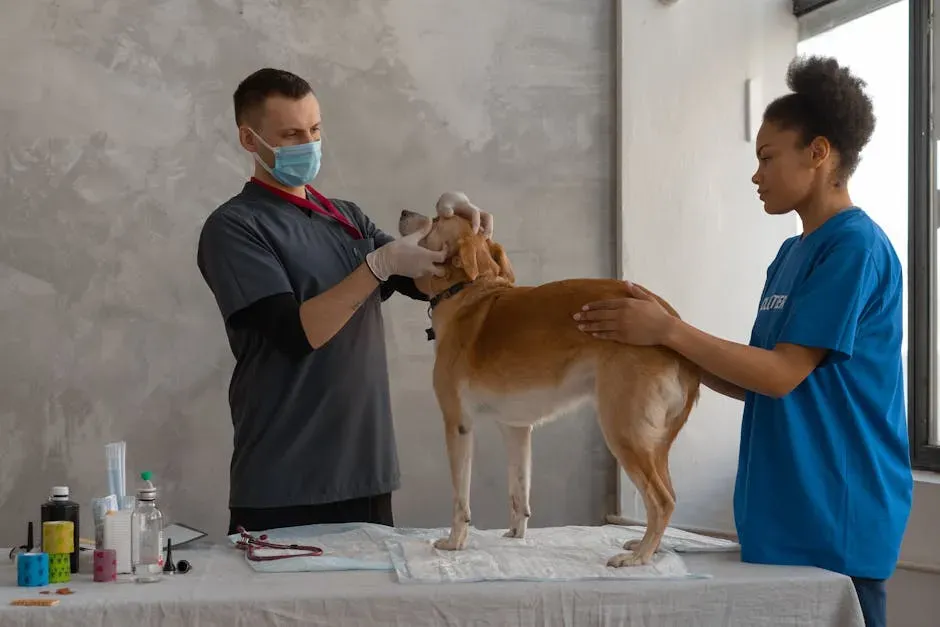
Under the time pressure, it can feel like vet visits are just a series of checkboxes: temperature, vaccines, bill, done. But most veterinarians went into this field because they care deeply about animals and the humans who love them. They want to be your ally, not just the person you see once a year for shots or when something goes horribly wrong.
Honesty is a huge part of that partnership. Your vet would rather hear that you missed doses, fed extra treats, or skipped a recommendation than have you nod along and quietly ignore the plan. They know life is messy. What they need is an open conversation so you can find a plan that actually works in your real world, not in some idealized version of it.
In a longer appointment, many vets would tell you:
- It is okay to ask for clearer explanations or second opinions.
- It is okay to say, “That’s out of my budget, what are our realistic options?”
- It is okay to bring a written list of questions and notes about symptoms.
Conclusion: Vets Are Thinking About the Long Game, Even When the Visit Is Short
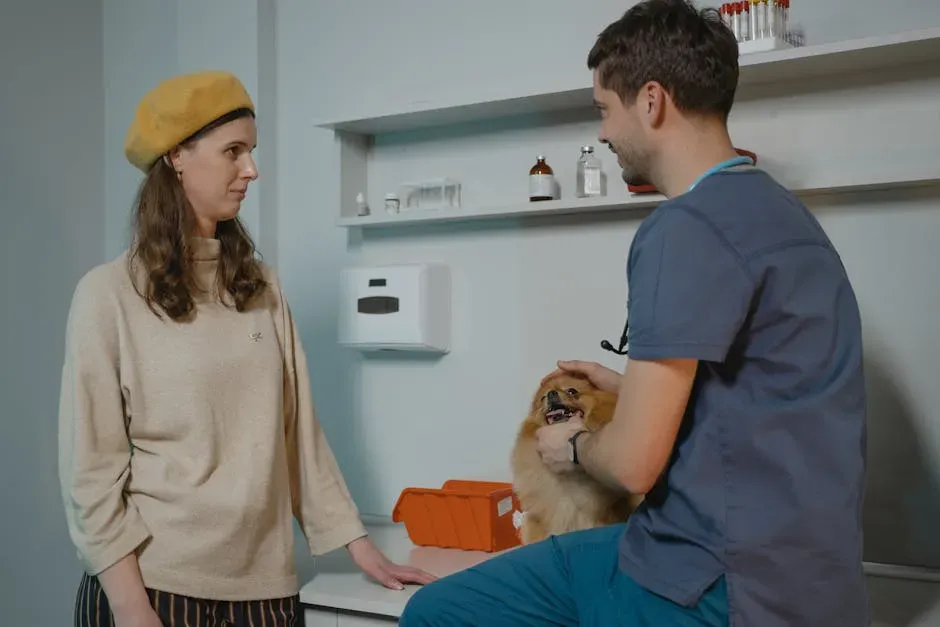
If you could listen in on your vet’s inner monologue during a rushed appointment, you would probably hear a hundred thoughts they do not have time to say out loud. They are scanning for pain, watching your pet walk, mentally noting weight trends, thinking about diet, behavior, home life, aging, and the next five years – not just the next five minutes.
As a pet owner, the most powerful thing you can do is lean into that partnership and insist on just a little more conversation. Ask what worries them most about your pet’s future, not just what needs to happen today. Bring your questions, your concerns, and yes, even your budget realities into the open so the advice you get is realistic and truly helpful.
In my view, the biggest missed opportunity in modern pet care is not some new drug or gadget; it is time and honest dialogue between vets and the people who love their patients. When we make space for that, pets live better, owners feel more confident, and hard decisions get a little less devastating. The next time you are at the clinic, will you let your vet say the things they usually do not have time to say?