
14 Things a Dog Groomer Does That Has Nothing to Do With Grooming
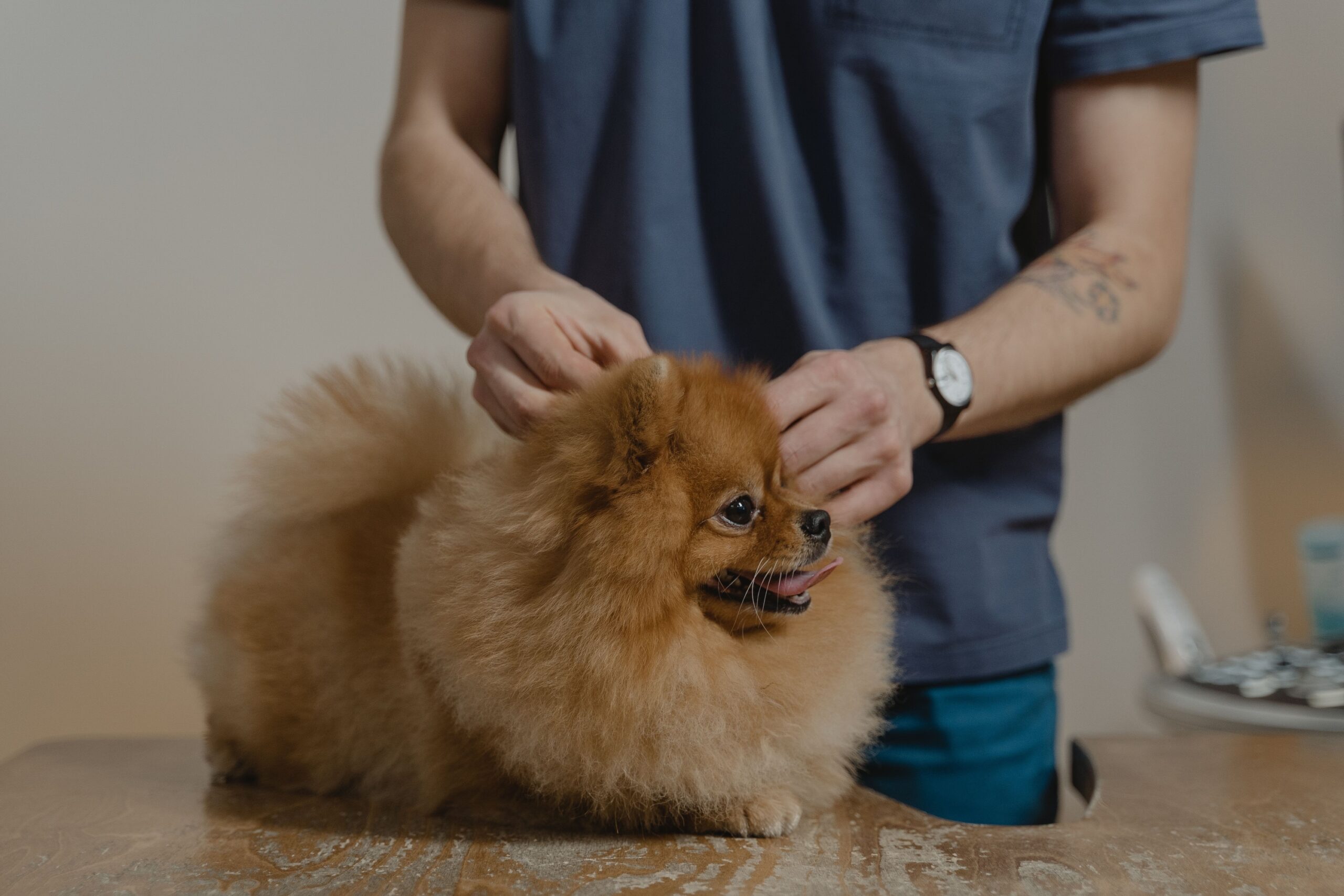
If you think a dog groomer just bathes dogs and trims fur, you’re seeing maybe a quarter of the job. Behind that cute bow and shiny coat is a professional juggling animal behavior, safety, health, cleaning, and sometimes even amateur therapy sessions with stressed-out owners. The clippers and scissors are just the tip of a surprisingly complicated iceberg.
Spend a day in a grooming salon and you’ll see it: the endless disinfecting, the careful note-taking, the quiet handling of scared or reactive dogs, the phone calls, the scheduling chaos. Groomers end up part nurse, part teacher, part janitor, and part customer-service rep, all while trying to stay on time. It’s exhausting, rarely glamorous, and hardly ever what people imagine when they drop off their dog.
Let’s pull back the curtain on what really happens in a groomer’s day. Here are 14 things a dog groomer does that have nothing to do with the actual haircut, but absolutely everything to do with your dog’s safety, comfort, and the survival of their business.
#1 Acting as a Canine Psychologist (Without the Fancy Degree)
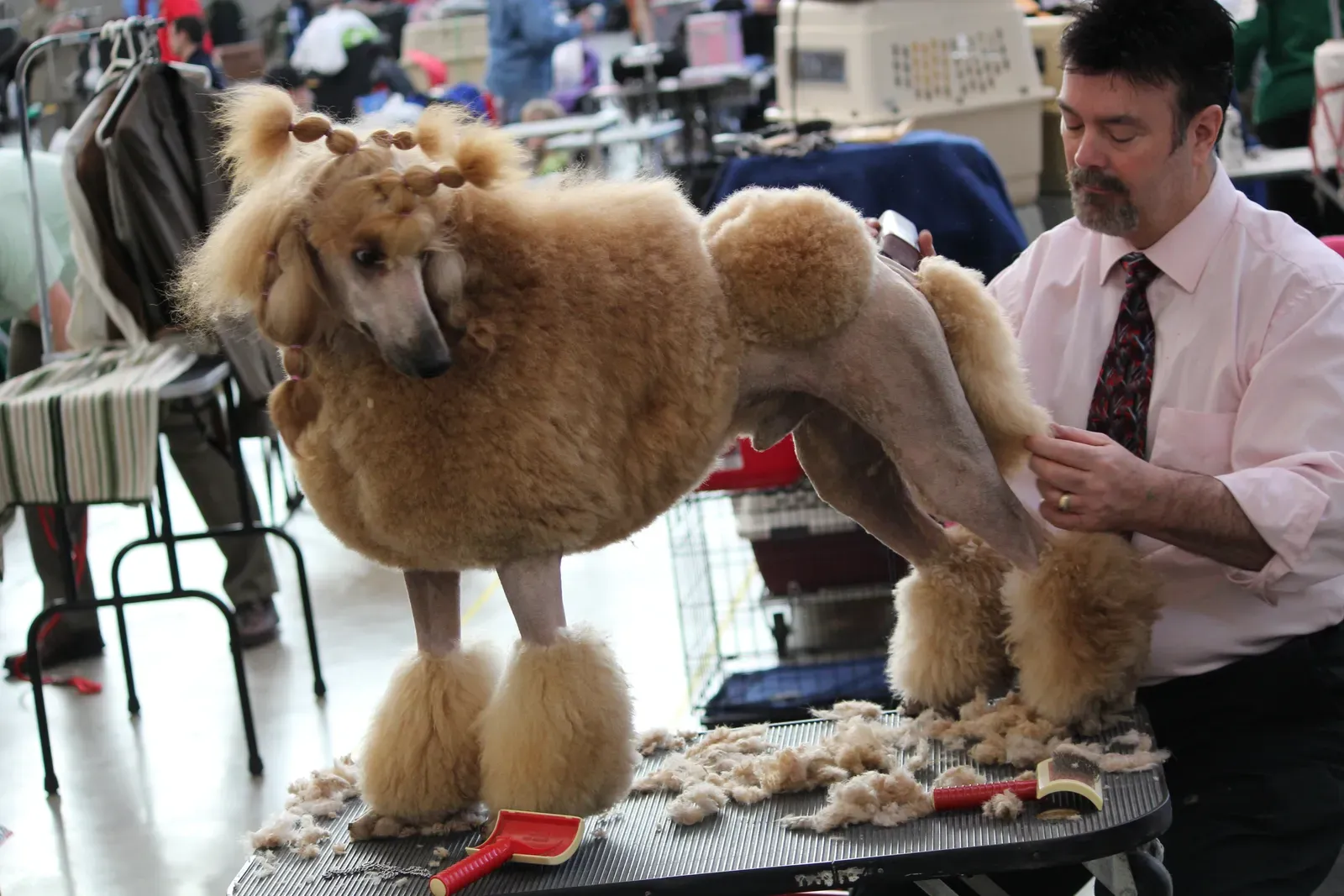
Walk into any grooming salon on a busy day and you’re basically walking into an emotional tornado of dogs: anxious, excited, confused, suspicious, and sometimes downright panicked. A huge, unseen part of a groomer’s work is managing all that fear and adrenaline so no one gets hurt and the dog doesn’t leave more traumatized than when it arrived. This means reading tiny body-language cues long before a dog explodes or shuts down.
Groomers watch ears, tails, pupils, breathing, and even how a dog places their paws. A slight freeze, a lick of the lips, a whale-eye look, a stiff tail – these are red flags a bite might be coming or that the dog is about to mentally check out. A good groomer quietly adjusts: lowering noise levels, changing handling, pausing for breaks, or shifting to slower, more desensitizing techniques.
Many also use behavior tools you’d expect from a dog trainer, not a “hairdresser”: positive reinforcement, counter-conditioning, and reward-based handling to build a long-term trusting relationship. Over months or years, they’re not just grooming your dog; they’re reshaping how your dog feels about being touched, restrained, or bathed.
- Reading subtle stress signals before they escalate
- Using praise, treats, and breaks to change emotional responses
- Building trust across repeat visits so nervous dogs get easier over time
#2 Health Detective: Spotting Problems Before You Do
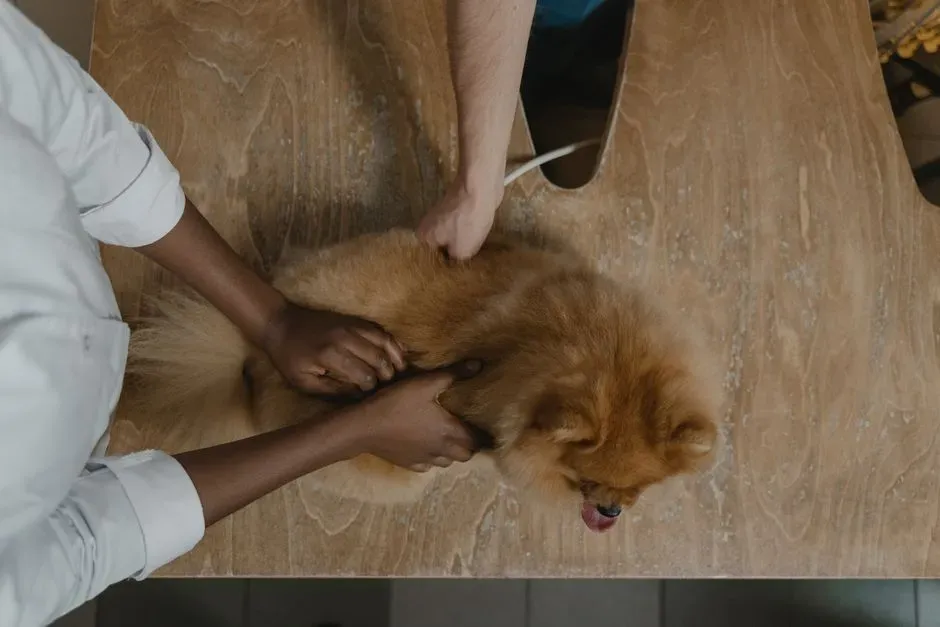
Because groomers literally touch every inch of a dog’s body more often than many veterinarians do, they’re often the first to notice when something looks off. Under all that fur, they find lumps, skin infections, rashes, hot spots, fleas, ticks, unusual odors, ear issues, and nail or paw problems that owners may have completely missed. They’re not diagnosing, but they are spotting and flagging.
Responsible groomers walk a fine line: they can’t and shouldn’t act like vets, but they absolutely must say something when they see trouble. So, they document what they notice, explain it carefully to the owner, and recommend a veterinary check. Many owners first found a tumor, ear infection, or dental issue because a groomer gently pointed it out.
This health-detective role can be stressful. If they say nothing, they feel negligent. If they say too much, they risk sounding alarmist or like they are overstepping. The best groomers learn to communicate calmly and clearly, focusing on observations instead of wild guesses, so owners can take the next step with a professional.
#3 Deep Cleaning and Disinfecting Like a Microbiology Nerd
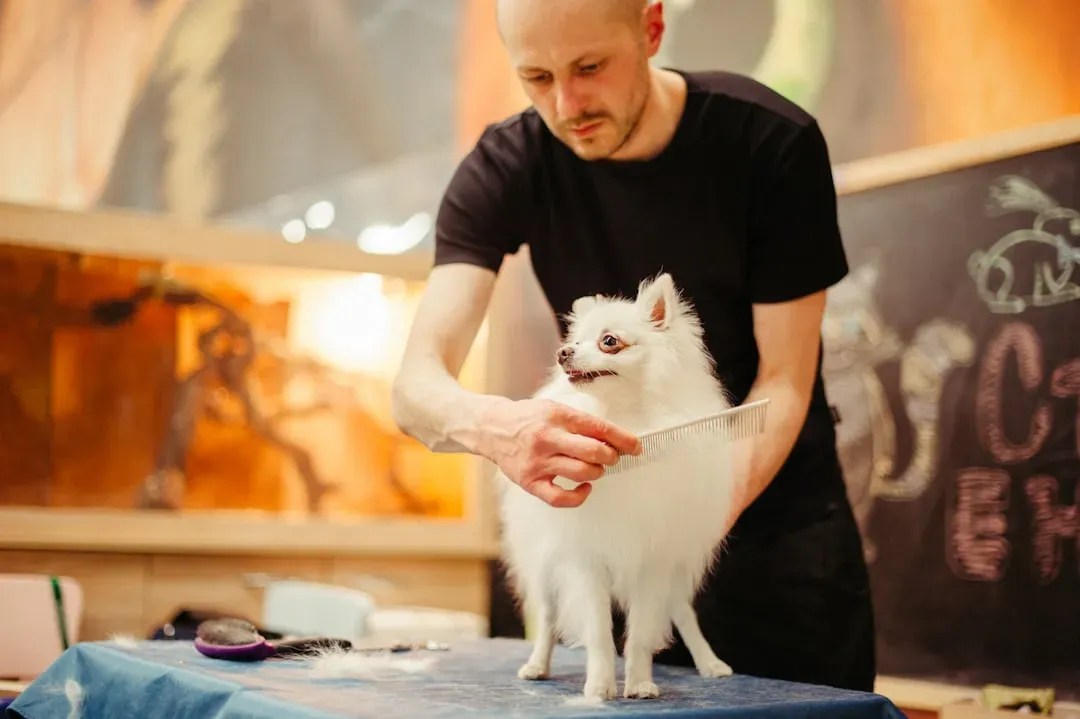
Most people never see the scrubbing that happens after their dog leaves. Between every appointment, a groomer has to clean and disinfect tables, tubs, tools, floors, kennels, and sometimes even the walls. It is not optional; it is basic disease control. If that sounds dramatic, think about how easily parasites, fungal infections, and skin conditions can spread in a place where dozens of animals cycle through daily.
Groomers have to understand which disinfectants are effective against what, how long they need to sit on surfaces, and which products are safe around animals and humans. Clippers and brushes have to be sanitized, and towels and bedding washed properly so they don’t just spread germs in warm, damp fabric. It is closer to running a mini medical facility than running a beauty salon.
On top of that, groomers must balance cleanliness with practicality: they can’t stop for thirty minutes between each dog to deep clean the entire room, but they also can’t cut corners and hope for the best. So they develop tight routines and habits – wipe here, soak that, swap this – that become second nature but eat up a surprising chunk of every workday.
- Disinfecting tables, tools, and tubs between dogs
- Managing laundry: towels, aprons, bedding, bandanas
- Reducing cross-contamination between healthy and high-risk dogs
#4 Managing the Chaos of Scheduling and Cancellations
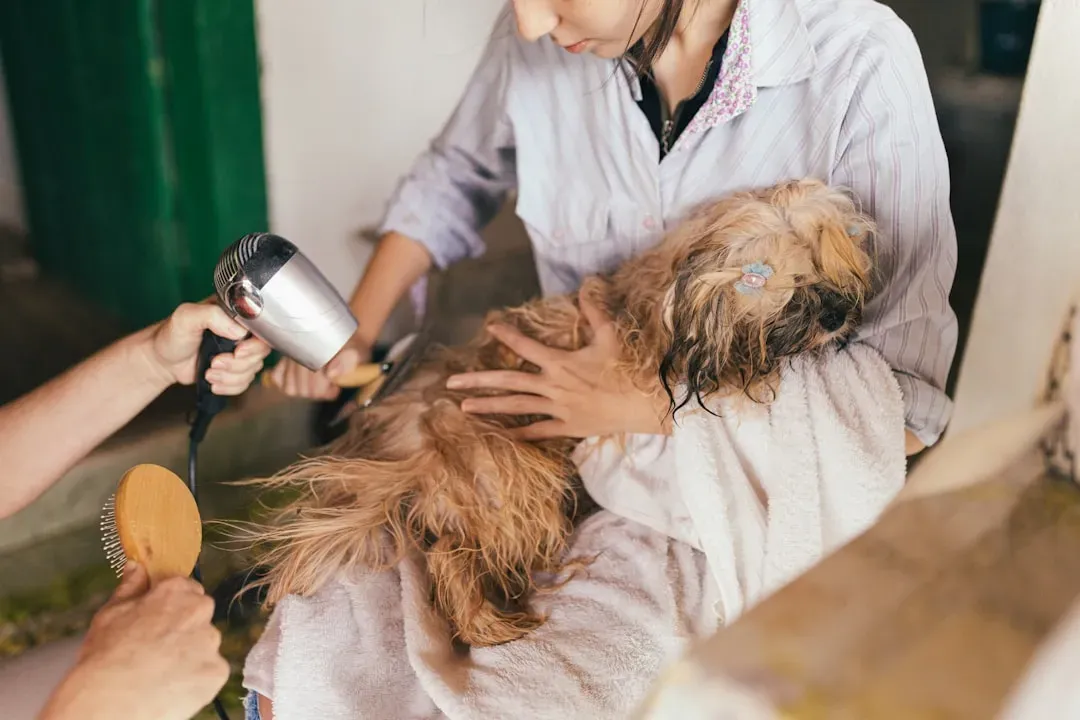
From the outside, grooming looks like an endless flow of cute dogs coming and going. Behind the scenes, it is a scheduling puzzle that can go wrong in ten different ways before lunch. Late arrivals, no-shows, clients who swear their dog is a quick trim and actually bring in a matted, anxious Great Pyrenees – all of this destroys the carefully planned schedule.
Most groomers spend a surprising amount of time booking appointments, answering calls and messages, and trying to space out easy, routine dogs with the more challenging or high-maintenance ones. They have to estimate how long each dog will take, which is basically an educated guess based on coat type, behavior, past history, and the services requested.
When one dog takes an extra thirty minutes because of matting, fear, or unexpected difficulties, everything else gets pushed. This means groomers are constantly recalculating: who can wait, who has to be rushed, who needs to be rescheduled. It’s mental load that has nothing to do with grooming technique and everything to do with time management.
#5 Doing Emotional Labor With the Owners, Not Just the Dogs
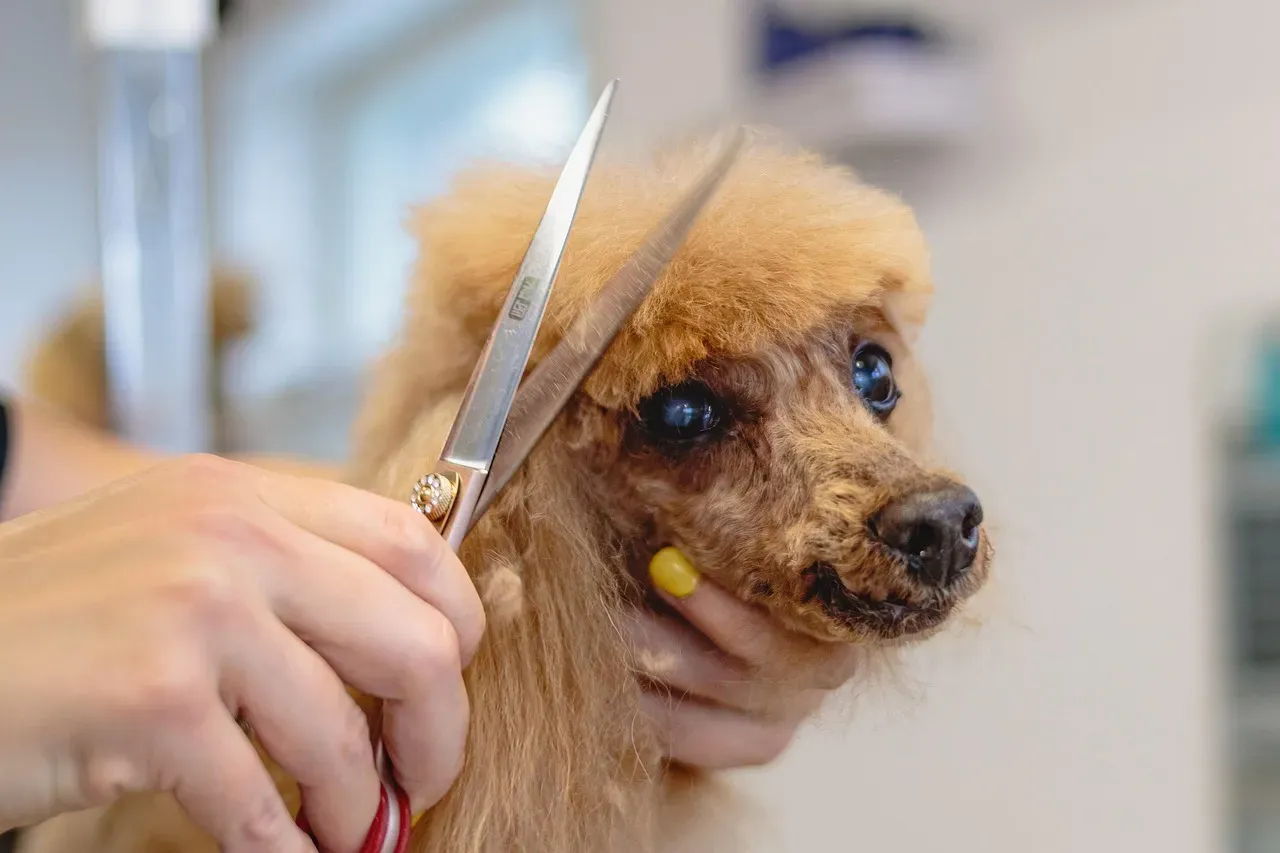
If you ask groomers what really wears them out, many will quietly admit it is not the dogs, it is the people. There are nervous first-time owners, clients who are embarrassed about matting, people who want show-dog results on a dog that hates being touched, and those who bring in behavioral or medical red flags and expect magic. A lot of invisible energy goes into managing those expectations without offending anyone.
Groomers often end up gently explaining why a shavedown is needed for a severely matted dog, why certain styles are unsafe for that breed, or why a muzzle is being used for everyone’s safety. They deal with guilt, anger, tears, and sometimes defensiveness. It is people management as much as pet care, and it can be draining.
Over time, many groomers become part therapist, part educator. They listen to stories about aging pets, recent rescues, and heartbreaking health diagnoses. They celebrate new puppies and quietly support owners who know this might be the last groom for an elderly dog. None of that shows up on an invoice as a line item, but it is absolutely part of the job.
- Explaining realistic styles for a dog’s coat type and condition
- Walking owners through behavioral or safety limitations
- Supporting people through the emotional side of pet care
#6 Keeping Detailed Records on Every Single Dog
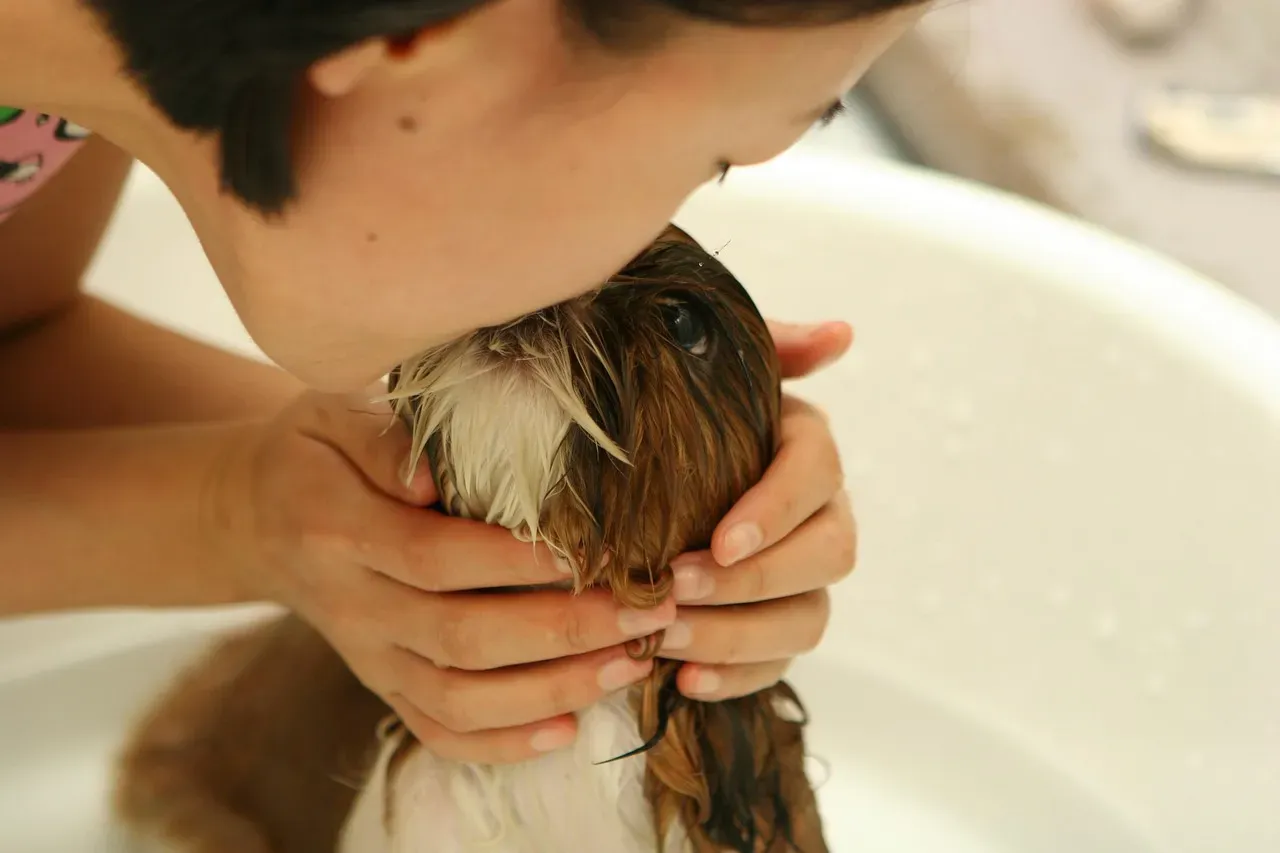
To the client, a grooming visit might feel like a simple drop-off and pick-up. To the groomer, every dog becomes a growing file of health notes, behavior observations, style preferences, and scheduling details. Good record-keeping is what lets them remember that your dog hates the dryer near the head, has a sensitive hip, or needs a specific shampoo because of skin issues.
Many salons track things like how long each dog takes, any incidents (like snapping or stress vomiting), products used, coat condition on arrival, and how the dog handled different parts of the groom. This information shapes future appointments – for example, splitting services for anxious dogs or booking extra time for dogs who consistently struggle.
Those records also protect the groomer. If a dog arrives with an existing irritation, matting, or injury, documenting it before the groom can prevent misunderstandings later. It is unglamorous desk work, but it is critical for safety, consistency, and professional accountability.
#7 Learning and Applying First Aid and Safety Protocols
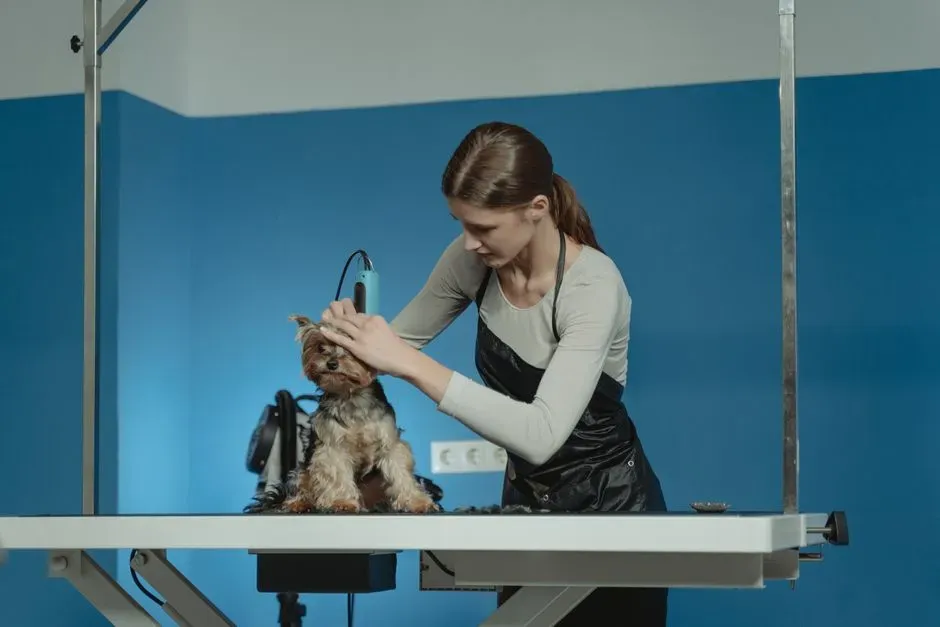
Most owners never think about worst-case scenarios when they book a groom, but groomers have to think about them all the time. Dogs can faint from stress, slip off tables, have allergic reactions, experience seizures, or arrive with hidden medical issues. Groomers are not vets, but they do need basic first-aid knowledge and clear emergency procedures.
Many groomers take pet first-aid and CPR classes, learn how to recognize signs of heat stress, low blood sugar, or shock, and keep stocked first-aid kits in the salon. They need to know when to stop everything, contact the owner, and recommend immediate veterinary care. It is a heavy responsibility, especially with elderly or medically fragile dogs.
There’s also the everyday safety side: making sure loops and restraints are used correctly so dogs do not choke, supervising dryers so they do not overheat dogs, and setting up the workspace so there are no easy escape routes to a busy road. These precautions rarely get noticed – which is exactly the point.
- Monitoring dogs for stress, overheating, or sudden illness
- Knowing when to stop the groom for safety reasons
- Having emergency plans and contacts ready to go
#8 Handling Business Admin: Payments, Pricing, and Policies
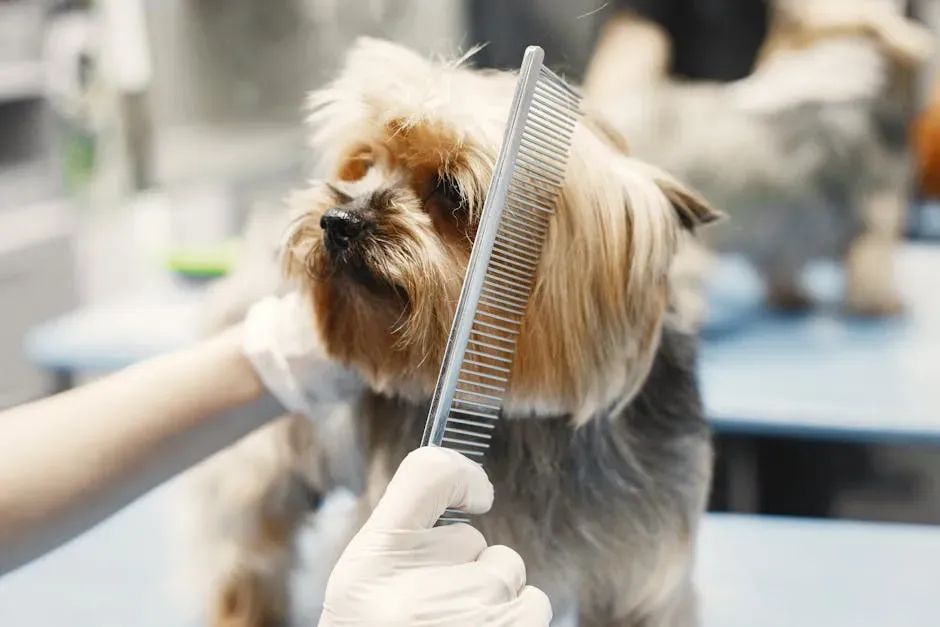
People sometimes talk about grooming prices like someone just pulled them out of thin air. In reality, behind every grooming fee is math: rent or mortgage, utilities, staff wages, insurance, equipment maintenance, cleaning supplies, shampoos, taxes, and the time each dog realistically takes. Groomers spend a lot of off-the-salon-floor time figuring out rates that keep the lights on without scaring away clients.
Beyond pricing, there is the boring but necessary admin: writing and updating policies on cancellations, late pickups, aggressive dogs, vaccination requirements, and matting fees. These policies exist because something went wrong at some point and the groomer had to protect both the dogs and the business. It is not the fun, dog-hugging side of the job, but it is what keeps the door open.
Payment systems, bookkeeping, and sometimes even payroll for staff or contractors also fall into the groomer’s lap, especially in small salons. After a full day of physical work, they may still be up at night sending invoices, logging transactions, or trying to make sense of receipts and spreadsheets.
#9 Constantly Lifting, Bending, and Protecting Their Own Bodies
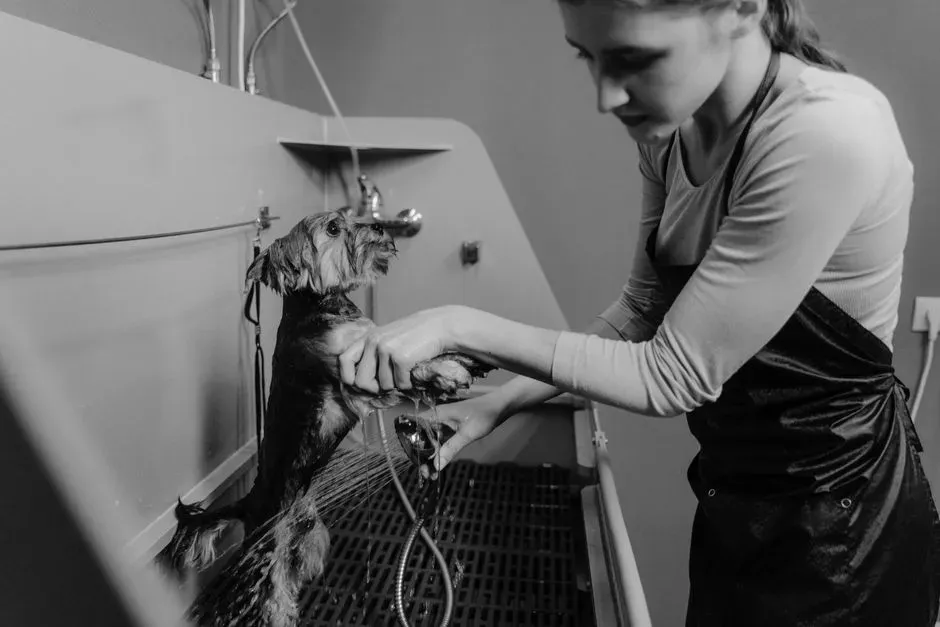
Dog grooming looks cute in photos, but physically it is brutal. Lifting heavy dogs into tubs, bending over low tables, holding awkward positions while trimming, and standing for hours on hard floors all take a toll. Groomers must think about their own ergonomics and physical safety, or they simply will not last in the job.
They invest in grooming tables that raise and lower, non-slip mats, supportive shoes, and tools with better grips and vibration control. Many learn stretches, strengthening exercises, or even go for massage or physiotherapy just to stay functional. When you see a groomer take a brief pause and shake out their hands, that is not a quirky habit; it is pain management.
They also have to protect themselves from bites, scratches, and sudden lunges. That means using muzzles, loops, or assistants when necessary, and not letting guilt or pressure override common sense. It is easy for outsiders to say they should just “be gentle,” but anyone who has held a thrashing, panicked dog near sharp tools knows gentleness without safety is a fantasy.
- Heavy lifting and awkward postures all day long
- Risk of bites, scratches, and repetitive-strain injuries
- Investing in equipment just to protect their own joints and muscles
#10 Educating Owners on Basic Home Care (Over and Over)
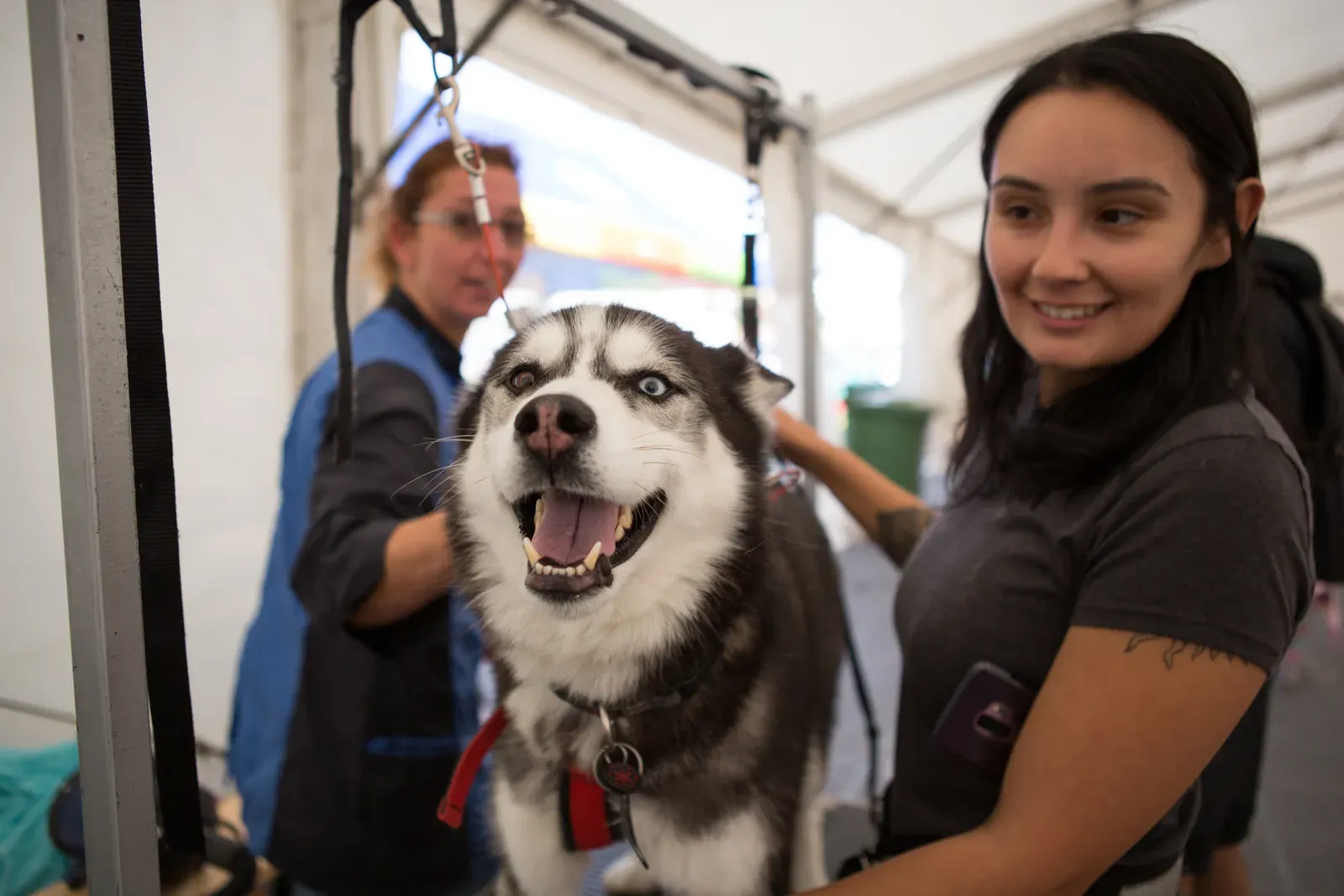
One of the most important non-grooming jobs a groomer does is simple education. A huge amount of stress, matting, and skin trouble could be prevented if owners knew how to maintain their dog’s coat and nails between appointments. So groomers spend a lot of time explaining brushing techniques, tool choices, bath frequency, and what kinds of products make sense for that specific dog.
It is not always easy. Some people feel judged if you bring up home care, so the groomer has to walk the line between honesty and kindness. They might demonstrate brushing on a leg, show the difference between brushing the surface and reaching the undercoat, or recommend a schedule that is realistic for a busy household, not just ideal on paper.
Over time, the groomer becomes a sort of coach for at-home care. Clients who listen and adapt make both their own lives and the groomer’s work easier; dogs arrive in better shape, spend less time on the table, and have a far more comfortable grooming experience. Education is slow and repetitive, but when it sticks, everyone wins – especially the dog.
#11 Handling Social Media, Photos, and Online Reputation
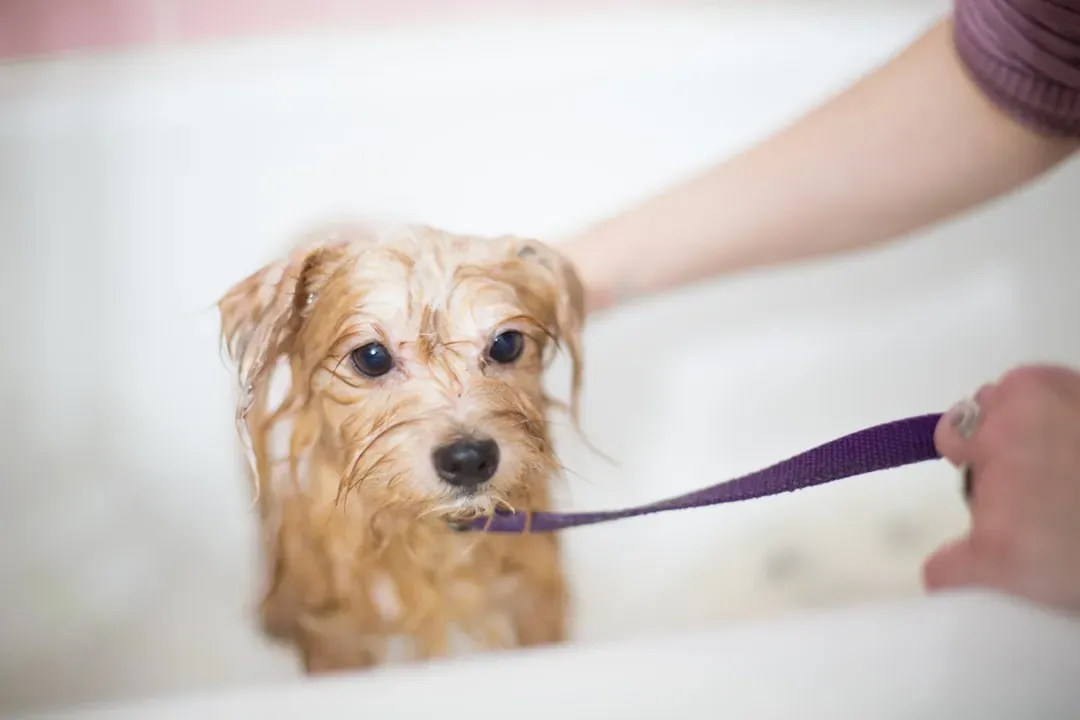
In 2026, a dog grooming business almost has to live online to survive. That means someone has to take photos, post on social media, respond to comments and messages, and manage online reviews. Very often, that “someone” is the groomer, squeezing in a quick photo as the dog is finished and then editing and posting after hours.
There is strategy behind those cute before-and-after shots. Groomers have to respect privacy, avoid posting dogs that are obviously stressed, and present work that reflects what they actually offer. They also have to field public questions about pricing, availability, and techniques – all while keeping things professional and friendly.
Then there is reputation management. One negative review, fair or unfair, can impact new bookings. So groomers find themselves writing measured replies to criticism, asking happy clients to leave feedback, and quietly putting up with a lot of online noise. None of this involves a single brush stroke, but it strongly influences whether they have enough dogs to groom tomorrow.
- Taking and sharing photos that show real results
- Answering online questions and messages
- Managing reviews, both positive and negative
#12 Collaborating With Vets, Trainers, and Other Pet Pros
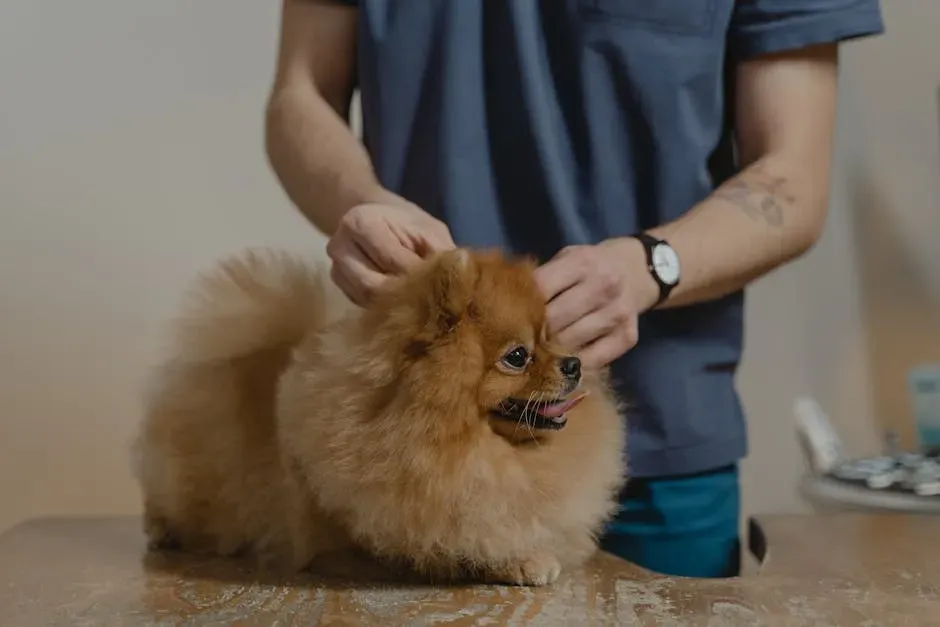
Behind many “easy” grooming appointments is a hidden network of cooperation between the groomer, the veterinarian, and sometimes a trainer or behavior consultant. If a dog has severe anxiety or medical issues, the groomer may talk with the vet about safe sedation options or health limitations. With behavior professionals, they might coordinate desensitization plans to gradually make grooming more tolerable.
These conversations often happen by phone, email, or quick messages between appointments. The groomer shares what they are seeing on the table – where the dog panics, what triggers agitation, how long the dog can reasonably cope – and the other professional offers strategies or adjustments. It is teamwork focused on one goal: making necessary care less traumatic.
This kind of collaboration is not always visible to the owner. They might just see a slightly shorter groom or a few more frequent visits, without realizing there was a quiet exchange between the groomer and vet or trainer to get there. But this invisible coordination is a big part of what separates a thoughtful, modern grooming practice from a simple “wash and cut” shop.
#13 Dealing With Grief, End-of-Life Care, and Long-Term Clients
Groomers watch dogs grow up. They meet them as wriggly puppies, handle them through awkward teenage coats, and eventually see them slow down with age. Over the years, those dogs become part of the emotional landscape of the salon. Losing one can hit surprisingly hard, even if the groomer never shows it outwardly.
As dogs age, groomers often have to adapt the entire grooming process: shorter sessions, gentler handling, fewer fancy extras, more breaks, and sometimes just a minimal tidy-up to keep the dog comfortable. They also subtly support owners who are struggling with decline, offering practical suggestions while respecting that the family is facing difficult decisions.
When a client calls to say their dog has passed, the groomer is not just updating a file. They are saying goodbye to a small part of their own routine and history. Many keep a mental scrapbook of long-term dogs and feel the losses deeply. It is an emotional burden that no one warns you about when you first pick up a pair of clippers.
- Adjusting grooms for senior and medically fragile dogs
- Being part of a dog’s life story over many years
- Coping with repeated goodbyes as dogs pass away
#14 Protecting Their Mental Health and Passion for the Job
Grooming combines physical labor, emotional stress, constant noise, and pressure to stay on schedule. It is easy for burnout to creep in, especially when dealing with difficult dogs, demanding clients, and the financial realities of running a small business. A crucial, hidden part of the job is simply figuring out how to keep loving it.
That can mean setting boundaries: limiting the number of difficult dogs per day, enforcing cancellation policies, raising prices when costs go up, and learning to say no to unsafe or unrealistic requests. It can also mean seeking support from other groomers, taking continuing-education courses, or occasionally taking a real break, not just a different kind of work-at-home day.
From the outside, it might look selfish when a groomer declines a dog, changes policies, or steps away from social media for a while. In reality, those choices often protect the quality of care for every other dog on their table. A groomer who looks after their own mental health is far better equipped to be patient, precise, and compassionate with your dog.
Conclusion: Grooming Is Only Half the Story
When you drop your dog off for a groom, you are not just paying for a bath and a haircut. You are stepping into a quiet ecosystem of behavior reading, safety planning, deep cleaning, record-keeping, admin juggling, and emotional labor that almost no one sees. The haircut is the visible part; everything else is invisible scaffolding holding the whole experience together.
Personally, the more I learn about what groomers really do, the more I think we underestimate the profession. They are not just making dogs pretty; they are keeping them safer, more comfortable, and sometimes catching health issues early or reshaping how a fearful dog experiences touch. They do all of that while absorbing pressure from both ends of the leash – the dog and the human.
So the next time you pick up a freshly groomed dog, take a second to think about all the things that happened that had nothing to do with grooming shears. Behind that neat trim is a working life full of decisions, risks, and care that rarely gets praised. Knowing what you know now, does “just a quick groom” still sound as simple as it used to?