
13 Things a Sitter Works Out in the First Evening Alone With a Dog

The first evening a dog sitter is left alone with a dog is a bit like a first date mixed with a job interview. The owner walks out, the door clicks shut, and suddenly it’s just you, the dog, and a whole lot of unspoken questions. Is this dog nervous or chill? Will they actually eat their dinner? Are they about to turn into a furry wrecking ball the second you look away?
That first night is when a good sitter quietly figures out how this dog really ticks. Not the version the owner described in a rushed handover, but the real, living, breathing personality in front of them. A lot of what happens that evening looks casual from the outside, but behind the scenes, a sitter is testing, observing, and adjusting on the fly.
Here are 13 big things an experienced sitter works out in that very first evening alone with a dog – the stuff that separates a stressful stay from a smooth one, and a nervous dog from a relaxed, snoring companion by bedtime.
#1 – How Nervous or Confident the Dog Really Is

One of the first things a sitter figures out is where the dog sits on the confidence–anxiety spectrum. Owners might say a dog is “fine” when left, but their body language tells the truth: tucked tail, pinned-back ears, pacing, yawning when not tired, licking lips, or constantly checking the door are classic signs of stress. A confident dog will often sniff around, maybe bring a toy, or settle near the sitter fairly quickly.
A good sitter watches quietly instead of rushing in. They might sit on the floor, avoid direct staring at first, and let the dog choose to approach. Within the first hour or two, they’ll see whether the dog prefers space, touch, or distraction. That early read matters, because a nervous dog needs more structure and soothing, while a confident dog can handle more play and novelty.
- Loose body, soft eyes, and curiosity usually signal confidence.
- Pacing, whining, or constant door-watching often mean separation stress.
- Slow blinks, sighs, and choosing to lie down near you are good signs.
Personally, whenever I’ve walked into a supposedly “easy” sit and found a dog glued to the front door, I know my job that night isn’t entertainment – it’s emotional support. That first impression shapes everything that follows.
#2 – What “Normal” Energy Looks Like for This Dog

The first evening also tells the sitter how much energy they’re actually dealing with. Breed matters, but it’s not the full story. A senior border collie may have less go than a young mixed-breed rescue. The sitter notices how the dog behaves before and after a walk: Are they bouncing off the walls, or ready to nap? Do they grab toys and initiate play, or do they prefer hanging out on the couch?
Energy level isn’t about how wild a dog can get; it’s more about what they need to feel content. Under-exercised dogs often turn that energy into mischief: chewing, barking at every sound, demanding constant attention. Overdoing it, on the other hand, especially with puppies or older dogs, can lead to overtired, cranky behavior that looks like “bad manners” but is really just exhaustion.
A sitter usually tests a few things that first night: a short play session, a calm walk, maybe some basic training games. How fast the dog settles afterward is a huge clue. If the dog is still wired an hour later, the sitter knows tomorrow will need more mental work, not just more running, to prevent boredom and frustration.
#3 – Food, Appetite, and Mealtime Quirks

Feeding time is when a sitter learns a lot very quickly. Some dogs inhale food like a vacuum cleaner. Others sniff, walk away, and only eat when the house is quiet. The sitter clocks whether the dog eats on schedule, needs encouragement, or flat-out refuses dinner. A slightly reduced appetite the first evening can be normal with a change of routine, but total refusal with other stress signs can be a red flag that the dog is really struggling emotionally.
Sit carefully next to a dog at mealtime and you’ll also see how they feel about people near their bowl. Do they stiffen or hover when you walk by, or are they relaxed? While serious resource guarding is not super common, mild guarding tendencies are more likely to show up in a new situation, especially if the dog is anxious. A smart sitter gives plenty of space around food and doesn’t test boundaries unnecessarily.
- Does the dog eat right away, or only when left alone?
- Do treats matter, or is food ignored in favor of watching the door?
- Is water intake normal, or suddenly much higher or lower?
A sitter also notes whether the dog is used to hand-feeding, puzzle feeders, or simple bowls. Matching those habits helps keep the dog’s routine steady, which is half the battle when everything else feels different.
#4 – Bathroom Schedule and House-Training Reality
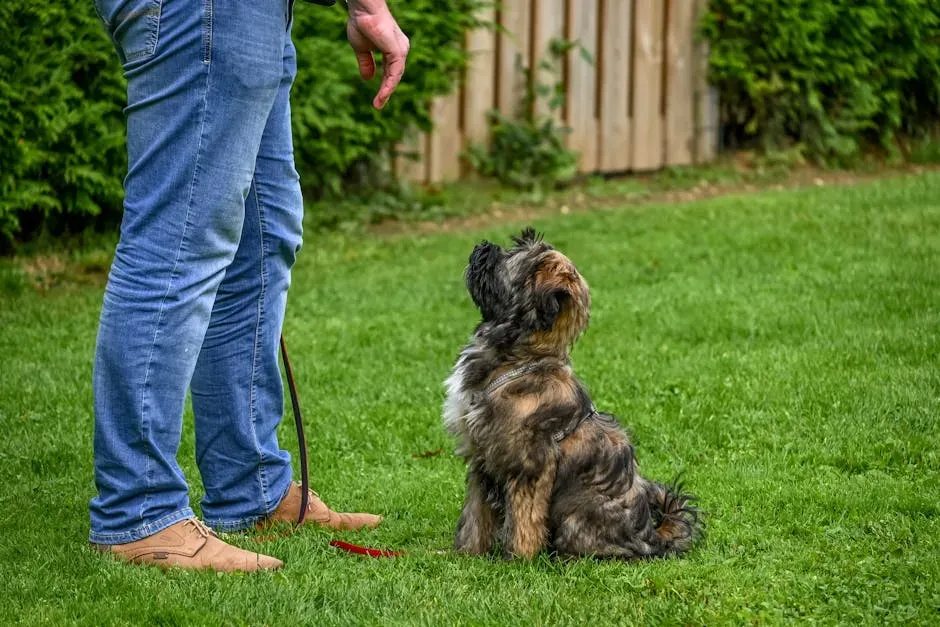
Within the first evening, a sitter is quietly mapping out the dog’s bathroom rhythm. Owners might say “he goes out after dinner and before bed,” but the dog’s body keeps its own schedule. The sitter learns how long the dog can comfortably hold it, whether they signal clearly when they need to go, and whether they understand that outside is the toilet, not the hallway rug.
Small changes, like a sitter offering more or less water or shifting walk times, can affect bathroom habits. So that first night, timing is everything: when did the dog last pee, when did they last poop, and what did it look like? It’s not glamorous, but changes in stool or frequency can reveal stress, diet changes, or brewing health issues. For a sitter, being observant here is non-negotiable.
House-training reality sometimes differs from the owner’s optimism. Maybe accidents usually happen when the dog is excited or left too long. A good sitter assumes the dog needs more frequent breaks at first, especially before bed. If the dog circles, sniffs intensely, or suddenly goes quiet in another room, that sitter is already up and opening the door, preventing a “whoops” moment instead of punishing one.
#5 – How the Dog Handles Doors, Windows, and the Outside World

The first evening alone, a sitter figures out how the dog reacts to the world beyond the walls. Does every car door outside trigger barking, or does the dog barely flinch at noise? How do they respond when the sitter opens the front door – are they poised to bolt, or do they hang back and wait? This is where safety instincts kick into overdrive.
Dogs who rush doors, squeeze past legs, or stand pressed to the frame at every opportunity are flight risks. An experienced sitter will immediately adjust routines: leashes clipped on before doors open, baby gates closed, maybe even using a back door or garage if that feels safer. It seems fussy until you imagine trying to catch a panicked dog loose in a strange neighborhood after dark.
- Noise-sensitive dogs may bark, tremble, or hide at unexpected sounds.
- Confident watchdog types may charge windows and doors to “protect” their space.
- Calmer dogs will glance at sounds, then go back to chewing or napping.
The sitter also learns how to manage blinds, curtains, and window access. For some dogs, watching the street is stimulating and fun. For others, it’s a constant trigger that keeps stress levels high all evening. That first night is all about finding the line between calm awareness and nonstop arousal.
#6 – What Counts as a Reward (And What the Dog Doesn’t Care About)

Every dog has a different “currency,” and the sitter spends that first evening figuring out what actually motivates this particular dog. Some dogs will do anything for food. Others are more toy-driven. A few care most about praise, touch, or simply being allowed to follow you from room to room. You can’t train, redirect, or comfort effectively if you use the wrong currency.
A sitter will usually test a few options: treats of different textures, a squeaky toy, a game of tug, or a calm scratch behind the ears. The dog’s response tells the story. If they light up for tug but ignore biscuits, that’s useful. If they lean into touch but freeze at loud toys, that’s useful too. It’s not about spoiling the dog; it’s about having the right tools when you need to reinforce good behavior or distract from something scary.
It’s surprisingly common to meet a dog who is labeled “stubborn” but is really just underpaid in the rewards department. The first night, when everything feels strange, using their favorite currency generously can be the difference between a dog who thinks you’re an intruder and a dog who decides you’re a trustworthy ally.
#7 – Boundaries, Rules, and What the Dog Thinks Is Allowed

The sitter also learns what rules the dog believes it lives by, which is not always the same as what the owner claims. Does the dog jump on the couch the second you sit down? Do they try to surf the kitchen counters for crumbs? Do they charge through doorways ahead of people, or bark if you ignore them for more than a few seconds? These little behaviors reveal the “house culture” the dog is used to.
A good sitter has to walk a fine line. On one hand, consistency with the owner’s rules helps the dog feel secure. On the other hand, if the dog has no boundaries at all, the sitter still needs to stay safe and sane. The first evening is often when the sitter quietly tightens things up: using baby gates, keeping food completely out of reach, guiding the dog off furniture calmly if that’s the rule, and rewarding calm behavior rather than chaos.
- Jumping, mouthing, and barking often spike on the first night due to excitement.
- Clear, gentle limits reduce confusion rather than “being mean.”
- Predictable rules help nervous dogs relax faster.
I’m firmly of the opinion that most dogs like clear boundaries more than endless freedom. It’s like having road lines on a highway; without them, you spend all your time worrying where you’re allowed to be.
#8 – How the Dog Communicates Needs and Discomfort
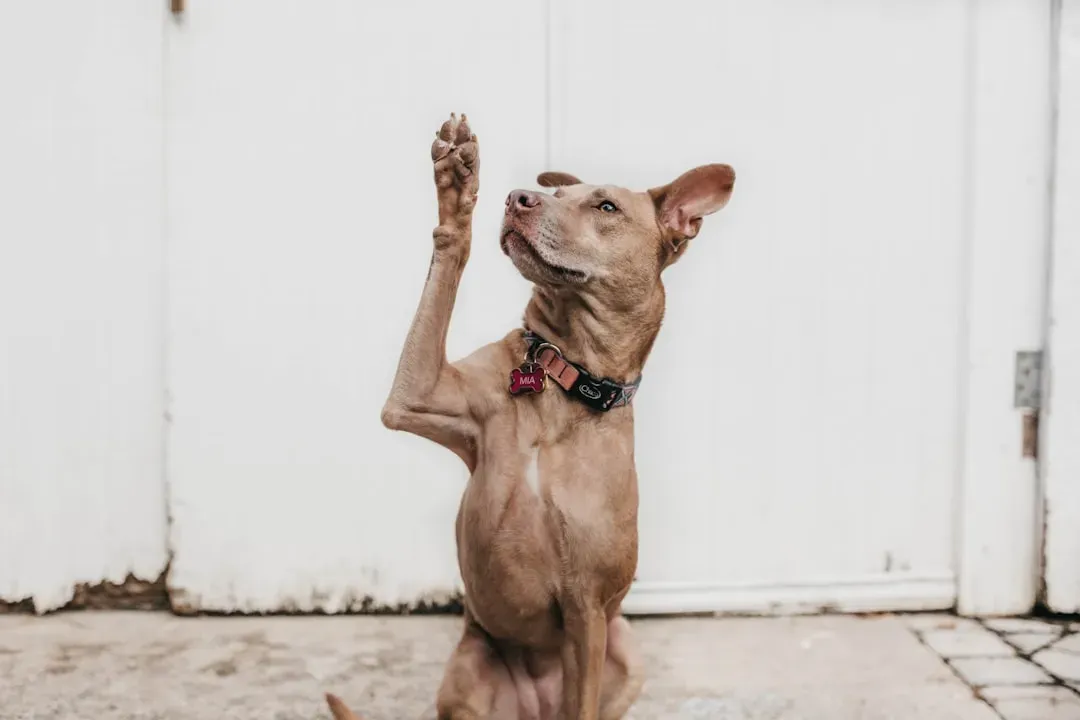
Every dog has a “language,” and the sitter spends the first evening becoming fluent. Some dogs are obvious: they bark at the door when they need to go out, whine when they want attention, or drop toys in your lap when they’re bored. Others are subtle, using eye contact, shifting weight, or gentle pawing instead. Learning these signals quickly prevents a lot of frustration on both sides.
The sitter watches closely for early signs of stress or discomfort: turning the head away when petted, licking lips, yawning out of context, or freezing when hugged. Dogs often whisper before they shout. If those whispers are ignored, you get growling, snapping, or shut-down behavior later. That first evening, you find out whether this dog likes hugs, tolerates them, or secretly hates them.
Over time, dogs usually adjust their signals to suit the sitter. Maybe they realize that sitting politely leads to the door opening faster than scratching it. Maybe they learn that lying on a mat brings treats and praise. But that adaptation starts with the sitter paying attention on night one, not forcing the dog to “just deal with it.”
#9 – Sensitivities: Noise, Touch, and Triggers

The first evening is a discovery mission for triggers. Maybe the dog freaks out when you pull out the vacuum, or start the dishwasher, or close a cupboard too hard. Maybe they cringe at certain types of touch, like hands reaching over their head, or they react strongly to jingling keys or phone notifications. These sensitivities matter, especially for anxious or rescue dogs.
An observant sitter intentionally moves through normal tasks a bit more slowly at first: turning on the TV, running water in the bathroom, walking up and down stairs. They watch the dog’s reaction. If the dog startles, hides, or suddenly goes very still, that’s a clue. If the dog doesn’t care at all, great – but you do not assume until you’ve seen it.
- Noise-sensitive dogs may benefit from soft music or a fan as background sound.
- Touch-sensitive dogs often prefer being invited to approach rather than being reached for.
- Some triggers only appear at night, when the house is quieter and every sound is amplified.
Once triggers are known, the sitter can avoid pushing buttons unnecessarily and build positive associations over time. Ignoring this and just “carrying on as normal” is how a calm evening turns into a stress spiral for a sensitive dog.
#10 – The Dog’s Preferred Bonding Style
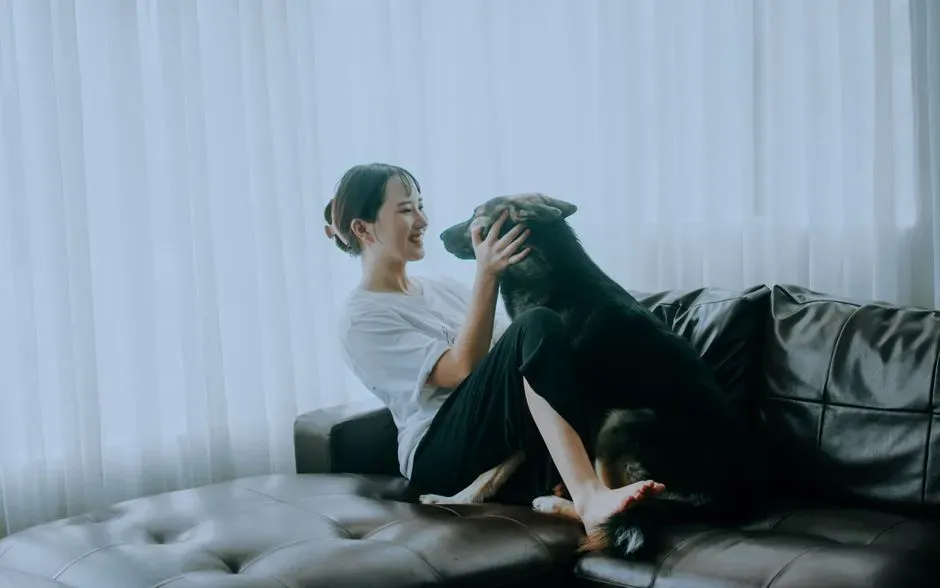
Not every dog wants the same kind of relationship with a sitter, and that becomes obvious the first evening. Some dogs are instant best friends, physically attached to your hip within ten minutes. Others are polite but distant, watching you from across the room like you’re a guest they’re not quite sure about. A few are flat-out avoidant, needing serious time and space before they’ll relax.
A thoughtful sitter lets the dog set the pace. They might sit on the floor scrolling their phone, softly talking now and then, and allowing the dog to sniff, retreat, or approach in their own time. For clingy dogs, the sitter figures out how to create gentle micro-separations – going to the bathroom alone, walking into another room briefly – without causing panic.
There’s a strong opinion worth stating here: forcing closeness, especially with shy or fearful dogs, is not kindness. Real bonding is built on choice. That first night, a sitter’s patience earns more trust than any amount of cooing and cuddling ever could.
#11 – Nighttime Routine: Where, When, and How the Dog Sleeps

Bedtime is when you find out what the dog expects after the lights go out. Are they used to sleeping in a crate, in a dog bed, in the bedroom, or right on the human’s bed? If you close the bedroom door and the dog howls like it’s the end of the world, you’ve just discovered an unspoken house rule. Sleep arrangements are often emotional territory for both dogs and owners, so that first night can be delicate.
A sitter pays attention to pre-bed rituals: a last potty break, a drink of water, maybe a small treat or a few minutes of quiet cuddling. Doing things in the same order every night helps dogs predict what’s coming and settle more easily. If the dog paces or whines at bedtime, the sitter considers whether it’s genuine need (bathroom, fear, pain) or habit, and responds calmly rather than angrily.
- Some dogs sleep deeply once settled; others startle at every noise.
- Soft background sound can help nervous dogs relax at night.
- Location matters: too isolated or too crowded can both cause stress.
The sitter also has to decide how much they’re willing to bend their own preferences. Letting a dog on the bed for one week might be fine, but if the owner does not allow it, the sitter should resist that urge. Consistency may not be glamorous, but it’s kinder in the long run.
#12 – How Much Independence the Dog Can Handle

Even if a sitter plans to stay glued to the dog most of the time, life happens: showers, short errands, taking the trash out. The first evening is when they find out how the dog deals with short separations inside the home. Can you walk into another room and close the door without drama? Or does the dog cry, scratch, or panic the second you’re out of sight?
If the dog shows signs of separation distress, the sitter usually scales everything way back. They might practice tiny absences: step into the hallway for five seconds, come back before the dog melts down, and slowly build up from there. This is not a cure for separation anxiety in one night, but it gives the sitter a realistic picture of what’s manageable for the rest of the stay.
My own take is that many dogs are more emotionally fragile than people expect when routines change. A sitter who treats independence as a skill, not a given, is far more likely to keep the dog stable and the house intact. Ignoring this, on the other hand, is how you come back from a five-minute trash run to a shredded doorframe and a terrified animal.
#13 – The “Baseline” for Health and Behavior

By the end of the first evening, a good sitter has assembled a mental snapshot of what “normal” looks like for this dog under these conditions. How do they walk, jump, and move? Is their breathing relaxed or a bit labored? Do they scratch or lick excessively? How often do they drink, how do their eyes look, how frequently do they need to pee? It sounds obsessive, but these details are the baseline against which any future changes are judged.
If, three days later, the dog suddenly seems lethargic, drinks much more water, or has loose stool, the sitter can compare it to that first-night baseline and decide whether to contact the owner or a vet. Without that baseline, it is too easy to dismiss gradual changes as “just the heat” or “probably nothing.” Early detection often depends on simple, consistent observation.
- Subtle shifts in appetite or energy can be the first hints of illness.
- Changes in bathroom habits are especially important to notice.
- Behavior changes without obvious cause are always worth flagging.
That baseline also includes behavior: how quickly the dog settled that first night, how reactive they were to sounds, and how interested they were in play. By watching these patterns over the stay, a sitter knows whether the dog is truly relaxing into the routine or silently spinning up with stress.
Conclusion – Why That First Evening Matters More Than Most Owners Realize

Most dog owners think the big moment is when they walk out the door. In reality, the real work starts after the car pulls away and the house goes quiet. That first evening alone is when a sitter puts together the puzzle: this dog’s fears, preferences, habits, and hidden rules. None of it is glamorous, and a lot of it looks, from the outside, like “just hanging out,” but it is the foundation for every calm walk, peaceful night, and wagging tail that follows.
In my view, this is where the difference between a warm body and a truly good sitter becomes crystal clear. Anyone can fill a food bowl and toss a ball. It takes real attention, empathy, and a bit of humility to adjust yourself to a dog you just met, to listen more than you push, and to treat that first night as a conversation instead of a test. Dog sitting done right is not about control; it is about earning trust, and that starts long before bedtime on day one.
The next time you hire a sitter, remember that the questions that matter most are not just about how often they walk or feed, but whether they know how to read the dog in front of them on that very first evening. Because in the end, your dog does not care about your instructions nearly as much as they care about feeling safe with the stranger you just left them with. If you were in their paws, what would you want that first night to feel like?