
11 Things Dogs Learn to Predict About Their Owners With Almost Uncomfortable Accuracy
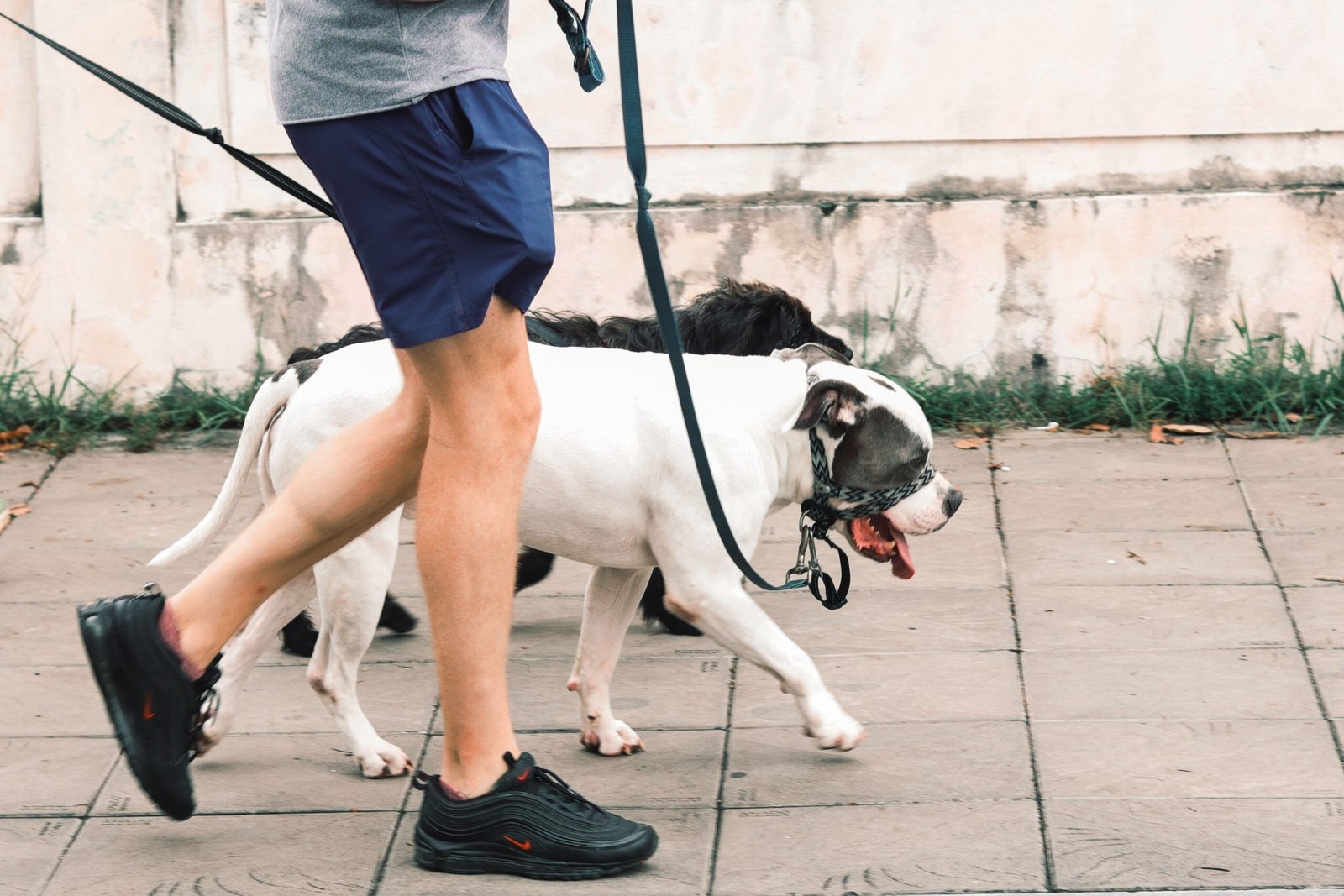
Spend enough time with a dog and you start to realize something slightly eerie: they are studying you. Not in a creepy sci‑fi way, but in that quiet, devoted, always-watching way that makes you feel like your every move is being recorded by a furry little supercomputer. Before you know it, your dog is waiting at the door before you even grab your keys, or slinking under the table seconds before you raise your voice. It can feel less like you own a pet and more like you live with a very intuitive roommate who knows your patterns better than you do.
What looks like mind reading is really an incredible blend of pattern recognition, scent detection, and emotional attunement that humans honestly underestimate. Dogs notice tiny changes in your routine, your tone, even your posture, and they quietly keep score. Over time, they become experts at predicting what you will do next, how you will feel, and sometimes even what your body is about to do before you feel it yourself. Let’s dig into the weirdly accurate things dogs learn to predict about their favorite humans – and why it can feel so uncomfortably spot on.
1. When You’re About to Leave the House

Dogs quickly learn the pre-departure ritual you probably do on autopilot: the shoe you reach for, the bag you pick up, the jingle of keys, even the way your body tenses slightly as you mentally run through your day. Long before you say goodbye, they’re already tracking the pattern and bracing for your exit. For many dogs, the smallest cue – a particular jacket, a certain perfume, even you grabbing your laptop – signals that they’re about to be left alone.
What’s wild is how they can distinguish between different kinds of departures. You putting on sneakers for a walk might excite them, while you slipping into “work shoes” triggers a sad flop onto the floor. Some dogs start pacing or whining, others go hide in their bed like, here we go again. They’re not just reacting to the moment you touch the doorknob; they’re predicting minutes in advance, because they’ve built a mental map of your leaving patterns over countless repetitions.
2. When You’re Coming Home (Even Before They Hear You)
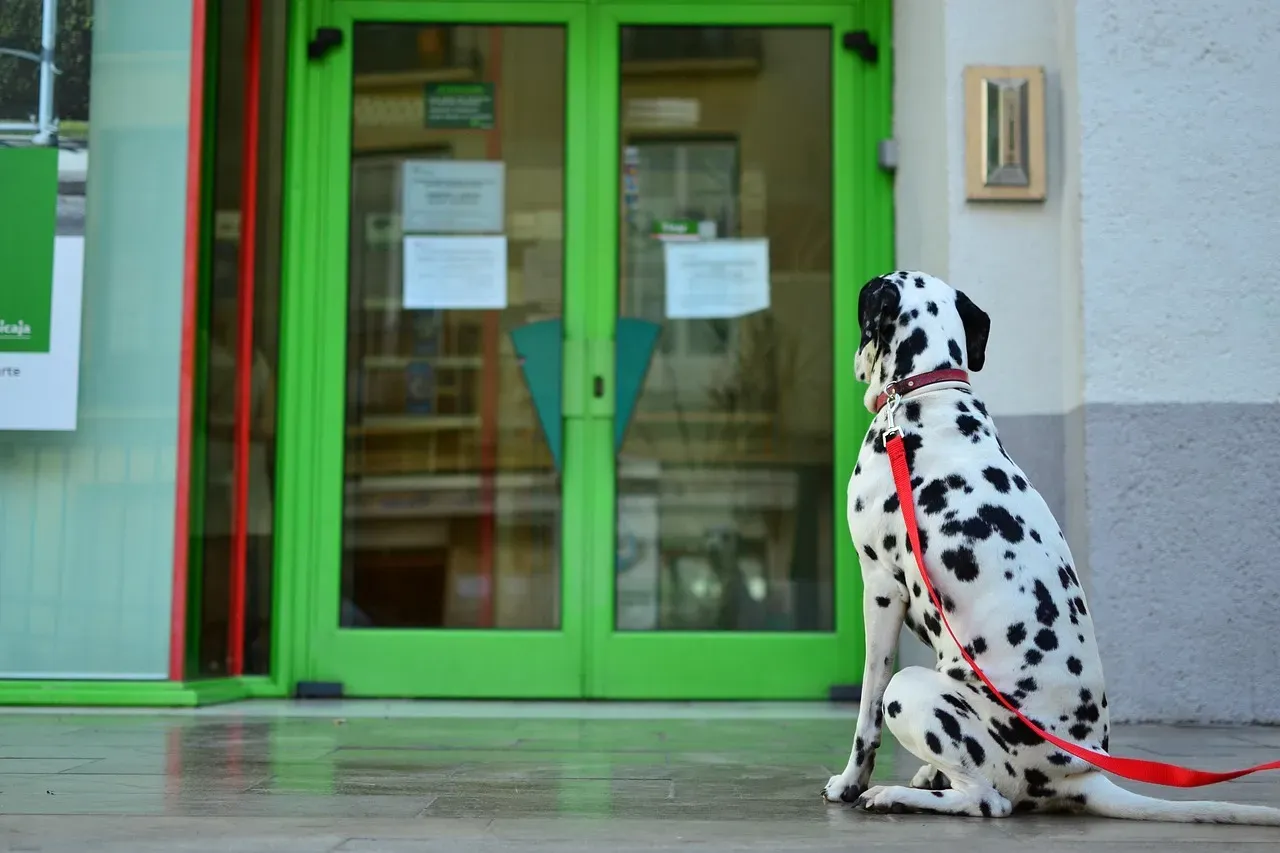
Most dog owners swear their dog knows they’re coming home before the car hits the driveway. Part of that is sound and routine – your footsteps, your specific car, the typical time you return – but there’s also evidence that dogs simply track time and associate certain daily rhythms with your arrival. If you consistently come home around the same time, your dog’s internal “body clock” kicks in, and they wander to the door or window before you even hit the street.
On top of that, dogs are experts at picking up early, faint cues humans ignore: a distant engine noise, the elevator down the hall, the way your scent slowly becomes stronger near the house. From your perspective, it looks like magic when your dog is already spinning in circles by the door when you appear. From theirs, it’s just another successful prediction in a day full of reading you like an open book.
3. When You’re About to Take Them for a Walk
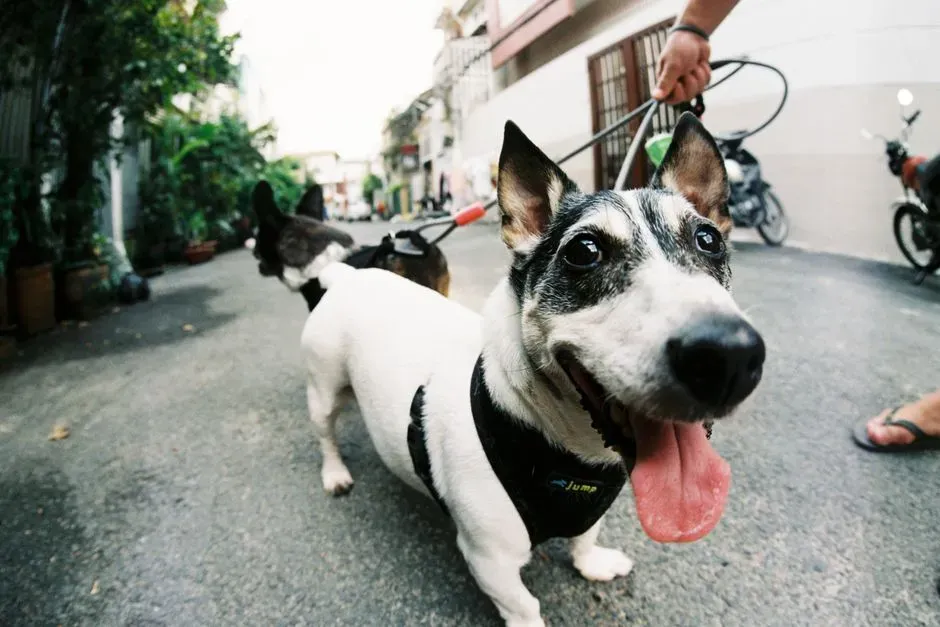
You might think your dog only reacts when you say the word “walk,” but most dogs are about ten steps ahead of that. They notice when you close your laptop in a certain decisive way, or when you put your phone down after scrolling for a while, or when you stand up with that specific mix of energy and intention that often ends with a leash in your hand. To them, those micro-movements are like neon signs flashing it’s almost time.
Even the environment gives them clues. Maybe you usually walk them after breakfast dishes are put away, or once the sun hits a certain angle in the living room. Your dog strings all of these details together and gets excited long before you consciously decide, “Okay, time for a walk.” That’s why sometimes they’re staring at you expectantly and you feel weirdly guilty, because you realize they’ve already predicted what you hadn’t quite decided yet.
4. When You’re Anxious, Angry, or About to Cry

One of the most uncanny things about living with a dog is how they seem to know when you’re not okay – even when you’re trying to act fine. Dogs are incredibly sensitive to changes in your voice, posture, breathing, and facial expressions. Your shoulders hunch slightly, your jaw tightens, your tone flattens or sharpens, and they notice. Over time, they link those subtle signs with what usually follows: tears, an argument, pacing, or that silent stare into space.
Some dogs respond by becoming clingy, pressing their body against your leg or climbing into your lap as if to physically anchor you. Others keep a little distance but stay on high alert, tracking you from room to room. They are not reading your mind; they’re reading your body and your emotional patterns. But it often feels deeper than that, especially when your dog wanders over and rests their head on your knee seconds before you finally lose it.
5. Your Daily Routine, Down to the Tiny Rituals
Dogs are routine-obsessed. Breakfast time, bathroom time, work time, Netflix time – your dog has all of it mapped out with almost scary accuracy. They know that after you make coffee, you usually sit at a certain chair, or that you always check your phone in bed before getting up, or that on Sunday mornings you move slower and stay in pajamas longer. These patterns are like a script they’ve memorized, and any deviation from the script stands out immediately.
That’s why your dog might stare at you in confusion if you suddenly decide to shower at night instead of in the morning, or why they get riled up when you put on “going out” clothes on a random weekday. When you shift your routine, it scrambles their predictions and can make them restless or extra curious. They’re not just living in the moment; they’re constantly cross-referencing what you’re doing now with what you usually do next.
6. When You’re Sick or in Physical Discomfort

Many dog owners notice that their dog behaves differently when they’re ill, often becoming gentler, quieter, or unusually attentive. Dogs can pick up changes in your scent related to illness and inflammation, and they also notice when your movement patterns shift – slower steps, more time in bed, less enthusiasm, a wince when you stand. They learn to predict that when you move a certain stiff or careful way, the day will be different and calmer, and they often adjust with you.
There are also dogs specifically trained to detect changes in blood sugar or oncoming seizures, but even without formal training, some pets seem to sense when something is off in their owner’s body before obvious symptoms show. It is not mystical; it is a combination of super-charged noses and pattern recognition. Still, when your dog curls up quietly against you on a day you’re just starting to feel “a bit off,” it can feel like living with a tiny, intuitive nurse who refuses to leave your side.
7. When You’re About to Give Them Food or Treats

Ask any dog: humans are most predictable around food. Long before you open the treat jar or reach for the kibble, many dogs have already clocked your intention. They know the sound of the drawer you open before feeding, the way you glance at the clock, or the moment your attention shifts toward the kitchen with a certain focused energy. Even your posture changes slightly when food is involved, and they absolutely notice.
They also track your generosity patterns. Maybe you’re more likely to share snacks when you’re relaxed on the couch versus when you’re working at your desk. Maybe they’ve learned that sitting patiently earns them a bite, while pawing doesn’t. Over time, they fine-tune exactly when it’s worth hovering near you, when it’s time to station themselves in the kitchen, and when you’re just grabbing water and nothing good is happening for them at all.
8. Who You Like – and Who You Don’t
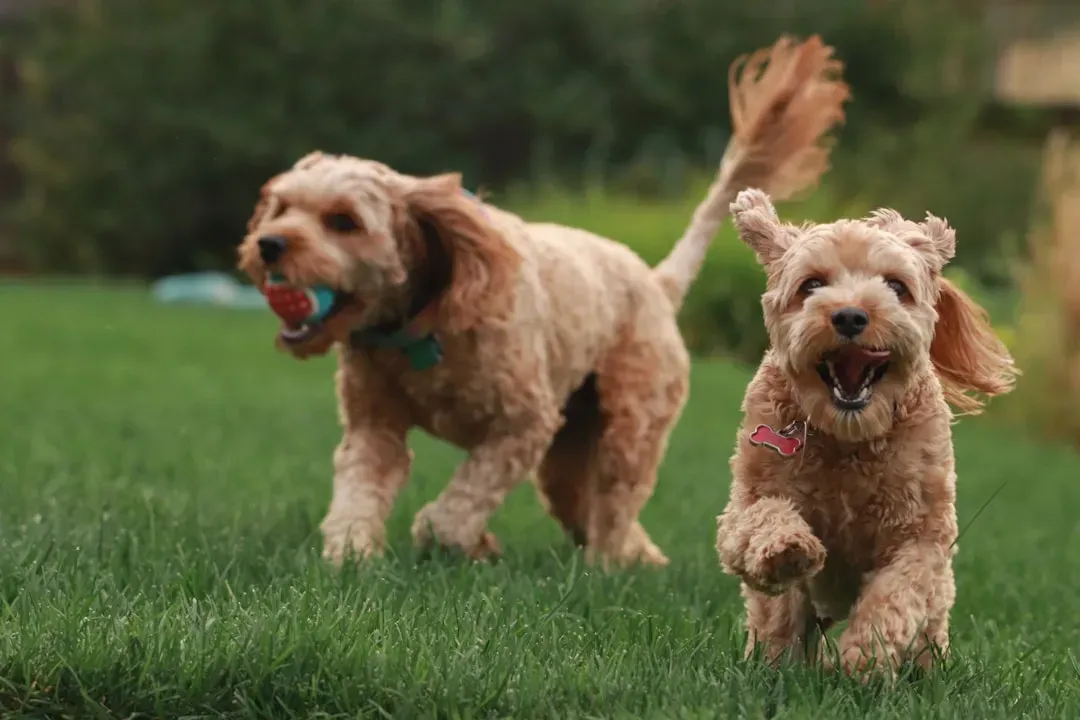
Dogs are surprisingly good at reading social energy, especially in their own homes. They notice how your voice shifts when you greet certain people, whether your body relaxes or tenses around a particular friend, and how often someone gets invited in versus chatted to at the door. Over time, they piece together who is safe, fun, and welcome, and who sets off those tiny stress cues in you that you may not even realize you’re giving off.
That’s why your dog might bounce like a maniac when your favorite person visits but stand stiff, silent, or even slightly in front of you when someone you’re skeptical about comes over. They are not judging fashion sense or personality; they’re judging your reactions. They learn to predict, often with painful clarity, which humans are “ours” and which are “maybe not.” Sometimes they’re overprotective, sure – but other times, they pick up on vibes you’ve been trying to ignore.
9. When You’re About to Give Them Attention – or Brush Them Off
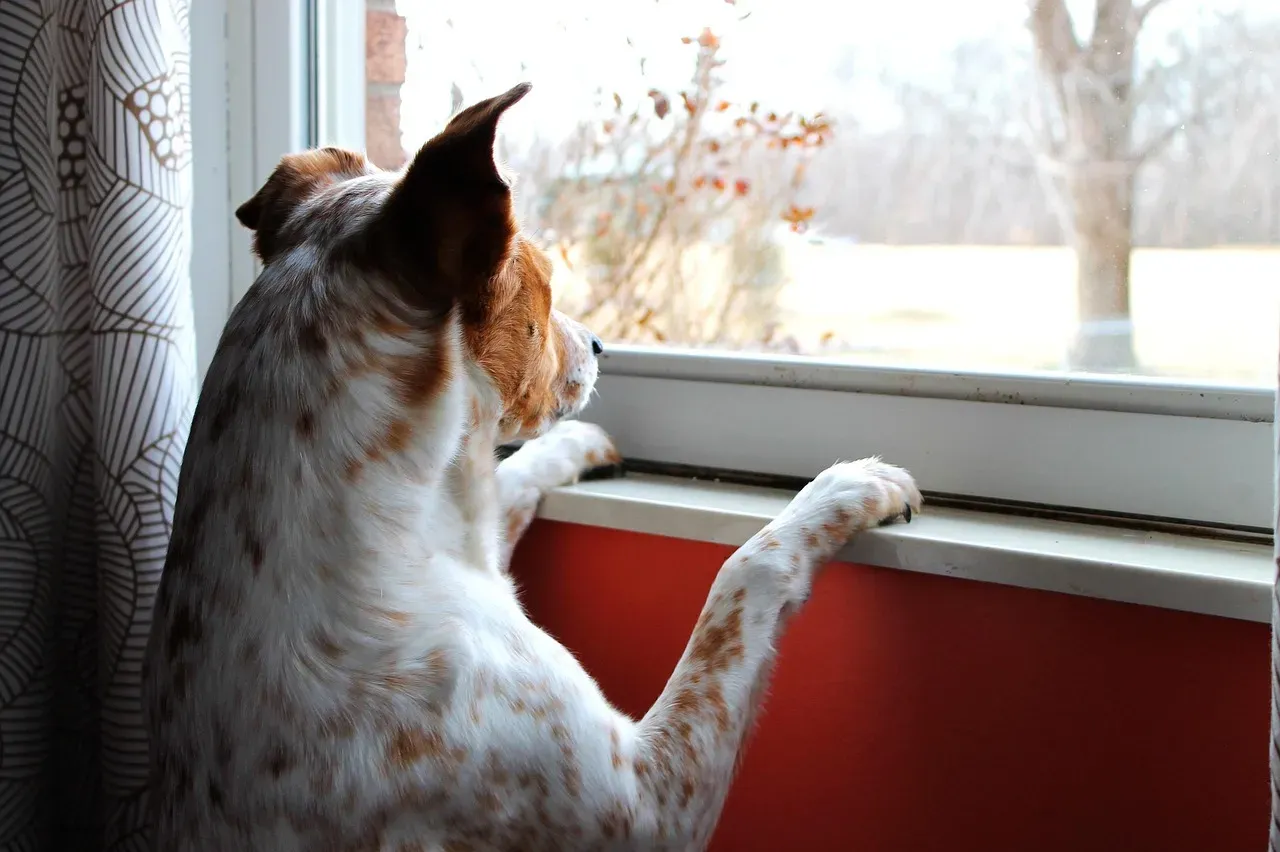
If you’ve ever watched your dog hover nearby, doing that hopeful side-eye thing, you know they’re trying to read whether this is a good moment to beg for attention. Dogs become incredibly skilled at predicting when you’re likely to cuddle, play, or talk to them versus when you’re in don’t-bother-me mode. They track your body language around your phone or laptop, your tone when you answer someone else, even whether you’re leaning back (more open) or folded forward (more closed off).
Over time, they get more strategic. They may nudge your hand when you’re lounging on the couch because they’ve learned you usually cave then, but keep their distance when you’re power-walking through the house looking stressed. It sounds small, but it shows how closely they watch your emotional availability. In a way, they’re constantly predicting the answer to a simple question: is now a good time to ask for love?
10. When You’re About to Do Something They Hate

Every dog has a list of “absolutely not” events: nail trims, baths, ear cleaning, vet visits, maybe even that one vacuum cleaner that sounds like it’s plotting murder. What’s interesting is how early they pick up on the lead-up to those dreaded moments. You reaching for a specific cabinet, getting out a certain towel, or even using that falsely cheery voice you think hides your plan – these become flashing warning signs in your dog’s mind.
So they start predicting and pre-empting. Some dogs quietly disappear under the bed the moment they see the shampoo bottle; others become extra wiggly and hard to catch as soon as you walk toward the bathroom with too much purpose. They remember every step that led to past unpleasant experiences, and they’re determined not to be fooled again. It can be frustrating when they bolt at the first hint of a bath, but honestly, from their perspective, they’re just getting really good at reading the script.
11. Your Overall Mood and “Weather Pattern” as a Human
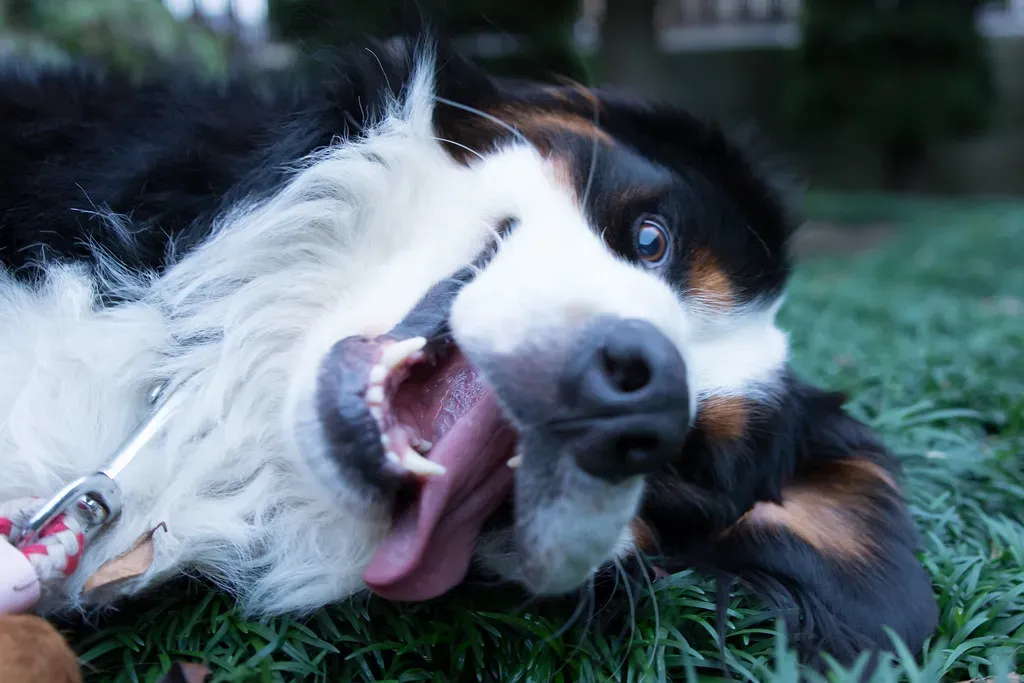
Beyond specific events, dogs pick up on your general emotional climate. They learn the difference between your upbeat days, your exhausted days, and your shut-down, do-not-talk-to-me days. They feel the way you move through your home, the speed of your routines, the sound of your footsteps, even the way you sit on the couch. Over weeks and months, they start predicting the “weather” with you: is today going to be sunny, cloudy, or stormy?
What’s both comforting and confronting is that they adjust themselves accordingly. On your lighter days, they might bring toys, bounce around, or push for more engagement. On your heavier days, they may quietly stick to you like a shadow, or give you gentle space while staying close enough to be there if you reach out. In my own life, I’ve noticed dogs often reflect back truths I’m trying to outrun; when the dog becomes extra watchful and mellow, it’s usually a sign that I haven’t been honest with myself about how I’m really doing.
Conclusion: The Upside of Being So Predictable
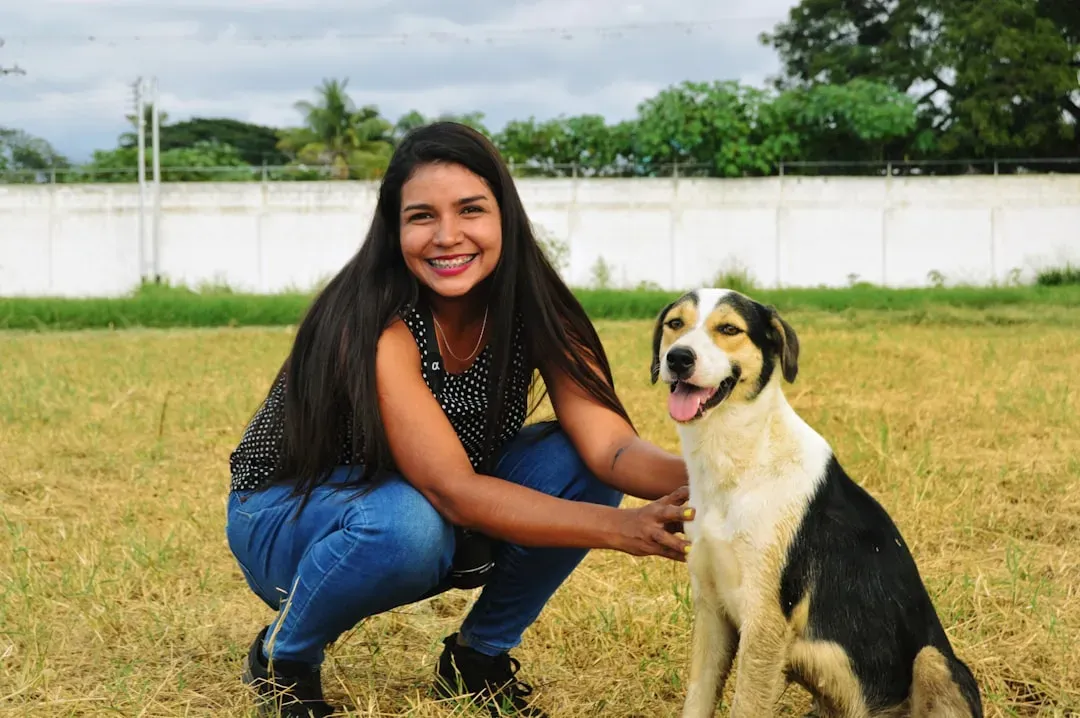
Once you realize how much your dog is quietly predicting about you, it can feel almost uncomfortably intimate, like someone has been reading your diary over your shoulder for years. But that’s also what makes the bond so powerful. Your dog’s ability to forecast your moves, moods, and habits is not just a quirky party trick; it is their way of staying safe, connected, and in sync with the person their whole world revolves around. They’re not trying to control you – they’re trying to understand you well enough to navigate life by your side.
If anything, their uncanny accuracy forces us to confront a simple truth: we are far more predictable, and far more transparent, than we think. The upside is that this predictability gives your dog a sense of security and lets them meet you where you are, day after day. Maybe the real question is not how much your dog can predict about you, but how willing you are to notice what they are quietly telling you in return. When you look at your own life through their eyes, does what they see match the person you want to be?