
10 Dog Breeds That Want a Job to Do – Even If That “Job” Is Supervising Everything You Do Around the House
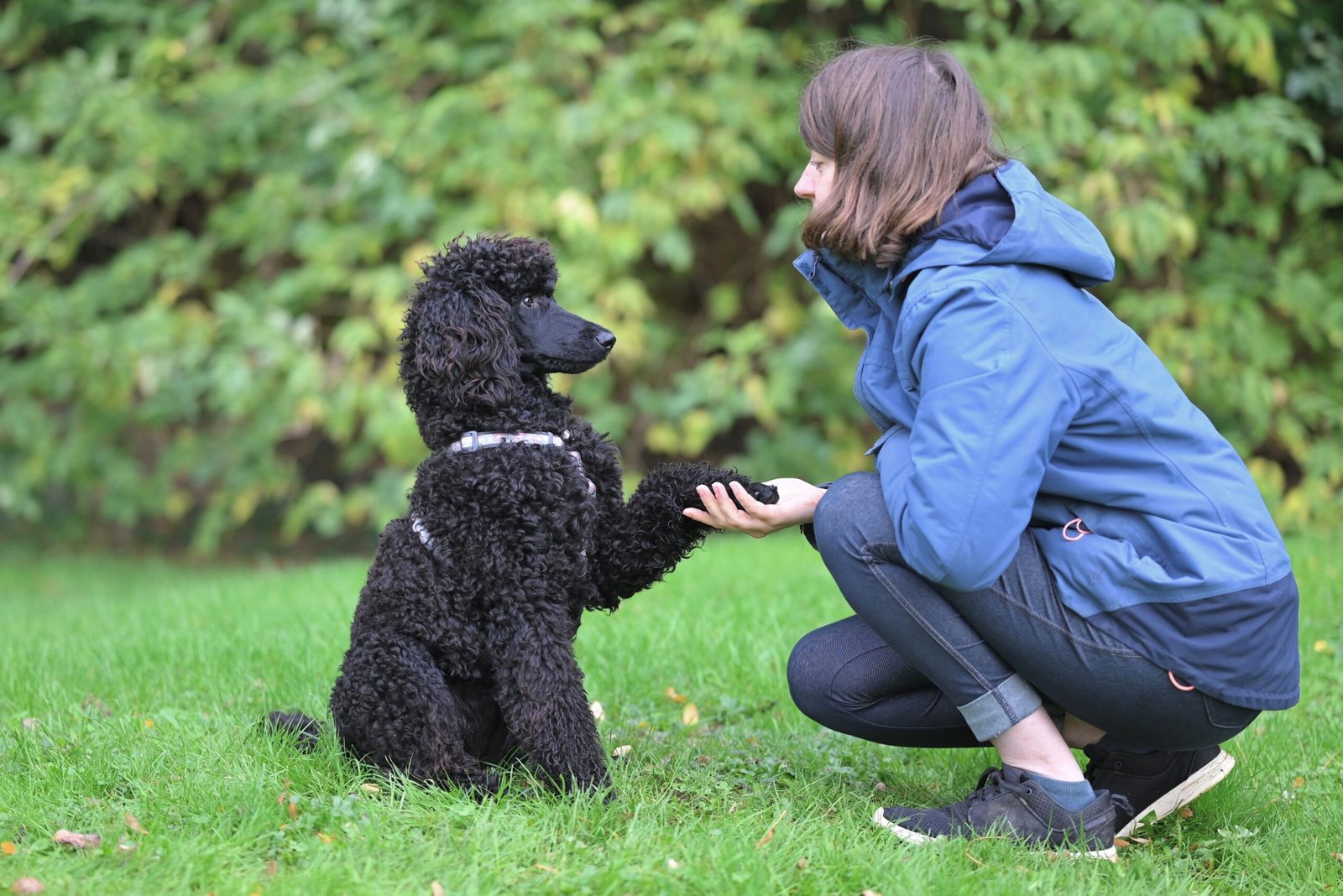
You know that feeling of being watched while you load the dishwasher, fold laundry, or just try to go to the bathroom in peace? For some dogs, that is not clinginess – that is them taking their “job” very seriously. Certain breeds were born to work, and even in a modern apartment or suburban home, that wiring does not just switch off. Instead, it shows up as shadowing you from room to room, “helping” with every chore, and giving you that look that clearly says: you’re doing it wrong, human.
Living with a job-obsessed dog can be hilarious, heartwarming, and honestly, a little exhausting. I grew up with a herding mix who treated my siblings like escaped livestock – she’d circle us if we walked too far apart in the yard. At the time it felt annoying; now it feels like a weirdly sweet love language. If you have ever wondered why your dog supervises everything like a tiny furry project manager, or you are thinking of bringing home a breed that thrives on purpose, this list is for you.
1. Border Collie: The Overachieving Project Manager
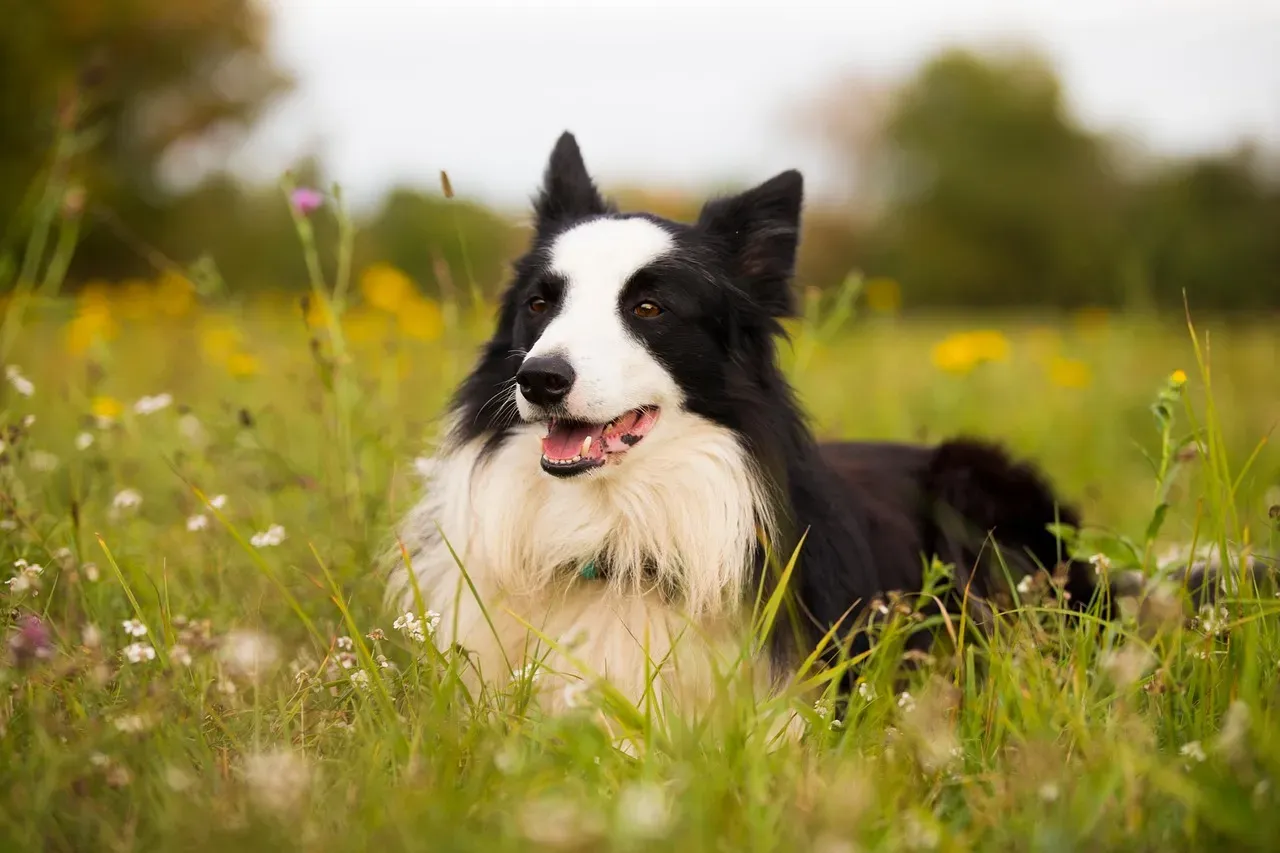
Border Collies are often called the smartest dogs in the world, and honestly, they act like they know it. Bred to herd sheep across rugged terrain and respond to subtle whistle cues, they do not just enjoy having a job – they need one to feel sane. In a home, that intense focus often gets redirected to herding kids, cats, or even Roombas, and they will watch you move around the house like they are mentally grading your performance.
Without enough mental and physical work, Border Collies can become restless, anxious, or destructive, not because they are “bad,” but because their brain is idling in overdrive. Puzzle toys, agility training, trick routines, and even teaching them the names of their toys can give them a sense of mission. If you want a dog who will lie on the couch all day and not ask questions, this is not it. If you secretly want a living, breathing accountability buddy who will guilt you into getting off your phone and doing something, a Border Collie might be your dream co-worker.
2. Australian Shepherd: The Energetic Supervisor With Opinions
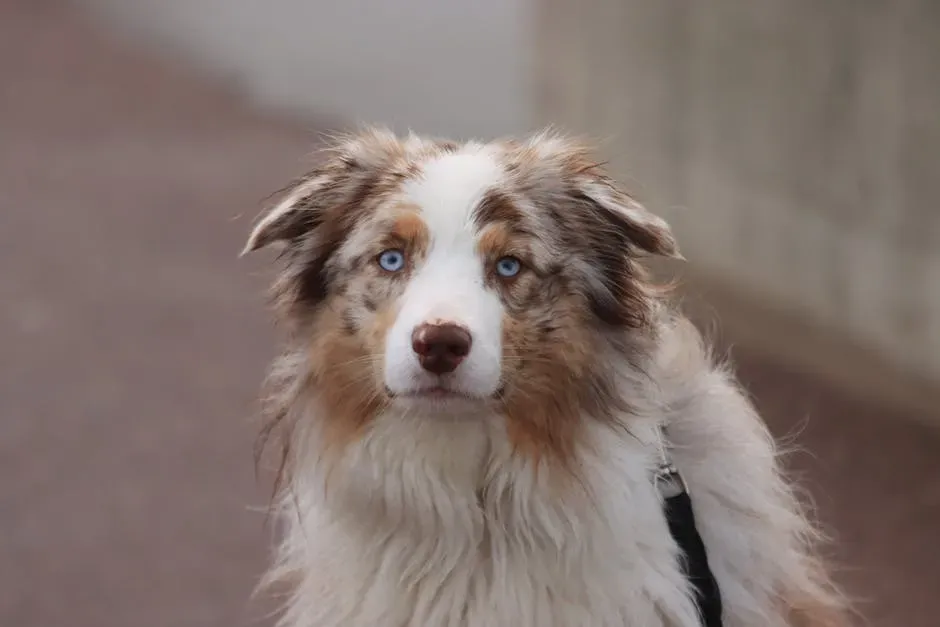
Australian Shepherds, despite the name, actually developed as ranch dogs in the United States, and they still carry that ranch-boss attitude into modern homes. These dogs like to be in the middle of everything, “helping” you move laundry baskets, escorting guests to the door, and keeping an eye on any moving object in their territory. Many Aussies will choose a favorite person and stick to them like a furry, multicolored shadow, checking in constantly as if to say: what’s our next task?
Because they are herding dogs, Aussies are brilliant at reading body language and anticipating what you are about to do, which can feel almost psychic. The flip side is that boredom can lead to problem behaviors like nipping heels, chasing bikes, or creative home redecorating via chewed furniture. Giving an Aussie structured jobs – obedience work, dog sports, hide-and-seek games, or even simple “go find this object” missions – taps into that deep need to contribute. To them, supervising you is not clinginess; it is quality control.
3. German Shepherd: The Serious Professional on Patrol
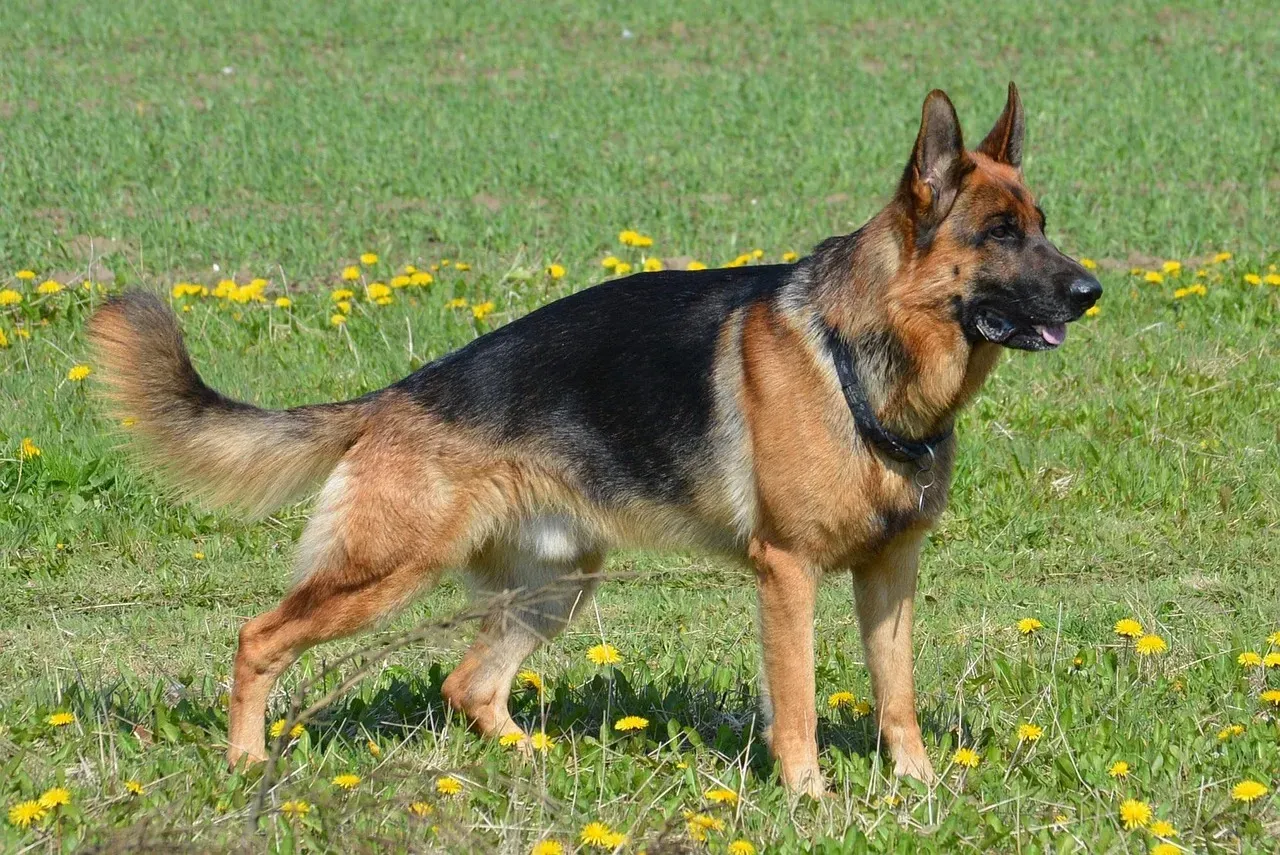
German Shepherds were developed for herding and guarding, and that dual purpose still shows in how they behave at home. They are the kind of dogs who will position themselves where they can see the front door, the hallway, and you, all at once, like they have built-in security cameras. Many owners notice that their German Shepherd will do regular “patrols” of the house or yard, checking windows, sniffing around, and then settling near their people again with quiet intensity.
Because of their trainability, German Shepherds are one of the most common breeds used in police, military, and service work. That tells you a lot about their mindset: they thrive when they have structure, boundaries, and a clear job, even if that job is just learning new commands and practicing them daily. Without that direction, they can become nervous, overprotective, or reactive, not because they are naturally aggressive, but because they feel responsible for everything and do not know the rules. A German Shepherd in a loving, structured home is like a seasoned bodyguard who finally landed the perfect private client – you.
4. Labrador Retriever: The Cheerful Employee Who Always Wants a Task
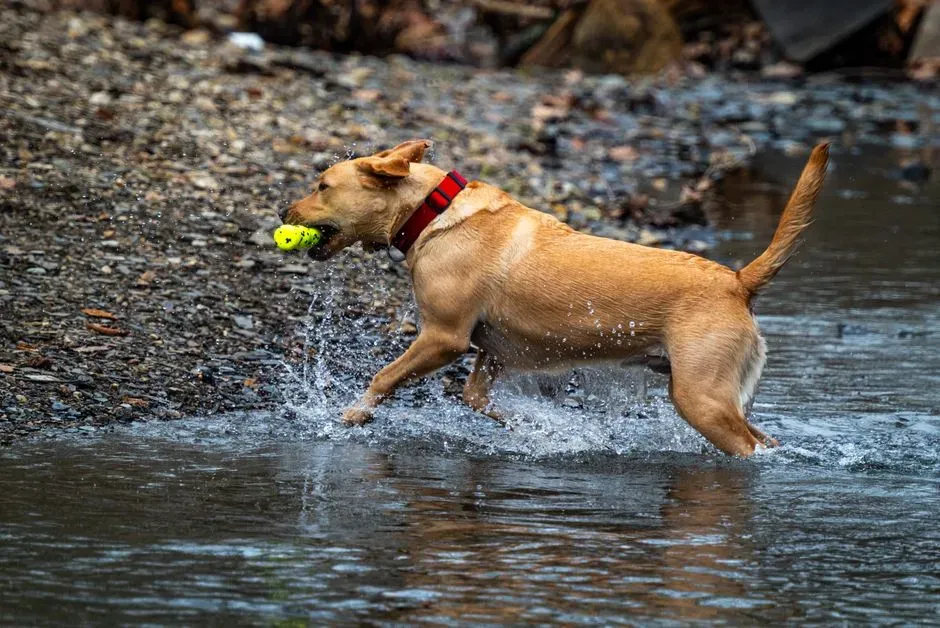
Labrador Retrievers might look like happy-go-lucky goofballs, and to be fair, they absolutely are, but beneath that smile is a serious work ethic. Originally bred to help fishermen retrieve nets and later to pick up game for hunters, Labs are driven to carry things, fetch things, and bring you stuff you did not even ask for. Drop a sock, and a Lab will proudly deliver it like they just found the missing piece to a national treasure.
Modern Labs excel as service dogs, search and rescue dogs, detection dogs, and family companions because they love having a purpose and pleasing their people. If they do not get enough exercise and mental stimulation, their energy can spill over into chewing, counter surfing, or endless zoomies around the coffee table. Giving a Lab “jobs” like retrieving specific toys, helping clean up by putting items in a basket, or learning new tricks keeps them satisfied. To them, endlessly bringing you a slobbery tennis ball is not a game; it is their version of clocking in for another shift.
5. Golden Retriever: The Gentle Assistant Who Must Be Involved
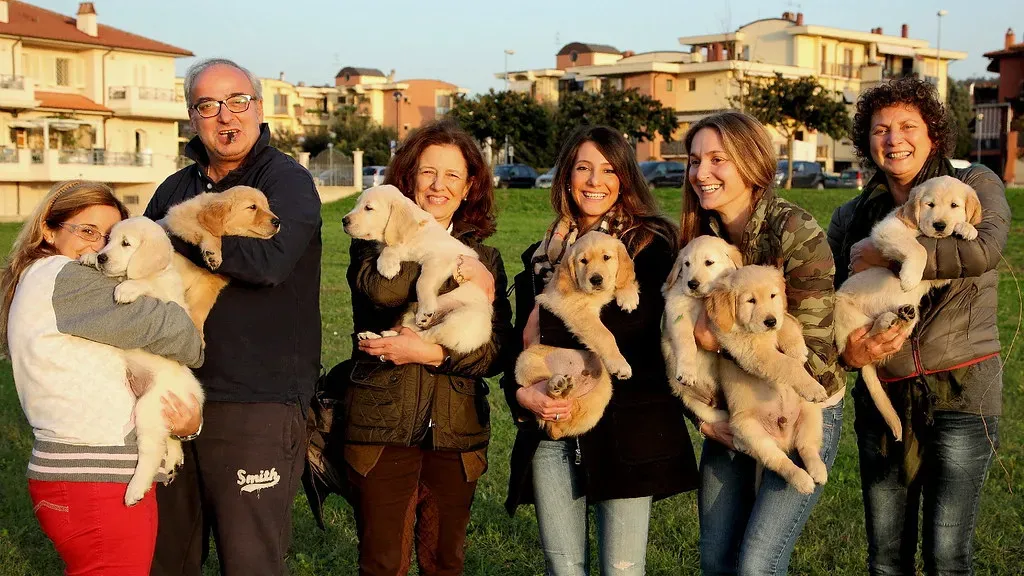
Golden Retrievers are often described as the ultimate family dog, and part of that magic is their urge to participate in literally everything. Historically bred as hunting companions to gently retrieve birds without damaging them, Goldens have a careful mouth and a strong desire to cooperate. At home, that can translate into carrying shoes, toys, or the occasional TV remote, all while wearing that soft, earnest expression that makes it impossible to be mad at them.
Goldens also tend to shadow their people from room to room, not just for affection but because they seem to believe their presence is required. They thrive in roles like therapy work and assistance dogs because they love interacting, comforting, and “helping.” Without enough mental engagement, though, they can become anxious, clingy, or a little destructive, especially when young. Structured play, training games, and giving them specific roles in daily routines – like “go wake up the kids” or “bring in the mail” – helps turn that clinginess into purposeful partnership.
6. Belgian Malinois: The Workaholic Athlete Who Rarely Clocks Out
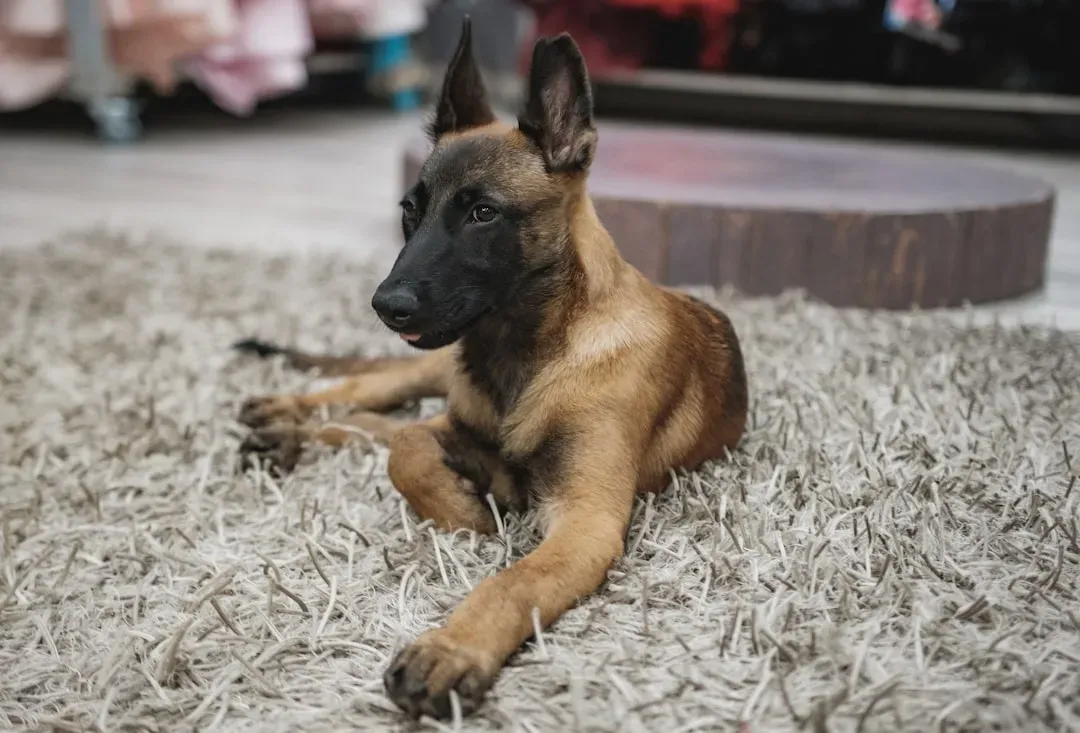
The Belgian Malinois is not a breed for the casual dog owner, but for people who love training and activity, they can be breathtaking partners. Frequently used in military and police work, Malinois have extremely high drive, stamina, and focus. In a home, that intensity can show up as constant movement, endless toy-dropping at your feet, and laser-like attention as they wait for your next cue.
Without proper outlets, a Malinois can go from impressive to overwhelming very quickly, which is why they are often recommended only for experienced owners who enjoy structured training. They need more than a walk around the block; they need jobs like agility, protection sports, advanced obedience, or scent work. If you do not give them work, they will invent their own, which might involve dismantling your furniture or patrolling the yard like a self-appointed security chief. When their energy is channeled well, though, living with a Malinois feels like sharing your life with an elite athlete who has decided you are their whole world.
7. Australian Cattle Dog: The Tough Little Foreman
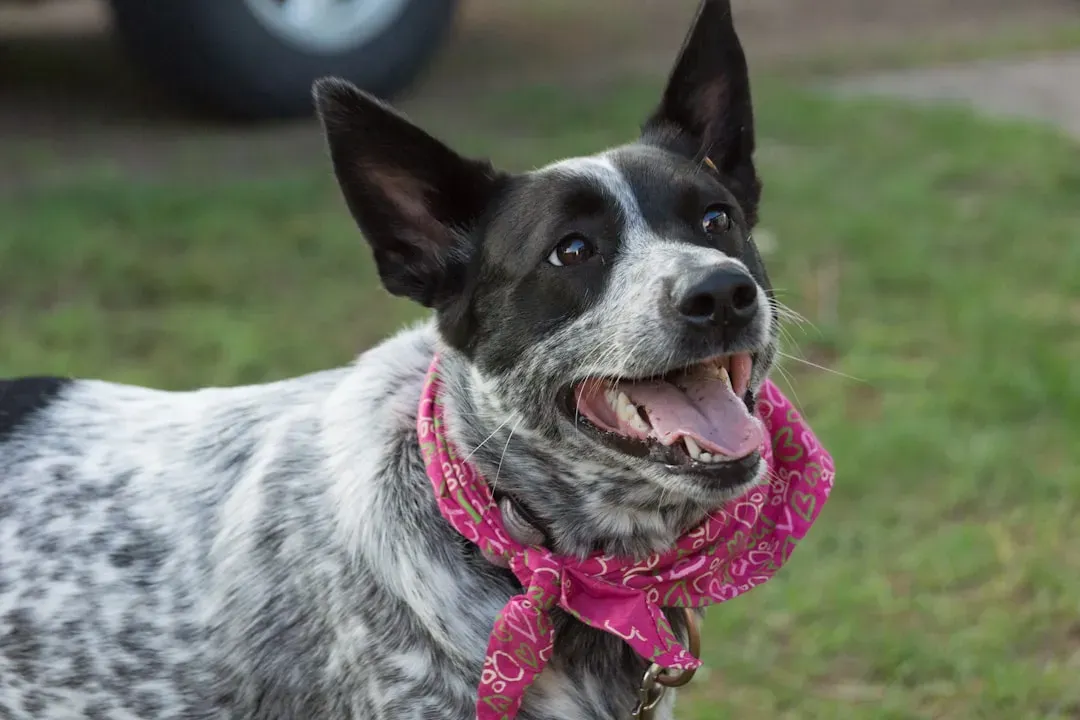
Australian Cattle Dogs, sometimes called Blue Heelers or Red Heelers, were bred to move stubborn cattle over long distances, and you can feel that grit in everything they do. They tend to be bold, watchful, and suspicious of wasted motion, often following their people closely and positioning themselves where they can see all the action. Many owners notice that their Cattle Dog will “supervise” yard work, home projects, and even quiet evenings on the couch with an intensity that feels almost comically serious for such a compact dog.
These dogs are incredibly smart but also independent, which means they need firm, consistent training and real jobs to keep them satisfied. Long hikes, herding trials, obedience work, and mentally challenging games like scent searching are ideal for them. If they get bored, they may start herding the kids by nipping at heels or turning your garden into a personal excavation site. Think of an Australian Cattle Dog as the no-nonsense foreman on a construction site: if you are not giving them a task, they will find one, and you might not like their priorities.
8. Shetland Sheepdog: The Tiny Alarmed Supervisor
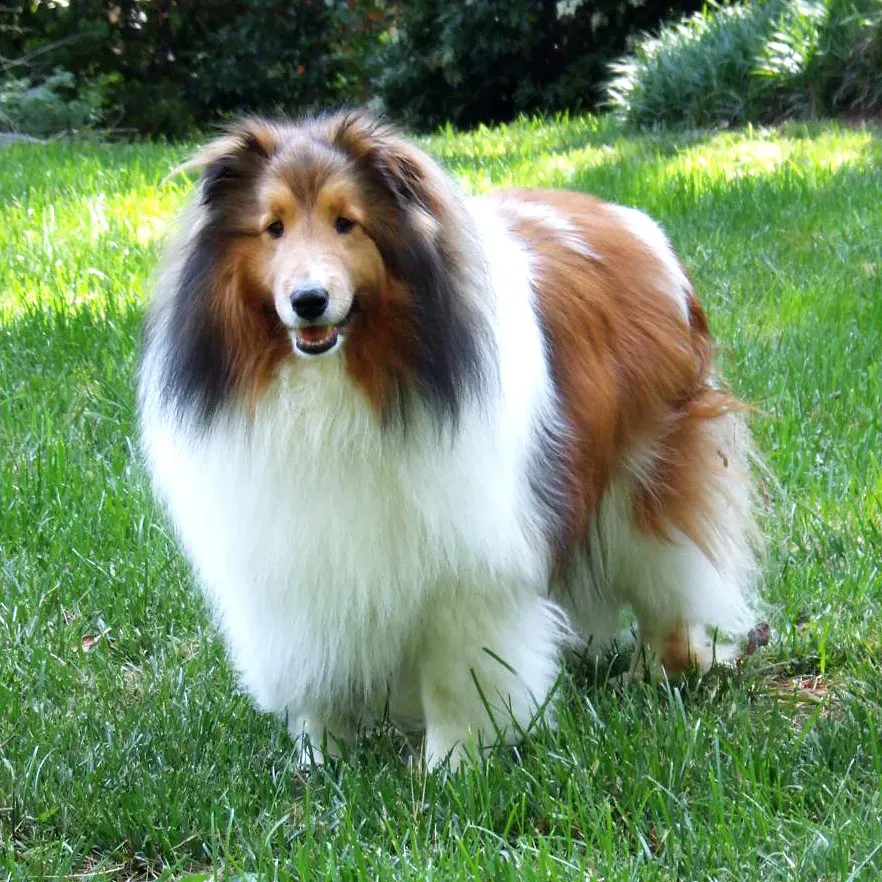
Shetland Sheepdogs, or Shelties, may look like miniature Lassies, but under all that fluff is a tireless little worker. Originally used to herd small livestock on the Shetland Islands, they are quick, agile, and extremely alert to movement and sound. In a home environment, that can translate into watching everything and everyone, often announcing every new development with enthusiastic barking, as if providing detailed status updates.
Shelties often bond deeply with their families and like to keep track of where everyone is, following you from room to room and checking doors, windows, and even the yard. They shine in dog sports like agility and obedience because they love learning and working closely with their person. Without enough mental stimulation, they can become nervous, noisy, or fixated on shadows and passing cars. To keep a Sheltie happy, you almost have to treat them like a coworker who demands regular projects and meetings – training sessions, games, and structured play where their sharp mind has something constructive to chew on.
9. Doberman Pinscher: The Elegant Bodyguard on Duty
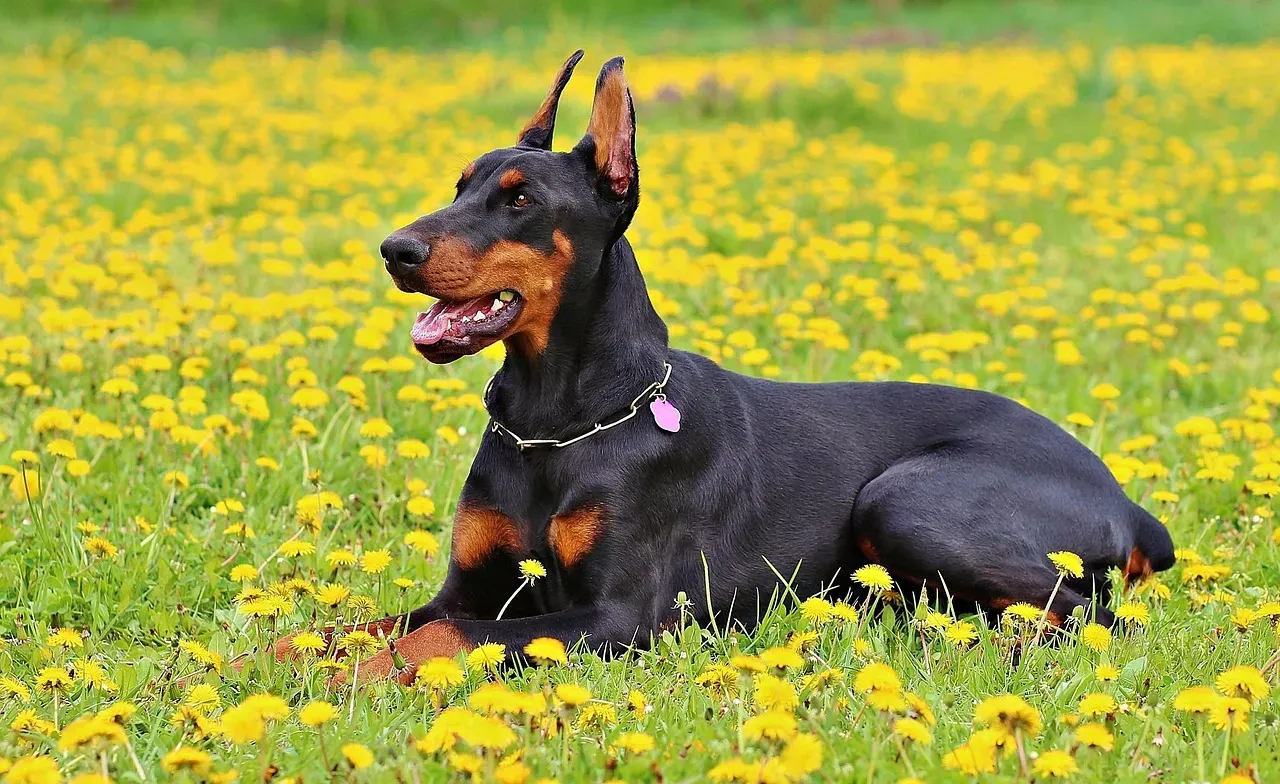
Doberman Pinschers were developed as personal protection dogs, and that heritage is written all over their body language. They tend to stick close to their people, often placing themselves between you and the door, or quietly shadowing you around the house in a way that feels both flattering and a little intense. Many Dobermans seem to have an internal radar that flips on whenever someone new approaches, becoming alert but controlled, like a professional security guard evaluating a situation.
Because they are highly intelligent and people-focused, Dobermans respond beautifully to consistent training and clear expectations. They enjoy obedience work, tracking, and any activity that lets them use both their brain and athleticism. If left without direction, they may grow anxious, destructive, or overly protective, not out of malice, but because they feel responsible and underinformed. Giving them “jobs” – from structured walks with training to learning advanced tricks – allows that protective instinct to settle into calm, confident companionship. Living with a well-trained Doberman often feels like having a loyal, elegant shadow who takes your safety very personally.
10. Standard Poodle: The Sophisticated Problem-Solver Who Needs a Mission
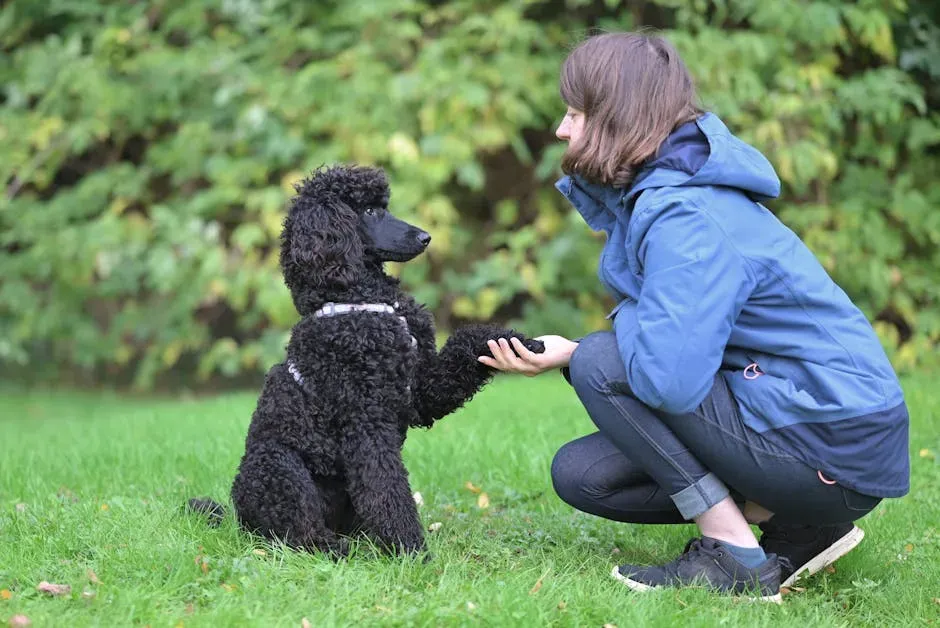
Standard Poodles are often mistakenly seen as decorative show dogs, but they were originally bred as water retrievers, and they are far more athlete and thinker than accessory. Under the curls is a sharp, observant mind that loves solving problems, learning patterns, and working closely with people. Many Poodles become little household supervisors, inspecting new objects, watching how you do things, and then trying to participate, whether that means carrying items, opening doors, or gently inserting themselves into whatever you are doing.
Because they are so intelligent, Poodles can easily grow bored if their days are a monotonous blur of short walks and couch time. They excel in activities like obedience, agility, scent work, and even specialized roles like service and therapy work. At home, giving them structured tasks – learning the names of toys, finding hidden items, practicing complex routines – can transform them from mischief-makers into enthusiastic collaborators. A Standard Poodle with a job to do feels less like a pet and more like a witty, slightly eccentric coworker who insists on sitting in on every meeting.
Conclusion: Living With a Dog Who Takes Their “Job” Seriously
Sharing your life with a work-driven dog is not like owning a decorative cushion that occasionally wags. It is like hiring a determined, opinionated employee who has decided that you are the company, the product, and the entire mission they were born to serve. These breeds are not content to just exist; they want to participate, to understand, and to add value in ways that often look like supervision, shadowing, or relentless requests for you to throw the ball one more time.
If that sounds exhausting, it can be – but it can also be incredibly rewarding. Give these dogs structure, training, and a job to do, and they will repay you with focus, loyalty, and a kind of partnership that feels deeper than simple companionship. In a world where so many of us feel disconnected and aimless, there is something strangely grounding about a creature who wakes up every day absolutely sure that their purpose is to watch over you. When you look at your dog following you from room to room, do you still see clinginess, or do you see a tiny coworker who just refuses to go off the clock?