
Dog Psychology Says Dogs Who Suddenly Become Very Still During an Encounter May Be Communicating More Than a Growl Ever Could
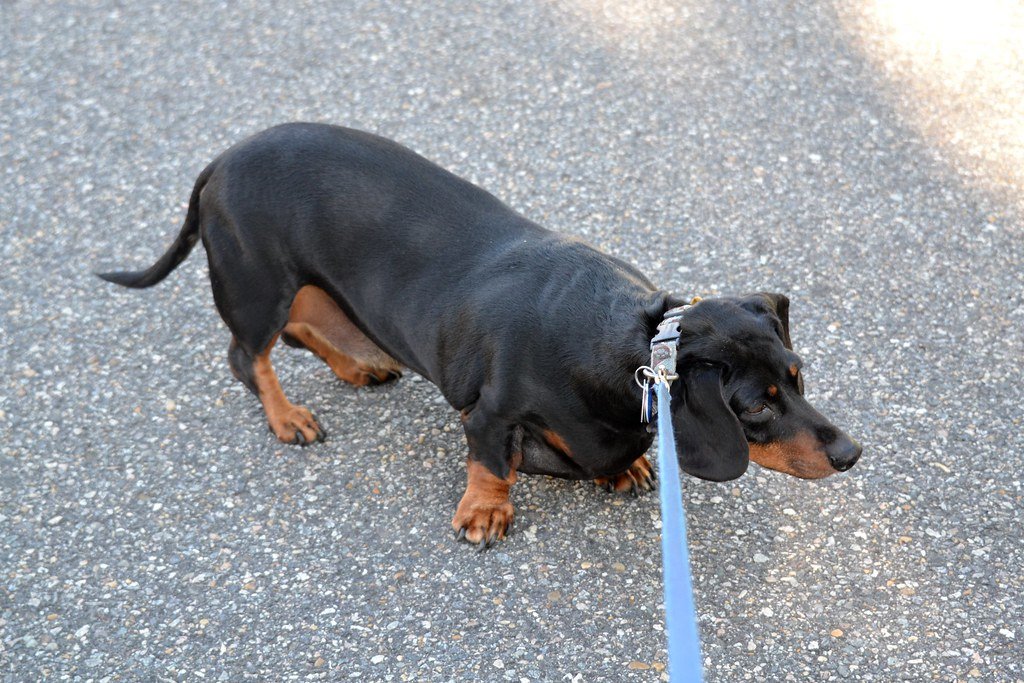
Have you ever watched a dog go from wiggly and playful to statue-still in a split second and felt your stomach drop, even if you couldn’t say why? That uneasy feeling is often your brain picking up on something your eyes have not fully decoded yet: a sudden shift in canine body language so quiet, it can scream louder than a bark. In dog psychology, silence and stillness are rarely neutral; they are information, and sometimes, they are a warning flare without any sound.
Most of us are taught to fear obvious signs like growling, snapping, or barking, but the truth is that many dogs “speak” their clearest messages in the spaces between those dramatic moments. That frozen pose, that held breath, that laser stare can signal fear, conflict, or a last-ditch attempt to avoid a full-blown outburst. Once you start to see it, you can’t unsee it – and it can completely change how safe and connected you feel around dogs.
The Silent Freeze: When Stillness Is the Loudest Thing in the Room
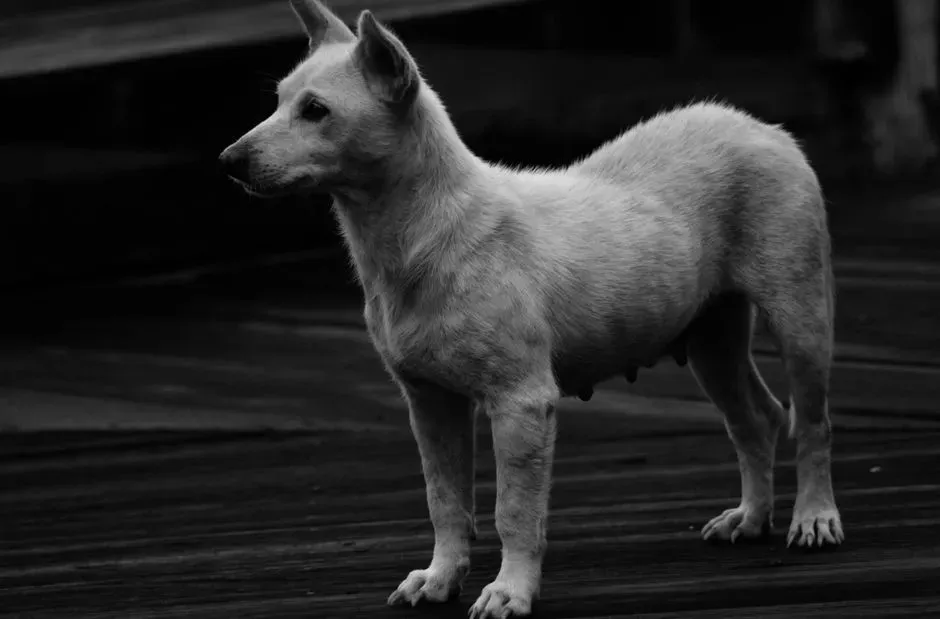
It can feel almost eerie when a dog suddenly stops moving during an encounter, especially if they were just relaxed or playful a second ago. In many cases, that sudden stillness is not calm at all but what behaviorists call a “freeze” response, part of the classic fight, flight, or freeze survival system. The body locks up, muscles go tense, and the dog may look hyper-focused on a person, another dog, or an object.
From the outside, this can look deceptively polite or well-behaved – like the dog is “being good” because they’re not barking or lunging. But under the surface, adrenaline may be surging and the dog is trying to process what to do next. This is where people often misread the situation, because we tend to equate quiet with safe. In dog language, that stillness can sometimes be the last speed bump before a bite.
Beyond Growls: Why Dogs Use Subtle Signals First
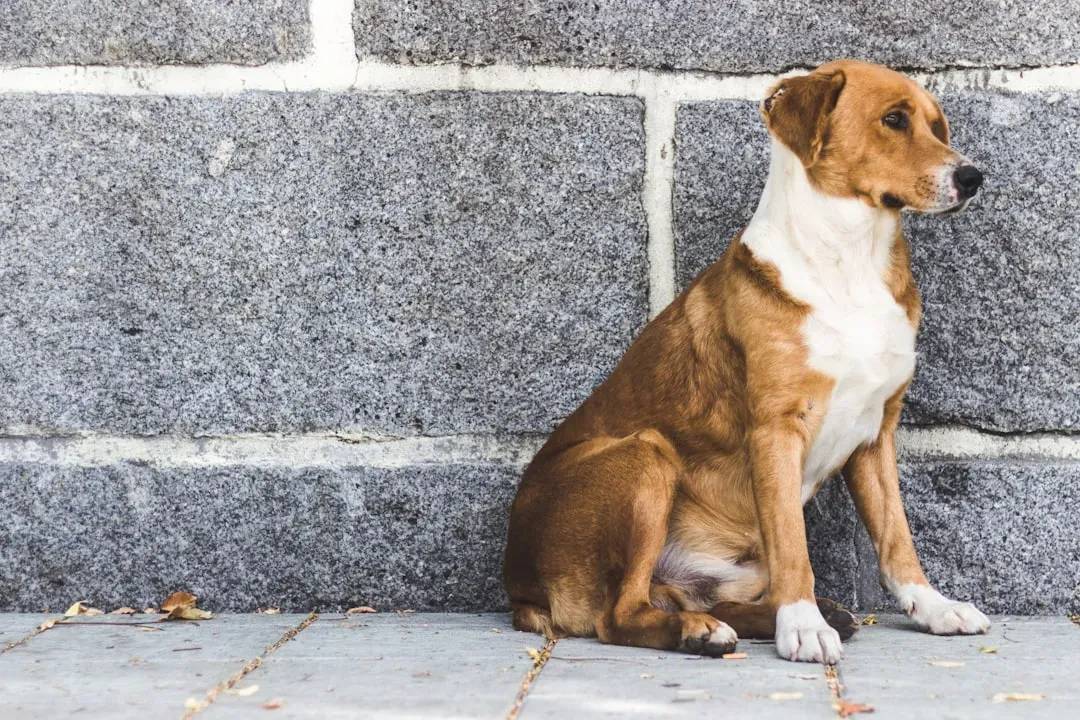
Most dogs do not actually want to bite or escalate conflict if they can avoid it; conflict is risky, painful, and sometimes costly for them. So, they are biologically wired to use milder warning signals before things get serious: turning their head away, suddenly going still, tightening their mouth, or giving a hard stare. A growl, while scary to humans, is already a more obvious stage in this escalation ladder.
If those softer signals are ignored or punished, many dogs learn that communication is unsafe or ineffective. That is how you end up with dogs who bite “without warning,” when in reality, their early warnings were just too quiet, too fast, or too subtle for humans to recognize. Understanding that a freeze can be one of those early red flags is a huge step toward preventing incidents and helping dogs feel they are heard.
Reading the Whole Dog: Posture, Eyes, Mouth, and Tail
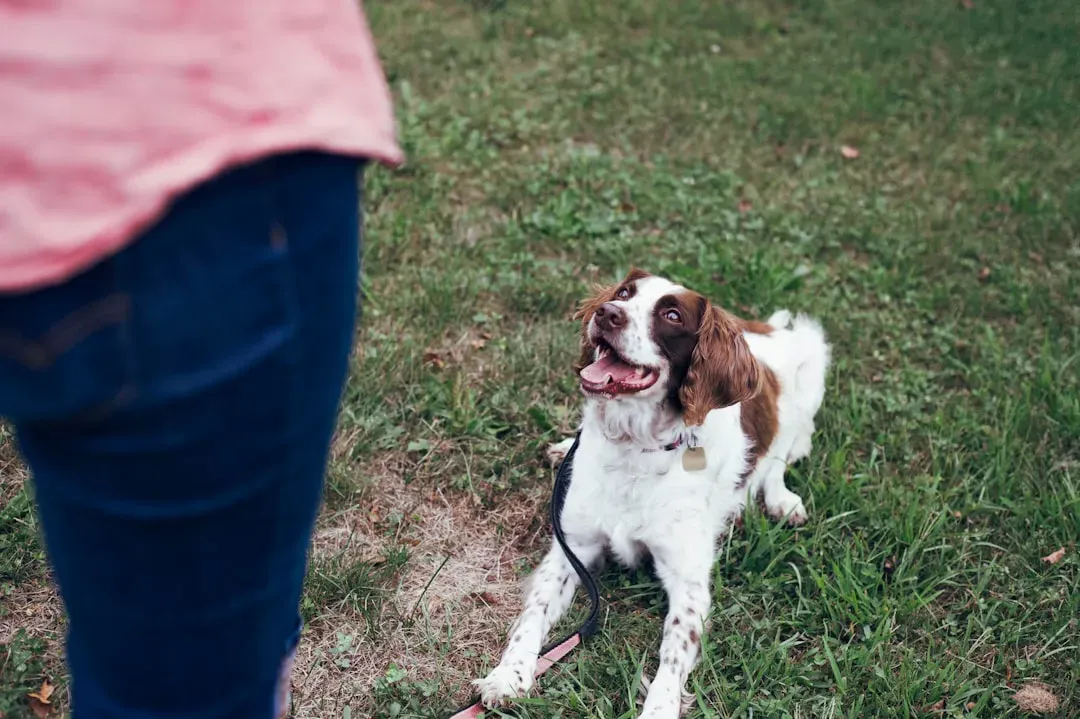
Stillness alone does not tell the whole story; you have to read the dog like a full-body sentence, not a single word. A dog that’s lying still on their side with loose muscles and slow blinking eyes is completely different from a dog standing upright, muscles rigid, head slightly forward, and eyes locked onto a trigger. The first might be resting or happily soaking in the scene, while the second is closer to a loaded spring.
Pay attention to the mouth – tight lips, corners pulled back, and a closed, tense jaw can mean discomfort, while a softly open mouth is usually more relaxed. The tail can be just as misleading: a tail held high and stiff while the body freezes is not necessarily friendly; it can be a sign of arousal or challenge. Think of it like reading someone’s tone of voice, facial expression, and posture all at once; one clue rarely tells the whole emotional story.
Fear, Conflict, or Focus? The Different Meanings of a Freeze
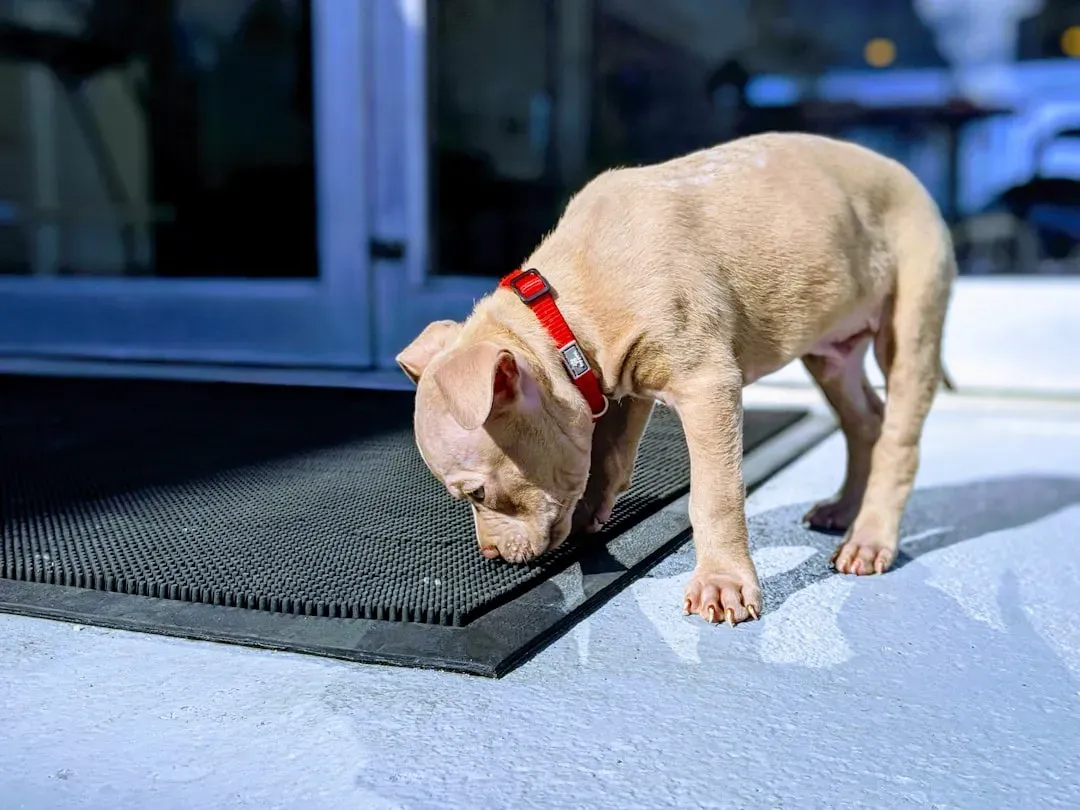
A sudden freeze is not always about aggression; it can also be about fear, uncertainty, or intense focus. A scared dog might go still because movement feels dangerous, the same way a wild animal freezes in tall grass to avoid being noticed. A conflicted dog might be stuck between wanting to approach and wanting to retreat, resulting in a stuck, statuesque moment that looks calm but feels terrifying from their point of view.
There is also the “predatory” type of stillness – seen when a dog locks onto a squirrel, toy, or even a moving child – where the body goes silent before a chase or pounce. That is a very different emotional state than social fear, but the outward stillness can look similar if you do not know what to look for. Context matters: where you are, what just happened, and what the dog has a history of reacting to will all help you decode what that freeze is really saying.
What You Should Do When a Dog Suddenly Goes Still
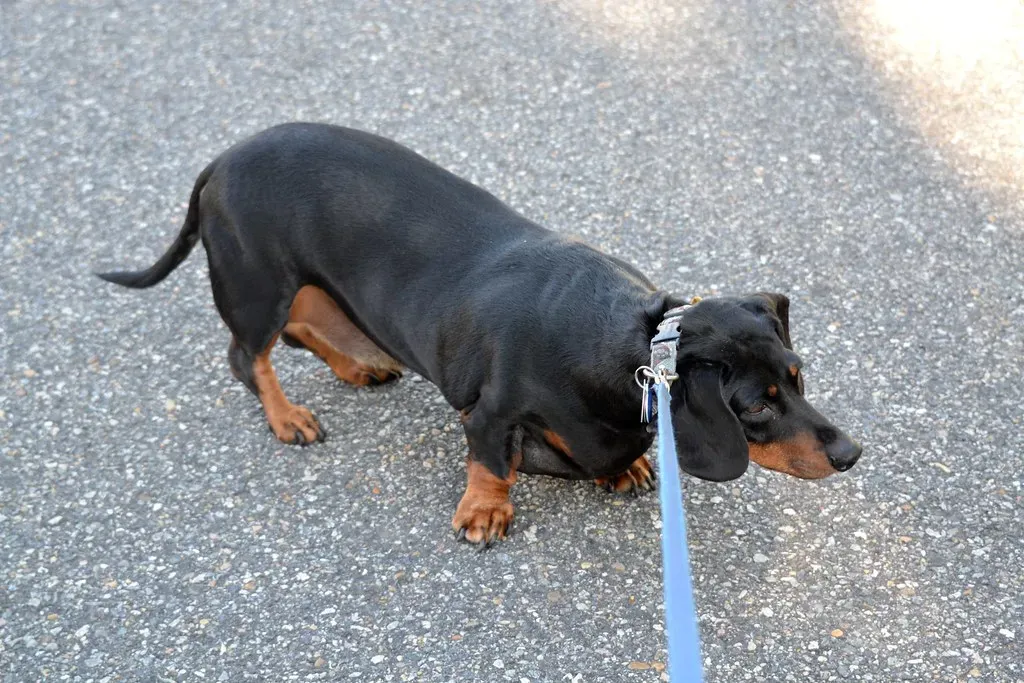
When a dog freezes in an encounter with you, the safest move is almost always to reduce pressure, not add more. That can mean turning your body slightly sideways, softening your gaze instead of staring, and slowing or stopping your approach. If you are petting the dog, pause and gently remove your hands, giving them space instead of forcing more contact.
For dogs interacting with each other, a freeze can be the moment where play is tipping over into tension. If you see one dog go very still while another barrels toward them, it is often wise to calmly interrupt and give them a breather, rather than waiting for a growl or snap. Think of yourself as a good party host: you step in before the argument erupts, not after the first punch is thrown.
How Humans Accidentally Teach Dogs to Skip the Warnings
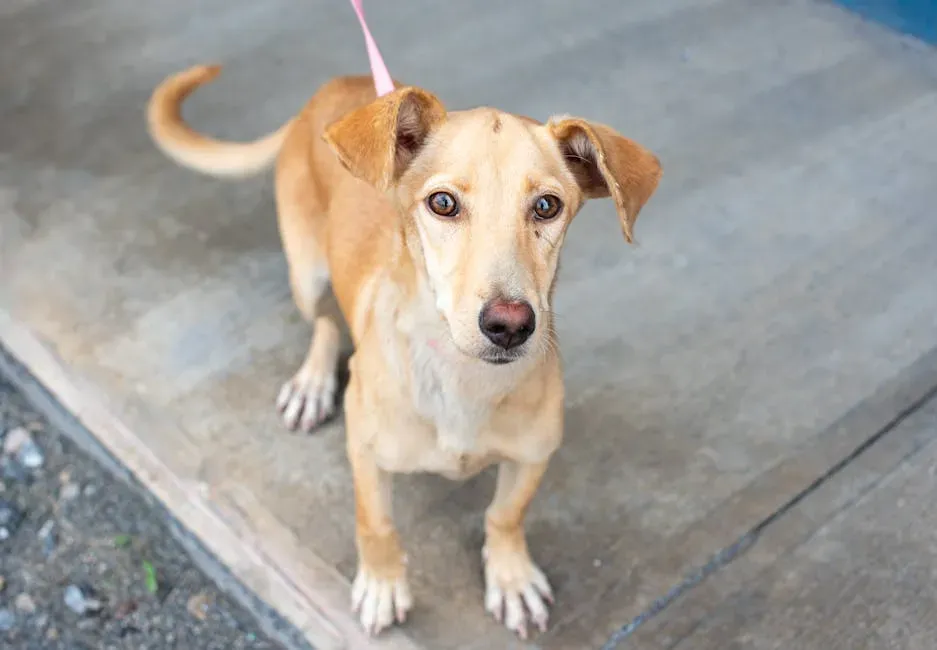
Many of us, often with the best intentions, unintentionally punish dogs for their more obvious warnings like growling or baring teeth. We scold, yank leashes, or tell them off for “being aggressive,” without realizing that we’re discouraging necessary communication tools. Over time, some dogs learn that using their voice leads to trouble, so they compress their signals into shorter, quieter moments – like a very brief freeze – right before reacting.
I still remember the first time I watched a dog who had been repeatedly punished for growling. She never made a sound; she simply went rigid, eyes hard, before snapping when someone tried to hug her. It was terrifying not because she was a “bad dog,” but because humans had effectively trained her to whisper instead of speak. When we value politeness over honesty from dogs, we create exactly the kind of unpredictable behavior that scares us most.
Building Safer, Kinder Encounters Through Better Listening
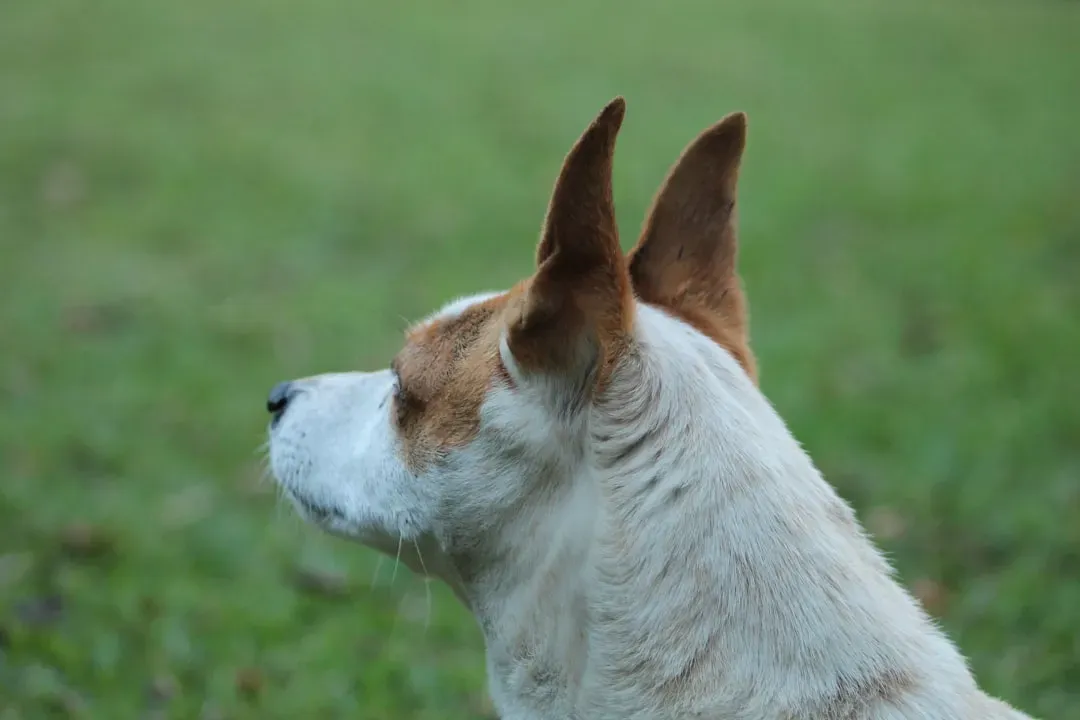
The more fluent we become in this quiet side of dog language, the safer and more respectful our relationships with dogs can be. Teaching kids that “still and stiff” is not the time to hug or lean in, modeling how to pause and give space, and rewarding dogs for calm, communicative behavior all add up over time. It turns every walk, park visit, and family gathering into a chance to practice mutual respect instead of just managing potential explosions.
In my opinion, a society that expects dogs to tolerate anything without protest is not a dog-loving culture; it is a control-loving one. When we learn to notice that statue-like freeze and respond with empathy instead of force, we prove that we are listening to more than just barks and growls. In the end, that silent second of stillness is not just a warning; it is an invitation to be the kind of human who hears what is not shouted. The real question is: now that you know what it might mean, will you pay attention to it the next time you see a dog suddenly go still?