
9 Things That Change in Your Relationship When Your Puppy Becomes the Dog Who Has Known You for a Decade
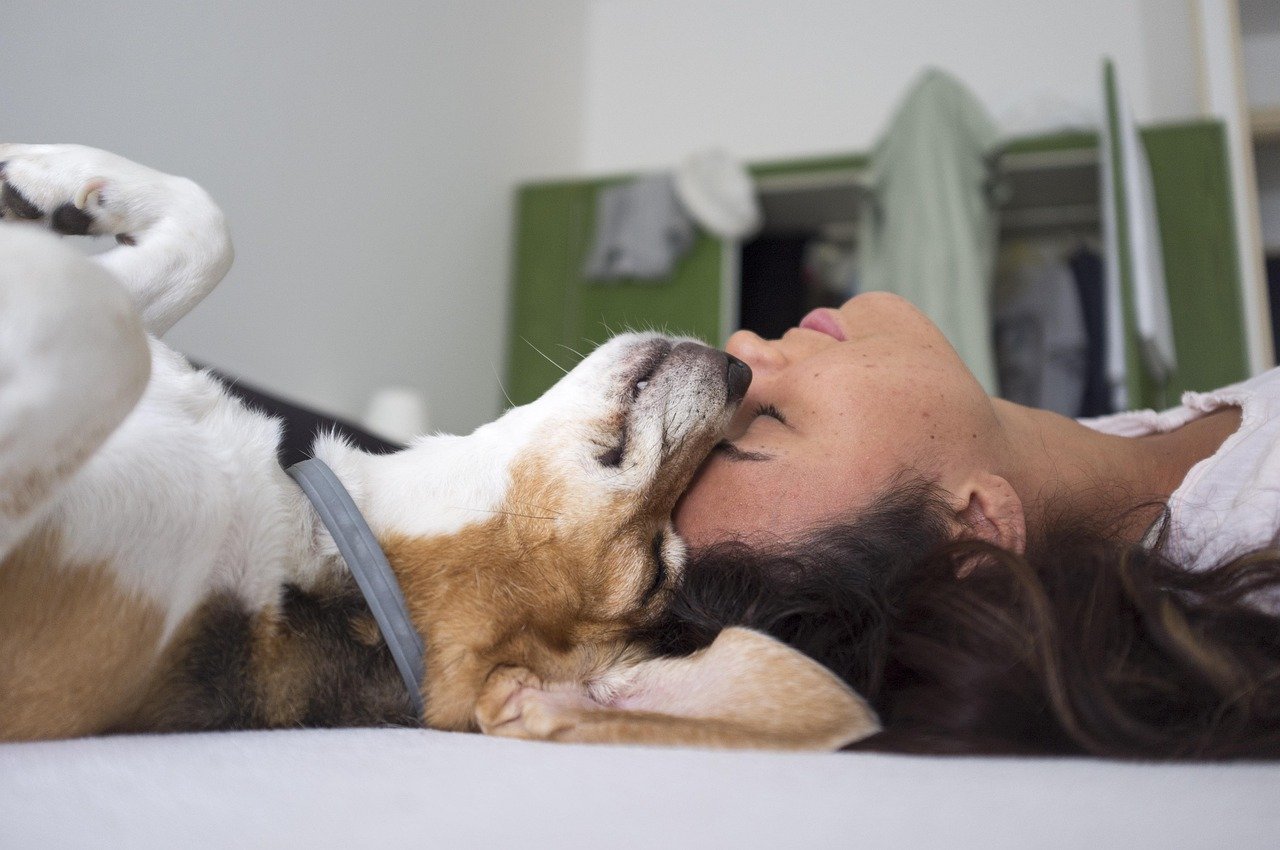
There is a strange, quiet magic in looking at your dog one random Tuesday night and realizing: this isn’t the chaotic little tornado you brought home. This is a living, breathing timeline of your last ten years, curled up on the couch like it’s the most ordinary thing in the world. The chewed shoes, the late‑night vet panics, the road trips, the breakups, the new apartments – they’re all sitting there in one grey‑muzzled face.
Living with a dog for a decade does something to your relationship that no puppy handbook really explains. The bond gets heavier and softer at the same time. It’s less fireworks, more low, steady flame. You start to realize that while you were busy raising a dog, that dog was quietly witnessing you grow up too. And that changes everything.
1. The Chaos of Puppyhood Becomes a Comfortable, Predictable Rhythm
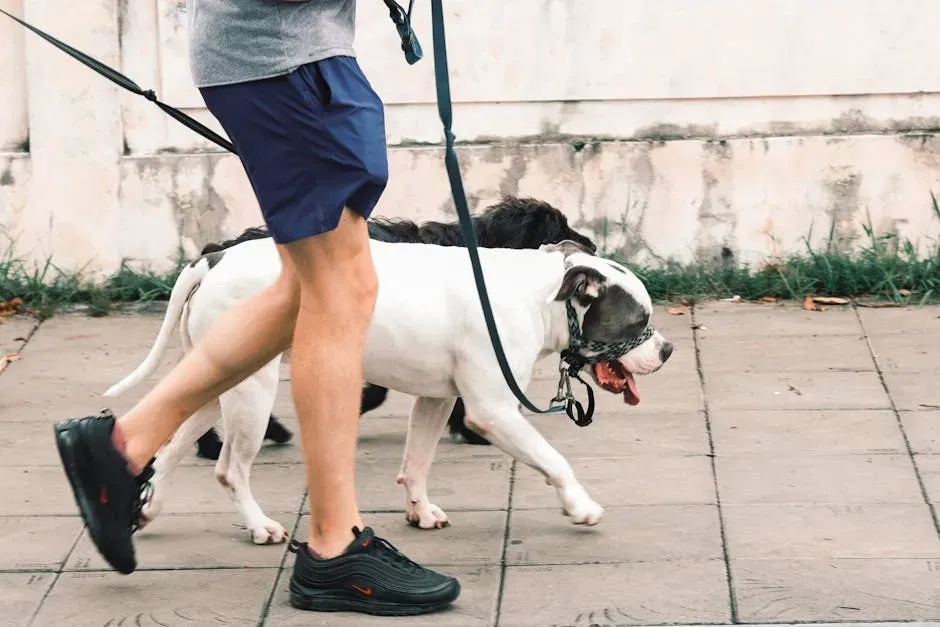
In the puppy years, your whole life feels like it revolves around damage control: rushing outside every hour, guarding table legs, rescuing socks from tiny jaws that somehow move at the speed of light. Your days are full of firsts – first walk around the block, first disastrous attempt at “stay,” first time they eat something deeply questionable off the sidewalk. It’s adorable and exhausting in equal measure, and you rarely feel fully in control.
A decade in, the energy is different. There’s a rhythm now – you both know when it’s time to eat, time to walk, time to collapse on the couch and pretend you’ll only watch one episode. Your dog isn’t frantically experimenting with the world anymore; they know what matters: your footsteps, your keys, the rustle of the treat bag. That shift from unpredictable chaos to trusted routine quietly deepens your sense of partnership. You’re no longer just managing a puppy; you’re sharing a life with a creature who reads your days almost as well as you do.
2. Training Turns Into a Silent Language Only the Two of You Understand
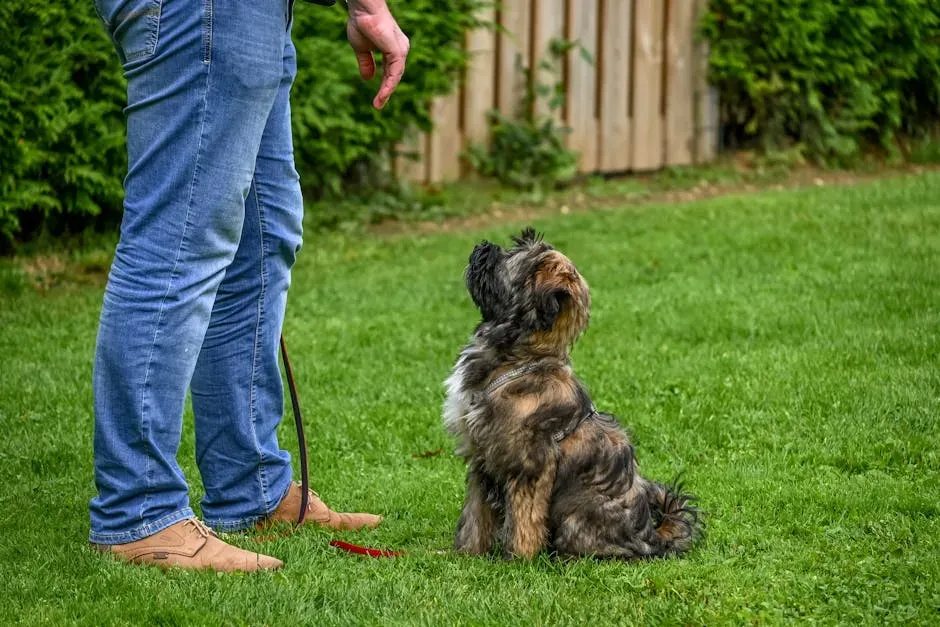
At first, everything is loud and obvious: hand signals, treat pouches, cheerful commands repeated a dozen times. You Google every question, celebrate every “sit” as if you’ve cracked some secret code, and sometimes you wonder if they’re learning or just randomly guessing correctly. There’s a lot of trial and error, and it’s hard not to worry you’re getting it wrong.
Fast‑forward ten years, and suddenly you realize you barely speak out loud. You shift your weight and your dog knows if you’re getting up for the door or the kitchen. You raise one eyebrow (yes, you really do that) and they decide whether to follow you or stay curled up. The training you once thought of as a set of commands has melted into a shared language made of habits, micro‑movements, and a thousand repeated mornings. It feels less like you taught them and more like you both learned each other.
3. Playtime Evolves from Wild Zoomies to Gentle Rituals
When they’re young, playtime looks like chaos in a small, furry body. There are zoomies around the coffee table, flying leaps onto the bed, and tug‑of‑war battles that leave your arms sore. You’re constantly trying to channel all that energy into something even vaguely productive. It’s fun, but it can feel like you’re living with a caffeinated toddler on four legs.
After a decade, the play softens without really disappearing. Fetch turns into a few joyful trotting returns instead of endless sprints. Tug becomes a lazy back‑and‑forth while you half‑watch TV. Sometimes the “game” is just rolling a ball back and forth between you on the rug while you think about something else entirely. The joy is still there, but it’s wrapped in something gentler – like the difference between a late‑night party and a long, slow dinner with an old friend. You start to treasure that kind of play more, because you know you’re not owed infinite years of it.
4. The Way You Touch Each Other Becomes Softer and More Intentional
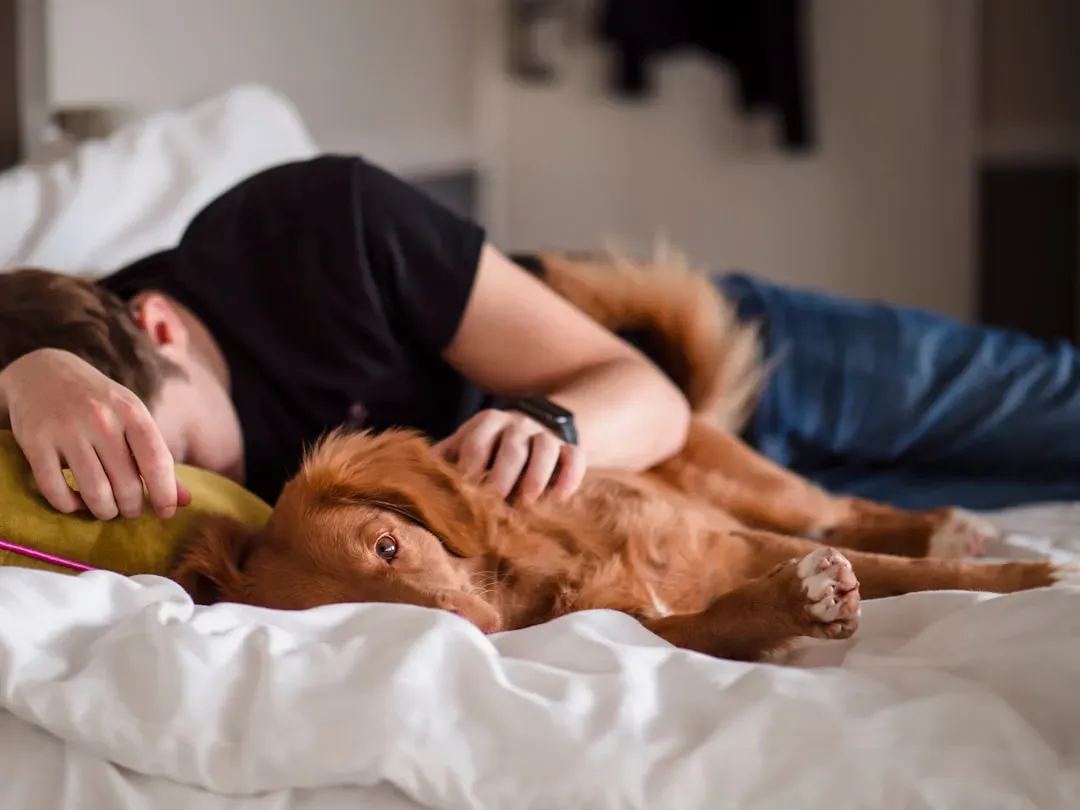
Puppy cuddles are all elbows and enthusiasm. They crash into your lap, lick your face like they’re trying to erase it, and flop onto you with zero spatial awareness. You hold them like a stuffed animal that occasionally screams, wiggles, or sneezes in your eye. Touch is frequent, but it’s not always calm – it’s a lot of grabbing, redirecting, and wrestling tiny alligators into harnesses.
With age, your dog’s body changes – the fur gets coarser in spots, joints get a bit stiffer, and suddenly the way you touch them matters more. You find yourself supporting their hips when they jump out of the car, massaging their shoulders after a long walk, brushing more carefully around the eyes and muzzle. They lean into your hand in slower, deeper ways, like they’re pouring themselves into you. The casual scritches become quiet check‑ins: Are you okay? Am I? It feels less like petting a dog and more like holding a history.
5. Walks Stop Being Training Sessions and Start Being Shared Meditation
In the beginning, going for a walk can feel like being dragged through a carnival by an overexcited tour guide. Every leaf, smell, and sound is urgent. You’re juggling leashes, treats, and your dignity while whisper‑pleading, “Please don’t eat that” for the fourth time in five minutes. Walks are about burning energy and shaping behavior, and your brain rarely gets to relax.
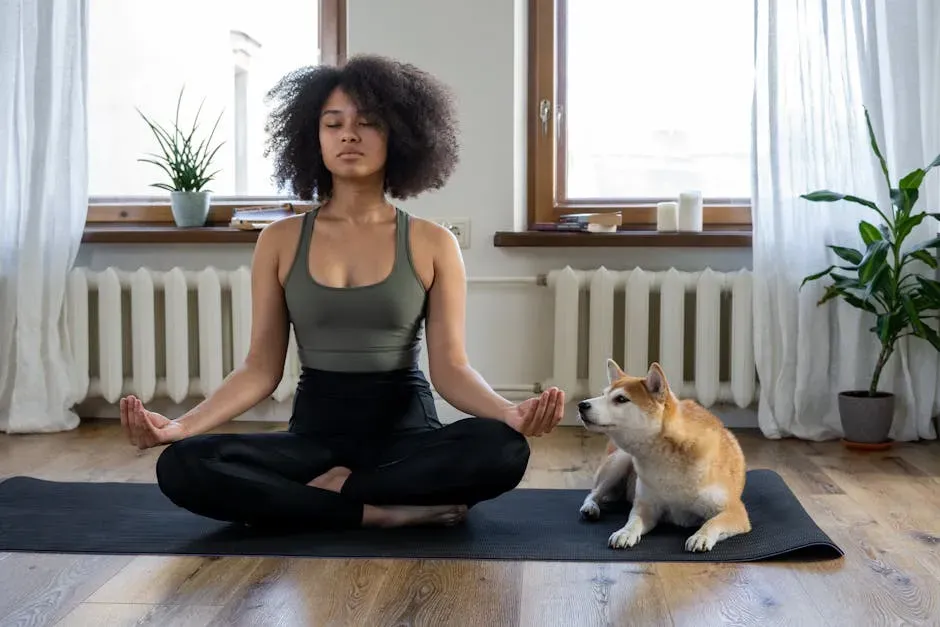
Ten years later, the pace slows, and something else happens: the walk becomes mutual. You’re not just walking the dog; you’re walking together. They know the route, the usual stopping points, the places where you always pause to check your phone or say hi to a neighbor. You start to notice how much your dog has taught you to be present – to stand there with your hand resting on warm fur while they sniff the same tree they’ve examined for years, like rereading a favorite chapter. It’s less cardio, more meditation you happen to do on a sidewalk.
6. Your Dog Stops Being Your “Pet” and Becomes Part of Your Personal History
At first, you introduce them like an accessory: this is my dog, my puppy, look how cute. People comment on their breed, their size, their ridiculous ears. You talk about house training, favorite toys, and how much sleep you aren’t getting. They are a new addition to your life, something you’ve acquired and are still figuring out how to integrate into your routines.
A decade in, that language quietly shifts. When you look at your dog, you don’t just see a pet – you see the version of you who picked them out, the apartment you lived in, the job you had, the relationship you were in back then. Your dog becomes a moving scrapbook page you can still hug. When life falls apart and gets rebuilt – as it tends to over ten years – they are the one strange constant threading it all together. That realization can hit you in the most mundane moments, like standing in the kitchen at midnight while they blink sleepily at you: you’ve been here for everything.
7. Your Worries Change from “Will I Mess This Up?” to “How Much Time Do We Have Left?”
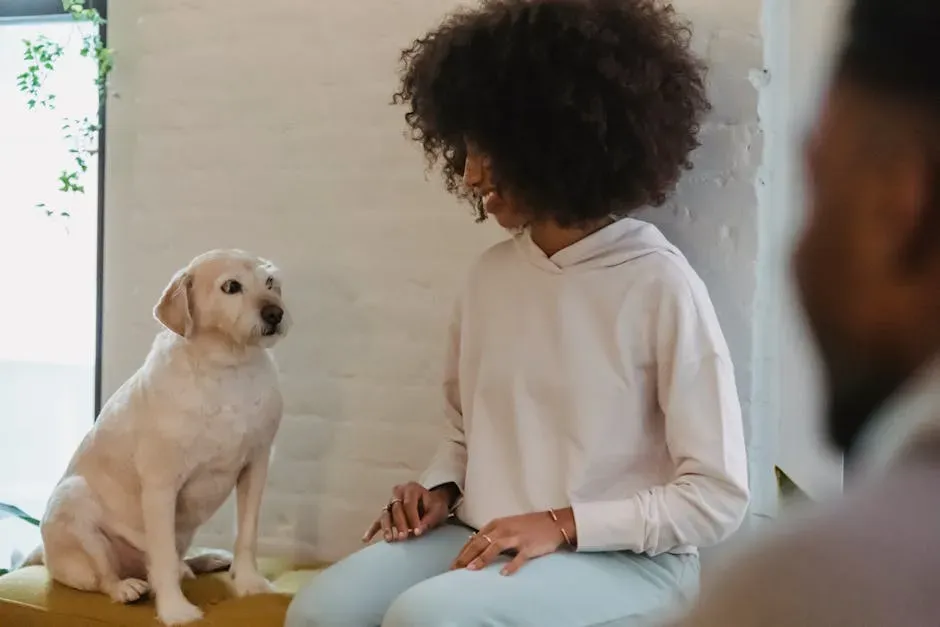
In the early days, anxiety is all about doing it right. Are you feeding them the right food, socializing them enough, training properly, picking a good vet? You stay up late reading advice, second‑guessing every choice, and wondering if their weird sneeze means anything catastrophic. The fear is loud, but it’s mostly about your competence and their immediate wellbeing.
As the years stack up, a quieter, heavier worry creeps in: time. You start to notice the white hairs on their muzzle, the way it takes them a heartbeat longer to get up, the way they sleep just a bit deeper. Vet visits become more frequent and a little more serious. You catch yourself calculating their age in dog years and then trying not to. It does not mean every day is sad – far from it – but love starts to carry this thin veil of pre‑grief. You find yourself doing small, ridiculous things like taking a mental picture of them sleeping, because some part of you knows these are the days you’ll replay later.
8. You Rely on Their Emotional Presence More Than You Realize
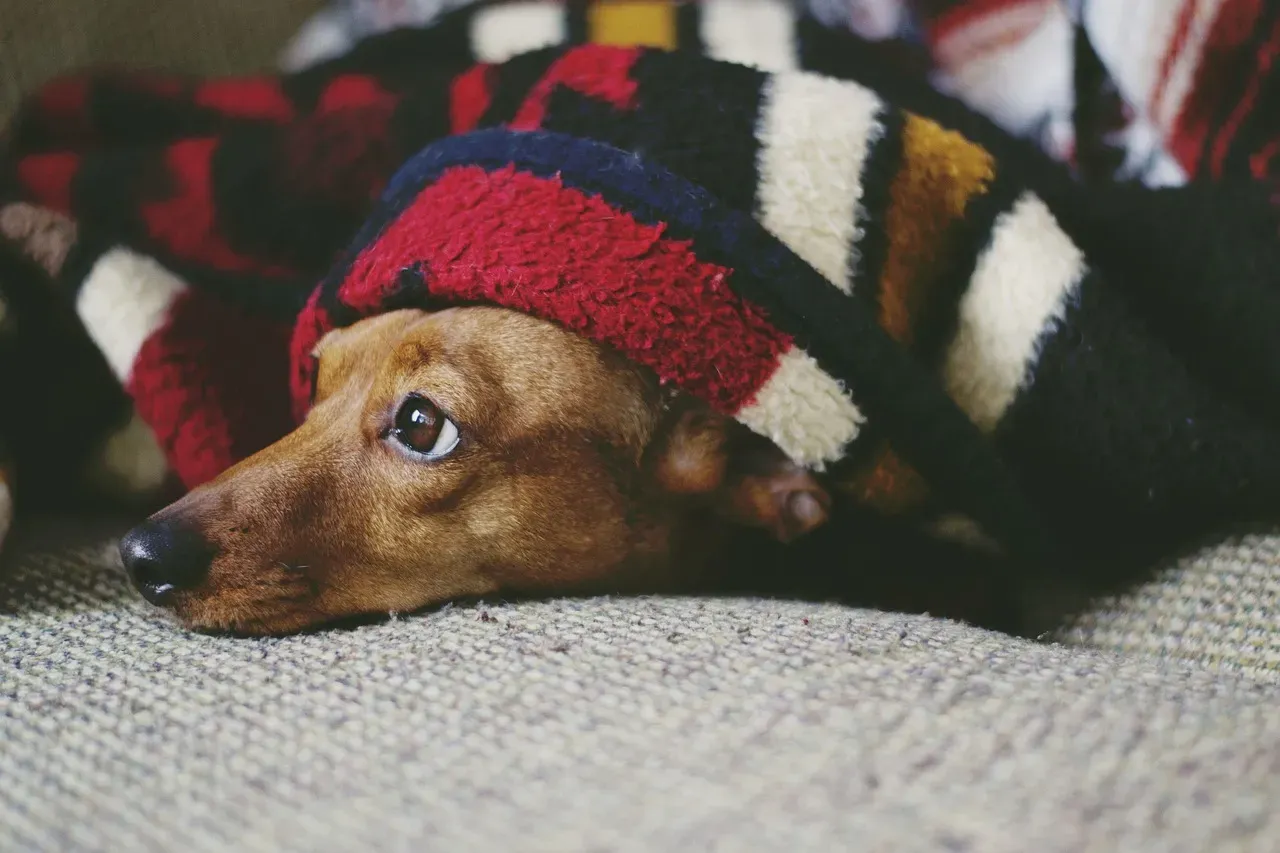
With a puppy, you’re mostly managing their feelings – fear of the vacuum, separation anxiety, overstimulation at the park. You are the emotional anchor, the one who has to stay calm while they panic about basically everything. You know that your reactions shape their behavior, so you try to be steady, even when you’re tired or stressed or over it.
But after ten years, it’s incredibly obvious how much they manage you, too. You start to notice the way their head appears on your knee every time you cry, or the way they hover near the bathroom when you’re sick, or the way they subtly herd you to bed when you’ve stayed up too late scrolling. Their constancy becomes this quiet emotional scaffolding around your life. You might not talk about it out loud, but you lean on their presence the way you lean on gravity – always there, always holding you down in the best way.
9. Love Stops Feeling Cute and Starts Feeling Profoundly Adult
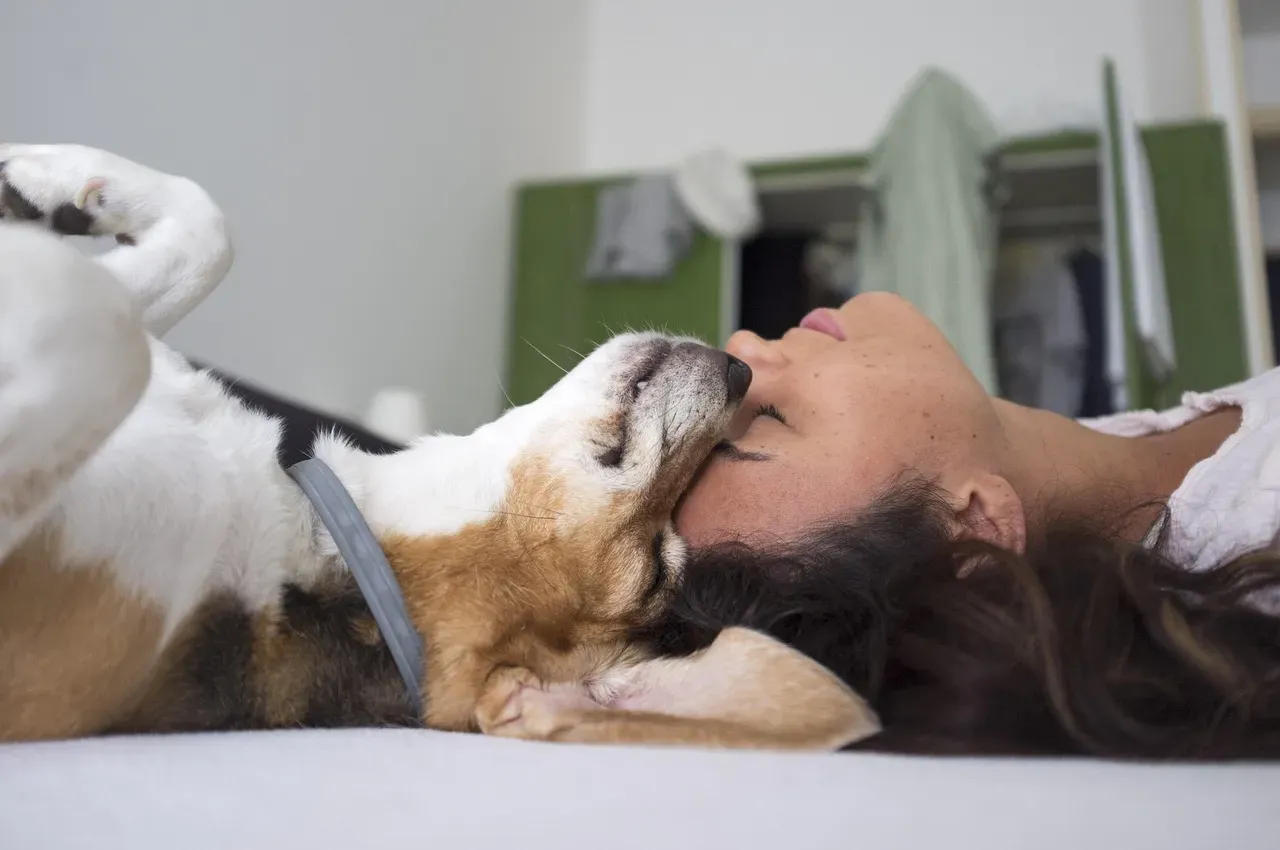
In the puppy phase, love is loud and obvious: ridiculous photos, silly nicknames, bursts of laughter at their clumsy attempts to exist. People tell you your dog is adorable and you bask in it like you handcrafted them yourself. The love is real, but it’s wrapped in novelty and performance – look at this new little thing I care about so much.
Ten years later, that love has a different weight. It’s not about how cute they are (though they always will be, greying face and all); it’s about the decision, every single day, to keep showing up for a living being who has absolutely no backup plan besides you. It’s vet bills, early‑morning walks in the rain, rearranging travel, and staying home sometimes because you know loud bars exhaust them now. And yet, in return, you get something most human relationships struggle to offer with that level of purity: unwavering, uncomplicated loyalty. It’s not glamorous, but it is deeply, quietly adult – the kind of love that shapes who you are long after the dog bed is empty.
Conclusion: The Dog Who Remembers the Versions of You That You Forget
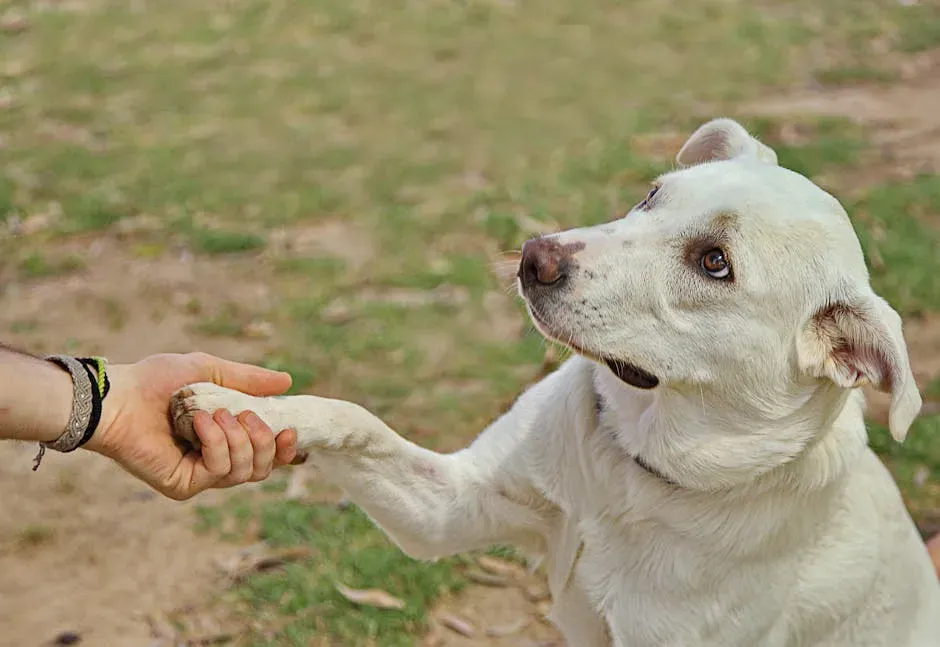
By the time your dog has known you for a decade, they’ve seen versions of you you barely recognize anymore. The scared one. The ambitious one. The heartbroken one. The one who thought they’d never get through that particular year. They do not care which one shows up on any given day – they just shuffle over, sigh dramatically, and make room for you in whatever life you’ve built together. That constancy is not cute; it is sacred, and it might be one of the most underrated forms of love we ever get to experience.
I honestly think this is why losing a dog hits so hard: you’re not just saying goodbye to an animal, you’re saying goodbye to the witness of your last decade of living. But knowing that also changes how you love them while they’re here. You start to savor the slow walks, the old‑dog naps, the way they still thump their tail when you come home, even after ten years. And in those small, ordinary moments, you realize the quiet truth at the heart of it all: you didn’t just raise a dog – together, you raised each other. Did you ever think that was what you were signing up for when you brought that puppy home?