
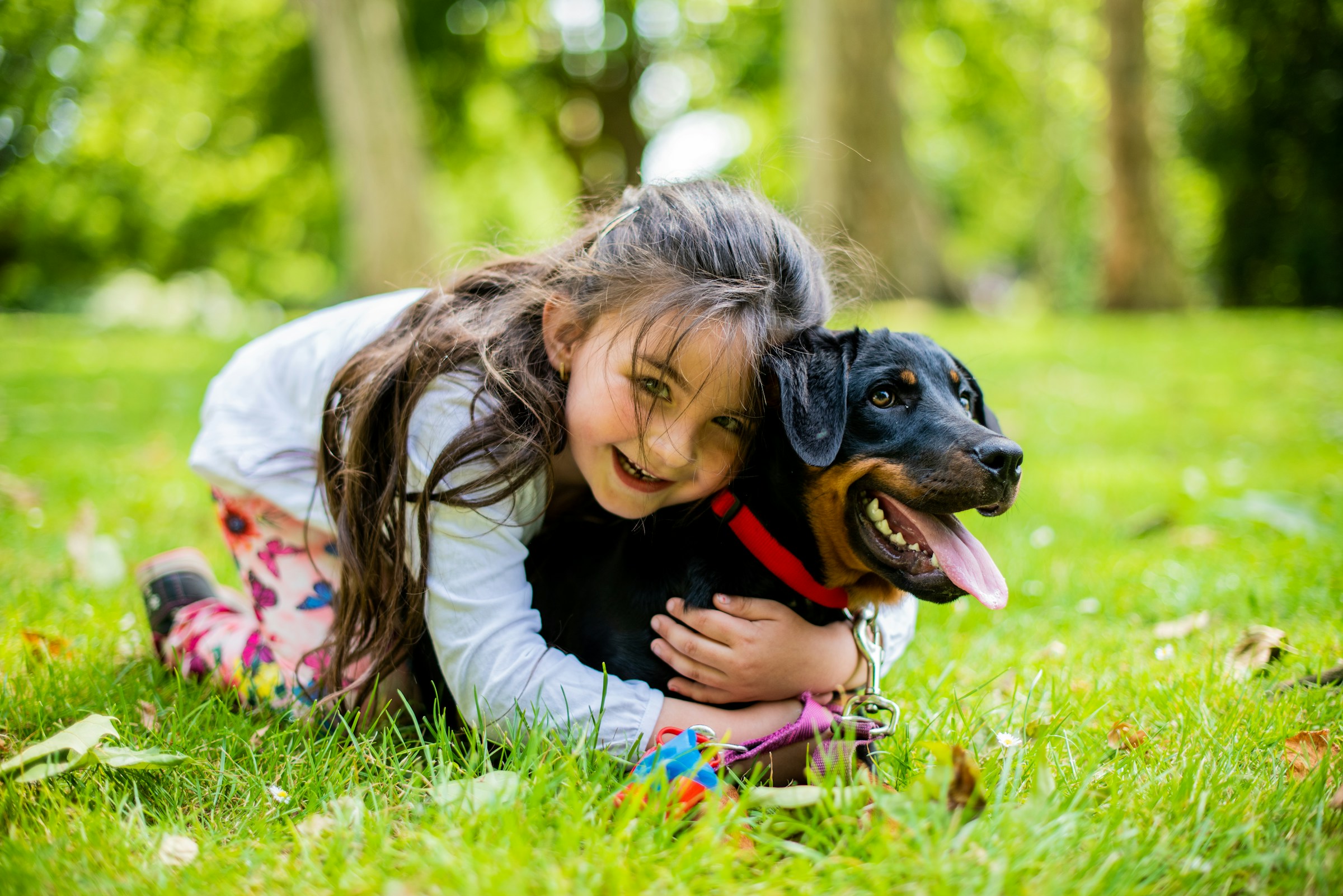
Picture the photo: a kid in bell-bottoms, arms wrapped tight around the family dog’s neck, both of them squinting into the sun. Everyone’s smiling. Nobody in that picture knew what the dog was actually saying with its body.
That’s the uncomfortable part. Whole childhoods were built on habits that felt loving, normal, even wholesome – and modern behaviorists now look at the exact same scenes and see near-misses. Not every 1970s kid-and-dog story ended badly. But the ones that did followed a pattern experts can now spot instantly. Stick around, because a few of these habits are still happening in living rooms today.
#1 – Letting Babies Crawl All Over the Dog
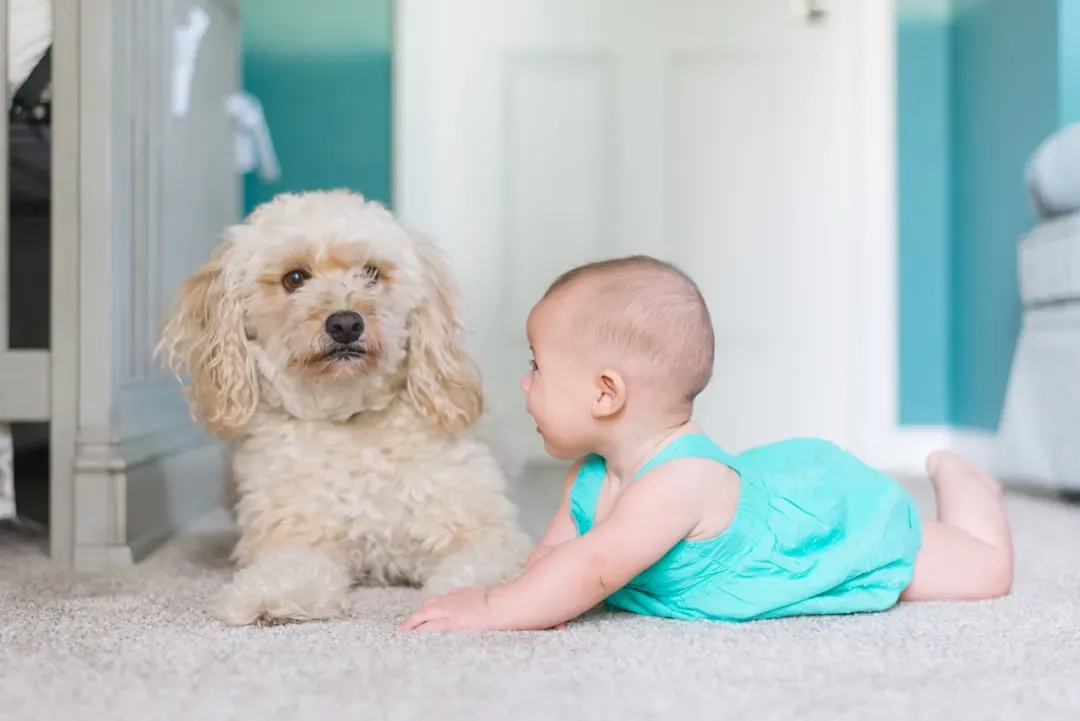
The old logic went like this: if the dog doesn’t bite, it must mean he loves it. So babies got set down on the floor and left to crawl over the “family dog” like he was a furry playmat, ears and tail included.
Behaviorists now say that tolerance and comfort are two very different things. Many dogs quietly endure this while deeply stressed, and stressed dogs are the ones most likely to snap without warning. Babies have zero impulse control – they grab ears, poke eyes, yank fur – and none of that is bonding. It’s just invasive. Today’s guidance is protected contact: baby in a playpen, dog free to roam, or dog behind a gate while baby has the floor. They still see and smell each other. Nobody gets climbed on.
Fast Facts
- Whale eye – when the whites of a dog’s eyes show – often means the dog feels trapped or overwhelmed
- Repeated lip licking with no food around is a classic calming or stress signal
- A sudden yawn in a tense moment usually means “I need space,” not “I’m tired”
- A frozen, stiff body is often the last quiet warning before a growl
#2 – Forcing Hugs and Kisses “So They’d Bond”
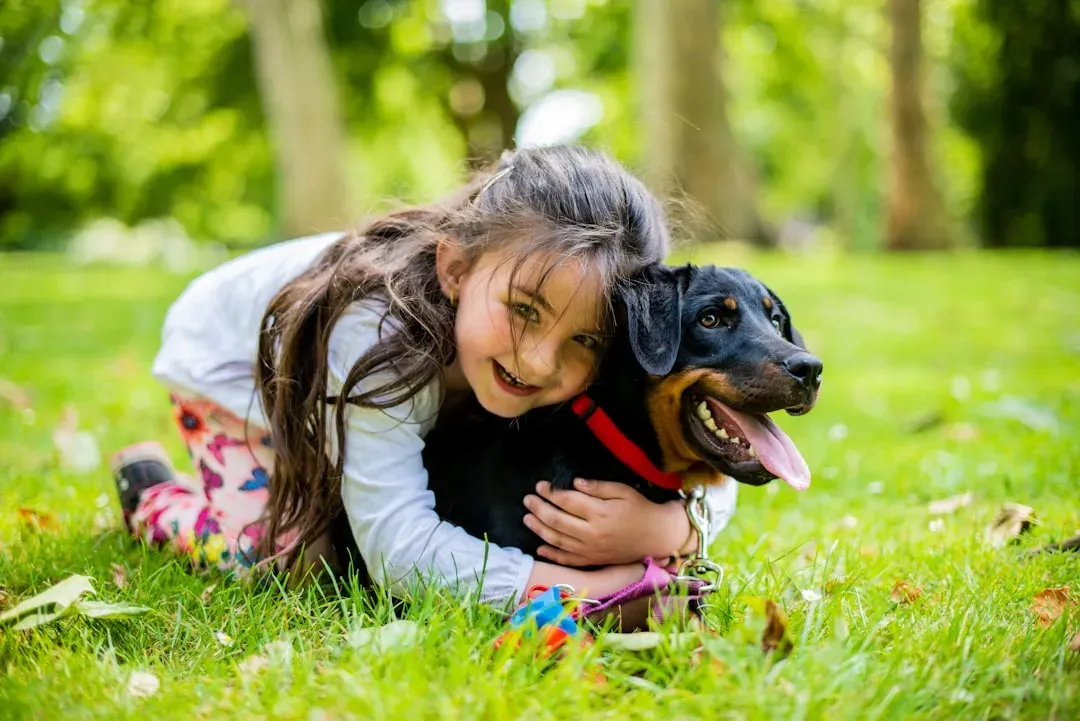
Parents loved posing kids hugging the dog for photos, even when the dog’s whole body was screaming that it wanted out. Turns out that’s exactly the pose most dogs hate most.
Many dogs actively dislike being hugged, especially around the neck and face – precisely where kids were told to squeeze tight. Behaviorists reviewing bite cases see the same sequence over and over: child leans in, wraps arms around the dog’s neck, face gets close, the dog stiffens and licks its lips and shows the whites of its eyes… then bites. The dog gets blamed as “unpredictable” when really the warning signs were right there, just unread. Dogs generally prefer gentle touch on the chest, a scratch on the shoulder, or simply choosing to lean into you on their own terms.
#3 – Letting Kids Ride Dogs Like Horses
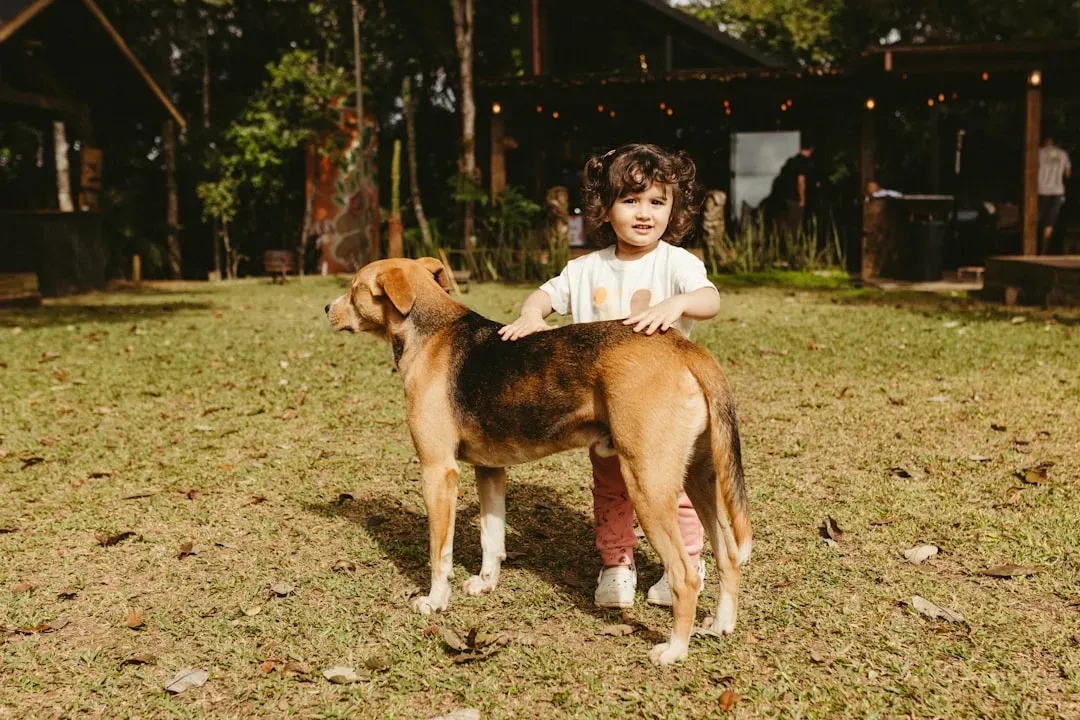
“Look, he loves it!” was the caption in countless family albums, usually under a photo of a German Shepherd or Collie with a toddler perched on its back. Behaviorists today call this scene a serious red flag, not a cute one.
Climbing onto a dog’s back is a triple threat: it hurts joints, terrifies the dog, and puts a child’s face directly next to a mouth that’s already under stress. Many of those dogs simply shut down and endured it. The rare ones who protested got labeled snappy or badly behaved. Vets now worry about lasting orthopedic damage, especially in growing puppies or aging dogs whose joints can’t take that weight. The rule today is simple: if you wouldn’t let your child do it to another person, don’t let them do it to the dog either.
#4 – Telling Kids to Be the “Boss” and Make the Dog Obey
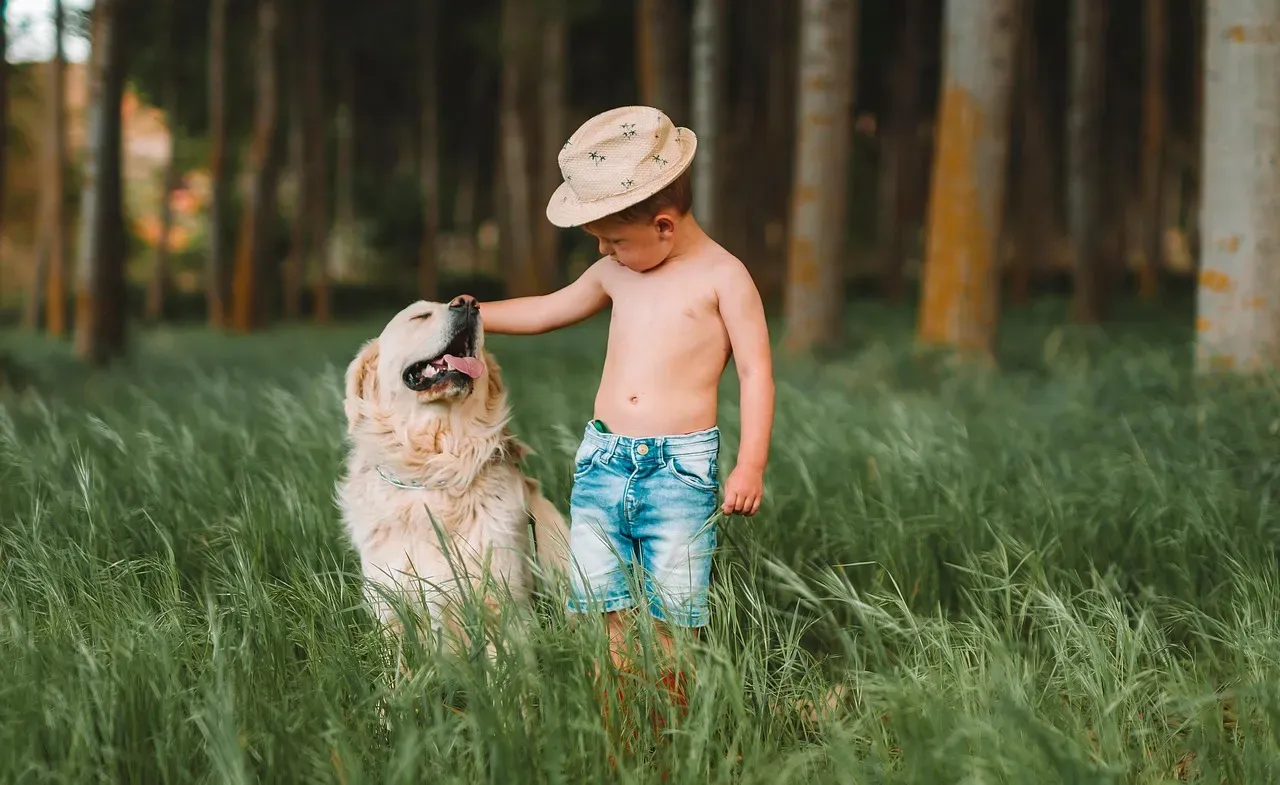
The 1970s were obsessed with “alpha” talk. Kids were told to be in charge of the dog by any means necessary – barking orders, yanking leashes, scolding or even swatting when the dog didn’t fall in line fast enough.
Modern behaviorists flatly reject dominance-based training, especially when a child is the one enforcing it. It teaches kids that power equals force, and it teaches dogs that children are unpredictable and unsafe to be around. That combination breeds fear-based aggression, not respect. Current training leans cooperative instead: reward what you like with treats and praise, manage what you don’t like with gates and routines. Kids can absolutely help train a dog – just with snacks and games, under adult supervision, never with threats.
Quick Compare
- 1970s approach: yank the leash, raise your voice, correct fast and hard
- Modern approach: reward calm behavior, redirect with treats and structured games
- 1970s goal: obedience through fear
- Modern goal: cooperation through trust
#5 – Punishing Growling Instead of Listening to It
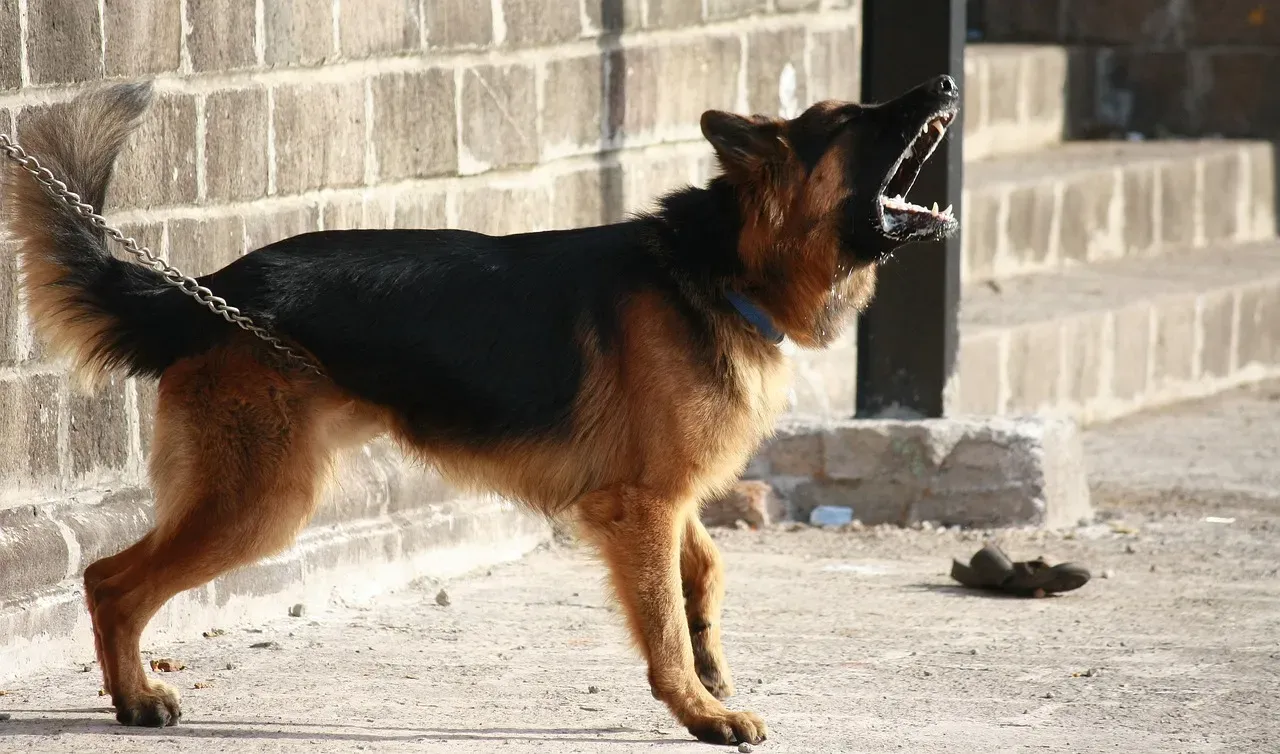
If a dog growled at a child in the 1970s, the fix was simple: punish the growl out of him. Smack the nose, yank the collar, yell – anything to make sure he never did it again.
Behaviorists now describe growling as a lifesaving warning label, not misbehavior to be erased. Punish the growl and you haven’t fixed anything uncomfortable for the dog – you’ve just removed his last warning. Next time, he skips straight to a bite, and everyone insists there was no warning at all. Today’s approach flips that: a growl means step in immediately, separate the child and the dog, and figure out whether the dog was in pain, scared, or cornered. Then you work with a professional to change how the dog feels, not just muzzle the sound.
A growl is a gift.
Jennifer Shryock, Family Paws Parent Education
#6 – Leaving Kids and Dogs Alone to “Learn to Get Along”

“Just let them sort it out” was practically a parenting philosophy back then. Parents disappeared into the kitchen while toddlers toddled and dogs wandered, trusting that everyone would figure things out on their own.
Pediatric and veterinary behavior experts now agree that unsupervised child-dog time is one of the biggest risk factors for serious bites. Kids move fast, grab hard, and can’t read early signs of fear or irritation the way an adult can. Many bites happen in the quiet moments nobody was watching closely enough. Supervision today means active presence – close enough to physically intervene, not just “somewhere in the house.” If you can’t watch, you separate. Behaviorists don’t call that paranoid. They call it a seatbelt: most days you don’t need it, until the one day you desperately do.
#7 – Roughhouse Wrestling as a “Normal” Game
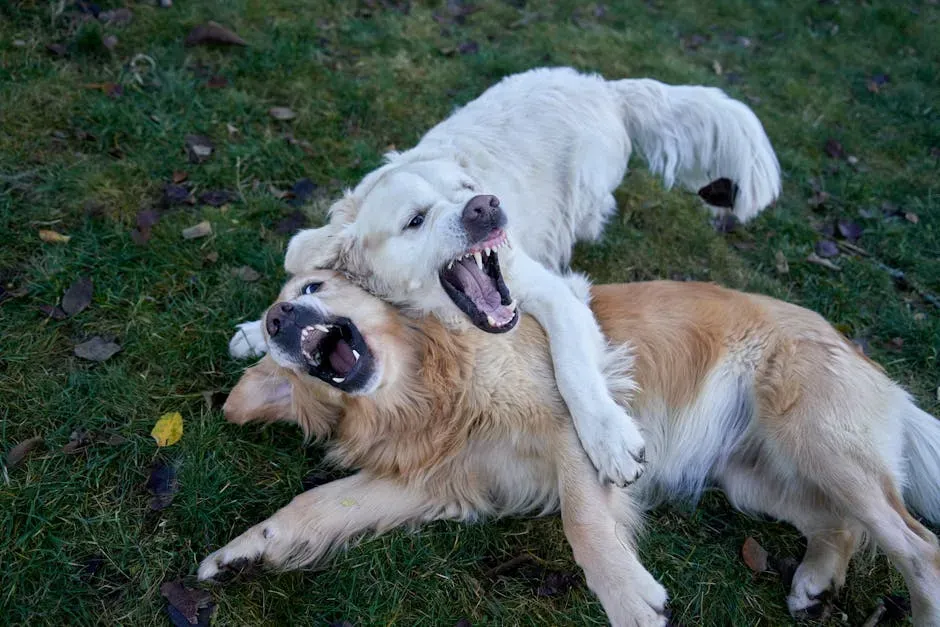
In plenty of 1970s living rooms, wrestling with the dog was just Tuesday. Rolling on the floor, grabbing collars, shaking toys inches from his face – all of it filed under harmless fun.
Behaviorists now warn that this kind of chaotic roughhousing blurs the line between play and threat, especially for a dog trying to read an excited, shrieking kid. High arousal and physical contact can flip a dog from delighted to overwhelmed in seconds, with almost no visible transition. Modern advice pushes structured games instead – fetch, treat hide-and-seek, gentle tug with clear start-and-stop rules – with adults enforcing no tackling and no grabbing fur. If a game looks like a wrestling match, today’s experts say it’s not one built for kids and dogs to share.
#8 – Using Food and Toys as “Shared Property”
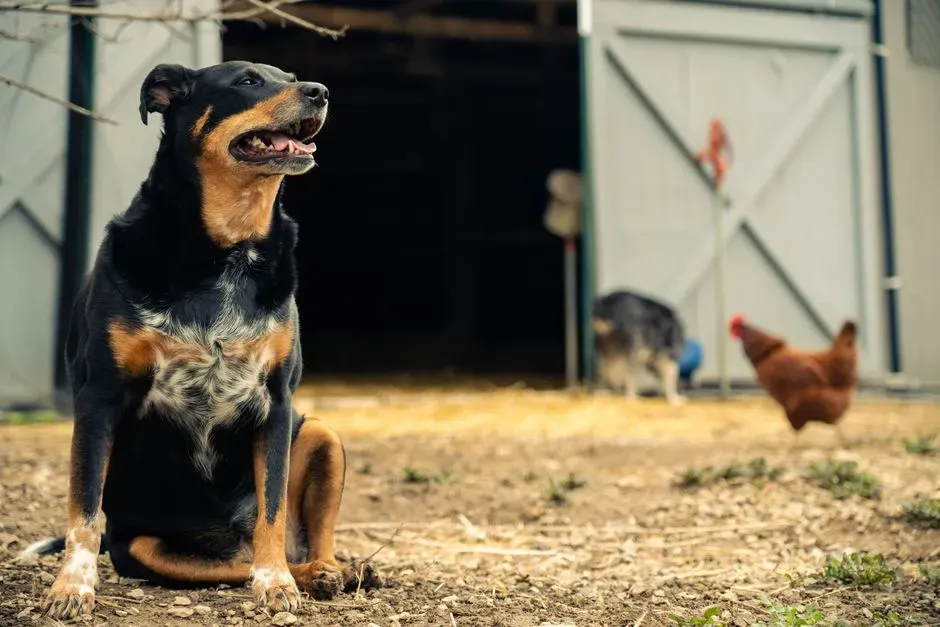
Kids were taught to reach into food bowls, pull bones away, and yank toys out of a dog’s mouth just to “prove” the item belonged to the family, not the dog. It was framed as preventing possessiveness.
Behaviorists now recognize this as a fast track to resource guarding and bites. Imagine someone repeatedly reaching into your plate mid-meal – eventually you’d snap too, and dogs simply don’t have words to ask people to stop first. Modern experts flip the old rule entirely: never disturb a dog who’s eating or chewing, and if an item needs to come away, trade for something better instead of grabbing. Children should be kept out of food-bowl interactions altogether. It’s a risk with zero real upside.
Worth Knowing
- Resource guarding often starts small – a stiff body over the bowl or a hard stare over a toy
- Trading up (offering something better) works far better than grabbing an item away
- Kids should never approach a dog that’s eating, chewing, or guarding a toy
- Consistent trading games can ease guarding behavior over time, ideally with professional guidance
#9 – Treating Pain or Fear as “Bad Behavior”
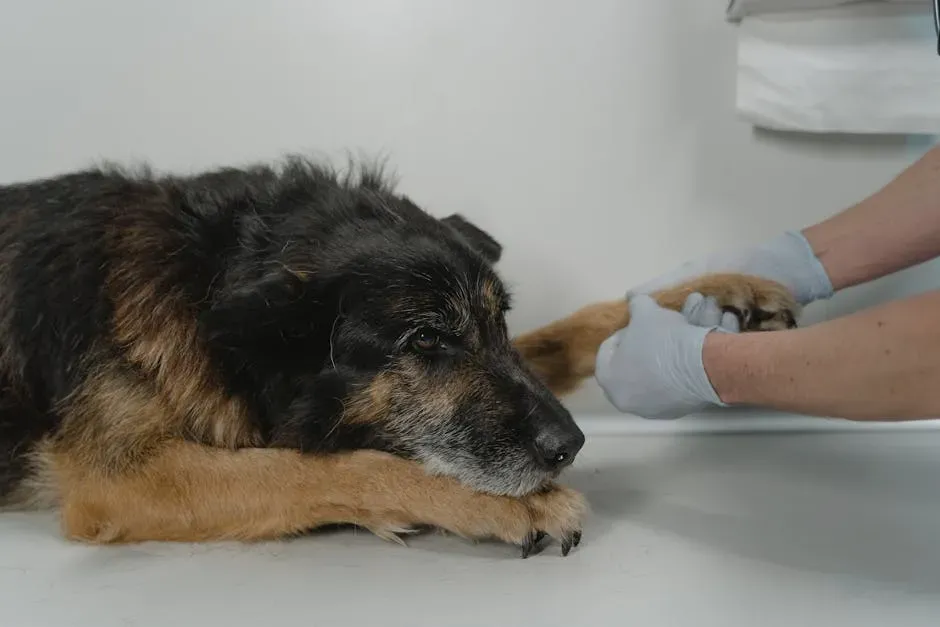
If a dog snapped after a child hugged too hard or stepped on his tail, the verdict back then was simple: vicious. Vet care was less advanced, and nobody was asking whether the dog might actually be hurting.
Today we know many so-called “bad dogs” were in pain or terrified, with kids as the accidental trigger. Arthritis, ear infections, hip dysplasia, and ordinary aging can make normal handling genuinely painful. Add unpredictable kid movement and you get conflict, not disobedience. The current best practice: any sudden change in a dog’s tolerance means a vet visit first, a behaviorist second. And kids are taught a simple rule – if the dog moves away, you let him go, every single time.
#10 – Outdoor Dogs as Built-In Babysitters
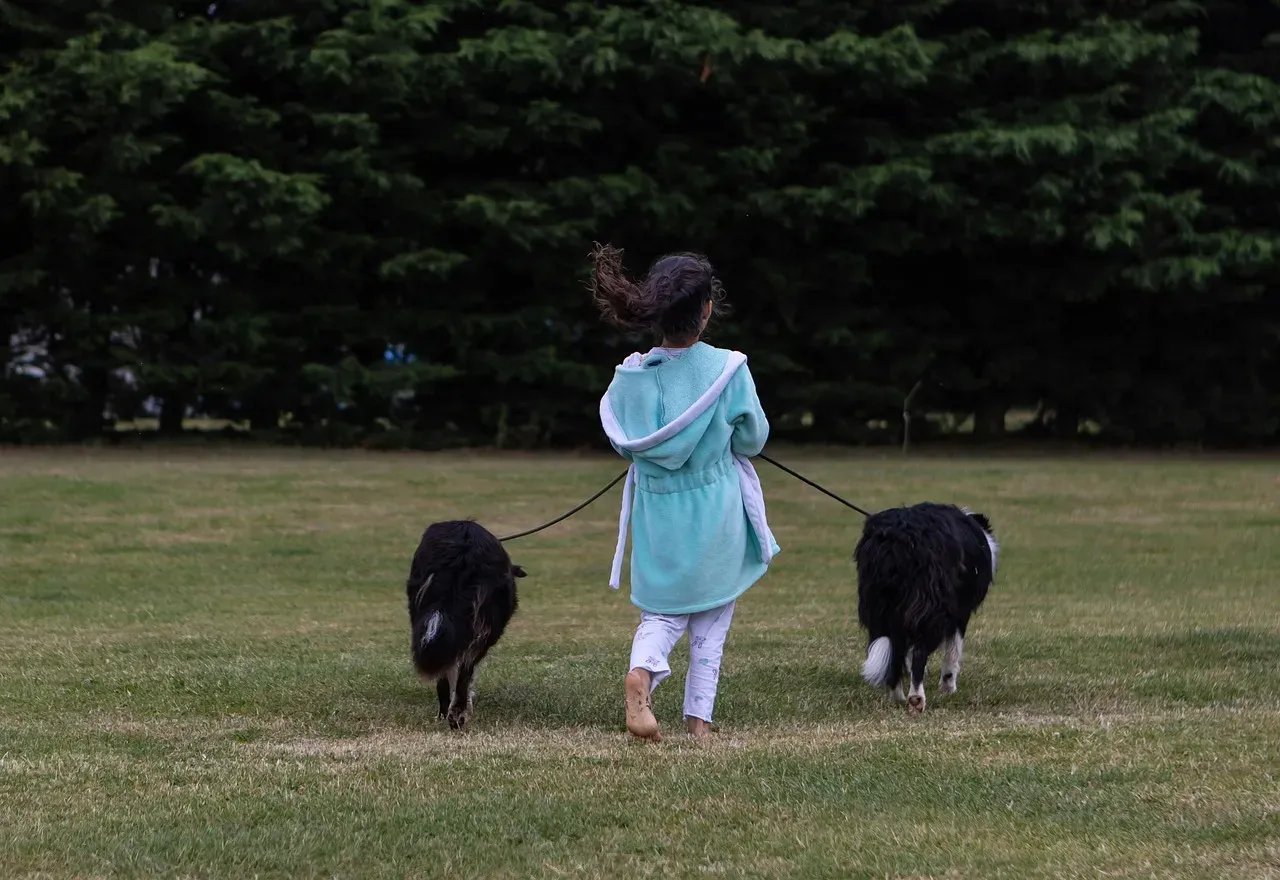
“Go play with the dog outside” often meant hours of unsupervised, unstructured time in the backyard, with the dog functioning as a part-time babysitter nobody actually checked on.
We now know that chained, confined, or constantly outdoor dogs are statistically more likely to bite, especially when high-energy kids invade that space uninvited. Being tied out or left alone builds frustration and territorial instincts – a rough combination for safe play. There’s also the part people avoid saying out loud: kids can be genuinely rough, even cruel, when nobody’s watching. Dogs subjected to chronic teasing outdoors sometimes eventually fight back, and the old “let them burn off steam together” mindset never accounted for that.
#11 – “He Has to Learn to Tolerate Anything Kids Do”
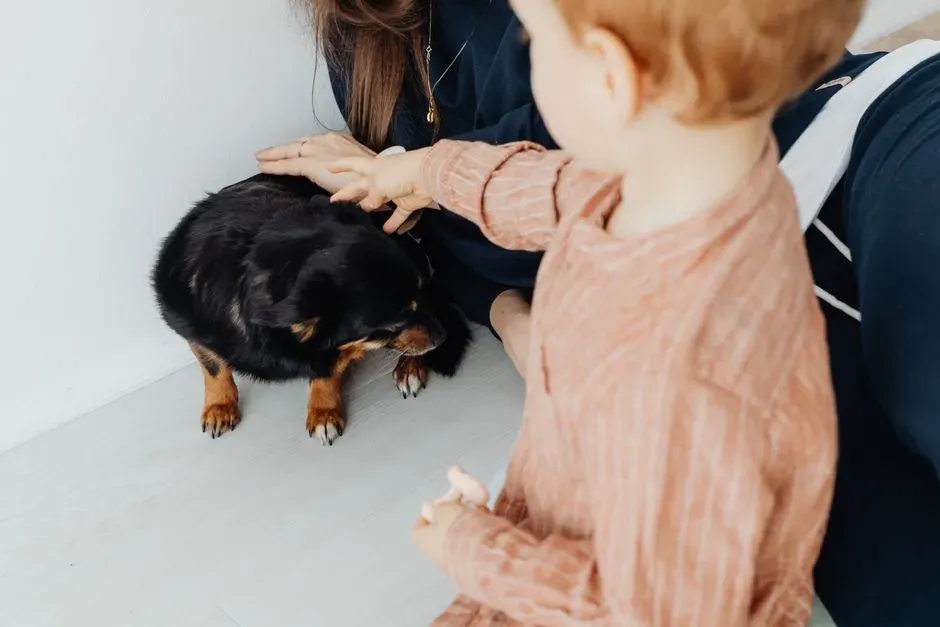
This might be the most stubborn belief still floating around today. Dogs were deliberately exposed to screaming, tail-pulling, costumes, and stroller rides, all in the name of “getting them used to it.”
Behaviorists now say this confuses desensitization with flooding – overwhelming a dog until he simply shuts down. A shut-down dog can look perfectly calm right up until the day he isn’t. Real, science-based desensitization is slow and respectful: tiny controlled exposures paired with something the dog loves, and the dog always keeps the option to walk away. Not every dog is, or should be, a “kid dog.” Age, breed, history, and health all matter, and forcing universal tolerance is like demanding every adult adore toddlers crawling on them. It’s unrealistic for people. For dogs, it can be dangerous.
#12 – Assuming “He’s a Good Dog, He’d Never Bite a Child”
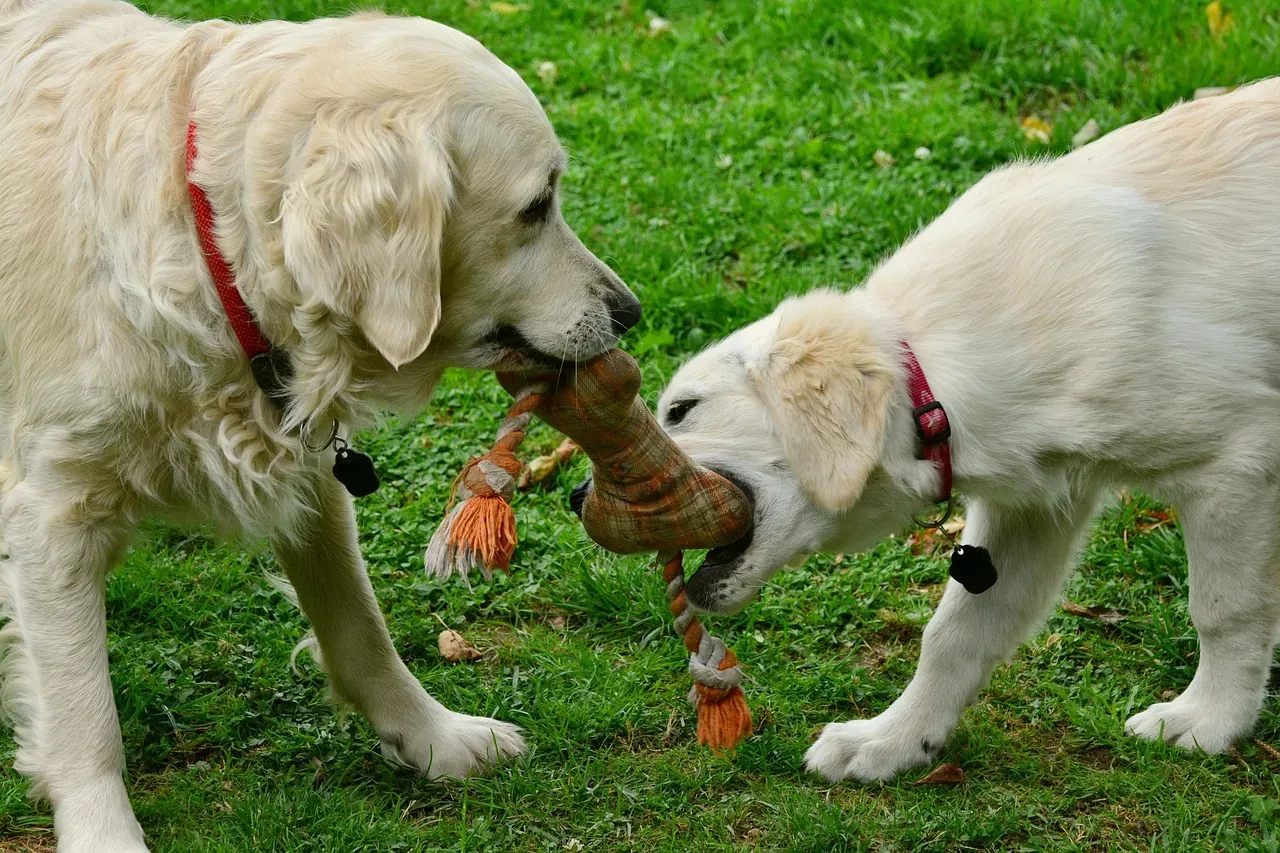
The most dangerous 1970s habit wasn’t physical at all. It was denial – the quiet certainty that a “good” dog who loved the kids simply couldn’t turn on them.
Modern statistics are brutal on this point: most serious bites to children come from the family dog, or a dog they know well. Love doesn’t cancel stress. Familiarity doesn’t erase pain. A spotless history doesn’t guarantee tomorrow, especially as dogs age or a kid’s behavior shifts without anyone noticing. Behaviorists now talk about layers of safety instead of magical thinking – supervision, management, respectful handling, and early intervention at the very first sign of discomfort. Saying “he’d never bite” is a lot like skipping a seatbelt because you’re a good driver. It feels fine, right up until it isn’t.
At a Glance
- Most biting dogs belong to the victim’s own family or a close friend, not a stranger
- The majority of dog bites happen in or around the dog’s own home
- Young children are especially likely to be bitten by a dog they see every day
The Bottom Line
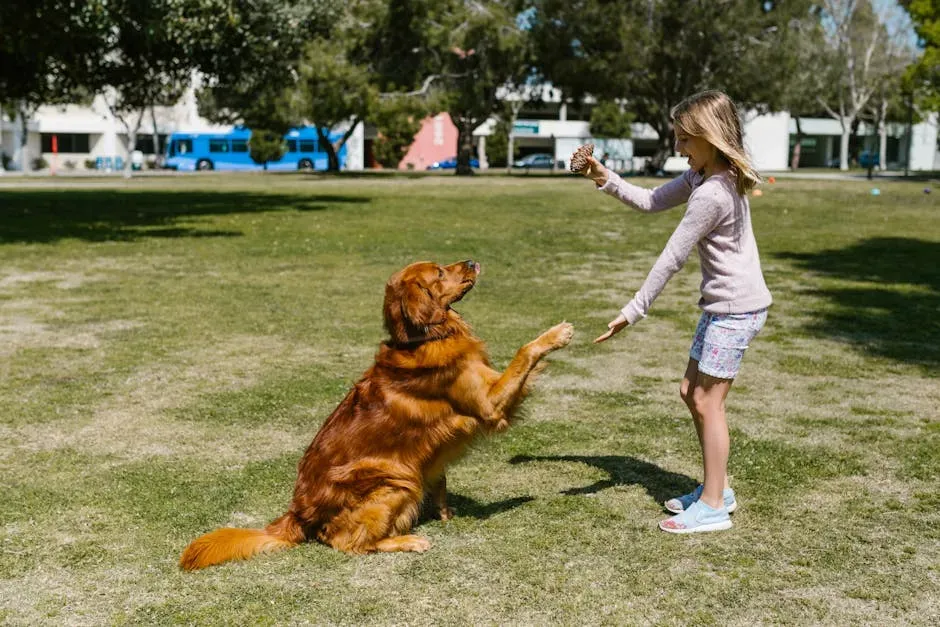
Nostalgia tells a sweet story – barefoot kids, loyal dogs, everybody survived just fine. But line up what behaviorists actually know now against what families did then, and the story gets a lot less charming. Riding dogs like ponies, forcing hugs, punishing growls, treating a backyard dog as a babysitter – none of that was harmless. It was luck dressed up as tradition.
The families who never had an incident weren’t doing it right. They were doing it lucky. Dogs feel pain, fear, and stress exactly like we do, and kids need coaching, not unsupervised freedom, to interact with them safely. That’s not paranoia or softness – it’s just what the data actually shows. The most loving thing we can do for both species now is finally retire the “he’ll be fine” mindset. So which of these habits do you still catch people defending at family barbecues – and is it finally time to let it go?


