
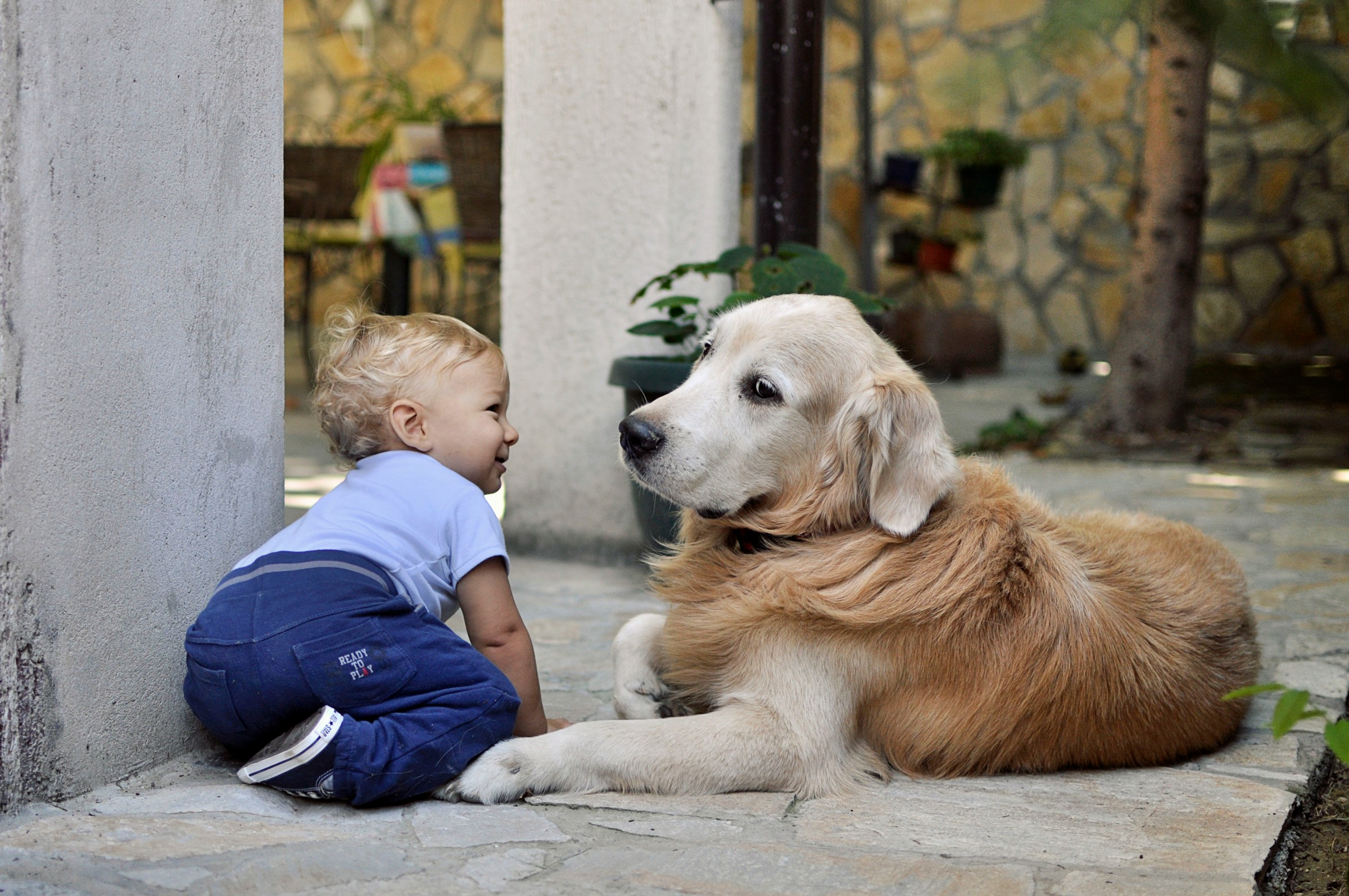
If you raised kids a decade or two ago, you might feel like you woke up in a different parenting universe. The basics are the same – babies still cry, dogs still adore their people – but the rules, advice, and even the gadgets around dogs and babies have shifted in big, surprising ways.
Some of these changes are driven by new research, some by social media, and some by the fact that we now record every sneeze and tail wag on our phones. If you sometimes catch yourself thinking, “Wait, we never did that back then… and everyone turned out fine,” this is for you. Let’s walk through what really changed, what still matters, and where the modern advice might actually be worth listening to.
#1: Dogs Are Now Seen As “First Babies,” Not Just Pets
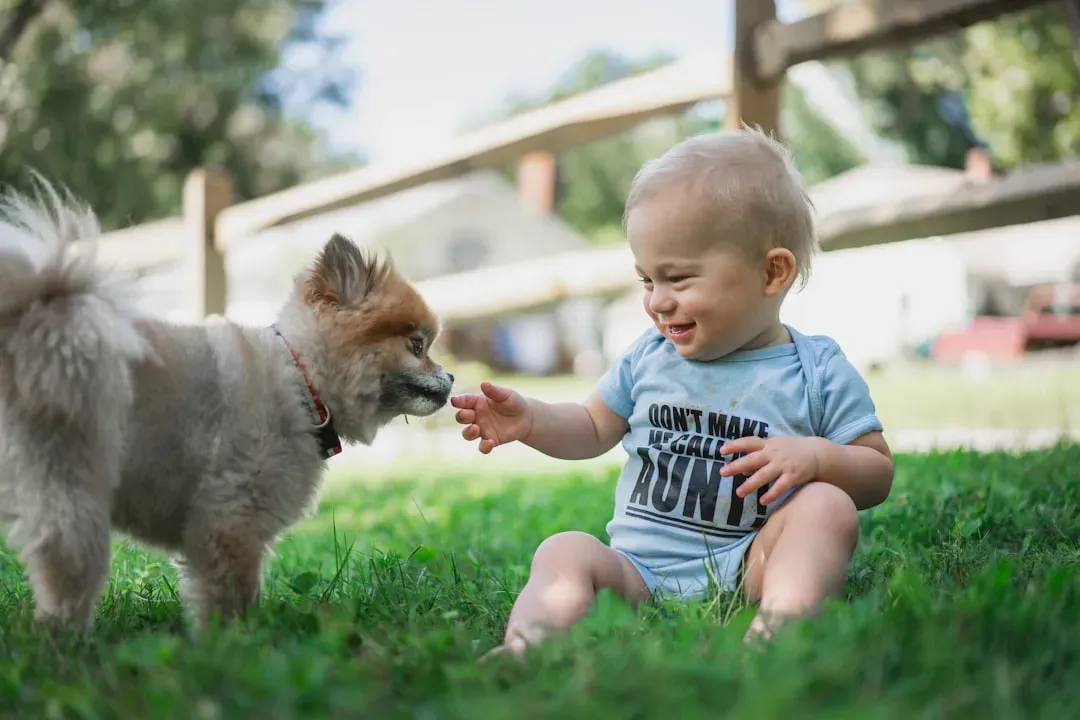
One of the biggest shifts is emotional: many people now see their dog as their first baby, not just “the family dog.” For a lot of new parents, the dog had the spotlight long before the human baby arrived, with birthday parties, special treats, and even their own Instagram accounts. That means the emotional stakes around how the dog will handle the new baby are sky-high.
When you were raising kids, you might have loved the dog, but the hierarchy was usually clearer: humans first, dog second. Today, people wrestle with guilt about the dog “losing their place,” and they plan elaborate transition strategies to protect that bond. The upside is more thoughtfulness; the downside is that some parents feel torn in two from day one.
#2: Supervised, Not “They’ll Figure It Out”
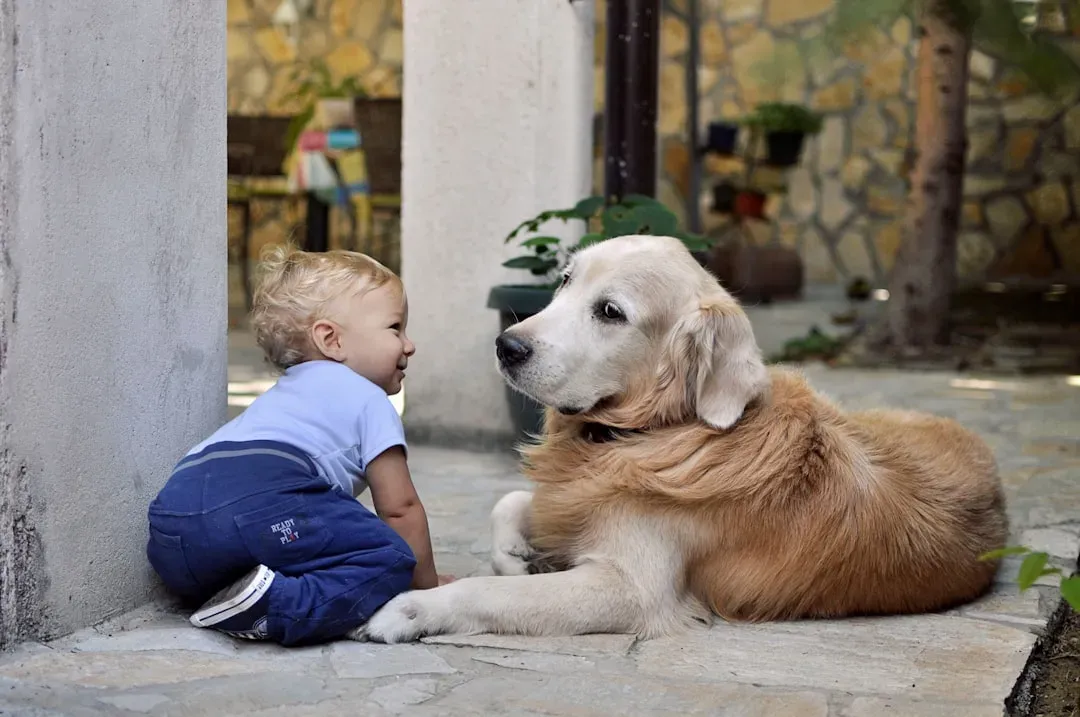
Decades ago, many families assumed the dog and baby would work things out as they went. The dog was trusted to be “good with kids,” and if a baby crawled over, pulled a tail, or grabbed an ear, it was chalked up to learning on both sides. Now, the mainstream message is absolutely clear: no unsupervised dog–baby interactions, ever.
This is not about suddenly deciding dogs are dangerous; it’s about understanding that babies and toddlers don’t know boundaries and dogs communicate discomfort long before they bite. Modern advice leans heavily on constant supervision, separating them with gates when needed, and never assuming “he’d never do anything.” That shift alone has likely prevented a lot of regrettable “out of nowhere” incidents that were never truly out of nowhere.
#3: Reading Dog Body Language Is Practically A Parenting Skill
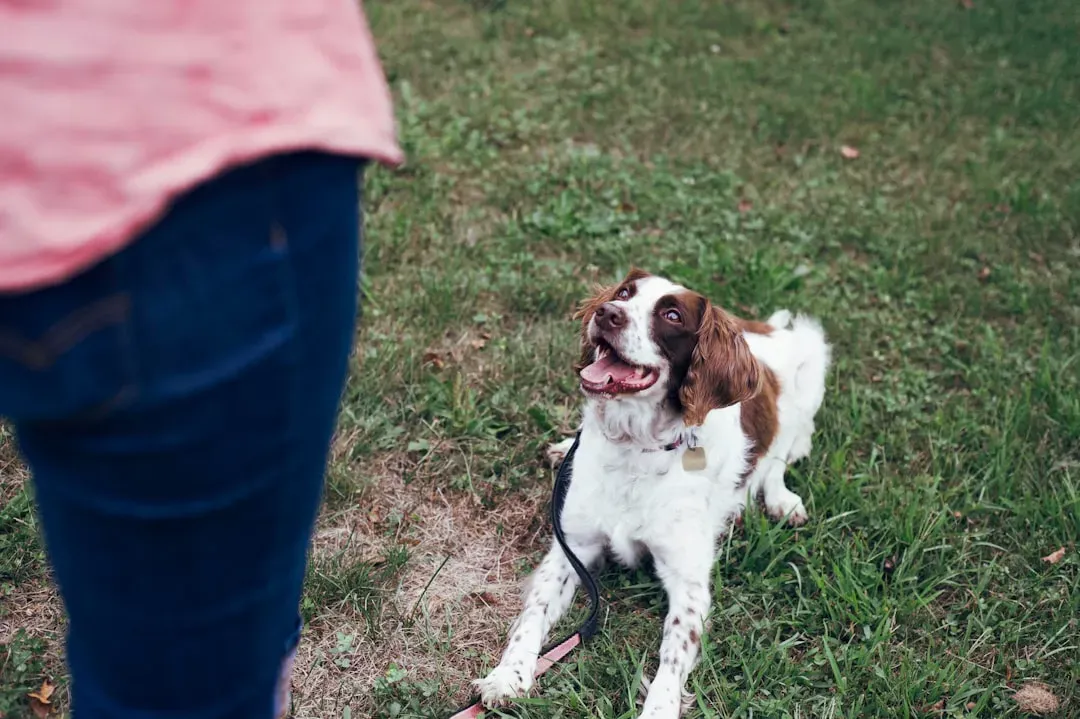
Another huge change: people are now expected to “read” their dog like a book. You’ll hear terms like calming signals, lip licking, whale eye, and stress yawning tossed around in regular conversation, not just in dog training classes. Pet parents are told to watch for subtle signs that a dog is overwhelmed by the baby’s noise, movement, or unpredictability.
In the past, most people only noticed the obvious: growling, barking, snapping. Now, the goal is to intervene way earlier – when the dog turns their head away, gets stiff, or sneaks off to another room. It can feel like overkill if you grew up with a dog that “just put up with everything,” but the newer approach respects the dog’s signals and gives them a chance to feel safe instead of pushed to a breaking point.
#4: “Baby Prep” For Dogs Is A Whole Thing
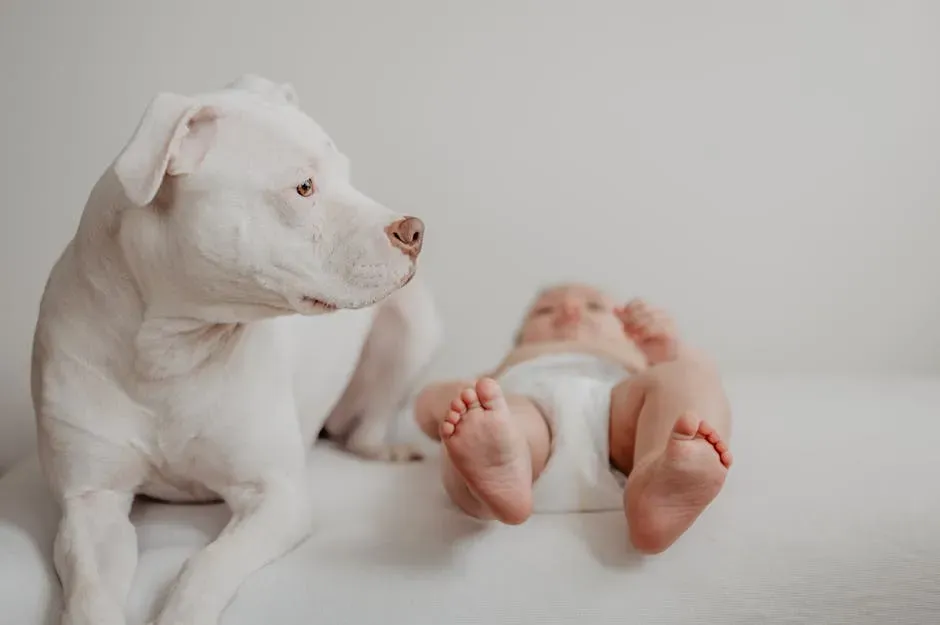
Back then, bringing a baby home mostly meant putting a bassinet in the bedroom and hoping for the best. Today, many families actively “train for baby” with their dogs months in advance. They play recordings of crying, walk with an empty stroller, and practice boundaries around baby items like play mats and bouncers.
There’s also a big emphasis on desensitizing the dog to being touched or bumped in clumsy ways, always with treats and patience. Instead of assuming the dog will just roll with it, people prepare them step by step, so the baby isn’t a total sensory shock. It might look a bit like overplanning, but it can reduce stress for everyone, including the dog who suddenly has to share their humans.
#5: Baby Gear Is Designed With Pets In Mind
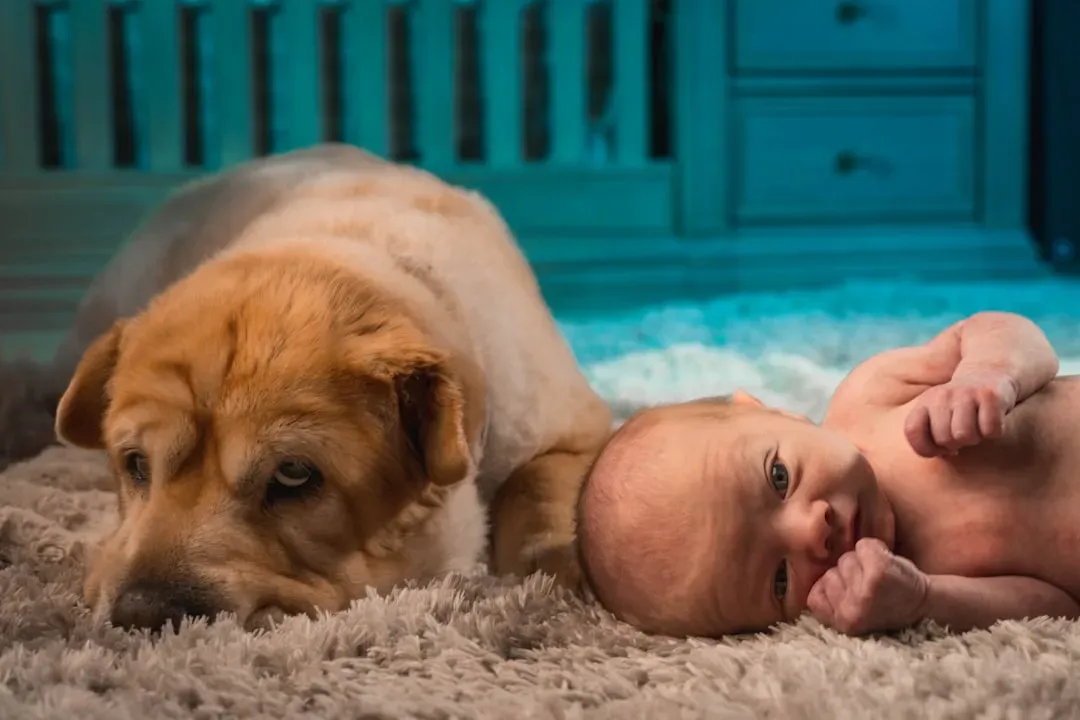
If you look at today’s baby products, you’ll notice something interesting: many are marketed with dogs and other pets in mind. Extra-sturdy baby gates, playpens that double as “dog-free zones,” higher bassinets, and covered trash cans for diapers all acknowledge that pets are part of the daily chaos. Companies know a lot of homes have both fur babies and human babies under one roof.
There’s more awareness of safety too. Baby monitors often capture the dog’s behavior as well as the infant’s. Crumb-catching mats, easy-to-clean high chairs, and secure lidded diaper pails exist partly because dogs are curious opportunists. You might not have had to worry about your dog fishing a dirty diaper out of the trash, but today’s households are built assuming a clever nose is always on patrol.
#6: Feeding Rules Around Dogs And Babies Are Stricter
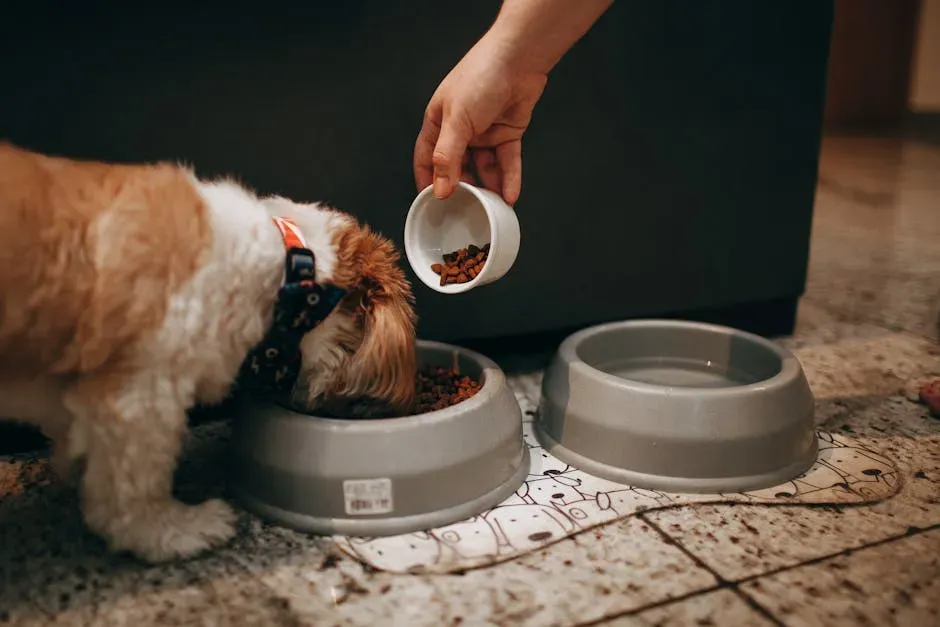
One of the biggest cultural shifts involves food. It used to be almost normal to let the dog clean up under the high chair or lick the baby’s sticky hands and face. Now, parents are urged to be extremely careful about cross-contamination, allergies, and hygiene. Letting the dog be the household vacuum is no longer seen as harmless or cute.
There’s also more concern about resource guarding – dogs becoming possessive over food. Modern advice suggests feeding dogs and babies separately, not allowing the baby to crawl toward a dog’s bowl, and never letting kids tease or hand-feed a dog unsupervised. The new rule of thumb is: if there is food around, adults are watching closely, or the dog is given a peaceful space away from the chaos.
#7: Allergy And Immunity Conversations Are More Nuanced
You probably remember a time when the common wisdom was either “pets cause allergies” or, later, “pets help prevent allergies.” Now the conversation is more nuanced and, honestly, more honest: it depends on the child, the timing, the family history, and the environment. People are less likely to make sweeping claims and more likely to talk with pediatricians and allergists about their specific situation.
Many families now keep pets while carefully monitoring symptoms, using air purifiers, cleaning more often, and making adjustments instead of just rehoming the dog at the first sneeze. On the flip side, if a child has a serious allergy or asthma, doctors may recommend strict rules about dogs staying out of bedrooms or off furniture. There’s more flexibility, but also more tailored caution than the old all-or-nothing approach.
#8: Social Media Has Turned Dogs And Babies Into A Performance
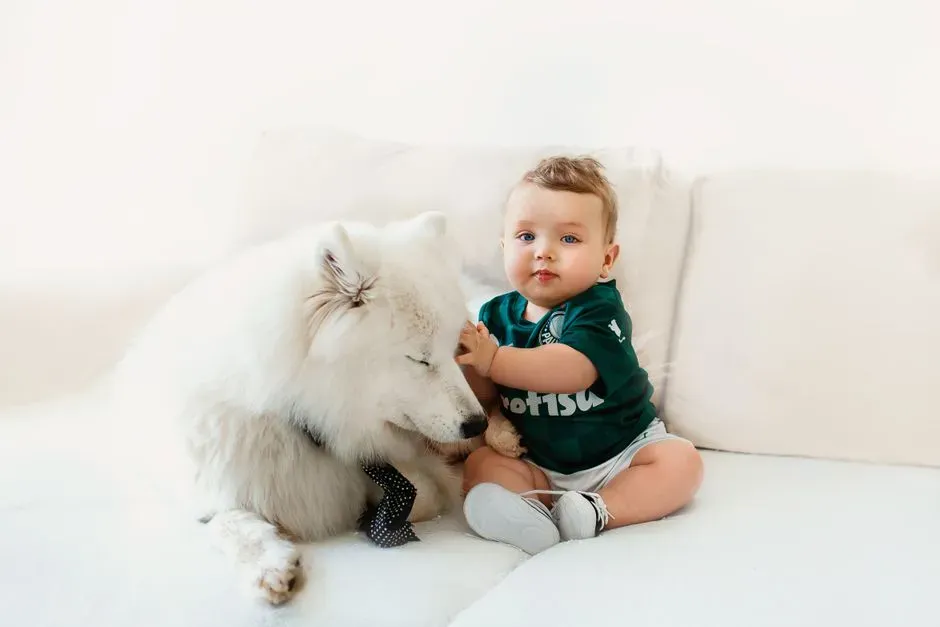
Here’s a massive difference you can feel every time you open your phone: dogs and babies are content now. Adorable videos of dogs cuddling newborns, “protecting” strollers, or tolerating wild toddler antics go viral in minutes. That can create pressure, especially for new parents, to recreate those magical, heart-melting scenes in their own homes.
The problem is, the camera never shows what happened before or after. A dog that “looks patient” in a clip might actually be showing subtle signs of discomfort. Modern education around this is trying to catch up, reminding people that safety comes before shareable moments. You might have a memory in your head; today, people are chasing a memory and a perfect thirty-second video, and that really changes the dynamic.
#9: Training Methods Have Softened And Become More Science-Driven
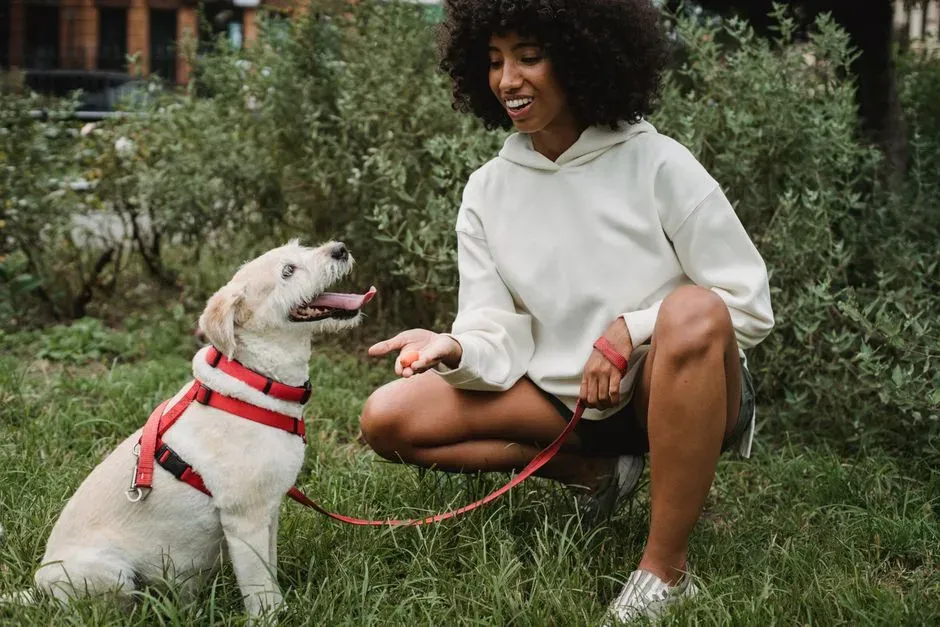
If you grew up with more old-school dog training – firm corrections, raised voices, maybe even punishment tools – you might be surprised by how much the philosophy has shifted. Today, positive reinforcement and force-free methods are heavily promoted, especially around kids. The focus is on rewarding the behaviors you want and setting up the dog to succeed, not scolding them for failing human expectations.
This change really matters around babies, because fear-based or harsh training can make a dog more anxious, not more trustworthy. Trainers now talk a lot about consent, choice, and giving dogs “safe zones” where kids are not allowed to bother them. You might hear someone say they want the dog to feel like a partner in the family, not a subordinate soldier – a massive shift from the old dominance-based mindset.
#10: Mental Health For Dogs And Parents Is On The Radar
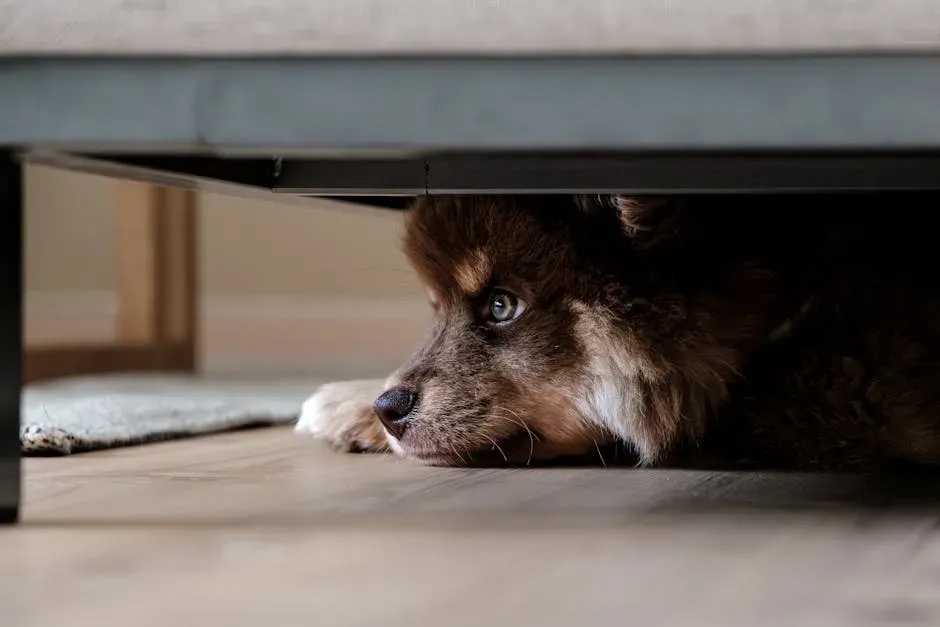
Years ago, if a dog was stressed after a baby came home, it was often brushed off as “he’ll adjust.” Today, more people recognize signs of canine anxiety: pacing, drooling, panting, hiding, destructive behavior, or clinginess. Vets and trainers talk openly about anxiety medication, calming aids, and long-term behavior support when a new baby shakes up the dog’s world.
At the same time, parents are allowed to say out loud that juggling a baby and a dog can be overwhelming. Instead of pretending it is all cute chaos, people talk about sleep deprivation, guilt about walking the dog less, and the resentment that sometimes bubbles up when life feels unmanageable. That honesty opens the door to getting help instead of quietly struggling and hoping nobody notices.
#11: Safety Around Sleeping Arrangements Is Non-Negotiable
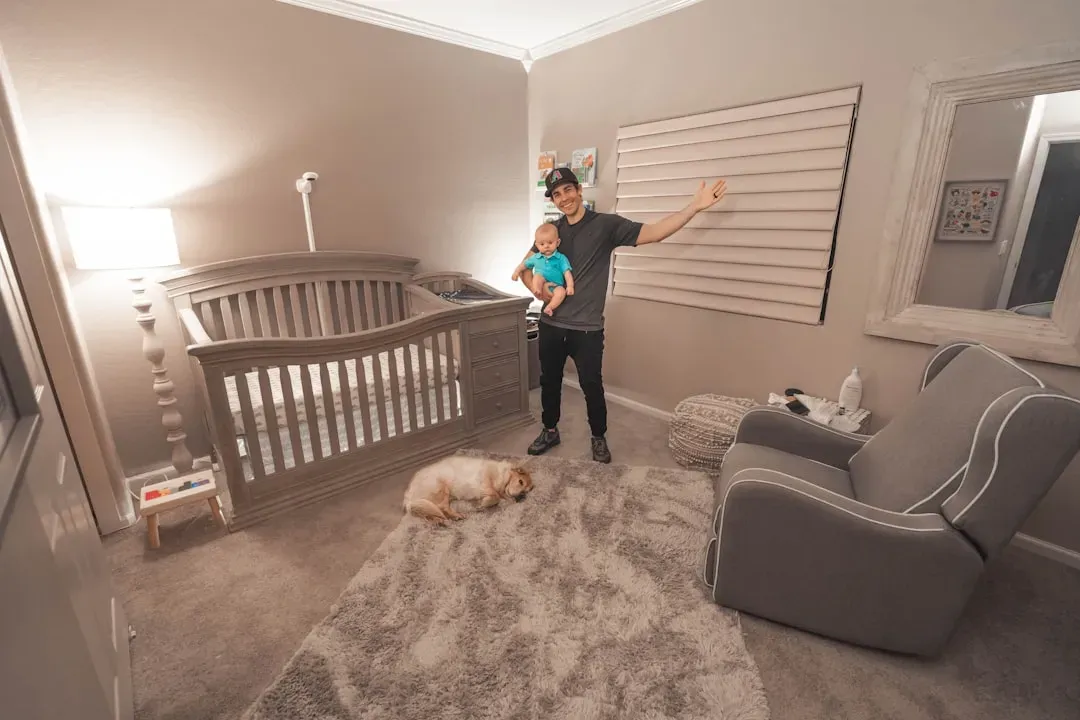
Co-sleeping with a dog and baby in the same bed used to be more common or at least not widely discussed. Now, infant sleep safety guidelines are repeated everywhere, and they are very clear that dogs and babies should not share sleep surfaces. The risk of suffocation, accidental smothering, or sudden movements is considered too high, no matter how gentle the dog is.
Instead, modern setups use cribs, bassinets, and bedside sleepers while giving the dog their own dedicated bed or crate. Families are encouraged to keep routines reassuring for the dog – same sleeping room, same bedtime cues – while still keeping the baby physically protected. It might feel a little stricter than what you remember, but it is part of a bigger push to reduce every avoidable risk in those fragile early months.
#12: Boundaries And “Dog-Free Zones” Are Encouraged, Not Seen As Mean
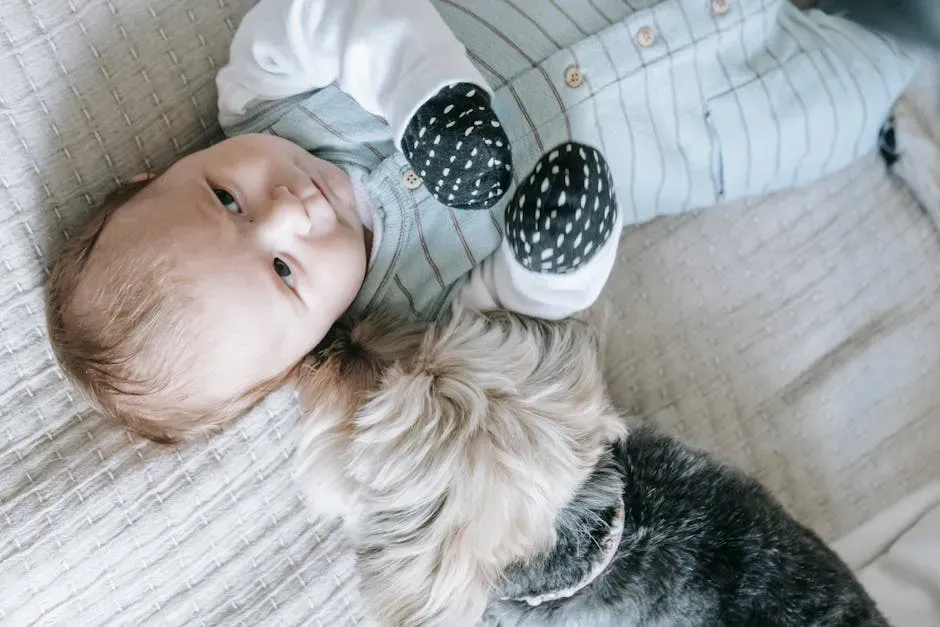
Once upon a time, it was common to let the dog go pretty much anywhere, especially if they were well behaved. Today, parents are more comfortable creating “dog-free zones”: nurseries, play areas, or specific rooms where the dog simply does not go. Baby gates, closed doors, and clear rules are framed as kindness, not rejection.
This shift is partly about hygiene and partly about giving everyone a break. Dogs need somewhere they are not being poked, prodded, or startled, and babies need space where there is no risk of being knocked over or stepped on. Far from being cruel, these boundaries can protect the relationship, because the dog gets time off-duty and the baby gets a calm, safe place to explore.
#13: Veterinarians And Pediatricians Work More In Sync
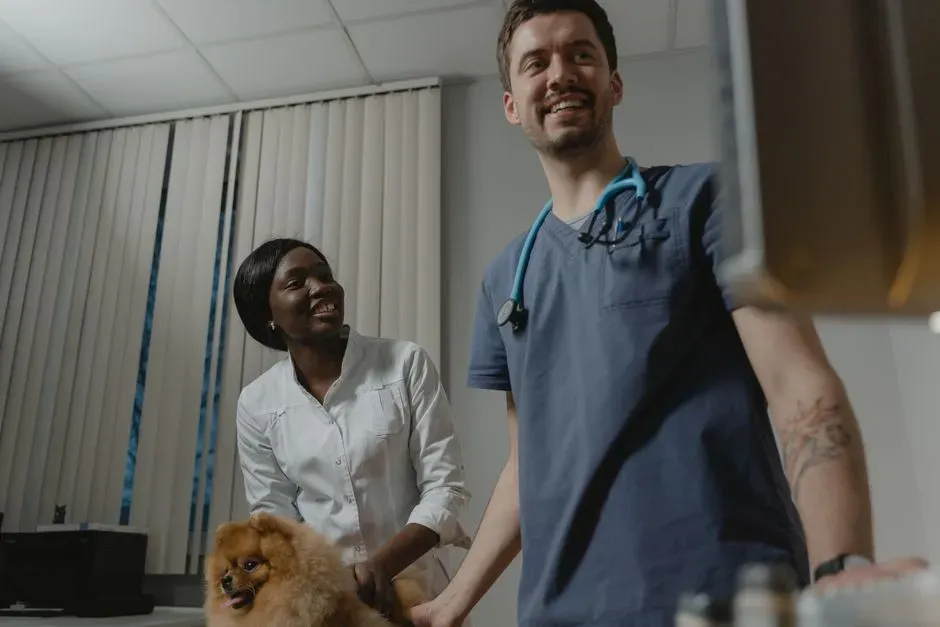
Another modern update: your baby’s pediatrician and your dog’s veterinarian may not literally talk to each other, but their advice overlaps a lot more. Parents are encouraged to ask both professionals about things like parasite prevention, vaccinations, safe cleaning products, and how to handle scratches or nips. The message is that a healthy baby and a healthy dog are part of the same big picture.
Vets now commonly emphasize regular flea, tick, and worm prevention in households with infants, to avoid avoidable infections. Pediatricians may discuss handwashing after handling the dog or limiting face-licking, especially if the baby is premature or has a weak immune system. Instead of shrugging and saying “kids get dirty,” families are guided toward a more balanced middle ground: lots of love and contact, with reasonable hygiene and medical backup.
#14: There’s More Thought About Fairness To The Dog
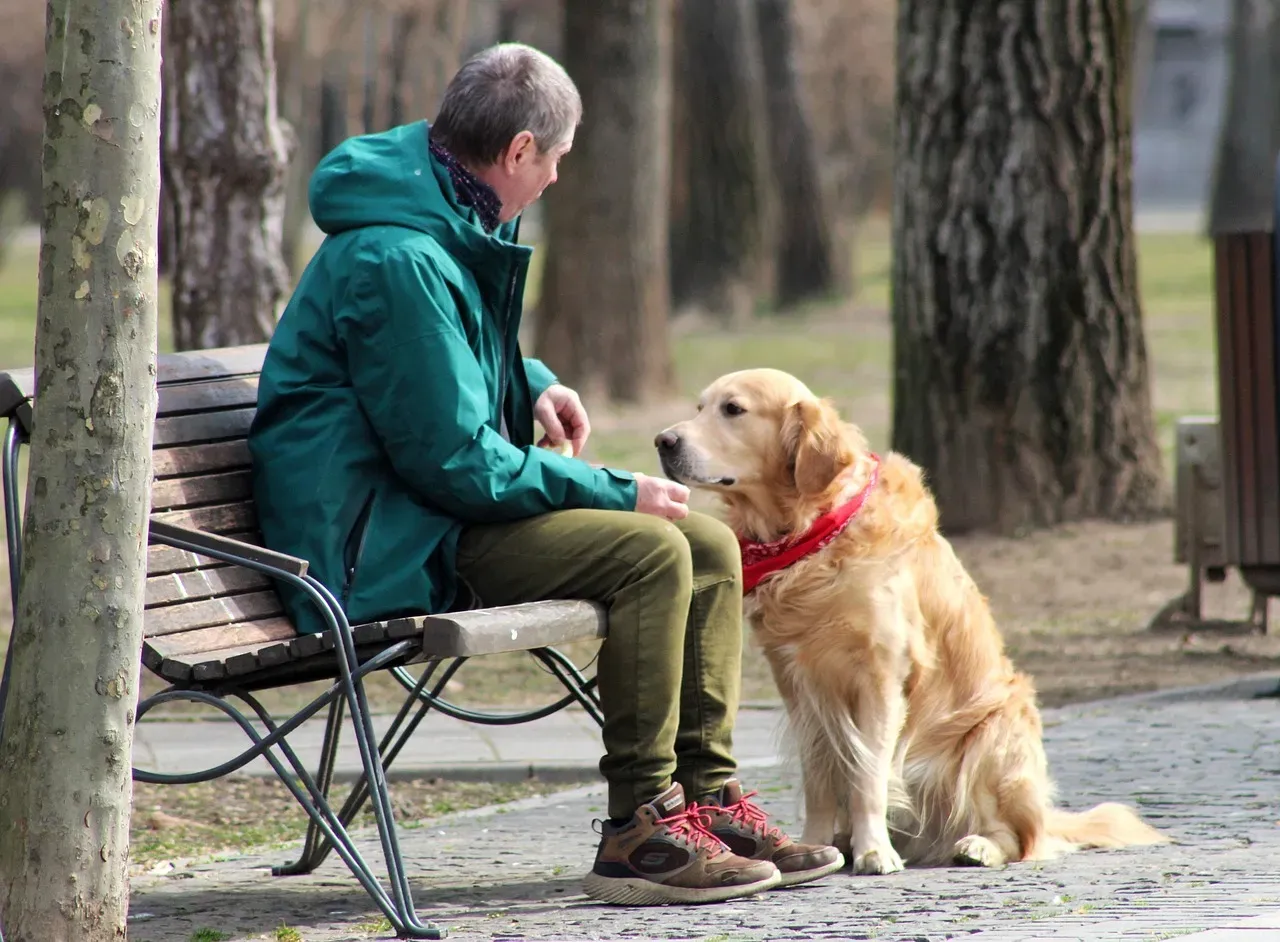
In the past, the unwritten rule was that when a baby arrived, the dog just had to adapt – fewer walks, less attention, new rules, end of story. Now, more people ask a brave but important question: is this still a good life for the dog? They plan ahead for dog walkers, enrichment toys, solo walks with one parent, and extra one-on-one time to reduce the sense of loss.
There is also a growing recognition that not every dog actually enjoys living with small children. Instead of forcing a miserable situation for years, some families thoughtfully rehome a dog to a quieter household, and that choice is slowly losing its stigma when done responsibly. It is a tough, emotional decision, but it reflects a more honest respect for what dogs need, not just what humans want.
#15: “Perfect Harmony” Is No Longer The Only Acceptable Story
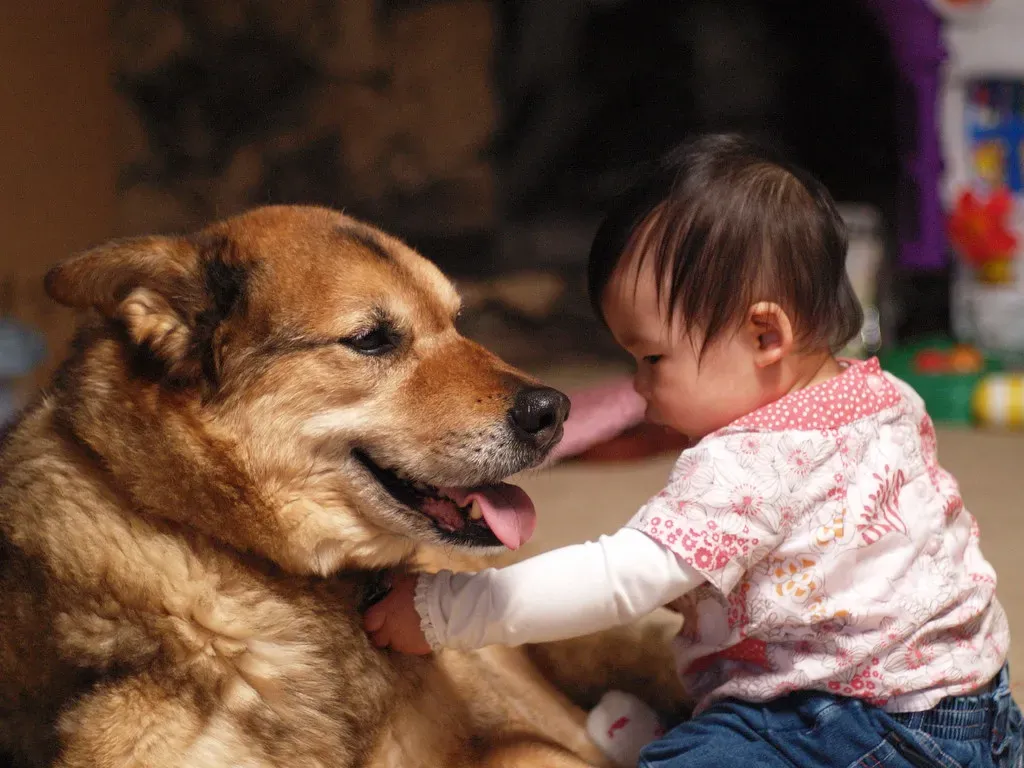
Maybe the biggest change of all is philosophical: the goal is no longer the picture-perfect dog who adores the baby from day one and never puts a paw wrong. Modern experts and many parents accept that adjustment takes time, that there may be setbacks, and that realism beats fantasy. A dog that chooses to hang out in another room instead of curling up next to the crib is not failing; they are coping in their own way.
Instead of telling a single story where the “good” outcome is instant best friendship, people are more open to messy, in-between realities. A dog can be wary but safe, loving but easily overwhelmed, patient but needing breaks. That shift in expectations – from magical to manageable – might be the healthiest change of all for dogs, babies, and the parents trying to hold it all together.
Conclusion: The Rules Changed, But The Relationship Still Matters Most
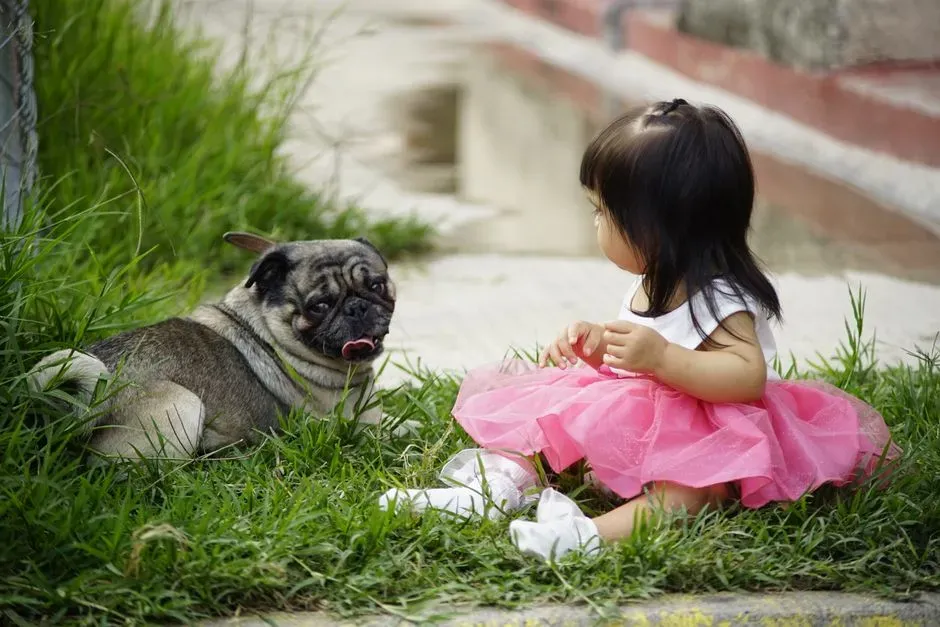
Looking at all these shifts, it is easy to feel like everything you did years ago is now considered wrong. That is not really the story, though. What has changed is not that past generations failed, but that we have more information, better tools, and a culture that talks openly about risk, stress, and mental health for both humans and dogs. You raised your kids – and your dogs – with the knowledge and norms you had. Today’s parents are doing the same, just with a different rulebook.
If there is one opinion I am willing to stand on, it is this: the best setup is not the trendiest or the strictest one, it is the one where the dog is respected, the baby is protected, and the adults are honest about what they can handle. The details will keep evolving over the years, but that core priority will not. When you look back at how you did it and compare it to how it is done now, what surprises you most – and what, deep down, do you think you actually got just right?


