
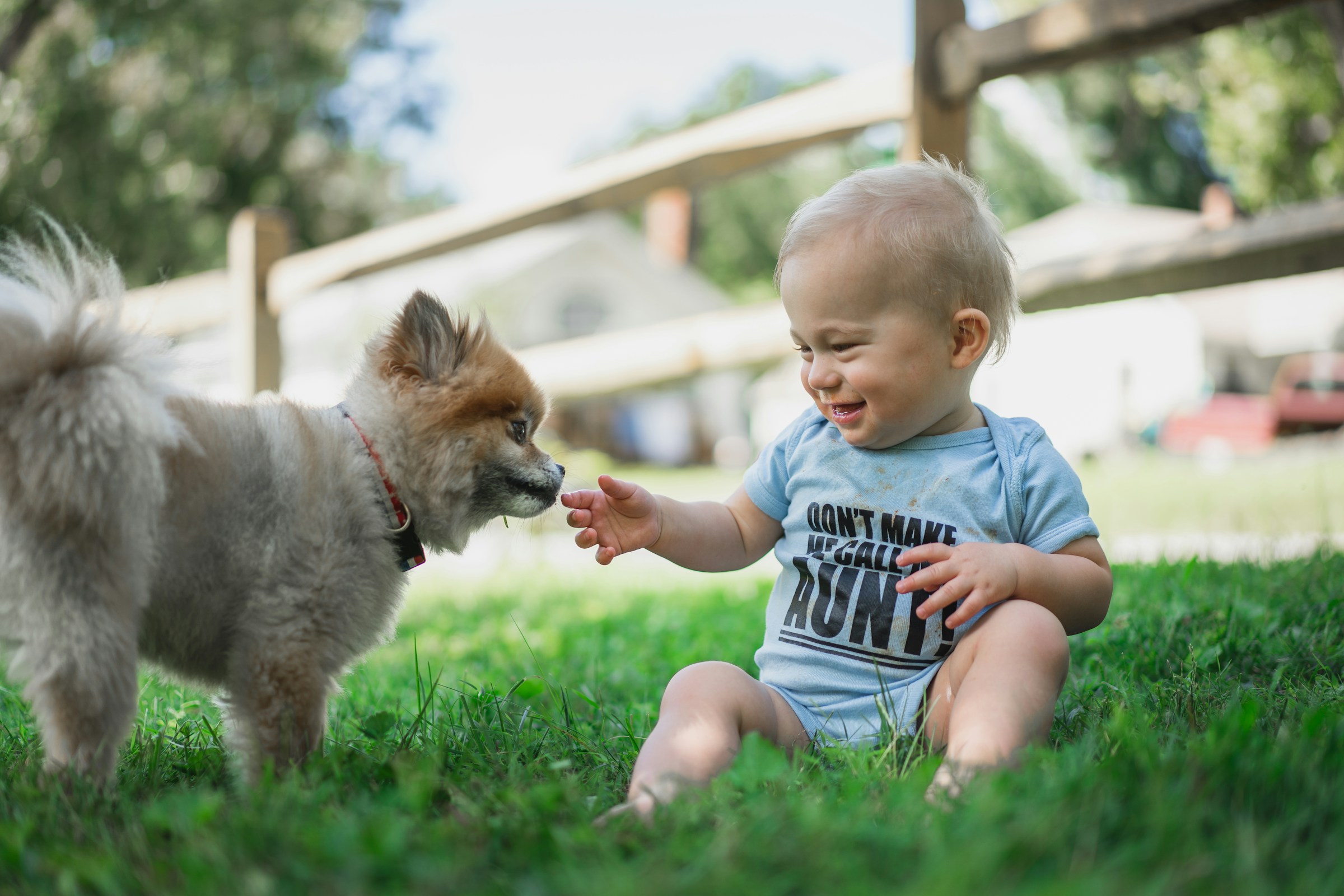
Every summer, paediatric nurses brace themselves for a wave of completely avoidable injuries that all have one thing in common: the beloved family dog. Parents arrive in tears, kids arrive in shock, and the dog that has “never done anything like this before” suddenly looks very different in everyone’s eyes. It is heartbreaking, because in so many cases, a tiny change in routine or supervision could have stopped everything before it started.
As someone who has listened to more than a few nurses swap “summer dog story” war tales, I can tell you this: it is almost never about a “bad dog.” It is almost always about a missed warning sign, an overexcited child, heat, stress, or a moment of distraction at the worst possible time. Let’s walk through the patterns paediatric nurses see over and over so you can protect both your child and your dog before your own story ends in the emergency department.
#1 Dog Bites During “Harmless” Backyard Play
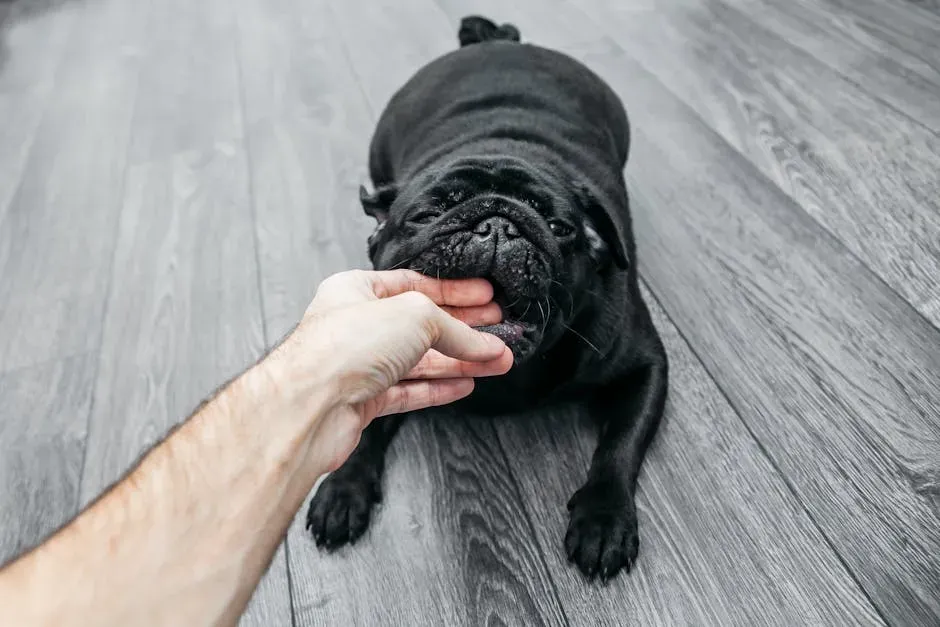
The most shocking cases to parents are often the bites that happen during what everyone thought was gentle backyard fun. Nurses hear the same phrases again and again: the dog was “just lying there” or the kids were “only playing chase,” and then suddenly there is blood, screaming, and chaos. In reality, many dogs find rough, fast, or unpredictable kid play overwhelming, especially when it involves squealing, running, and grabbing.
Paediatric nurses frequently see facial bites from kids bending over dogs, hugging tightly, or getting nose-to-nose for a kiss. From a child’s point of view, it’s affection; from a dog’s point of view, it can feel like a threat it can’t escape. Teaching children that dogs are not stuffed toys, and that calm, sideways approaches with an adult present are the only acceptable way to interact, can dramatically lower the odds of a “sudden” bite.
#2 Heatstroke and Collapse After Walks in Hot Weather
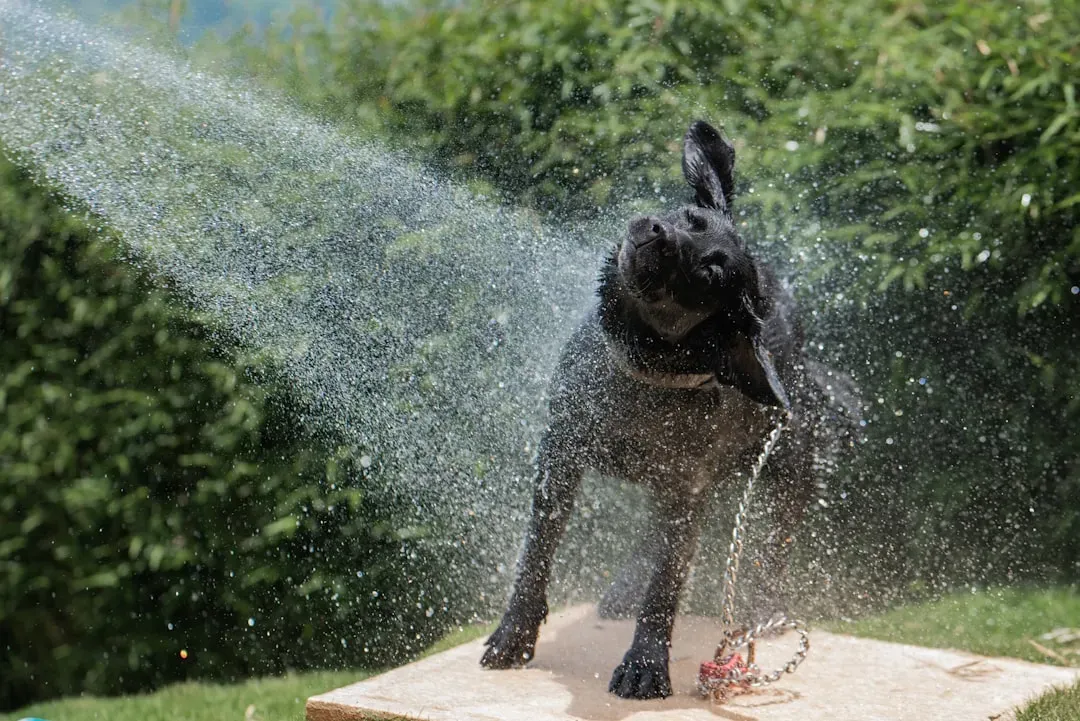
Every summer, nurses treat kids who arrive terrified because their dog collapsed after a walk or play session in the heat. Often the dog has been out for longer than usual, on hot pavement, or during midday sun when the ground is scorching and the air is still. Children may feel guilty, believing they “killed the dog” by asking for one more walk or game of fetch, and that emotional burden is very real for them.
While heatstroke itself is a veterinary emergency rather than a paediatric one, kids are often emotionally distraught and may even suffer dehydration or fainting themselves after trying to help. Families underestimate how quickly dogs overheat, especially short-nosed breeds or older dogs. A simple family rule that all dog exercise in summer happens early in the morning or later in the evening, plus making a habit of checking the pavement with your hand before walking, can prevent a frightening chain of events.
#3 Food Guarding Incidents at BBQs and Picnics
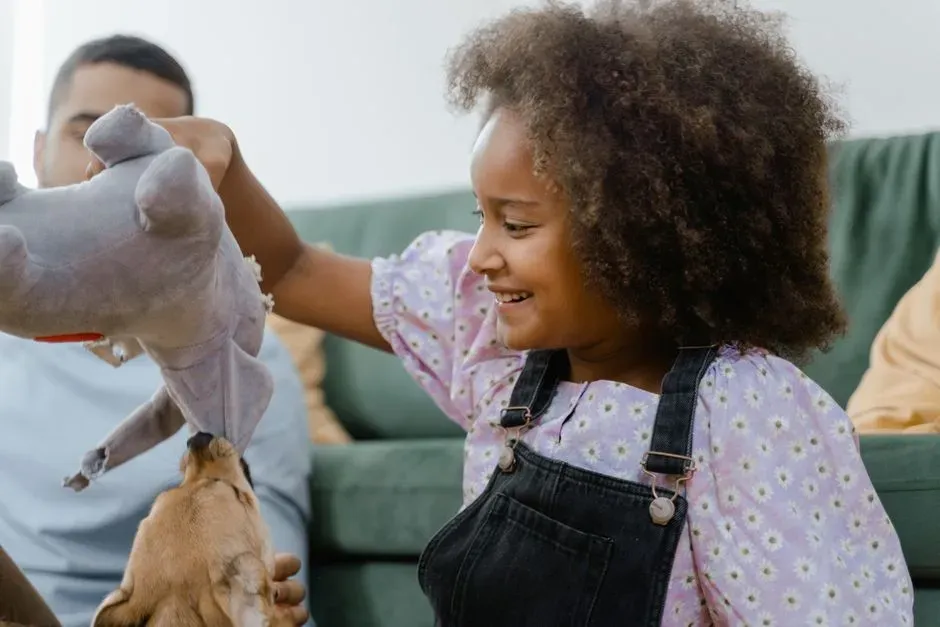
Summer barbecues are a perfect storm: hot weather, excited kids, crowded spaces, and food everywhere. Paediatric nurses see a cluster of bites at this time of year that happen when a child reaches toward a dog’s bowl, tries to take back a dropped hot dog, or leans over a dog who is chewing a bone. To a dog, that food is gold; to a child, it is just something fun they accidentally “shared.”
These bites are often to the hands and face and can look especially shocking because of the tearing nature of dog teeth on soft tissue. The painful part is that adults are usually nearby but distracted with grilling, chatting, or managing other children. A simple safety rule that dogs eat and chew in a separate, quiet area away from kids during any gathering can reduce the risk dramatically. Kids should be taught from the start: never take food from a dog, ever.
#4 Startle Bites When Dogs Are Woken or Cornered

Another pattern nurses describe is the classic “startle bite” from a dog that was asleep or cornered with no way to escape. Small children are notorious for plopping down on sleeping dogs, tugging ears, or shouting right next to a resting animal. In many of the cases that reach paediatric wards, the dog did exactly what any living creature might do when shocked awake: it snapped.
These incidents are often framed as the dog “attacking out of nowhere,” but when nurses or doctors gently probe for details, a picture of missed warning signs usually emerges. Families rarely realize how often the dog had already been moving away, licking lips, yawning, or avoiding kids entirely in the days or weeks before. Creating a firm “no one touches the dog while it is sleeping or in its bed” rule, and giving the dog a kid-free safe zone, can prevent a scenario that leaves everyone, including the dog, traumatized.
#5 Leash-Related Injuries When Kids Try to Walk the Dog
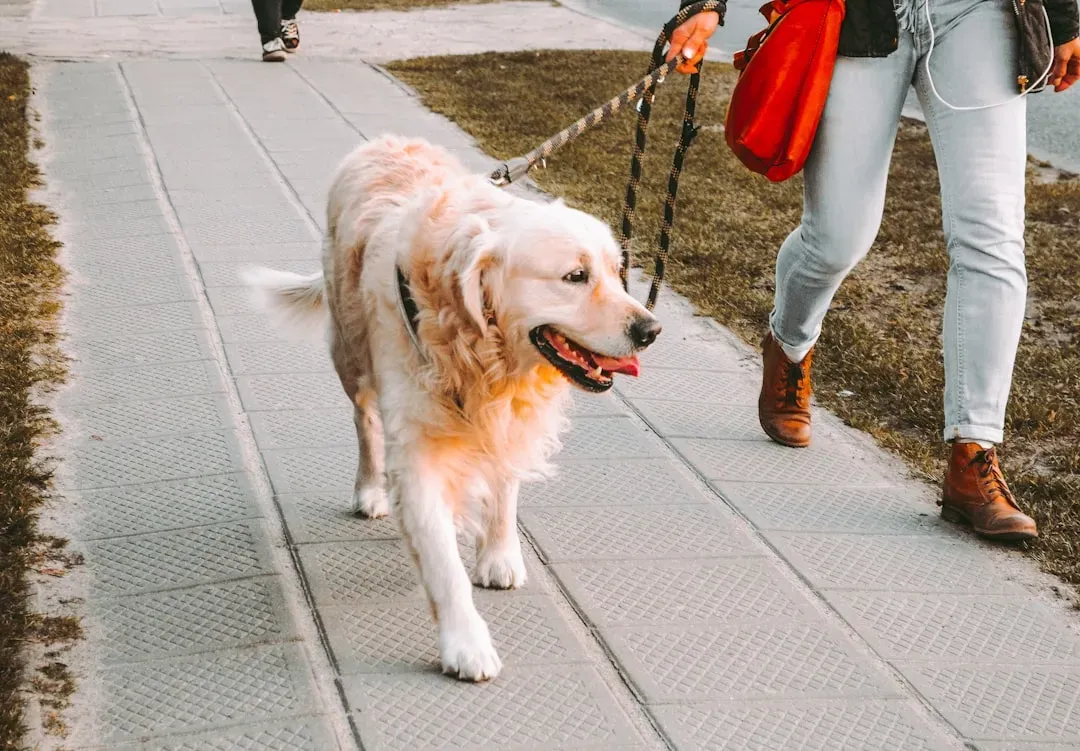
Every summer, emergency departments see kids dragged, knocked over, or pulled into the street because they were walking a dog that was simply too strong for them. Sometimes it’s a big adolescent dog lunging after a squirrel; other times it’s a smaller dog that suddenly bolts when spooked. The result can be broken wrists, scraped faces, sprained ankles, or even head injuries when a child hits the pavement hard.
For many families, letting a child walk the dog feels like a lovely way to teach responsibility, but nurses often see the harsh reality when things go wrong. A better approach is to let kids “walk” the dog with an adult holding a second leash or using a connector, so the grown-up is the real brake system. Teaching basic leash manners to the dog and setting clear rules that young children never walk the dog alone protects both the child and the animal from disaster.
#6 Roughhousing That Crosses the Line Into Aggression
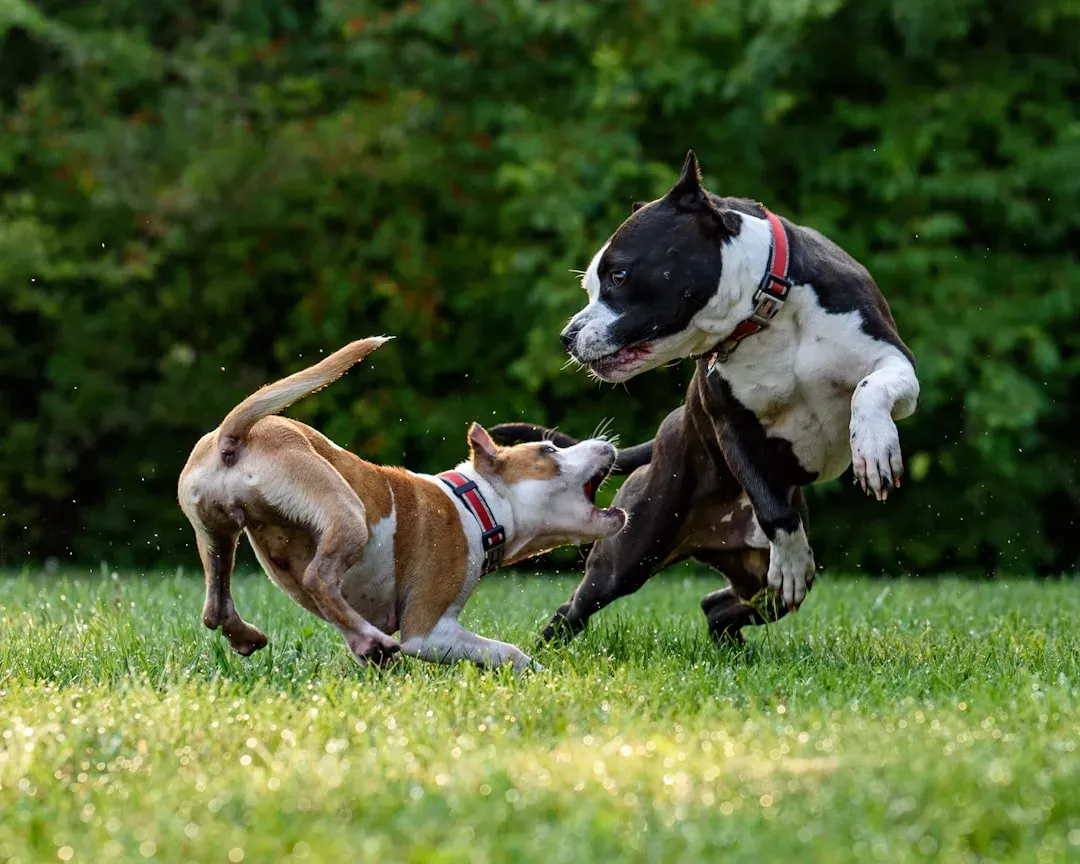
Paediatric nurses can often tell when an injury came from games that were basically wrestling matches. Kids chase, tackle, grab collars, or roll on the grass with the dog like it is a sibling in a pillow fight. Many dogs tolerate this over and over – until, one day, they don’t. The incident that brings a child into hospital is rarely the first time that boundary was crossed, just the first time the dog used its teeth to say “enough.”
From the outside, these cases are especially sad because adults sometimes encouraged the rough play, mistaking it for cute bonding. In reality, physical games that ramp up arousal are one of the fastest ways to push a dog past its ability to cope. Replacing wrestling and tackling with calmer games – training tricks, scent games, or fetch with clear rules – can keep the bond strong without gambling on a moment of overreaction that everyone will regret.
#7 Small Dogs That Are Treated Like Toys (and Finally Snap)
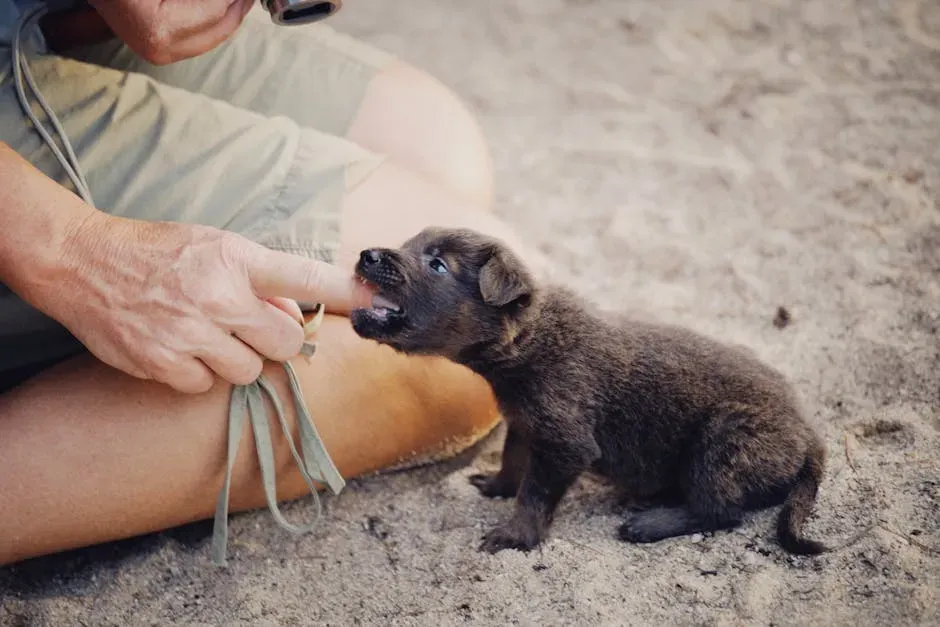
Nurses will tell you that it is not only big dogs that cause serious injuries. Small dogs, especially when handled roughly, can deliver nasty bites to faces and hands because children tend to hold them close to their own heads. In many cases, the dog has been carried around, squeezed, dressed up, or placed in strollers as if it were a doll. That behaviour might look adorable in photos, but in the emergency department afterward, no one is smiling.
The emotional twist is that children often feel deeply betrayed by a dog they considered their “baby.” Adults also tend to underestimate small-dog signals, laughing off growls or snaps instead of taking them seriously. Teaching kids that every dog, no matter how tiny, gets to decide when it wants to be held or touched is crucial. Encouraging children to sit on the floor and invite the dog over, rather than scooping it up, can completely change the dynamic.
#8 Dog Park Drama That Spills Over Onto Kids
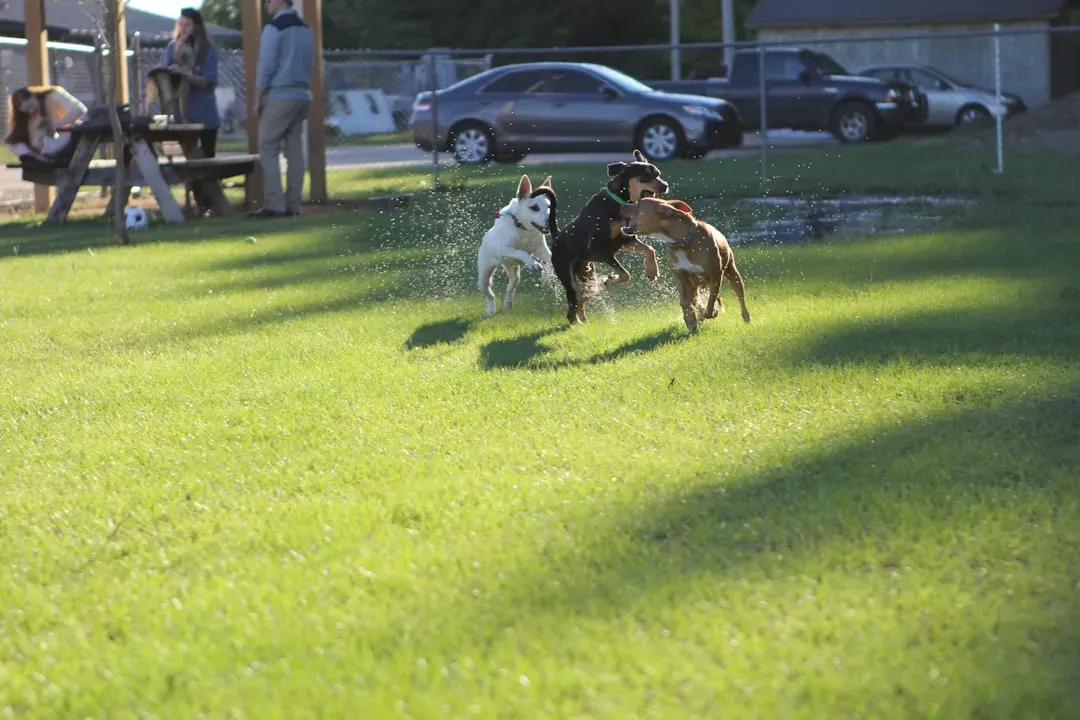
Summer dog parks are busy, loud, and often chaotic, and kids who come along can easily end up in the middle of adult dog disputes. Paediatric nurses see injuries from children being knocked over by groups of running dogs, or even nipped when they try to break up snarling matches between animals. What feels like a fun family outing can flip in seconds into a trip to the hospital.
Another scenario nurses hear about is a child running with a ball or toy through a park full of dogs and getting chased, jumped on, or bitten in the scramble. From the dogs’ perspective, the child is just part of the game, but from the child’s perspective, it is terrifying. A simple rule that dog parks are for adults and dogs only, with kids staying outside the fenced area or skipping the park altogether, is not overprotective – it is realistic.
#9 Protective Dogs Reacting to Strangers Around “Their” Kids
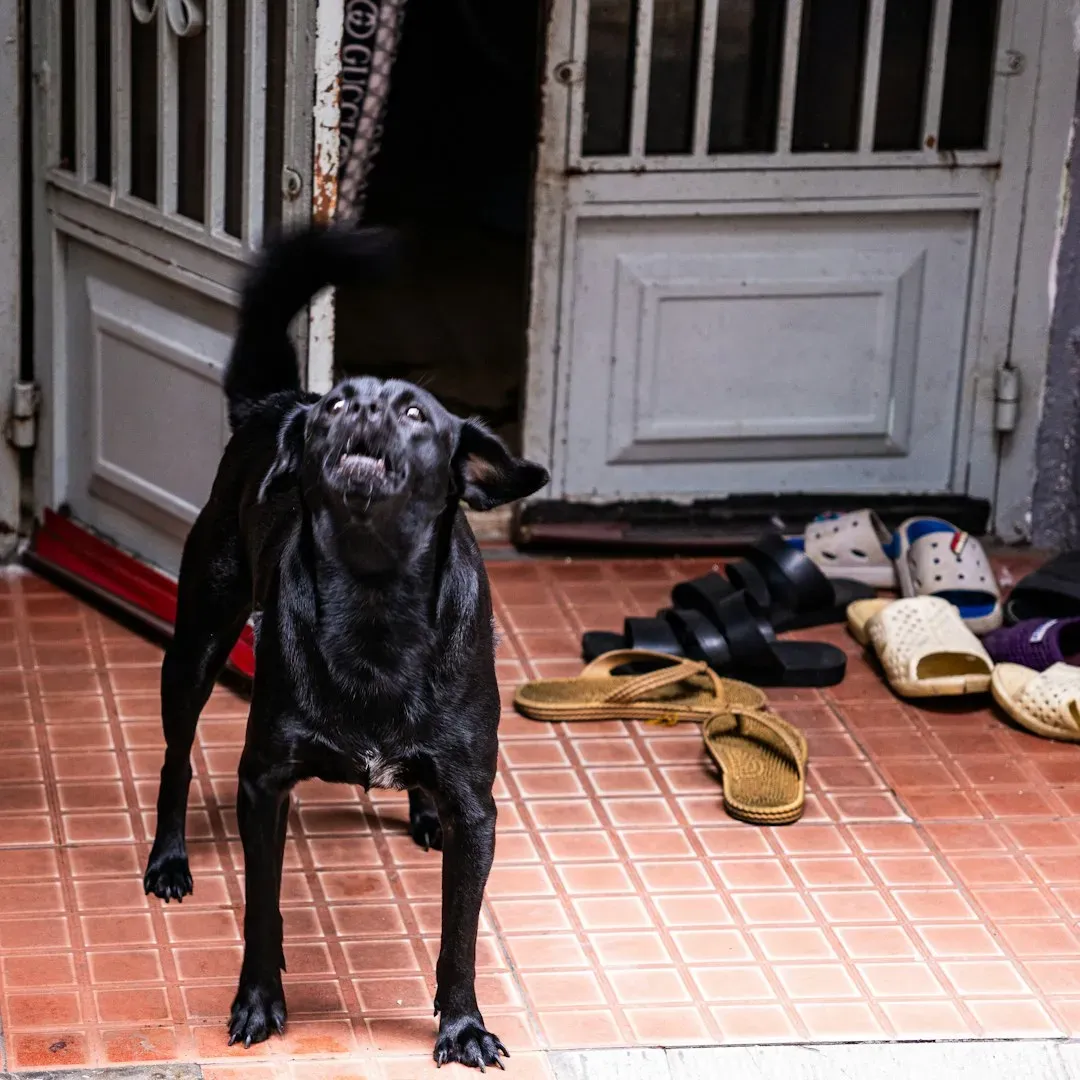
Some of the most complicated cases involve dogs that bite visitors, neighbours, or even family members who get too close to “their” child. Nurses hear stories about a cousin leaning in for a hug, or a neighbour ruffling a child’s hair, and the dog suddenly lunging. The child may escape physical harm but is now at the centre of a painful family conflict, watching adults argue over what to do with the dog.
From a behaviour standpoint, these protective bites are often fueled by a mix of fear and loyalty. Families sometimes unknowingly reward this guarding behaviour, praising the dog when it barks at strangers or allowing it to wedge itself between the child and visitors. Setting boundaries – like confining the dog with a baby gate when guests arrive and calmly rewarding relaxed behaviour – can help avoid the heartbreaking situation where a dog’s misguided “protection” leads to someone else being hurt.
#10 Fireworks, Storm Anxiety, and Panicked Escapes
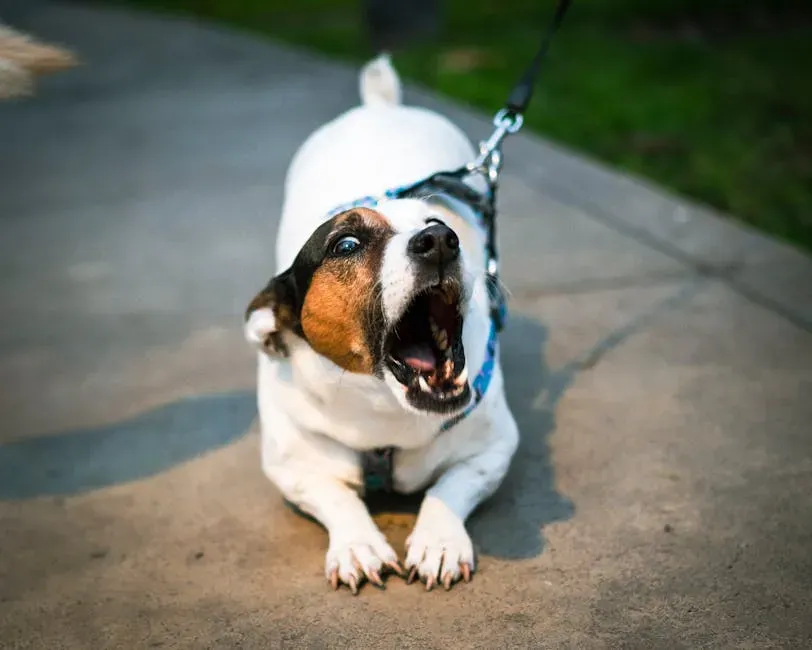
Summer storms and holiday fireworks trigger another pattern paediatric nurses know too well: anxious dogs bolting through doors, breaking leashes, or crashing through screen doors while kids are nearby. Children are often the ones holding the leash or opening the back door when a boom sends the dog into a full-blown panic. In the confusion, kids can get knocked down, dragged, or injured by broken glass or splintered wood.
The emotional fallout is intense. Kids may feel terrified of both loud noises and their own pet afterward, especially if they saw the dog as calm and cuddly before. Preparing dogs ahead of known fireworks events – with safe spaces, background noise, vet-advised calming strategies, and supervision near exits – doesn’t just protect the animal; it protects the children caught in the middle of the chaos.
#11 Ear, Tail, and Fur Pulling in Toddlers and Preschoolers
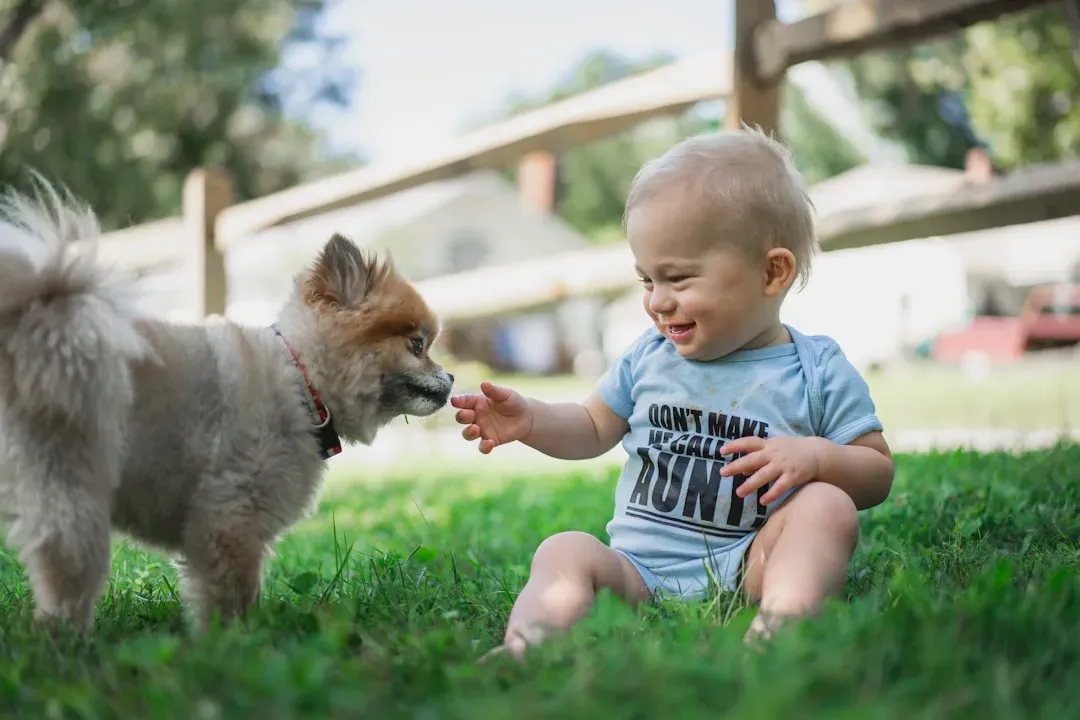
In paediatric departments, staff almost expect an uptick in toddler-related dog injuries once school is out and older siblings are home, distracting parents. Very young children explore the world with their hands, and soft ears, fluffy tails, and loose skin are irresistible. When a dog finally reacts to repeated poking, prodding, and hair pulling, the bite is often quick and directed at the child’s face or arm, which is right at the dog’s level.
The hardest part to hear is that many dogs had been almost saintly for months or years before snapping. That patience creates a false sense of security in adults, who assume “he would never hurt them” and ease up on supervision. Real safety means recognizing that toddlers and dogs should never be together without an actively watching adult, even if nothing bad has ever happened before. Baby gates, playpens, and clear “dog-free” kid zones are not overkill; they are kindness to everyone involved.
#12 Infections and Complications From Seemingly Minor Scratches or Bites
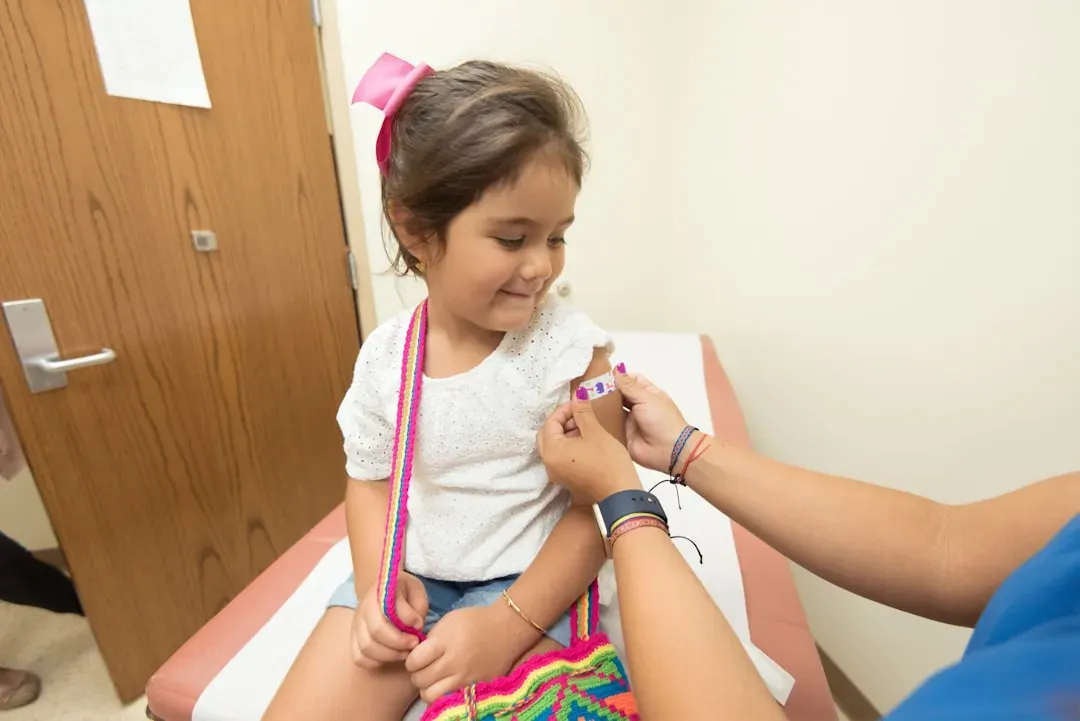
Paediatric nurses often see children brought in not right after a dog-related injury, but days later, when redness, swelling, or fever has set in. Parents may have thought a small scratch or nip was no big deal, cleaned it quickly, and moved on. Unfortunately, any break in the skin from an animal can introduce bacteria, and kids’ immune systems plus summer dirt and sweat can turn a minor wound into something needing antibiotics or even hospital admission.
These cases are a sobering reminder that the goal is not just preventing the dramatic injuries, but taking every small incident seriously too. Teaching children to tell an adult immediately if the dog’s teeth or nails broke their skin, and having a family routine of washing, disinfecting, and monitoring any wound, keeps little things from becoming big things. Paediatric staff would rather see a family “overreact” with a quick check than face a child with a preventable infection.
#13 Resentment, Fear, and Guilt That Linger Long After the Injury
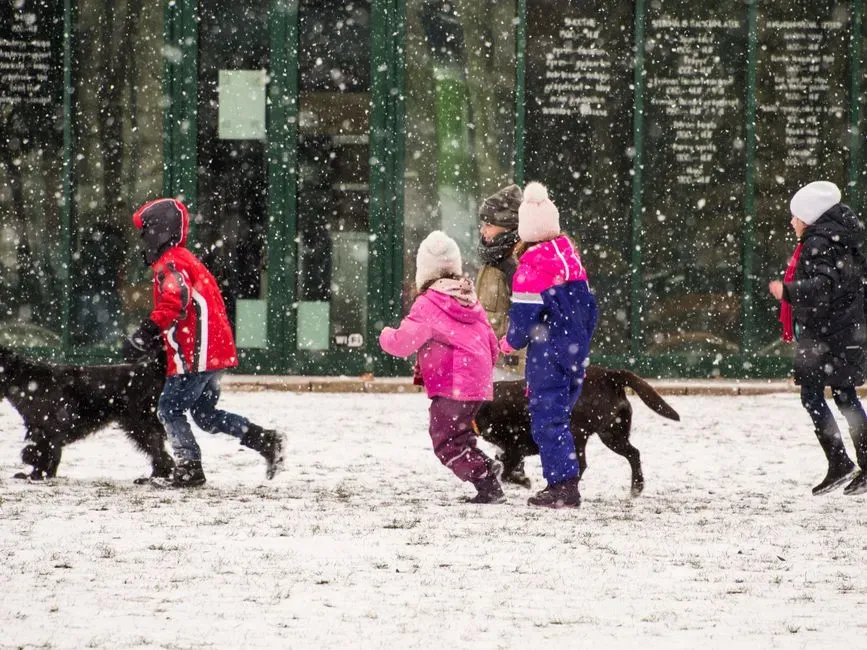
The part paediatric nurses talk about quietly, often after a shift, is not just the stitches and bandages – it is the emotional wreckage dog-related injuries leave behind. Kids can develop lasting fear of their own pet or of all dogs, replaying the moment in their minds. Parents swing between guilt, anger, and heartbreak, especially if they feel forced to rehome or euthanize a dog they loved, or if relatives blame them for what happened.
I have heard more than one paediatric nurse say that the saddest part is how many of these stories were so clearly avoidable in hindsight. Simple supervision, respecting a dog’s space, and teaching kids how to read and honour animal boundaries could have preserved both the child’s safety and the dog’s place in the family. Facing these realities head-on may feel uncomfortable, but pretending dogs are harmless “fur babies” helps no one.
Conclusion: Loving Your Dog Enough to Be Honest About Risk
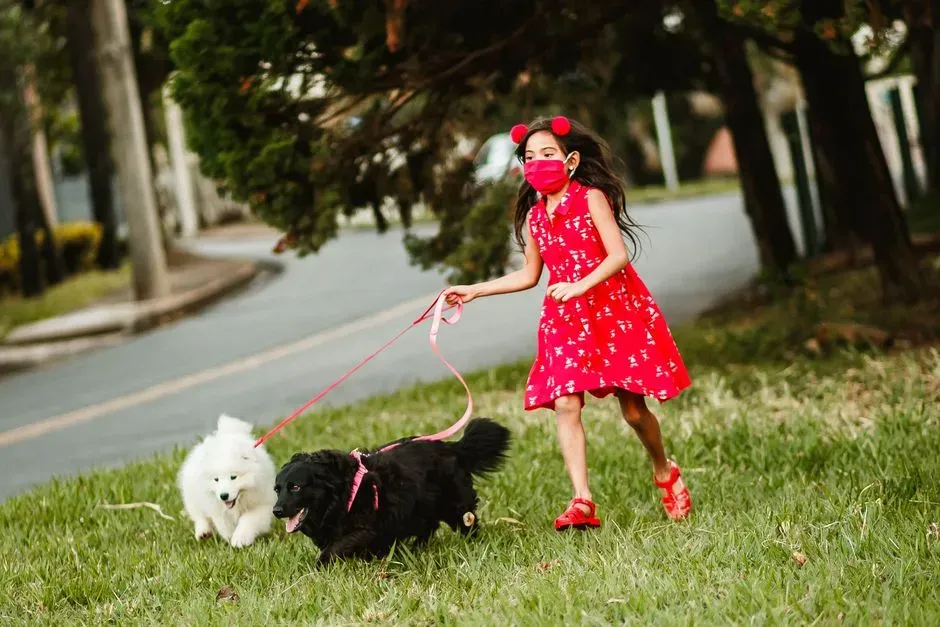
When you step back and look at the patterns paediatric nurses see every summer, a blunt truth emerges: the family dog is neither a ticking time bomb nor a harmless plush toy. It is a living creature with teeth, instincts, and limits that deserve to be taken seriously. In my view, real dog lovers do not gloss over that; they lean into it, setting up boundaries and routines that protect everyone, including the animal, from being put in a no-win situation.
If there is one takeaway, it is this: safety around dogs is not about fear, it is about respect. Respect for your child’s vulnerability, respect for your dog’s comfort, and respect for the fact that even the sweetest pet can react badly under stress, pain, or confusion. Talk openly with your kids, rearrange your summer habits if needed, and treat prevention as an act of love rather than paranoia. Looking at your dog right now, are you really giving it the space and support it needs to be the safe family companion you believe it is?


