
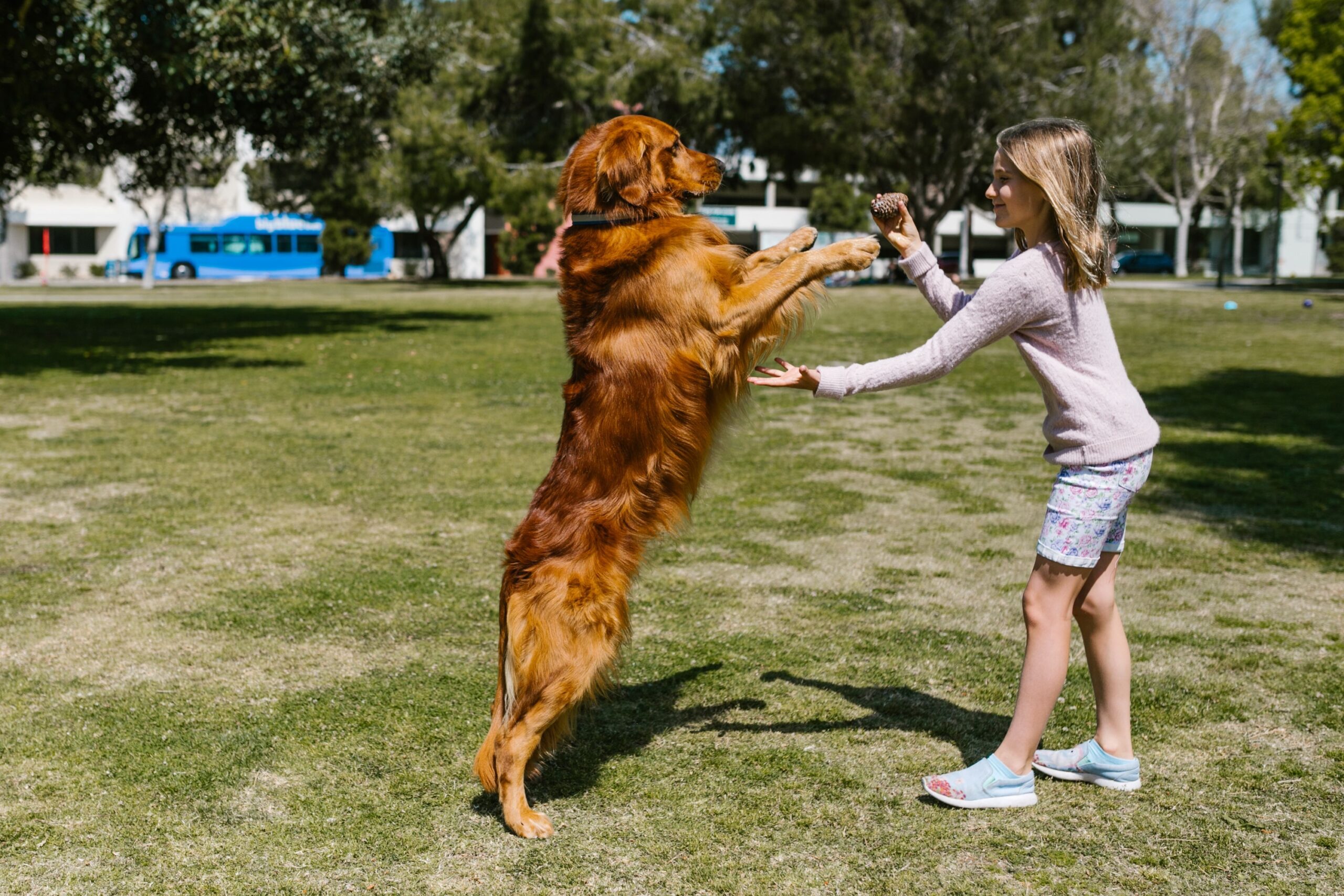
Most parents are sure they’d catch trouble the moment it started. A growl, a snap, some obvious tension – surely nobody misses that. Behaviourists say that confidence is exactly the problem, because the interactions that actually lead to bites rarely look scary at all.
The moments adults miss are the ones everyone photographs: the hug, the nap on the couch, the dog “babysitting” by never leaving the crib. Most bites come from the family dog, and almost never out of nowhere – they follow a long trail of ignored signals that got mistaken for love. Here are the 14 warning signs behaviourists say get waved away as adorable, right up until they aren’t.
#1 – The “Tolerant” Dog That Never Walks Away
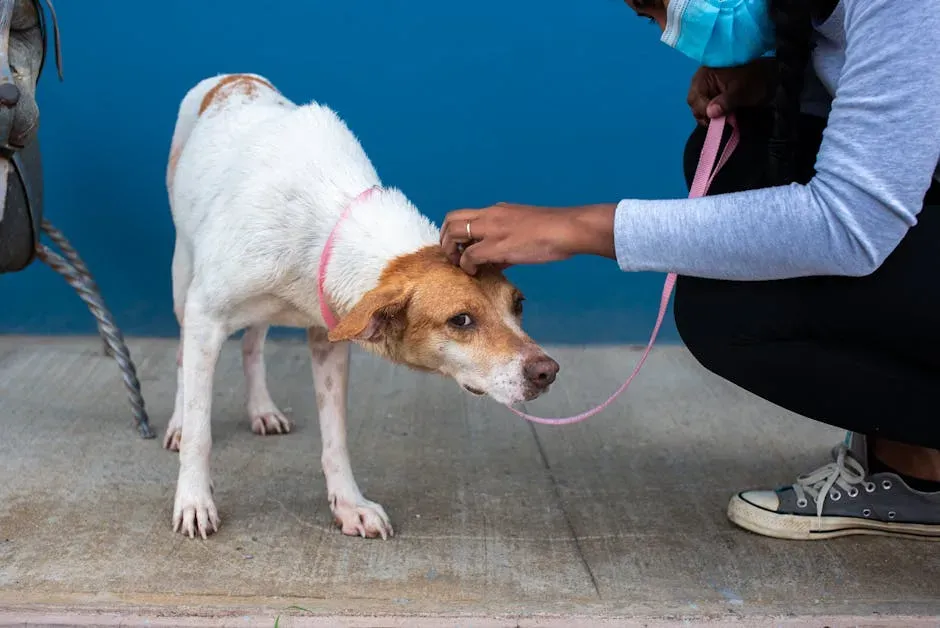
Parents love to brag that their dog “puts up with anything,” but behaviourists quietly cringe at that phrase. A dog that never walks away, never growls, and just shuts down around kids isn’t calm – it’s suppressed and stuck. That dog has learned that communicating discomfort doesn’t work, so it simply freezes and endures.
This is often called learned helplessness, and it’s one of the most common backstories behind “he bit with no warning.” Watch for a stiff, statue-like body when kids get close, or slowed blinking and a glazed, distant look. When a dog feels it has no safe escape, it can go from silent to sudden. Families later swear there were no signs, when in reality, every single interaction was one.
- A stiff, statue-like body when kids are near
- Slowed blinking, glazed eyes, or a distant look
#2 – The Hug Photo Nobody Realizes Is a Distress Signal
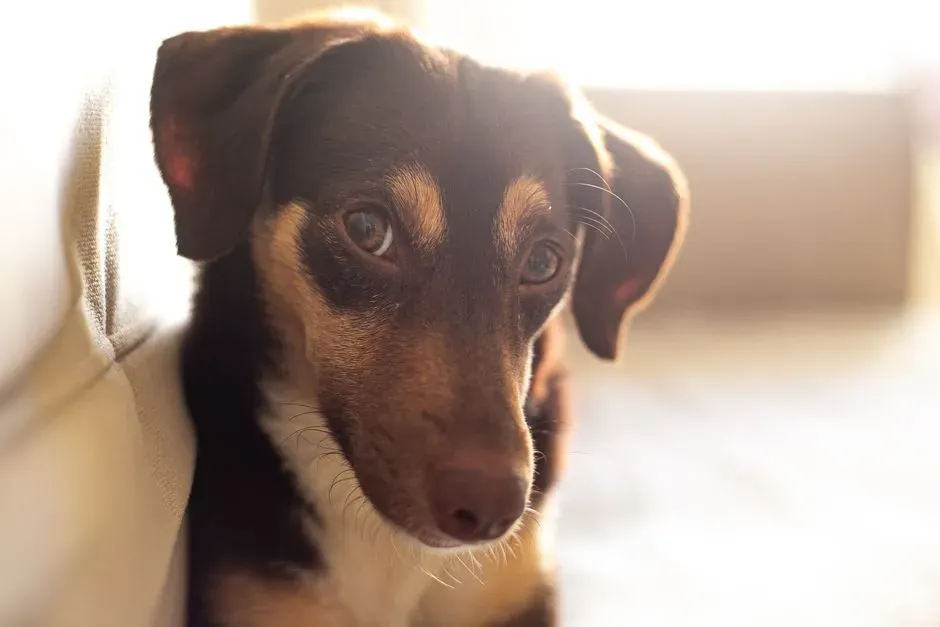
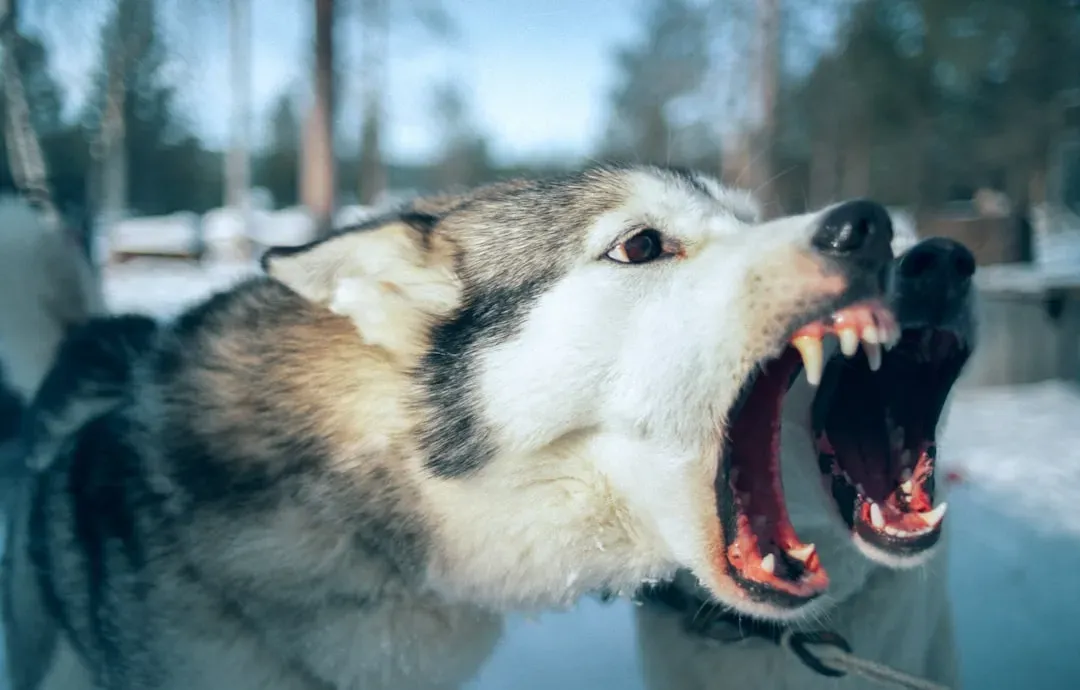
Behaviourists are blunt: dogs do not naturally enjoy being hugged, especially around the neck and face. Yet social media is full of toddlers wrapped around a dog’s head while adults coo, “Aww, look how much he loves her!” In reality, many of those photos show wide, tense eyes and clamped mouths – classic stress signals dressed up as affection.
The dog isn’t being sweet in that moment; it’s trapped, and it knows it. A dog might tolerate this for months or years – until one day it doesn’t. When the bite finally happens, the child gets blamed, but adults built the entire setup, camera and all.
Fast Facts
- The CDC estimates roughly 4.5 million dog bites happen in the U.S. every year
- Children ages 5 to 9 are bitten more often than any other age group
- Most childhood bites come from a familiar family or friend’s dog, not a stray
- Whites of the eyes showing (whale eye)
- Closed, tight mouth and rigid body
#3 – Leaning In and Talking Straight Into a Dog’s Face
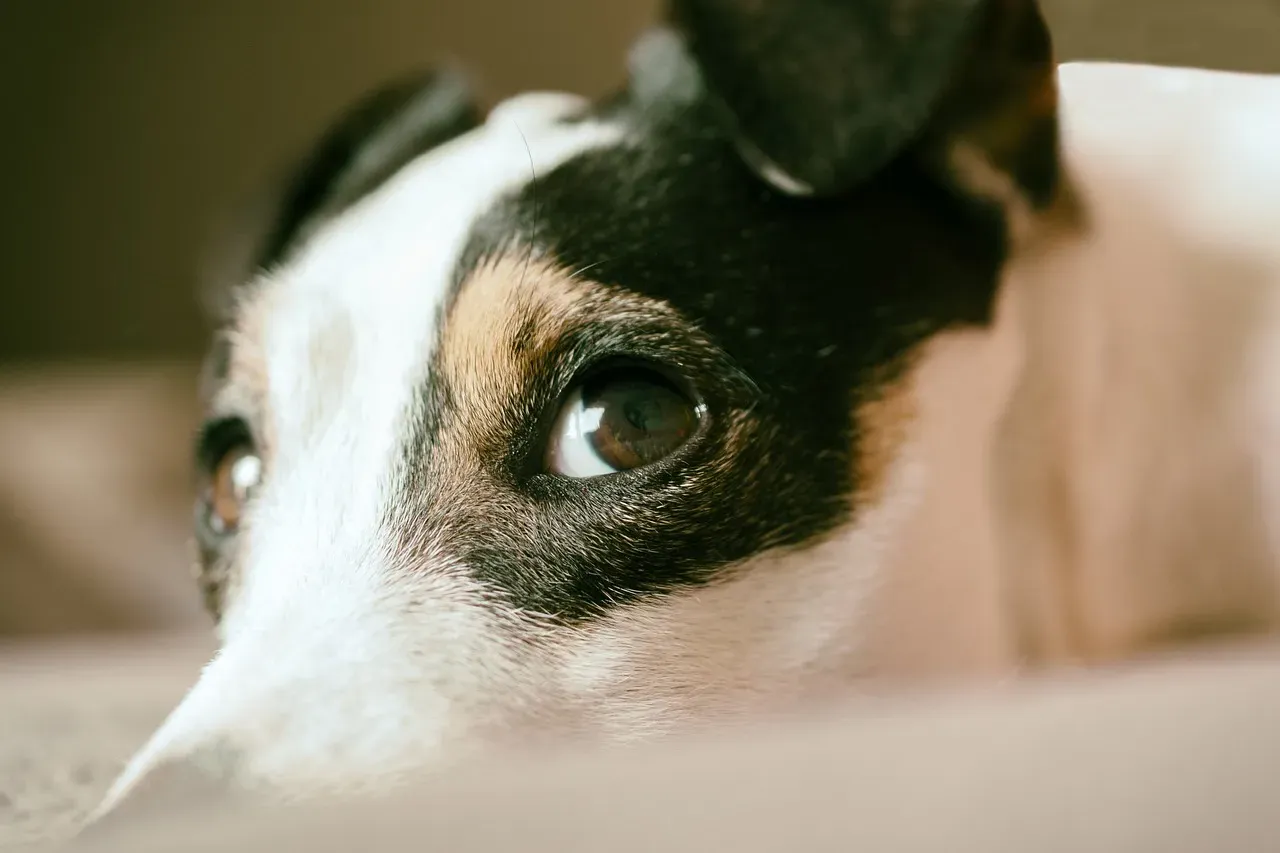
Most people assume dogs love it when kids lean in close and talk directly into their faces. Behaviourists say this is one of the most misread, riskiest forms of affection out there. In dog language, direct frontal leaning and face-to-face pressure can feel like a challenge or a trap, not a cuddle.
Many dogs will freeze, lick their lips, or turn away long before they ever snap – and almost nobody notices. We treat dogs like stuffed animals instead of creatures with real personal space needs. The uncomfortable truth is that some of the “sweetest” kid-dog selfies are the exact ones behaviourists find most alarming.
- Turning the head sharply away while the child leans in
- Repeated lip-licking, yawning, or sudden ground-sniffing
#4 – The “Obsessed” Dog That Never Lets the Baby Out of Sight
Many parents proudly say, “Our dog is obsessed with the baby, he follows her everywhere!” Behaviourists don’t automatically read that as sweet. They see a dog that may be hyper-vigilant, over-aroused, or even quietly guarding the child like a resource it feels responsible for.
A dog shadowing every movement isn’t always bonding – sometimes it’s anxiety dressed up as devotion. This can curdle into guarding fast: the dog growls at grandparents, siblings, or visitors who get too close to “their” baby. Parents call it protectiveness. Behaviourists see a dog under pressure, making decisions no dog should have to make alone.
- The dog wedges itself between adults and the child
- Stares intensely at anyone approaching the baby
#5 – Calling It “Herding” When It’s Actually Chasing and Nipping
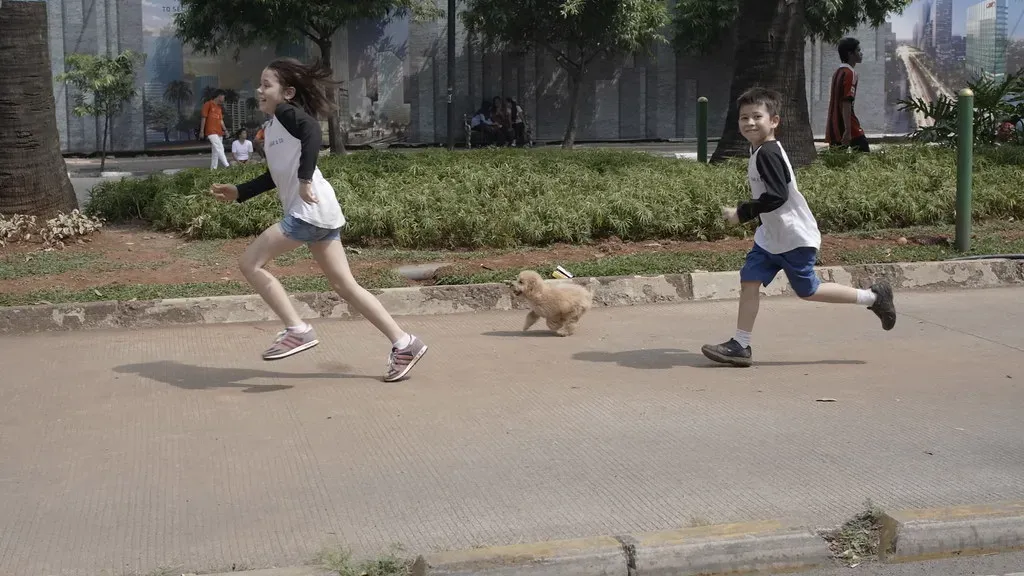
When kids run and the dog chases, adults laugh it off: “He’s a herding breed, he just likes to herd them!” Behaviourists are far less relaxed about that excuse. Chase-and-grab behavior toward children isn’t cute herding once teeth and fear enter the picture – it’s a bite risk with a breed label slapped on it.
For a scared child, those ankle nips and body slams are genuinely terrifying, and they escalate fast. It doesn’t matter that the dog is “just doing what herding dogs do.” If the kids are screaming or crying while adults keep filming, the game already stopped being fun for everyone but the camera.
- Wide pupils, tail high and stiff, body tight while chasing
- Kids screaming or crying while adults keep filming
#6 – Letting Kids Wake Up a Sleeping Dog
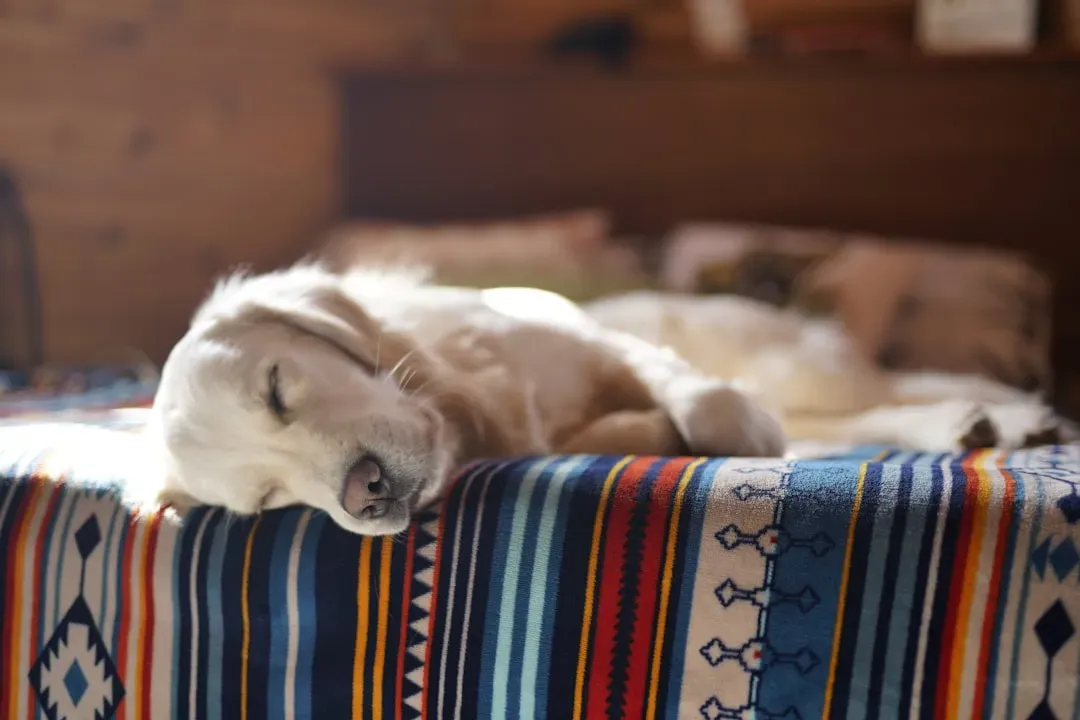
A shocking number of bites happen when a child approaches a sleeping or resting dog – on the couch, in a crate, or on a bed. Parents think, “He’s always been fine,” but behaviourists point out that even the most patient dog has a startle threshold. Being poked, climbed on, or hugged awake can trigger an instinctive defensive reaction before the dog even knows who touched it.
Many professionals insist on a hard rule: if the dog is sleeping or on its bed, kids stay away, no exceptions. Adults break this rule constantly, treating crates like playhouses instead of do-not-disturb zones, then act shocked when a startled dog reacts. Respecting a dog’s rest isn’t optional – it’s one of the most basic forms of bite prevention there is.
- Dogs on furniture or beds, especially near children
- Crates treated as “playhouses” instead of quiet zones
#7 – “He Only Growls at the Kids Sometimes”
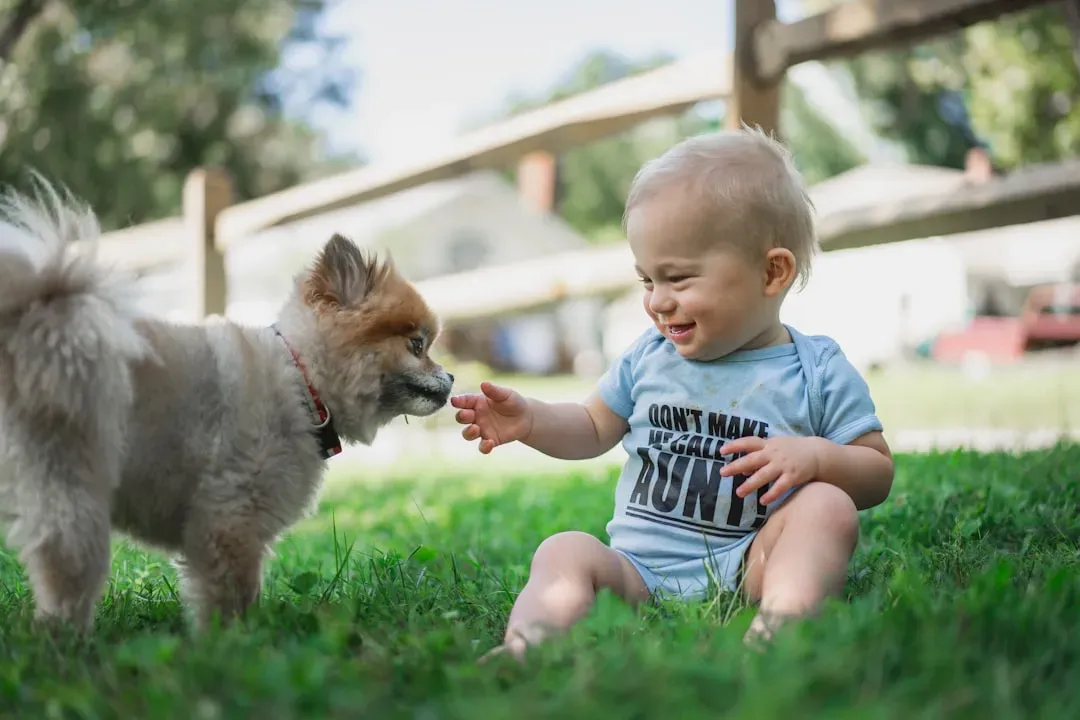
Some parents admit, almost proudly, “He growls sometimes, but only at the kids.” Behaviourists consider that a flashing red emergency light, not a quirky personality trait. Growling is communication – it means “I’m uncomfortable, please stop.” When that message gets ignored, punished, or laughed at, dogs learn that warning doesn’t work, and many skip straight to biting next time.
Telling kids “don’t be scared, he’s just talking” without ever changing the situation is unfair to everyone involved, including the dog. Here’s the uncomfortable part: a dog that only growls at children is a dog that only feels unsafe around the most vulnerable humans in the house. That should never get normalized.
Quick Compare
- Looks like: A quiet grumble during a cuddle → Really means: “Please stop, I’m uncomfortable”
- Looks like: A toddler’s tight bear hug → Really means: A trapped dog showing whale eye and a clamped jaw
- Looks like: A dog that “never leaves the baby’s side” → Really means: Possible hyper-vigilance or early resource guarding
- Growling when the child approaches toys, food, or the dog’s bed
- Low, rumbling vocalization when the child hugs, leans, or climbs
#8 – The Dog That Turns Into a Bodyguard for One Parent
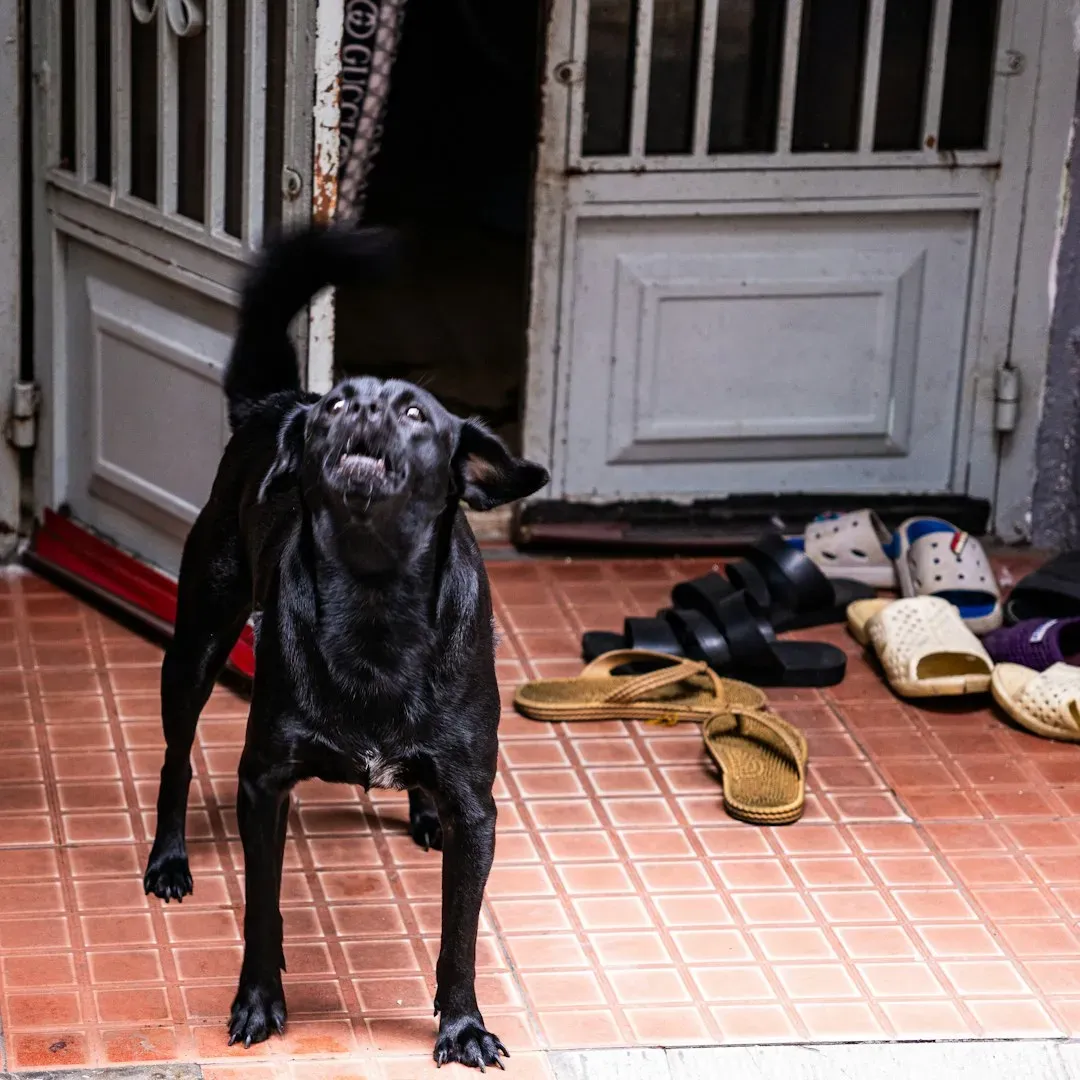
Behaviourists often notice this pattern: when kids are around, the dog becomes glued to one adult, shadowing them, squeezing between them and the child, or leaning hard against their legs. Many owners call it affection. Professionals see potential resource guarding, with the dog treating that adult like a prize it has to control access to.
Some parents secretly enjoy being the dog’s obvious favorite – it feels flattering. But behaviourists know this triangle can end badly when a child innocently rushes in for a hug and the dog reads it as a threat to something it’s guarding. A safe bond with a dog should never require it to play bodyguard against its own family.
- The dog stiffens, stares, or blocks when the child approaches “their” adult
- Subtle growls or lifted lips when the child tries to cuddle the same person
#9 – Turning a Dog’s Discomfort Into Content
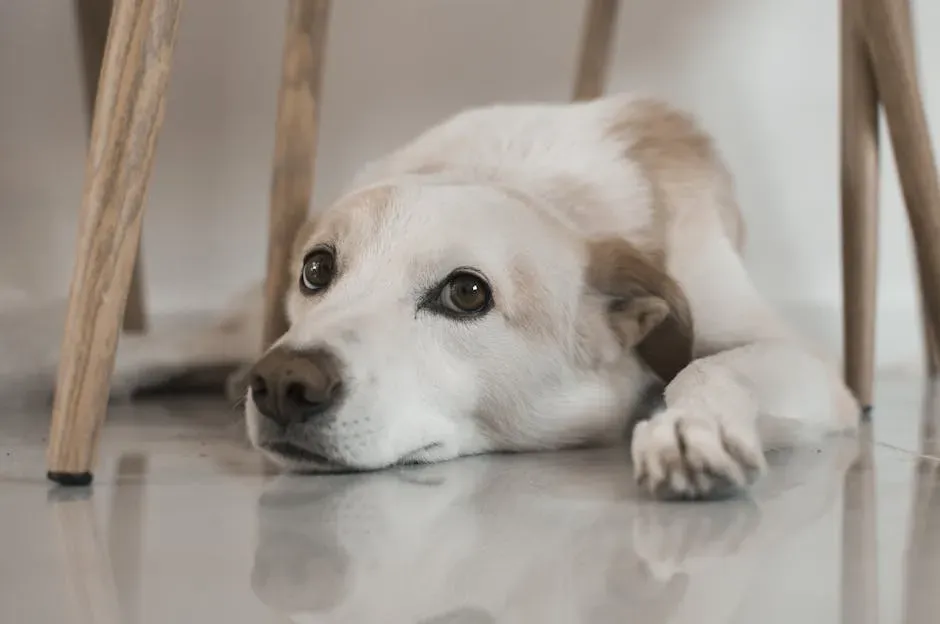
Behaviourists say one of the biggest modern problems is parents turning inappropriate interactions into content. Kids dress dogs up, drag them by the collar, ride them like horses, or make them “dance” on hind legs while adults record and laugh. Many of those dogs are showing textbook stress – ears back, tail tucked, body rigid – but because nobody is barking or biting, everyone assumes it’s fine.
This one is harsh to hear, but it matters: when adults encourage kids to override a dog’s boundaries for a laugh or a like, they’re training both the child and the dog that discomfort doesn’t count. That’s not cute. It’s a slow-motion setup for fear, resentment, and eventually a bite that surprises no one who was actually paying attention.
- Children “testing” what the dog will tolerate for a video
- Adults prioritizing a funny clip over the dog’s consent
#10 – Calling Resource Guarding “Just Being Protective”
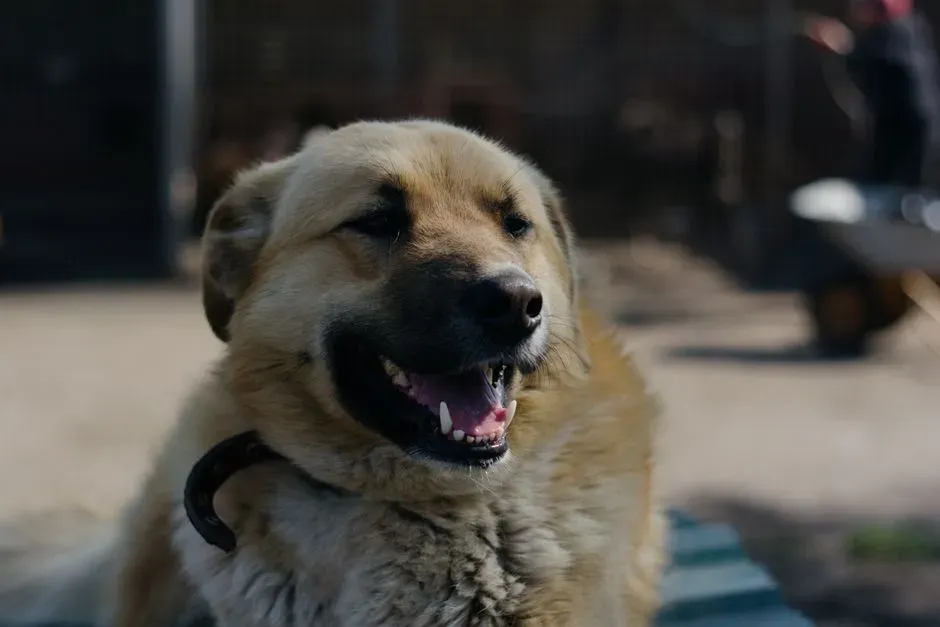
A dog that stiffens, freezes, or growls when a child approaches food, toys, or the couch isn’t being noble or loyal – it’s guarding resources, and kids are often the least safe target for that behavior. Parents frequently excuse it: “He’s just protective of his bone,” or worse, “He’s guarding the baby.” Behaviourists disagree completely: dogs don’t need to guard anything from children inside their own home.
This is trainable, but denial makes it worse every time. Experts often treat any guarding around kids as a priority case for management and professional help – not a wait-and-see situation. Pretending it’s a sign of love is dangerously wishful thinking dressed up as loyalty.
- The dog eats faster, hovers over bowls, or blocks access when kids move nearby
- The dog positions itself between the child and objects like toys, beds, or people
#11 – Letting Kids “Tease” the Dog for Fun
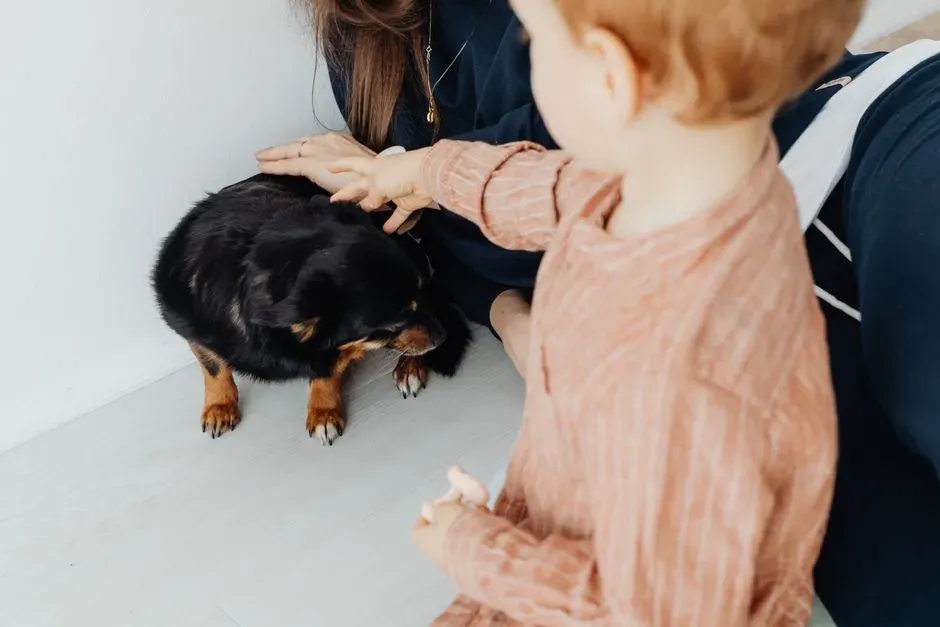
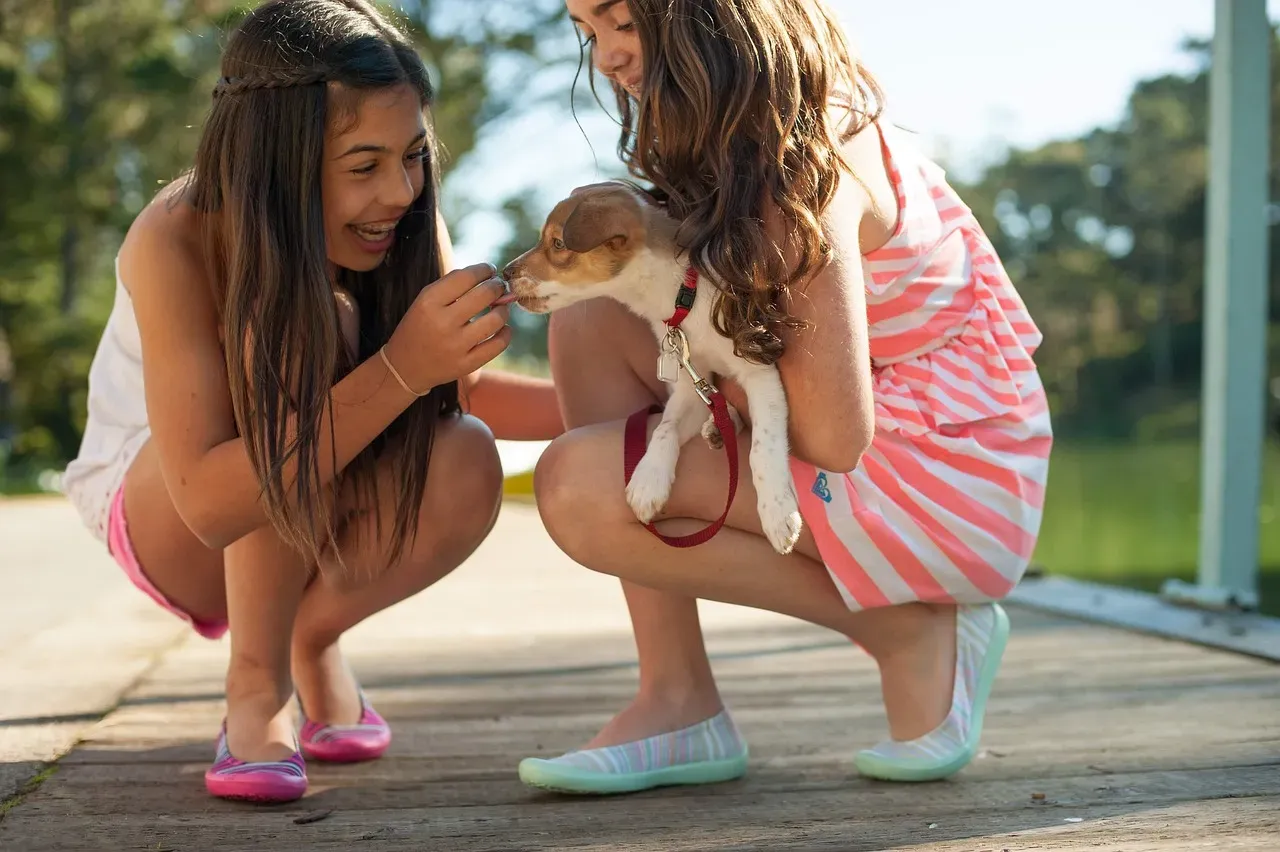
Many families normalize kids “just playing” with the dog – tugging ears, poking, squealing, cornering the dog for laughs. Behaviourists call this chronic harassment, even when the child’s intent is completely innocent. Over time, a dog that’s constantly pestered can become hyper-sensitive to kid movement or noise, reacting faster and harder than it used to.
Here’s the uncomfortable truth: if a child treated another child this way, adults would step in immediately. Because it’s “just a dog,” people let it slide – until the dog finally says enough with its teeth. Teaching kids to recognize when a dog has had enough deserves the same priority as teaching them “please” and “thank you.”
- Dog constantly moving away, only to be followed again
- Adults saying “he doesn’t mind” while the dog clearly avoids contact
#12 – Wild Homecoming Greetings Nobody Slows Down
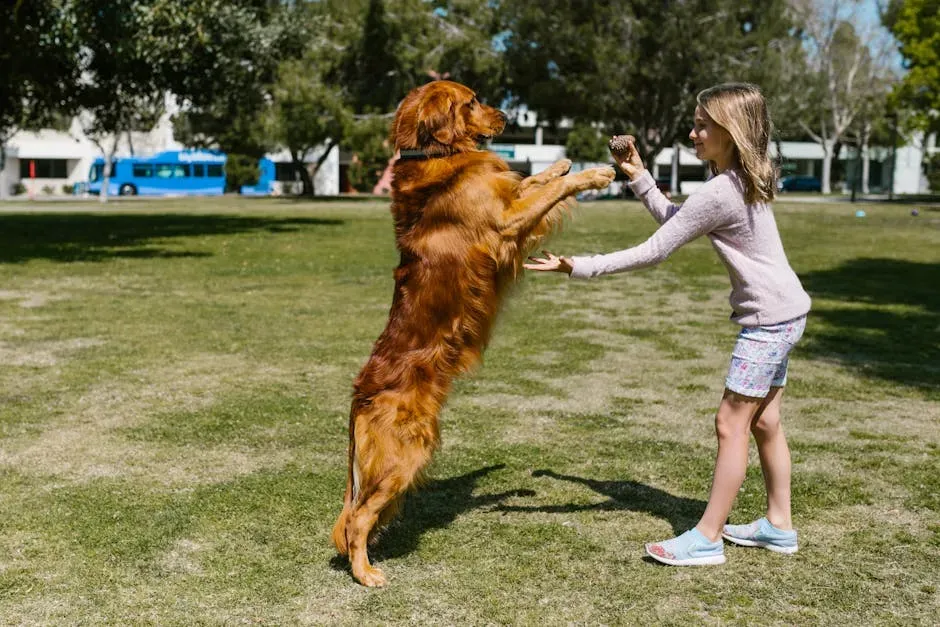
Jumping, mouthing, and wild zoomies when kids come home from school get dismissed as “he’s just happy!” Behaviourists warn that high arousal plus small, wobbly humans is a genuinely risky combination. A dog that can’t regulate itself around kids might knock one down, nip skin by accident, or turn its own excitement into a full-blown panic for the child.
Instead of laughing it off, experts push for calmer greeting rituals and simple barriers like baby gates. The goal isn’t to kill the joy – it’s to lower the chaos before someone gets hurt. A dog who can’t settle down around kids is a dog at real risk of making a serious mistake, no matter how good its intentions are.
At a Glance
- Use a baby gate or exercise pen to create a calm-down buffer at the door
- Have kids stand still or sit rather than run toward an amped-up dog
- Reward four paws on the floor before allowing any greeting
- Give the dog a decompression break in another room if arousal stays high
- Jumping that includes teeth on sleeves, hair, or skin
- The dog escalating when kids scream or run away
#13 – A Dog That Suddenly Avoids the Kids Entirely
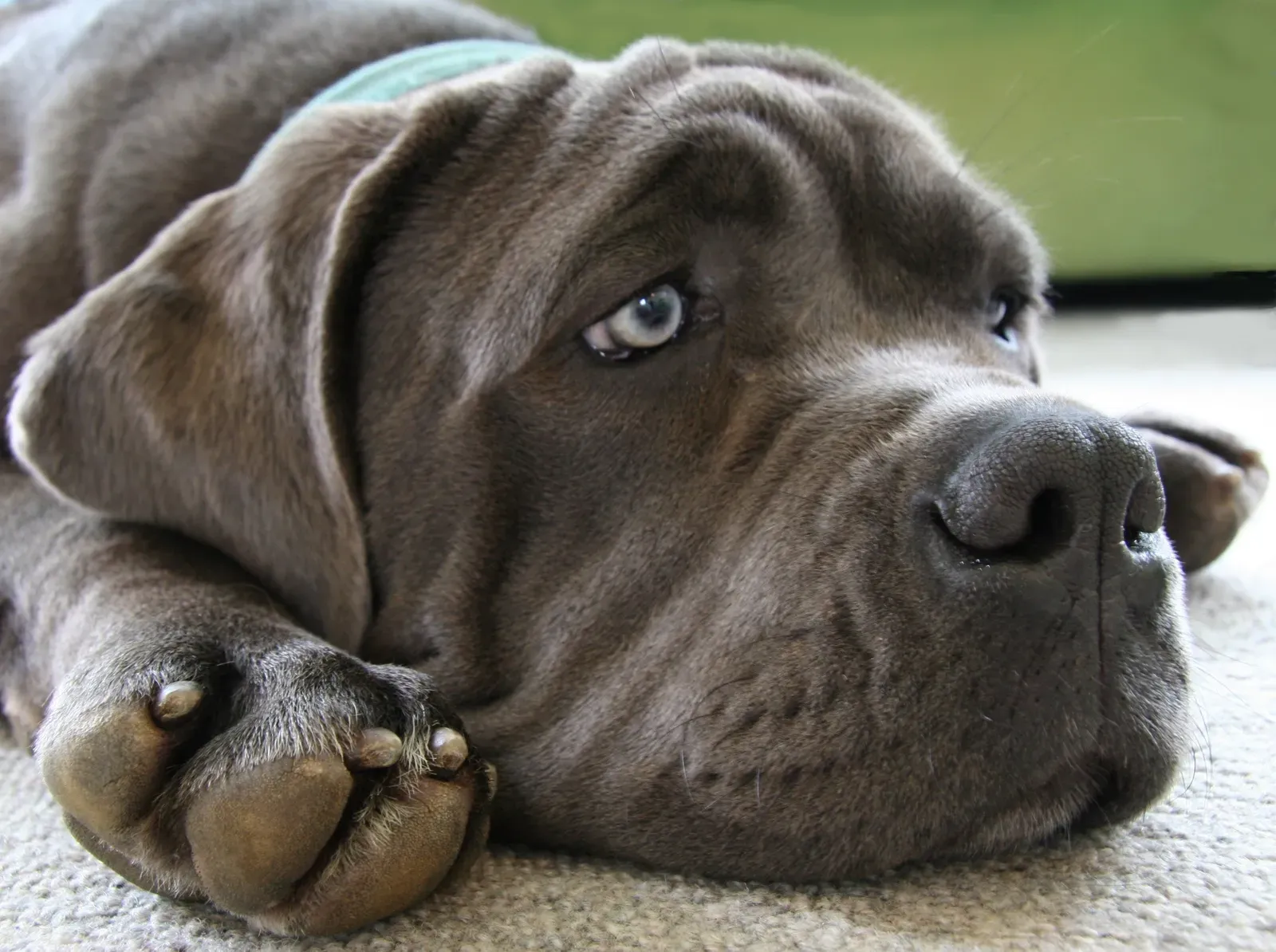
When a dog stops approaching kids, some parents feel relieved: “She just ignores them now.” Behaviourists see something different – a dog that has given up on positive interaction and switched to avoidance as a survival strategy. That might look safer in the short term, but it’s actually a loud, flashing sign the dog no longer feels comfortable around children at all.
Avoidance is a warning, not a cure. If kids are still allowed to follow and corner a dog that’s clearly trying to escape, the risk goes up sharply, because the dog has lost its last safe option. Many “sudden” bites come after months of this quietly ignored withdrawal.
- The dog leaves the room whenever kids enter
- Hiding under tables, behind furniture, or in distant rooms
#14 – Trusting the Dog’s Personality Instead of Building Real Structure
Behaviourists say the most dangerous belief in any home is simply this: “our dog would never.” When parents lean on that fantasy instead of solid management – no gates, no supervision, no rules – they set both kids and dogs up to fail. A good dog is still an animal with teeth, instincts, and limits. Love doesn’t erase biology.
Many heartbreaking bite stories start the exact same way: “He’s the best dog, we didn’t think we needed to worry.” The professionals’ blunt opinion is that you should trust your management, not your luck. Even the kindest, gentlest dog deserves clear boundaries and protection from situations it was never equipped to handle.
Worth Knowing
- Never leave dogs and young children unsupervised, even for “just a minute”
- Give the dog its own dog-free space it can retreat to anytime
- Teach kids simple consent cues, like letting the dog approach first
- Treat growling, freezing, or avoidance as information, not disobedience
- Letting dogs and young kids interact unsupervised “because he’s always been gentle”
- Ignoring early red flags because admitting them feels like betraying the dog
The Bottom Line
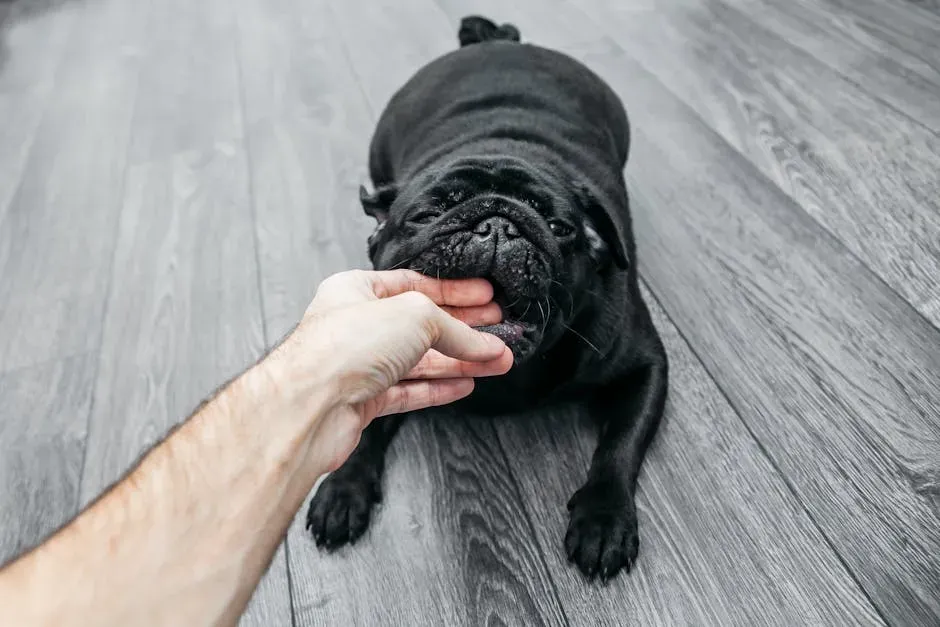
Look closely enough, and most “sudden” dog bites aren’t sudden at all. They’re the final chapter in a long story of missed signals, mixed messages, and adults romanticizing risky behavior as cute because it photographed well.
The most shocking truth behaviourists keep repeating is this: kids almost always get blamed for scenarios only adults could have prevented. A safe child-dog relationship isn’t built on blind trust or viral photo ops. It’s built on supervision, structure, and a ruthless respect for what the dog has been trying to tell you the whole time, even when that’s inconvenient.
Some parents will read this and think, “our dog is different.” Maybe. Or maybe it’s time to look again at the quiet moments nobody questioned – the leaning, the hugging, the naps nobody interrupted – and ask whether the dog was ever really as fine with it as everyone assumed. Did we miss a warning sign you’ve seen in your own home? Drop it in the comments.


