
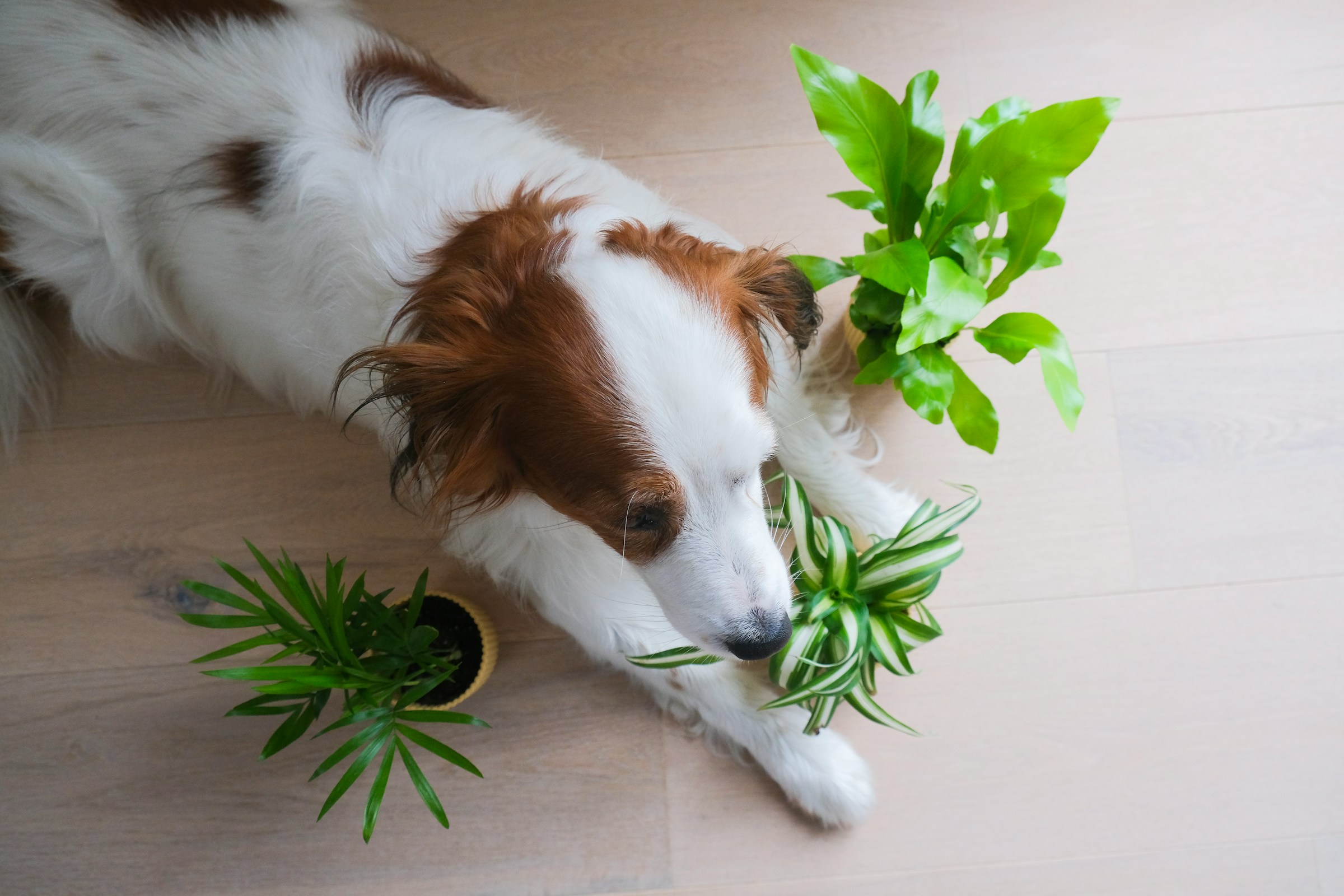
You babyproofed the outlets. You locked the cabinets. You even bought the fancy corner guards for the coffee table. So why do vets keep telling the same horror stories about homes that looked, on paper, completely safe?
Here’s the uncomfortable truth: babyproofing and dog-proofing are not the same job, and most families only do half of it. The dangers hiding in plain sight aren’t the obvious ones – they’re the everyday objects that look like snacks, toys, or harmless clutter. Keep reading, because at least one of these is probably sitting in your house right now.
#12 – Open Trash Cans and “Snackable” Garbage
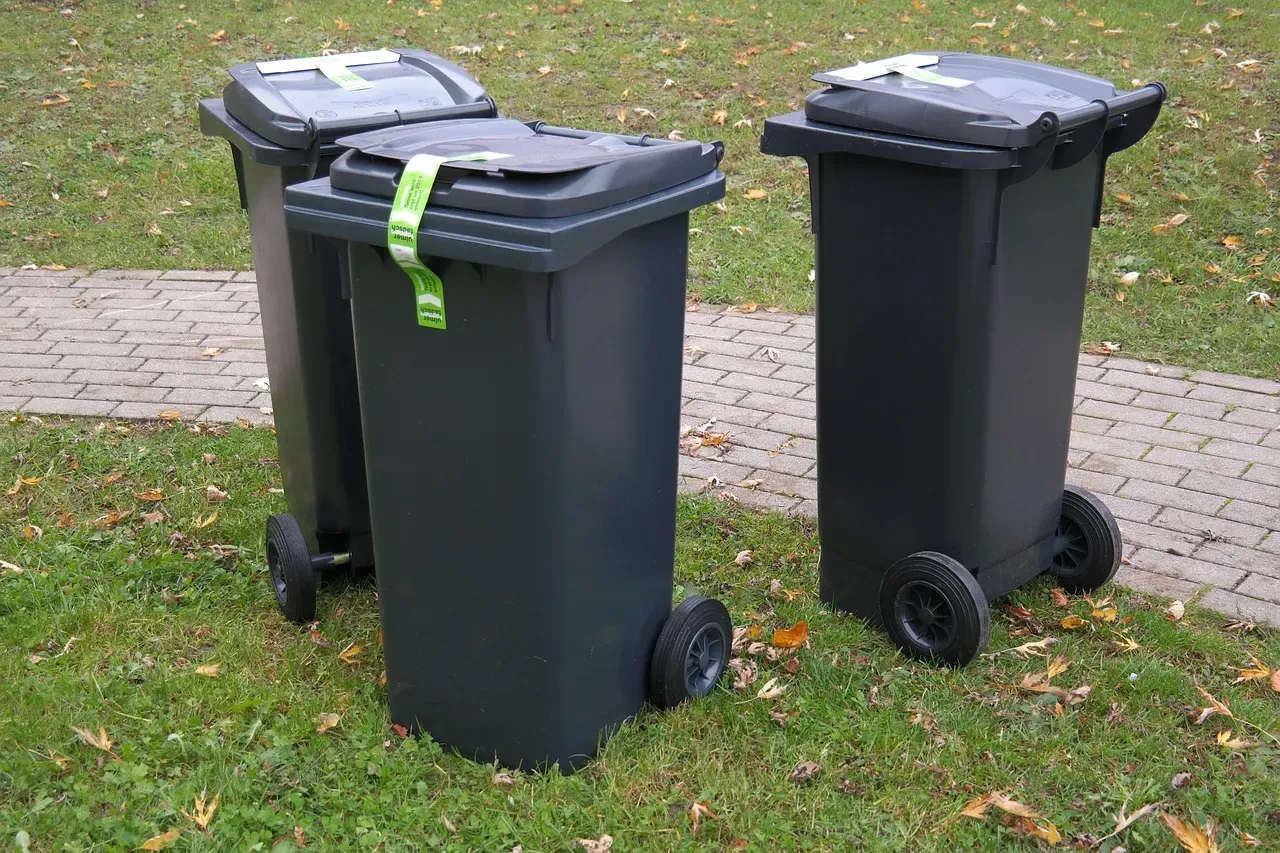
Vets say the household trash can might be your home’s most underrated emergency room trigger. Toddlers and dogs both explore the world with their mouths, and an open or flimsy trash can is basically an all-you-can-eat buffet of bacteria, choking hazards, and toxins.
Leftover chicken bones, moldy food, coffee grounds, and food-soaked plastic wrap are frequent culprits in vet ERs. Dogs swallow sharp bones that splinter in the gut. Toddlers grab rotten food that can cause nasty infections.
It’s not just what’s inside – it’s how accessible it is. A swinging lid that a dog can nose open, or a low bathroom bin a toddler can reach, turns “harmless” waste into a daily hazard. Diapers, dental floss, Q-tips, and even cosmetic pads can cause intestinal blockages if eaten.
Most people think a firm “no” will keep pets away. Bored or anxious dogs dig through trash the second you leave the room. But that’s nothing compared to what’s hiding at #11.
#11 – Human Medications on Nightstands and Counters
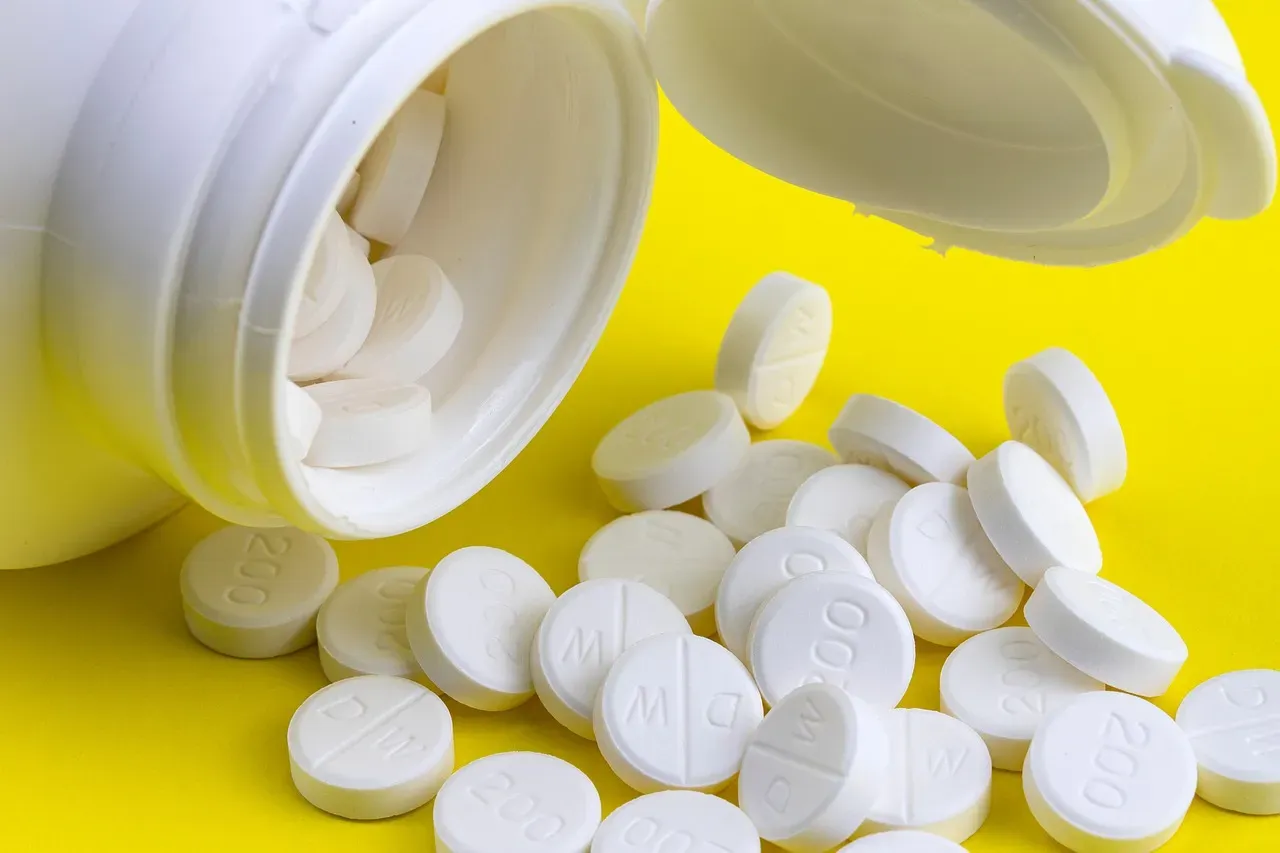
Most parents now lock up cleaning supplies, but human medications are still left out in the open in most homes – and vets say that’s a serious mistake. Nightstands, kitchen counters, purses, and open backpacks are prime hunting grounds for both toddlers and dogs.
Colorful pills look like candy to kids. Rattling pill bottles sound like toys to dogs. Pain relievers, antidepressants, ADHD meds, and blood pressure pills are among the top reasons for pet poison control calls.
The scary part is the math: what’s a normal dose for you can be lethal for a 25-pound dog or a 25-pound toddler. A single high-dose ibuprofen tablet can cause severe kidney damage in a pet. A handful of gummy vitamins left in reach can send a child straight to the ER.
Fast Facts
- Pain relievers like ibuprofen can trigger kidney damage in pets at surprisingly low doses.
- ADHD medications and antidepressants rank among the top pet poison control concerns.
- Blister packs are not a real barrier – both curious toddlers and dogs can chew through them.
- Purses and backpacks left on the floor are common access points, not just nightstands.
Blister packs are not child- or dog-proof, no matter what the packaging implies. Vets recommend locked, high storage – and never taking pills while a dog is hovering, waiting for what it thinks is a treat. But that’s nothing compared to what’s tangled up at #10.
#10 – Cords, Chargers, and Power Strips
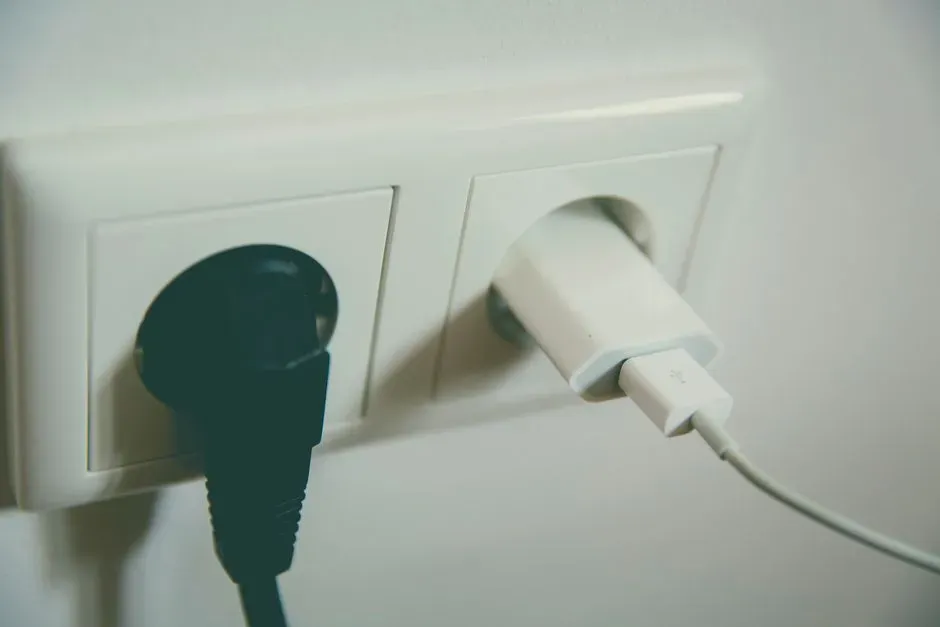
If your living room looks like a web of chargers, you’re not alone – and vets quietly hate it. Toddlers and dogs both chew, tug, and trip, and frayed charging cables are a known cause of electrical burns in pets.
Puppies especially go for anything flexible and rubbery: laptop cords, phone chargers, lamp wires. One bite through a live wire can cause burns to the mouth, seizures, or worse.
It’s not just the electricity, either. Loose cords create strangulation and tripping hazards. Toddlers can wrap them around their necks; dogs can get legs tangled and panic mid-run.
Power strips shoved under couches collect dust, hair, and spilled drinks – perfect conditions for overheating. Tech clutter looks harmless and modern, but it’s actually old-school dangerous. But that’s nothing compared to what’s growing in a pot at #9.
#9 – Houseplants That Are Secretly Toxic
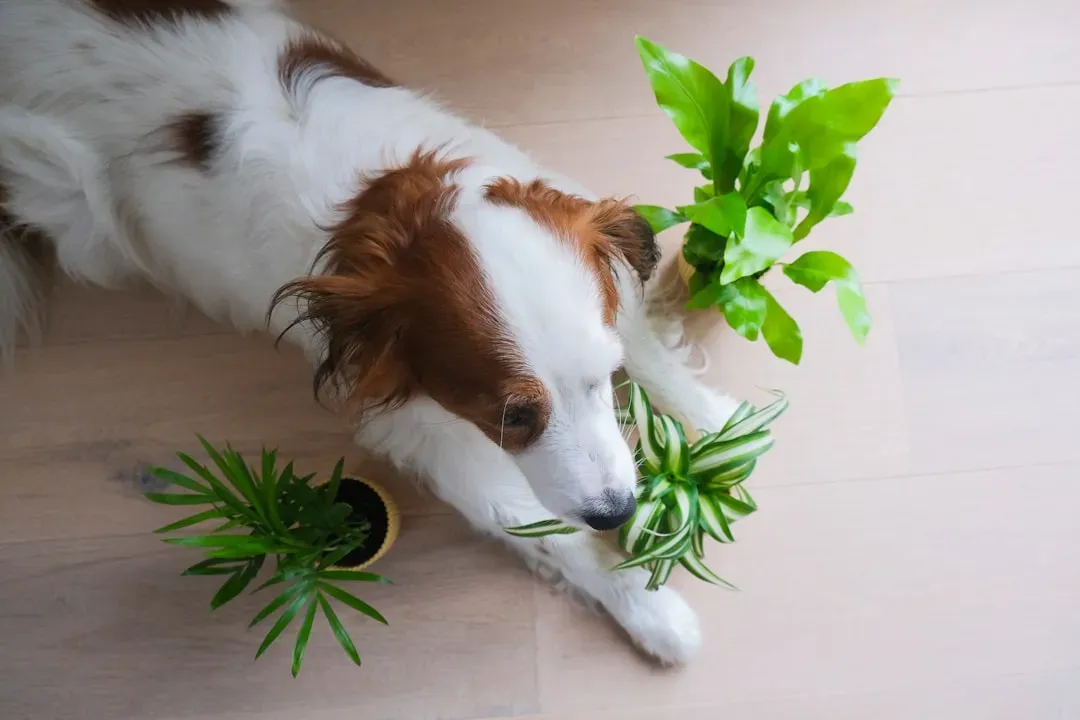
Most people proudly display their monstera or peace lily on Instagram, but a shocking number of trendy houseplants are toxic to dogs and kids. Vets routinely see vomiting, drooling, and even kidney trouble from plants people thought were completely safe décor.
Common offenders include lilies, pothos, philodendron, dieffenbachia, and sago palm. Even a “decorative” bulb stored in a closet is one curious moment away from disaster.
Toddlers chew leaves or dig in the soil out of pure curiosity. Dogs often nibble plants when bored or nauseated. Even non-lethal plants can cause intense mouth irritation, swelling, and vomiting – bad enough to scare any parent half to death.
At a Glance
- Lilies – highly toxic, especially dangerous around cats and can also harm dogs.
- Sago palm – every part of the plant is considered a serious poisoning risk.
- Pothos and philodendron – cause mouth swelling and irritation if chewed.
- Dieffenbachia – nicknamed “dumb cane” for the throat irritation it can trigger.
Plant labels at big-box stores are notoriously vague about pet safety. Vets now suggest you assume a plant is unsafe until you confirm it through a reliable source, then keep even the safe ones out of reach anyway. But that’s nothing compared to what’s hiding in the laundry basket at #8.
#8 – Laundry Pods, Detergents, and Fabric Softener Sheets
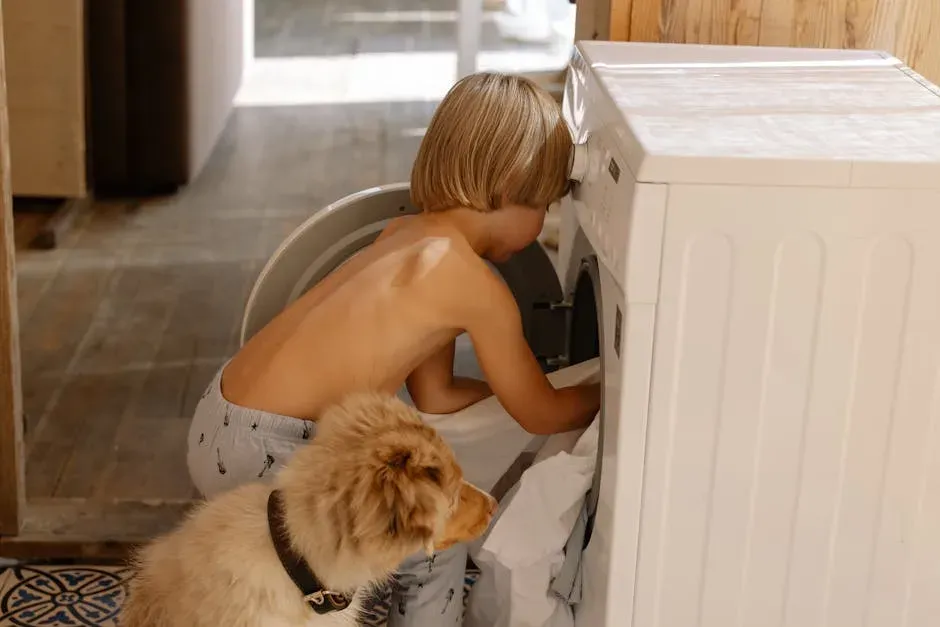
Those brightly colored laundry pods that “make life easier”? Vets and pediatricians see them very differently. Toddlers see candy. Dogs see chew toys. The concentrated chemicals inside are far harsher than old-school liquid detergent.
Just one pod can cause severe vomiting, coughing, and respiratory distress in both kids and pets. Even the outer film, designed to dissolve in water, breaks down almost instantly in saliva or when punctured by teeth.
Traditional detergents, stain removers, and fabric softener sheets aren’t much safer. Dogs often ingest used dryer sheets pulled straight from the laundry basket, while toddlers grab them off the floor or out of the machine.
Keeping the laundry room door closed isn’t enough if baskets overflow into hallways. Vets push for lockable storage bins and skipping those cute glass-jar “pod displays” that look great on social media and terrible in real life. But that’s nothing compared to what’s scattered across the floor at #7.
#7 – Small Toys, Building Bricks, and Puzzle Pieces
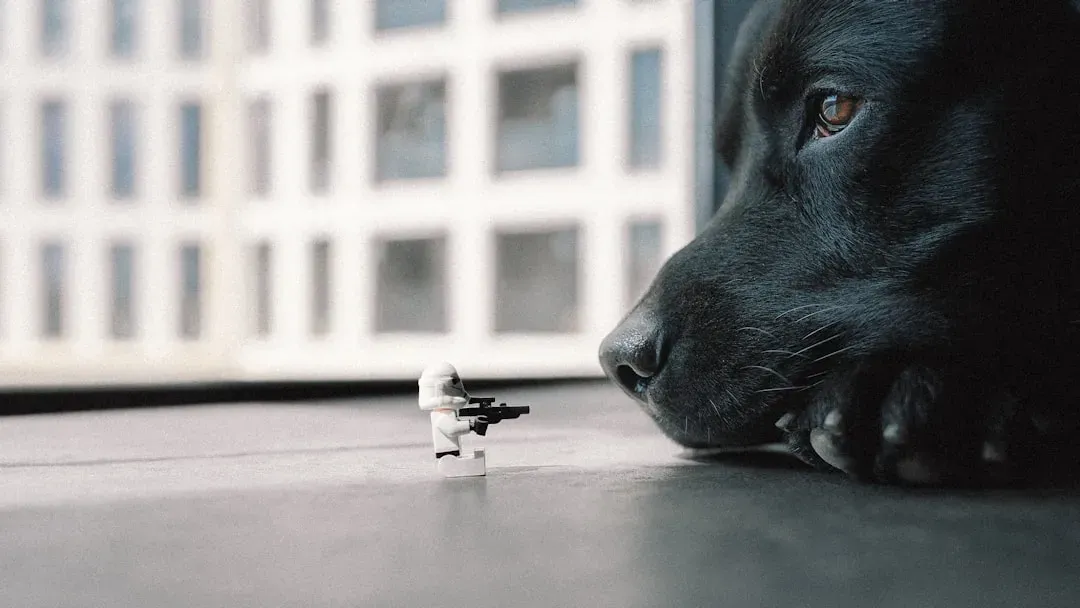
Here’s where many parents roll their eyes – until they see an X-ray. Small plastic toys and building bricks are among the most common foreign objects vets remove from dogs’ intestines. They’re also a top choking hazard for toddlers.
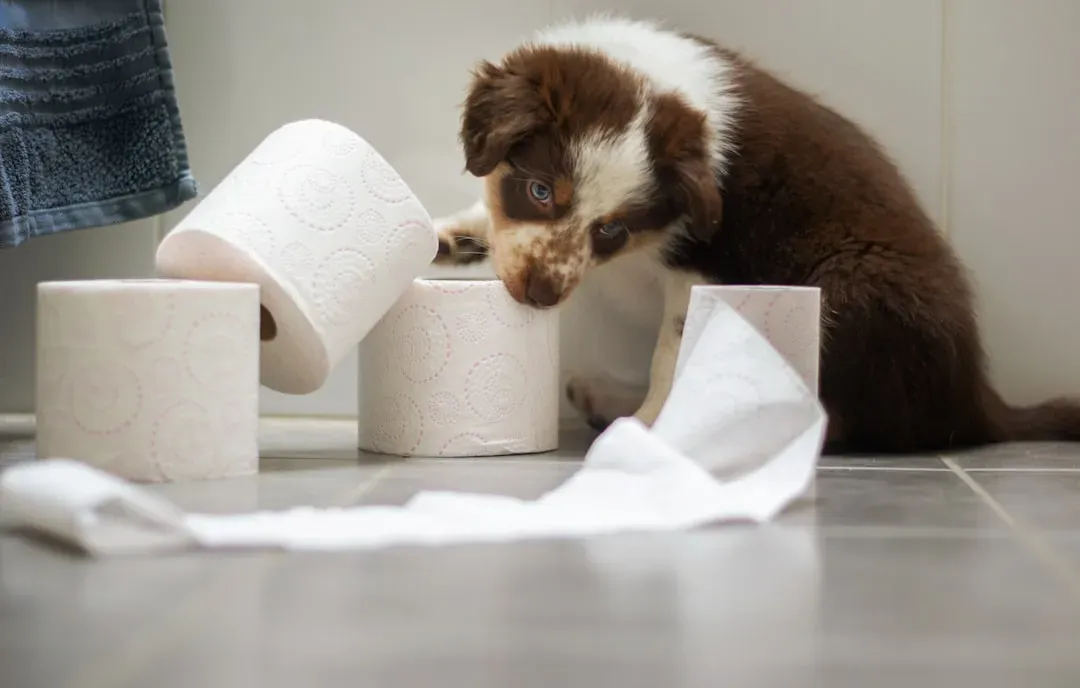
The overlap is brutal: anything that fits inside a toilet paper tube can usually fit in a child’s or a dog’s airway. Blocks, marbles, doll shoes, toy screws, and board game pieces all sit squarely in that danger zone.
Dog owners often assume their pet will “just chew and spit it out.” Reality check: plenty of dogs swallow first and ask questions later, and sharp edges can perforate intestines or cause blockages that require expensive, invasive surgery.
Quick Compare
- Fits through a toilet paper tube – treat it as a choking and swallowing risk.
- Has small removable parts (eyes, wheels, screws) – keep away from both toddlers and dogs.
- Sharp edges or hard plastic pieces – higher risk of internal injury if swallowed.
- Soft, oversized, one-piece toys – generally the safer choice for shared play spaces.
Meanwhile, an older sibling’s Lego masterpiece is irresistible to a toddler learning to pinch tiny pieces. The rule vets and pediatric ER doctors both swear by: if it’s small, it lives in a lidded bin on a high shelf. But that’s nothing compared to what’s cooling on the counter at #6.
#6 – Kitchen Counters and Unattended Food
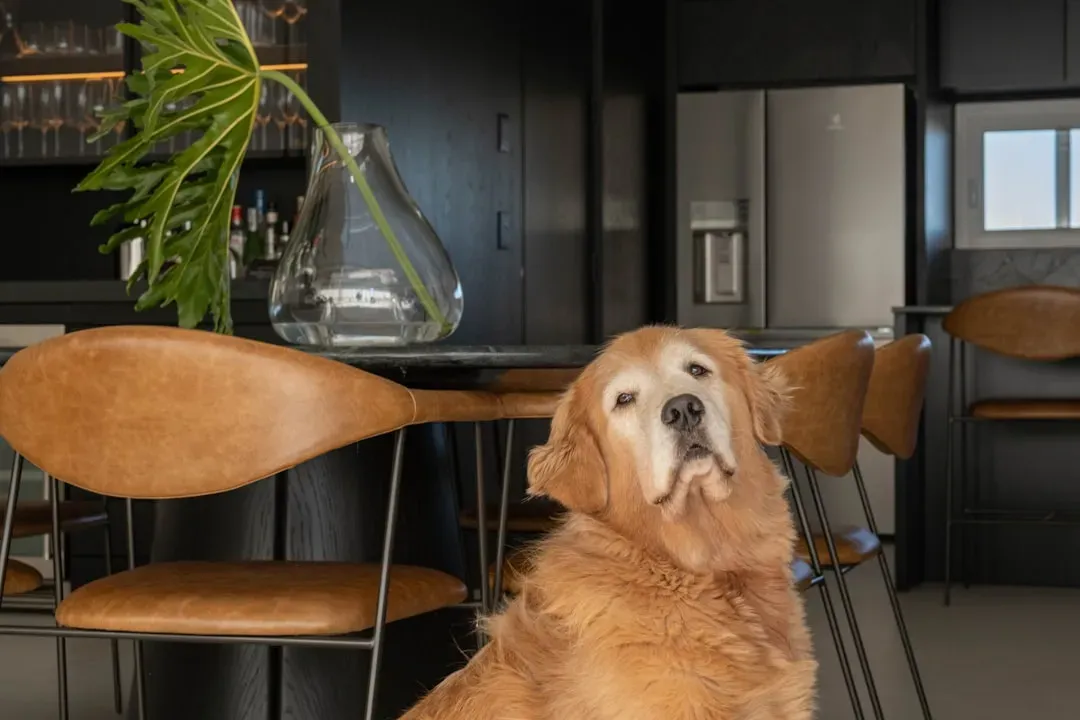
Most people think of the kitchen as “family central,” not a danger zone – but vets see it as the most common poisoning site in the entire house. Dogs are masters of counter-surfing, and toddlers are shockingly fast at climbing stools.
Chocolate, grapes, raisins, xylitol (found in sugar-free gum and some peanut butters), onions, and garlic are all toxic to dogs, and several can seriously harm children in the wrong amounts too. Leftovers cooling on the counter become a high-stakes game of chance.
It’s not only food, either. Hot pans with oil, sharp knives near the edge, skewers from kabobs, and toothpicks hidden in appetizers are all accidents waiting for a window.
Some vets argue that letting dogs roam freely during meal prep is one of the most overlooked safety mistakes families make. Closed baby gates, strict “no dogs in the kitchen” rules, and clearing counters immediately aren’t overprotective – they’re preventative medicine. But that’s nothing compared to what’s lurking under the sink at #5.
#5 – Cleaning Products and “Fresh” Smells
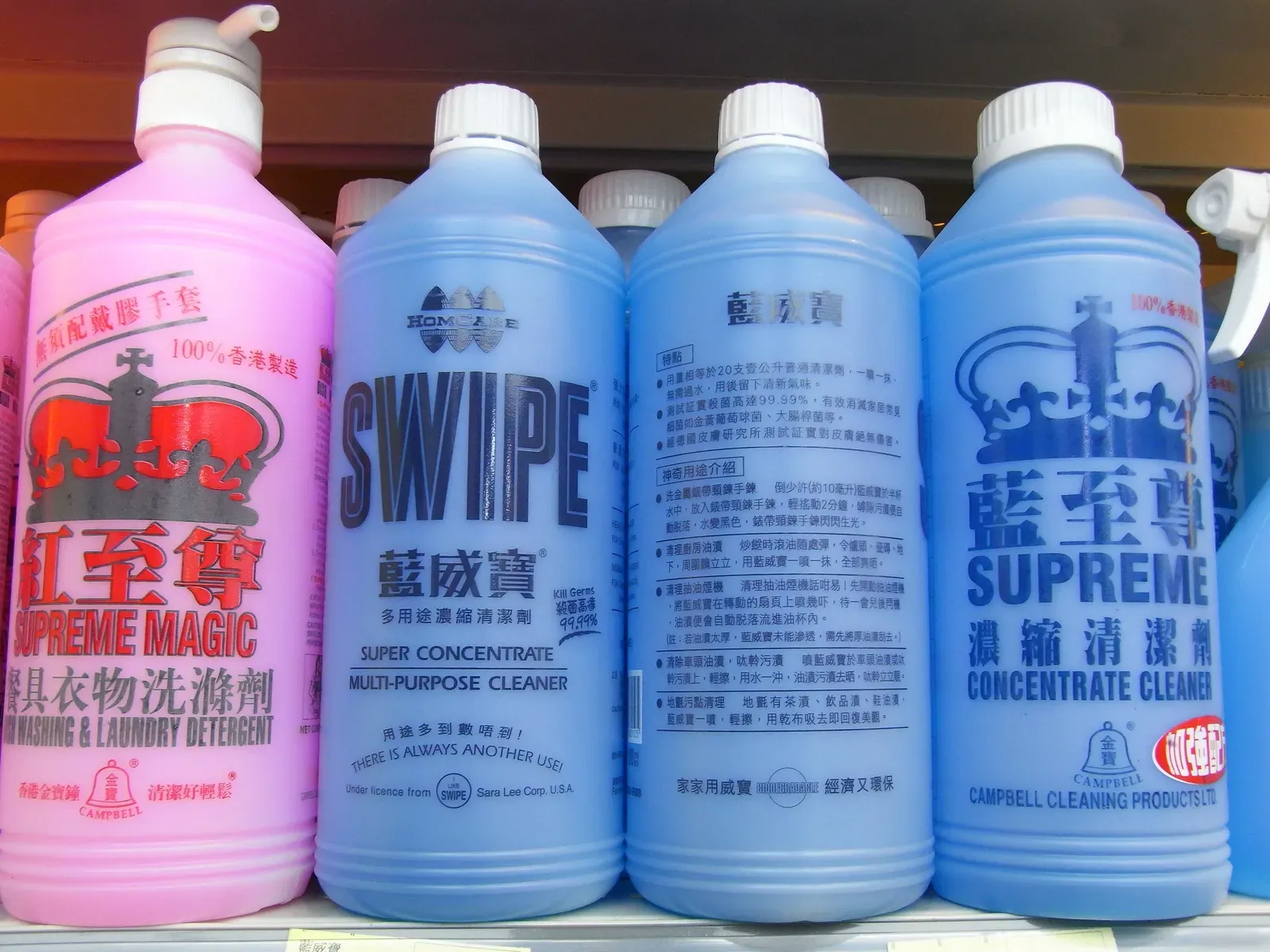
Here’s the unpopular opinion: your house might be too “clean” to actually be safe. Many everyday cleaning sprays, floor solutions, and air fresheners contain chemicals that can irritate lungs, burn paws, or cause stomach upset when licked off surfaces.
Toddlers crawl and put hands in their mouths; dogs lick freshly mopped floors and groom their paws after walking through wet cleaner. Bleach, ammonia, and strong disinfectants are obvious red flags, but even “natural” products can be highly concentrated.
Air freshener plug-ins, scented candles, and reed diffusers also release volatile compounds into the air. In small, poorly ventilated rooms, that buildup can trigger coughing, sneezing, or worse in sensitive pets and kids.
- Dilute cleaners more than the label suggests when it’s safe to do so.
- Rinse floors with plain water after using strong solutions.
If it makes your eyes water or your nose burn, it’s not toddler- or dog-friendly. Citrus and essential oils are not automatically safe just because they’re “natural.” But that’s nothing compared to what’s about to fall over at #4.
#4 – Unsecured Furniture, TVs, and Baby Gates
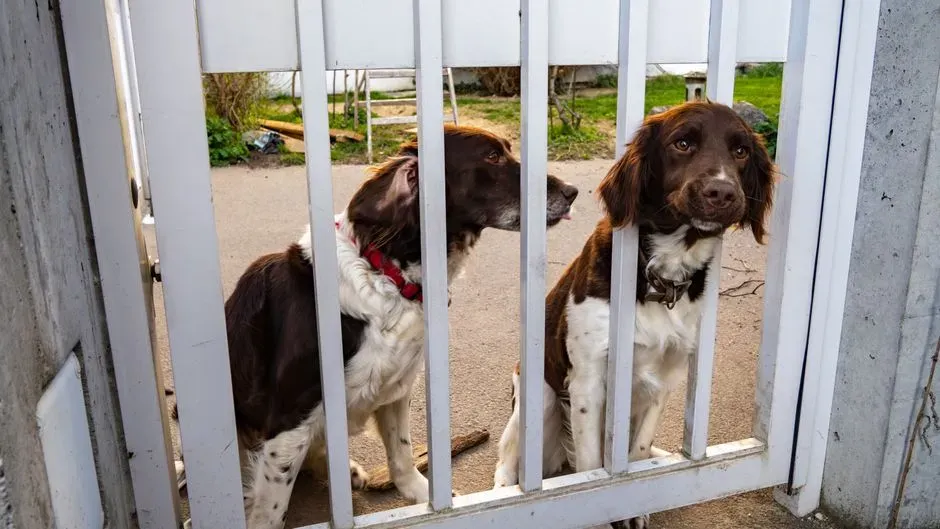
Most people now anchor dressers for toddlers, but forget the flat-screen TV, the bookcase, and even some baby gates. Vets see the aftermath when large objects come down during chaos – a dog chasing a ball, a toddler hanging off an open drawer, or both crashing into the same unstable gate at once.
A tipping TV can cause skull fractures, broken bones, or fatal crush injuries in small bodies, two-legged or four-legged. Pressure-mounted baby gates that aren’t properly installed can pop out with one determined dog leap, sending both dog and toddler tumbling down the stairs together.
Free-standing shelves used to store pet food, toys, or cleaning supplies are especially dangerous when they double as “climbing towers” for small hands and paws.
The brutal truth: if an adult can wiggle a piece of furniture by hand, a running dog plus a climbing toddler can probably tip it over completely. Wall anchors and hardware kits aren’t just for neat freaks – they’re life-saving equipment. But that’s nothing compared to what’s waiting in the bathroom at #3.
#3 – Toilets, Buckets, and Standing Water
This one sounds ridiculous until you see the data. Open toilets, mop buckets, and even oversized dog water bowls can pose serious drowning risks to unsteady toddlers.
Young children can drown in just a few inches of water, and they don’t splash and yell the way movies show it – it’s silent and fast. For dogs, the bigger fear is chemical exposure, since many toilet bowl tablets and cleaners leave residue behind that pets happily drink.
Buckets left with mop water, paint rinse, or cleaning solution are a double hazard: toxic if ingested, and lethal if a child leans in too far and tips over. Dogs may also drink from them purely out of boredom.
Worth Knowing
- Toddlers can drown silently in just a few inches of standing water.
- Toilet bowl cleaner residue is a common, overlooked source of pet poisoning.
- Mop buckets and paint rinse water pose both drowning and toxic ingestion risks.
- Emptying buckets immediately after use removes the hazard entirely – no gadget required.
Even outdoor water features, kiddie pools, and rain-filled tubs deserve regular checks. Simple habits, like closing toilet lids and emptying buckets immediately, do more than most expensive gadgets ever could. But that’s nothing compared to what’s coiled by the window at #2.
#2 – Cords on Blinds and Curtains
Ask a vet or a pediatric ER nurse what household hazard they truly hate, and blind cords come up sickeningly often. Looped cords can cause strangulation in seconds, and both kids and pets are at risk.
Toddlers see something to pull. Dogs and cats see something to bat with paws or get tangled in during play. People assume “it won’t happen that fast,” but entanglement can tighten quietly while adults are just one room away.
The controversy is that many homes still have older blinds with long, accessible cords because replacing them feels “unnecessary.” Newer cordless or tensioned options exist precisely to prevent these tragedies.
Even DIY cord shorteners leave dangerous loops if not installed correctly. If you have toddlers and pets, keeping corded blinds is like leaving a loaded trap at every window – tucking cords behind furniture is better than nothing, but it’s not the same as eliminating the loop entirely. But none of that compares to the biggest blind spot of all, at #1.
#1 – “Safe Rooms” That Aren’t Actually Supervised
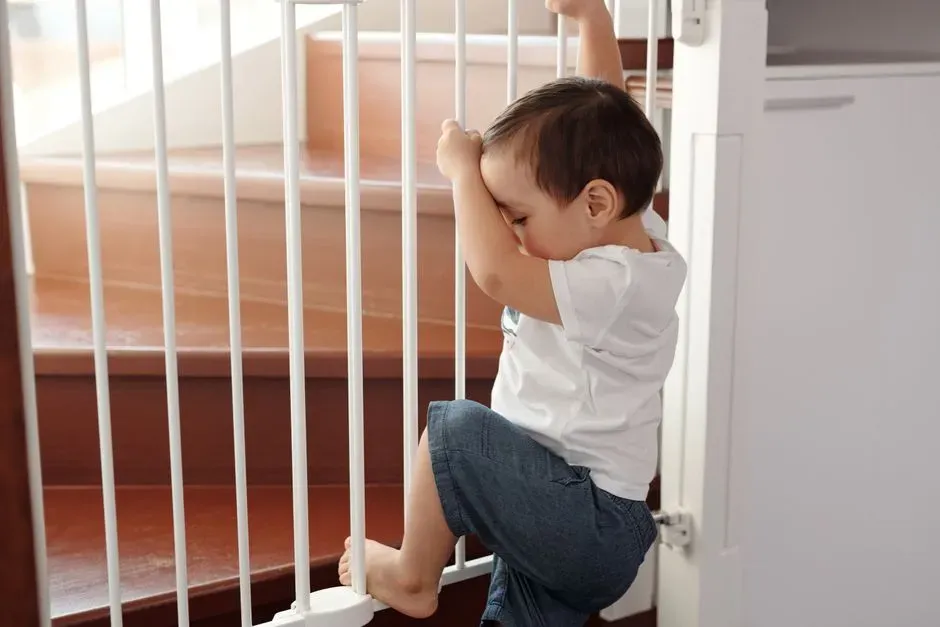
Here’s the hardest truth vets talk about quietly: the most dangerous thing is false security. Parents and pet owners mentally label certain spaces as “safe” – the playroom, the fenced yard, the baby-gated living room – and then relax supervision because “there’s nothing they can get into.”
In reality, most emergency stories start the same way: “I just stepped away for a minute; that room is usually fine.” In “safe” rooms, outlets may be half-covered, puzzle pieces left on the floor, dog chews small enough to choke on, or cords barely out of reach.
In yards, people rely on fences that dogs can dig under and toddlers can slip through. That gap between what you think is secured and what’s actually secured is where the worst accidents happen.
Your real safety system is habits, not hardware.
– common refrain among veterinarians treating household accidents
Regular walkthroughs, scanning a room from a toddler’s height and a dog’s eye level, catch more hazards than any single gadget ever will.
The Bottom Line
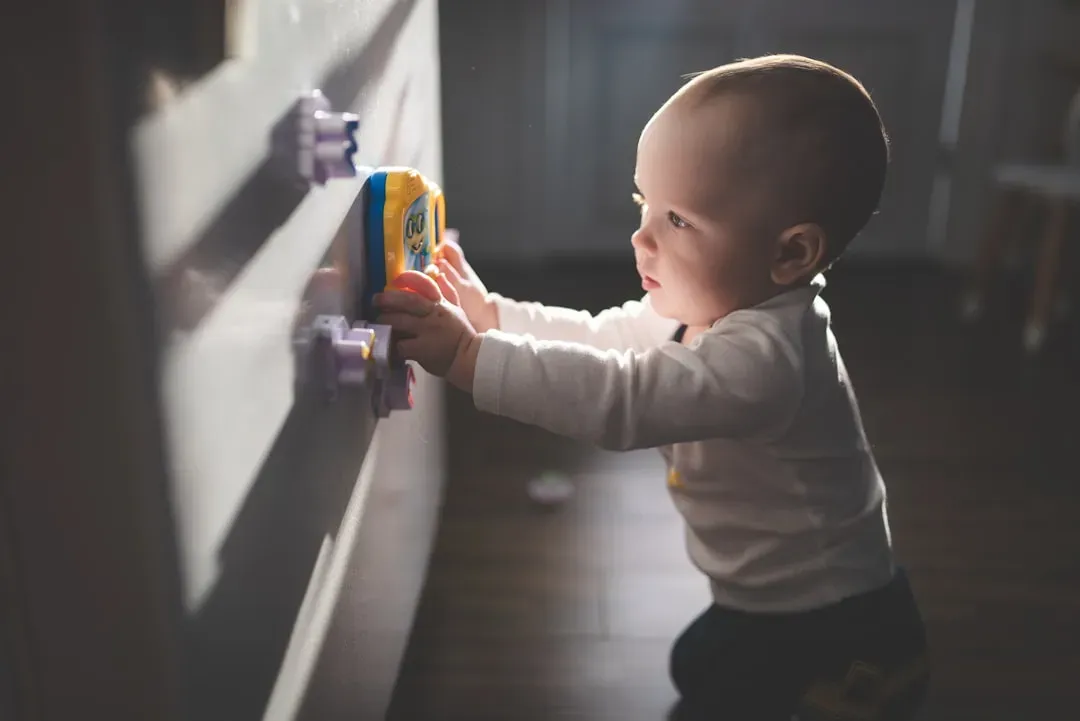
You don’t need to turn your house into a sterile bunker to keep toddlers and dogs safe, but you do need to stop trusting looks over reality. The biggest pattern vets see isn’t “freak accidents.” It’s the same everyday hazards, over and over: food on counters, cords under tables, meds on nightstands, “cute” décor that’s secretly toxic.
Most of the fixes are boring – anchors, locks, lids, bins – but boring is exactly what quietly prevents a late-night ER run.
Some people will insist this is overly cautious. They’re usually the ones who haven’t signed a surgery consent form for a dog that swallowed a toy, or sat in a waiting room while a doctor checked a toddler’s airway. If you live with little hands and wet noses, one of these twelve hazards is probably still sitting untouched in your house right now – the only real question is which one you fix first.


