
12 Small Signs a Vet Reads in a Puppy That Predict the Next Twelve Months
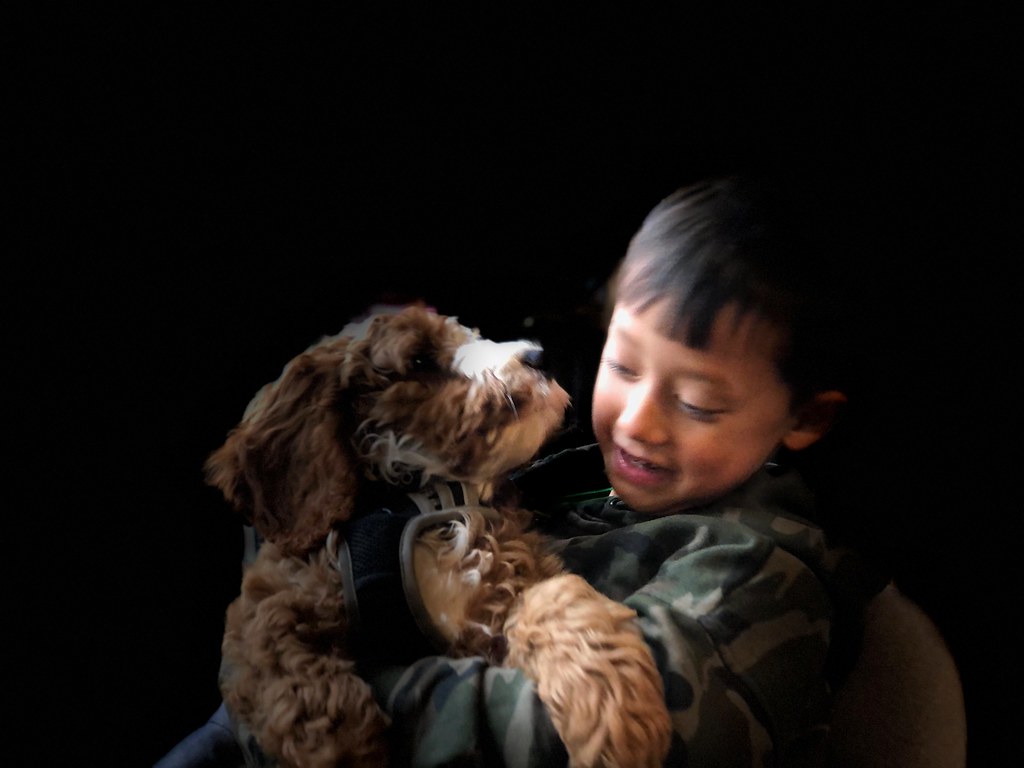
You watch your puppy stumble around the exam table thinking, “please don’t pee on the vet.” The vet is watching something else entirely – and it has nothing to do with cuteness.
While you’re celebrating the first vaccination sticker or snapping a photo for the group chat, an experienced vet is quietly running a different kind of math. They’re clocking how fast your puppy’s ears flick, how a paw gets yanked away, how long it takes for a startled pup to come back and sniff their hand again. None of it looks important. All of it is. Here are the small, easy-to-miss signs vets actually watch – and what each one is secretly telling them about the year you’re about to live through.
#1 – How Fast Your Puppy Recovers From a Scare
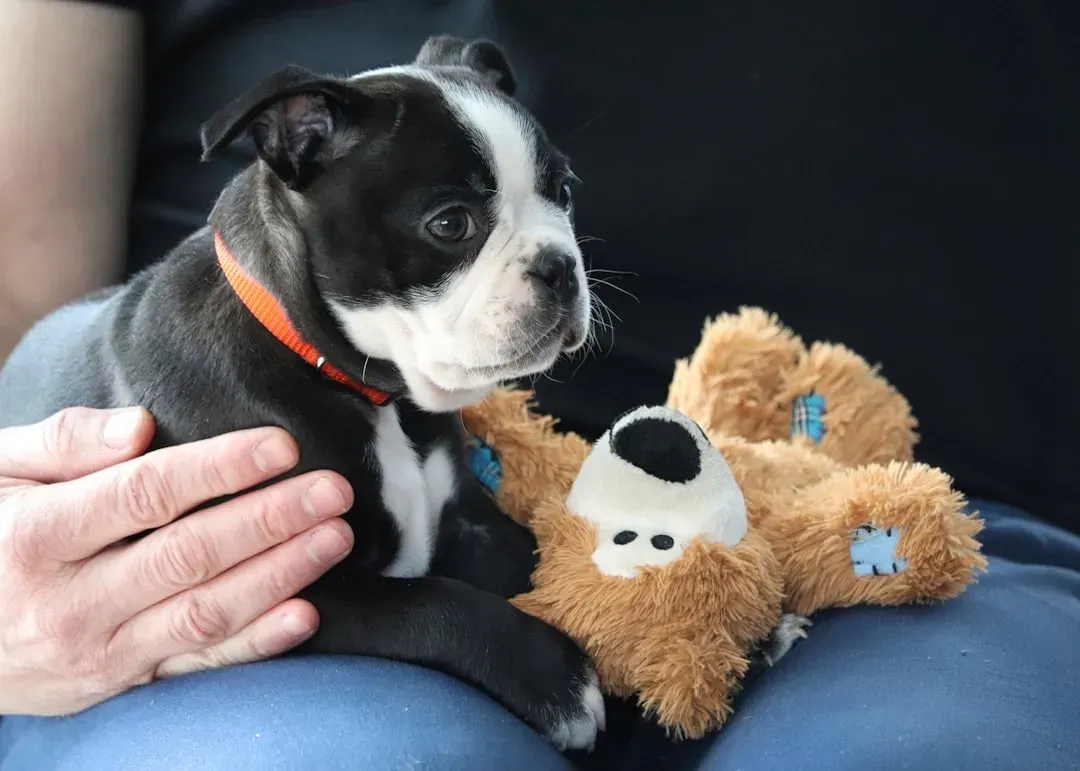
A vet doesn’t just clock whether your puppy gets startled – every puppy does. What they’re really watching is the reset. That tiny window after a loud noise, a jab, or an awkward exam move tells them more about your dog’s next year than almost anything else in the room.
A puppy who flinches, ducks behind your leg, then cautiously creeps back to sniff within a minute or two is showing real resilience. That’s a dog who, with decent socialization, will likely shrug off vacuums, thunder, and chaos as an adult. A puppy who stays frozen, tail tucked, refusing treats for the rest of the visit is telling a different story – one where confidence-building isn’t optional, it’s urgent. Miss that window, and “shy” can quietly calcify into “fearful.”
#2 – The Way They Take a Treat From a Stranger
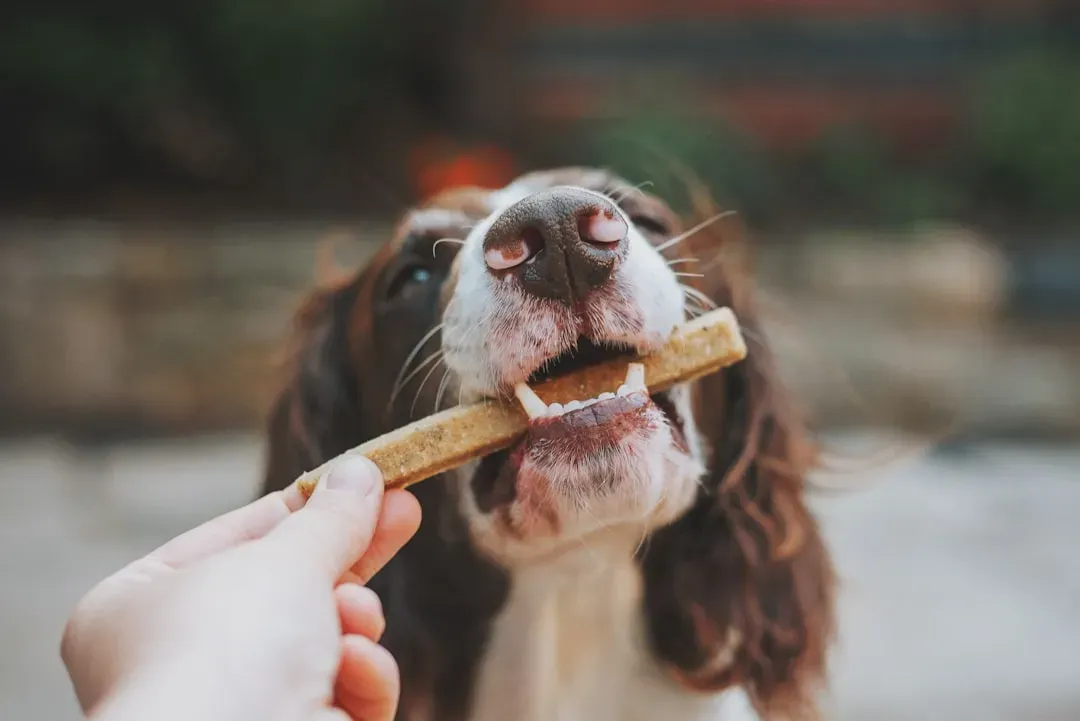
Most owners only care whether the puppy takes the treat. Vets care how. A puppy who leans in, sniffs, and gently lifts a treat off an open palm is showing curiosity without panic – a genuinely great sign heading into a new year of training.
A puppy who snatches with hard, fast jaws isn’t just “food motivated.” That urgency is often an early whisper of resource guarding or impulse-control trouble down the road, especially if nobody teaches “wait” or “leave it” early. And the puppy who turns away from a treat they’d normally inhale at home? That’s not pickiness – that’s a nervous system too overwhelmed to eat, and it’s a flag for slower, gentler socialization before things get worse.
Quick Compare: Treat-Taking Styles
- Gentle lift: Curious and confident, ready to learn new cues
- Fast snatch: Early impulse-control or resource-guarding risk
- Turns away entirely: Overwhelmed nervous system, needs slower socialization
#3 – How Hard They Bite During Play
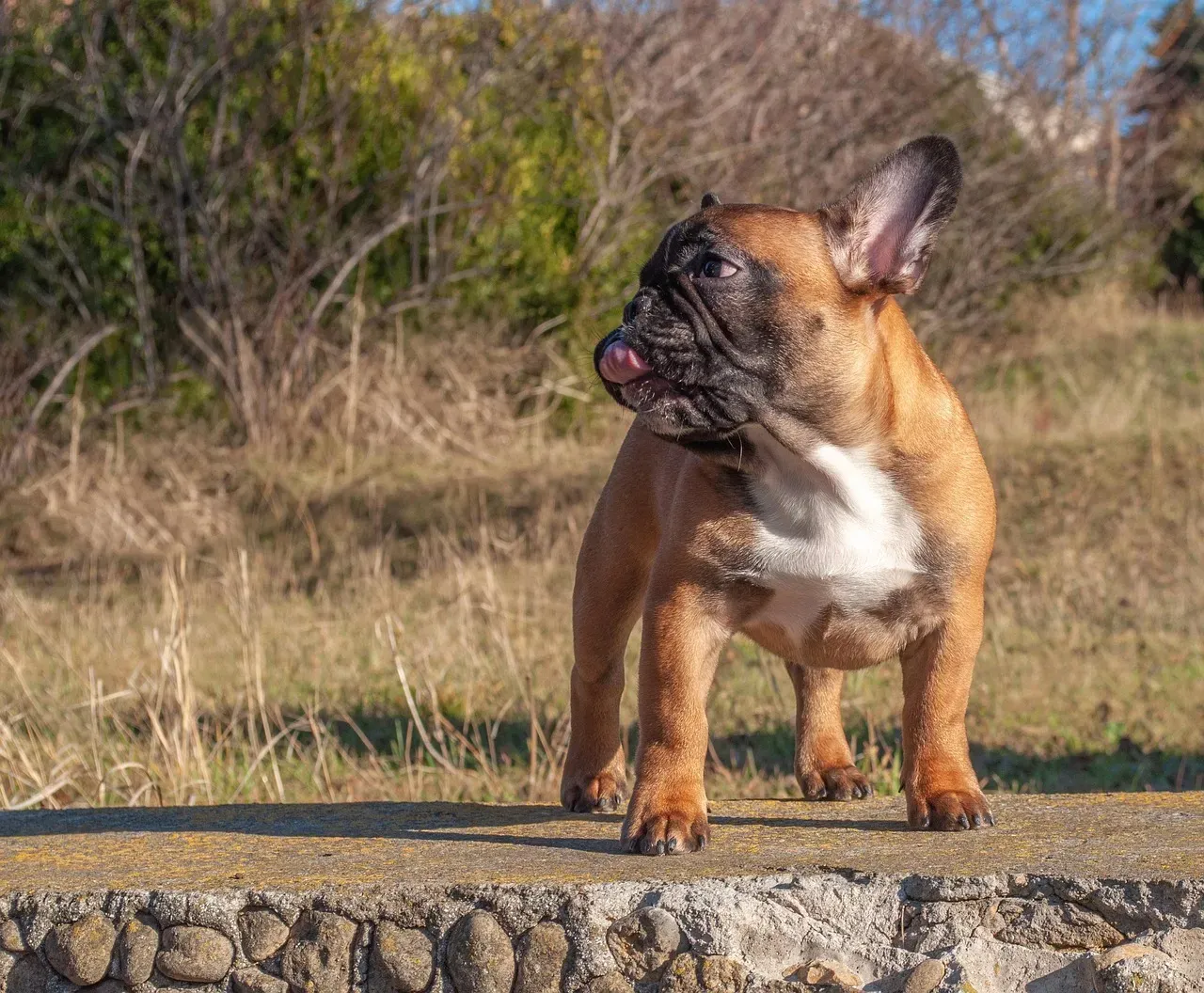
Every puppy nibbles. Vets aren’t bothered by the teeth – they’re measuring the pressure behind them. When your pup gnaws on a finger mid-exam, a good vet is silently asking: does this puppy know when to stop?
A puppy who mouths lightly and backs off when redirected is already building bite inhibition, the single most important safety skill a dog can carry into adulthood. A puppy who clamps down, ignores a yelp, and escalates when pushed away is telling the vet something louder: this dog will need consistent, deliberate work around arousal and frustration. That softness is dramatically easier to shape in an eight-week-old puppy than in a seventy-pound adult with a mouth full of very real teeth.
#4 – Their Reaction to Being Held Still
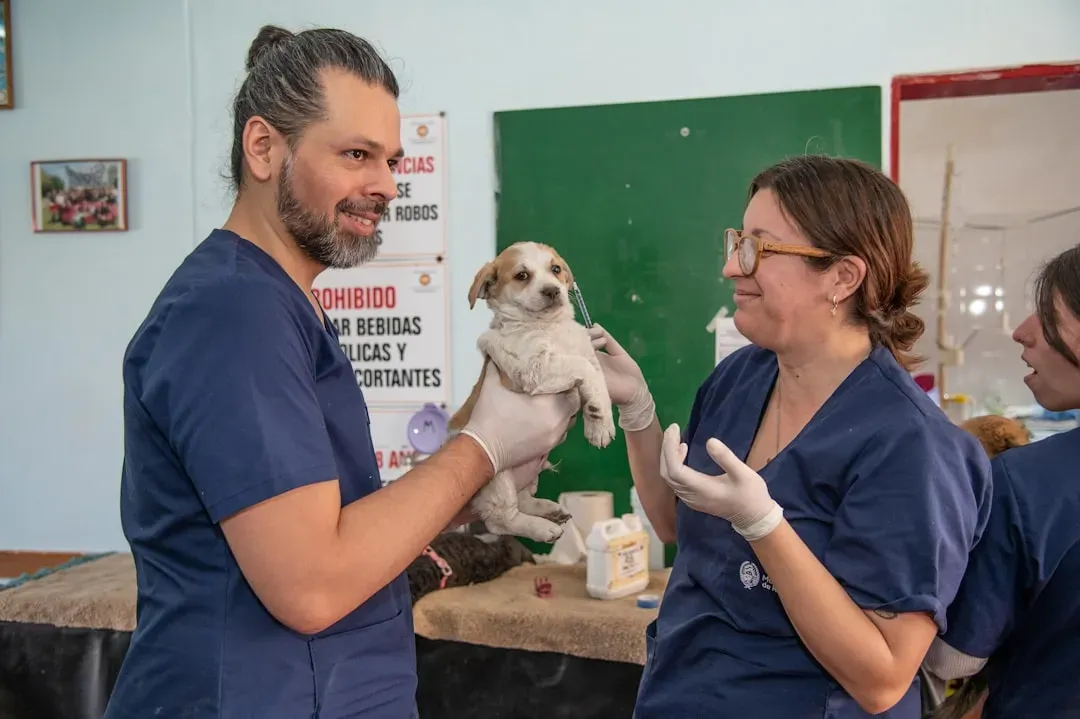
Owners tend to write off “hates being held” as a phase. Vets read it as a preview. They watch how your puppy responds to a gentle hug, a temperature check, or a nail peek – squirm-then-settle is a world apart from thrash-scream-escalate.
The puppy who settles once soothed usually grows into a cooperative adult patient. The puppy who fights harder the more they’re restrained is rehearsing a pattern that shows up later at the groomer, at the vet, even during a simple ear cleaning. What looks like “drama” at ten weeks can become a sixty-pound dog who needs to be muzzled for basic care – and it’s one of the easier futures to prevent, if someone notices in time.
#5 – How They Explore a Brand-New Room
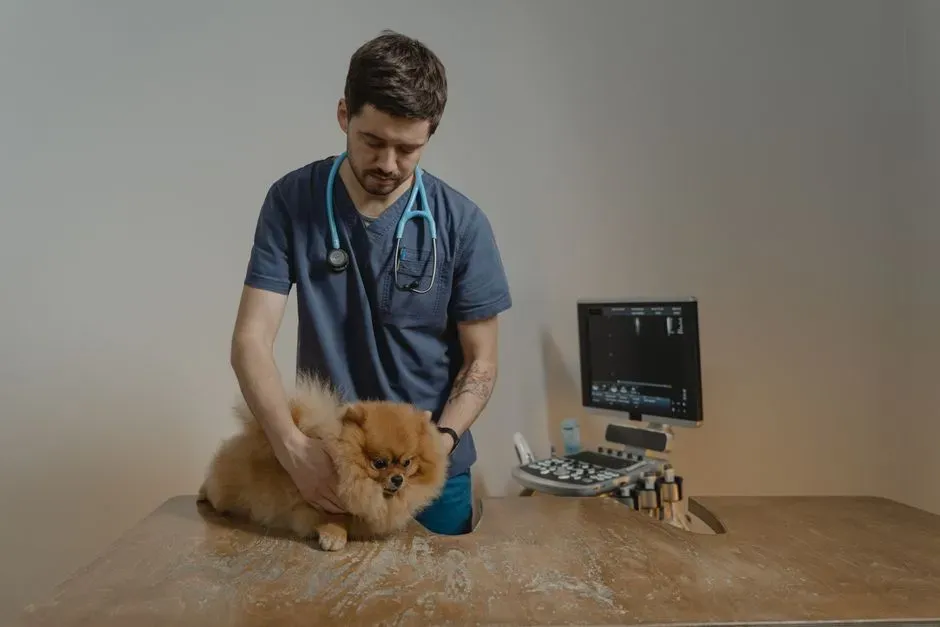
Watch the first sixty seconds after your puppy touches the exam room floor. A good vet already is. It’s not just “stretching legs” – it’s a live temperament read.
A puppy who bee-lines into every corner with total confidence is bold and curious, and will likely need clear boundaries more than reassurance. A puppy who creeps low, freezing every few steps, is more cautious – and could tip toward fearfulness if pushed too fast. Then there’s the puppy glued to your leg, refusing to explore at all. That clinginess can be an early signal of separation struggles later, unless independence gets built deliberately, not left to chance.
#6 – The Micro Body Language Most Owners Never Notice
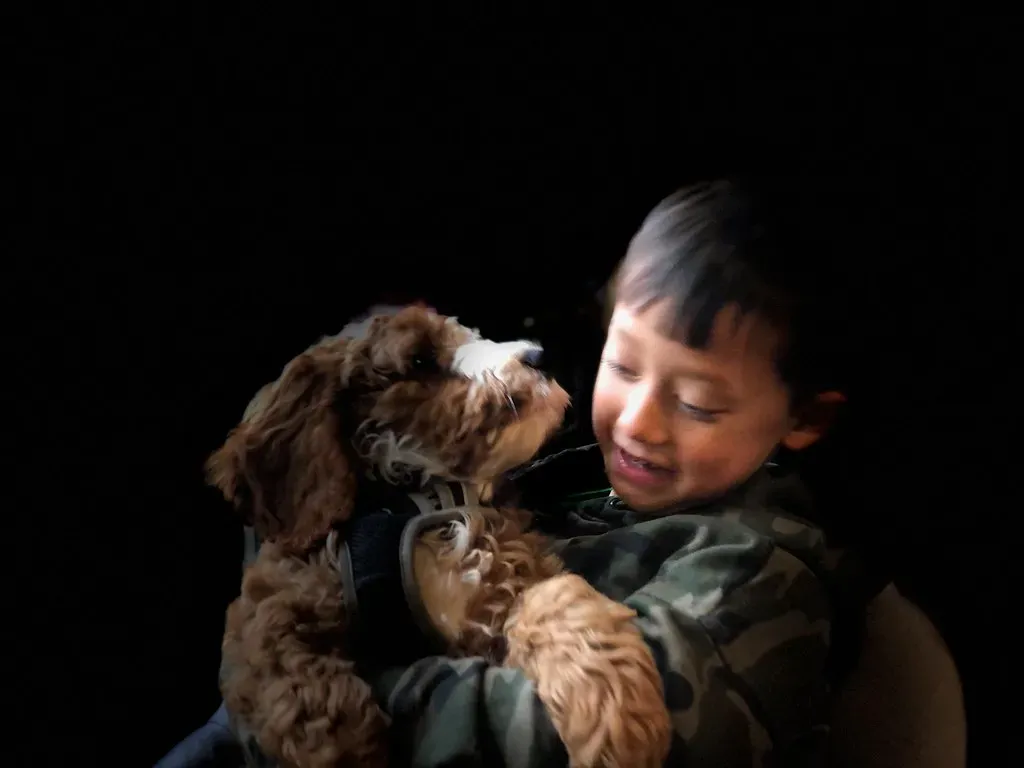
Here’s the part almost every owner misses entirely: the tiny shifts in ear angle, tail height, and weight distribution the instant a hand reaches toward your puppy. A loose, happy dog has soft eyes and a wiggly, mid-height wag. A puppy that “looks fine” to you might actually have ears pinned back and weight rocked slightly backward – the quiet body language of discomfort.
Why does this matter for the next year? Because puppies repeatedly pushed through that gray-zone discomfort often graduate to growling, snapping, or full defensive aggression as teenagers. Vets who respect those small “no thanks” signals – and back off instead of pushing through – are often the reason a dog never learns that biting is the only way to be heard.
Worth Knowing
- Ears pinned flat plus weight shifted back usually means “I’m not okay,” even with a wagging tail
- A soft, mid-height wag with relaxed eyes is the clearest “all good” signal
- Puppies repeatedly pushed through discomfort often skip straight to growling as teenagers
- Respecting a small “no thanks” now can prevent a defensive bite later
#7 – How They Bounce Back From a Sudden Noise
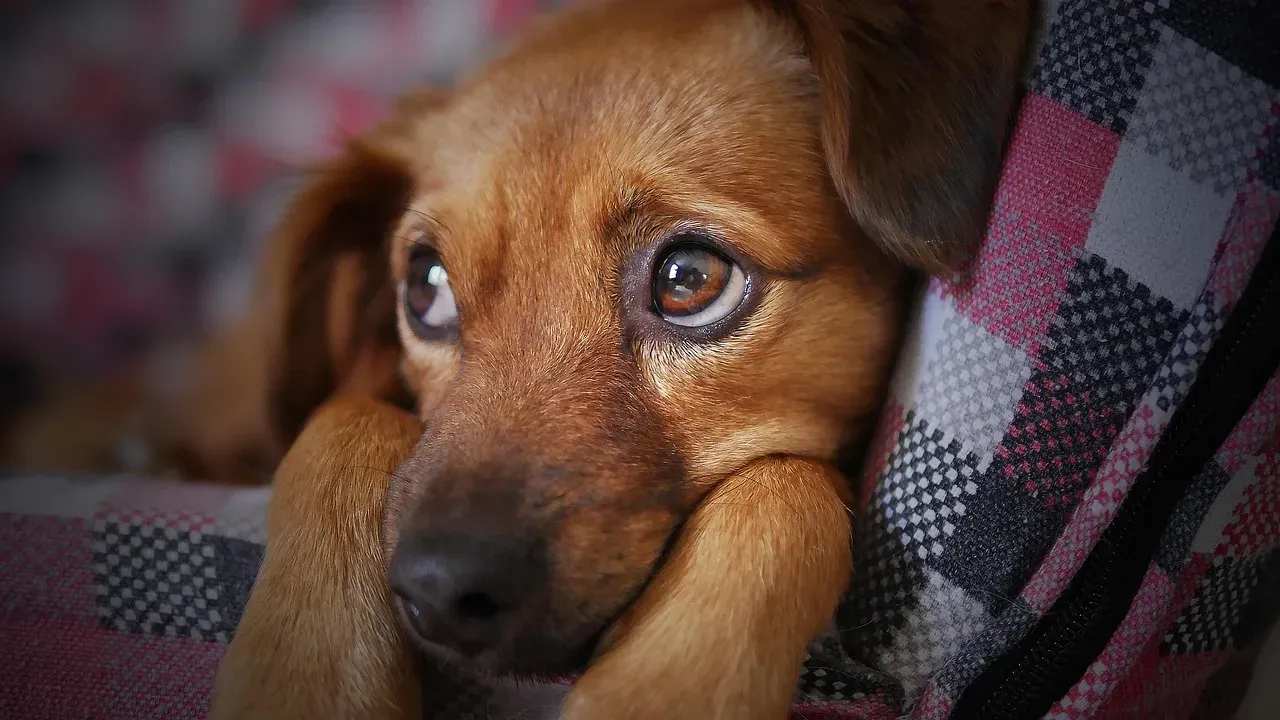
A dropped stethoscope. A door that slams too hard. A metal tray clanging on the counter. Every puppy startles – that part is normal. What a vet actually notes is what happens in the three seconds after.
A puppy who jumps, then curiously orients toward the sound and maybe even takes a treat is processing the shock and choosing to re-engage – a great sign. A puppy who freezes, pants hard, or claws desperately for the door is showing a nervous system that struggles to recover. Left unaddressed, that pattern can snowball into thunderstorm phobias and fireworks panic by the time the dog’s first Fourth of July rolls around.
Socialization is the single most important thing you can do for your puppy in the first few months of life.
Dr. Ian Dunbar, veterinarian and dog behaviorist
#8 – Which Body Parts They Hate Being Touched
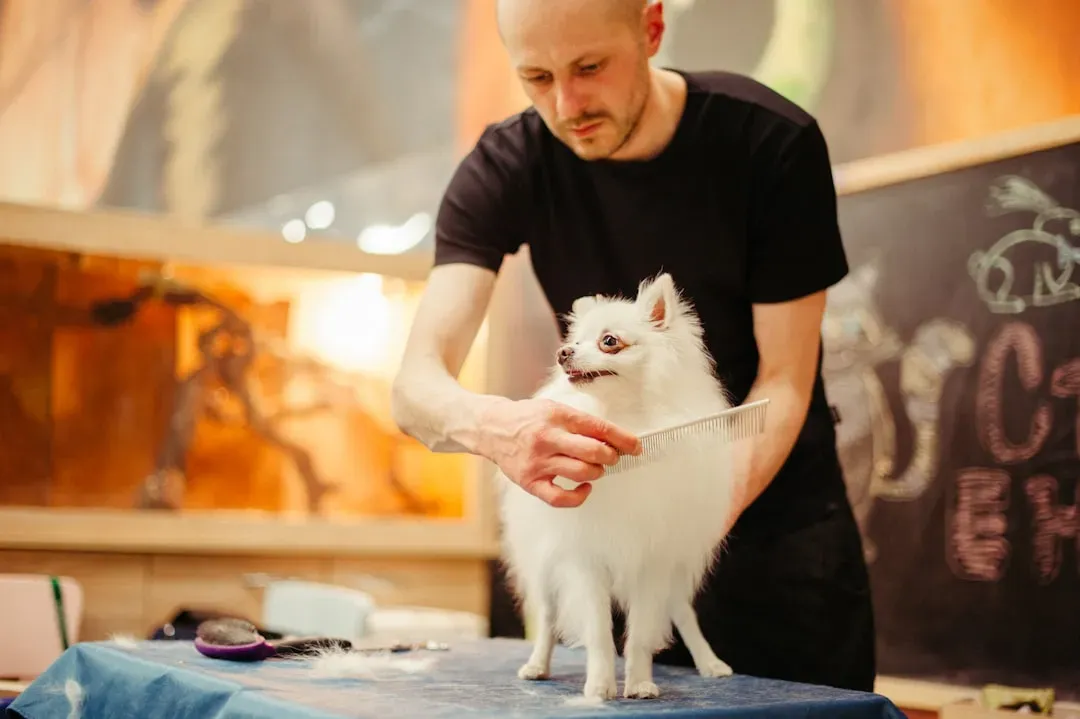
When a vet runs their hands along your puppy’s body, they’re not only feeling for lumps – they’re mapping touch tolerance, spot by spot. A puppy who melts under back scratches but whips their head away the second their paws, ears, or tail get touched isn’t just “ticklish.” That’s the seed of a future grooming battle.
The next twelve months are when you either normalize touch or accidentally weaponize it. Gentle, treat-paired handling of ears, paws, and mouth now tends to produce adult dogs who tolerate the vet and groomer without a fight. Skip it, and that funny little head-whip during ear checks can become the reason your dog needs sedation for something as simple as a nail trim.
#9 – The Rhythm of Their Energy, Not the Level

Owners love slapping a label on their puppy – “hyper” or “chill.” Vets care far more about the rhythm: can this puppy actually turn off? A high-energy puppy who can still flop down and chew a toy after a chaotic exam is a completely different animal from one who can’t stop moving even when held.
That inability to downshift is one of the clearest early warnings for destructive chewing, nonstop barking, or obsessive pacing later on. It’s not a character flaw – it’s a nervous system that hasn’t learned how to rest, and it usually needs structured mental work, not just more fetch. On the flip side, a puppy who seems unusually flat or lethargic in the exam room deserves a closer look too, since that can point to either a health issue or a fearfulness that needs gentle, deliberate confidence-building.
Fast Facts
- Puppies typically need close to 18-20 hours of sleep a day – one that never settles at all is worth flagging
- Inability to “turn off” is linked to later destructive chewing and obsessive pacing
- Unusually flat or lethargic puppies deserve a health check, not just a behavior label
#10 – How They Greet People vs. How They Greet Dogs

The world sorts puppies into “friendly” or “shy.” Vets sort more precisely – noting whether a puppy bulldozes toward strangers with zero brakes, and whether that same puppy reacts completely differently to another dog in the lobby. Plenty of puppies are human-social and dog-awkward, or the exact reverse.
A puppy who crashes into every dog with over-the-top enthusiasm feels “friendly,” but it’s actually a risk factor – that pup is far more likely to get snapped at by an adult dog with zero patience for chaos, and one bad correction can plant the seed of future reactivity. A puppy who freezes or hides at the sight of another dog needs the opposite fix: slow, supervised exposure to calm dogs, never a chaotic dog park thrown at them cold.
#11 – Whether They Check In With You or Ignore You
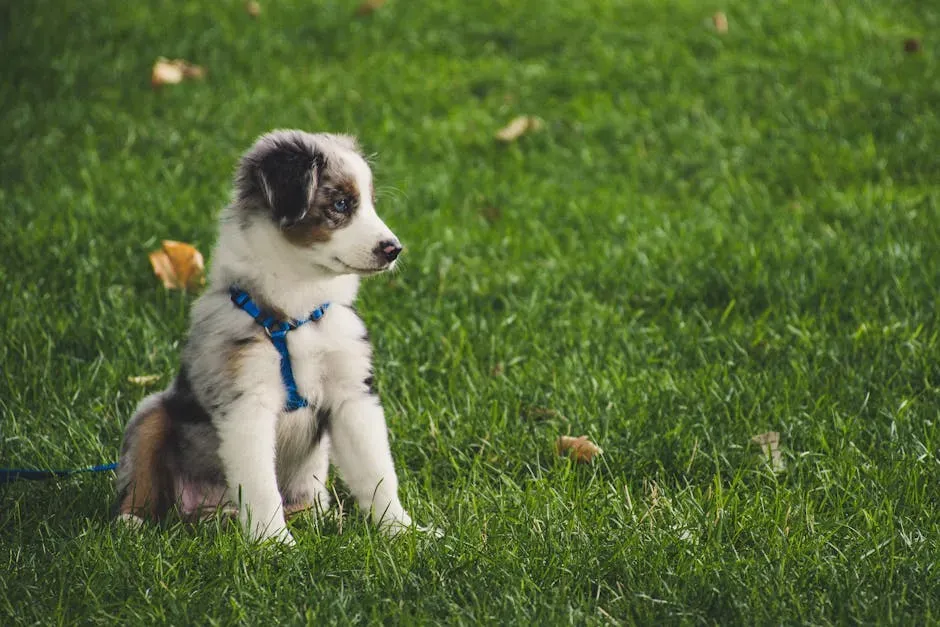
This one is easy to miss and it might be the most important sign on this list. When a puppy is loose in an unfamiliar room, who gets their attention first and longest – the room, or you? A puppy who explores but keeps glancing back, responding to your voice, already has the raw material for strong recall and real engagement.
A puppy who treats you like furniture while obsessively sniffing everything else is telling you the world is currently more interesting than you are. That’s not a lost cause, but it is a warning: without deliberate engagement work starting now, that gap tends to widen, not shrink. A vet who watches a twelve-week-old puppy never once check in is already quietly thinking about off-leash risk a year from now.
#12 – The Tiny Health Quirks That Quietly Shape Behavior
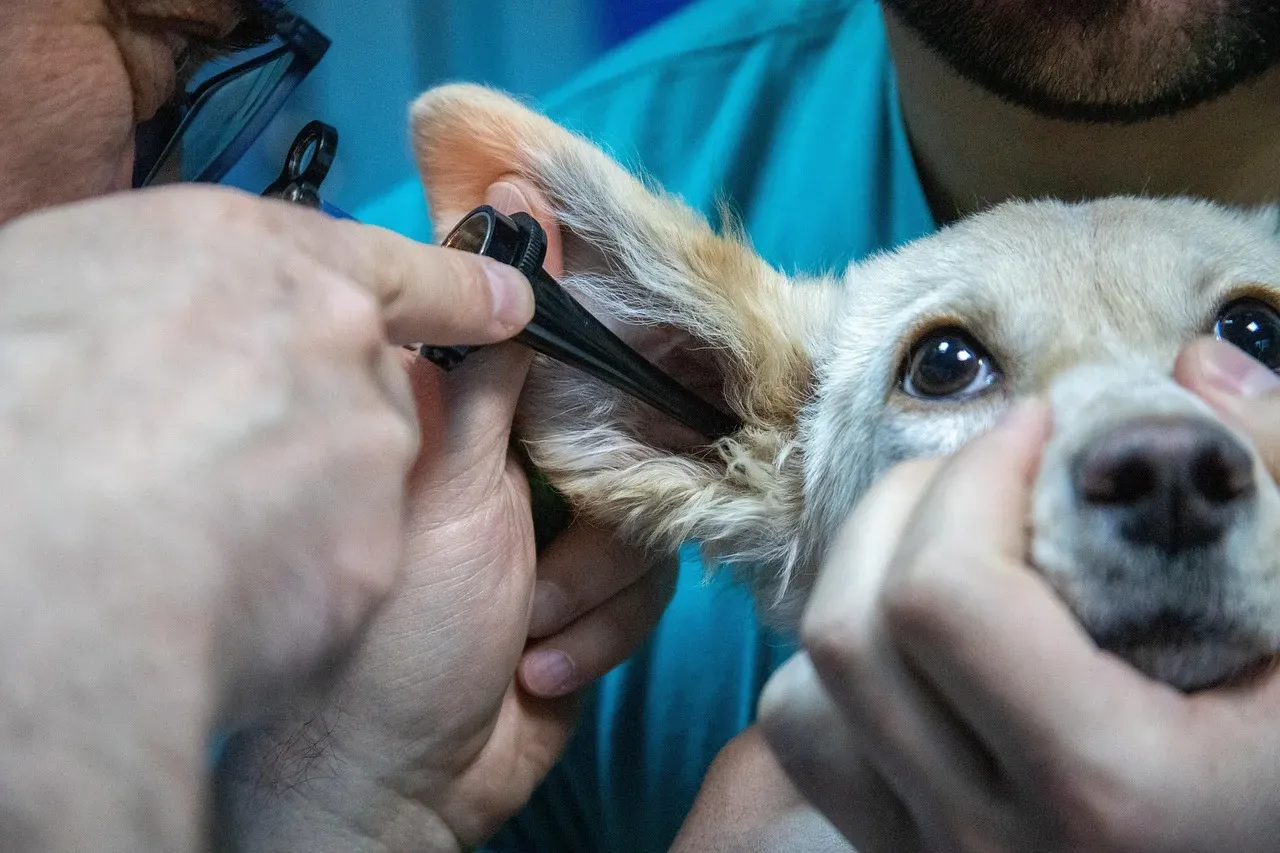
Here’s the part owners least want to hear: behavior and health are welded together, and small medical quirks in puppyhood often predict the emotional year ahead. A puppy with chronic GI upset, itchy skin, or recurring ear issues isn’t just “sensitive” – they’re uncomfortable, and uncomfortable puppies get touch-averse and cranky fast.
That grumpy head-flinch during an ear check might actually be low-grade infection quietly teaching your puppy that hands mean pain. Vets watch for recurring diarrhea, obsessive scooting or licking, and odd little limps during play – because untreated discomfort has a way of getting mislabeled as “stubborn” or “dominant” when the dog is simply hurting. A comfortable puppy is dramatically easier to train than one living in low-level pain, and that difference compounds every single month.
At a Glance
- Chronic ear infections: often linked to head-shy, hand-avoidant behavior
- Ongoing GI upset: often linked to touch sensitivity and irritability
- Itchy skin conditions: often linked to reduced patience and faster startle response
- Unexplained limping: often linked to guarding behavior and reluctance to play
The Bottom Line
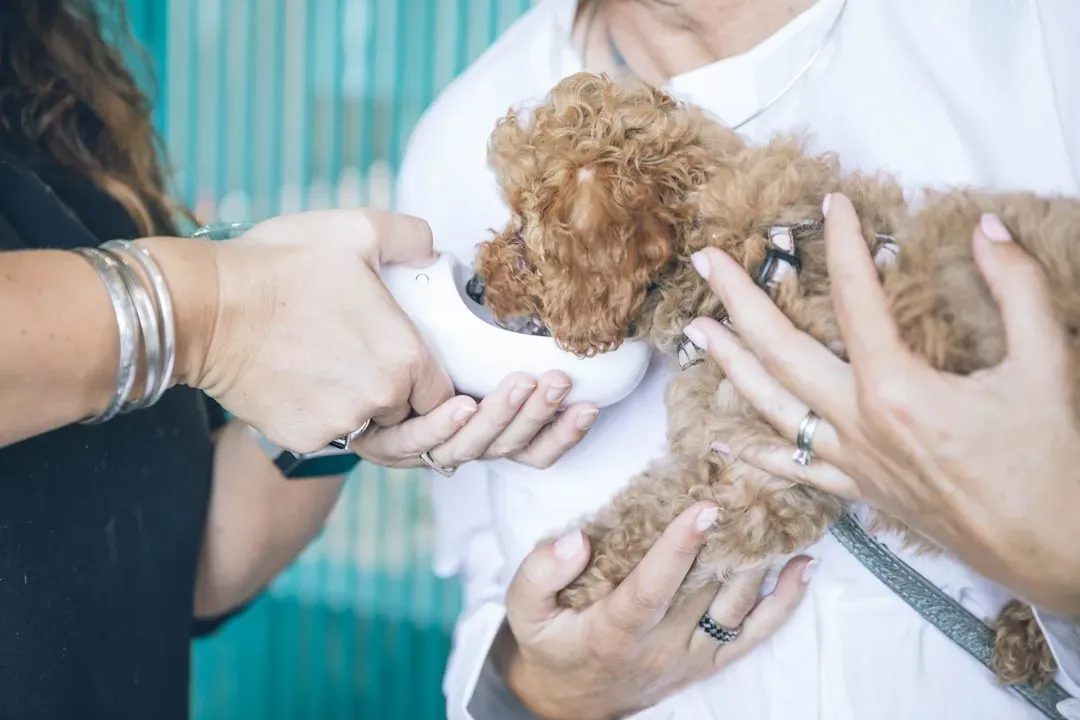
When a good vet looks at your new puppy, they’re not judging your dog – they’re fast-forwarding twelve months in their head. The grabby mouth, the over-the-top greeting, the refused treat, the sudden stillness under a hand: none of it is random. It’s early data about stress resilience, social skill, and trainability, playing out in real time on an exam table.
Most owners don’t notice the pattern until the teenage phase hits like a truck, and by then some of these problems cost real money and real trust to unwind. A lot of so-called “problem dogs” were broadcasting their trajectory at the very first puppy visit – and yes, someone will always insist “a dog is just a dog.” That’s lazy thinking dressed up as common sense. Vets who read these small signs aren’t being dramatic. They’re handing you a cheat code for the next year, if you’re willing to actually use it. So which of these twelve signs have you already spotted in your puppy – and which one are you finally going to start working on today?