
14 Tells a Dog Has Worked Out a Walk Is Coming Before Anybody Reaches for a Lead
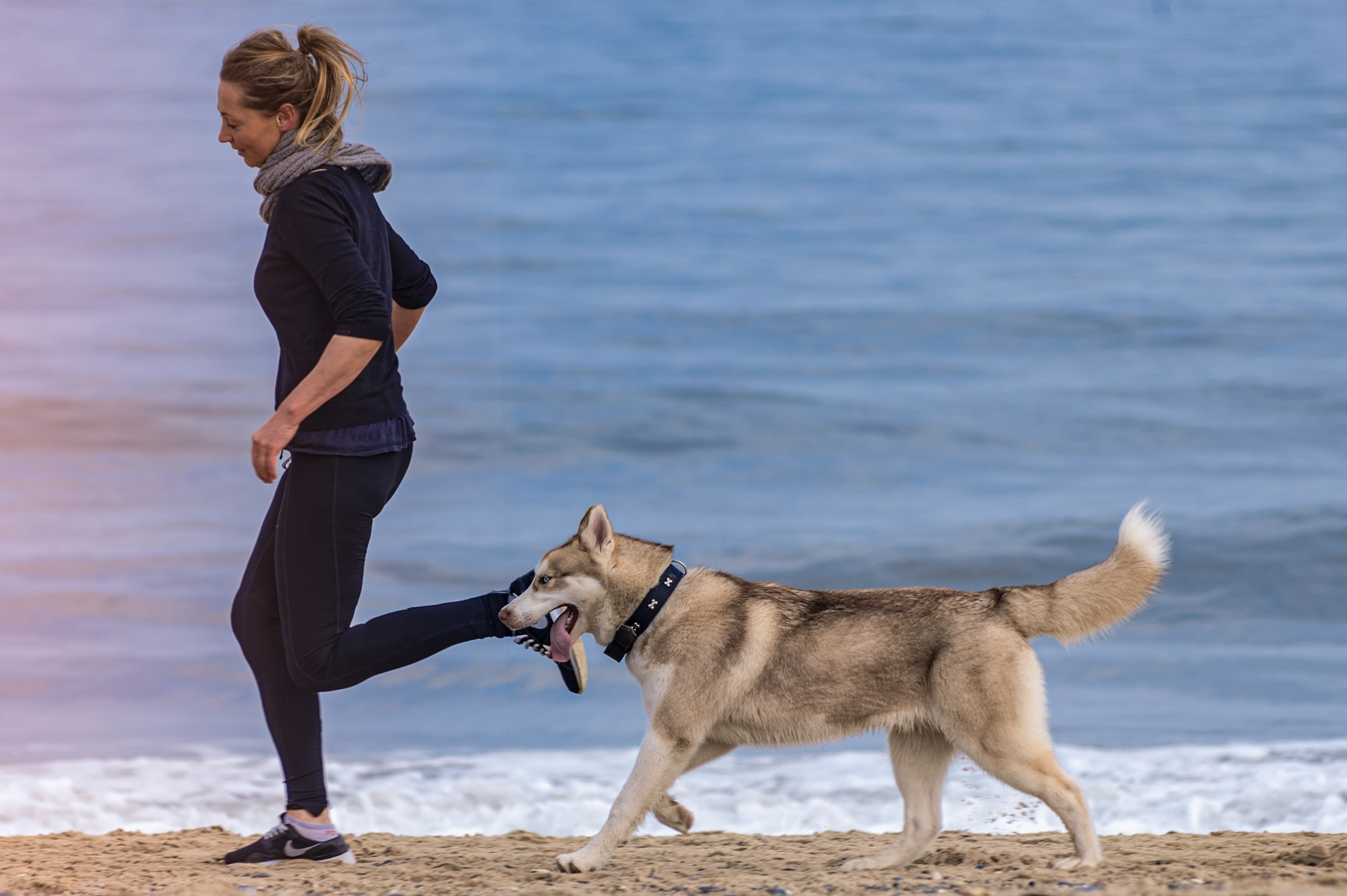
You haven’t touched the leash. You haven’t said the word. You’re still three rooms away from the hook by the door. And yet your dog is already up, already watching, already ready – like they just got a memo you never sent.
Turns out, they did get a memo. It’s just written in a language you’ve been ignoring: the click of a specific drawer, the shape your mouth makes right before you stand up, the exact minute the light through the window changes. Dogs don’t wait for the leash to appear – they’ve been reading the whole script for minutes, sometimes longer, and most owners never notice until they know exactly where to look. Here are the 14 real tells trainers and canine behaviorists say give it away, starting with the one that’s hiding in plain sight.
#1 – Shadow Mode: The Follow-You-Everywhere Routine
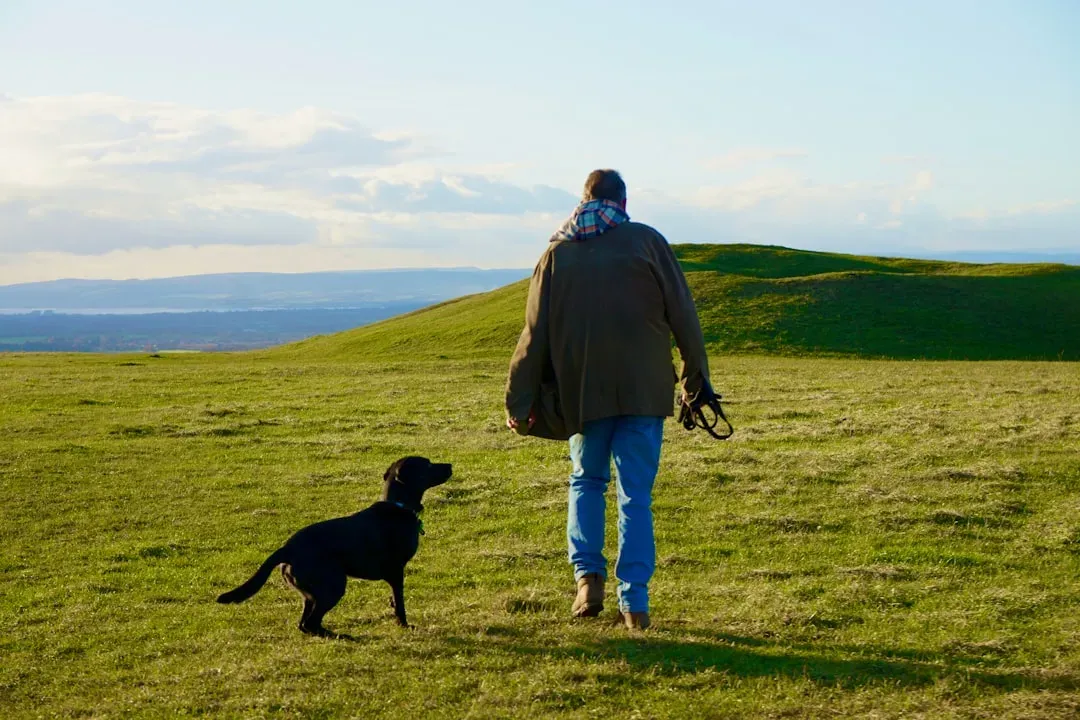
Your dog doesn’t randomly turn into a furry shadow – it’s a calculated move. Once they’ve clocked that walk time is close, plenty of dogs quietly switch into follow-the-human mode long before anyone touches the lead. You stand up, they stand up. You walk to the bathroom, they trot behind you. You shift rooms, and suddenly they’re glued to your heels like a tiny, silent security detail.
This isn’t just affection, it’s strategy. Dogs learn that humans give off a pattern of pre-walk cues – finishing a coffee, putting the phone down, grabbing certain shoes, closing a laptop – and when your routine starts lining up with “walk o’clock,” they stick close so they don’t miss the launch moment. Watch tomorrow: does your pup start orbiting you before you’ve even thought the word “leash”? If so, they’ve already done the math.
#2 – The Micro-Ear Perk at One Specific Sound

Most people assume dogs only react to big, obvious noises – doorbells, car engines, the food bowl clanking. In reality, a dog who’s figured out a walk is coming starts reacting to tiny, hyper-specific sounds tied only to your pre-walk routine: the faint click of the coat cupboard, the whoosh of a zipper, even the jingle of one particular key on your ring.
You’ll see it as a small ear flick or head tilt, long before any zoomies start. The dog is calm on the couch, then you open that drawer, and their ears snap up like someone flipped a switch. They may not move yet, but their brain just registered: this is it. Test it yourself by opening the “walk drawer” at a random hour and ignoring your dog – if their ears shoot up like they just got a text from the universe, the secret’s out.
#3 – Shoe Surveillance: Reading Your Footwear Like a Calendar
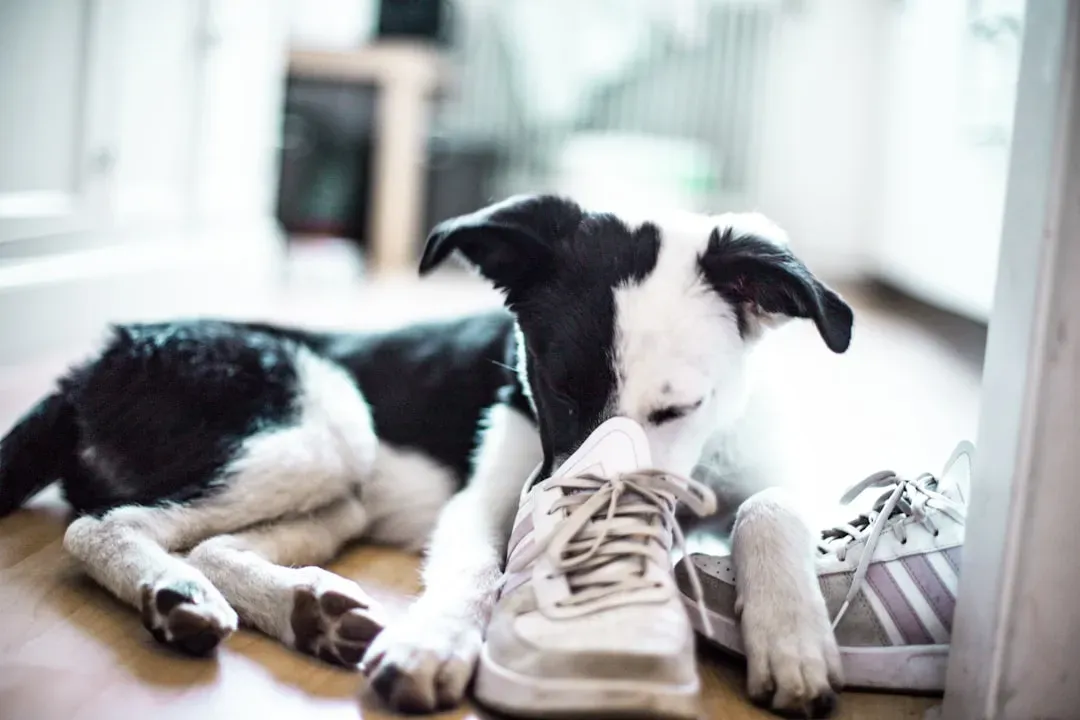
Most owners assume their dog sniffs shoes because, well, dogs are weird about smells. But when a walk is brewing, that shoe obsession becomes targeted investigation. Your dog isn’t just sniffing – they’re checking which shoes you’re eyeing, because to them, footwear is basically a neon sign about what happens next.
Many dogs quietly learn the code: the good sneakers mean a long walk or the park, work shoes or heels mean you’re leaving without them, and slippers mean nothing interesting is happening at all. So when walk time nears, watch for hovering near the “walk shoes” spot, or even a paw planted on that exact pair. If your dog suddenly gets obsessed with your feet as you head for the hallway, that’s not random curiosity – they’ve pieced together that these shoes, at this hour, mean they’re coming too.
Quick Compare
- Sneakers or walking shoes: reads as “we’re going out together”
- Work shoes or heels: reads as “you’re leaving without me”
- Slippers or house shoes: reads as “nothing exciting today”
#4 – The Door Stare: Locked In Before You Even Stand
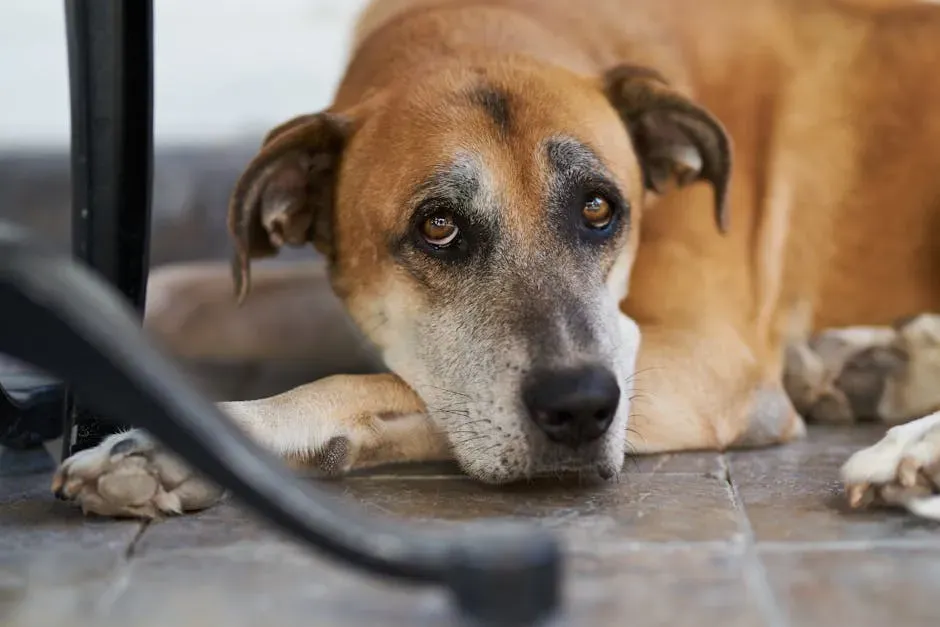
You think you decide when it’s time to go outside. Your dog would disagree. One of the clearest tells is a dog locking their gaze on the door well before any leash appears, as if they’re willing it open through sheer concentration alone.
This isn’t hope, it’s prediction. They’ve learned your schedule so well that at a certain time, their brain flips from chill mode to “any second now.” You might still be scrolling on your phone, but your dog is already in watchtower position – sitting near the exit, eyes fixed, ears tuned to your footsteps. Some really commit to the bit: pacing between you and the door, or lying down right across the threshold like a furry speed bump you simply cannot ignore.
#5 – The Pre-Walk Stretch That’s Actually a Warm-Up
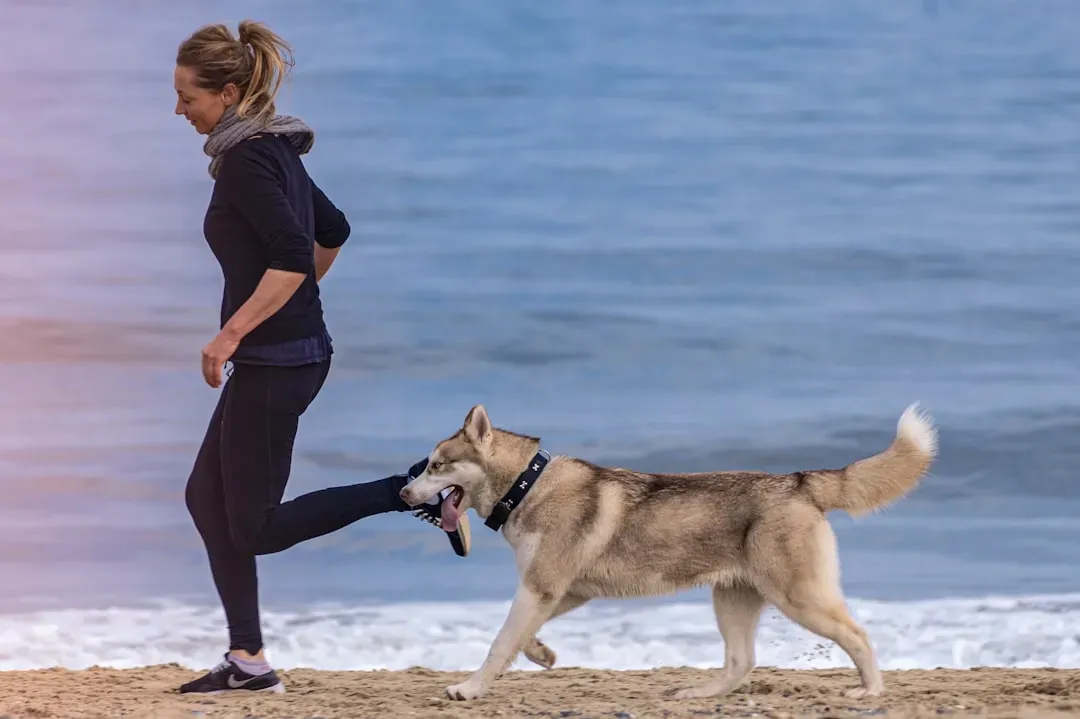
A lot of people see their dog stretch and think, “cute, they just woke up.” But trainers will tell you that dramatic full-body stretch can be a genuine pre-walk warmup, not a lazy yawn. When dogs anticipate movement, they often loosen their muscles and joints the same way an athlete would before stepping onto the field.
Pay attention to timing. If your dog was already awake and relaxed, and only stretches the moment you start your pre-walk pattern – closing the laptop, standing up, saying a certain phrase – that stretch is less about sleep and more about getting the engine ready. Some dogs even run a full sequence: front-end bow, back-leg extension, a little shake-off, like a pre-flight checklist before go-time.
#6 – The Silent Tail Wag Nobody Notices Yet

Everyone recognizes the big, happy helicopter tail once the leash actually appears. But a dog who’s already figured out a walk is coming often starts subtle, early tail action long before that – the body’s version of trying to keep it together while secretly losing it inside.
Watch for a soft side-to-side wag while they’re still lying down, a gentle thump against the floor the second you stand up, or a slightly higher tail carriage as they trail you room to room. The tell is context: if nothing else exciting is happening – no visitors, no toys, no food – and the tail quietly switches on around the usual walk slot anyway, their body is leaking excitement before their brain lets them fully explode. Bold dogs go from micro-wag to full-body wiggle in seconds; shyer dogs keep it to a restrained, hopeful thump, like they’re afraid to jinx it.
#7 – The Face-Reading Scan: Checking You for Confirmation
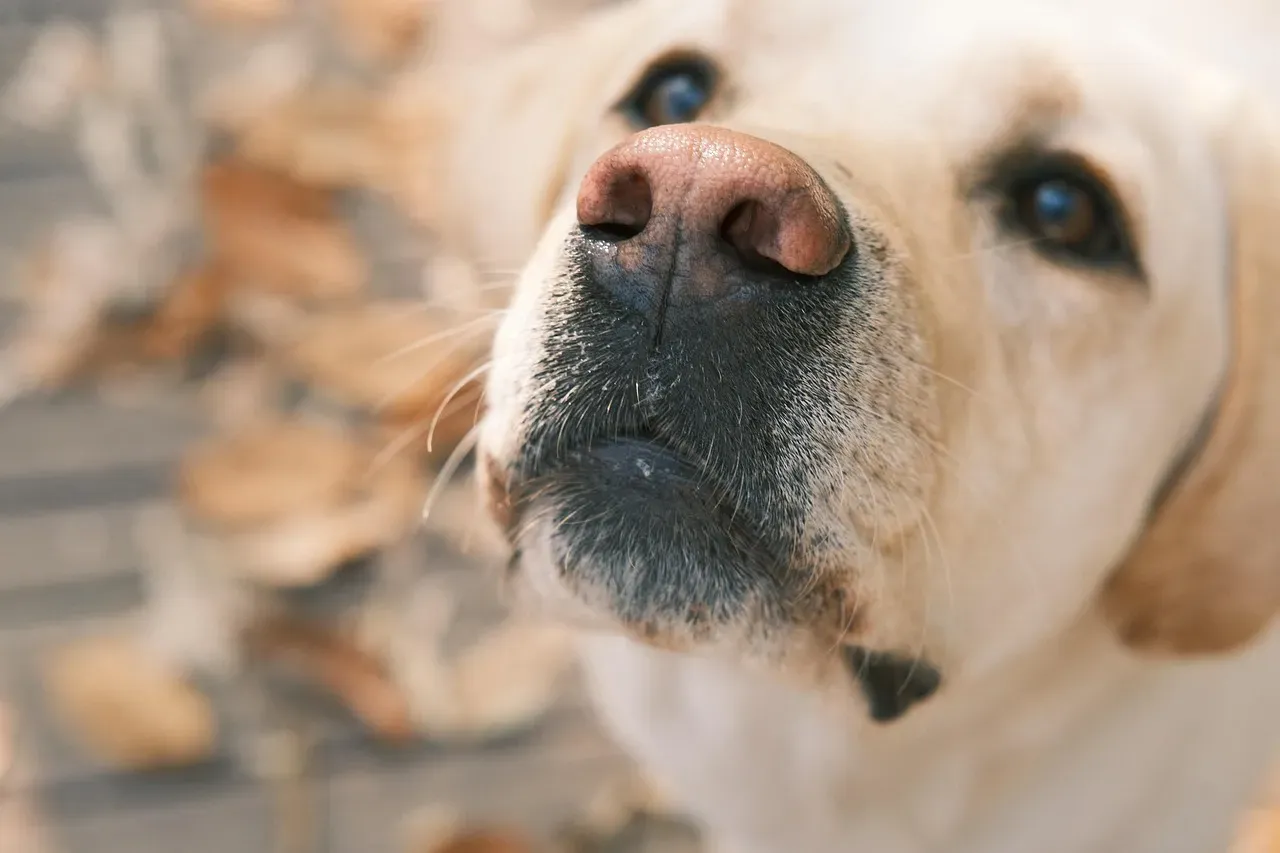
Most people underestimate eye contact in dogs. A dog who’s worked out a walk is coming often starts checking your face like they’re reading live subtitles – not just looking at you, but scanning for emotional confirmation that this is really happening.
You’ll notice quick glances between your eyes and hands, a head tilt when your expression shifts, or a longer, more intense stare as you move toward a usual pre-walk spot. Dogs have spent thousands of years getting good at reading human faces, so if your brow furrows a certain way or your mouth makes a particular “let’s go” shape, they’ll lock onto it instantly. By the time you consciously think “maybe I should walk the dog,” they’ve already caught the thought written on your face.
#8 – The Internal Clock: Pacing at the Exact Same Minute
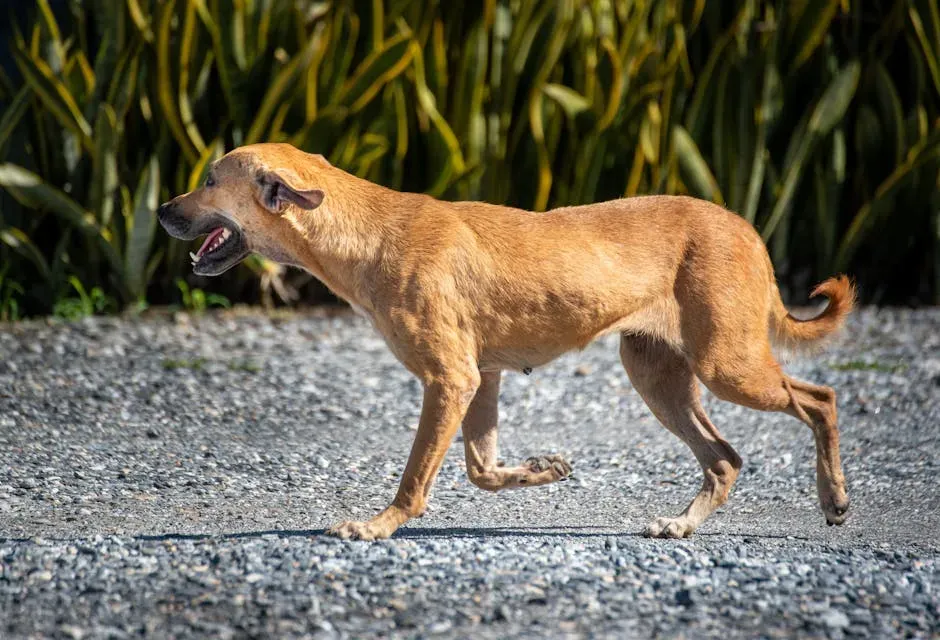
People joke that dogs can’t tell time, but behavior says otherwise. Many dogs who’ve cracked the walk schedule start their pre-walk ritual at almost the exact same time every single day, even if you haven’t moved a muscle yet. That’s not magic, it’s pattern learning, and it’s freakishly accurate.
Maybe it’s 5:20 p.m. sharp when they abandon a nap to get alert, or five minutes before your usual morning walk when they materialize in the hallway. If you’re running late, expect pacing and dramatic sighing, like a tiny alarm clock with strong opinions. Dogs build this internal clock from light levels, household noise, and your own habits – once a time is paired with “we usually walk now,” their body starts preparing ahead of schedule, no cue required.
Fast Facts
- Dogs lean on light levels, household sounds, and scent changes to build a daily schedule
- Many dogs anticipate routine events within a few minutes of the usual time
- Weekend schedule shifts often confuse dogs more than weekday ones, since the pattern breaks
#9 – The Hype-Toy Delivery That Isn’t About Play
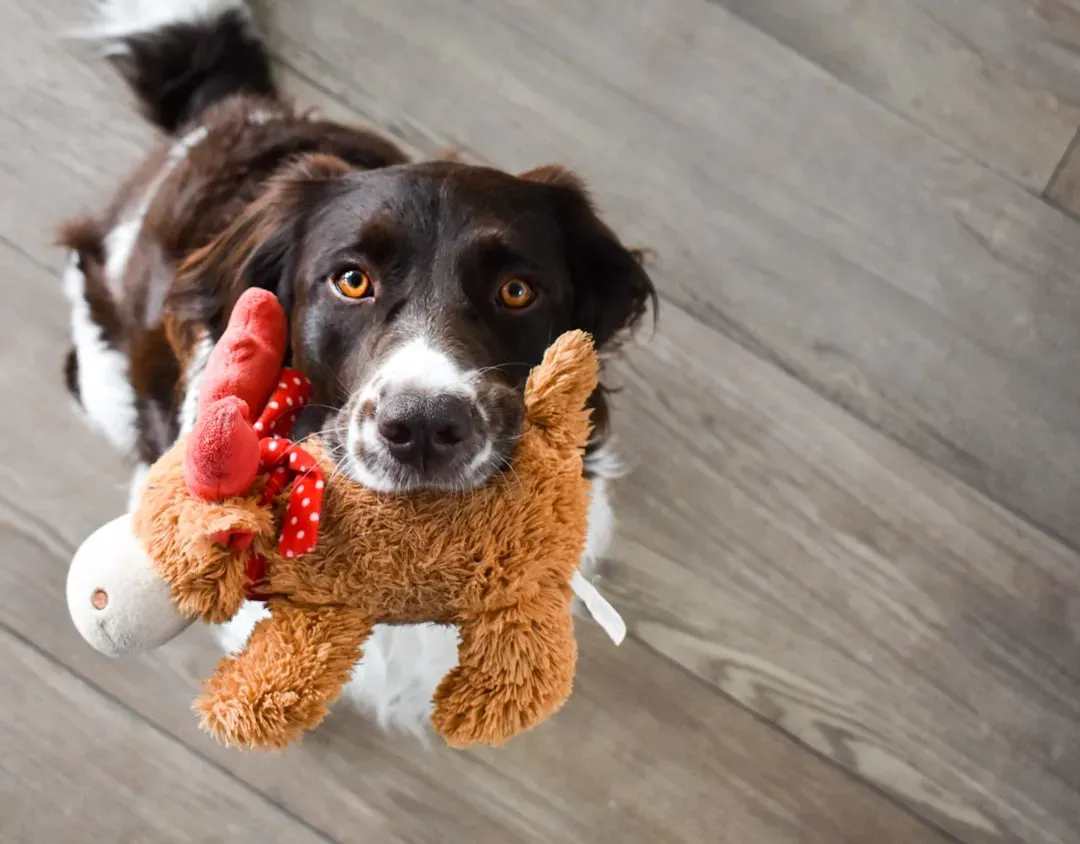
Dog suddenly grabs a toy and parades it around right before a walk? Most people write it off as playful coincidence. In reality, for a lot of dogs, the pre-walk toy routine is a hype ritual and an attention magnet – they’ve learned that engaging with a toy tends to get humans out of their chair faster.
Sometimes it’s a favorite squeaky toy suddenly “attacked” near your feet, a tug rope dropped directly in your path, or a soft toy pranced around while they sneak glances at the door. They’re not really asking to play – they’re asking you to activate whatever’s about to happen, and for some dogs, that toy doubles as emotional armor, a way to physically hold all that anticipation in their mouth until it’s time to move.
#10 – The Strategic Sit: Blocking Your Path on Purpose
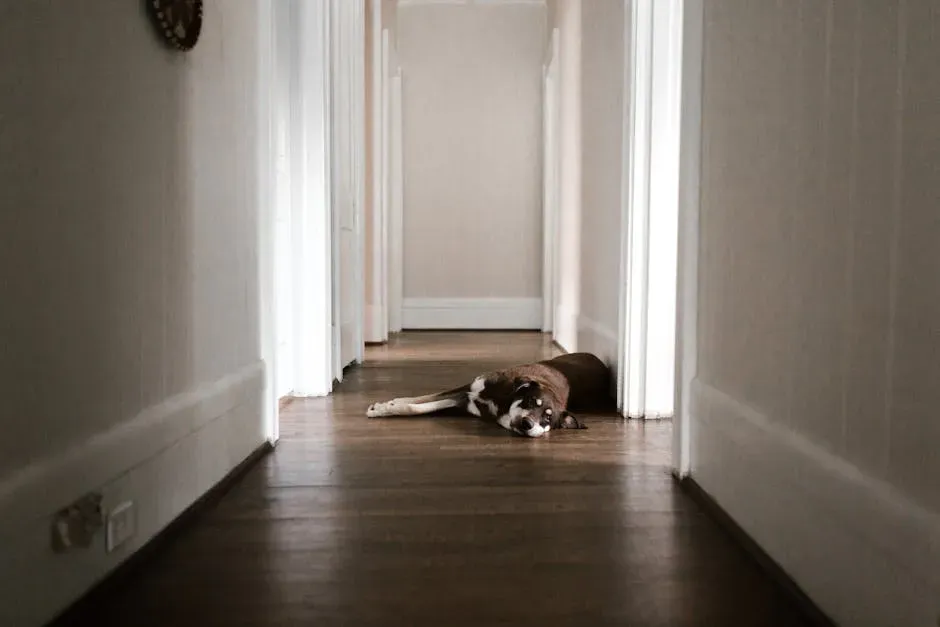
Dogs are not above blocking traffic to get what they want. When they’ve figured out a walk is imminent, plenty of dogs plant themselves exactly where they know you have to pass – the hallway, the doorway, right beside the shoe rack. This isn’t lazy lounging, it’s tactical positioning.
Look for a dog sitting squarely between you and the door, lying in front of the coat closet, or parking beside the exact spot where you put your shoes on. By putting their body in your path, they guarantee an interaction – you’ll have to step around them, talk to them, or gently move them – and that tiny interaction is their opening to ramp up the excitement and confirm the plan is really happening.
#11 – The Listening Freeze: Total Stillness at One Sound
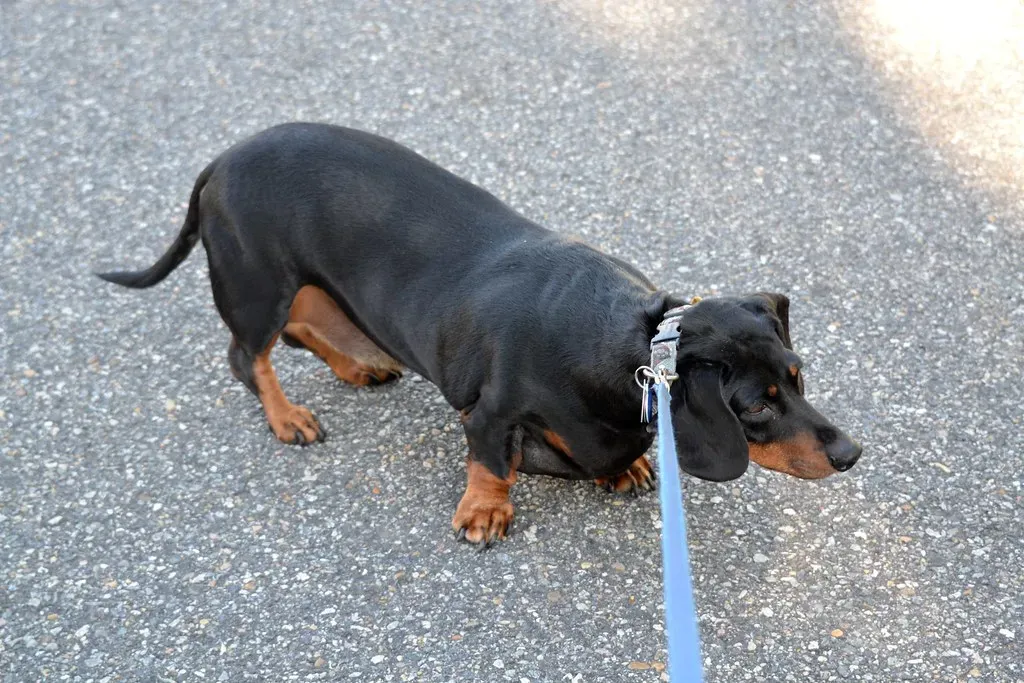
Not every sign is big movement. Sometimes the most telling clue is sudden stillness. A dog who’s cracked the walk code will sometimes freeze – not out of fear, but intense listening – the instant you make a particular sound cue: grabbing keys, rustling a specific jacket, opening the back door first.
They’ll stop mid-lick, mid-chew, or mid-play, body statue-still except for the ears and eyes, running a rapid internal check: is this the thing that usually happens right before the leash? If the rest of the routine lines up, they’ll explode into readiness within a second or two. If not, you might catch them deflate a little and go back to whatever they were doing, having quietly ruled it out.
At a Glance
- Body freezes mid-motion, only the ears and eyes keep moving
- Freeze usually lasts just one to two seconds while the brain checks the pattern
- Ends in a burst of excitement, or a quiet “false alarm” deflate
#12 – The Sneaky Pre-Walk Pee Break
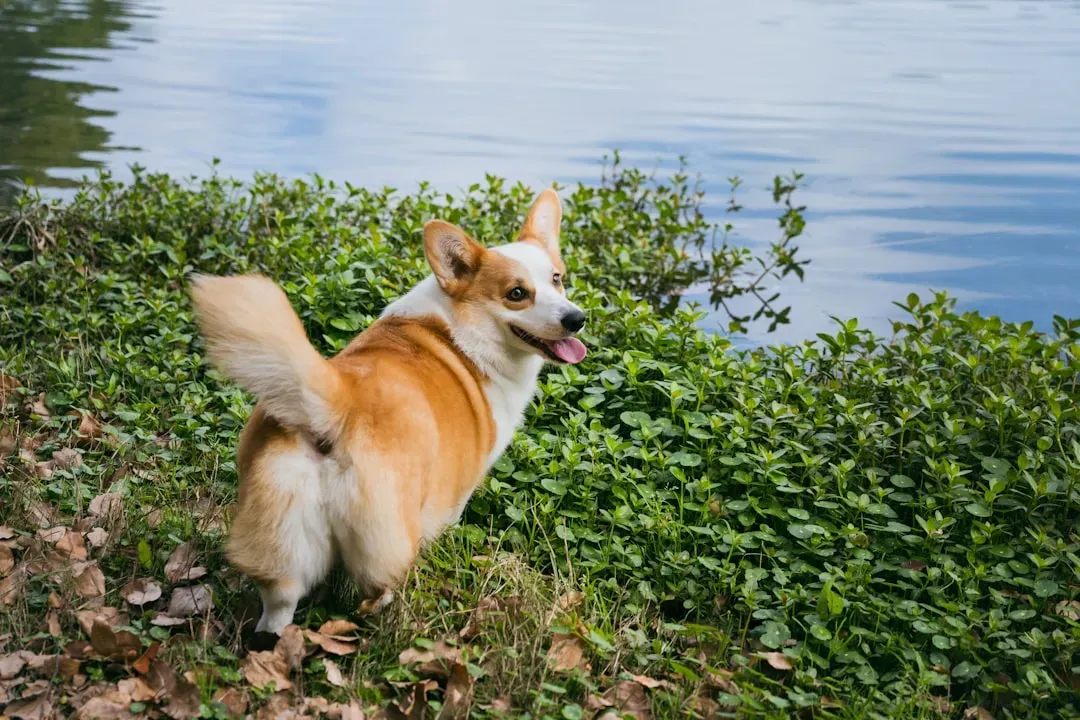
This one is less obvious but incredibly common: a dog who knows a walk is coming will often take themselves for a quick bathroom break in the yard right before you’d normally clip the leash on. It looks like random sniffing, but it’s actually risk management.
Dogs figure out fast that humans get annoyed, or delay walks, if they immediately have to stop for a long bathroom session right outside the door. So many learn to “clear the system” beforehand – popping out briefly, doing a quick pee, then reappearing fully focused on you. It’s a quiet, practical sign that they fully expect to be heading somewhere soon, optimizing the outing for exploration instead of bodily urgency.
#13 – The Instant Wake-Up From a Dead Sleep
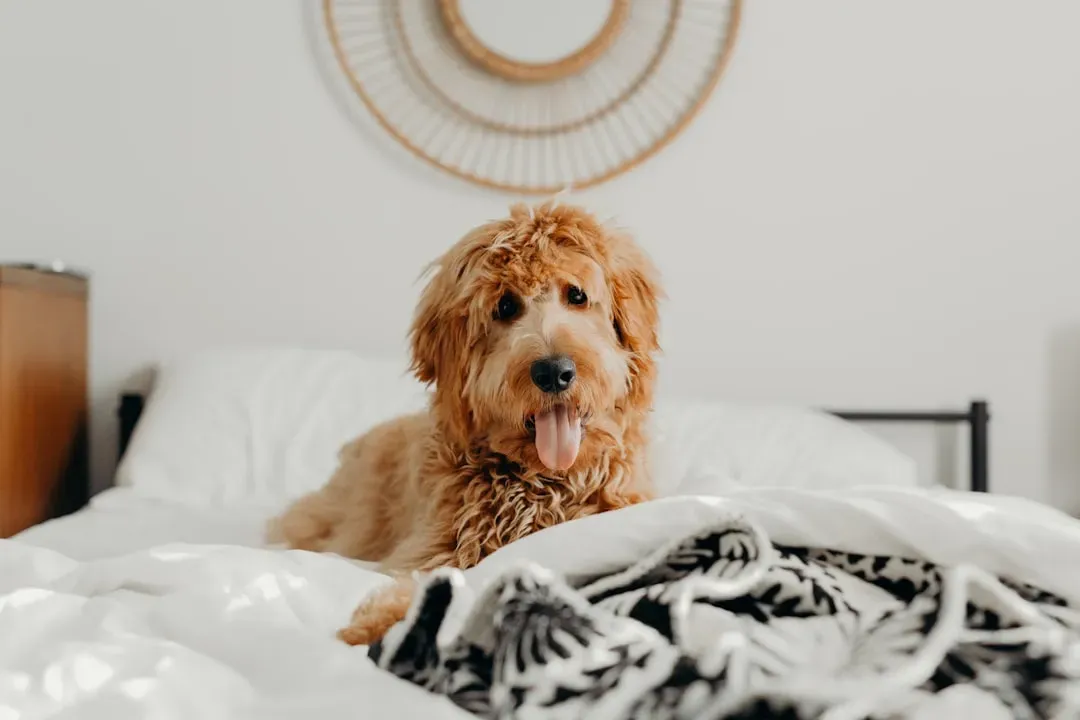
If your dog can go from snoring log to bright-eyed and alert the second you even think about moving toward walk mode, it’s not telepathy, it’s pattern recognition. What looks magical is usually them reacting to micro cues you don’t realize you’re giving off.
They’re deeply asleep, until you close the same app, set down the same mug, or sigh in a particular way – then the head pops up, they scan you, and either jump off the couch or reposition closer to the door. Dogs sleep lightly when they expect something to happen, especially at predictable times, and once that internal expectation overlaps with a real-world cue, they snap fully awake in a heartbeat. They didn’t sense “walk” directly – they sensed the full pattern they’ve seen hundreds of times before.
#14 – The “You Forgot Something” Stare When You Skip It
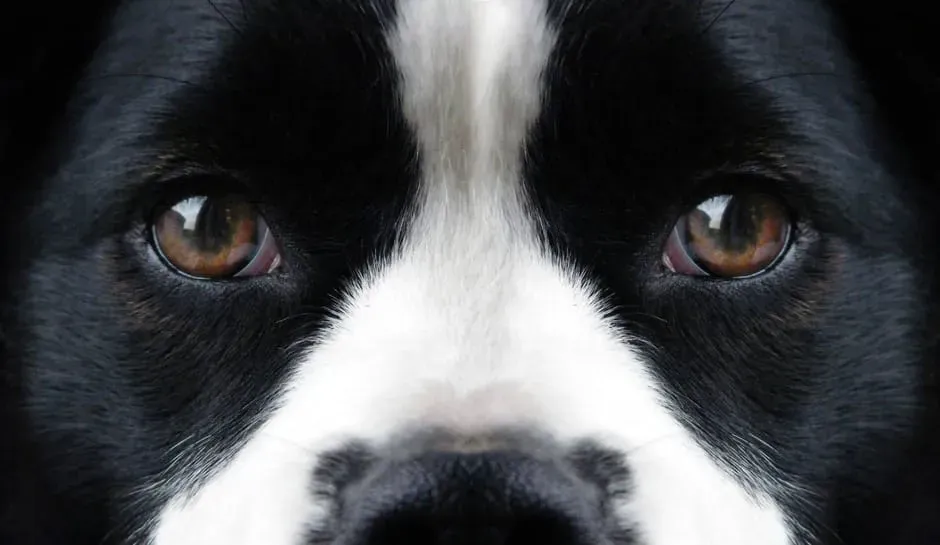
Here’s the most telling sign of all: when you break the pattern, your dog calls you out. Skip or delay a usual walk and watch the reaction. A dog who’s truly worked out your routine doesn’t just look confused – they look offended, and they will absolutely tell you so.
Expect intense, almost judgmental staring as you sit through what should be walk time, dramatic sighs and whining while glancing between you and the door, or a collar and harness dropped pointedly at your feet like evidence in a case. That disappointment is ironclad proof that in their mind, a walk should be happening right now. They weren’t guessing this whole time – they’d already solved the puzzle.
Worth Knowing
- Persistent eye contact aimed at the door, then back at you
- Sighing or low whining instead of barking
- Dropping a leash, harness, or toy directly at your feet
The Bottom Line
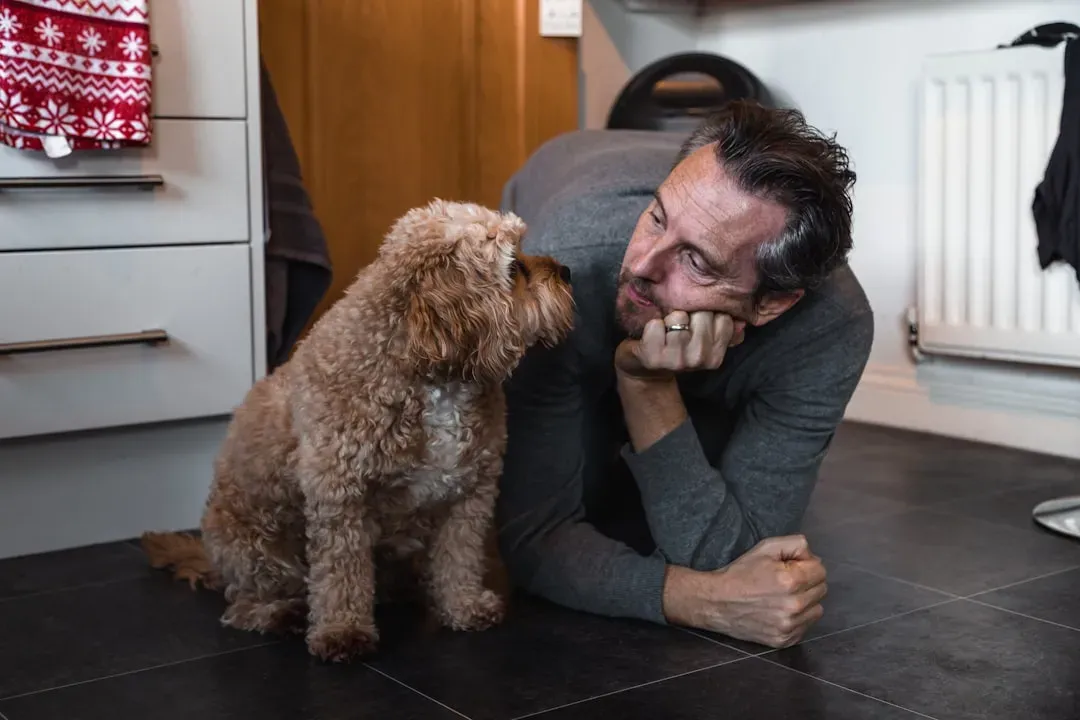
Once you start paying attention, it’s almost unsettling how early your dog knows a walk is coming. From silent ear flicks at one specific drawer to tactical hallway blockades and that “you forgot something” stare when you skip a day, dogs aren’t waiting for the leash – they’re reading the entire script leading up to it.
Here’s my honest take: the uncomfortable truth for humans is that they study us far more closely than we study them. Some people will shrug this off as cute coincidence, and others will insist dogs “can’t tell time.” But the patterns are too consistent, too specific, and too well-timed to write off. Your dog has quietly built a mental model of your entire life – down to which shoes, which sounds, and which flicker of your face means freedom is close. The real question isn’t whether they know. It’s how many of their signals you’ve been missing, and whether you’ll finally start watching for them.