
23 Things People Do at a Groomers That Make the Whole Appointment Harder
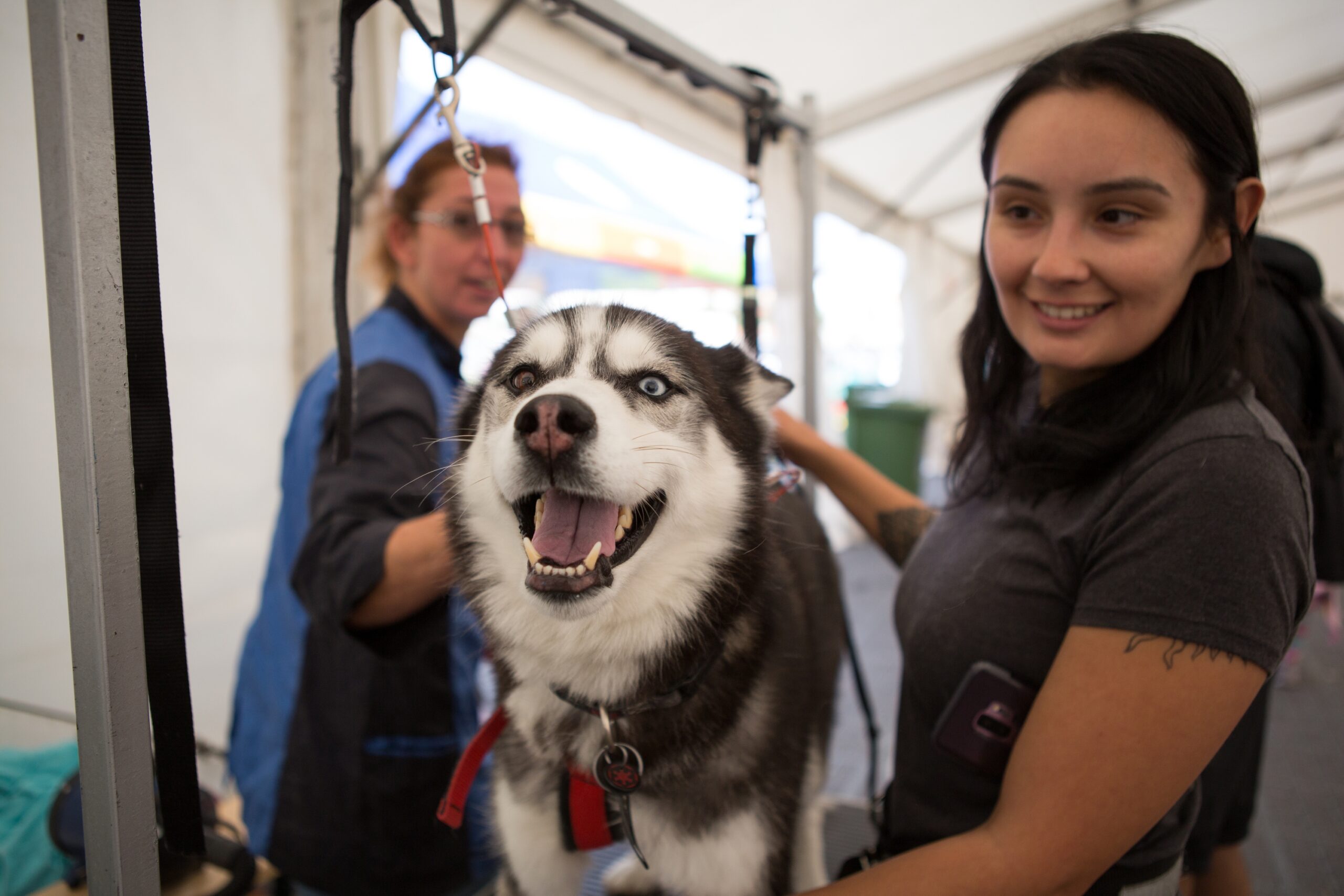
Walk into any grooming salon on a Saturday morning and you’ll see the same scene playing out: a stressed dog, a groomer moving on a stopwatch, and an owner who swears they’re “just trying to help.” Most people assume grooming disasters start with the dog. They almost never do. Professionals will tell you, quietly, that the real chaos usually starts with the human standing at the front desk.
The habits on this list look small in the moment – a late arrival, a hovering goodbye, a casual “he doesn’t bite” – but they stack up fast, and they land squarely on your dog’s nerves and your groomer’s already tight schedule. Some of these are going to sting a little. That’s kind of the point.
#1 – Showing Up 15 Minutes Late Like It’s No Big Deal
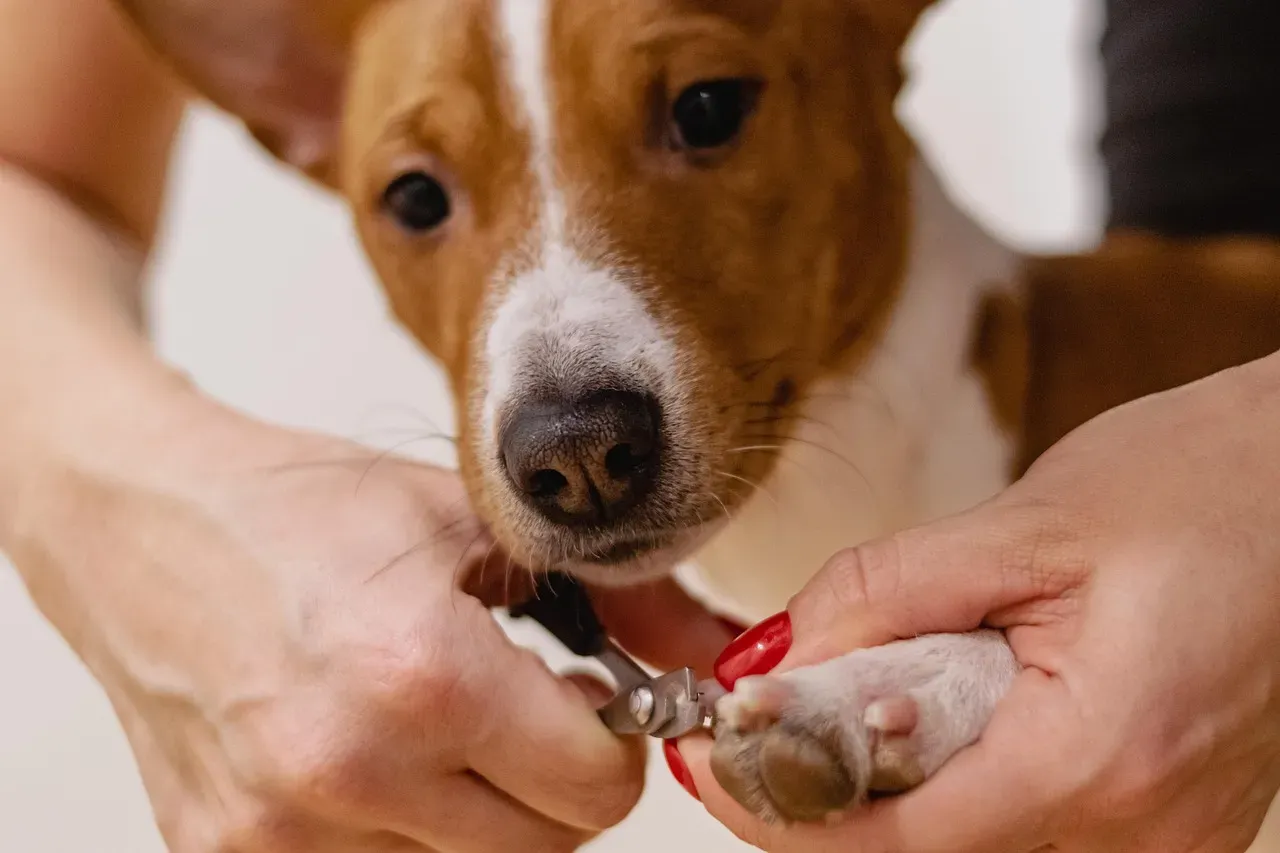
Grooming salons run like a hair salon crossed with an operating room. Every minute is mapped out in advance, and a “quick” 15-minute delay can eat the rinse cycle, the nail trim window, or the buffer time built in between a nervous doodle and a reactive shepherd. Groomers end up rushing or cutting corners just to catch back up, and rushing around scissors and clippers is never a good combination.
Most owners don’t realize dogs are often booked back-to-back by coat type and difficulty, with an easy bath dog slotted in as a breather between two brutal shave-downs. Show up late and that whole rhythm collapses, forcing your groomer to choose between delaying five other appointments, skipping their only break, or turning your dog away. When that happens, it isn’t bad customer service – it’s damage control.
Fast Facts
- Many salons schedule dogs with only a 10-15 minute buffer between appointments
- A single late arrival can push back every dog booked for the rest of the day
- Missing the rinse or dry window often means rushing later with scissors and clippers
#2 – Staying to “Help” Because the Dog Is Nervous
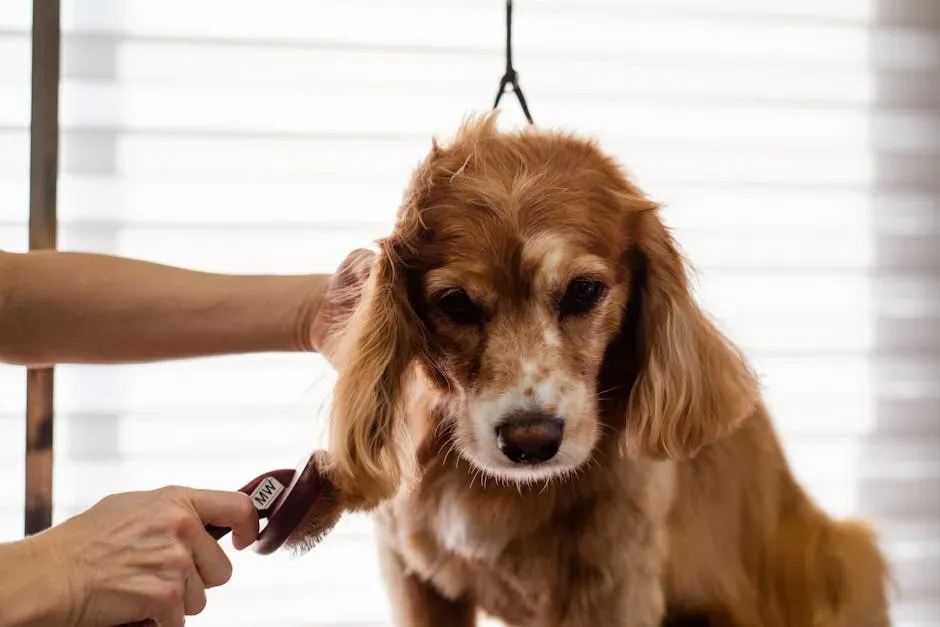
This one surprises almost everyone. You think staying close will comfort your anxious dog, but your presence almost always makes them more keyed up, more vocal, and harder to handle. Dogs read your face for cues – are we leaving, are we scared, are we in trouble – and that emotion travels straight down the leash and onto the grooming table.
Groomers are trained to read dogs calmly, but hovering owners with worried voices and gasps at every whimper turn one nervous animal into two. Some dogs get harder to restrain and more likely to nip simply because they’re straining to get back to you. It feels backwards, but the moment you walk out the door, most dogs settle down within minutes – stepping away really is the more loving move.
#3 – Dropping Off a Matted Dog and Saying “Just Brush It Out”
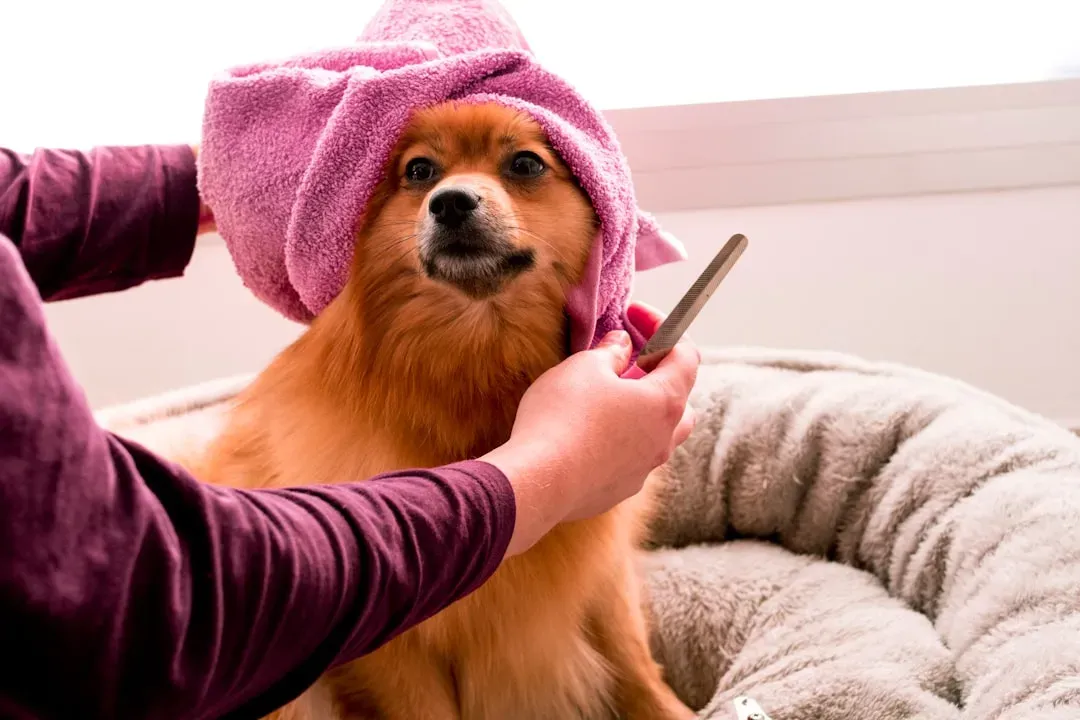
Every groomer has heard this line, and it never gets less frustrating. Once a coat is packed with tight mats, “just brushing it out” is often painful, slow, and sometimes flat-out impossible without hurting the dog. Those cute curls on a doodle turn into clumps that pull on the skin like Velcro the moment they’re neglected.
Imagine someone dragging a comb through matted hair for an hour straight – that’s the reality behind the request. Most professionals follow a simple rule: if dematting will hurt the dog, they shave short and start over, even if it isn’t the look you wanted. Ironically, the owners angriest about a short cut are often the same ones who skipped daily brushing at home.
#4 – Giving Big Meals Right Before the Appointment
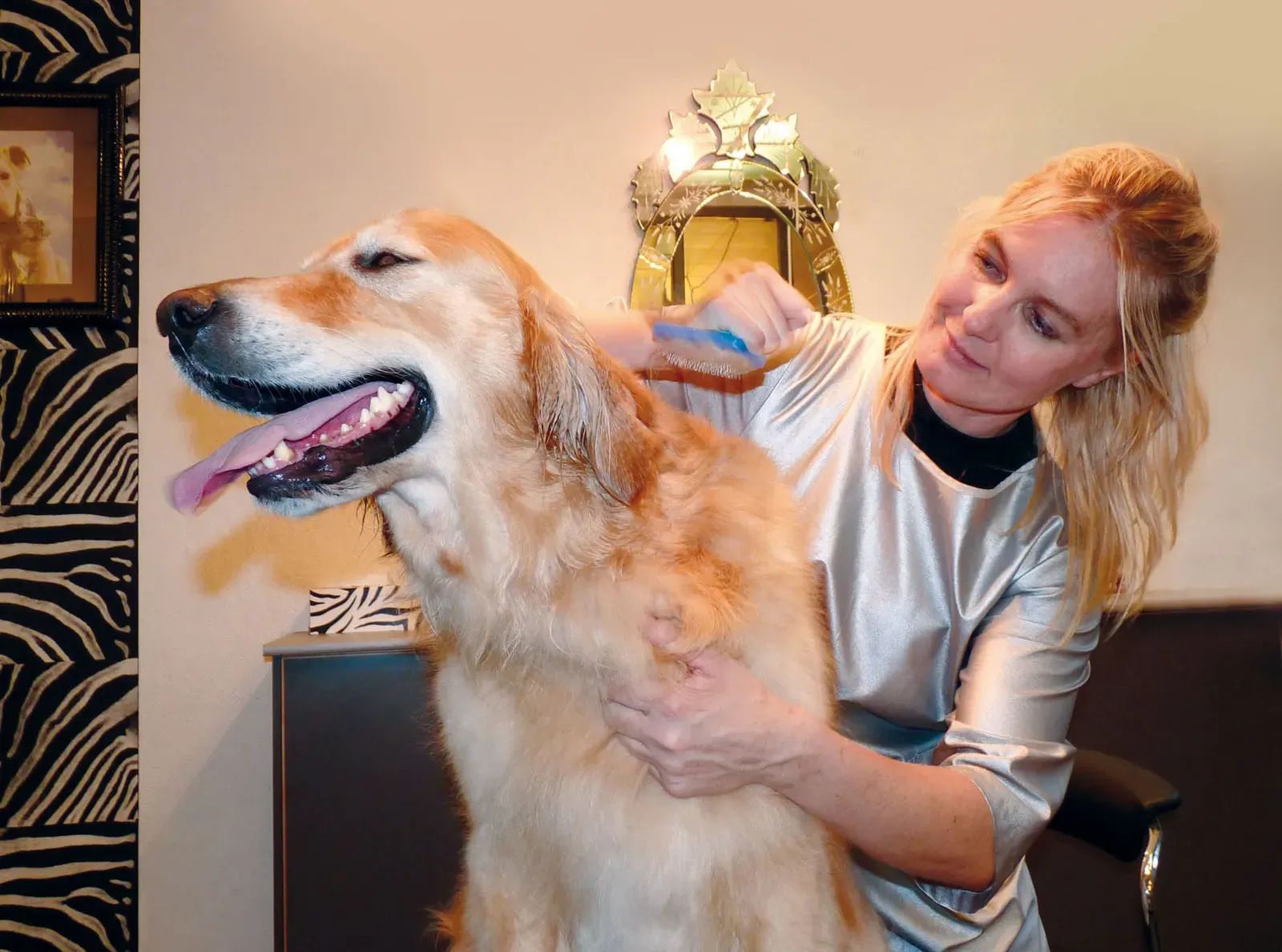
A surprising number of owners hand over their dog proudly announcing, “He just had breakfast,” as if that’s a kindness. It isn’t. Dogs who are bathed, lifted, and blow-dried on a full stomach are far more likely to vomit, get gassy, or have an accident brought on by stress, which means the groomer now has to stop and deep-clean the tub or table mid-schedule.
Add a nervous dog’s adrenaline to a full belly, plus being tilted and rotated on a table, and you’ve basically built doggy motion sickness from scratch. A light meal hours before grooming – or sometimes skipping that one feeding with your vet’s blessing – keeps dogs calmer and more focused. The idea that a full stomach gives your dog “energy” for the groomer is exactly backwards.
#5 – Saying “He Doesn’t Bite” When He Absolutely Will
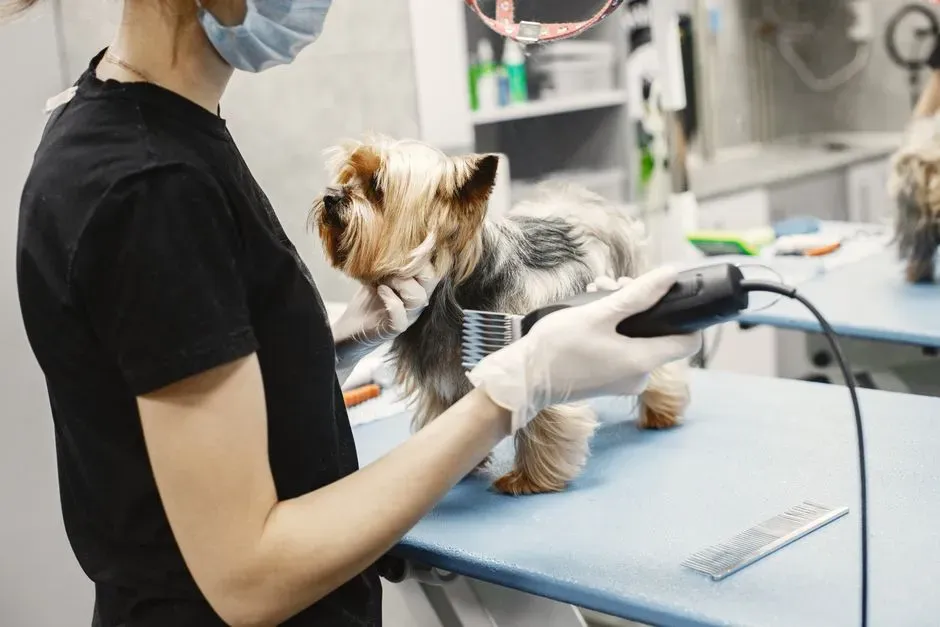
Groomers hear this phrase so often it’s basically a running joke – and a warning sign. Plenty of owners are embarrassed to admit their dog has snapped at the vet or guards its paws, so they soften the truth: “He doesn’t bite… well, except that one time.” That small omission can be the difference between a calm groom and a real injury.
Groomers work inches from eyes, ears, and mouths with sharp tools, and surprises are dangerous for everyone involved. When you downplay risk, your groomer may skip safety gear that would have protected both of you, and once your dog reacts, they get labeled “difficult” for every future visit. Owners who say upfront, “he may try to bite,” almost always get more patience and better handling in return.
#6 – Requesting an Unrealistic Style for the Dog’s Coat
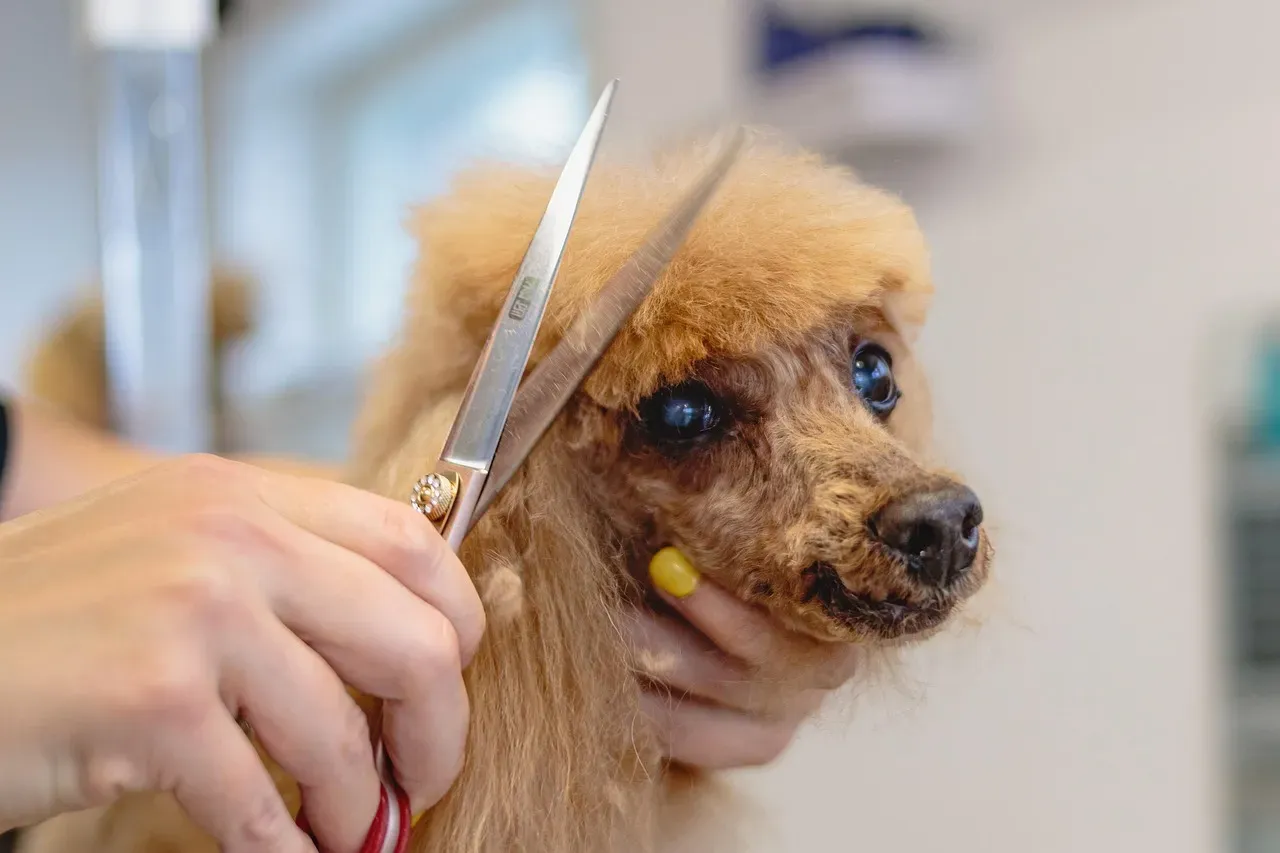
People bring in screenshots of show-ring poodles or heavily filtered TikTok doodles and ask for that exact look on a dog with a totally different coat and temperament. Coat type, density, and years of neglect or care all limit what’s realistically possible without making your dog miserable – a double-coated Husky simply cannot be shaved into a sleek poodle pattern without long-term damage.
That fluffy teddy-bear look on Instagram is usually the product of:
- Frequent professional grooms every 4–6 weeks
- Daily home brushing and combing
- A cooperative, table-trained dog
When owners push for an impossible style anyway, tension builds fast, because reality is about to disappoint someone. It’s usually not the groomer standing between you and the photo – it’s your dog’s coat condition and your maintenance routine at home.
#7 – Arriving Without a Potty Break “Because We’re Late”
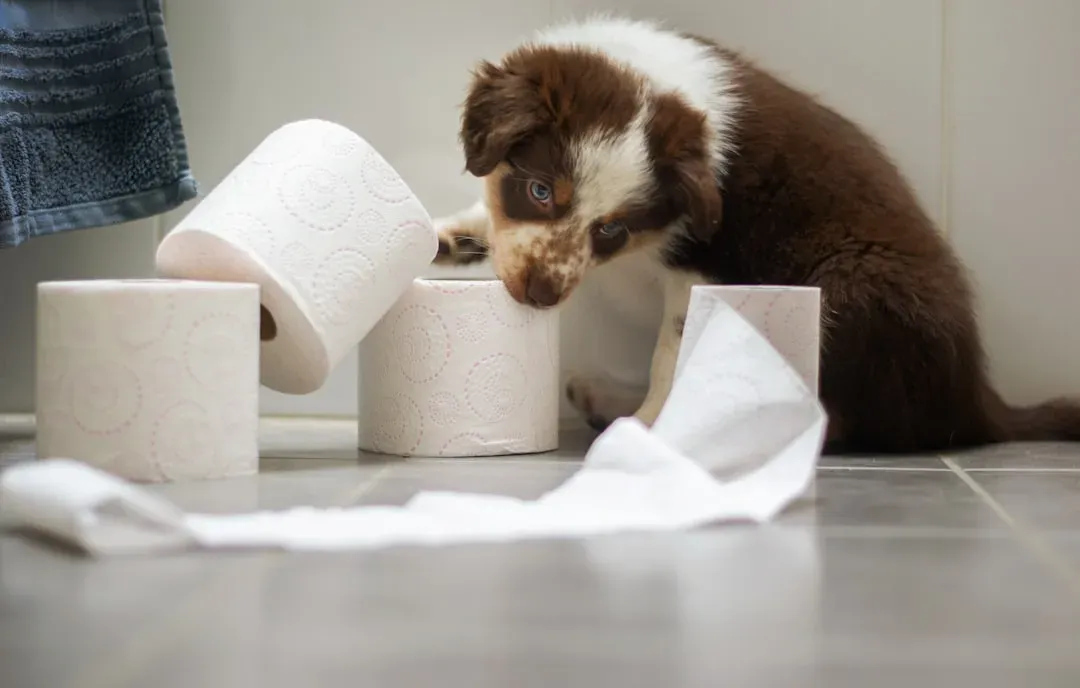
Skipping the walk on the way out the door is a near-guaranteed disaster once your dog hits the tub. Nervous system plus running water equals accidents on the table, in the bath, or mid-blow-dry, and that means whole sections of the groom have to be redone from scratch.
A single skipped bathroom break can tack on 20 to 30 extra minutes as the groomer stops to disinfect, re-bathe soiled areas, and re-dry a now more stressed dog. Some salons offer a quick potty spot, but a panicked dog in a strange place often won’t go. Ironically, the same owners who complain their pickup was delayed rarely connect it to the walk they skipped that morning.
#8 – Flooding the Dog With High-Energy Pep Talks at Drop-Off
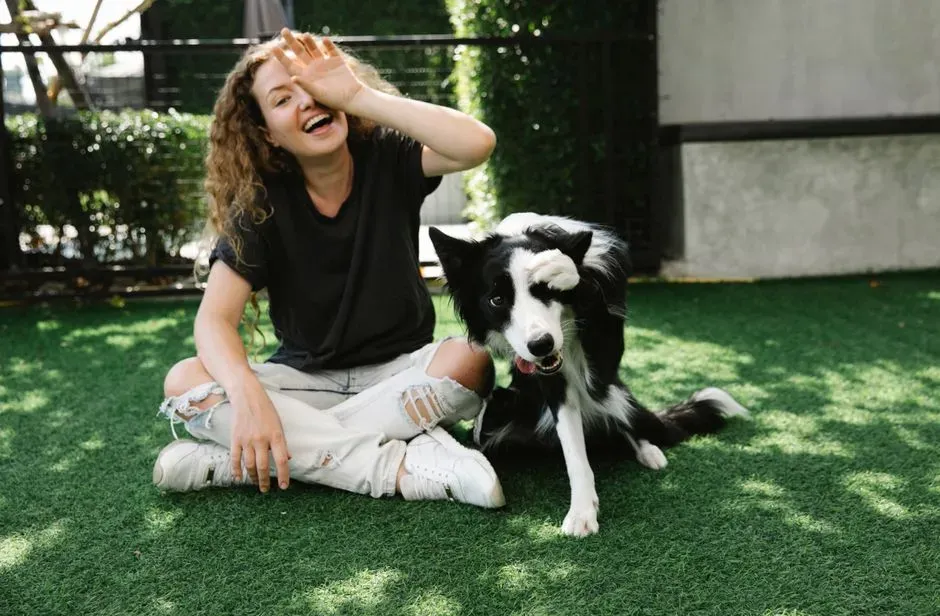
“I hyped him up in the car so he’d be brave!” sounds logical to a human, but to a dog, all that high-pitched “you’re okay, you’re okay, mommy loves you” reads like an alarm bell. Dogs read energy far more than words, so an overly dramatic tone teaches them that grooming is something worth panicking over.
The calmest dogs usually belong to owners who treat drop-off like a boring errand – quick handoff, normal voice, no drawn-out goodbye scene. You can still be kind and reassuring, just keep it low-key. The more emotional the send-off, the more likely your dog is to scream, pull, or try to bolt, and that separation drama often gets reinforced at every single visit.
#9 – Ignoring Pre-Appointment Instructions From the Groomer
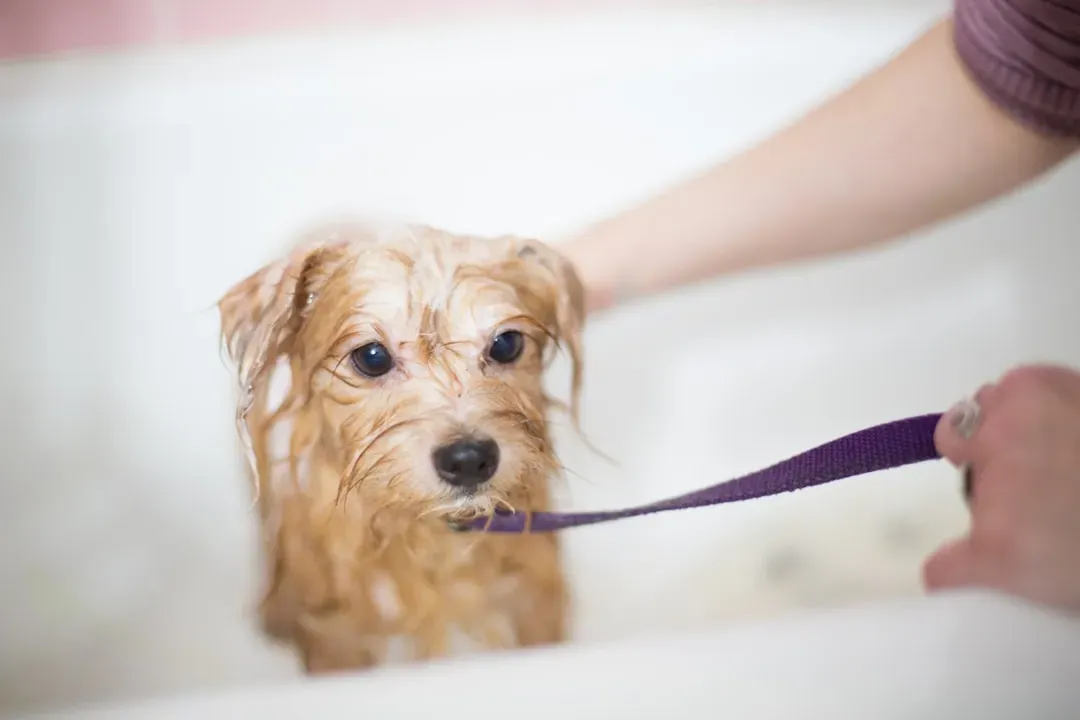
Experienced groomers don’t hand out prep rules to be fussy. When they ask you to:
- Avoid flea treatments within 24–48 hours
- Skip heavy perfume or oils
- Bring vaccination proof
it’s because these details directly affect chemical reactions, salon hygiene, and safety. When a client shrugs it off – “I forgot, but I did the flea treatment this morning anyway” – the groomer has to gamble on a skin reaction or reschedule and lose the appointment. That quiet resentment you sometimes sense didn’t start today; it started long before, with reasonable requests getting brushed off as optional.
#10 – Arguing About Safety Tools Like Muzzles and Loops
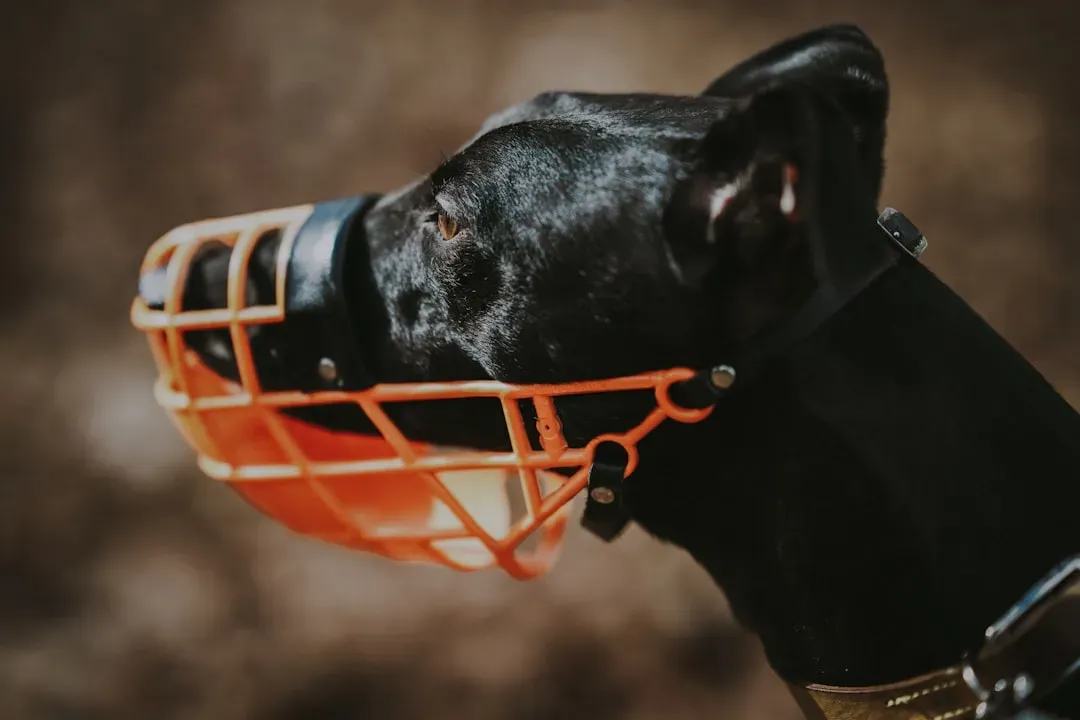
Some owners hear “muzzle” or “safety loop” and take it personally, as if the groomer just called their dog dangerous. In reality, those tools are often the only reason a nervous or reactive dog can be groomed at all without someone getting hurt. A properly used muzzle doesn’t cause pain – it stops a fearful snap from turning into a real bite.
A grooming loop isn’t choking your dog; it’s keeping them from leaping off a raised table and breaking a leg. When owners push back with “just be gentle, he doesn’t need that,” they’re forcing a groomer into an unsafe gamble with scissors near a flinching face.
Refusing basic safety tools is a bit like telling a surgeon not to wear gloves because it “looks scary.”
#11 – Bringing a Dog With Untreated Medical Issues
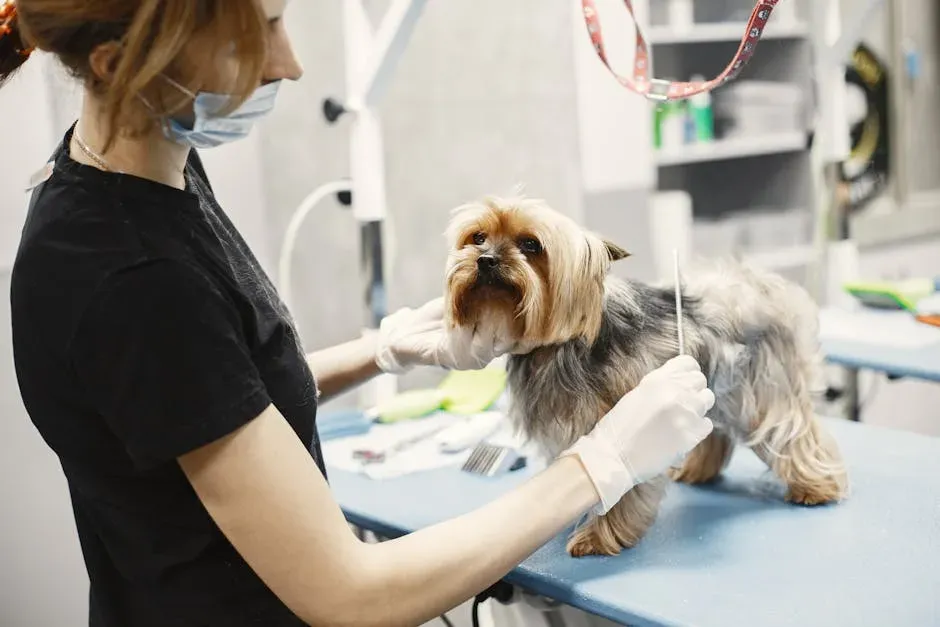
Groomers aren’t vets, but they see your dog’s skin up close more often than almost anyone. A dog scratching nonstop, bleeding from hot spots, limping, or dealing with an obvious ear infection turns a routine groom into a minefield – wet, irritated skin tears and nicks more easily, and painful joints make standing for long stretches miserable.
Some owners hope a bath will magically fix yeasty skin or fleas instead of seeing a vet first, and when that pre-existing condition flares up afterward, the groomer often gets blamed for something they never caused. The best way to make grooming easier is to handle medical issues before the appointment, not use the groomer to “see what they think.”
Worth Knowing
- Hot spots and open sores often worsen fast under warm water and drying heat
- Ear infections make even gentle head handling painful
- Joint pain or arthritis makes standing on a table exhausting
- Skin already inflamed by allergies or fleas nicks and tears more easily
#12 – Not Disclosing Sedatives or Medications Used Beforehand
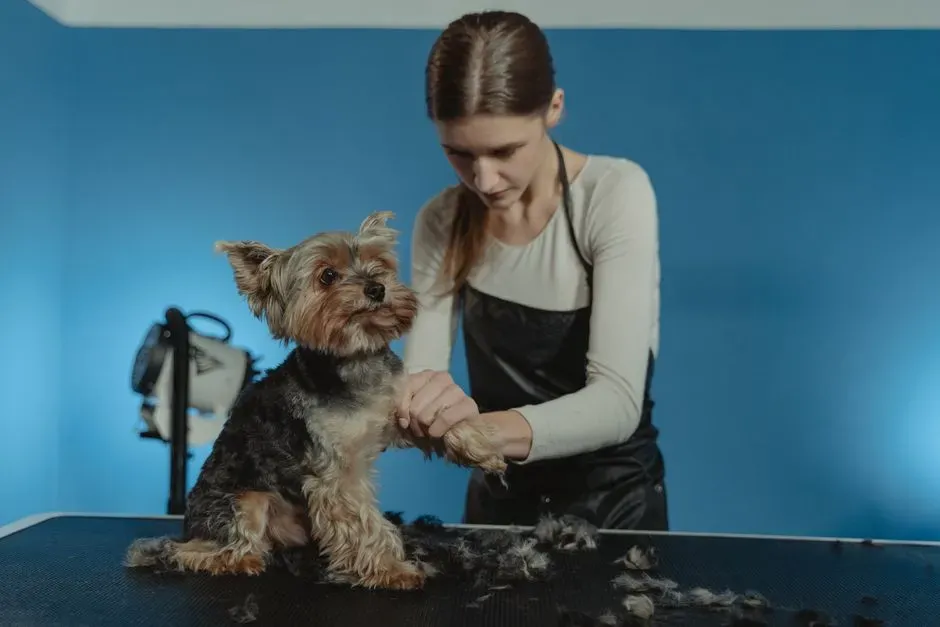
Some owners quietly medicate their dog before an appointment and never mention it, worried they’ll be judged. That silence is more dangerous than it sounds, because sedatives, anxiety meds, and even some pain relievers change how a dog handles restraint, heat, and balance on the table.
Groomers need to know what’s on board so they can adjust:
- Water temperature and drying time
- How long the dog is allowed to stand
- Whether extra breaks or monitoring are required
Most groomers are grateful, not judgmental, when you say plainly, “he’s had a prescribed sedative, here’s what and when.” Hiding it just means nobody can make a safe, informed call in the moment.
#13 – Refusing to Train Basic Handling at Home
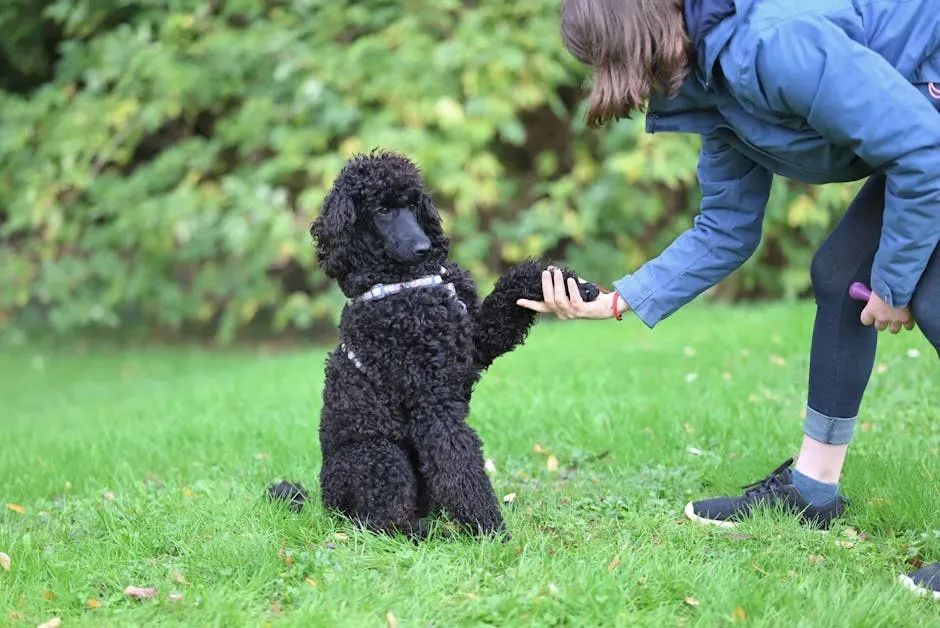
You can’t outsource all handling training to a groomer. Expecting a dog to calmly tolerate feet touching, face and ear handling, and brushing when it happens once every 8 to 12 weeks is simply unrealistic, and dogs who never experience gentle handling at home are usually the ones thrashing or biting on the table.
A few minutes a week spent touching paws, lifting lips, and brushing gently while offering treats teaches your dog that this kind of contact is normal, not a threat. When an owner shrugs and says “he just doesn’t like his feet touched,” what they’re really saying is “we never worked on this,” and the groomer becomes the one stuck doing all the hard, unrewarded work.
#14 – Letting the Dog Run Wild on the Leash in the Lobby
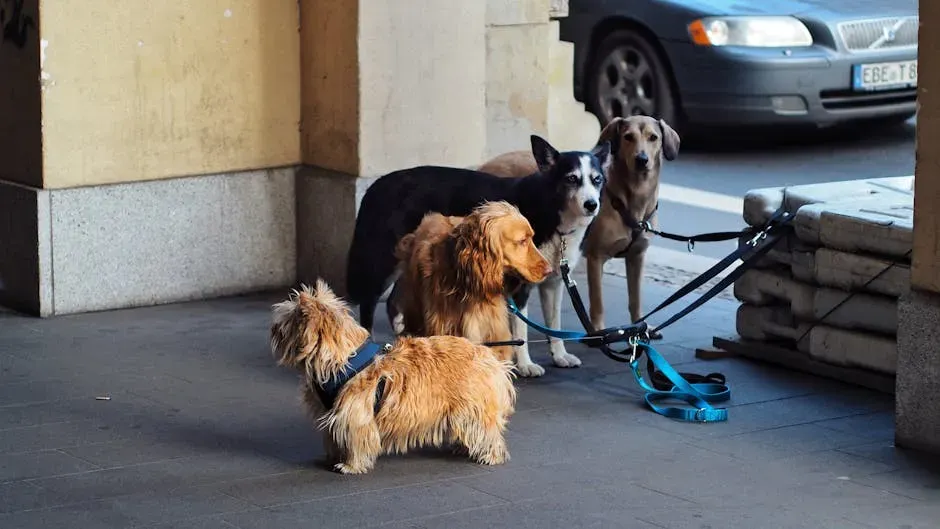
The appointment starts the second you walk through the door, not when your dog hits the tub. A dog barreling into the lobby at the end of a flexi-leash, barking at every stranger and sniffing every corner, is already over-threshold before grooming even begins.
Groomers wish more owners treated the lobby like a waiting room and not a dog park:
- Short leash, dog at your side
- Minimal greetings with other dogs
- Calm, neutral body language
A dog who can’t stand still at check-in won’t suddenly turn zen under the clippers. That 60-second entry sets the tone for everything that follows.
#15 – Micromanaging Every Tiny Detail, Then Blaming the Groomer
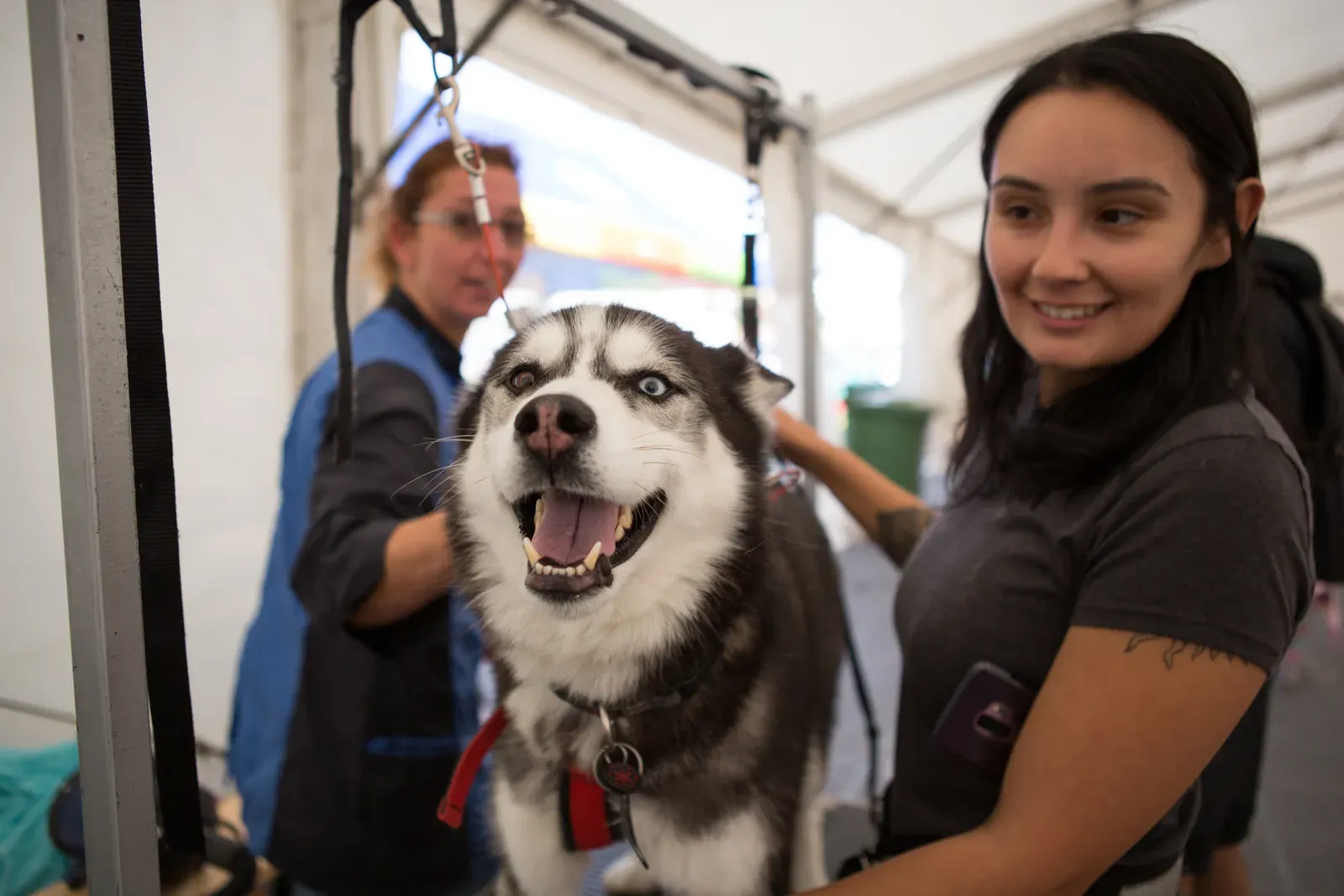
There’s a real difference between clear communication and obsessive micromanagement. “Shorter all over, trim the face so the eyes show” is helpful. A paragraph specifying exact inches, a specific Instagram dog, a rounder muzzle, and untouched ears is a setup nobody can win, because coats grow unevenly and dogs move.
When owners load on hyper-specific demands and then nitpick every hair afterward, the groomer’s anxiety bleeds straight into the dog, who feels the tension in the room. The happiest results consistently come from owners who give general direction, trust the groomer’s judgment, and refine the look over a few visits instead of demanding perfection in one shot.
#16 – Changing Instructions at Pick-Up and Expecting Instant Fixes
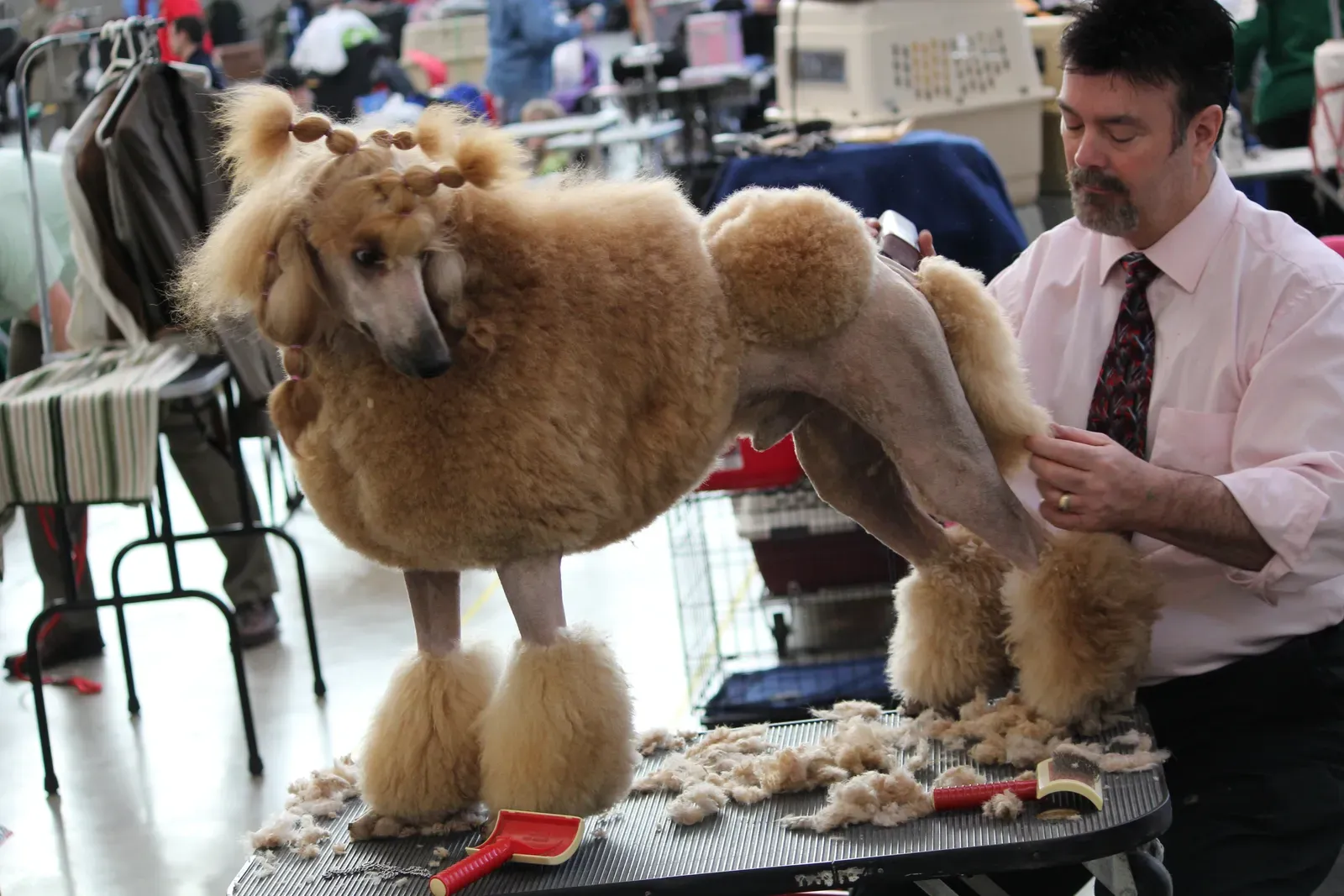
A classic move: at drop-off it’s “just a tidy-up,” but at pick-up you suddenly want shorter ears, a different tail, and rounder feet – right now, while five other dogs are waiting. Grooms are structured processes, not a quick touch-up with hairspray, and shortening one area afterward can throw off the whole look or require a full re-wash to blend properly.
A better approach looks like this:
- Give clear instructions up front
- Ask, “if there’s anything you’d change next time, what would it be?”
Then apply the tweak at the next visit, not under pressure with a lobby full of waiting dogs.
#17 – Pushing for an Overly Long Gap Between Grooms
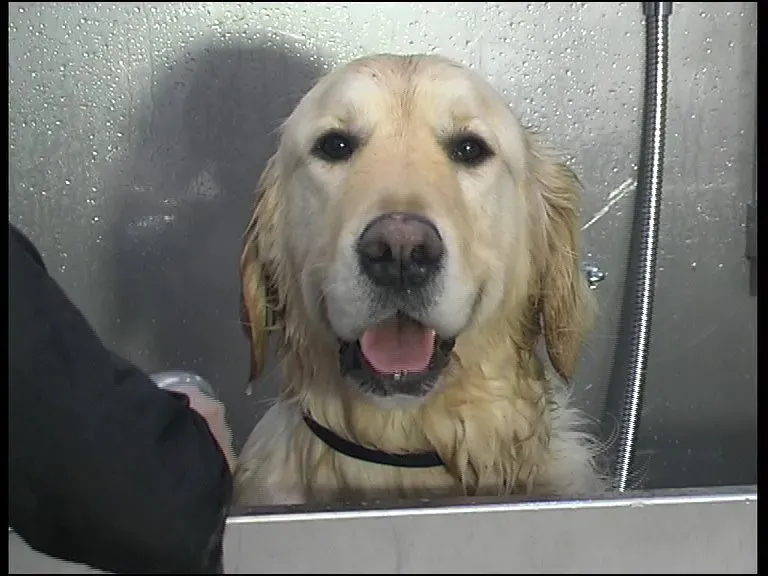
“I only bring him in twice a year, it saves money” sounds reasonable on paper. In practice, those twice-a-year visits are brutal for everyone, because long gaps mean overgrown nails, compacted undercoat, hidden mats, and skin issues that went unchecked for months. What should be routine maintenance turns into hours of de-matting and damage control.
Shorter, more frequent grooms every 6 to 8 weeks are usually easier, faster, and far less stressful, because the dog stays familiar with the process instead of relearning it from scratch each time. Stretching the gap too far doesn’t just challenge your groomer – it guarantees every visit feels like a crisis to your dog instead of a normal part of life.
Quick Compare
| Every 6-8 Weeks | Every 6+ Months |
|---|---|
| Coat stays manageable, minimal matting | Compacted undercoat and hidden mats build up |
| Nails and ears get routine attention | Overgrown nails and skin issues often ignored |
| Dog stays familiar with the process | Each visit feels like starting from scratch |
| Appointments run faster and calmer | Appointments run longer and more stressful |
#18 – Demanding a Full Groom During Peak Holiday Chaos
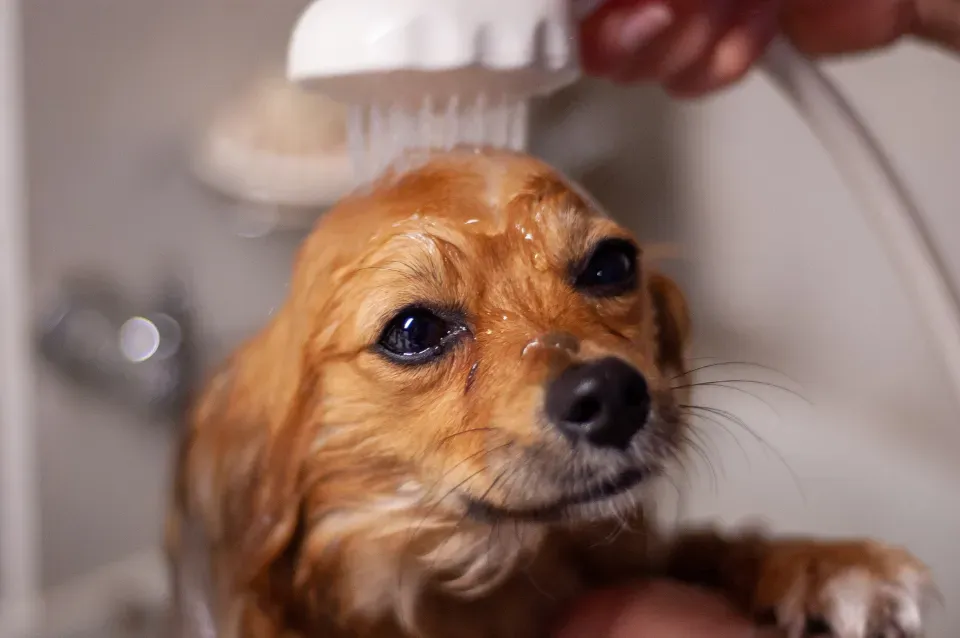
Everyone wants their dog camera-ready for Thanksgiving and Christmas, and groomers know it – their books are packed solid from November through early January. When someone calls at 5 p.m. the day before a holiday demanding a full, complex groom, frustration on both sides is almost guaranteed.
Squeezing in an extra dog during that window means:
- Fewer breaks, or none, for the groomer
- Less time to ease nervous dogs through the process
- Less bandwidth for detailed scissoring and styling
The dogs who look best and handle the holidays calmly almost always belong to owners who booked months ahead and accepted maintenance grooms as part of the deal.
#19 – Hovering by Text and Phone the Entire Time
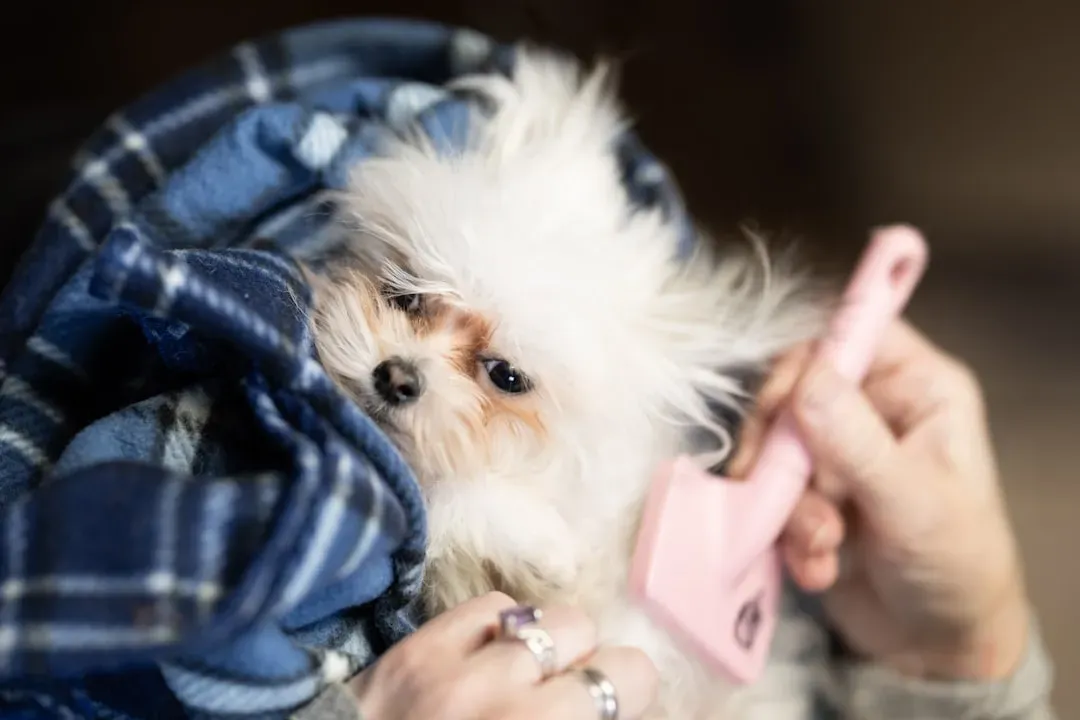
Worrying about your pet is normal, but a stream of “is he done yet?” texts and calls during the appointment doesn’t speed anything up. It actually slows things down, because someone has to stop working with dogs to answer you, and your anxiety leaks straight through the screen into an already tense room.
Many salons build in set check-in windows for exactly this reason. If you truly can’t relax, ask at drop-off what the best way to get an update is, then respect that boundary instead of treating your groomer like an on-demand customer service line mid-appointment.
#20 – Picking Up Late and Leaving the Dog Crated for Hours
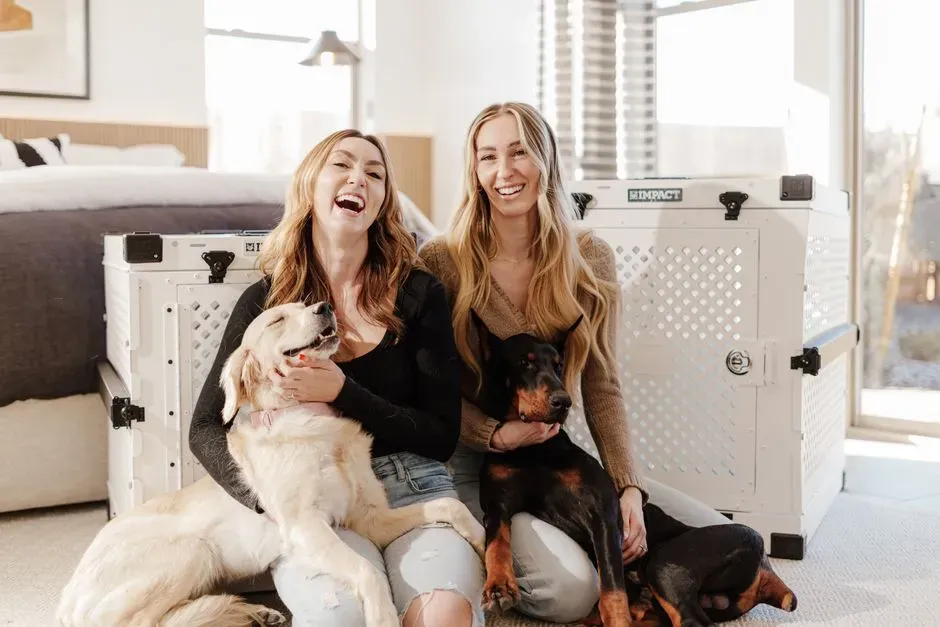
On the flip side, some owners simply disappear. The groom is finished, but the dog waits in a crate for hours because pick-up is “whenever I can get there.” Even in the best salons, that extra wait is real mental strain, especially for a dog with any crate anxiety.
Groomers build pick-up windows to minimize exactly this kind of stress and keep their space moving for the next dog. Late fees aren’t a cash grab – they exist because one dog occupying a crate for half the day has real consequences for space, staffing, and welfare. Grooming isn’t daycare, and paying for a haircut doesn’t include unlimited boarding hours.
At a Glance
- Most salons set pick-up windows to limit crate time to an hour or two
- Extended crating adds real stress, especially for anxious dogs
- Late fees typically cover staffing, space, and care – not just inconvenience
#21 – Arguing With the Groomer in Front of the Dog
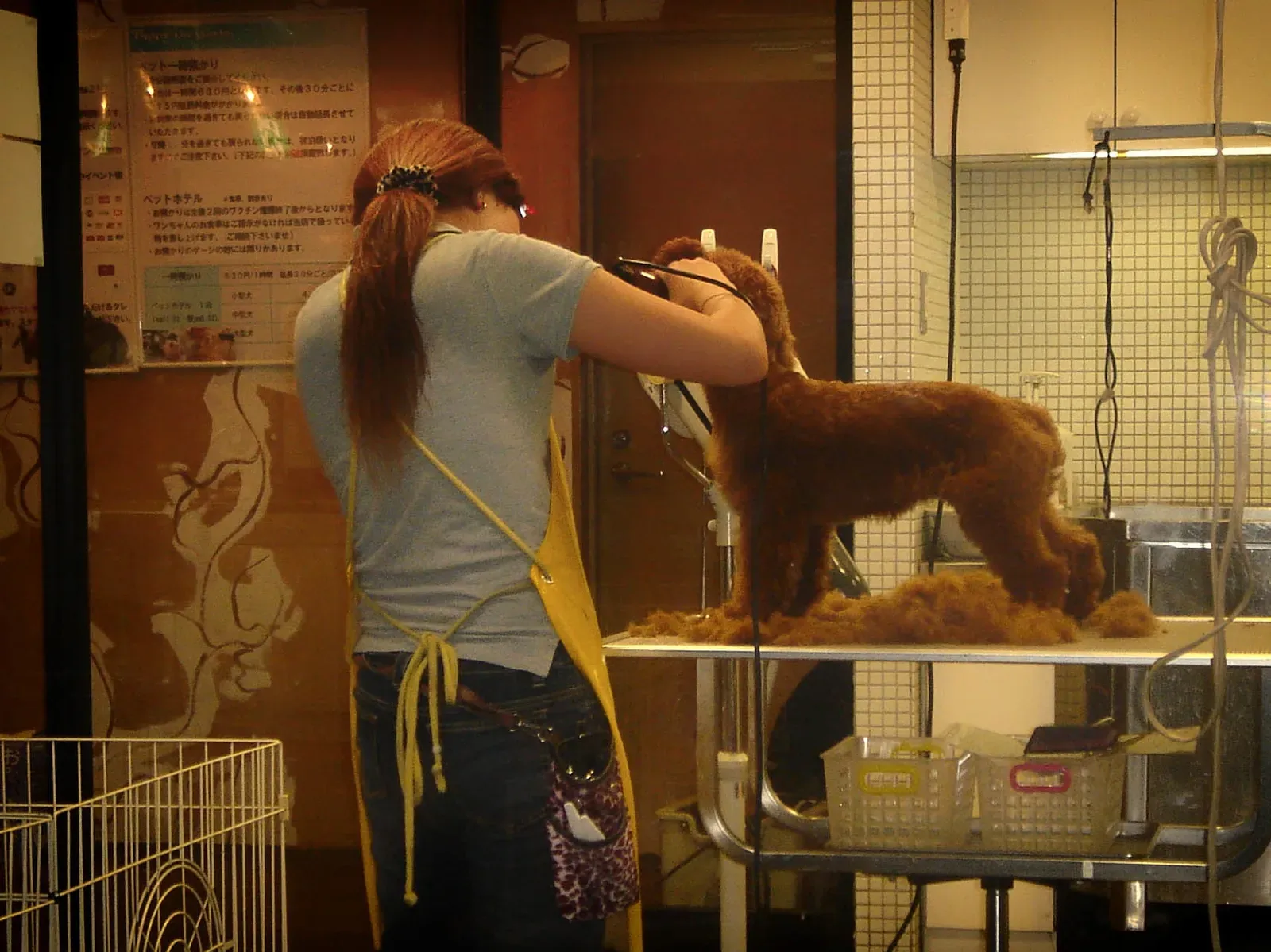
It’s normal to feel disappointed if the cut isn’t what you pictured. But turning the lobby into a confrontation, especially with raised voices, directly stresses your dog and everyone else waiting. Dogs read tone, not vocabulary – they just know you’re upset, and that can make them dread the next visit.
Most real issues can be fixed with calm, specific feedback instead of a public showdown:
- “Next time, I’d like the ears a bit longer.”
- “This is shorter than I expected – how can we avoid that?”
If something genuinely went wrong, step aside for a private conversation or follow up later with photos. A scene in the lobby doesn’t fix the haircut; it just damages trust for every appointment after it.
#22 – Expecting “Quick Fixes” for Deep-Rooted Behavior Problems
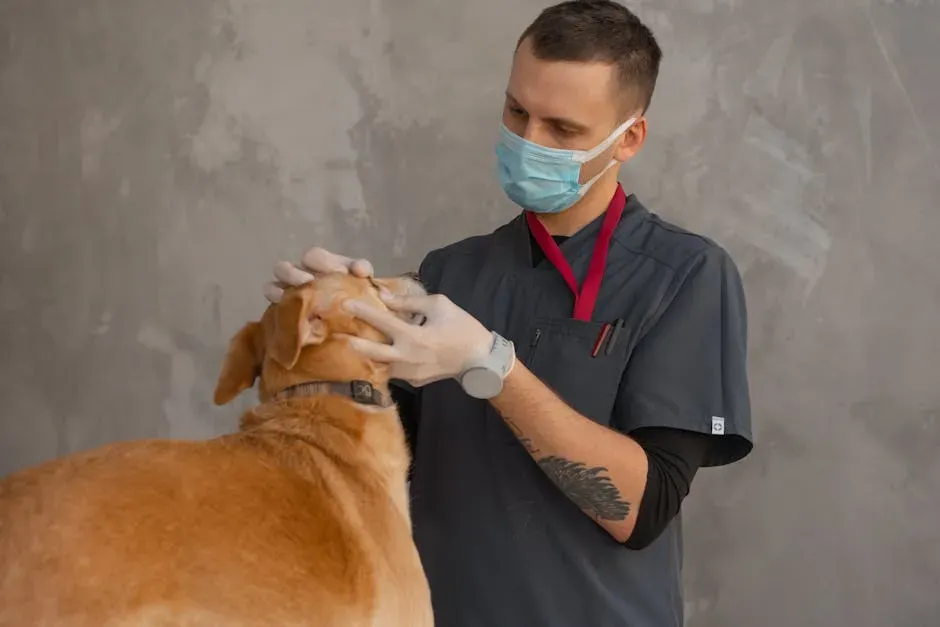
Some dogs carry real trauma, genetic nervousness, or years of bad handling history, and owners sometimes hope one visit with the “right” groomer will erase all of it. When the dog still panics or tries to bite, the groomer gets blamed instead of the underlying problem ever getting addressed.
Groomers are skilled, but they are not behavior specialists – severe cases often need a vet-behaviorist, medication, and slow desensitization through many short, positive visits. Sometimes the honest answer is a partial groom or a sedation-friendly facility, and that’s not laziness, it’s just reality. The longer a serious behavior issue goes untreated between visits, the harder and riskier every single groom becomes.
#23 – Treating Groomers Like “Service Workers” Instead of Animal Experts
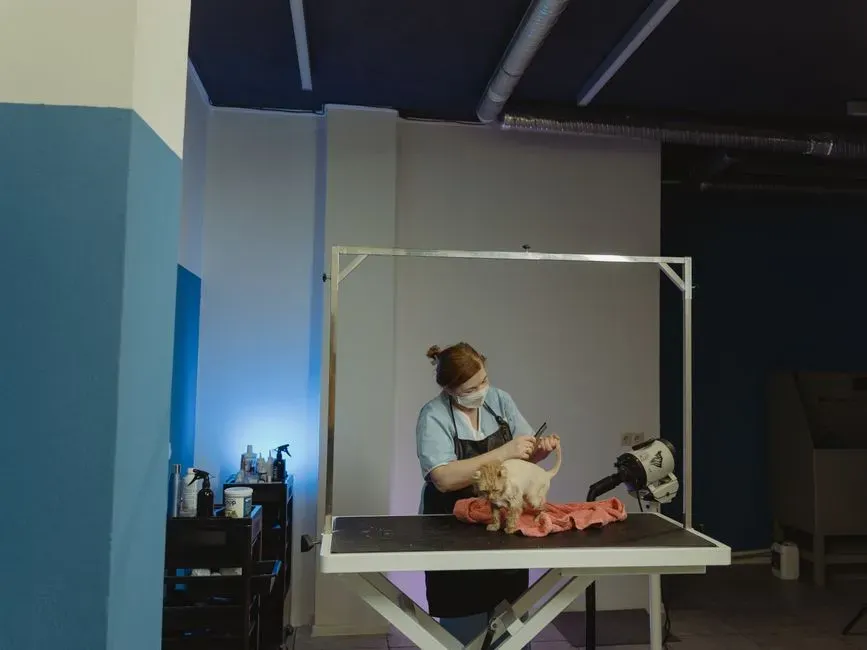
Here’s the hardest truth on this list: the single biggest thing that makes appointments needlessly difficult isn’t mats, nails, or unrealistic doodle photos – it’s how some owners view the person holding the clippers. Treat a groomer like low-level staff whose only job is to obey and absorb frustration, and you get rushed conversations, guarded honesty, and eventual burnout that bleeds into every dog they touch that day, including yours.
Groomers are closer to nurses than baristas. They:
- Know your dog’s anatomy and coat patterns intimately
- Notice lumps, pain, and behavior shifts before anyone else does
- Carry real physical risk every day working with sharp tools on moving animals
Owners who show up with “you’re the expert, tell me what’s best” get more flexibility, more patience, and a groomer who’s genuinely invested in their dog long-term. Shift that one attitude, and half the problems on this list quietly disappear.
The Bottom Line
Most grooming “disasters” start long before the clippers ever turn on. Late arrivals, secret medications, ignored instructions, emotional drop-offs, and a reluctance to train basic handling at home all stack pressure onto a job that’s already physically demanding and genuinely risky. The dog ends up caught between a stressed owner and a stressed groomer, quietly learning that this whole experience is something to fear instead of something to tolerate.
None of this is about being a perfect client. It’s about owning the part humans actually play in the chaos. Groomers aren’t a luxury add-on – they’re part of your dog’s basic health team, and they deserve the same respect, honesty, and follow-through you’d give a vet. Do that, and appointments stop being a battle and start feeling like routine maintenance your dog can actually handle. Which of these habits have you seen, or done, yourself – and what would you add from your own grooming horror stories?