
9 Details a Dog Offers One Person and Withholds From Every Single Visitor
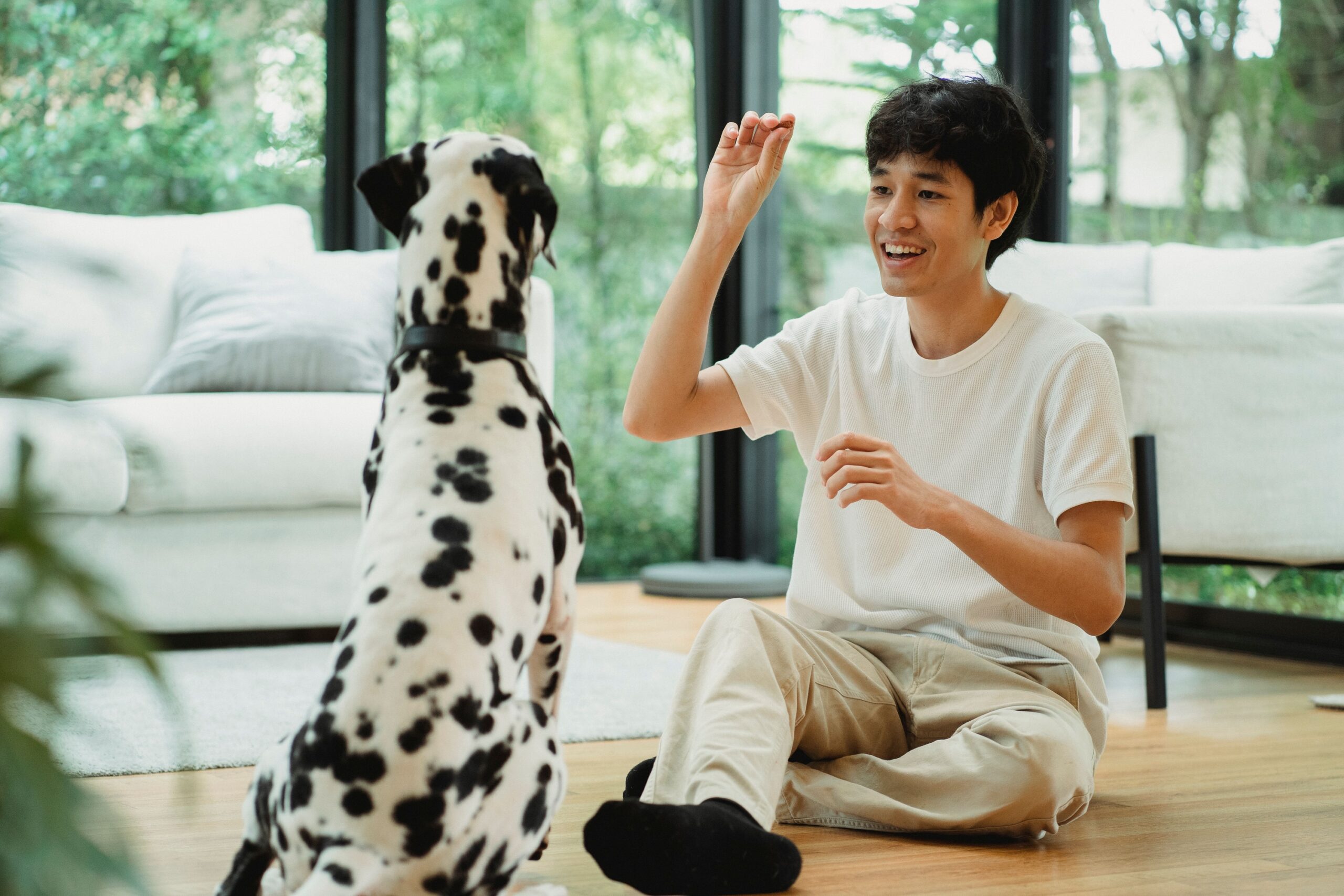
Everyone assumes their dog is an equal-opportunity love machine – a tail-wagging welcome mat for anyone who walks through the door with a friendly voice. That’s the story we tell ourselves, anyway.
But behavior experts who study dog attachment say something quieter and stranger is happening in almost every home: your dog is running a two-tier system. Visitors get the highlight reel. One person gets the real thing – the unfiltered, occasionally uncomfortable, deeply specific version of a dog’s love that never makes it past the front door. Here’s what that person is actually getting, and why nobody else even knows it exists.
#1 – The Secret “Person-Only” Greeting Ritual
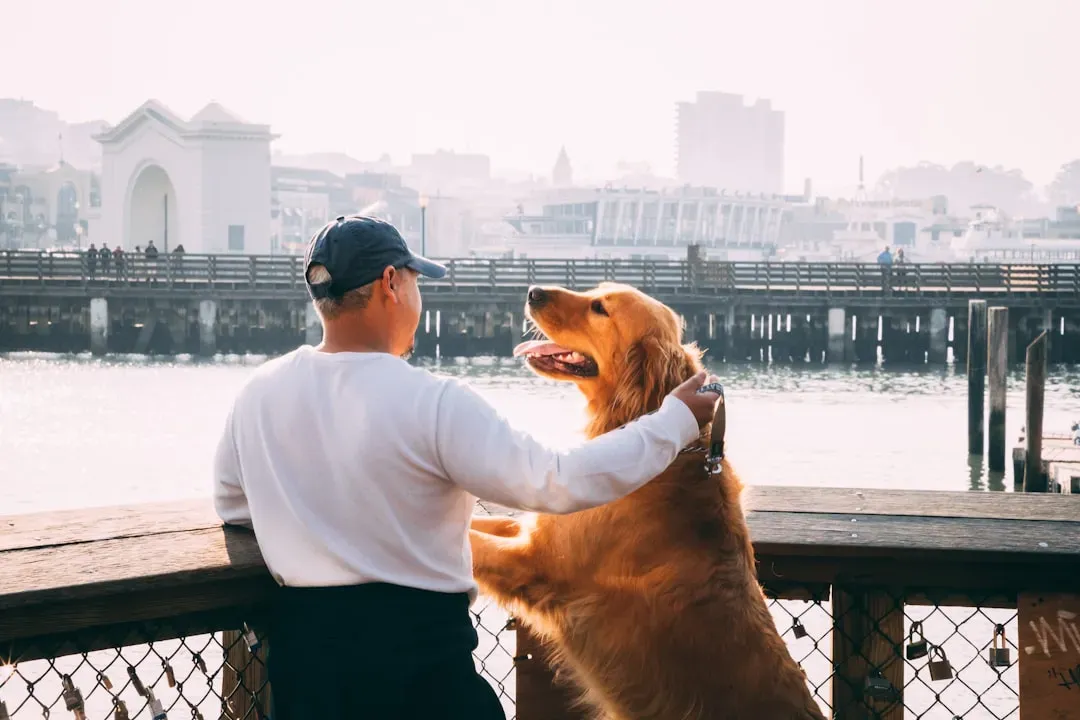
Your dog doesn’t greet everyone the same way, and the gap is bigger than a little extra tail wag. Most visitors get the generic package: some sniffing, some jumping, maybe a polite spin. The person a dog is truly bonded to gets something else entirely – a strange, specific little ceremony that shows up for no one else.
For some dogs it’s grabbing the same toy every single time, even one that’s been ignored on the floor all day. For others it’s a sound – a “woo-woo,” a low whine, a breathy huff – that never happens for anyone but you. Many owners describe a full-body wag reserved only for their person: tail, hips, even the shoulders rolling like the whole spine is celebrating.
- Checking your face for mood before the excitement fully explodes
- Circling behind you to fall into step at your side, almost like a rehearsed dance
- Grabbing a specific object only when you, and not a guest, walk in
Visitors see an amped-up dog at the door. They never see the tiny choreography underneath it – the trust signal disguised as chaos.
#2 – The True Vulnerability of Sleep
Most people assume a sleeping dog is just… asleep. But who a dog chooses to fully sleep around is one of the most personal decisions it ever makes. Dogs are wired as both predator and prey, and even after thousands of years by our side, some part of them still sleeps like an animal that might need to bolt.
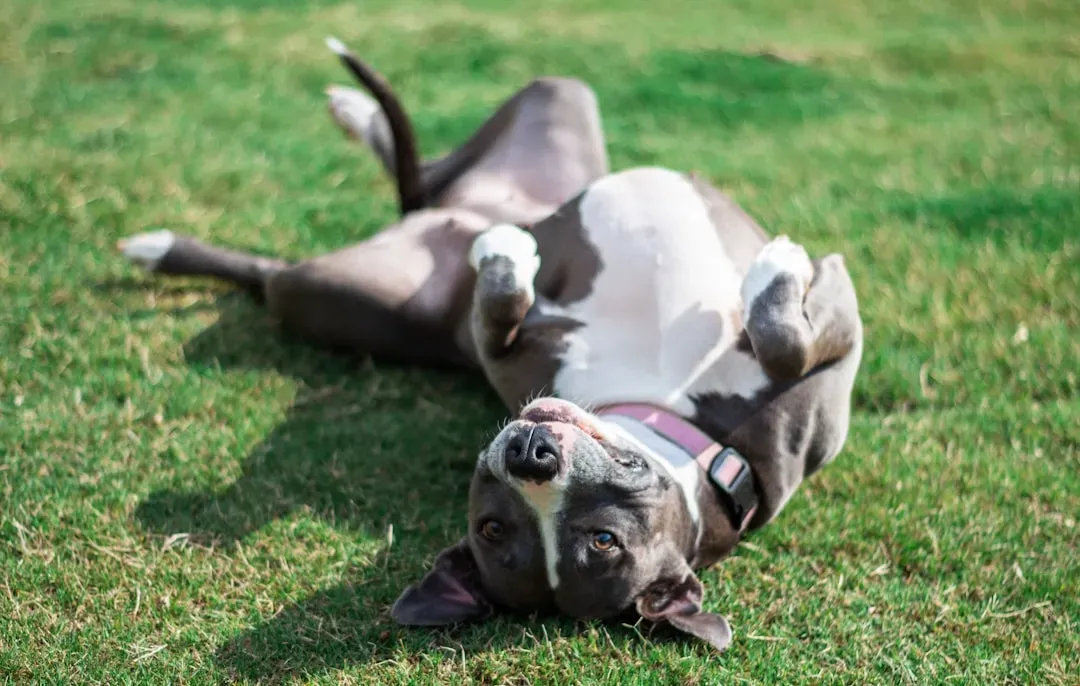
That’s why so many dogs “fake sleep” around strangers – eyes half-closed, ears twitching, head lifting at every creak. Around their chosen person, it’s different. Many dogs finally let their bodies go dead weight, flop onto their side or back, and drop into real REM sleep, paws twitching through a dream only they can see.
- Turning their back to you, exposing their most vulnerable side
- Sleeping against your legs or on your feet, using your body as both shield and anchor
- Dropping into the upside-down, paws-in-the-air posture almost never seen by guests
Visitors get the polite nap or the dog who wanders off to another room. That defenseless, paws-up surrender is a one-person privilege.
Fast Facts
- Adult dogs sleep roughly 12 to 14 hours a day, but not all of it is deep sleep
- Dogs typically slip into REM sleep within 10 to 20 minutes of drifting off
- The belly-up, paws-in-the-air position is considered one of the most physically defenseless postures a dog can choose
#3 – The Micro-Level Emotional Check-Ins
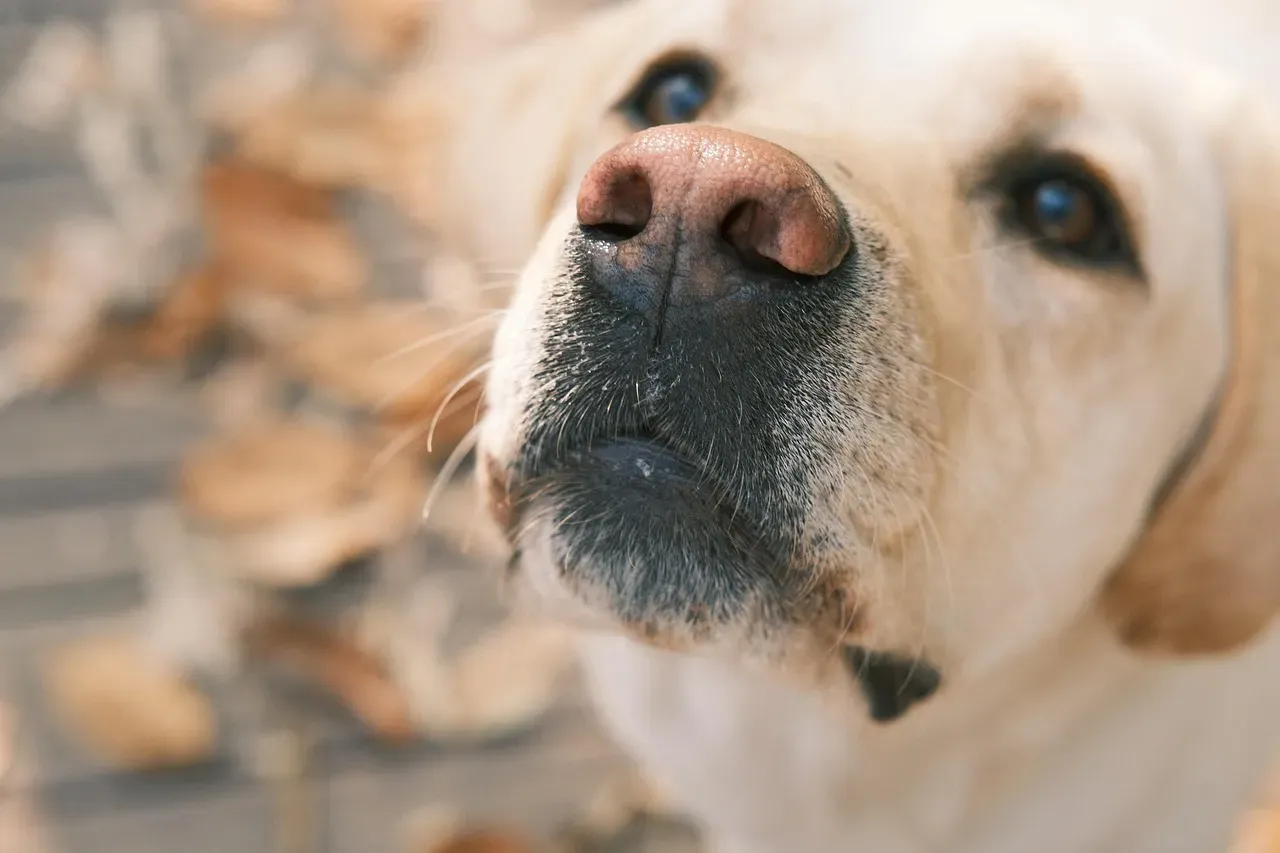
Most people think a dog just wants food, attention, or a game of fetch. In reality, your dog is quietly running emotional diagnostics on you all day, and visitors never get scanned this closely.
Notice how your dog glances up from across the room, locks eyes with you for half a second, then goes back to whatever they were doing? That’s not random. Dogs can read subtle shifts in posture, facial expression, even stress-related scent, and around their anchor person, they use that skill constantly.
- Adjusting their own energy when they sense sadness or illness in you
- Leaning in or hovering closer when your body language slumps
- Pausing to scan your face instead of just scanning the room
Guests might get a cursory sniff or a hopeful “want to play?” stare. The deeper “how are you, really?” gaze is reserved for the one person a dog has decided to track.
#4 – The “I’ll Take the Hit” Protective Instinct
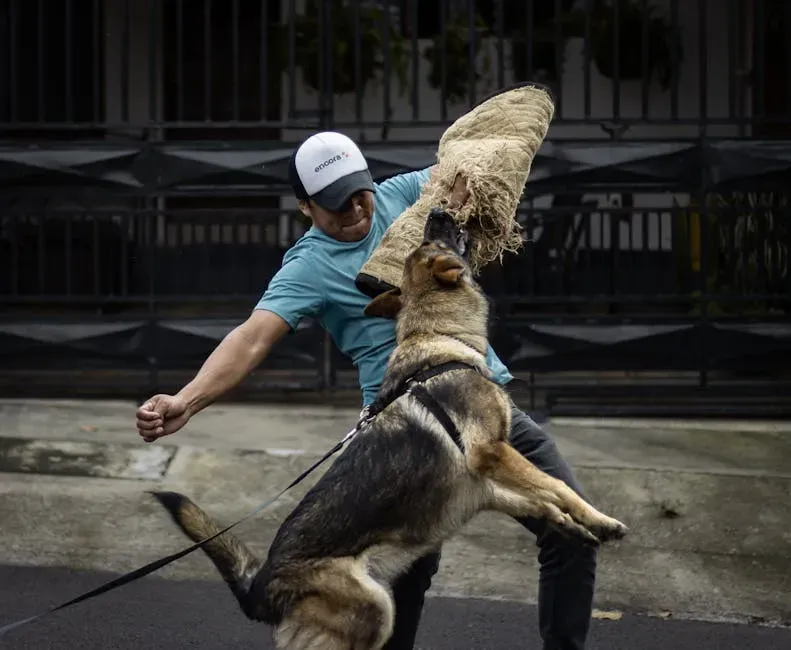
Here’s where it gets a little uncomfortable: your dog may be willing to physically insert itself between you and something it doesn’t like, and it is far less likely to do that for a random visitor.
Barking at the door is cheap – plenty of dogs do that for anyone. This is different. Watch what happens when you hug someone and your dog wedges into the space, or when voices rise in an argument and your dog plants itself between you and the other person. Watch what happens when a stranger approaches you at night and your dog suddenly goes stiff, body angled sideways like a living barrier.
- Wedging into physical space during hugs or close contact
- Planting themselves between you and raised voices
- Turning chest and shoulder toward a perceived threat, as if to say “you deal with me first”
Most people call this resource-guarding the owner. It’s closer to guarding the relationship – the one emotional safety zone the dog actually lives inside.
#5 – The Weird, Private “Language” You Two Invent
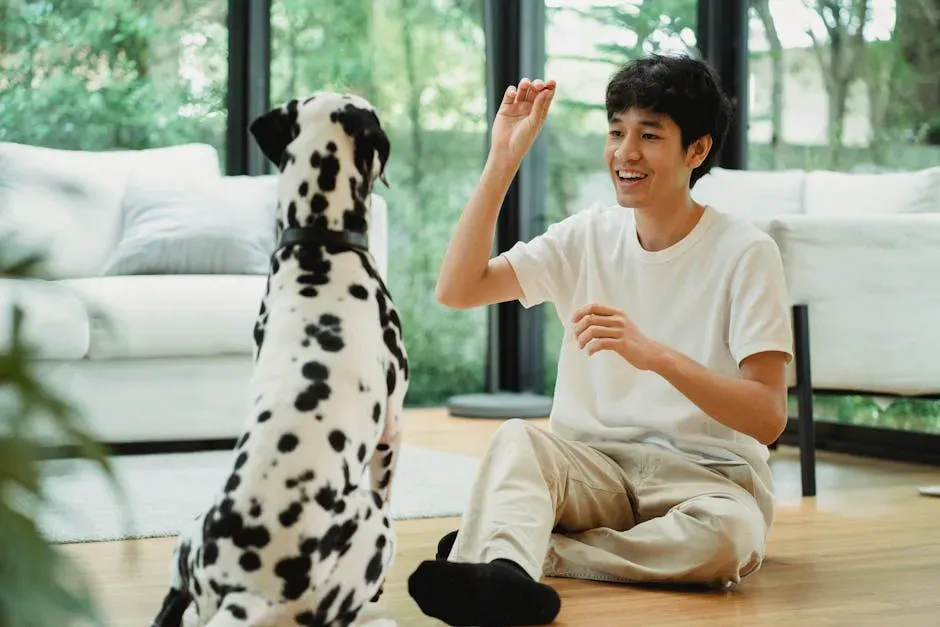
Every dog picks up some human words. But your dog probably has a secret communication system with you that barely works on anyone else – a private dialect built entirely by accident.
A tilted head, a raised eyebrow, and your dog knows it’s walk time. A specific throat-clear gets them off the couch before you say a word. A nonsense phrase like “you ready for this?” sends them sprinting to the door. Dogs pair your unique tone, pacing, and gestures with outcomes, and with their chosen person that pairing becomes shockingly precise.
- Responding to how something is said more than the actual word
- Hesitating when a visitor uses the identical command word
- Reacting instantly to gestures no one has ever formally trained
That’s why some dogs seem to “ignore” guests. It isn’t stubbornness. The shared script – posture, pause, eye contact – simply doesn’t exist between them.
Quick Compare
- Same word, different result: the bonded person’s “off” works instantly; a guest’s identical word gets a blank stare
- Tone over vocabulary: pacing and pitch often matter more than the actual word used
- Untrained gestures: a raised eyebrow or a specific throat-clear can move a bonded dog; it means nothing to a visitor
#6 – The Unflattering, Unfiltered Version of Themselves
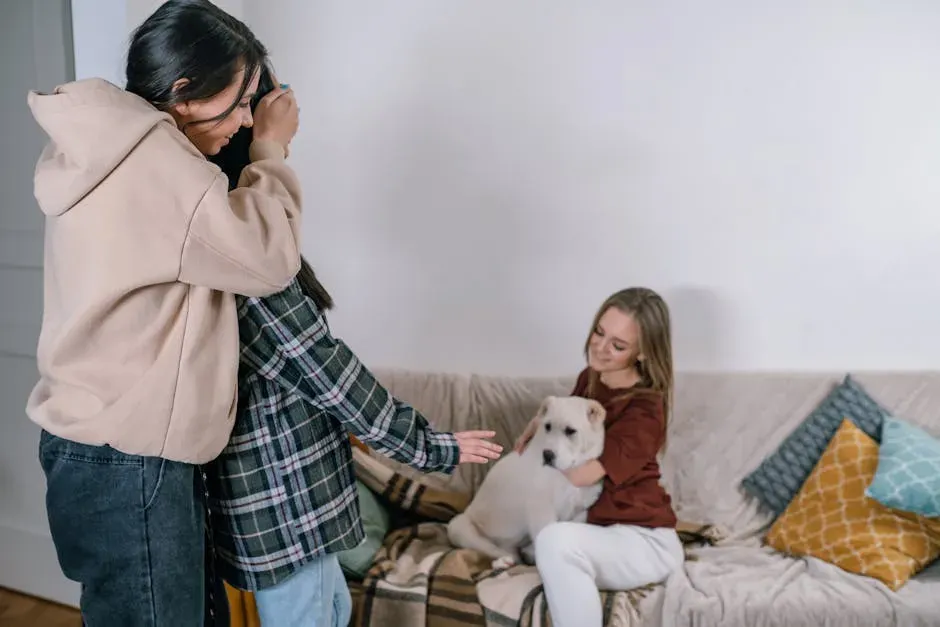
Visitors usually meet the best version of your dog: excited, curious, on their best behavior. You get the messy, needy, occasionally exhausting version they’d never show a guest. Strange as it sounds, that’s a compliment.
With their primary person, dogs are far more likely to whine, paw, or “talk back” when frustrated. They demand affection in pushy, almost toddler-like ways. They get visibly jealous when your attention drifts to another pet, or your phone.
- Testing boundaries by asking for attention again and again
- Showing dramatic sighs or sulky stares when you leave without them
- Getting the 10 p.m. zoomies that no visitor ever witnesses
A dog only unloads its full, complicated personality on a relationship it trusts can hold it. Guests get curated. You get real.
#7 – The Silent Synchronization to Your Routine
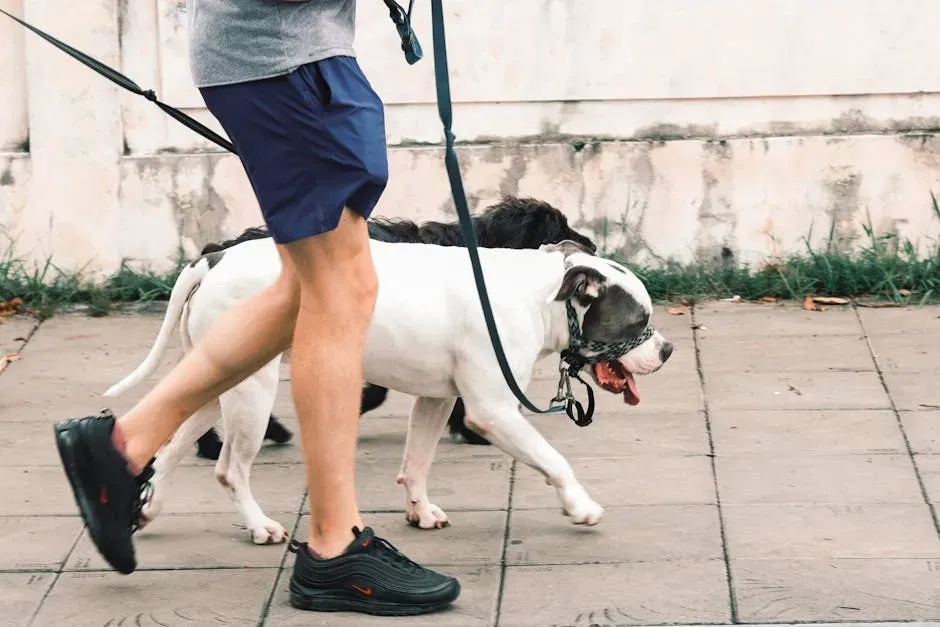
Most people assume their dog just adjusts to “house rules.” In reality, many dogs sync themselves specifically to one human’s rhythm, almost like they’ve subscribed to your life on purpose.
Notice whose footsteps your dog actually reacts to. It’s rarely the loudest person in the house – it’s the familiar pattern tied to their main human. Some dogs wake a few minutes before that person’s alarm, pacing as if their internal clock is wired to someone else’s.
- Waiting to eat, drink, or go outside until their person moves first
- Positioning themselves in the hallways and doorways that person uses most
- Pacing near the door at the exact time a workday usually ends
Visitors just see a dog lying around. They never see the invisible timeline running underneath – a living shadow of one person’s day.
Worth Knowing
- Dogs can anticipate routines within minutes, syncing to alarms, commutes, and mealtimes
- Some researchers believe dogs use fading scent and shifting light to gauge roughly how long a person has been gone
- This kind of routine-tracking tends to attach to one primary person rather than the household as a whole
#8 – The “You’re My Safe Place” Reaction to Stress
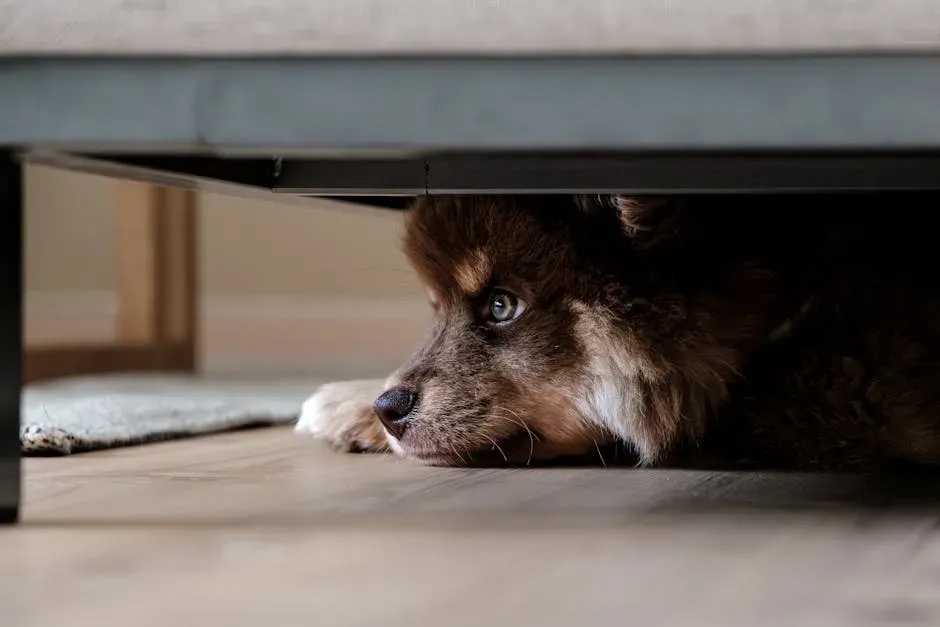
Here’s a detail that surprises a lot of people: when the noise and chaos spike – a vacuum running, kids yelling, thunder rattling the windows – many dogs don’t run for the quietest room. They run for one particular human, and it isn’t always the loudest, strongest, or most affectionate person in the house.
Think back to storms, fireworks, or a tense argument. Who does your dog actually seek out? Not just whoever’s closest, but the one they press their full body weight against, the one they follow from room to room refusing to be left alone.
- Leaning their weight firmly into one specific person’s side
- Refusing to be left alone, following room to room
- Locking eyes as if asking, “is this okay?”
Your dog may love the whole family, but their safe base is almost always singular – and it’s often the person who once sat calmly on the floor through a bad night, not the one who feeds them the most.
At a Glance
- Noise-related fear, like thunder or fireworks, is one of the most common stress triggers reported in dogs
- Leaning body weight into a person is a natural calming behavior, similar in concept to swaddling
- Dogs often choose a calm, steady caretaker as their safe base over a louder or more dominant one
#9 – The Final, Quiet Loyalty in Their Last Years
This is the part nobody wants to think about, and the part that proves, more than anything, that a dog’s deepest loyalty was never distributed evenly. As dogs age, they grow less tolerant of noise and casual handling, and far more selective about who they allow to pet, lift, or bathe them.
People report the same pattern over and over: an older or seriously ill dog will track one person with their eyes far more than anyone else, even when they can barely lift their head. They might only struggle to their feet when that one person walks in. They may eat only when that person sits nearby, leaning their graying head into that one lap like it’s the last home they need.
Dogs are our link to paradise… to sit with a dog on a hillside on a glorious evening is to be back in Eden, where doing nothing was not boring – it was peace.
Milan Kundera
Visitors, even beloved ones, get politely tolerated in these final years. Who the dog searches for in a strange room, whose scent slows their breathing, whose presence lets them finally lie back down instead of pacing – that was never a group decision. It’s singular, and it’s the clearest proof that what a dog offers one person isn’t just more of the same. It’s something else entirely.
The Bottom Line
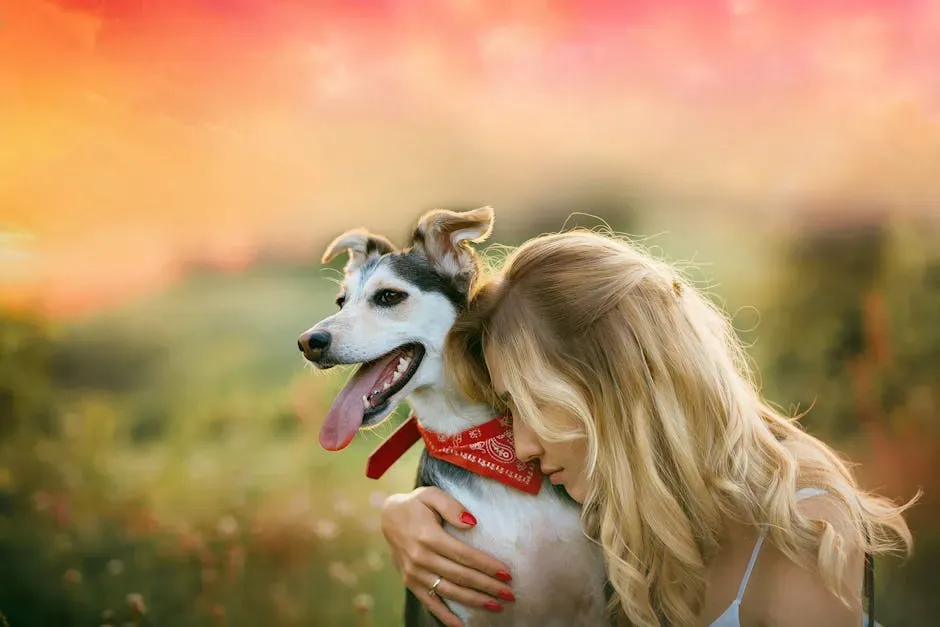
Dogs look like unfiltered love machines, handing out affection to anyone with a kind voice and a pocket full of treats. Look closer and the pattern is almost brutally honest: they pick one human for their deepest trust, and everyone else gets the watered-down version.
The private greeting, the full-body sleep surrender, the protective body block, the invented language, the clingy unfiltered moods, the lifelong synchronization, the storm-time dependence, the final quiet loyalty – none of that is spread evenly across friends, family, or guests. It was never meant to be.
Some people will find that unfair, maybe even a little uncomfortable to admit. Is it healthy for a dog to be that fiercely bonded to one person? Not always. But pretending every relationship in the house is equal does a disservice to what dogs actually show us – that real attachment is specific, inconvenient, and deeply personal. If you’re that person for a dog, you’re not just keeping a pet. You’re holding an entire emotional universe they’ve decided not to share with anyone else, and honestly, that’s not a flaw in dogs. It might be the whole point of them.