
7 Dog Breeds That Notice Strangers Before Anyone Else in the House
You know that split second between peace and chaos when someone walks up to your door? Before the doorbell even thinks about ringing, there’s often one creature who already knows what’s up: the dog. Some breeds seem practically psychic about strangers, reacting to a car door down the street or a footstep on the path long before any human senses pick it up.
Living with one of these dogs can feel a bit like having your own home security system mixed with a furry best friend. It’s fascinating, sometimes annoying, and often incredibly reassuring. Let’s walk through seven dog breeds that are famous for noticing , and why they’re so good at it.
1. German Shepherd
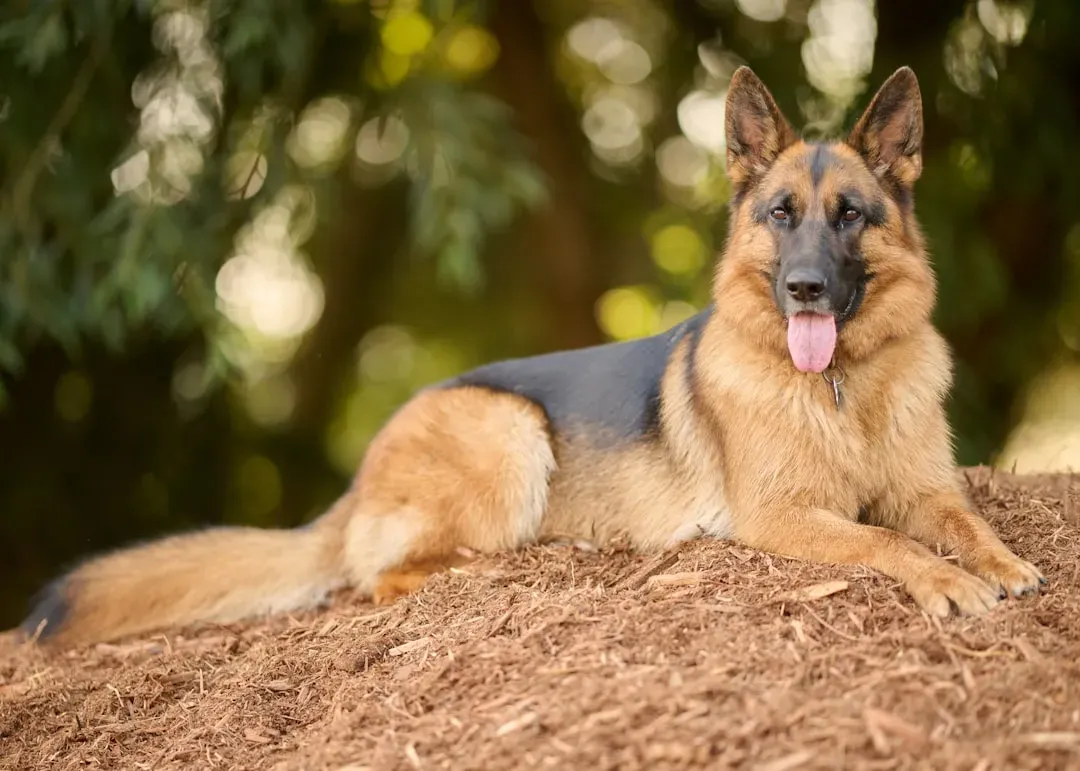
German Shepherds are like the overachievers of the dog world when it comes to awareness. Bred for herding and later used heavily in police and military work, they’re wired to notice the smallest changes in their environment. A car idling outside, a faint crunch of gravel, a muffled voice at the gate – a German Shepherd will tune into this faster than almost any human ever could.
What makes them stand out isn’t just alertness, but how quickly they decide whether something is normal or suspicious. In many homes, a German Shepherd will calmly watch through a window, tracking the movements of a delivery driver long before they reach the porch. When they do bark, it’s usually for a reason, and that deep, serious bark tends to freeze strangers in their tracks.
2. Belgian Malinois
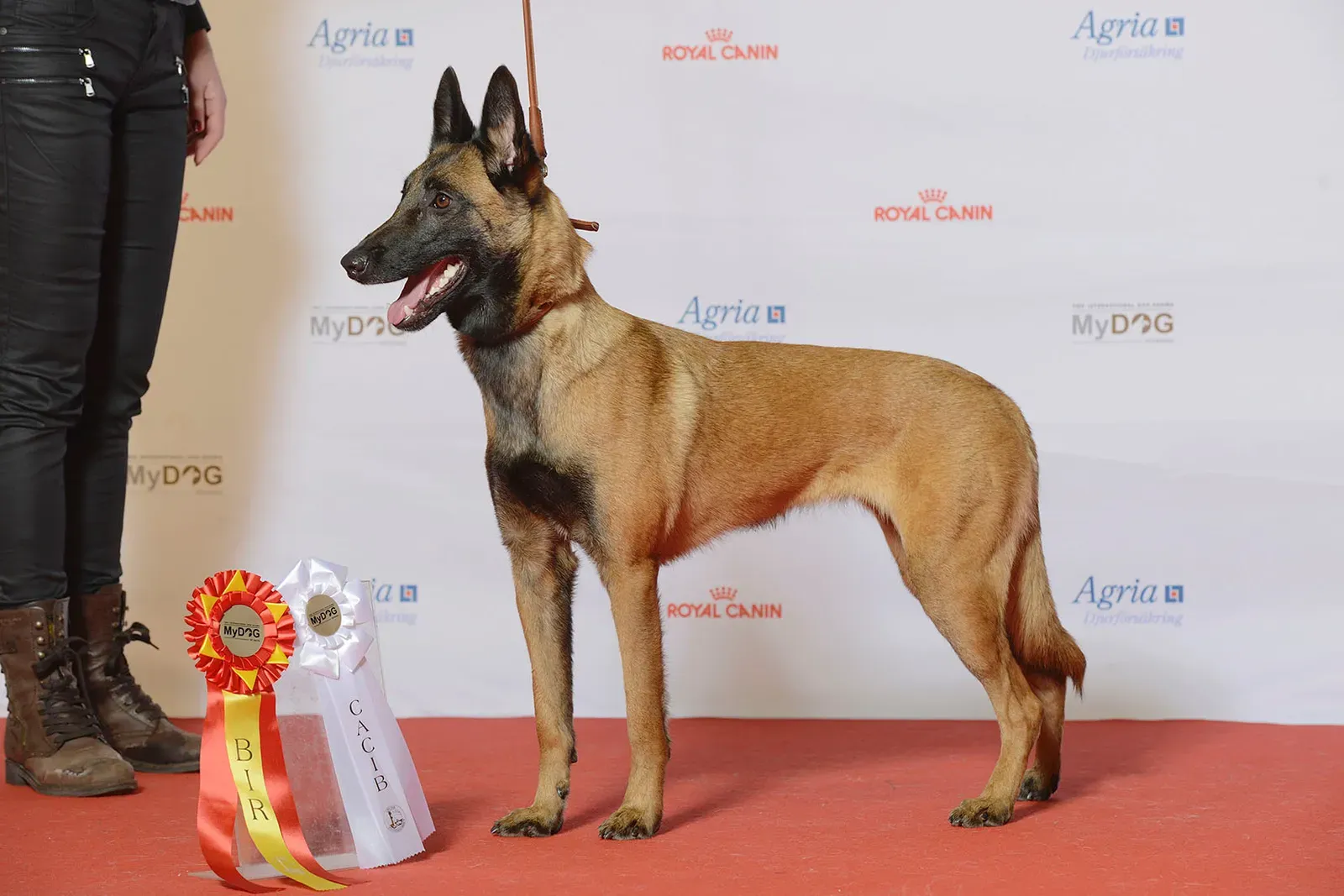
If German Shepherds are the overachievers, Belgian Malinois are the intense, laser-focused perfectionists. This breed is the go-to for many elite security and special forces roles around the world, and that’s not a coincidence. They notice movement and sound absurdly fast, almost like their entire nervous system is tuned to pick up potential threats or new arrivals.
At home, a Malinois will often seem relaxed until something changes – a door creaks, a gate latch clicks, a car pulls into the driveway – and suddenly they’re fully switched on. They don’t just bark; they move with purpose, often positioning themselves between the sound and their family. Living with one feels like having a bodyguard who never really takes a full day off.
3. Doberman Pinscher
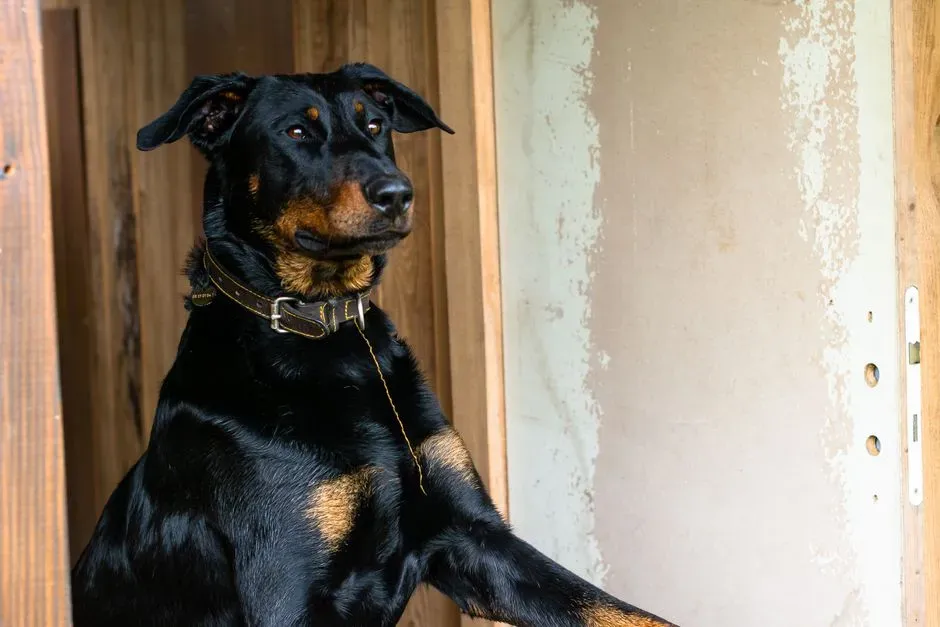
Dobermans have a reputation that can be a bit misunderstood, but one thing is absolutely true: they are incredibly tuned in to who is near their territory. Originally bred as personal protection dogs, they were literally designed to notice strangers quickly and respond decisively. That heritage still shows up in modern Dobermans, even in loving family homes.
What’s striking about them is how quietly observant they can be. A Doberman will often stand at a window or hallway like a statue, listening and watching. The second they register a stranger’s presence, they shift from elegant and calm to intensely focused. They’re not just barking randomly; they’re reporting that something has changed, and in their mind, it’s their job to let you know immediately.
4. Rottweiler
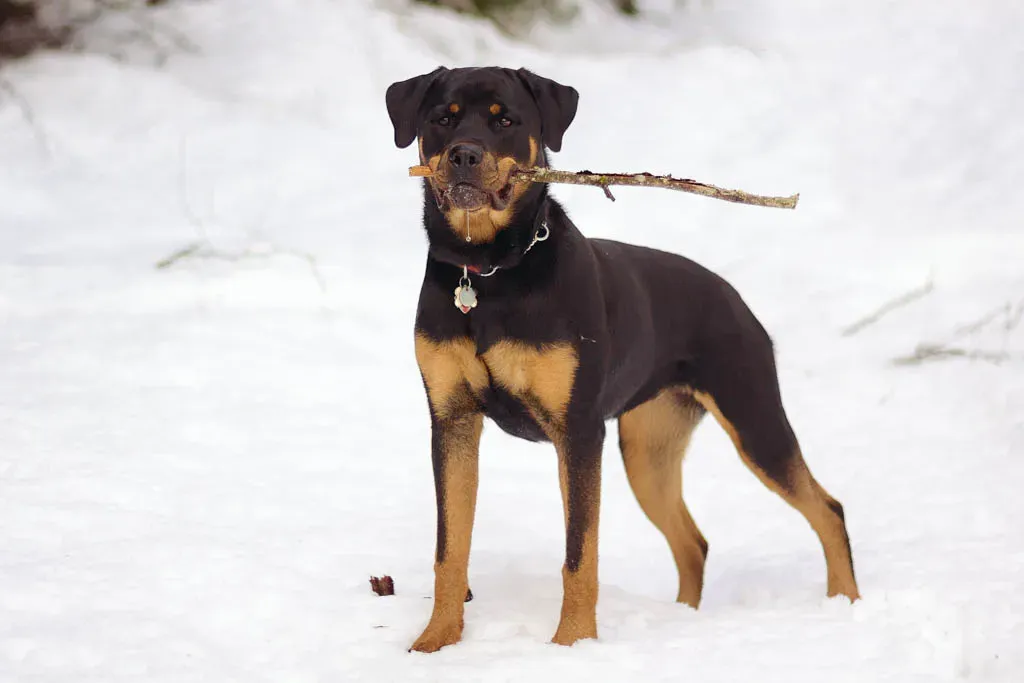
Rottweilers combine powerful bodies with surprisingly thoughtful minds. Historically used as drover dogs and guardians, they’re used to watching over property, livestock, and people. That guarding instinct typically shows up as a sharp awareness of who is on or near their turf. A Rottweiler may appear relaxed, even sleepy, but the moment a stranger approaches your door, they tend to snap into full alert mode.
Many Rottweiler owners notice that these dogs don’t waste energy on random noise. Instead, they react to patterns: that unfamiliar car, those footsteps that do not match the usual delivery schedule, that voice they do not recognize. When they do decide to sound the alarm, it’s usually because they’re convinced someone new has entered their space, and their deep chesty bark leaves no doubt about how seriously they take that job.
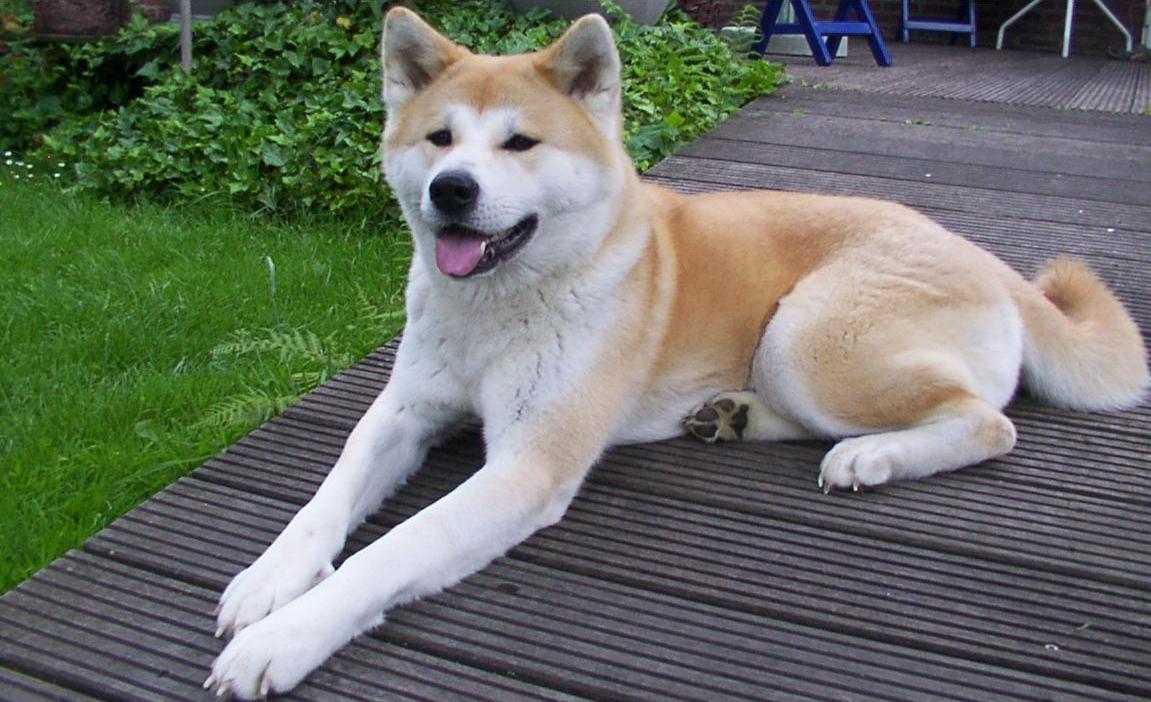
5. Akita
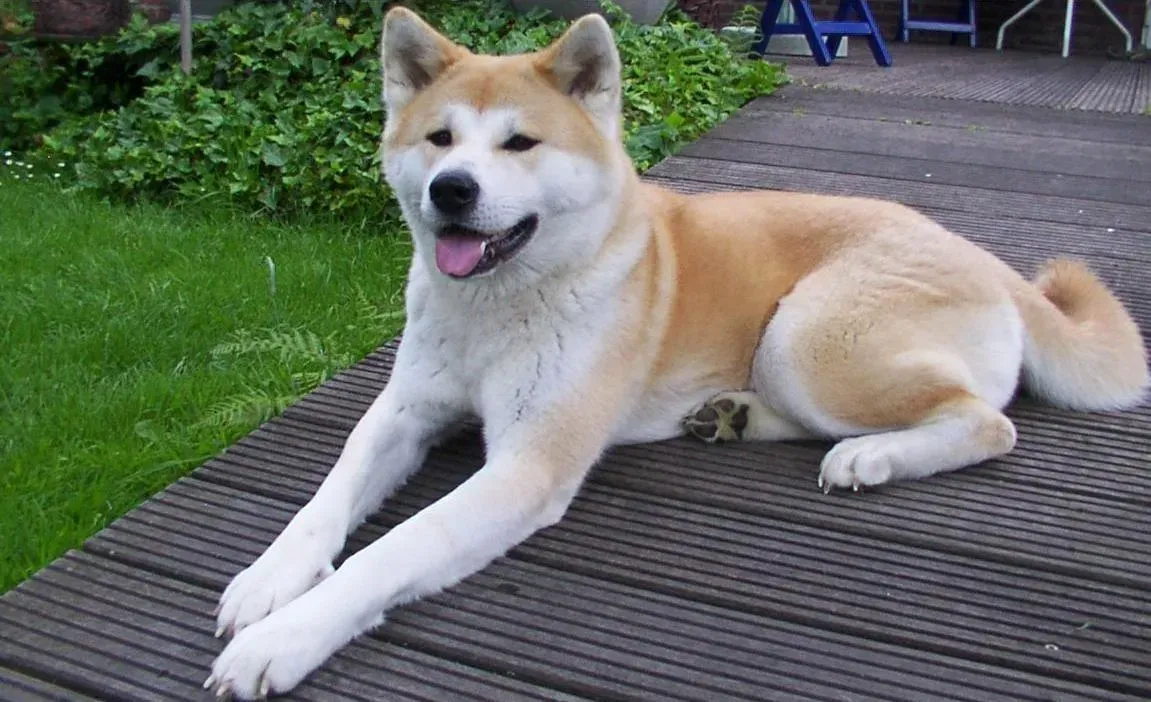
Akitas are quiet, dignified, and surprisingly intense house sentinels. Originating from Japan as hunting and guard dogs, they are fiercely loyal to their family and highly suspicious of unfamiliar people. They’re the kind of dog that can look like they are just lying there doing nothing, yet they’ve cataloged every sound in and around the house without you even noticing.
Many Akitas do not bark just for fun. Instead, they often stay silent until someone is genuinely at the door or on the property, and when that happens, they can alert well before anyone thinks to check a window. They tend to position themselves in spots where they can both see and hear what’s going on outside, acting almost like a living motion sensor that happens to enjoy belly rubs.
6. Australian Shepherd
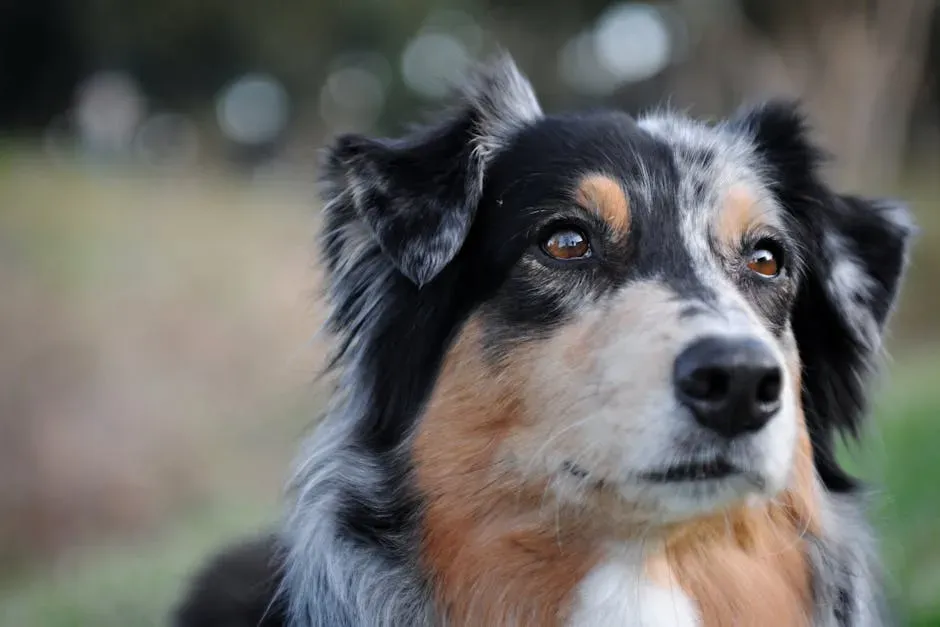
Australian Shepherds might not look as intimidating as some of the classic guard breeds, but their alertness is off the charts. Bred for herding and managing livestock, they are natural pattern-watchers and movement detectors. A rustle near the gate, the faint sound of a car door, or a silhouette by the fence is enough to get an Aussie’s full attention.
In a modern home, that herding instinct often shifts into “house supervisor.” They will streak to the window or door before you have even processed that someone pulled into the driveway. Aussies are usually vocal and excited, so they might alert for any stranger – the mail carrier, the neighbor dropping something off, the friend stopping by – but underneath the noise is a dog who misses almost nothing.
7. Miniature Schnauzer
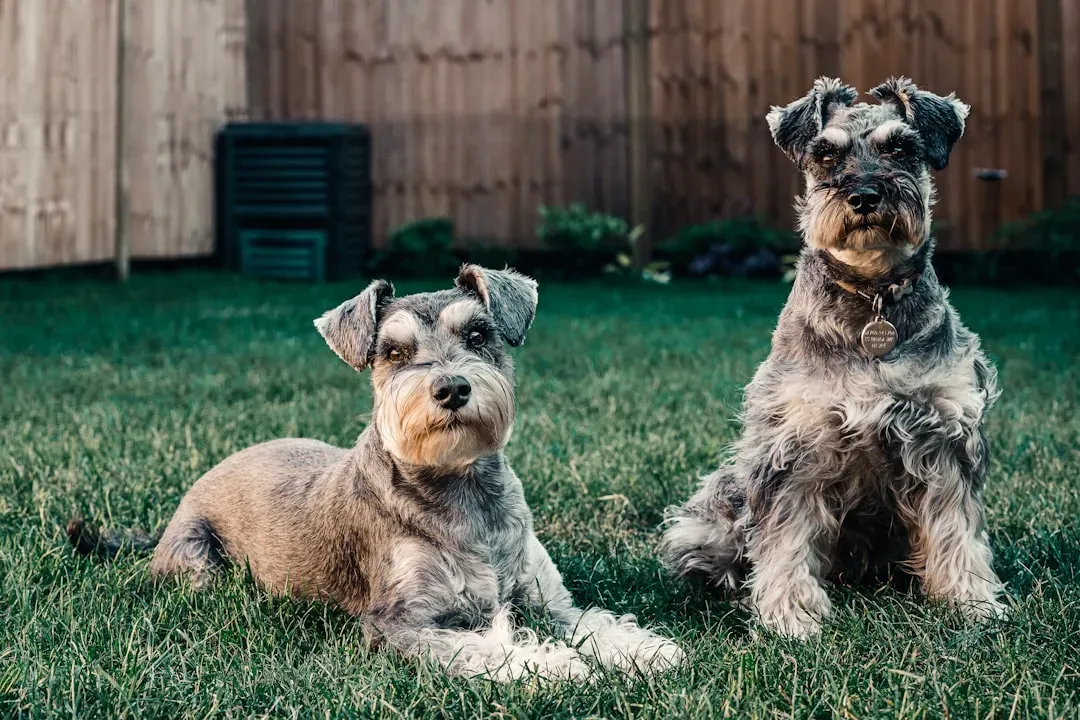
This one surprises a lot of people. Miniature Schnauzers might be small and scruffy-cute, but they take the role of home alarm system very seriously. Originally bred as farm ratters and small guardians, they have a keen sense of territory and a big-dog attitude in a compact frame. They tend to notice and react to new sounds or scents quickly, especially anything near doors, windows, or front paths.
Many families joke that their Mini Schnauzer detects strangers faster than any doorbell, intercom, or camera. You’ll often see them perched at a window or sitting near the front door like tiny security guards. When a stranger appears, they alert with enthusiastic barking that leaves no doubt that someone unfamiliar is around, and they won’t hesitate to keep reminding you until you acknowledge it.
Conclusion: A Great Nose Is Only Half the Story
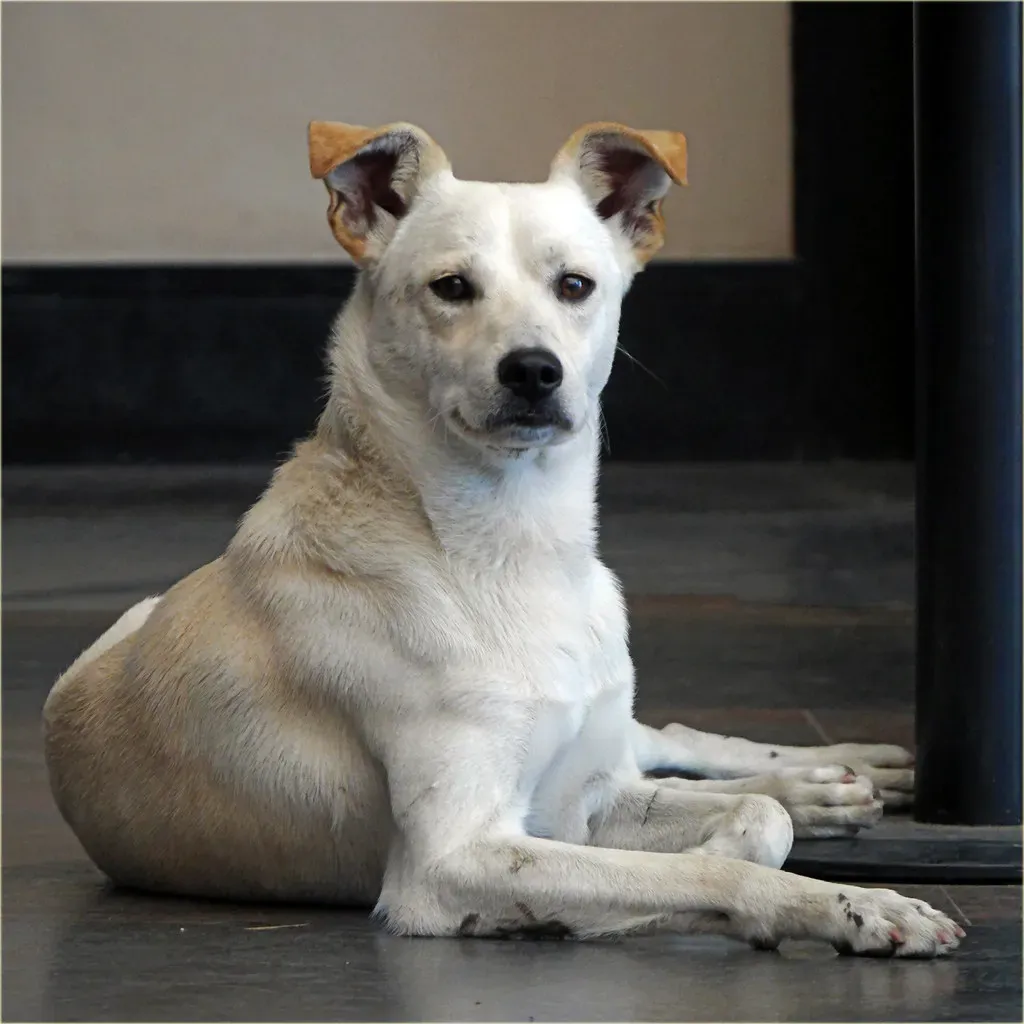
Dogs can make you feel incredibly safe – or occasionally a little overwhelmed – depending on how intense they are. In my own experience, having a hyper-alert dog meant I knew when a package arrived, when a neighbor walked by, and when a car stopped outside, long before I ever saw it. It was like living with a furry early-warning radar that occasionally forgot the difference between a burglar and a pizza delivery.
But here’s the part I feel strongly about: breed gives you a blueprint, not a finished product. A German Shepherd or Rottweiler with no training can become a stressful barker, while a Mini Schnauzer with good socialization can be the perfect little sentinel who alerts without overreacting. If you choose one of these breeds, you’re not just getting a dog that notices strangers; you’re taking on the responsibility to guide that instinct so it protects your home without overwhelming your life. So, if your dog is already at the door before anyone else, is it a headache, a blessing, or maybe a bit of both?