
13 Absurd Habits Only Labrador Owners Have Ever Learned to Live With
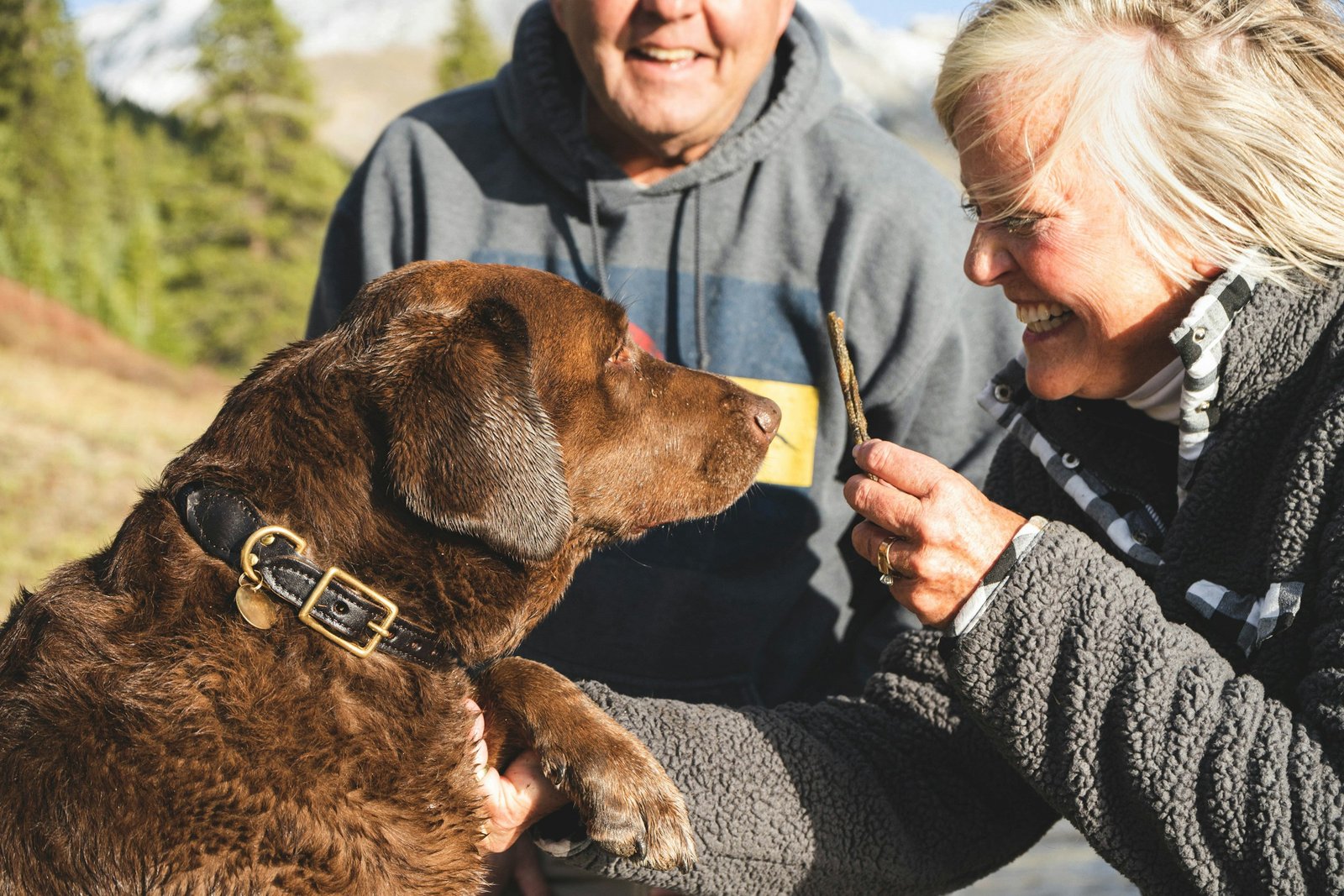
Everyone assumes owning a Labrador is the easy choice. Friendly, food-motivated, great with kids – basically the golden retriever’s chill cousin. That’s the brochure version.
The reality is a full personality transplant nobody warns you about. If you already share a house with a Lab, you know exactly what’s coming. If you don’t, buckle up – these are the genuinely unhinged, oddly specific habits that only show up once a Labrador has fully taken over your schedule, your furniture, and your emotional bandwidth. Thirteen of them, starting with the one that’s probably in your coffee right now.
#13 – Accepting That Hair Is Now a Permanent Food Group
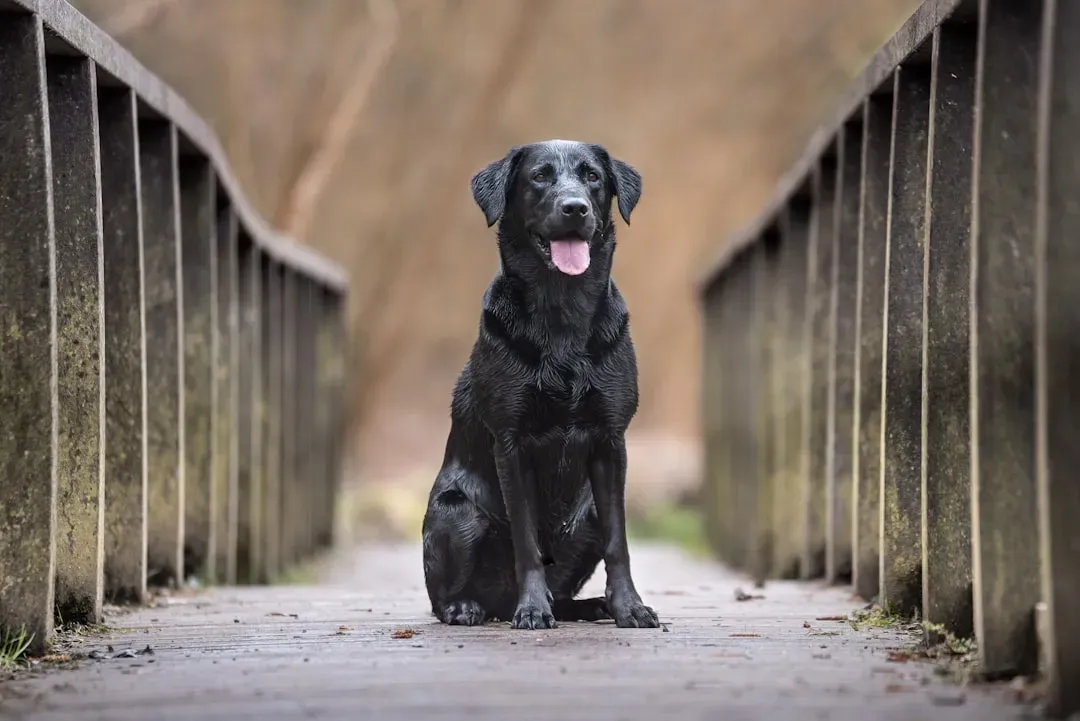
Labrador people don’t “shed a little.” They wage a daily, losing battle against fur that lives on clothes, couches, laptops, and somehow inside sealed Tupperware. Most owners eventually stop pretending it’s avoidable and just accept the extra fiber in every meal – you’ll pull a yellow or black hair out of your coffee, shrug, and drink it anyway, because if you stopped every time, you’d never finish a cup.
You start buying lint rollers in bulk the way other people buy toilet paper. Car interiors go felted in dog hair, and you develop a strange, almost proud tolerance for it. Most people don’t realize a Lab doesn’t just shed seasonally – there’s a baseline blizzard year-round, with bonus “coat blowouts” twice a year that make the couch look like a crime scene.
#12 – Planning Your Whole Life Around Their Stomach
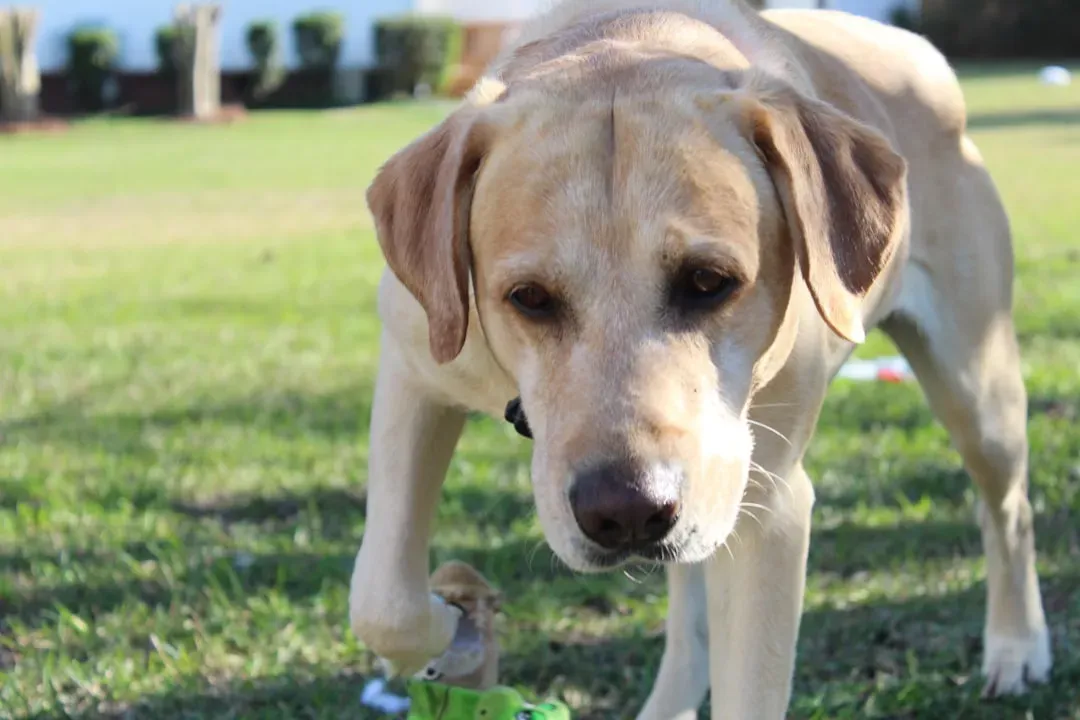
Every Labrador owner eventually realizes their dog has a built-in clock that tracks exactly one thing: mealtime. Labs act like they haven’t eaten in three weeks even if breakfast happened 90 minutes ago, and being five minutes late to dinner earns you the full guilt stare, the dramatic sighs, and a bowl-kicking performance worthy of an award.
Then there’s the appetite itself. Labs don’t try to eat everything – they succeed. Socks, cardboard, entire loaves of bread lifted off the counter; if it exists in your house, your Lab has considered swallowing it. You start baby-proofing for a 70-pound toddler with jaws, and “that’s not food” becomes something you say about seven times a day. Veterinarians quietly confirm Labradors are among the worst offenders for eating random household objects.
Fast Facts
- Cambridge researchers found “Around one in four (23%) Labradors is thought to carry at least one copy of the variant” of the POMC gene tied to food obsession.
- The mutation doesn’t make Labs eat more at once – it makes them hungry faster, since “affected dogs tend to overeat because they get hungry between meals more quickly than dogs without the mutation”.
- Assistance-dog Labradors show the mutation even more often – in one study, “Of the 81 Labrador assistance dogs included in the study, 76% of the dogs had POMC mutation”.
- Follow-up research also found affected Labs burn roughly a quarter less energy at rest, meaning the appetite and the metabolism are working against the waistline at the same time.
#11 – Developing a Weird Obsession with Tennis Balls

At some point you stop buying decorative items and start buying bulk packs of tennis balls instead. Lab owners recognize the sound of a dying squeaker the way parents recognize a baby’s cry, and there are balls in the car, under the couch, in the bed, in the yard, and somehow in the bathroom too.
Fetch stops being a game and becomes a lifestyle. You catch yourself rating tennis balls for durability and bounce like you work in quality control, and you know exactly which brands survive a full Labrador chomp. Many owners admit they keep a hidden stash of identical backup balls, just in case “The Favorite Ball” ever goes missing and triggers an emotional disaster.
#10 – Living with a 70-Pound “Lap Dog” Who Has No Concept of Size

Labradors have the body of an athlete and the self-awareness of a marshmallow. No matter how big they get, they’re still convinced they’re tiny puppies destined to sit fully on your lap – and every Lab owner has been peacefully scrolling their phone one second, then pinned to the couch by 70 pounds of love and elbows the next.
You start choosing furniture not by color but by “can this survive a sprawling Lab.” Many will back up toward you and slowly sink down like a furry elevator, pretending this is completely normal. Most non-dog people are genuinely stunned watching a full-grown Lab demand belly rubs while half-sitting on their human’s chest – but you’ve long since learned to angle your laptop around the ribcage and carry on.
#9 – Mastering the Art of the “Butt Block” in Every Room

Labradors seem genetically programmed to lie exactly in the doorway you need to walk through, positioned so there’s no safe way to step over them. Owners quietly develop a shuffling, sliding gait at home just to avoid tripping over the furry speed bump.
Then there’s the tail – that muscular otter tail is basically a weapon. Coffee tables, wine glasses, and anything below waist height live in constant danger, and one happy wag can send your tea flying off the counter. Some vets actually treat “happy tail” injuries in Labs, because they wag against hard surfaces with so much enthusiasm they hurt themselves. Owners don’t just live with it; they rearrange furniture into tail-safe zones.
#8 – Treating Mud as an Unavoidable Part of Your Interior Design
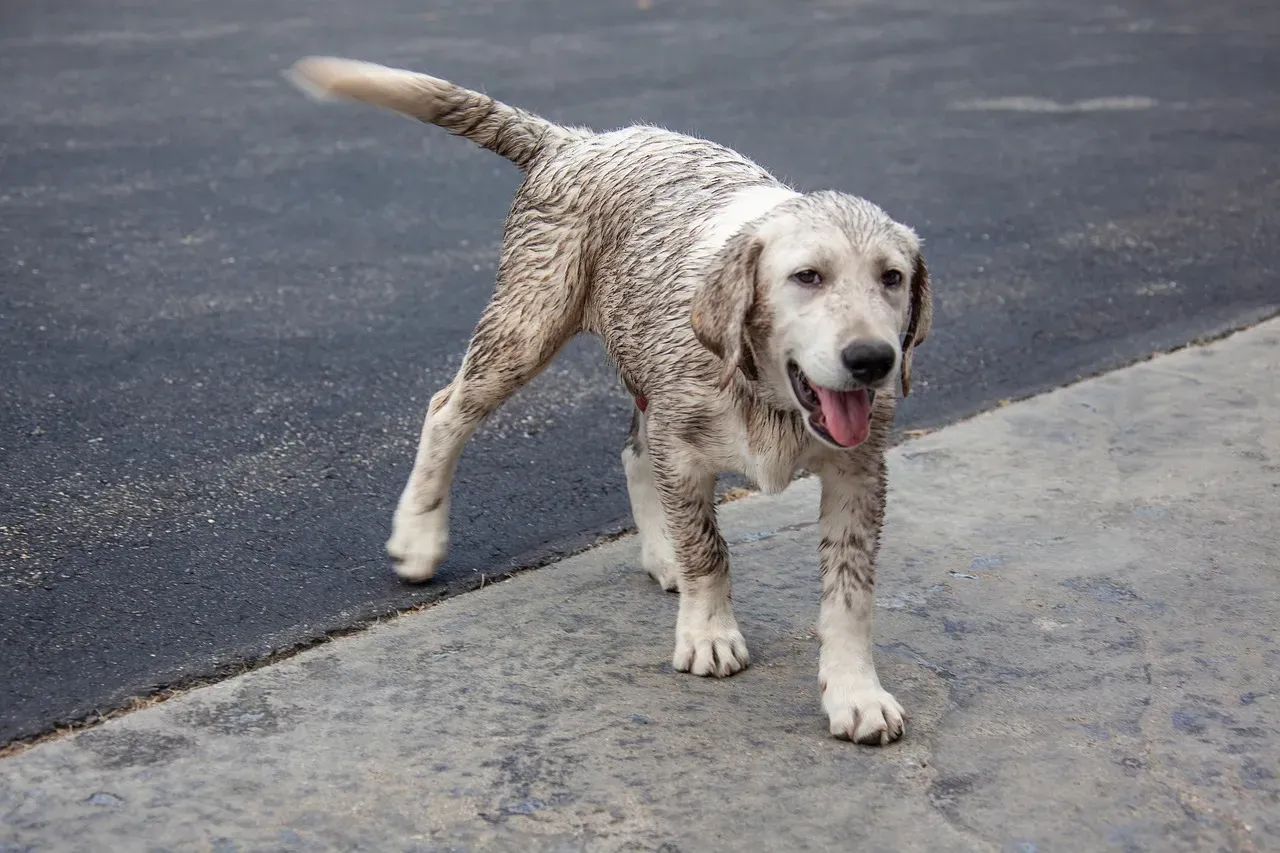
If there’s water nearby, a Lab will find it. If there’s mud, a Lab will become it. Owners eventually give up on pristine floors between October and April, scanning walking paths for puddles that their dog beelines toward anyway, emerging five minutes later looking like a swamp creature grinning about its own genius.
Towels get stationed by every door like emergency equipment, rugs stop being decor and start being sacrificial barriers, and paw wipes become a recurring line item in the budget. Many Lab owners quietly accept that their car will never be truly clean again thanks to wet-dog smell baked permanently into the upholstery.
#7 – Forgetting What Personal Space Smells Like (Because It Smells Like Wet Lab)
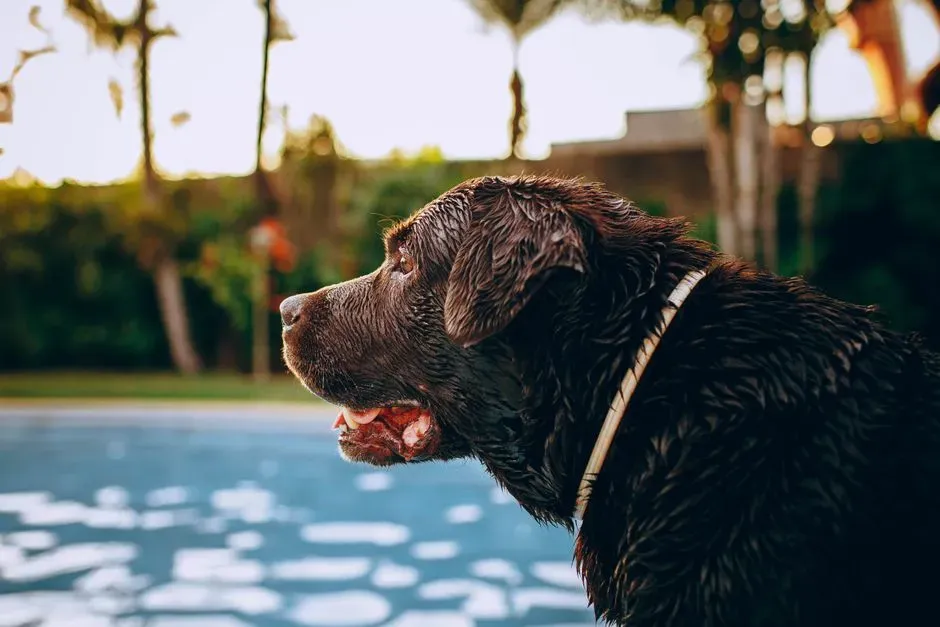
Every breed has a scent, but wet Labrador is its own category entirely. Rainy day, hose in the yard, five minutes in a pond – the result is the same, and it lingers for hours while your dog jumps onto the couch beside you like a walking humidifier of eau de swamp.
You invest in dog-safe shampoos, grooming wipes, and whatever deodorizing spray the Lab-owner group swears by this month, and still there are days the whole house just smells like lake. First-time owners are often shocked at how water-resistant a Labrador’s double coat really is – brilliant for swimming, brutal for drying quickly. Eventually you stop apologizing to guests. If they don’t get it, they probably don’t belong in a Lab household anyway.
At a Glance
- Labradors carry a true double coat: a short, dense outer layer over a soft, insulating undercoat.
- That coat was bred for cold-water retrieving, so it naturally sheds water instead of absorbing it fast.
- The same trait that keeps them warm in a lake also traps moisture close to the skin, which is exactly why “wet dog smell” lingers so long indoors.
- Regular brushing helps release trapped water and odor faster than towel-drying alone.
#6 – Having Full Conversations in “Lab Voice” Without Any Shame

At some point, every Labrador owner develops The Voice – slightly higher, weirdly cheerful, deeply ridiculous. You’ll narrate your dog’s thoughts out loud without irony, catching yourself doing it alone in the car at 6 a.m. while scooping kibble into a bowl.
Worse, you start translating your dog’s “thoughts” into text messages for other people, and entire households end up speaking a shared language where everyone instantly understands what “Lab wants snacc” means. Dog cognition research actually shows dogs respond strongly to that sing-song, baby-talk tone – so technically your Lab Voice is backed by science, and you’re not stopping anytime soon.
#5 – Turning Your Phone into a 98% Labrador Storage Device

Ask any Labrador owner to show you one photo of their dog, and prepare to scroll. Your camera roll becomes a museum of expressions – sleepy Lab, muddy Lab, derpy mid-sneeze Lab, “just carried a stick bigger than my body” Lab – with actual human memories buried somewhere underneath fourteen nearly identical head-tilt shots.
You start organizing albums by chapter: puppy phase, first swim, the time he stole the turkey. Some owners admit to deleting their own selfies just to make room for more dog content rather than paying for extra storage. The absurd habit isn’t taking the photos – it’s earnestly believing everyone else wants to see every single one.
#4 – Constantly Negotiating with a Food-Powered Genius

Labradors have a reputation for being goofy, but any owner knows they turn dangerously smart the moment food is on the line. The faintest rustle of a plastic wrapper and your Lab materializes in the room, wide-eyed, like they teleported – and any pantry door, gate, or trash can left unlatched will eventually get solved like a puzzle.
So you negotiate. You trade treats for dropped socks, bribe them back inside with a biscuit, and pretend you’re not training yourself just as much as you’re training them. Behavior studies rank Labradors among the most food-motivated, trainable breeds around – but owners know that knife cuts both ways.
Quick Compare
- Canine researcher Stanley Coren ranks the Labrador Retriever as the seventh most intelligent breed out of roughly 130-190 breeds studied, based on obedience and working intelligence.
- That puts Labs just behind working specialists like the Doberman and Shetland Sheepdog, and ahead of breeds like the Rottweiler and Australian Cattle Dog.
- Labs typically need “fewer than five repetitions to learn a new command”, which is exactly why they master “how to open the trash” faster than most owners would like.
- That same trainability is a big reason Labs dominate as guide, service, and detection dogs worldwide.
#3 – Accepting That Your Social Life Now Revolves Around Your Dog

With a Lab, “want to go out?” quietly becomes “is the dog invited?” You’ll decline plans that leave your Labrador alone too long, and you’ll make faster friends at the dog park than at most actual social events, swapping vet recommendations and comparing whose Lab did the dumbest thing that week.
Vacations stop being chosen by scenery and start being chosen by “is there a lake” and “do they allow big dogs.” Many owners admit they feel genuinely guilty traveling anywhere without their dog, like they cheated on a family member. Your calendar has vaccine reminders sitting right next to birthdays now, and that feels completely normal.
#2 – Treating Every Minor Limp Like a Medical Emergency (Then Laughing When They Zoom Again)
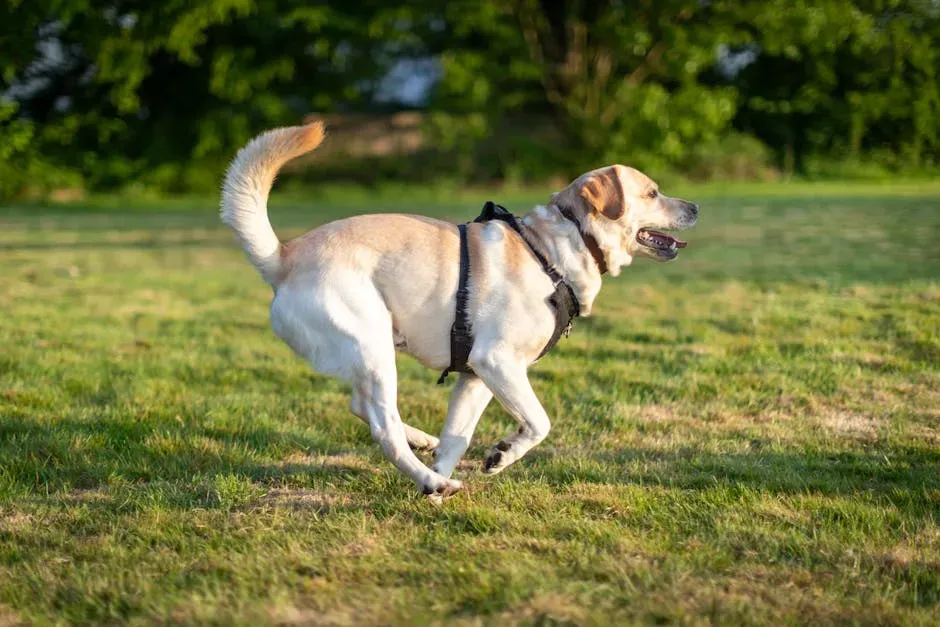
Labradors are built like athletes but play like crash-test dummies. One minute they’re sprinting full speed, the next they’ve slipped on the kitchen floor trying to take a corner at NASCAR velocity, and every owner has felt that heart-stopping second when the dog yelps or limps for three steps while your brain screams “ACL tear, that’s it, it’s over.”
You end up learning more about canine joints, hip scores, and slow-feeding than you ever planned to, buying ramps and orthopedic beds just in case. Joint issues are a genuine known concern in Labs, which is exactly why owners overreact – once you’ve seen a serious injury, you never unsee it. Then, right as you’re about to call the vet, your dog breaks into full zoomies around the yard like nothing happened at all.
Worth Knowing
- Hip and elbow dysplasia are two of the most commonly screened conditions in the breed, which is why reputable breeders test parent dogs before pairing them.
- Labs are also one of the breeds associated with exercise-induced collapse, a condition that can cause temporary weakness after intense play – one more reason “just zoomies” gets a second look.
- Keeping a Lab lean is one of the simplest ways owners protect those joints long-term, since extra weight adds direct stress to hips and knees.
- Vets generally recommend controlled exercise for growing puppies to avoid stressing joints before they’re fully developed.
#1 – Quietly Accepting That You’re Helplessly, Ridiculously, Completely Owned
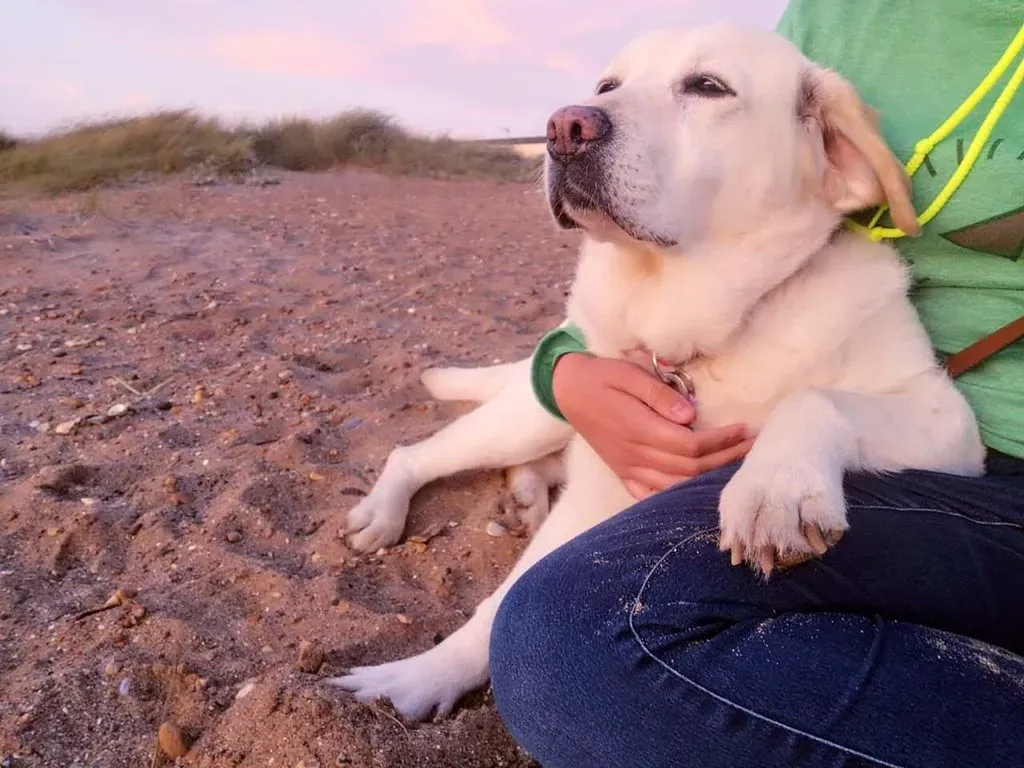
The most absurd habit of all is pretending you’re the one in charge. You’ll sleep on the edge of your own bed so your Lab can stretch out. You’ll stand in the cold rain because “he hasn’t pooped yet.” You’ll buy higher-quality kibble than the food you make for yourself, and somewhere along the way your dog quietly upgraded from “pet” to “central organizing principle of your life.”
You adjust your work hours, your home layout, even your car choice – “can a crate fit in the back” becomes a legitimate factor in a car purchase. And the wild truth is that most Lab owners would do it all again in a heartbeat, even knowing the mess, the hair, the bills, and the heartbreak waiting at the end. There’s a grounding, tail-thumping joy that fills the house, and you eventually realize you didn’t just adopt a dog. You signed up for a wonderfully ridiculous way of living.
The Bottom Line

Living with a Labrador isn’t “having a dog.” It’s agreeing to fur in your coffee, mud on your floors, paw prints on your heart, and a 70-pound shadow who follows you into the bathroom without asking permission.
Objectively, a lot of this is irrational – rearranging furniture around a tail, booking vacations around swimming spots, stockpiling tennis balls like a doomsday prepper. But the emotional payoff, that goofy grin at the door and the head on your knee after a bad day, rewires exactly what you’re willing to tolerate.
Some people call Labs overrated, too common, “just basic family dogs.” Honestly? Those people have never woken up with a snoring Labrador pressed against their legs and thought, “Yeah, this is exactly how I want my life to be.” Everyone else already knows better – and wouldn’t trade the chaos for anything quieter.