
13 Moments From a Walk That a Dog Replays for the Rest of the Afternoon
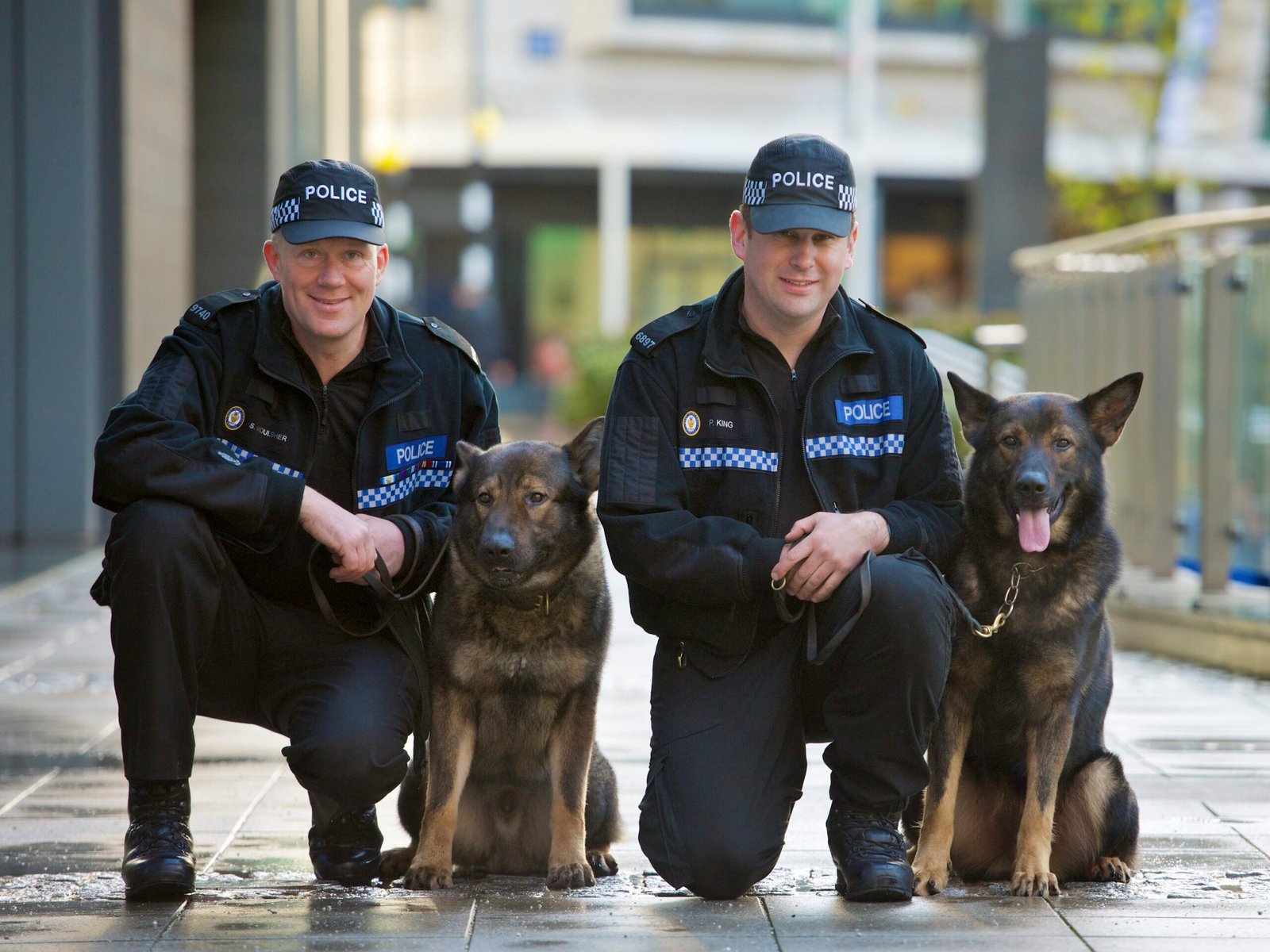
You probably think the walk ends the second you unclip the leash and drop onto the couch. Your dog would beg to differ – literally, if dogs could talk.
While you’re refilling the water bowl or scrolling your phone, your dog is somewhere between naps, quietly re-running a private highlight reel of the last thirty minutes. Not the whole walk, though – just the handful of moments that hit hard enough to keep. Here are the thirteen scenes trainers and behaviorists say your dog is actually replaying, and most owners never even notice they happened.
#1 – The Second the Leash Comes Out
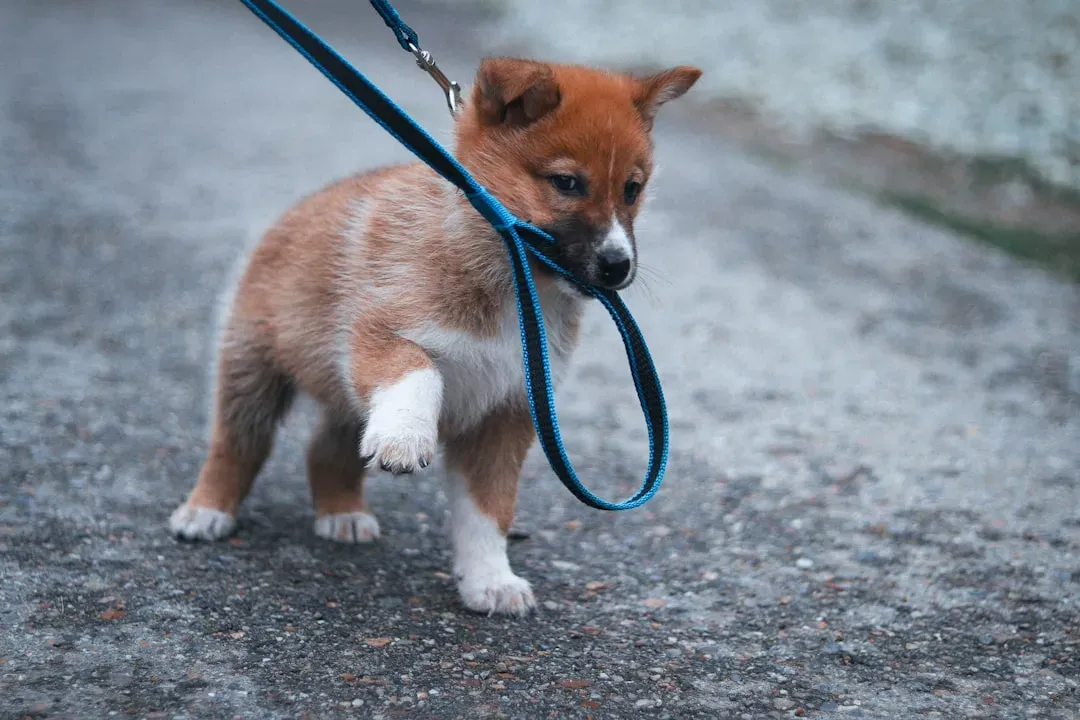
For your dog, the walk doesn’t start at the door. It starts the instant you touch the leash. That click of the clasp, the jingle of the collar, the creak of the hook by the closet – it’s a cue that flips a switch. Heart rate jumps, adrenaline spikes, and their whole body leans toward the future: outside, movement, smells, maybe friends.
This is often the very first scene your dog “replays” once you’re home – not the middle of the walk, but that jolt of “it’s happening, we’re going.” They remember how fast you moved, how you talked to them, whether you hesitated to check your phone first. That’s why a dog will sometimes perk up hours later if you accidentally repeat that same sound or motion.
#2 – The First Breath of Outdoor Air
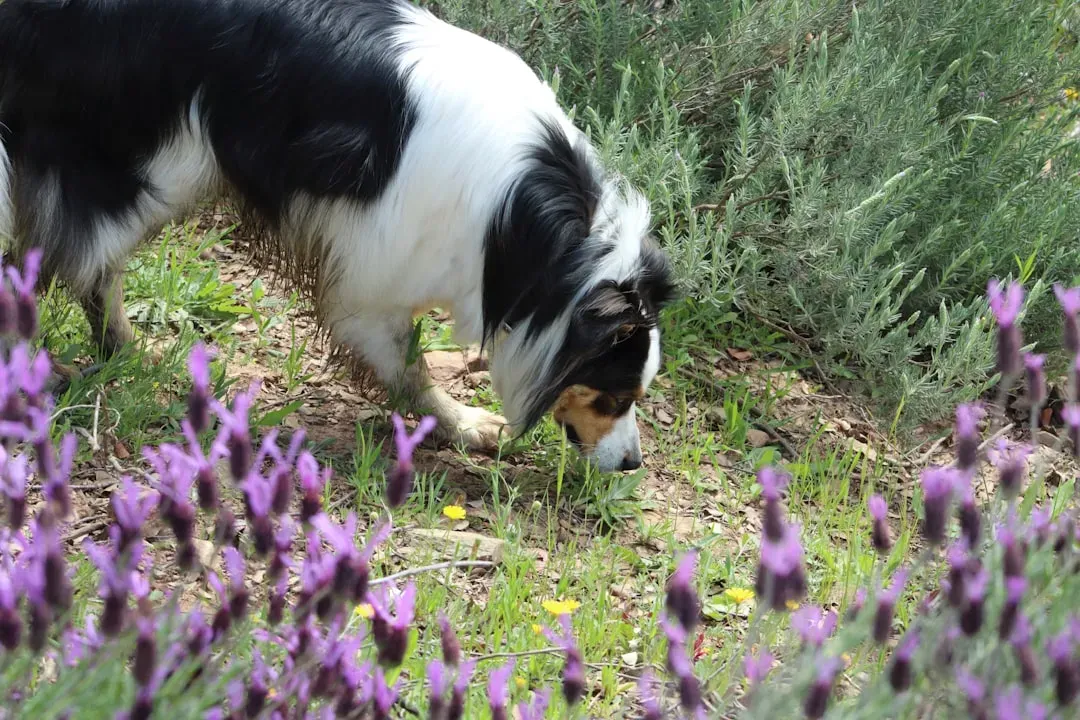
Stepping through the doorway is a full-sensory explosion, not a simple transition. To us it’s “going outside.” To a dog, that first breath is like opening twenty browser tabs at once – wind direction, humidity, and yesterday’s lingering barbecue smell from three houses down, all landing at the same moment. Dogs can detect certain odors in parts per trillion, so that single inhale is a massive information download before you’ve even reached the sidewalk.
Fast Facts
- Dogs have up to 300 million olfactory receptors, compared to just 5 to 6 million in humans.
- They can detect certain scents at concentrations nearly 100 million times lower than what humans can perceive.
- The brain region dogs use to process smell is proportionally about 40 times larger than the human version.
Back on the couch, this is one of the scenes they rewind: the exact feel of wind in their whiskers, the cars that rolled past, the neighbor’s dog barking three doors down. Trainers say the front step sets the emotional tone for the entire outing – if you’re rushed or tense walking out that door, your dog files that away too.
#3 – The Sniff Stop You Kept Tugging Them Past
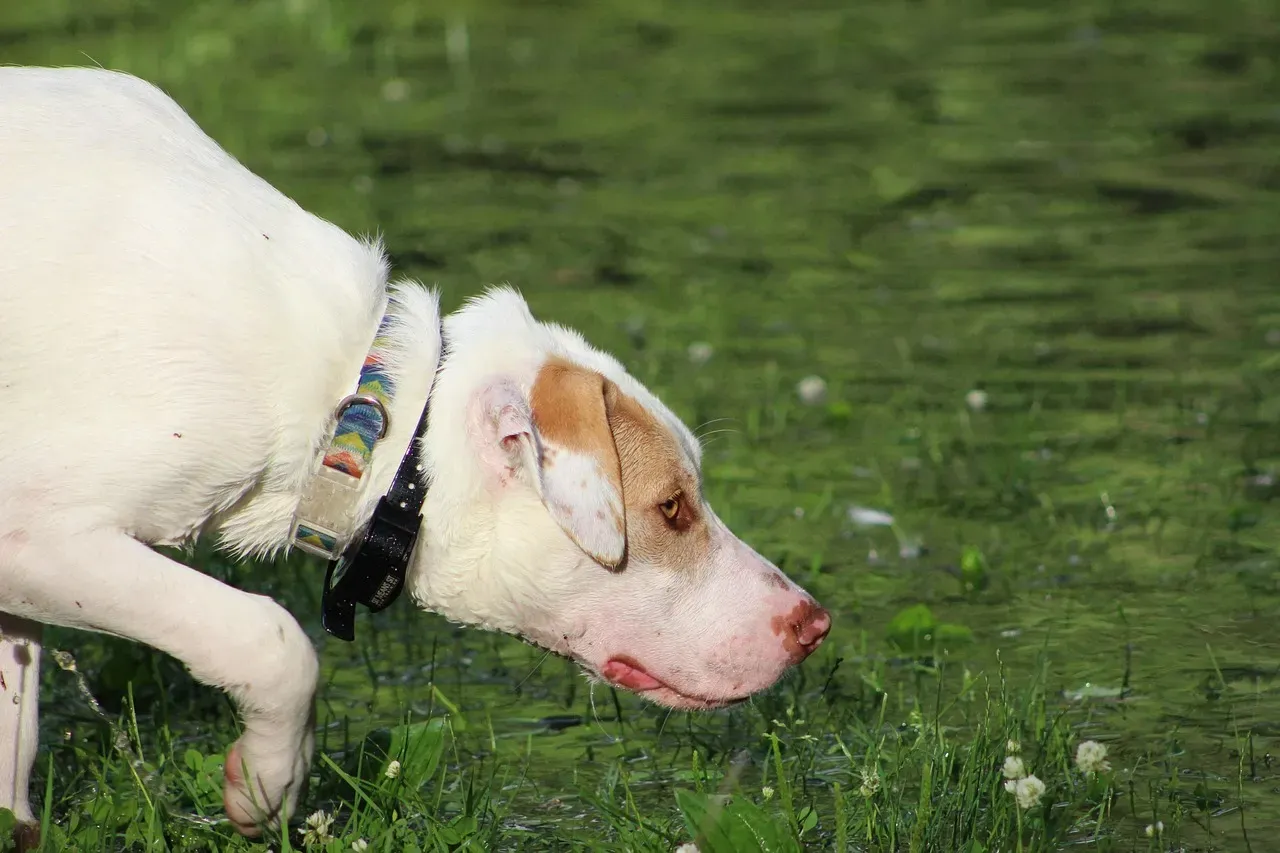
Most people drag their dog past the first sniff stop like it’s an inconvenience. For your dog, it’s basically checking the group chat. That patch of grass or lamppost is a bulletin board – who’s been there, how healthy they were, whether they were stressed, even whether they were in heat. It’s not “just sniffing.” It’s social catching-up, compressed into a few deep inhales.
Later, flopped on the floor, your dog replays that micro-session in surprising detail – the corner that smelled unusually anxious, the faint trace of a squirrel that sat there half an hour before you even left the house. Some behaviorists now argue that single sniff stop is more mentally satisfying than an entire uninterrupted block of walking. That “annoying pause” you kept tugging them away from might be the actual highlight of their afternoon.
#4 – Hearing a Distant Dog Bark
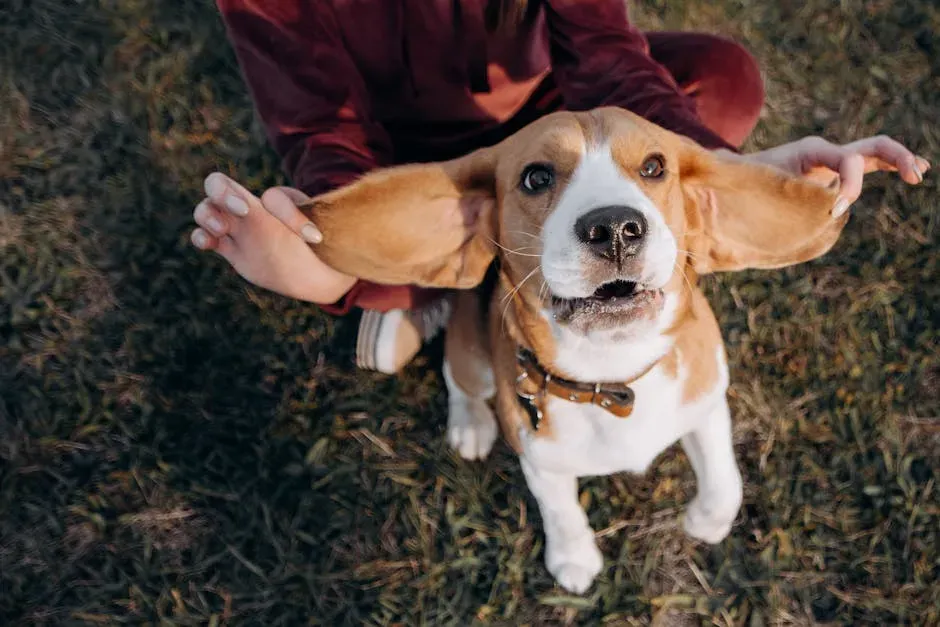
You know the moment – your dog freezes mid-step because some dog two streets over is losing it at a mail truck. That’s not background noise to them, it’s intel. Their ears swivel, their body leans forward, and they run a quiet calculation: friend, threat, or just drama. Dogs localize sound with startling precision, quietly building a mental map of who’s “talking” and from where.
Worth Knowing
- Dogs can hear frequencies up to roughly 45,000 Hz, well beyond the human ceiling of about 20,000 Hz.
- Their low end reaches down to around 67 Hz, letting them register rumbles most humans miss entirely.
- That wider range is a big part of why they can pinpoint exactly where a distant bark is coming from.
After the walk, they often revisit this exact audio snapshot – the echo between houses, and importantly, your reaction. Did you tighten the leash, or keep your voice light? That single response tells them a lot about how safe the whole environment really is. Reactive dogs in particular can replay these moments with enough intensity to stay slightly on edge for hours, even while owners assume it’s long forgotten.
#5 – The One Human Who Actually Said Hello
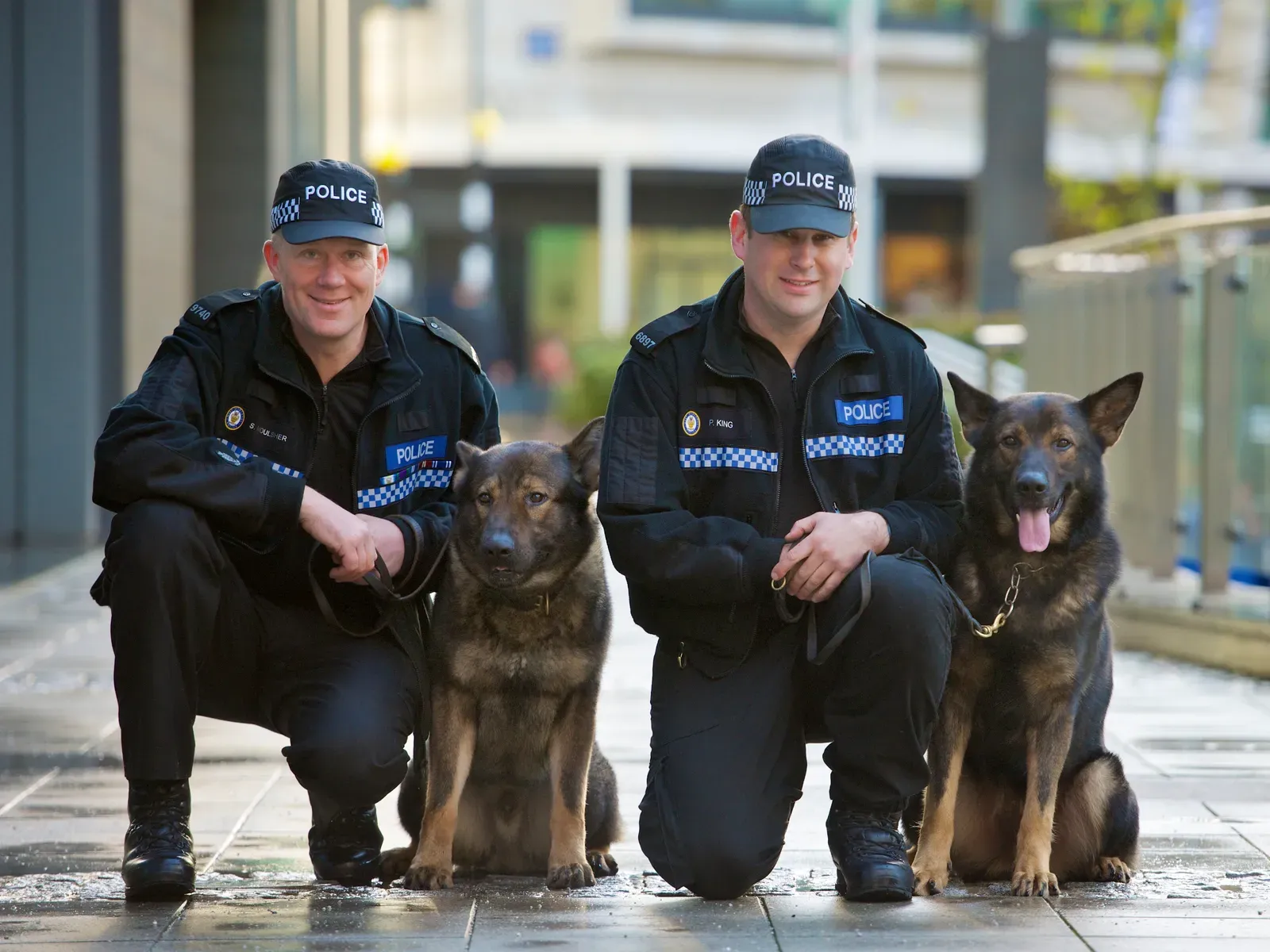
People love to say dogs adore everyone equally. They don’t. Dogs remember the very specific humans who gave them a genuinely good interaction – the neighbor who crouched down, softened their voice, and offered a hand to sniff instead of grabbing. Dogs can hold onto individual human faces and voices for years, especially when they’re tied to a clear emotional feeling.
Back home, your dog is quietly replaying the tone that person used, the smell of their hands, whether they lingered or rushed off. That memory gets filed under “safe people,” which is why your dog starts scanning for that exact human every time you pass the same corner. It’s a small, slightly humbling truth: many dogs care more about one calm neighbor than a dozen strangers who squeal and grab.
#6 – The Suspicious Object That Wasn’t There Yesterday
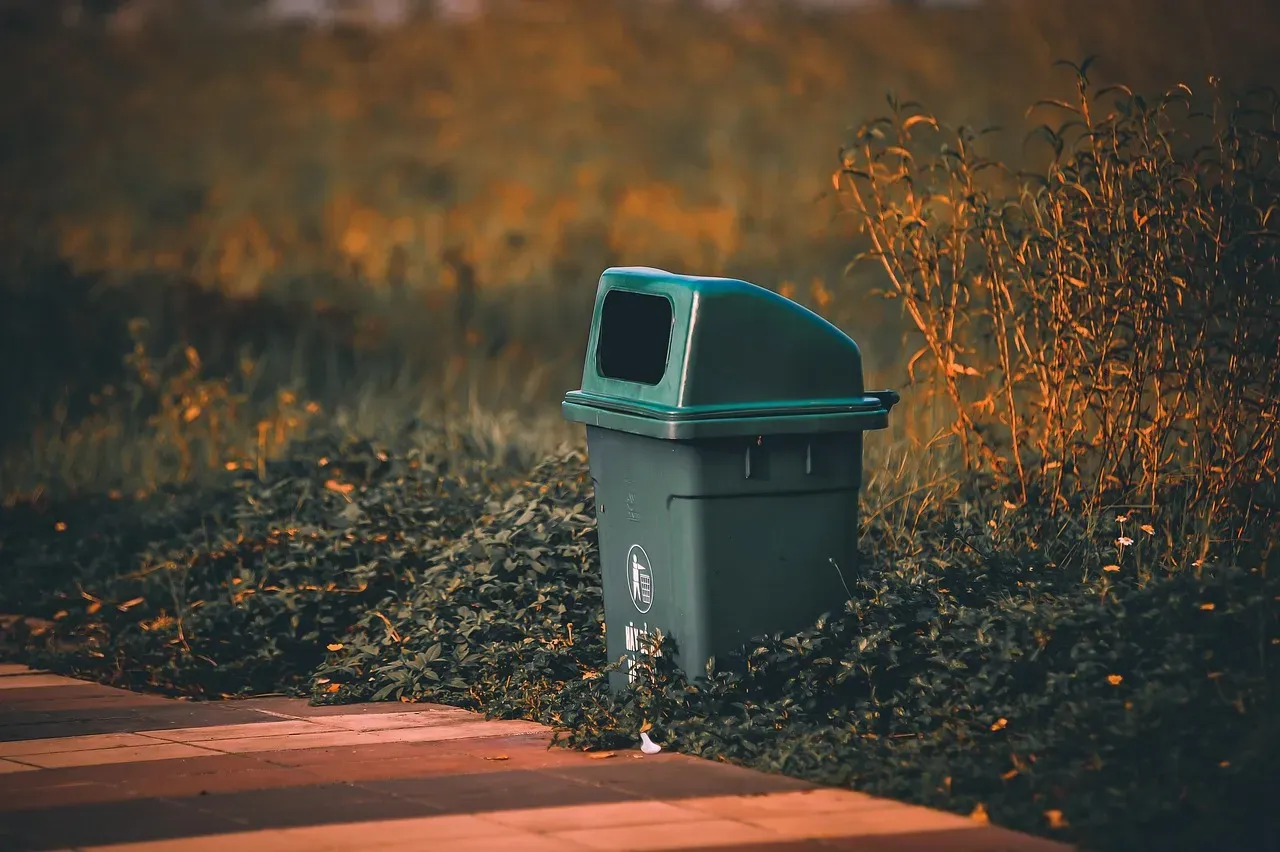
Every dog has a moment where a tipped-over trash bin or a flapping campaign sign suddenly becomes public enemy number one. Owners roll their eyes; the dog is dead serious. Ancient survival wiring still flags unfamiliar shapes and sudden movement as possible danger, especially when it’s new to a familiar route.
That’s why a single “trash can scare” can echo for the rest of the day. Your dog remembers how it looked from different angles, whether it made a sound, and – critically – how you reacted. Jerk the leash or yell, and the memory gets stamped as dangerous. Stay calm, maybe toss a treat nearby, and the replay becomes a small, confidence-building win instead.
#7 – The On-Leash Dog Encounter That Went Sideways (or Didn’t)
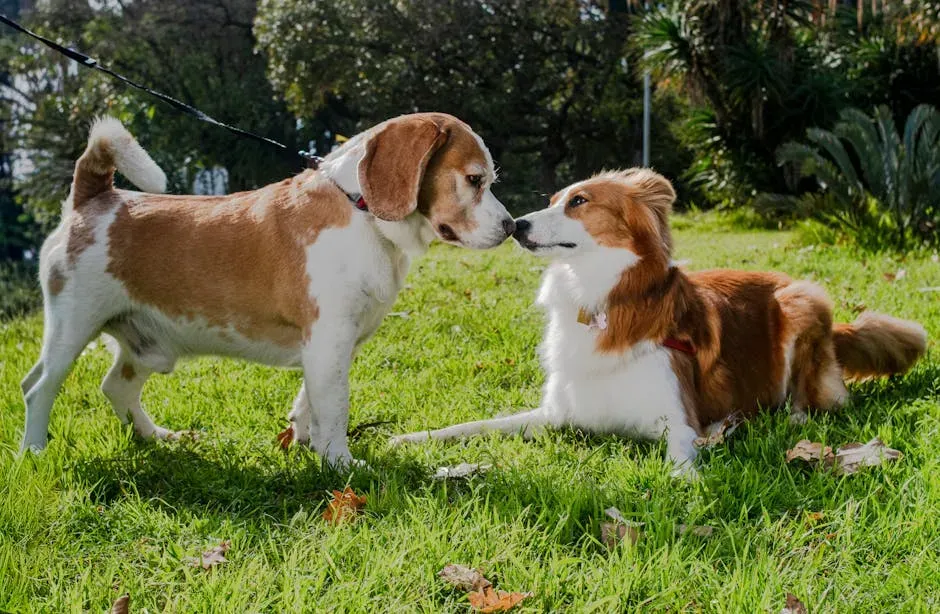
Ask any trainer and they’ll tell you: leashed dog-to-dog greetings are one of the most overrated “musts” of a walk. In just a few seconds, your dog has to process another dog’s body language, leash tension, tone of voice, and scent, all at once. One relaxed play-bow – or one hard stare – can color their memory of the entire outing.
Quick Compare
- Confident dog: loose body, relaxed tail, treats the encounter like a highlight clip worth replaying.
- Nervous dog: stiff posture, tucked tail, spends the afternoon quietly re-asking “was that actually safe?”
- Either way: leash tension and your tone of voice shape which version of the memory sticks.
Once you’re home, this tends to be the scene replayed in full HD: the other dog’s tail speed, whether the leashes tangled, who backed away first. Nervous dogs spend the afternoon quietly re-asking, “Was that actually safe?” Confident dogs relive it like a highlight clip, hoping for a repeat. Many behaviorists now argue dogs would be calmer with fewer forced meet-and-greets and more relaxed, side-by-side sniffing instead.
#8 – Catching a Fresh Scent Trail Mid-Walk
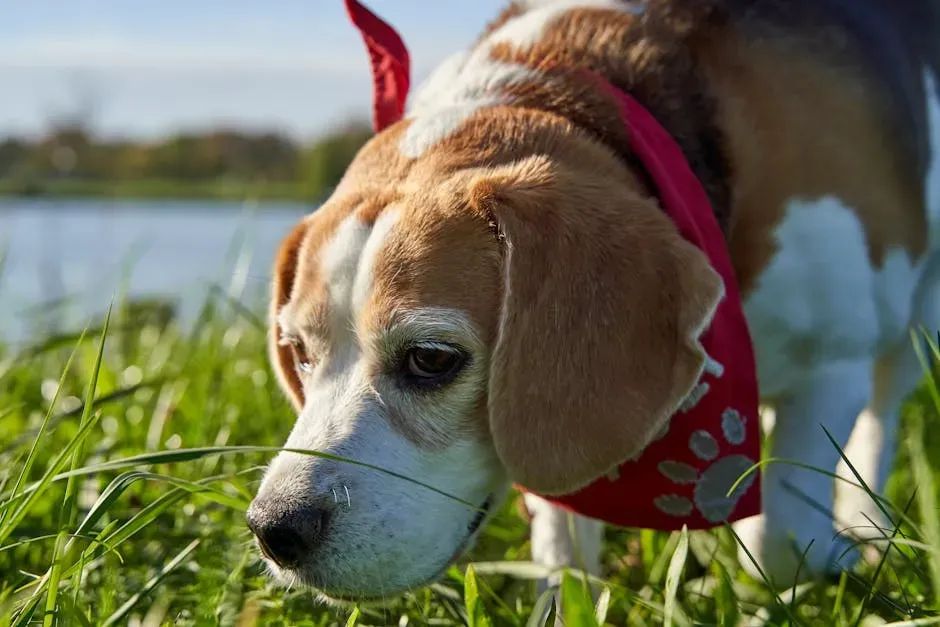
There’s a moment when your dog’s nose drops and the rest of the world disappears. The leash goes tight, their breathing shifts, their tail gives off tiny, involuntary flicks. They’ve just crossed a fresh scent trail – rabbit, squirrel, cat, maybe that one dog they love to hate. To your dog, it’s an unspoiled, brand-new story.
Later, curled up on the couch, they replay it like a detective rewatching a case: where the trail started, where it faded, the exact spot by the fence where it suddenly spiked in strength. Some dogs will even “dream track,” nose twitching and paws paddling mid-sleep, because a good scent trail is that satisfying. A thirty-second nose-to-ground sprint can leave a bigger mental mark than a full mile of straight walking.
#9 – The Terrain Change That Rattled Their Confidence
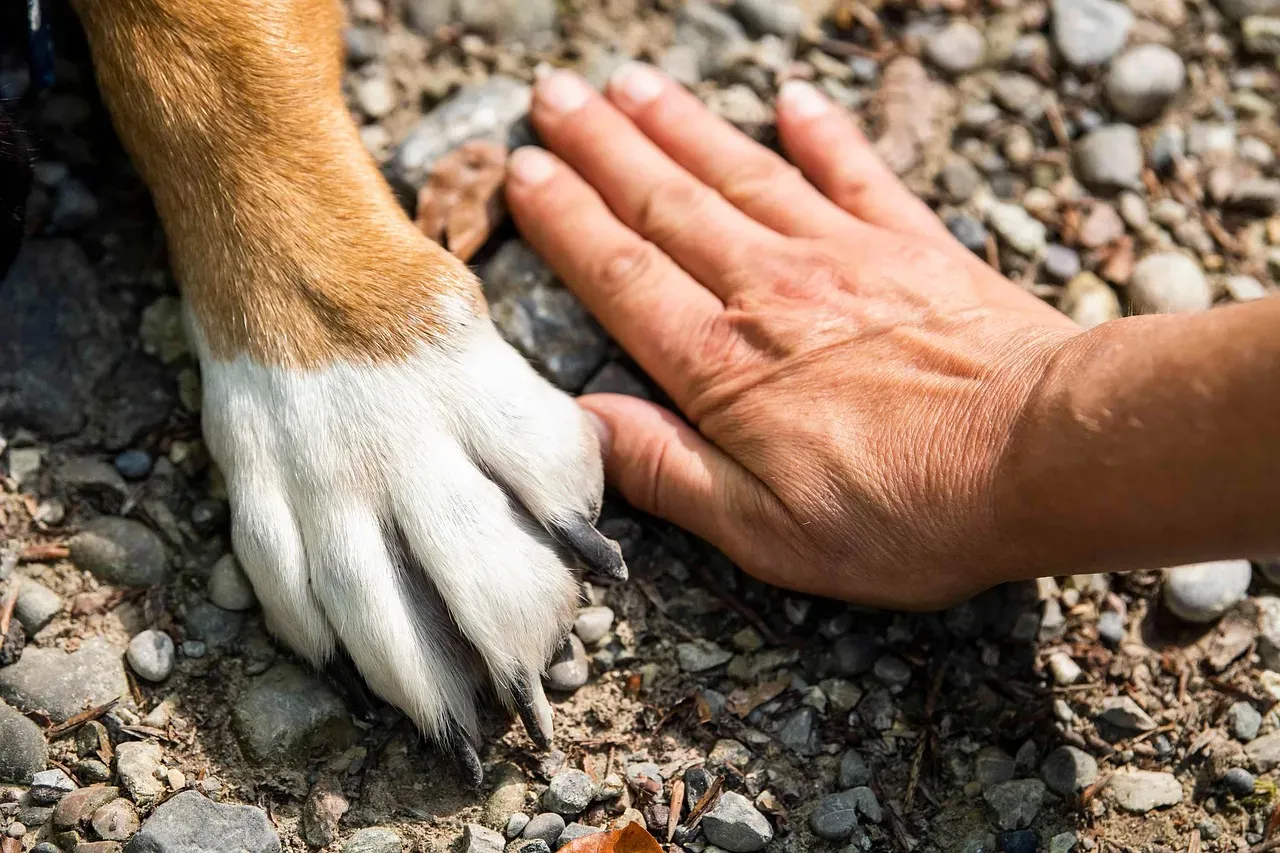
Humans barely register the switch from sidewalk to grass. Dogs absolutely do. Stepping off hot pavement onto cool, damp grass is instant physical relief, and their brain files it immediately. Paw pads are dense with sensory receptors, which is why gravel, metal grates, wooden bridges, and puddles all feel wildly, distinctly different underfoot.
Later, your dog replays the exact second their paw hit a wobbly grate or slid across loose stone. That’s why some dogs balk at the same specific spot every single walk – their memory has already flagged it as “the weird floor zone.” Let them sniff and test it at their own pace, and that memory gets quietly rewritten as manageable. Drag them through it, and the moment hardens into something they dread.
#10 – The Sound That Made Them Flinch
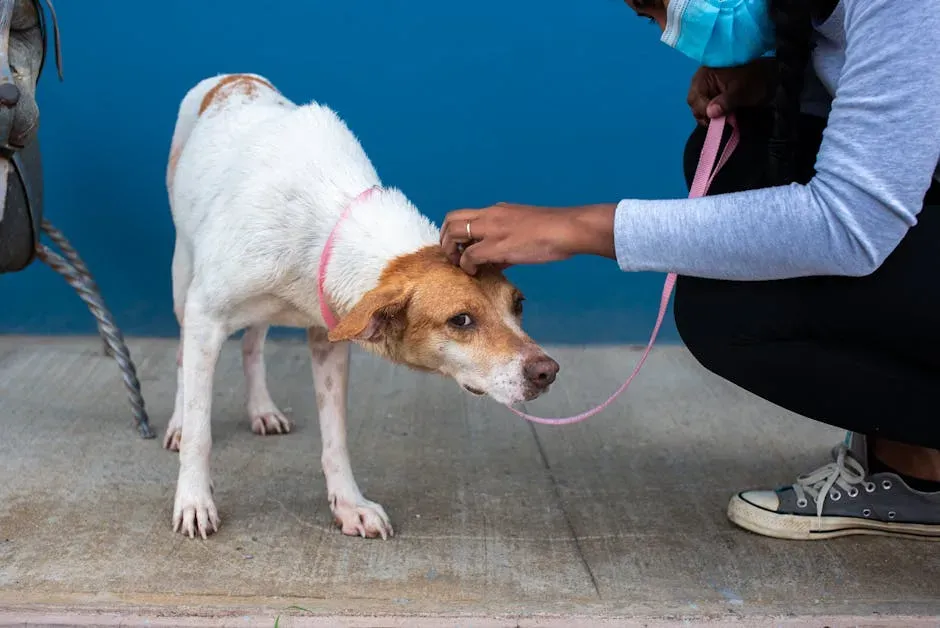
Big, sudden noises leave a deep imprint. A truck downshifting right beside you, a skateboard rattling past, kids screaming from a front yard – these aren’t minor blips to a dog’s far more sensitive hearing. Some of these moments genuinely hurt or startle them, even as we barely notice. Watch closely and you’ll catch it: a flinch, a crouch, ears pinned back, a hard stare toward the sound.
At home, this is exactly the kind of scene fearful dogs keep looping on repeat. They remember not just the noise but the timing – right as they stepped off the curb, or the moment you were distracted on your phone. That’s why some dogs freeze at the same corner weeks later, even on a perfectly quiet day. Calm reassurance and a little distance afterward can rewrite that memory from pure horror scene into “scary, but I got through it.”
#11 – The Few Seconds You Actually Looked at Them
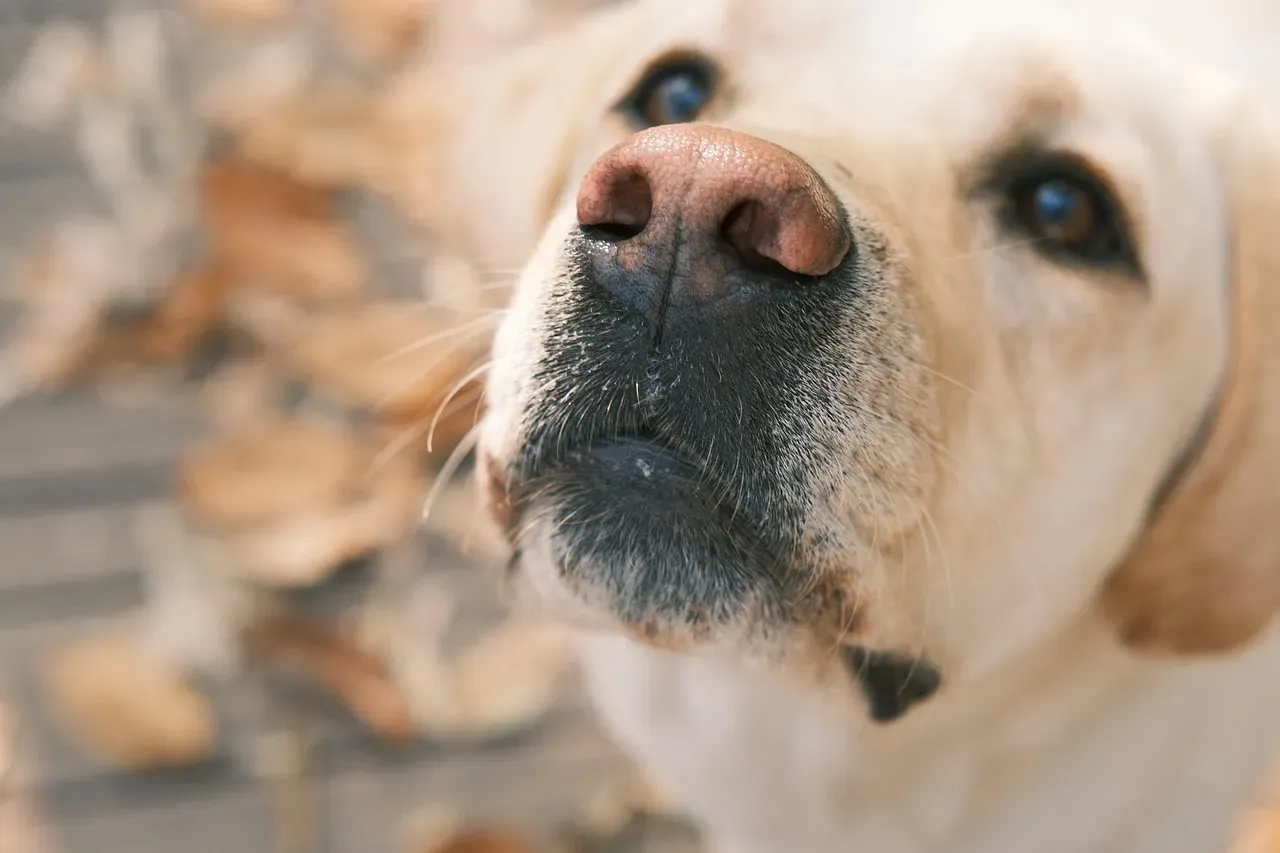
Here’s the moment most owners completely undersell: the three seconds you stop scrolling, crouch down, say their name, and actually make eye contact mid-walk. For your dog, that’s a direct hit of emotional security. Dogs read our faces and eye contact far more closely than most people realize, and one warm, focused interaction can outweigh an entire distracted block of walking.
The look you give your dog matters more than the miles you walk them.
Common trainer refrain, echoed across canine behavior circles
Later, your dog is replaying the smallest details – your smile, your tone, whether you scratched behind their ear or laughed at their goofy trot. This is where attachment quietly gets reinforced, one small moment at a time. A five-minute walk with two or three seconds of real, undivided attention can leave a deeper mark than thirty minutes of you scrolling while they trot along beside you.
#12 – The Final Stretch Back Toward Home
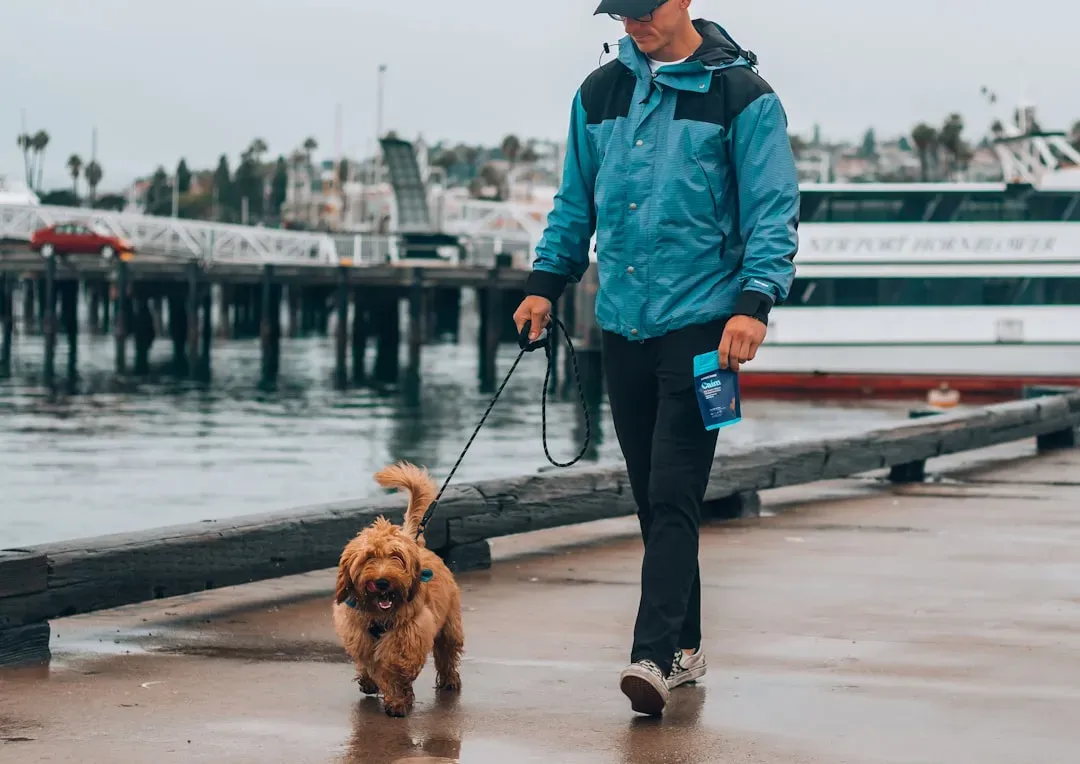
You might assume the home stretch is the boring part. Your dog doesn’t. The moment you turn onto your street, their internal GPS lights up – the smells are familiar, the pattern is known, and their whole body either relaxes or speeds up in anticipation. Dogs build startlingly strong route memories, so those last few minutes blend pure autopilot with quiet anticipation of water, bed, maybe food.
At a Glance
- The final stretch home often triggers a visible shift in pace, posture, or tail carriage as recognition kicks in.
- Small route changes – a new car, a missing decoration – get noticed and filed away instantly.
- For most dogs, this stretch isn’t about exploring anymore; it’s about anticipating water, rest, or food.
They’re also clocking every small change along the way: a new car in a driveway, a missing porch decoration, a different trash smell. On replay, this stretch plays like a soothing montage – the spot they always sniff, the mailbox they always ignore, the exact point where you always switch the leash to your other hand. For most dogs, that last block isn’t about exploration at all. It’s the warm, familiar feeling of getting back to their safe base.
#13 – The First Few Minutes After the Door Shuts
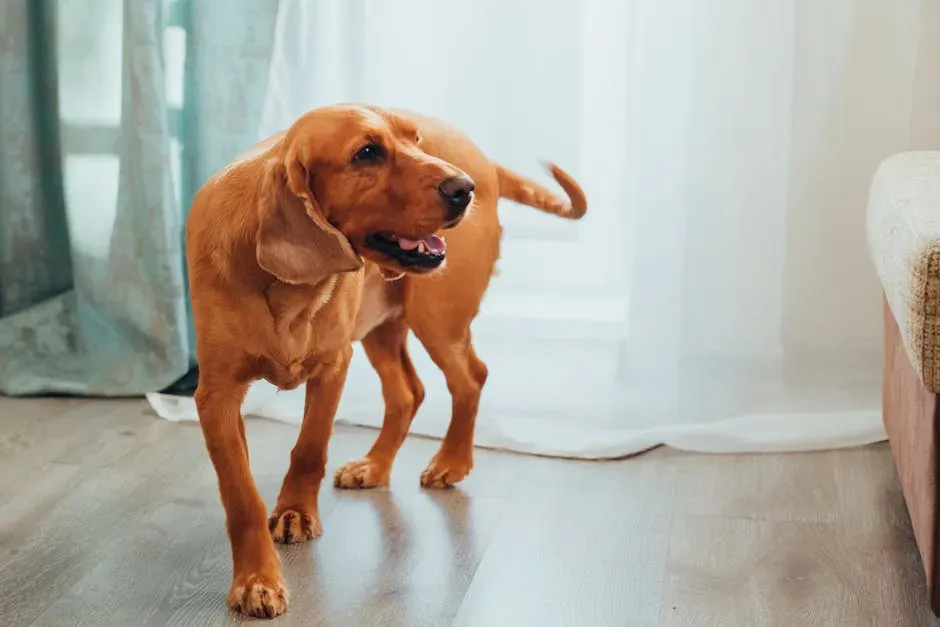
The walk doesn’t actually end when the door closes behind you – it ends when the ritual after it ends. That might be a drink of cool water followed by a full-body shake, or a wild zoom across the living room that finishes in a dramatic flop onto the rug. Dogs build powerful associations with whatever happens in those first few minutes home, which is why a chew, a quick cuddle, or a favorite sunny spot becomes the closing scene of the entire walk in their mind.
This is the part they actively revisit as they drift into a nap – the feel of the floor under their body, the sound of you moving around the kitchen, the taste of the biscuit you tossed “because you’re good.” Here’s the twist: if the first thing that happens is chaos – a rushed crate, a scolding for muddy paws – that’s what stamps itself over the whole memory instead. Give your dog a calm, predictable decompression window, and you’ll notice they settle faster and seem genuinely more satisfied. To a dog, the walk is only ever as good as the way it ends.
The Bottom Line
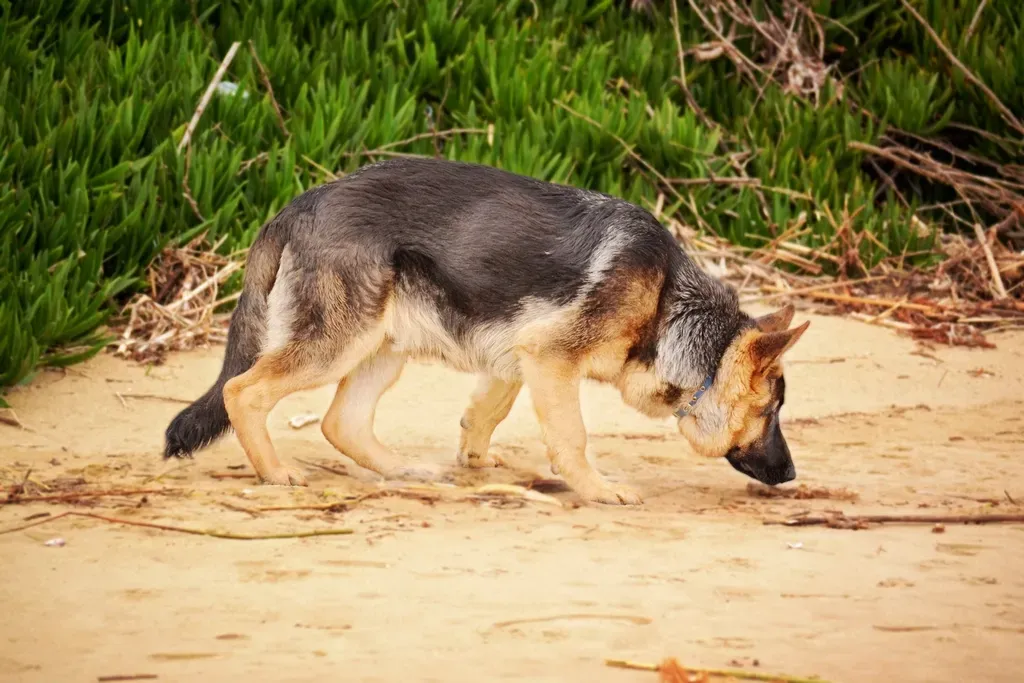
When your dog crashes on the couch after a walk, they’re not just tired. They’re running a genuinely detailed replay – the leash’s jingle, that first lungful of outside air, the gossip-loaded sniff stop, the trash can that almost got them, the dog encounter that went great or terribly, the truck that made them flinch, the cool grass, the three seconds you actually looked at them, and finally, the safety of home and whatever ritual you built around it.
Honestly, this list is a quiet indictment of rushed, phone-distracted walking. Steps and distance make for a good fitness tracker screenshot, but they mean almost nothing to your dog. What actually sticks – what gets replayed for hours afterward – is sniff time, calm handling, and a handful of seconds where you were genuinely present. Give your dog more of those thirteen moments and fewer rushed laps around the block, and you’ll probably notice the difference before they do.