
14 Things a Dog Remembers About a Person It Has Not Seen in Years
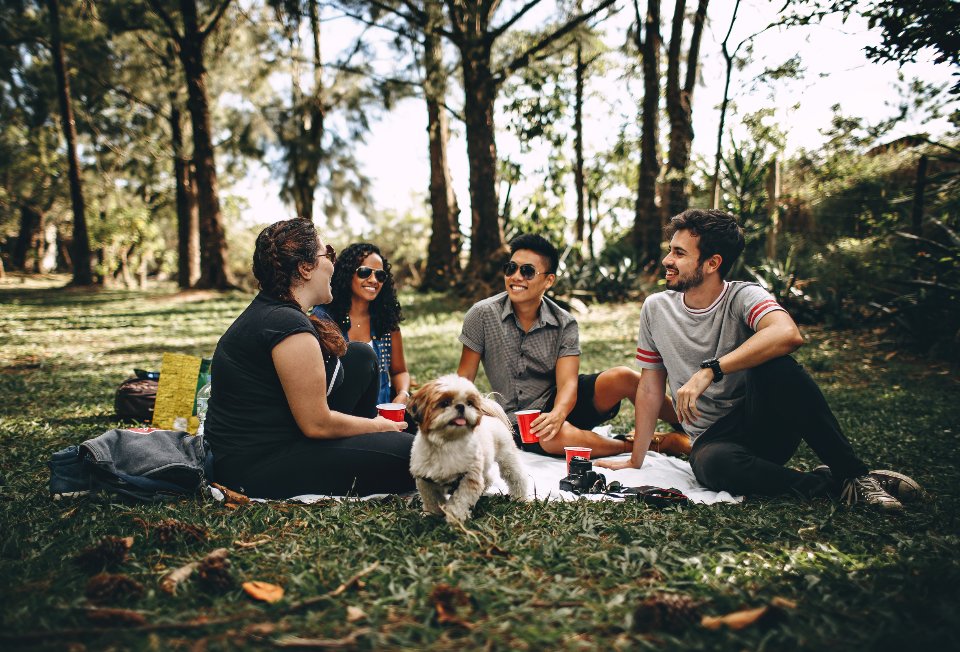
Most people assume a dog’s memory works like a phone on airplane mode – out of sight, out of mind, wiped clean within weeks. It’s a comforting story, mostly because it makes our own leaving feel lighter. But dog cognition research, along with thousands of tearful reunion videos, keeps telling a very different story.
Turns out your dog wasn’t just wagging out of habit the day you walked back through that door after years away. They were pulling from a full archive most owners have no idea exists – scent files, voice patterns, emotional history, even the exact way you used to touch them. Here are 14 things a dog quietly stores away about a person, sometimes for the rest of its life.
#1 – Your Scent, Even After Everything Else Fades
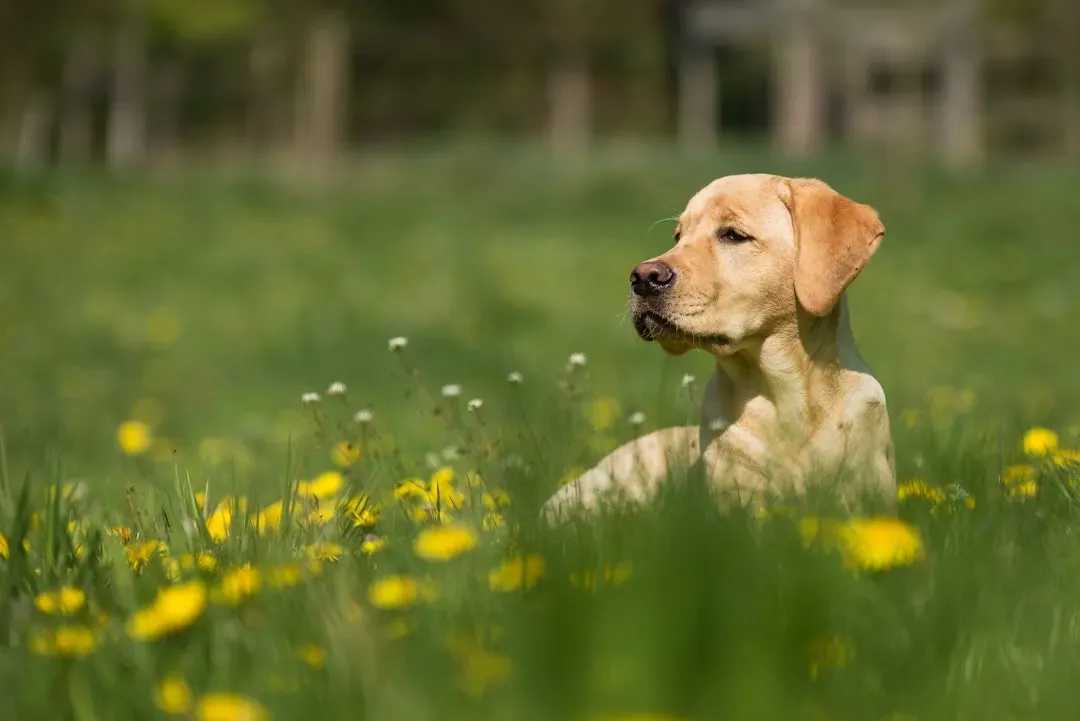
Here’s the bold truth: your smell is the single strongest way a dog remembers you, sometimes even years later. A dog’s nose isn’t just better than yours – it operates on a completely different level. Where you smell “a house,” your dog smells individual people, what they ate, where they walked, and who they hugged on the way in. That’s why a dog who hasn’t seen you in ages can go from neutral to frantic joy the instant you step through the door.
What’s genuinely wild is how long that scent memory sticks around. Stories of deployed soldiers, college kids, and ex-partners returning after two, three, even five years all hit the same beat: the dog sniffs once, freezes, then explodes into recognition. To them, your scent is a password that instantly unlocks the old bond – no thinking required.
Fast Facts
- Dogs have roughly 300 million scent receptors in their noses, compared to about 6 million in humans.
- The part of a dog’s brain devoted to analyzing smell is estimated to be about 40 times larger, proportionally, than the human equivalent.
- Experts estimate a dog’s sense of smell is somewhere between 1,000 and 100,000 times more sensitive than ours, depending on the scent involved.
#2 – The Sound of Your Voice, Not Just Your Words
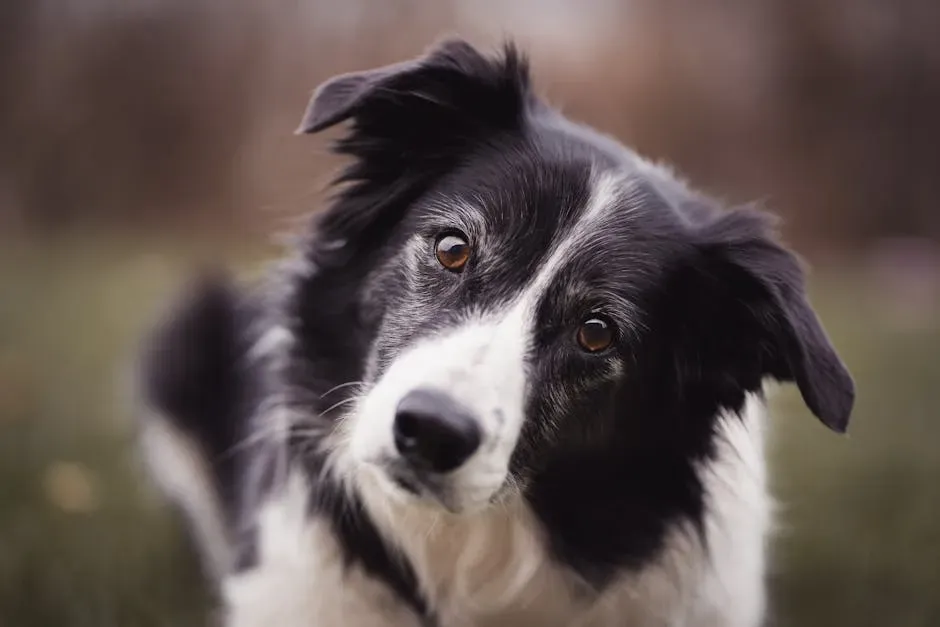
Most people assume dogs only remember commands, but they actually remember the sound and emotional tone of your voice. You can change your haircut, lose weight, or move across the country – but start talking, and a dog who once knew you will often tilt their head, squint, then light up. Their brain isn’t parsing vocabulary the way ours does; it’s registering pitch, rhythm, and energy. That playful “Heeey, buddy!” you always used is burned in deeper than you’d guess.
Dogs also store the whole emotional range of your voice, not just the happy version – tired, frustrated, soft, excited, all of it. If you used to talk to your dog in a sleepy mumble late at night, that exact cadence might be what finally clicks “stranger” into “my person.” It’s why some trainers insist the most powerful reunion tool isn’t a treat. It’s your familiar tone.
#3 – How You Made Them Feel: Safe or On Edge
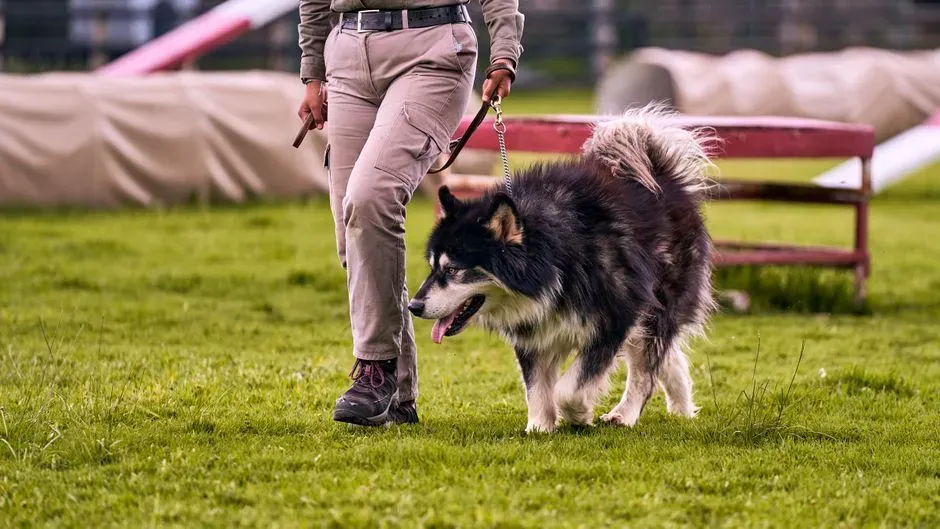
Here’s the uncomfortable part: dogs remember the emotional climate around you just as much as the fun. If you were their safe place – gentle hands, predictable routines, calm corrections – they tend to snap right back into that relaxed, wiggly version of themselves the moment they realize it’s you. Their ears go neutral, their body softens, and you can almost watch them exhale a tension they didn’t know they were carrying.
But the reverse is just as true, and it’s not always comfortable to hear. Dogs remember fear, yelling, and harsh handling too. They may still recognize you after years apart, but that recognition can arrive wrapped in hesitation instead of pure joy. It’s not a grudge in the human sense – it’s a nervous system that never forgot what being near you actually felt like.
#4 – Your Daily Rituals and Weird Little Habits
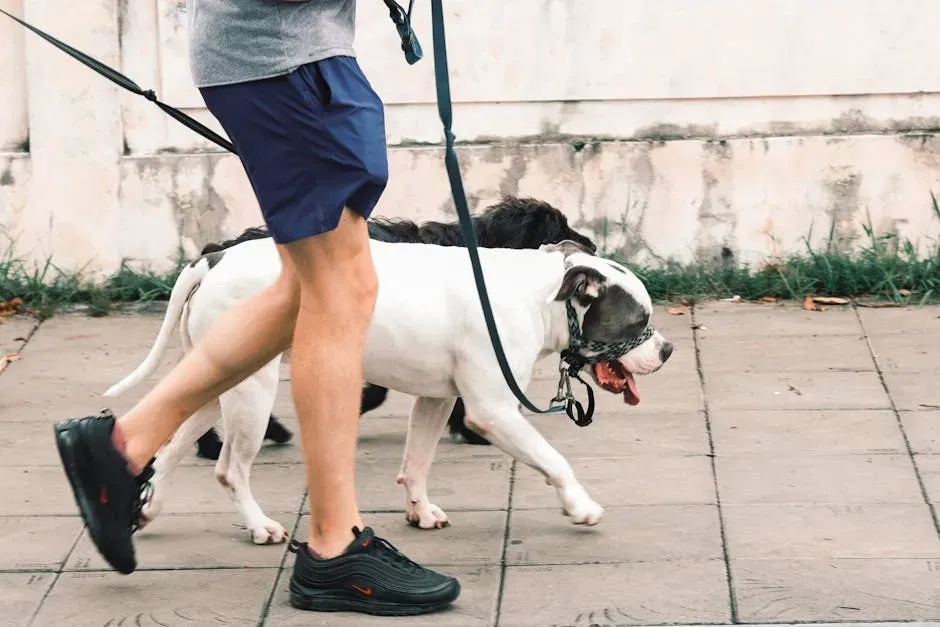
It’s easy to assume your dog only remembers the big moments, but their brain is really a scrapbook of your tiniest routines. Dogs are relentless pattern-spotters – the jingle of your keys meant leaving, the mug you grabbed every morning meant “we’re up,” the Netflix intro meant cuddle time. Years later, those same micro-triggers can still flip a switch. Tug your sleeves up the way you used to before walks, and they’ll bounce toward the door before you say a word.
The most haunting part is how precisely they remember your timing – the hour you used to feed them, the exact spot in the yard where you’d call their name. We love to say dogs “live in the moment,” but rituals like these prove they also live inside layers of expectation built entirely around you. Your habits were a language you taught them without ever meaning to, and their body still answers before their brain fully catches up.
#5 – The Games Only You Played With Them
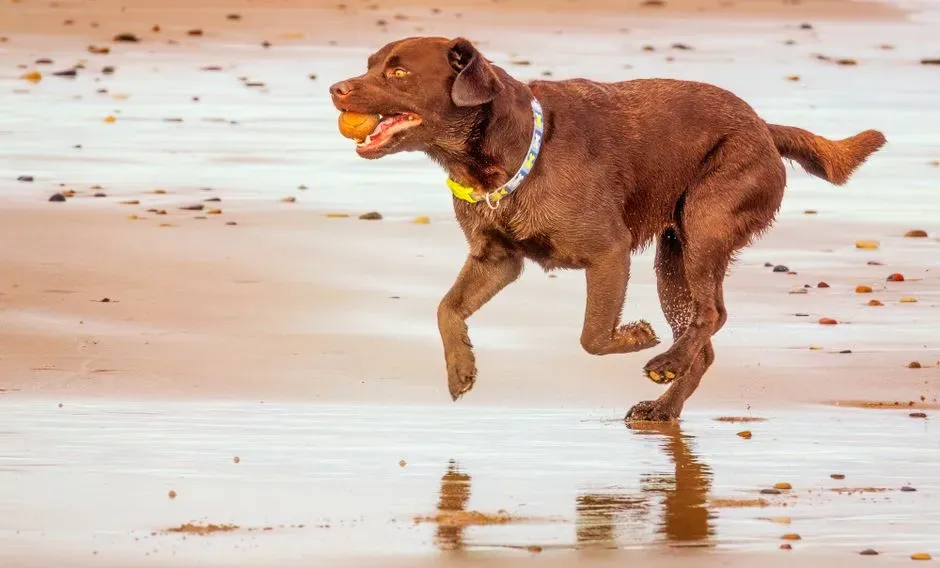
Most people underestimate how much dogs remember play, but your old games can act like a master key to their memory. You didn’t just play “fetch” – you had your version of it: the sock-tug that always started in the hallway, the squeaky toy hidden behind your back, the “I’m gonna get you!” chase around the coffee table. Those aren’t random moments to a dog. They’re scripts, burned in through repetition and joy.
Years later, do that same fake-throw you always did, and plenty of dogs will slot right back into the old game like no time passed at all – muscles remembering, eyes brightening, tail snapping into that frantic old rhythm. Play hits movement, bonding, and reward all at once, which is exactly why trainers use familiar games to reconnect with dogs after long absences. To a dog, shared play might be the clearest “this is my person” signal there is.
#6 – Your Rules and Boundaries, Whether You Meant to Teach Them or Not
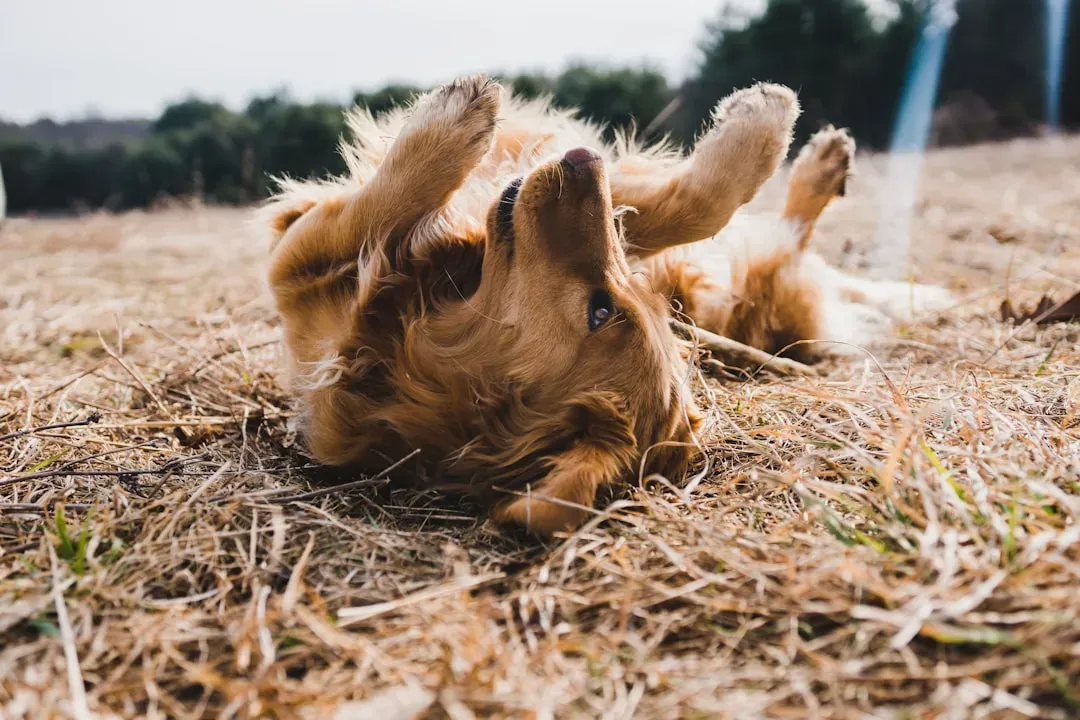
People joke that dogs “forget the rules” the second you’re gone, but many actually remember your boundaries with startling precision. If you were consistent – no couch, wait at the door, sit before dinner – those patterns tend to stick for years. Show up long after the fact, and it’s not unusual to watch an old dog pause at the exact invisible line they were never allowed to cross, glancing at you like they’re silently asking if the rule still stands.
If someone else has since let them break those old rules, a dog might be running two separate rulebooks in their head. But your presence alone can flip the switch back – they revert to “your house rules” mentally, even in a brand-new space. It’s a quiet, slightly brutal reminder that you weren’t just their playmate. You were their structure.
Worth Knowing
- Consistent, repeated boundaries build procedural memory – the same system that lets dogs remember tricks for years without practice.
- Dogs often attach rules to a person rather than a place, which is why “your house rules” can resurface anywhere you go.
- A new caregiver’s looser rules don’t erase the old ones – they just create a second, competing rulebook your dog has to sort through.
#7 – Exactly How You Touched Them: Gentle, Rough, or Distant
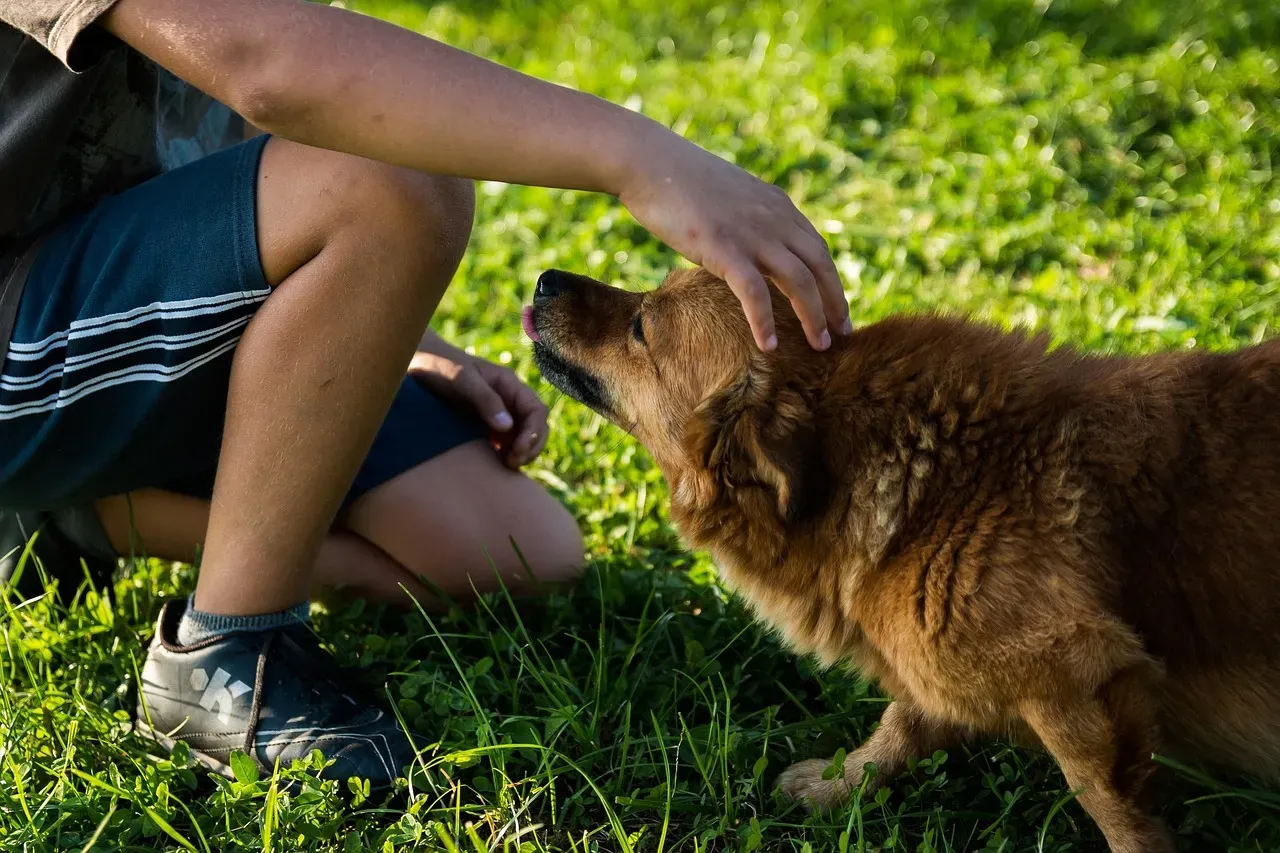
While humans obsess over words, dogs remember exactly how it felt to be handled by you. If you were the one who found that impossible spot behind their ear or always rubbed their hips after a long walk, that physical routine becomes almost sacred to them. Years later, lay your hand in that same familiar place, and you can watch a dog melt exactly the way they used to – body loosening, breathing slowing, eyes going soft.
The flip side is harder to sit with. Dogs don’t forget rough handling, forced hugs, or being constantly pushed away, and those categories don’t fade with time the way we’d like them to. A dog who once flinched from your hand may still brace slightly at your reach, even while they’re thrilled to see you again. Touch writes some of the deepest, most permanent notes in a dog’s memory – and sometimes you can read their entire history with you in how their body reacts.
#8 – Every Place You Went Together
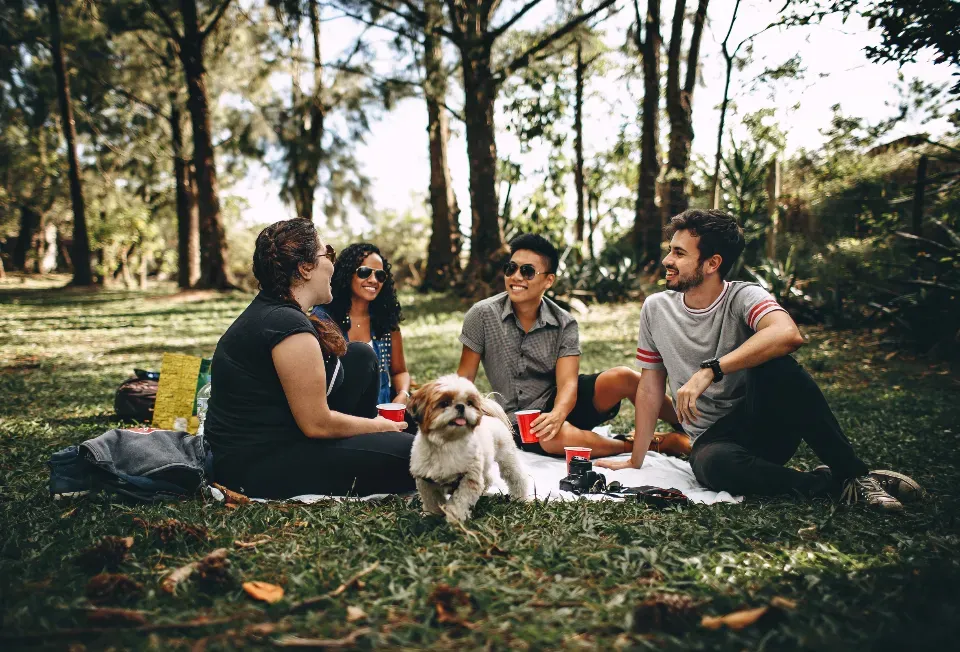
Dogs don’t remember places like a map – they remember them like a highlight reel of “where I went with this person.” Maybe it was the park bench you always claimed, the corner where the ice-cream truck showed up, or the quiet street where you practiced leash training together. Take that same dog back to that spot years later with someone else, and you might see them searching, pulling toward one specific corner, waiting for a cue that never comes.
For a dog, the environment and you are fused into one memory. In reunions, this can work beautifully in reverse – an old dog might not fully “click” in a neutral room, but bring them back to a shared place, and it’s like flipping through an old photo album. Their whole body language often shifts: more confident, more puppy-like, more locked onto you. Shared geography is one of the quiet ways a dog anchors exactly who you were to them.
#9 – The Entire Social Web Around You
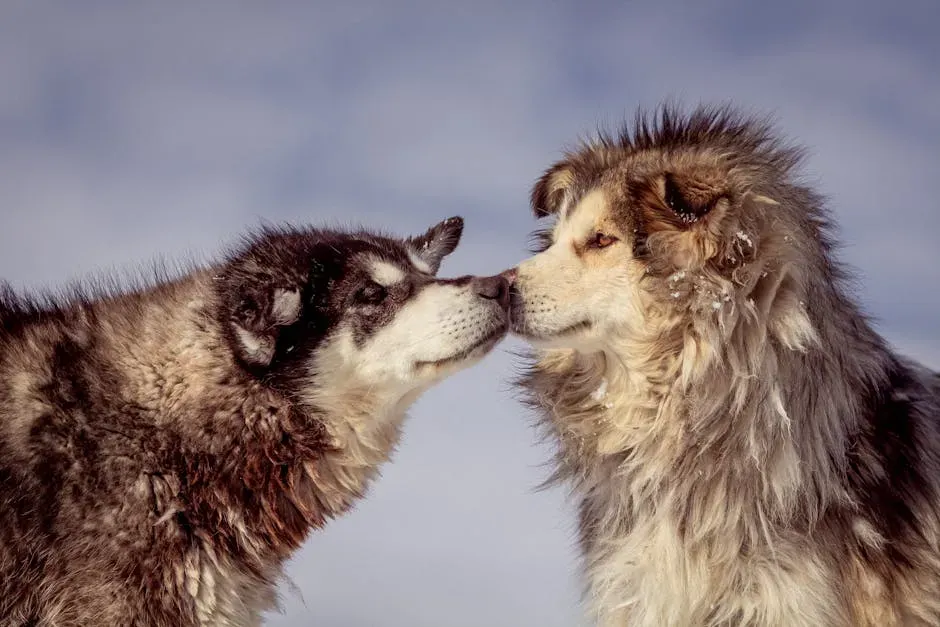
Here’s what most people forget: your dog doesn’t just remember you – they remember the whole cast of people and animals connected to you. If you had a partner, kids, roommates, or a best dog-park buddy, all of it gets filed away in association with your presence. Years later, a dog might light up at a voice that’s now grown-up, or recognize another dog they haven’t seen in ages simply because, in their mind, that dog was “part of my old pack.”
And here’s the gut punch nobody talks about: dogs notice who’s missing. If someone who used to be part of your shared life is gone, a returning dog can become strangely subdued, pacing, sniffing certain spots, or sitting by a door as if still waiting. They don’t understand death or breakups the way we do, but they absolutely remember who used to belong to you – and your reunion, in their mind, can feel quietly incomplete.
Quick Compare
- Humans mostly recognize people by face and context.
- Dogs recognize people through a blend of scent, voice, and emotional memory layered on top of each other.
- Humans tend to track individual relationships one at a time.
- Dogs file entire social circles – partners, kids, other pets – under one person’s memory as a package.
#10 – The Version of Themselves They Became Around You
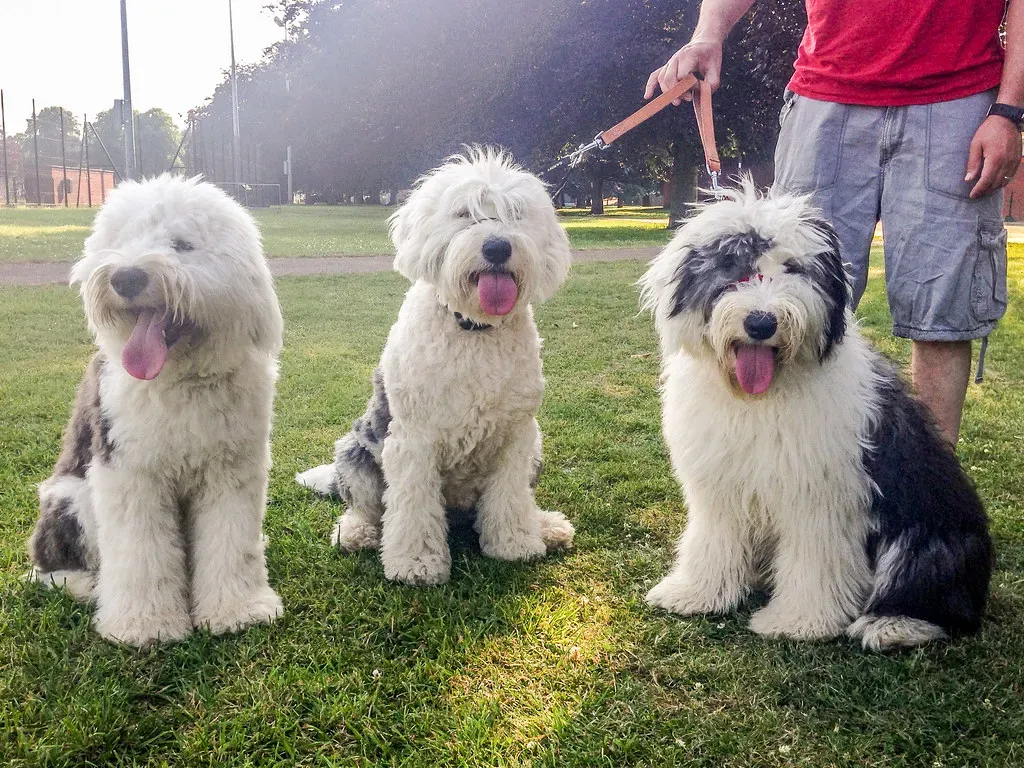
Some dogs are almost a different animal depending on who they’re with, and they remember the specific version of themselves they were around you. Maybe you were the only one who encouraged their zoomies, the person who let them be a bold little explorer instead of a nervous shadow. Years later, that same dog might suddenly act younger, goofier, or braver than their current family has ever seen – not performing, just sliding back into an old emotional role.
This cuts both ways. If you were intense, anxious, or unpredictable, a dog might shift into a more hypervigilant version of themselves the moment you walk back in, even after relaxing for years with someone else. That’s not sentiment – it’s conditioning. Dogs don’t just remember you; they remember exactly who they had to become to stay close to you, and a reunion can reveal that with uncomfortable honesty.
#11 – The Moment You Showed Up When They Were Terrified
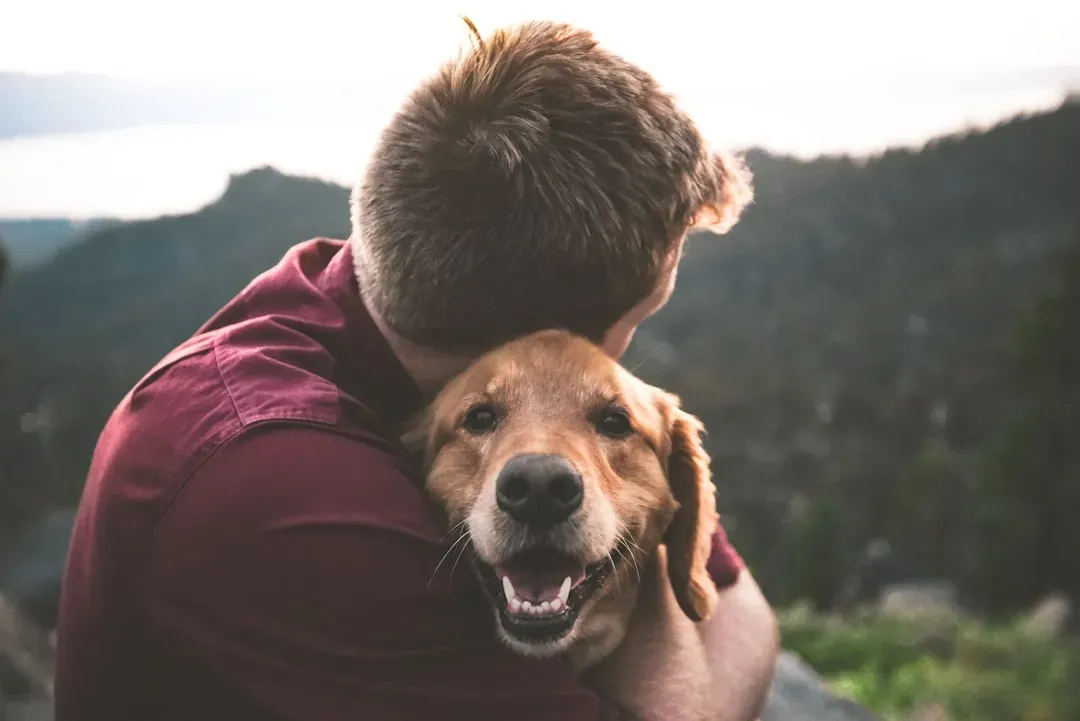
Ask any behaviorist and they’ll tell you fear and relief carve some of the deepest memories in a dog’s brain. If you were there during the fireworks, the thunderstorm, the car accident, or the first scary vet visit, your role in that exact moment is probably still tucked away inside them. Did you sit on the floor, speak softly, and simply stay? Dogs often hold an almost reverent trust toward the person who consistently showed up when they were hurting or scared.
The opposite leaves its own mark. If you dragged them when they panicked or exploded at their fear instead of soothing it, that memory is sticky too. A dog might recognize you warmly after years apart yet still hesitate to seek comfort from you in the exact moments they need it most. They remember who helped them regulate their fear – and who didn’t – and that quiet math shapes the entire reunion.
#12 – Whether You Always Came Back
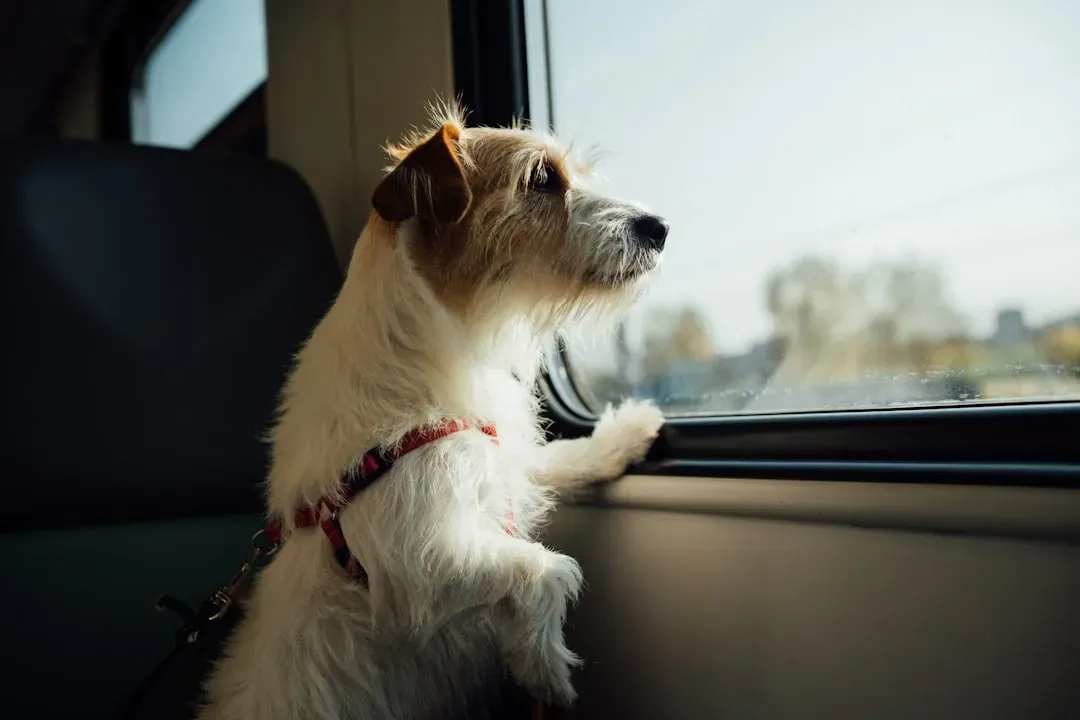
People hate hearing this, but dogs absolutely form memories around your absences. If you were the type who disappeared for a few hours and always returned in a good mood, your comings and goings likely became a manageable, even boring part of their world. Some dogs settle into a simple, stable belief: they leave, they return, I’m safe.
But if you vanished during a genuinely stressful stretch – a divorce, a move, a deployment – with no gentle transition, that “you left and never came back” file can run surprisingly deep. Their nervous system doesn’t sit around stewing on it, but it does log the pattern: how often you left, how predictably you returned, whether your absence lined up with chaos or calm. A sudden reappearance years later can be both thrilling and disorienting, ripping open exactly how abruptly that old chapter ended.
#13 – Your Baseline Energy: Calm, Chaotic, or Checked Out
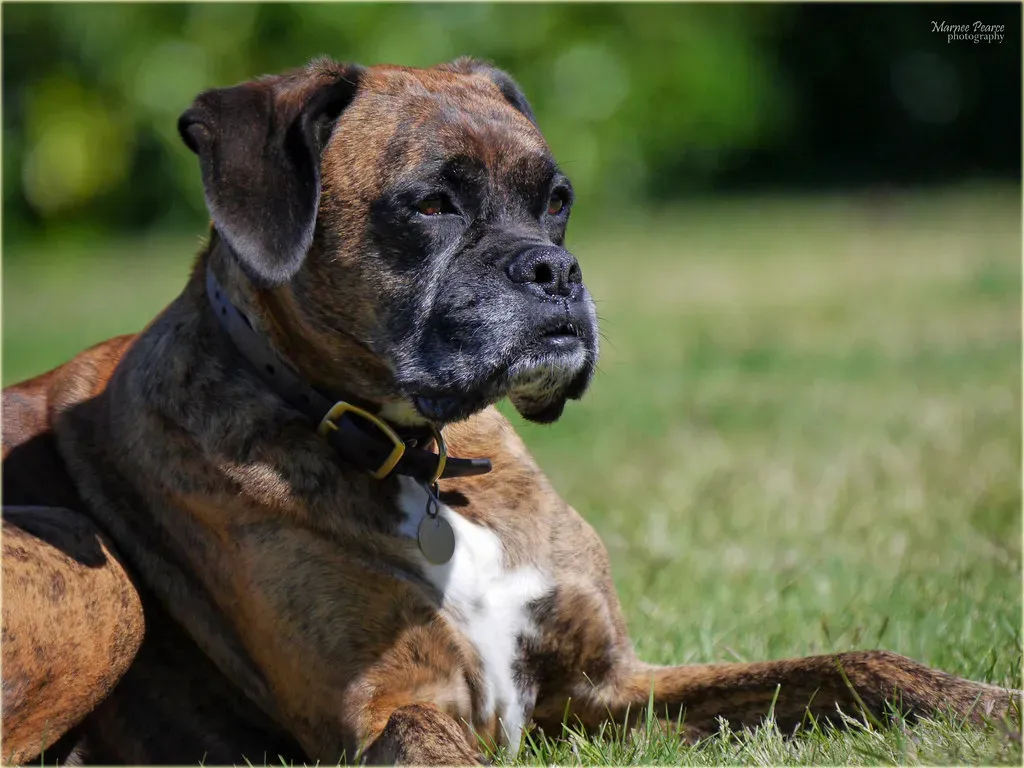
You can fake words around a dog, but you can’t fake your baseline energy, and they remember it precisely. Maybe you were the loud, hyper roommate who turned everything into a game, or the quiet, grounding presence who made a room feel softer just by being in it. Dogs read breathing rate, muscle tension, and pacing the way we read facial expressions, and over time they quietly file you under calm, chaotic, unpredictable, or background noise.
Here’s the uncomfortable twist: if you’ve genuinely changed, they notice that too. A dog might remember you as frantic and inconsistent, then meet a calmer, steadier version of you years later – and that mismatch can confuse them at first before a new layer of trust builds on top of the old one. Dogs don’t just remember what you did. They remember what it felt like to simply share a room with you, and that feeling is one of the last things to fade.
At a Glance
- A 2019 study found that dogs’ long-term stress hormone levels can sync up with their owners’ over time, not just their moods.
- Dogs pick up on breathing rate, muscle tension, and pacing long before they respond to your actual words.
- A calmer version of a once-anxious owner can genuinely confuse a dog’s old expectations, at least at first.
#14 – That You Were Theirs, Even After Life Moved On
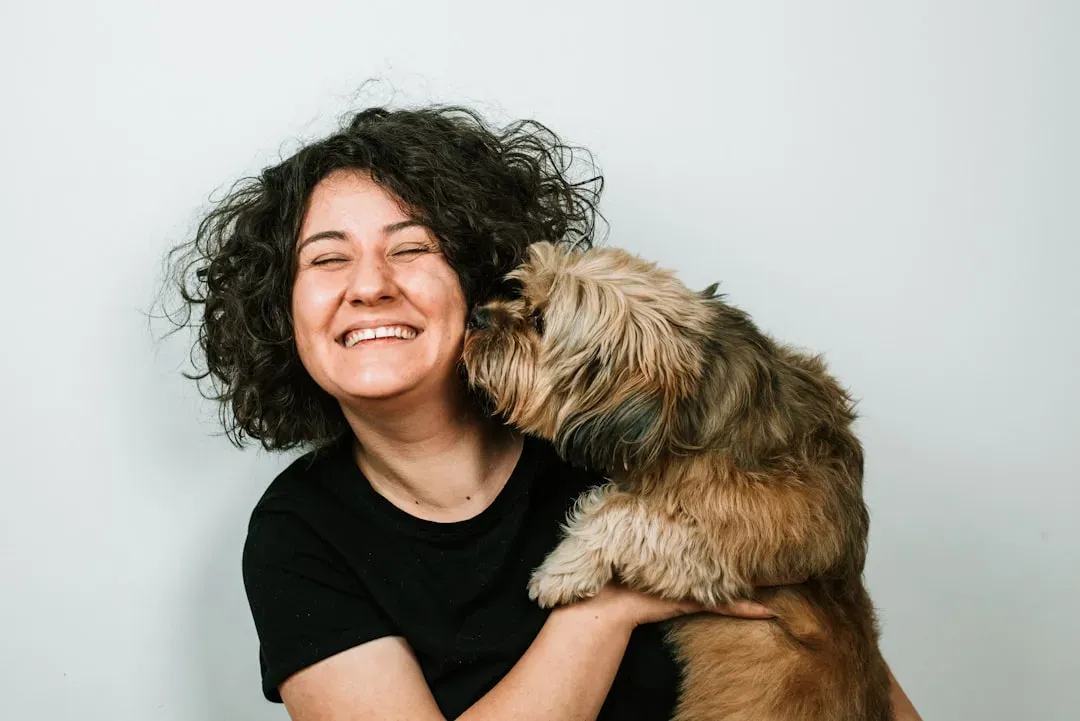
Here’s the part people secretly hope is true: dogs do seem to remember the bond itself, the plain fact of who “their person” was. When a dog who once lived closely with you sees you again after years apart, the reaction is often visibly different from how they greet any other human – not just excitement, but recognition layered with history. You can see it in the double-take, the frantic sniffing, the way they keep circling back to you long after the first burst of joy fades.
This kind of loyalty isn’t new, and it isn’t just internet folklore. In one of the oldest stories we have, Homer’s Odyssey describes Odysseus returning home after twenty years away, unrecognized by nearly everyone – except his elderly dog, Argos.
“But when he perceived that his master was near, he wagged his tail and dropped both his ears, though he had not strength enough to move nearer to him.”
Homer, The Odyssey
Argos died moments later, but not before he knew. Thousands of years later, dog owners are still living some version of that same scene – proof that a dog’s capacity to hold onto “you” might be one of the oldest, most reliable truths about them.
We love telling ourselves dogs “live in the moment” because it makes our own leaving feel lighter, less consequential. But the evidence, and every reunion video that makes you cry at 1 a.m., says otherwise. Dogs remember far more than we’re comfortable admitting – your scent, your voice, your rules, your absences, even the version of themselves they had to become just to stay close to you.
Sometimes that memory is a lifelong comfort. Sometimes it’s a quiet indictment of how we actually showed up, or didn’t. If you’ve ever walked away from a dog and wondered if it mattered, here’s the honest answer: it did, and they kept the receipts. A dog’s memory of you is brutally accurate, occasionally forgiving, but never fake – and that might be the most honest relationship most of us will ever have.