
13 Behaviours a Shelter Dog Offers Within Minutes of Meeting the Owner It Is Going to Choose
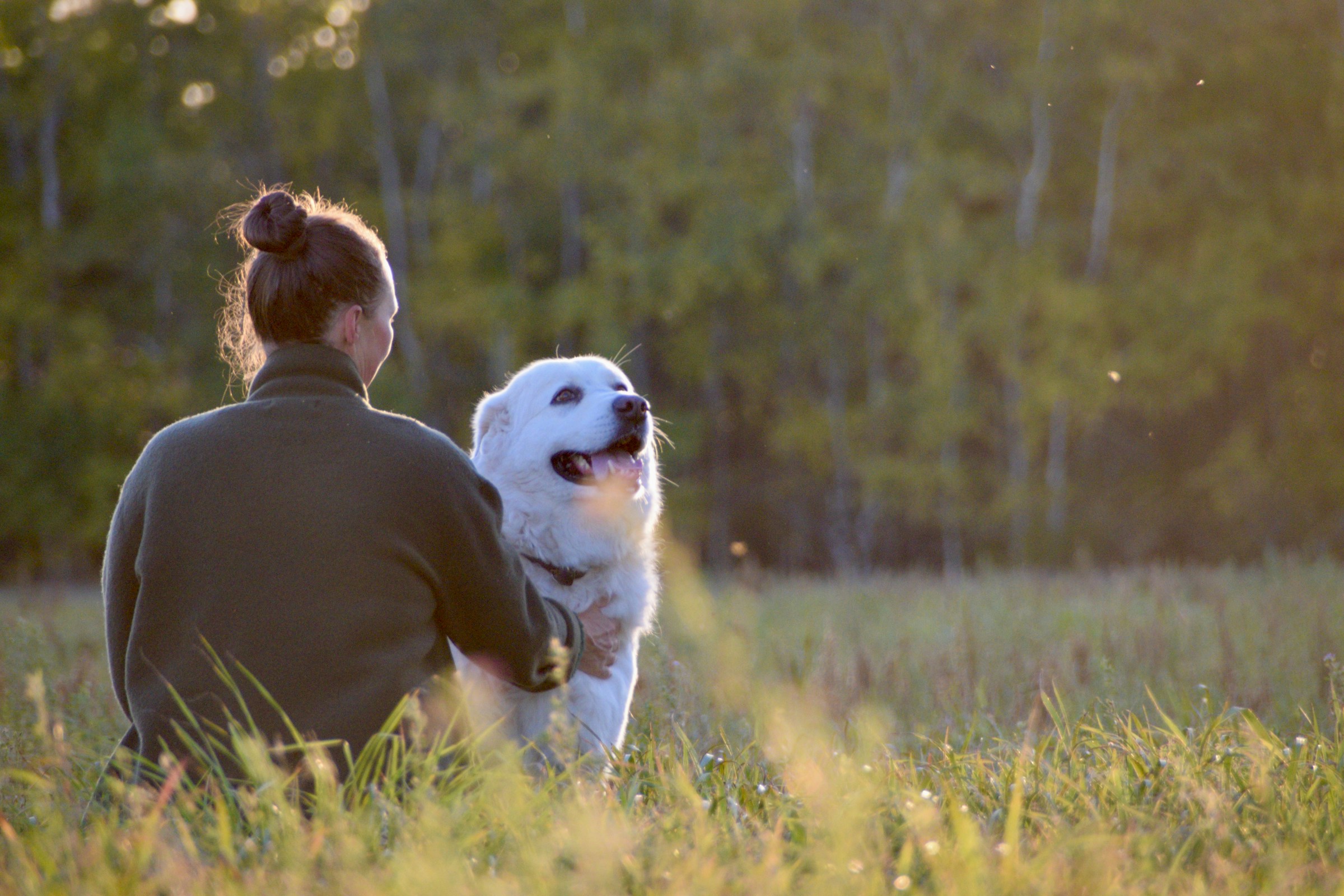
Walk into any shelter and it looks like pure chaos – barking bouncing off concrete, paws scratching at kennel doors, a dozen dogs all begging for the same thing: attention. Most visitors assume every one of those dogs would go home with literally anyone who opened the gate. That assumption is wrong, and shelter staff have known it for years.
Somewhere in that noise, a very specific, very quiet thing is happening. A dog is watching the room, filtering out the crowd, and locking onto one person. Not randomly. Not because that person smelled like a hot dog. Because something in that dog’s wiring just said this one. The signals are small enough that most people walk right past them – but once you know what they look like, you’ll never miss them again.
#1 – The Dog Breaks Eye Contact With Everyone… Except You
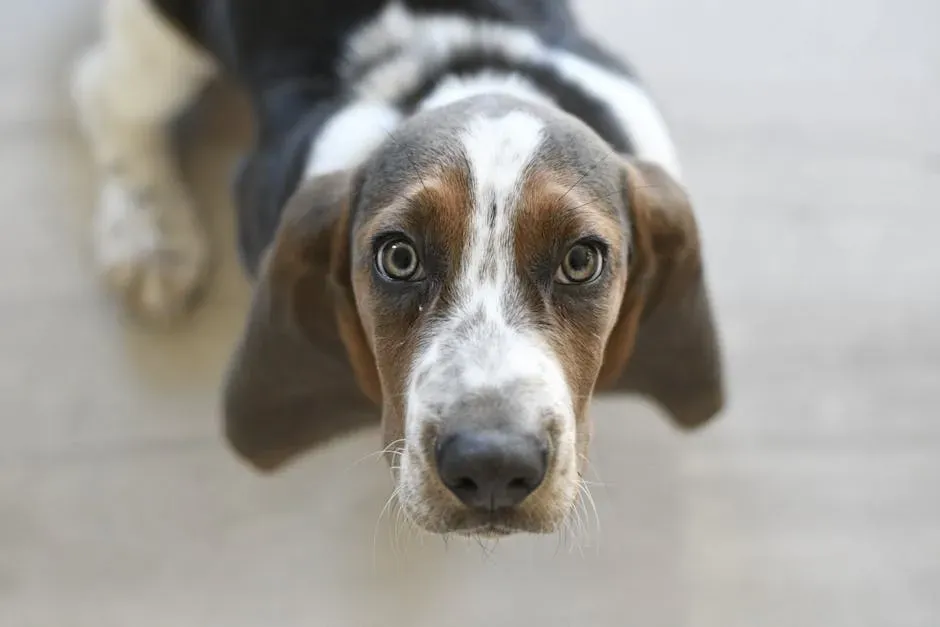
One of the earliest tells is eye contact that isn’t scattered around the room, but laser-focused. Instead of glancing at every passerby, the dog keeps coming back to you like you’re a magnet. Dogs know that sustained eye contact can be risky with strangers, so when a shelter dog softly locks eyes and then relaxes, that’s a genuine social gamble on their part.
Watch what happens next: do they follow your gaze or shift their body to keep you in view? Many chosen humans report feeling oddly “seen” by the dog, like it’s constantly checking where they are. That tracking isn’t needy – it’s assessment turning into attachment in real time.
Fast Facts
- Mutual gaze between dogs and humans triggers an oxytocin release in both species, the same “bonding hormone” that spikes between parents and infants.
- This gaze-based bonding ability is tied to domestication – wolves, even hand-raised ones, rarely hold eye contact with humans this way.
- A shelter dog that initiates and holds soft eye contact within minutes is showing a deliberate, rare act of trust, not habit.
If you step away and the dog’s eyes flick back to you repeatedly, even with other people around, that’s not random fascination. That’s loyalty getting written in real time, before you’ve even said a word.
#2 – They Offer a “Consent Touch” Instead of Just Rushing In
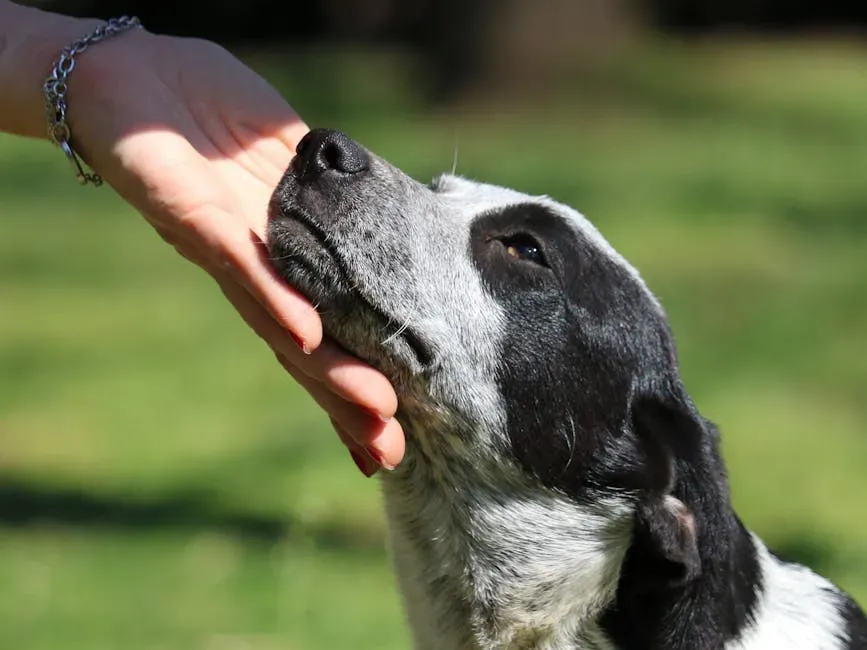
People assume a dog that barrels into your lap is “picking” you, but experienced shelter staff often trust the opposite. The dog that comes close, pauses, and lets you decide is doing something far more mature. This “consent touch” is when a dog moves into your space, then waits for you to initiate contact, gently leaning just enough to ask, “Is this okay?”
You’ll notice this dog doesn’t climb or paw desperately at you the way it might do with familiar staff. Instead:
- They drift toward your knees or side.
- Their body is slightly curved, not stiff or head-on.
The wild part? Many of these dogs completely ignore other people reaching into their kennel, yet approach you with this careful, polite check-in. When a shelter dog treats you like someone whose boundaries matter, that’s not just good manners – it’s the beginning of trust that’s specific to you.
#3 – Their Whole Body Softens When You Speak
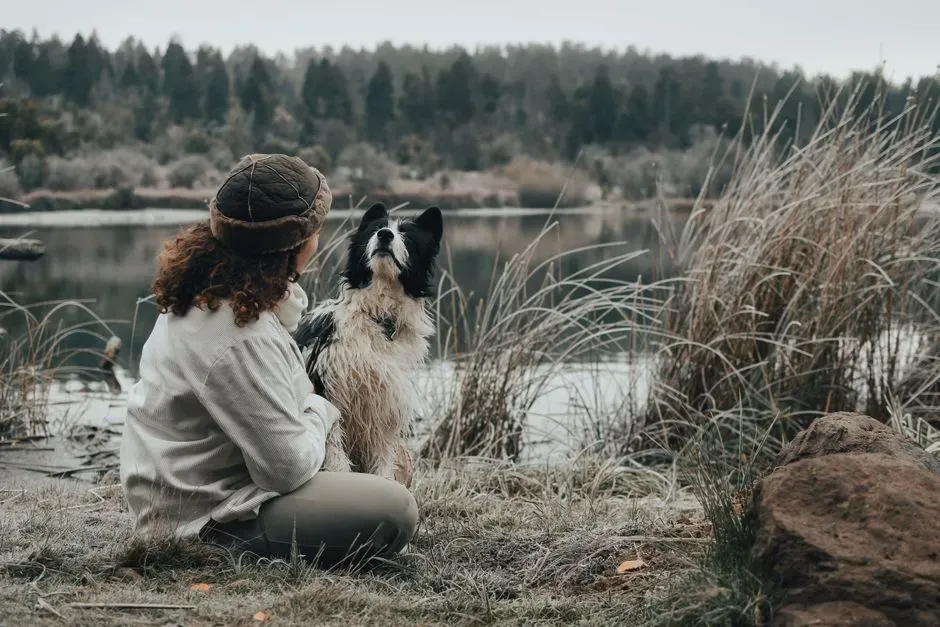
Shelters are loud, chaotic places. Dogs get barked at, walked past, and talked over all day long. So when your voice cuts through that noise and their body visibly melts, pay attention – that’s not a small thing.
A dog that has chosen you often shows what behaviorists call a “soft body” response: shoulders drop, the tail loosens into a gentle wag, the mouth unclenches, the forehead smooths out. Some dogs will even shuffle closer when they hear you talk, as if they’re following the sound more than the person. You might see:
- Ears turning toward you, even from across the room.
- A stressed, pacing dog suddenly sitting the moment you start talking.
Shelter workers will tell you this doesn’t happen with everyone. Some visitors are basically white noise. But when one specific person speaks and the dog’s anxiety visibly drops, that’s a nervous-system-level response – the brain filing you under “safe.”
#4 – They Offer You Their Side or Back, Not Just Their Face
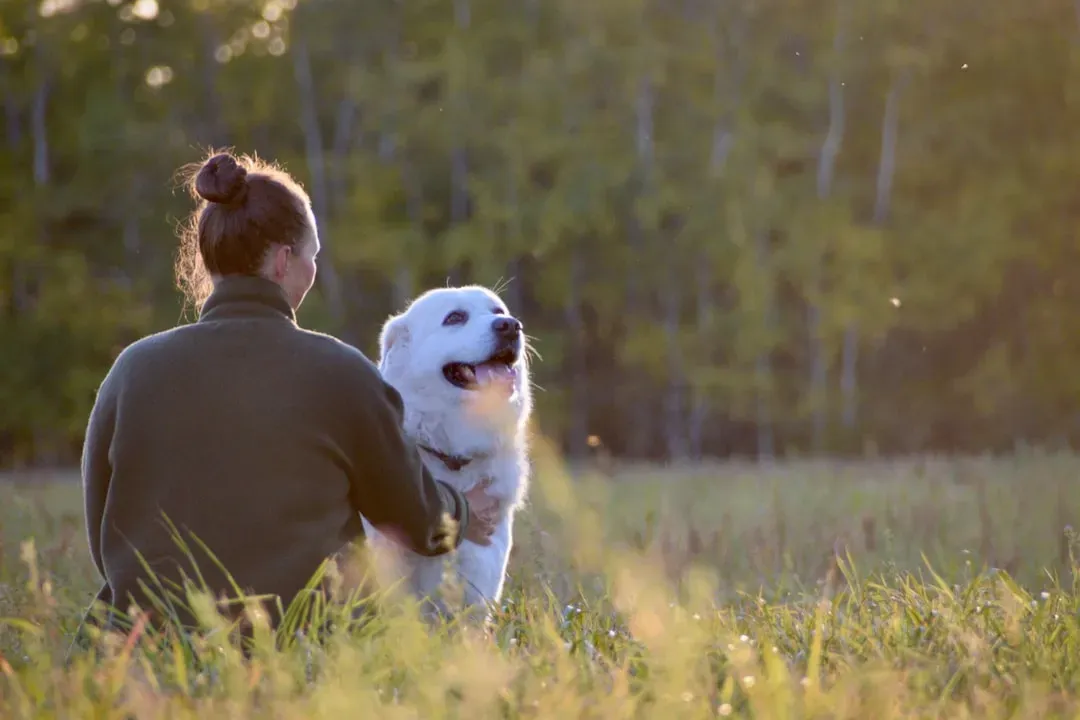
Most visitors want that Instagram moment – dog nose right in the camera, big eyes, straight-on connection. But here’s the twist most people never learn: dogs show deep trust by not being face-to-face. A shelter dog that deliberately turns sideways, shows you its flank, or sits facing away while staying pressed against you is making a massive statement.
In dog language, turning sideways or offering the back is a de-escalation and bonding move. It says, “I’m not here to challenge you; I’m here to be with you.” When that happens within minutes, especially in a busy meet-and-greet room, it’s not generic friendliness – it’s a fast-track trust fall. Watch for:
- The dog leaning a hip into your leg.
- Turning its back to snuggle against you, even with other people nearby.
Some people misread this as the dog not caring about them. In reality, that shoulder-to-thigh or back-to-chest contact is one of the most intimate things a dog can offer a near-stranger.
#5 – They Mirror Your Movements Like a Shadow
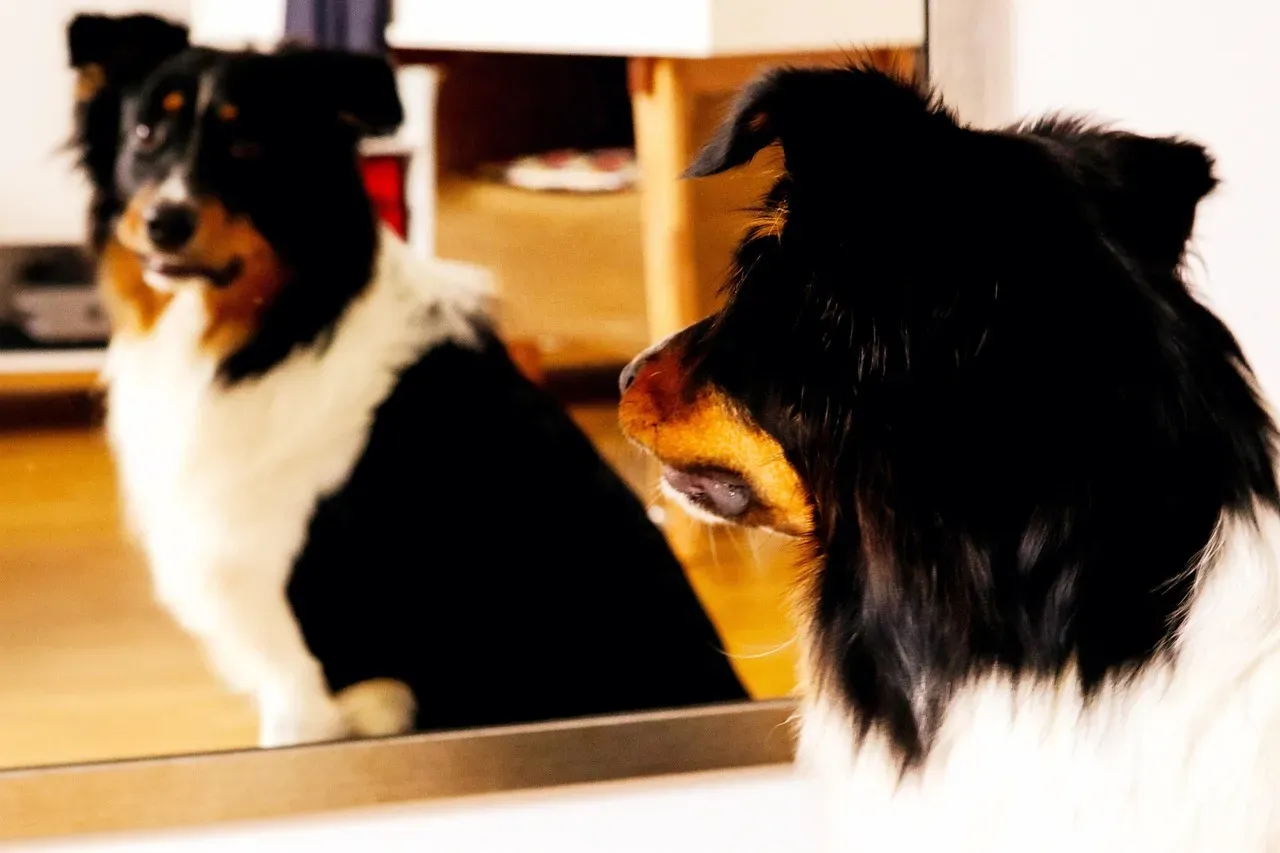
You sit; they sit. You stand up; they stand. You take two steps; they drift two steps. This isn’t just cute – it’s one of the strongest predictors that a dog has mentally hooked onto you specifically. Dogs are world-class social mimics, and the ones forming a quick bond start syncing their posture and movement to yours almost immediately.
In a shelter setting, most dogs are chaotic: jumping, spinning, sniffing everything, reacting to every sound. When one particular dog starts matching your tempo instead, that’s rare. Look for:
- If you move slowly, they stop bouncing and slow down too.
- If you crouch, they lower their body instead of jumping higher.
This kind of mirroring is the canine version of saying, “You’re my reference point now.” Trainers often see this in dogs that later become true “Velcro dogs” at home – the ones that want to be wherever you are, doing whatever you’re doing, all day long.
#6 – They Check In With You Before Investigating Something New
Plenty of shelter dogs will explode into a new play yard, nose down, tail up, mind everywhere at once. But when a dog has quietly picked you, you’ll often see a different pattern – they glance at you first, then move. That tiny look-back before exploring is the foundation of a secure attachment style.
You might open a door to the yard expecting them to bolt. Instead, they step forward, then flick their eyes up to your face as if asking, “We good?” Behaviorists call this a “check-in.” Notice:
- They explore, then circle back to touch your hand or leg.
- When a loud noise happens, they orient to you, not the door or staff.
Quick Compare
- Dog that hasn’t chosen you: Bolts into new spaces without a glance back, chasing every distraction equally.
- Dog that has chosen you: Pauses at the doorway, checks your face, then moves forward with confidence.
- Dog that hasn’t chosen you: Reacts to every noise, person, or dog with the same burst of energy.
- Dog that has chosen you: Filters distractions through you, treating your reaction as the deciding signal.
This isn’t generic dependency; it’s selective. Other visitors might get ignored while the dog is busy sniffing, but with you, its curiosity runs on a string tied straight back to your presence.
#7 – They Bring You a Toy or Object as a Social Test
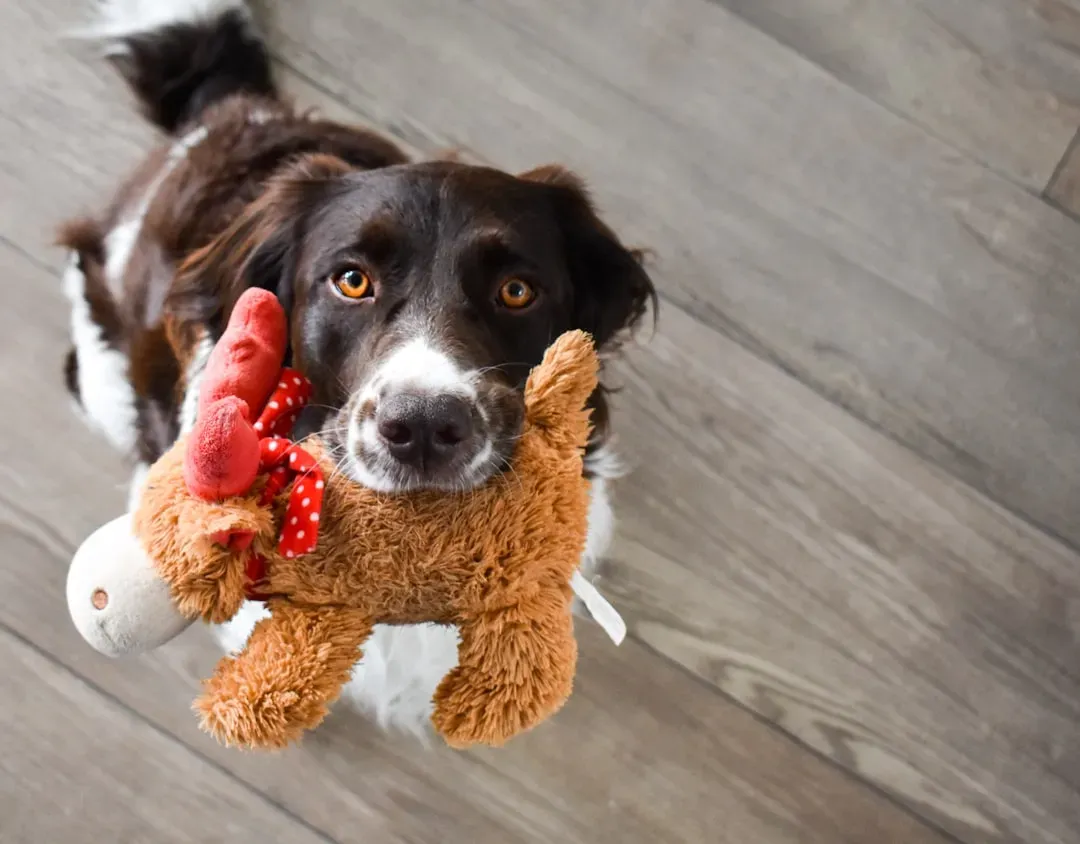
A dog that chooses you often doesn’t just play near you – it recruits you. Within minutes, it may grab a toy, blanket, or random kennel item and deliberately bring it to you. This isn’t only about fetch. It’s a test: “Will you participate in my world?” For a shelter dog, that’s a bold emotional risk.
- Do they drop the toy near your feet, then step back and look up?
- Do they nudge it closer if you don’t immediately react?
That’s social problem-solving in real time. Plenty of dogs will grab toys and self-entertain, ignoring people entirely. The one who repeatedly invites you into the game – especially if it doesn’t do that with staff or other visitors – is drawing a line in the sand: you’re not background, you’re potential family.
#8 – They Choose Calm Touch Over High-Energy Chaos
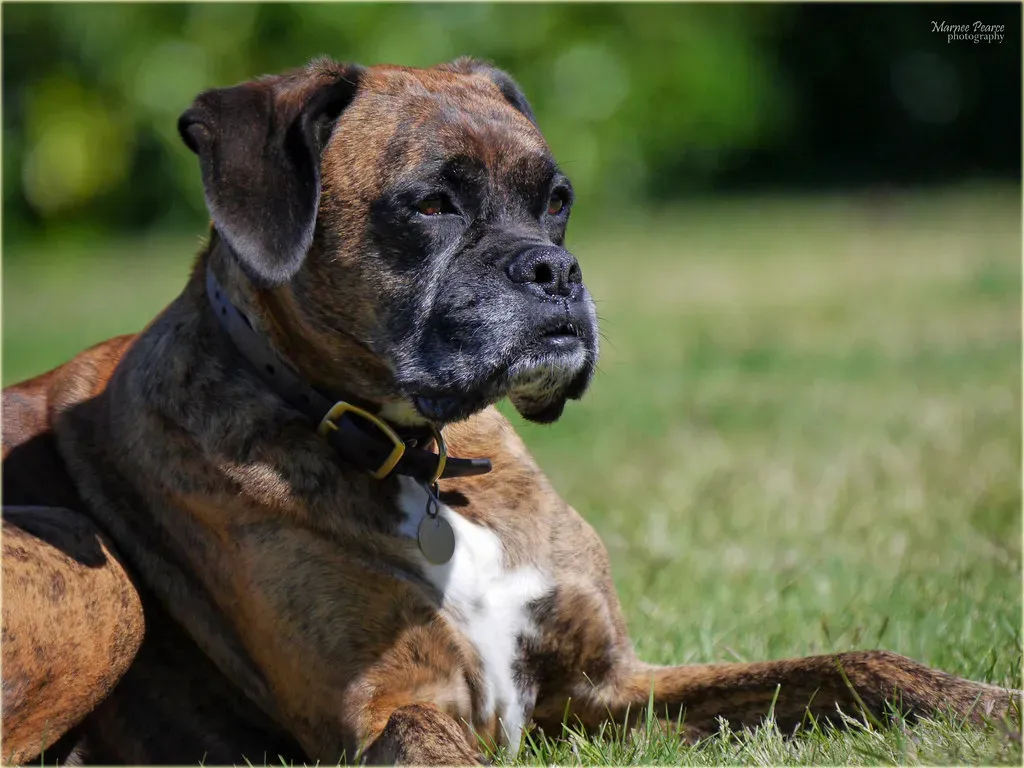
Here’s where many visitors accidentally misjudge the room. They assume the dog that jumps, wiggles, and drowns them in kisses is “most loving.” In reality, the dog that has quietly chosen you may actually lower its own energy to match yours. You reach out slowly, and instead of bouncing off the walls, it presses into your hand and stays there, breathing out a long sigh.
This isn’t laziness; it’s emotional regulation. In a noisy kennel, dogs run on adrenaline. If a dog decides you’re its person, it will often downshift around you:
- Its movements become smoother instead of jittery.
- It seeks your chest, lap, or side for long, steady contact rather than quick drive-by pets.
Shelter workers sometimes see a dog that’s been non-stop hyper for weeks suddenly melt on one specific visitor. That’s not coincidence – that’s nervous-system compatibility. A lot of people overlook this and adopt the loudest, “happiest” dog, then are shocked when that chaos doesn’t calm down at home.
#9 – They Ignore Competing Distractions to Stay Near You
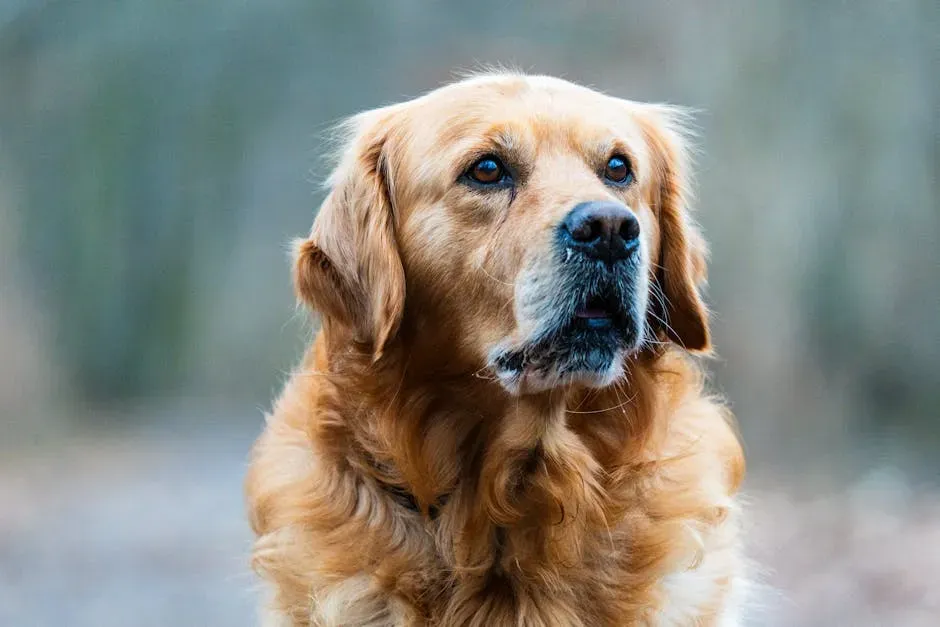
One of the strongest signals a dog has picked you is selective attention. A staff member walks by, another dog barks, a door slams – and instead of flying toward the new stimulus, the dog actively chooses you. It breaks its gaze for a second, then comes right back, almost like it’s decided you’re the important thing in the room.
This matters because shelter dogs are usually overstimulated, conditioned to chase every sound and movement. So if a dog lets barking, people, and doors fade into the background while staying anchored to your space, that’s huge. Notice if:
- They reposition themselves to keep you in their line of sight when something loud happens.
- They move away from the front of the kennel toward you, even if that means less visibility.
Plenty of dogs will flirt with every passerby equally. But the dog that hears chaos and still leans into your leg is showing you a different priority list – you’ve already jumped to the top, before you’ve even signed the paperwork.
#10 – They Show You a “Mini Version” of Separation Anxiety
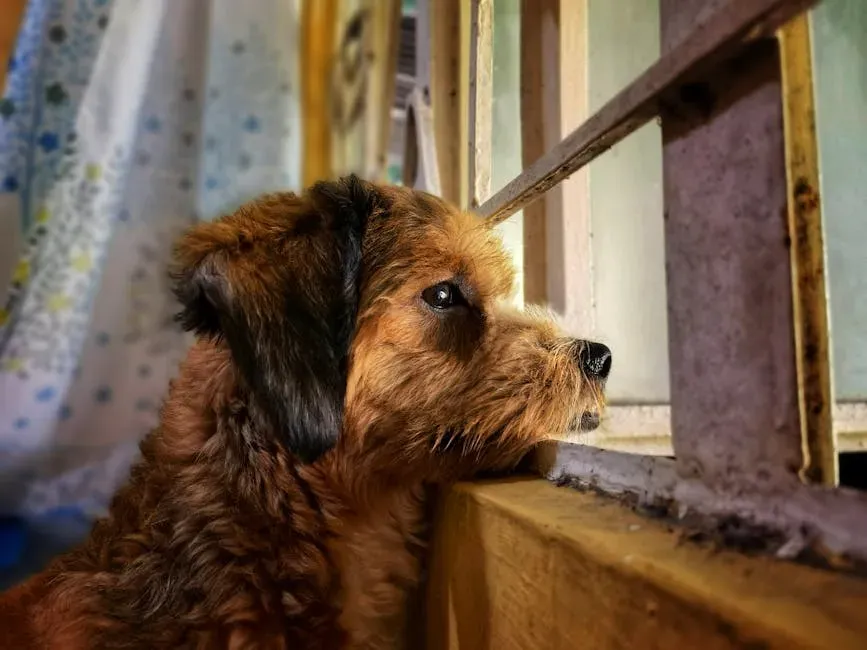
This one sounds scary, but in small doses it’s actually a huge hint. When you step away – even just to talk to staff – does the dog watch you leave and visibly worry more than it did for anyone else? It might whine softly, pace toward the door, or stretch its neck as far as it will go to keep you in sight. Then, the second you come back, its body relaxes like it had been holding its breath.
True, full-blown separation anxiety is a serious issue, and that’s not what we’re describing here. We’re talking about:
- Brief distress only when you leave the area.
- Quick recovery and joy the moment you return.
Worth Knowing
- True separation anxiety is a diagnosable behavioral condition that often needs a vet or certified behaviorist to properly treat.
- It typically shows up as destructive behavior or prolonged panic, even around familiar caregivers – not just brief pacing at a shelter.
- The mild “watch you leave, relax when you return” pattern described here reads as an early bonding signal, not a red flag.
Shelter dogs see people come and go all day and barely react. If, after only a few minutes, one dog is visibly invested in whether you stay or go, that’s an early emotional claim. It isn’t panicking at being alone in general – it’s panicking at the idea of losing this specific connection it just found.
#11 – They Offer Vulnerable Positions: Belly, Stretch, or Slow Blink
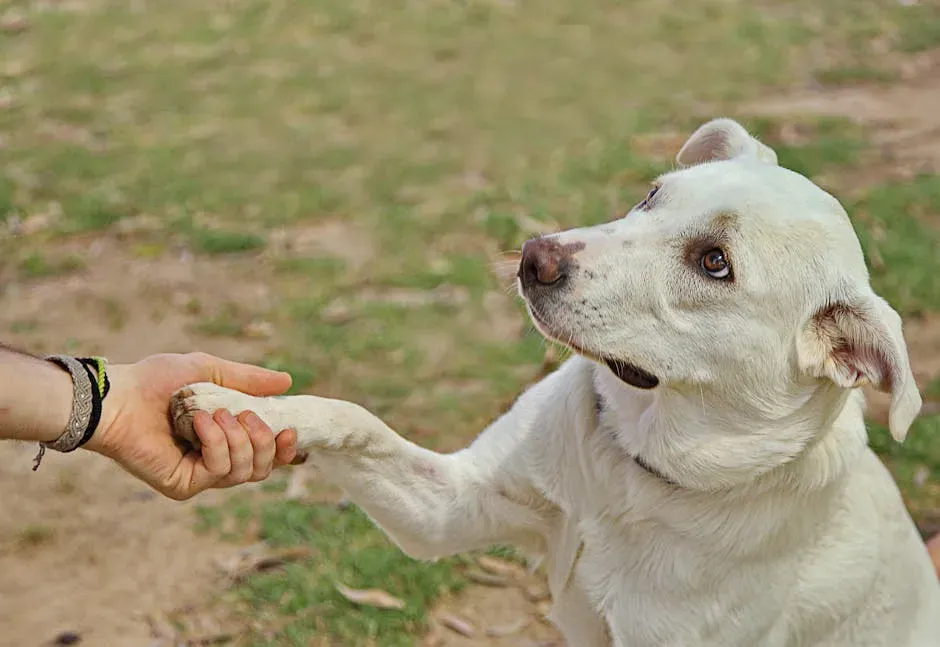
People love to say, “He showed me his belly, so he must trust me.” That’s partially true, but context matters. In a shelter, rolling over can also be appeasement or even stress. The difference when a dog has chosen you shows up in the rest of the body – loose legs, soft eyes, slow blinking, a gentle tail wag, not stiff, frozen, or frantic.
You might see them flop on their side near you, stretch out long with their paws toward you, or roll onto their back with a big, relaxed exhale. The slow blink is especially telling – it’s the dog version of lowering their guard. What’s wild is this same dog may never offer these positions to staff they’ve known for weeks.
Some rescuers will argue that belly-up isn’t always trust, and they’re right to be cautious. But when the rest of the body stays soft as you move or talk, that’s not submissive fear – that’s a dog betting on you.
#12 – They “Adopt” You as a Resource Guard – In a Gentle Way
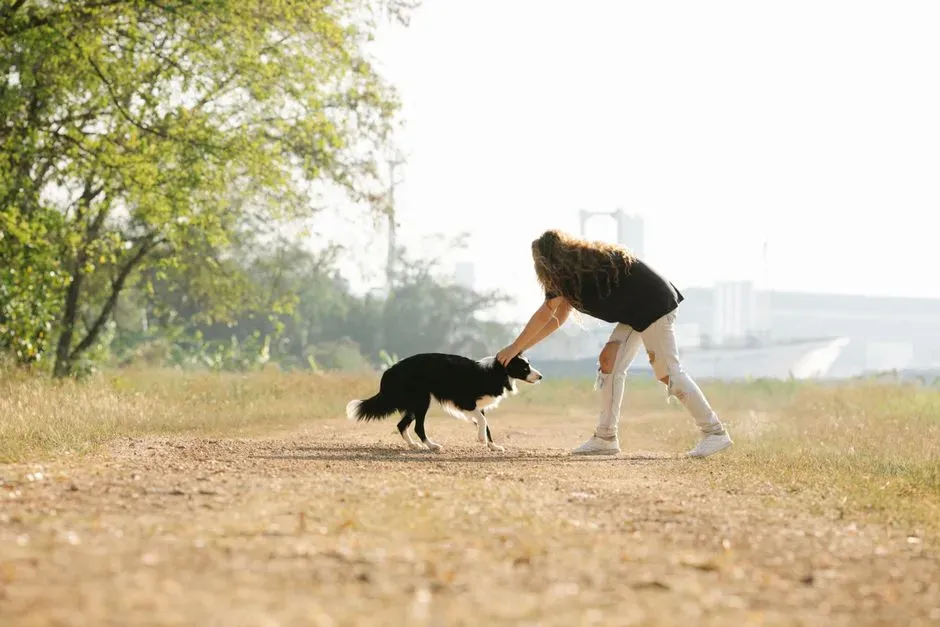
Resource guarding sounds negative, but there’s a softer, more social version that shows up when a dog has picked its person. Within minutes, you might notice the dog subtly positioning itself between you and other dogs or people. No growling, no lunging – just quiet, consistent body blocking. Look for:
- The dog stepping slightly in front of you when someone else approaches.
- Leaning harder into you when another dog comes near.
At a Glance
- Gentle version: quiet body-blocking, leaning in, no growling.
- Concerning version: growling, snapping, or guarding food and toys aggressively.
- If you only see the gentle version, it’s almost always attachment, not aggression.
True resource guarding needs training to manage, and that’s worth saying plainly. But the light, early version is a sign the dog already sees you as theirs. In a shelter, where quiet and safety feel scarce, choosing one person to quietly guard is a big emotional move – its clumsy way of saying, “I finally found something good, and I don’t want to lose it.”
#13 – They Quiet Themselves Down When You Decide to Leave
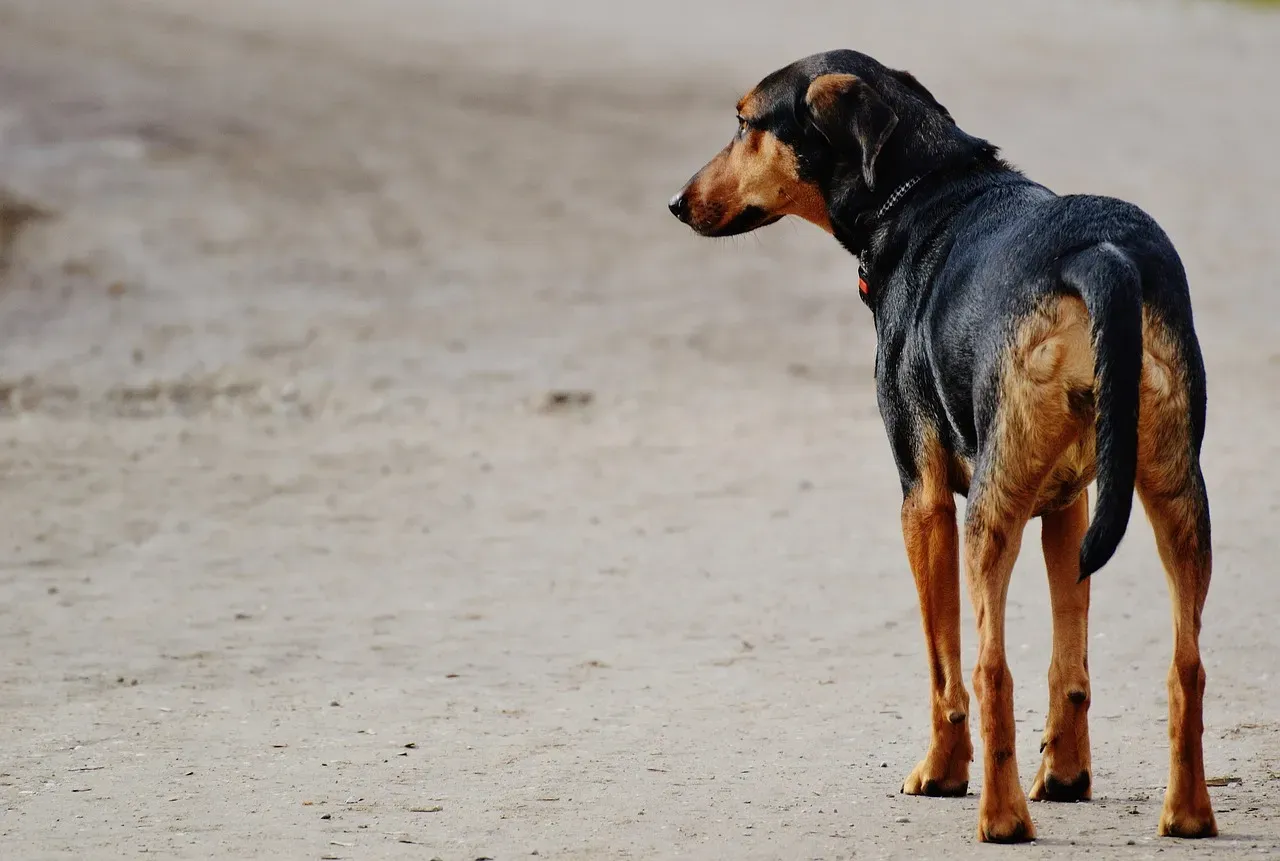
Here’s the one almost nobody talks about: how the dog behaves when you actually walk away for real. Some dogs escalate – barking, clawing, howling – at everyone who leaves. That’s not choosing you; that’s general frustration. The dog that has chosen you often does something eerily mature instead: it tracks you leaving, then deliberately settles, as if accepting your decision while waiting for another chance.
- It watches you go with focused, almost sad eyes.
- Then it moves to its bed, curls up, or sits quietly at the back of the kennel.
The one who broke my heart was the dog who went silent after I left.
Longtime shelter volunteer
That silence isn’t apathy. It’s a dog who just made a big, fast emotional investment and is now protecting whatever’s left of it. When you’re the person it does that for, you’ll feel it in your gut. That’s not a random dog. That’s your dog, waiting for you to catch up.
The Bottom Line
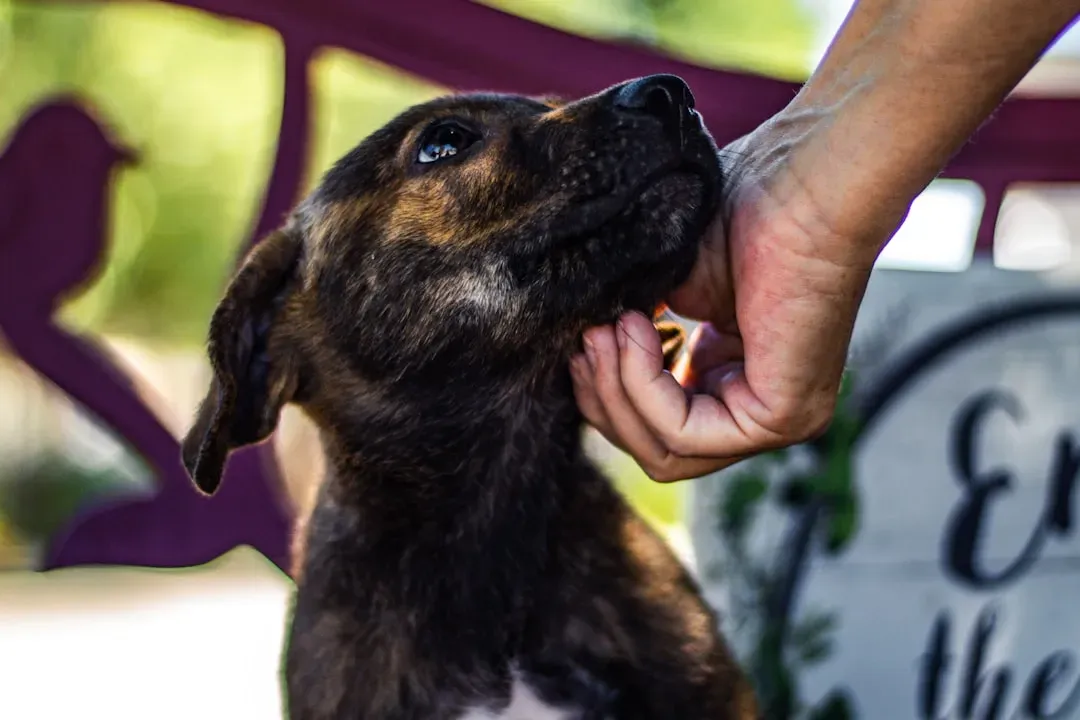
Shelter dogs are not blank slates begging any warm body to take them home. They’re constantly reading, choosing, and betting on specific humans, often within the first ten minutes. The dog that softens at your voice, mirrors your movements, checks in before exploring, and quietly resigns itself when you walk away is telling you something most people are too distracted to hear: they’re not begging, they’re offering a partnership.
The uncomfortable truth is that a lot of adopters walk right past this dog for the louder, flashier one bouncing off the kennel door. You don’t have to adopt every dog that likes you, but you owe it to them to read their language honestly instead of chasing the easiest, loudest performance in the room. When a shelter dog chooses you that fast, it isn’t magic – it’s attachment science, survival instinct, and real emotion colliding in one fragile moment, and it deserves to be taken seriously.
Have you ever felt a dog “claim” you in a shelter or rescue? Drop your story – and yes, your disagreements – in the comments.