
17 Details Experienced Fosterers Read in a Dog That Nobody Has Managed to Settle Before They Arrived
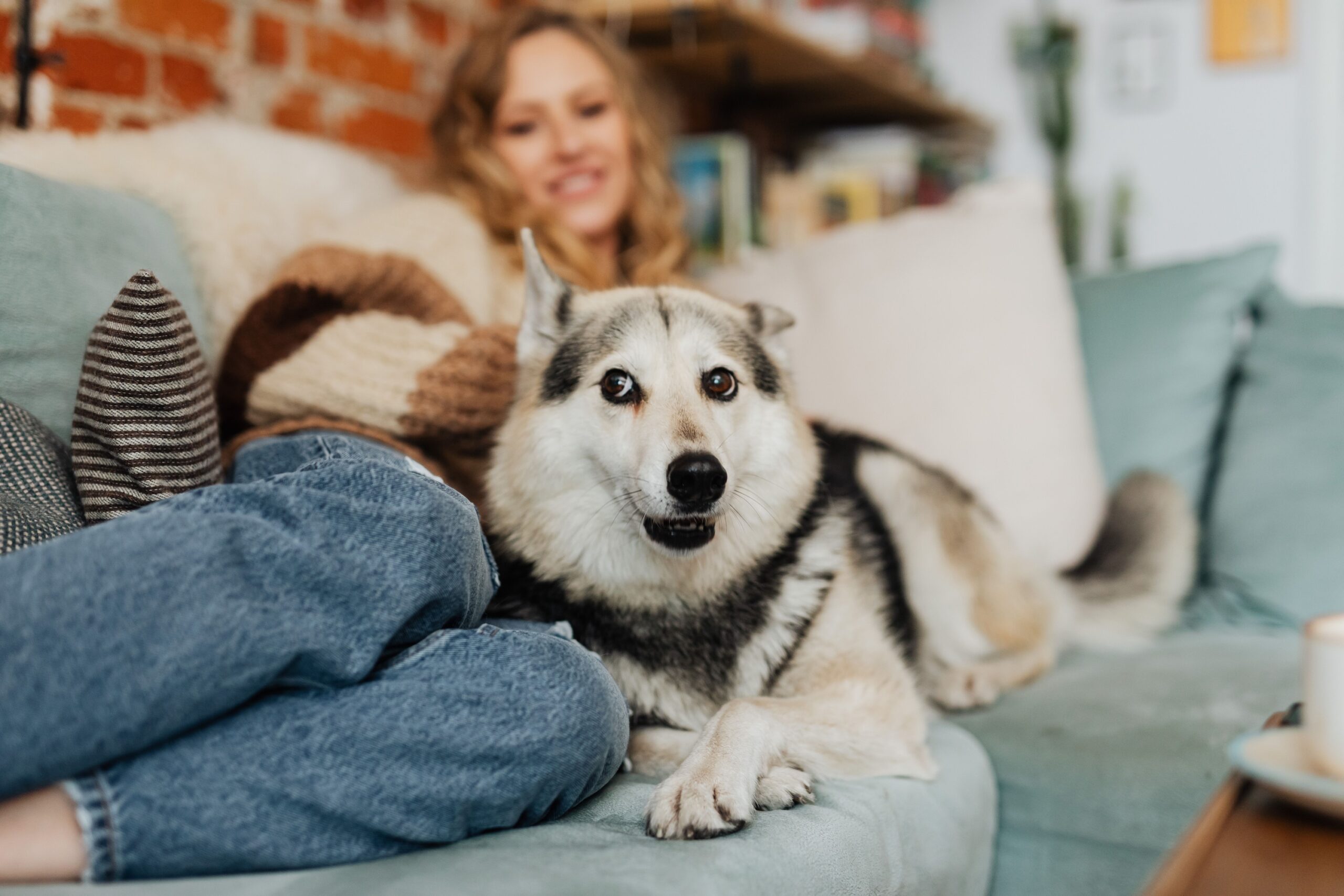
Everyone assumes it takes months to really know a dog. Ask a foster parent who’s brought home a dozen ‘unadoptable’ cases and they’ll tell you something different: the real read happens in the first few hours, sometimes the first few minutes.
It isn’t magic or some sixth sense. It’s a mental checklist of tiny signals most people walk right past – a frozen tail, a flinch at a doorway, the way a dog eats like it’s being timed. These are the exact details that separate a dog labeled ‘too much to handle’ from one that quietly becomes somebody’s easiest, most devoted companion. Here are the 17 things seasoned fosterers notice before the leash even comes off.
#1 – The First 10 Seconds at the Door
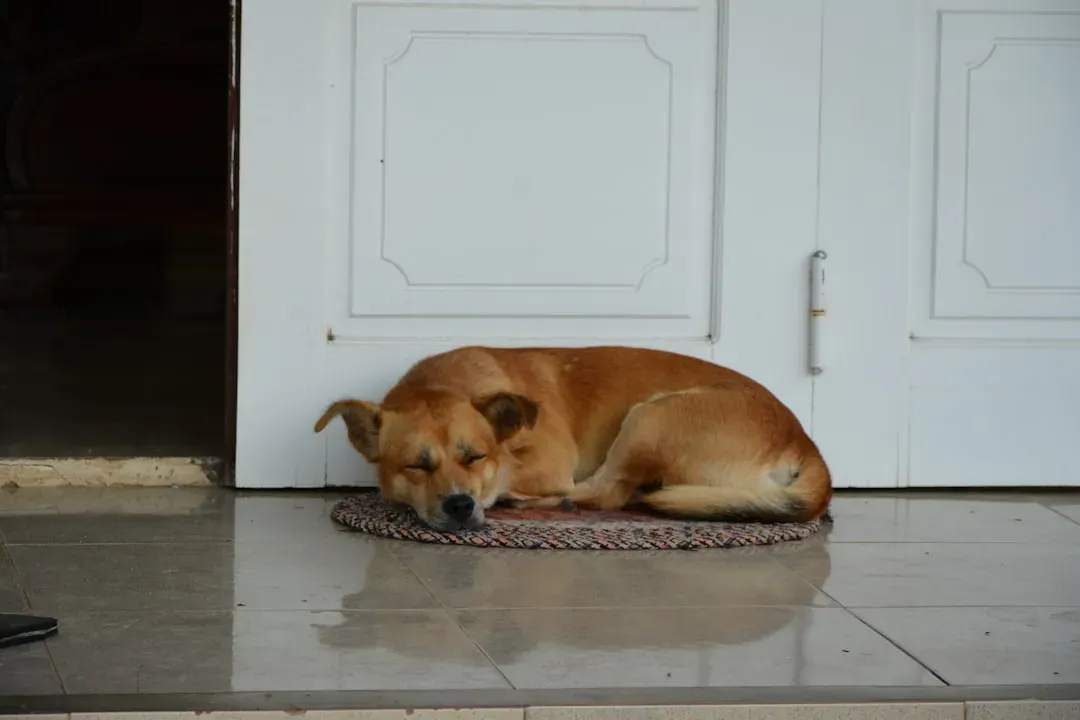
The way a dog crosses your threshold in the first ten seconds is a goldmine of information. An experienced foster isn’t thinking “aww, cute” or “uh-oh, chaos.” They’re clocking breathing rate, eye movement, and how the dog uses its feet.
A dog that freezes at the doorway but doesn’t retreat is often overwhelmed, not stubborn or “dominant.” A dog that explodes into zoomies might be running on panic, not joy. Seasoned fosterers watch for whether the dog looks back at the handler, and whether it scans the whole room or laser-focuses on one thing.
- Does the dog look back at the transporter or handler?
- Do they scan the environment or lock onto one object?
Slow, sweeping sniffing is a good sign of curiosity and problem-solving. A dog that slams into furniture or people without adjusting is usually in sensory overload, not “hyper” – its brain simply hasn’t learned to self-regulate yet. Wait until that same dog steps into the quiet of the living room, because that’s when the real diagnosis begins.
#2 – How They Take a Treat (or Refuse One Completely)
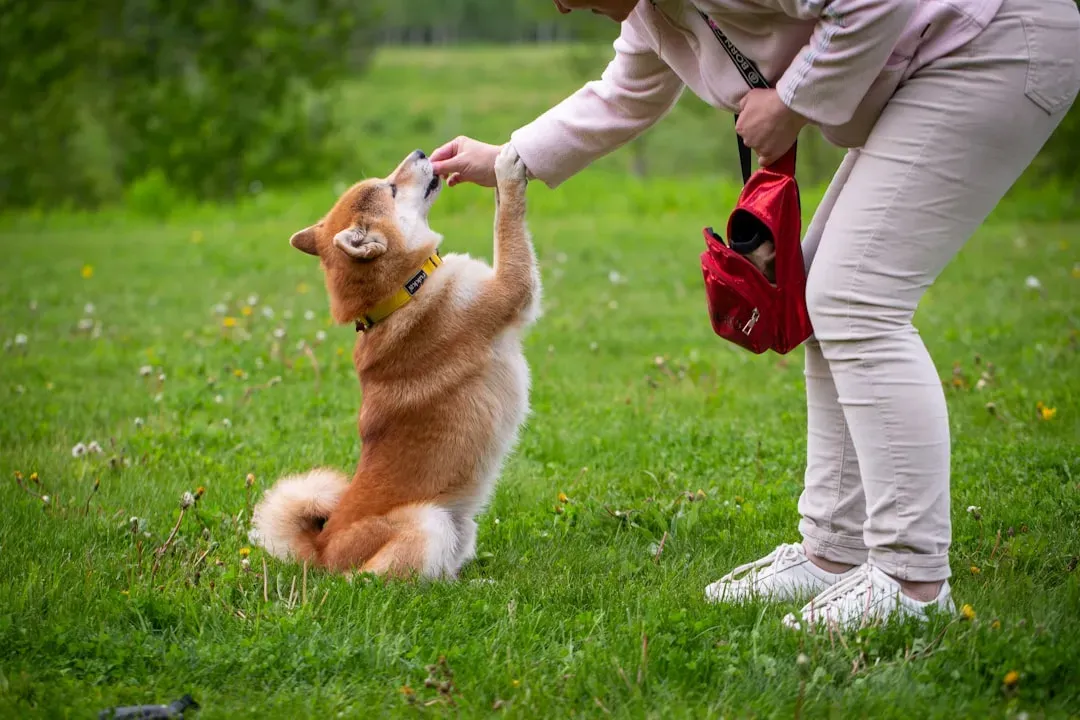
Most new owners just want a dog to “take it gently.” Fosterers read that one moment like a diagnostic test. A dog who won’t take a high-value treat in a calm environment is often more stressed than it looks – if food doesn’t rank, stress almost always does.
That’s an early flag that the dog isn’t ready for training games yet, no matter how many commands it already knows. Then there are the grabbers: a desperate, snatching mouth isn’t always bad manners. It can point to a history of scarcity, resource guarding, or a dog that was free-fed garbage and never learned to work for food.
- Change the treat’s size and texture immediately
- Experiment with tossing the treat versus hand-feeding it
At a Glance: The Treat Test
- Won’t touch a high-value treat: stress is likely outweighing hunger
- Snatches and gulps fast: possible history of food scarcity
- Softens after a few reps: usually just inexperienced, not damaged
- Escalates instead of calming: often points to deeper neglect
Fosterers watch whether the dog softens after a few repetitions or doubles down on frantic behavior. A dog that relaxes within a few treats is usually trainable and simply inexperienced. The one who escalates is telling you something deeper about neglect – and that’s only the beginning of what shows up once the house finally goes quiet.
#3 – What They Do the Moment the House Goes Silent

Most people judge a dog by how it acts when everyone’s around. Experienced fosterers care far more about who the dog becomes when the stimulation drops. About 20 to 30 minutes after arrival, once the novelty wears off, they stop talking, sit down, and do nothing.
What the dog chooses in that silence is brutally honest. A dog who paces, whines, or shadow-stalks the human is often battling separation sensitivity or chronic hyper-arousal – not “clingy in a cute way,” but wired to the edge. The dog who flops down facing away, with one ear turned back, is trying to rest while still monitoring for danger. It’s a survival pattern, not a preference.
- Does the dog settle near a door, a corner, or a person?
- Does their breathing deepen or stay fast and shallow?
They’re not just noting where the dog lies down. They’re reading how safe that dog feels inside its own skin – and that’s nothing compared to what shows up in the dog’s very first attempt at real sleep.
#4 – How They Fall Asleep, If They Can Fall Asleep At All
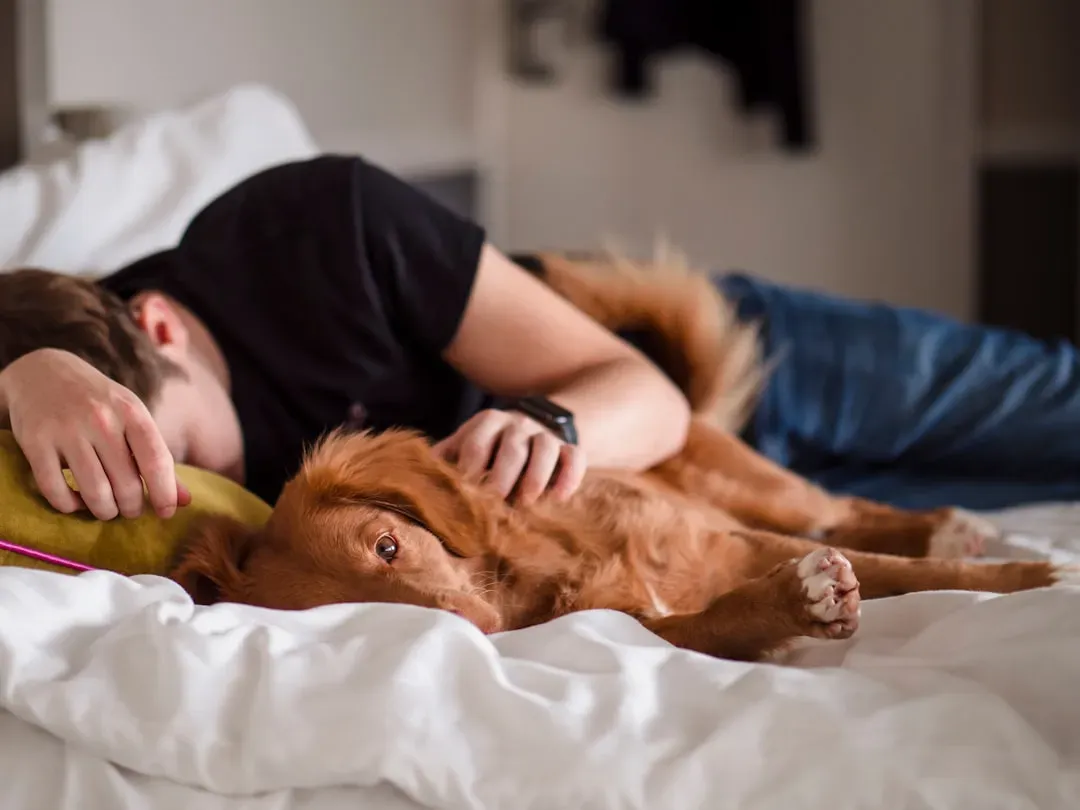
Sleep is where the truth leaks out. Shelter staff usually only see restless, broken sleep – they rarely get to watch what happens once a dog has an actual home environment. A dog’s first real sleep tells you more about its nervous system than any obedience test ever could.
Many trauma dogs don’t sleep like a dog at all – they sleep like a soldier. Some collapse in a heap, then jolt awake at the slightest sound, eyes wide and scanning. Others refuse to lie down fully, hovering in a half-sit, half-sphinx position, because some part of their brain is still convinced it isn’t safe to switch off.
- Do they curl tightly, or stretch long and loose?
- Do they twitch, whimper, or startle in their sleep?
A dog that finally sighs out a long, slow breath and stretches sideways is hitting the first real stage of decompression. Fosterers remember the exact moment it happens – but nothing prepares you for what a dog reveals just trying to walk through a doorway.
#5 – How They Move Through Doorways and Tight Hallways
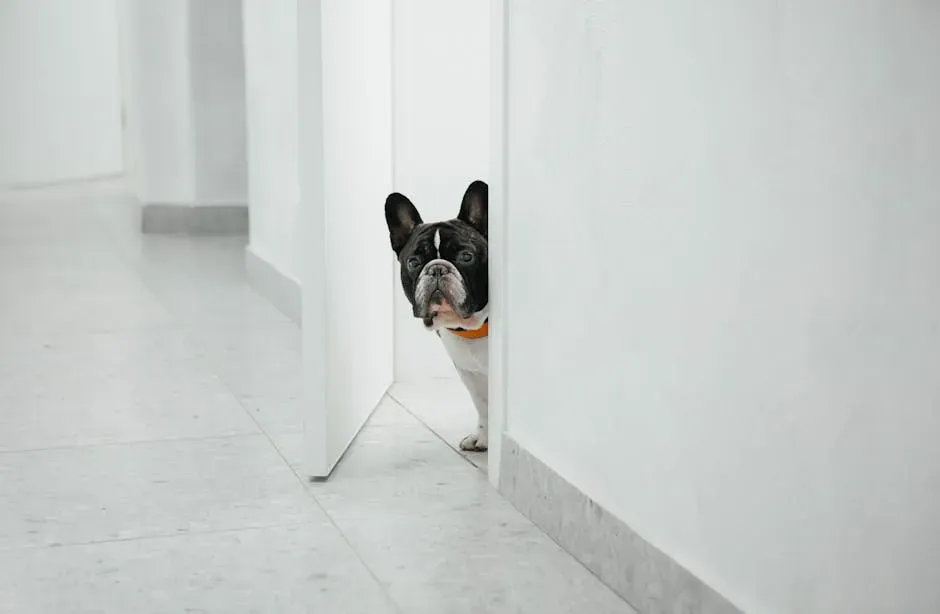
New owners often coax or gently tug a dog through a doorway, assuming stubbornness. Seasoned fosterers watch the micro-movements instead. Dogs who hesitate, duck, or side-step through doors are often telling you a history of being shoved, kicked, or trapped.
They may never growl, but their body is screaming “last time I went through here, something bad happened.” Hallways are just as revealing – a dog who consistently hugs the wall or won’t pass a human in a corridor isn’t shy, it’s practicing learned self-protection.
- Does the dog rush through and then spin around, checking what followed?
- Do they flatten when a human passes them in a tight space?
Fosterers deliberately practice walking in wide arcs, letting the dog go first, and never cornering it. Over a few days they can see whether the dog’s body loosens or the flinch stays put – a detail everyone else overlooks completely. But nothing compares to what shows up the second the food bowl hits the floor.
#6 – Their First Meal: What the Bowl Reveals

Feeding time is where most people see either “good eater” or “picky.” Experienced fosterers see an entire emotional biography playing out around a stainless-steel bowl. A dog who eats like a vacuum, barely breathing, isn’t just hungry – it’s often a dog who has competed for food or gone without.
A dog who stares at the bowl, then at the human, then back at the bowl is showing uncertainty and permission-seeking, not stubbornness. Fosterers watch ear position, whether the dog flinches at the bowl hitting the floor, and how close a hand can get before tension appears.
- Ear position when the bowl is put down
- Whether the dog flinches at the sound of the bowl hitting the floor
- How quickly they can move a hand near the bowl without tension
Some fosterers scatter food on the floor to see if the dog softens while foraging but tenses up at the bowl – a pattern that usually means bowl equals pressure, competition, or punishment somewhere in that dog’s past. This is nuance a shelter note will never capture, and it’s nothing compared to what a dog’s tail gives away.
#7 – Tail Language That Goes Way Beyond “Wagging = Happy”

Most people think wagging means happy and tucked means scared. Seasoned fosterers know that’s kindergarten-level dog reading. Tail position, speed, and pattern are all data – a high, fast, tight wag can be closer to agitation than joy, while a low, slow, wide wag can be cautious friendliness.
The motion that matters most is the micro-pause. A tail that freezes mid-wag the moment a hand approaches is a huge tell – it often signals a dog who’s learned that touch is unpredictable. Not aggressive, not moody. Just uncertain.
Dogs do speak, but only to those who know how to listen.
Orhan Pamuk
- Does the tail stop for a split second when you reach out?
- Is the wag one-sided or full-body?
Some dogs keep the tail neutral but wag only the tip, like a metronome – that can signal guarded interest, especially in dogs punished for showing big emotion before. Fosterers combine the tail with ear posture and eye softness, because one body part alone never tells the whole story.
#8 – How They React to Touch They Didn’t See Coming
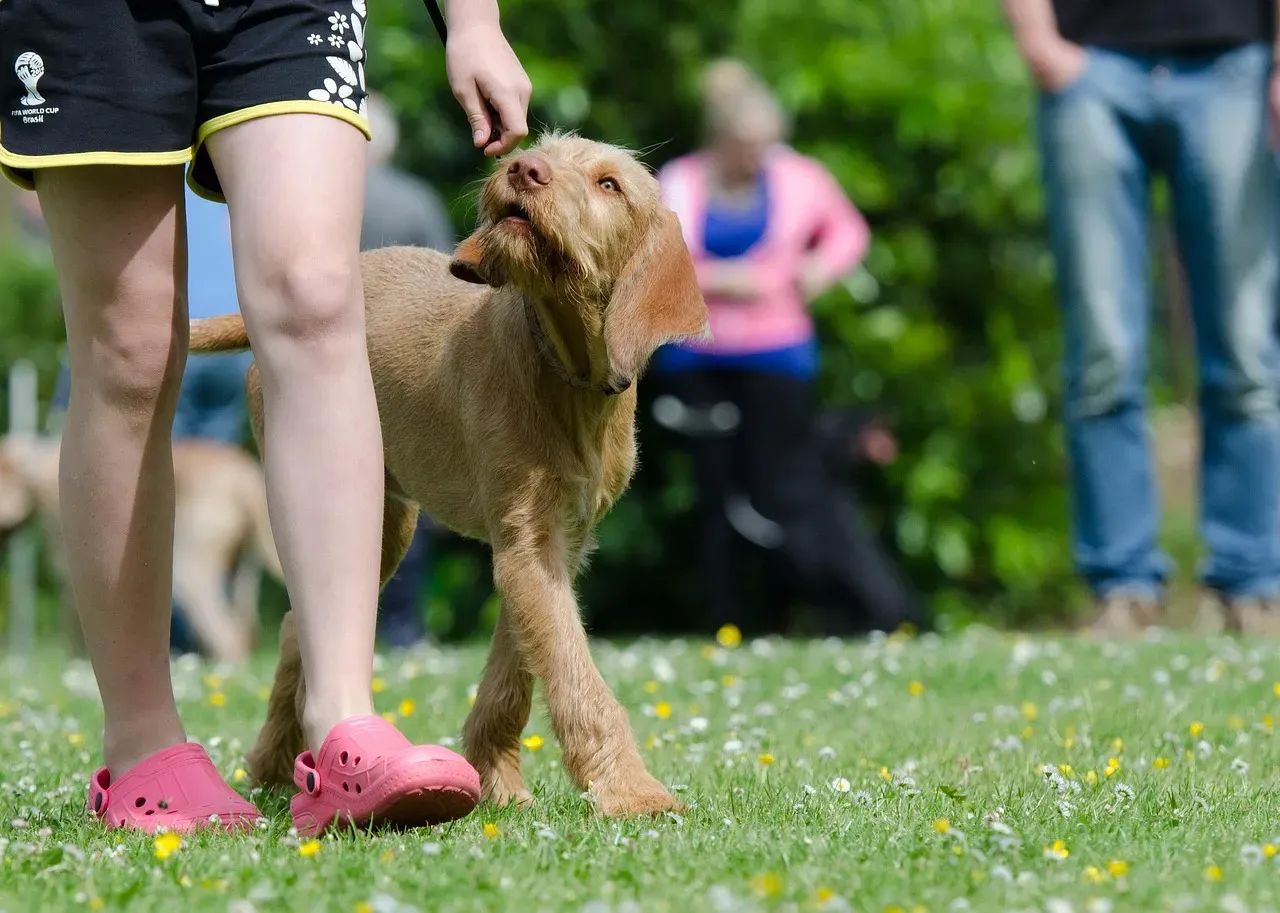
Everyone wants to pet the new dog right away. Experienced fosterers often pretend not to. Instead they “bump” the dog lightly with a leg walking past, brush a hand across its back while sitting down, or let a jacket sleeve graze it – how a dog processes these accidental touches is one of the most under-rated assessments there is.
A dog that startles, flinches, or ducks at light, casual contact has a nervous system on edge. That doesn’t automatically mean abuse – it can simply mean a lack of exposure. But a dog that stiffens, then licks rapidly, yawns, or turns its head away, is showing appeasement, not “cute kisses.”
- Do they move toward or away after the touch?
- Do they glance at the human’s face, the hand, or the exit?
Some dogs tolerate deliberate petting fine but react more honestly to incidental contact, simply because it’s less predictable. Fosterers use that honesty as a roadmap – it’s often the reason they can predict which dogs might bite “out of nowhere” months down the line.
#9 – Where They Choose to Hide, and Why It Matters
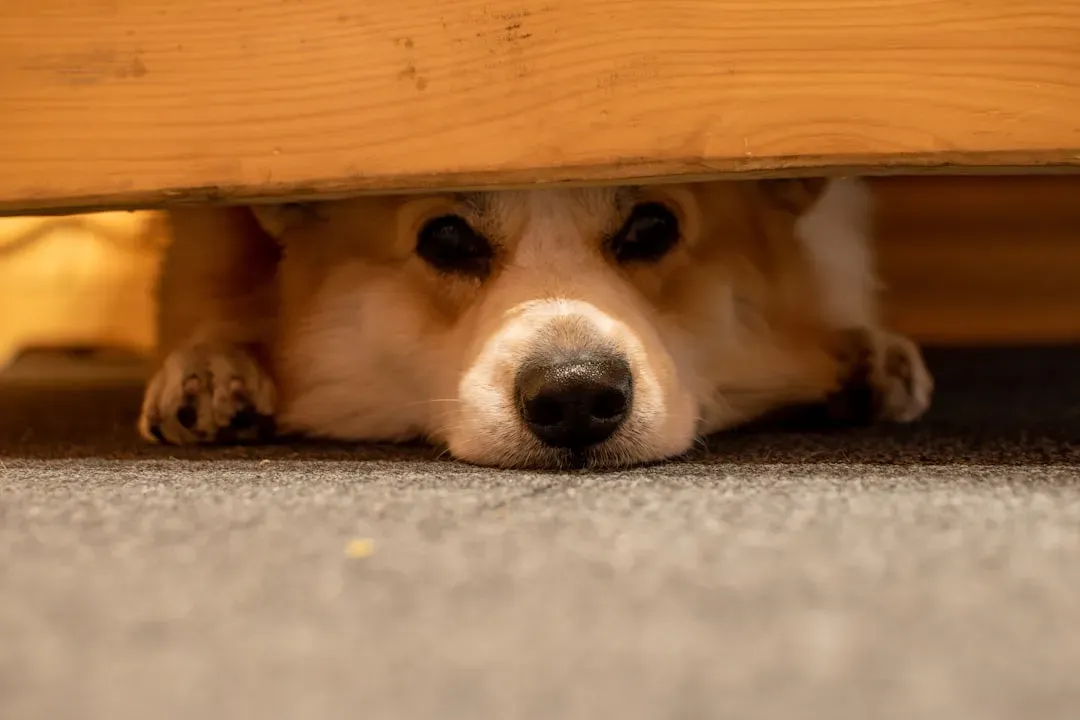
Most people see a dog hiding under a table and think, “they’re scared, leave them alone.” Seasoned fosterers agree on giving space, but they’re also mapping the why behind the where. A dog who picks a spot with at least two exits isn’t just hiding – it’s strategizing an escape route.
A dog who burrows behind a toilet or into a closet is looking for hard containment and darkness, classic “I need a bunker” behavior. Dogs who hide but keep a visual on the room are cautious observers gathering information before engaging; dogs who choose blind, cramped spots are usually more overwhelmed or have a history of being confined in crates.
- Is the spot elevated, ground level, or fully enclosed?
- Can the dog see the main living area, or are they choosing total isolation?
Quick Compare: Hiding Spot Types
- Spot with two exits: strategic, escape-minded planning
- Behind furniture or in a closet: seeking dark, hard containment
- Visual on the room: cautious observing, not true panic
- Blind, cramped corner: overwhelmed or a past history of crate confinement
A fosterer will often sit nearby, scrolling their phone or reading, letting the dog watch without any pressure. That wait-and-see period reveals more than forced interaction ever could – and it’s nothing compared to what surfaces the first time real household chaos hits.
#10 – Their First Encounter with Ordinary Household Noise
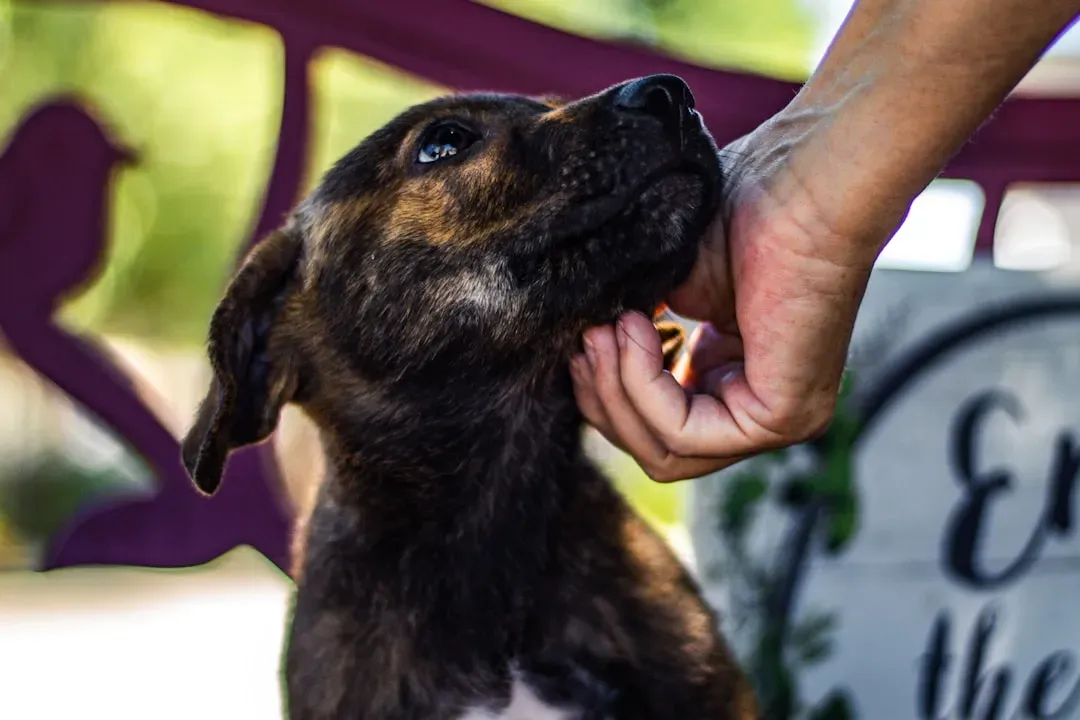
Vacuum cleaners, dropped pans, doorbells, kids yelling down the hall – this is where a lot of “failed” dogs unravel. Experienced fosterers almost schedule this moment, not to toughen the dog up, but as a genuine reality check. Reactivity to normal noise isn’t just nervousness; it’s a window into sensory processing and prior environment.
Did the dog come from a quiet rural life, a hoarder house, or a kennel with constant barking? The reaction tells the story. Fosterers watch whether the dog bolts away, rushes toward the sound, or freezes, and whether it recovers in seconds or stays wound up for an hour.
- Do they bolt away, rush toward, or freeze?
- Do they recover within seconds, or stay on edge for an hour?
A dog who startles hard but then investigates with careful sniffing is usually workable. One who startles, barks, and can’t come down for a long stretch may need a real decompression plan and a quieter forever home. This is where experienced fosterers push back on the myth that any dog can adapt to anything – some simply can’t, and that’s not failure, it’s information.
#11 – The “Dog At a Distance” Test
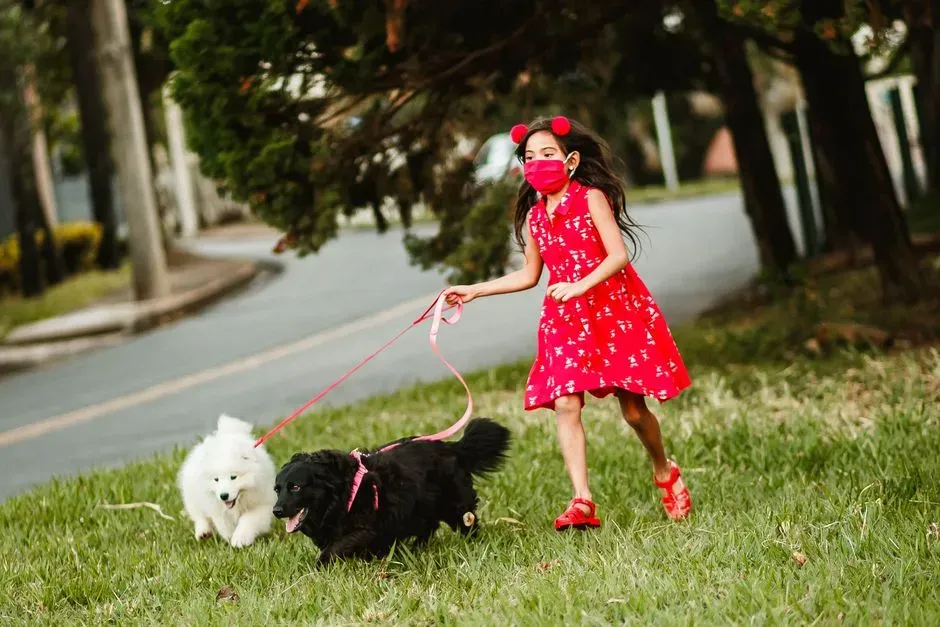
Most people focus on direct meet-and-greets: nose to nose, leashes tangled, humans over-talking. Seasoned fosterers care far more about what happens when their foster dog spots another dog from a distance. The long-range read is almost always more honest than the messy close-up.
They watch whether the body stretches forward or locks in place, whether the ears are pricked, neutral, or pinned, and whether the tail is doing slow sweeps, high stabs, or tight little circles. A dog who pauses, then offers a head-turn or a sniff to the ground, is trying hard to self-regulate – that’s gold.
- Does the dog’s body stretch forward or lock in place?
- Are the ears pricked, neutral, or pinned back?
- Is the tail doing slow sweeps, high stabs, or tight circles?
A dog that freezes into a hard, unblinking statue for several seconds is rehearsing a very different story – not necessarily aggression, but intense emotion with poor coping skills. Fosterers change distance, angle, and speed deliberately to see how the response shifts, which is how they predict which dogs will thrive in multi-dog homes versus which need to be the only pet.
#12 – Micro-Reactions to a Change in Tone
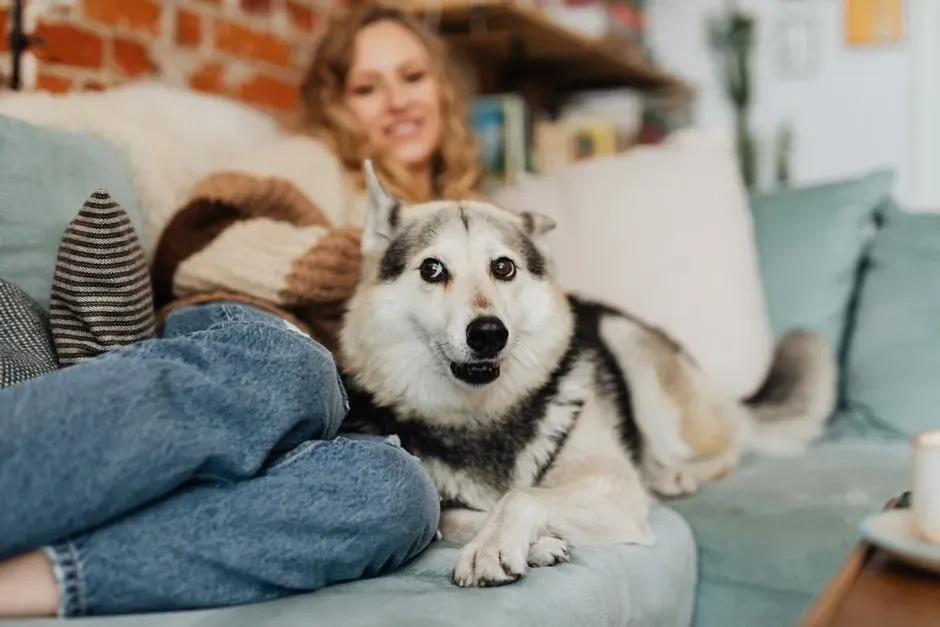
You don’t need to yell at a dog to scare it – you just need to change your tone. Experienced fosterers pay close attention to how a dog reacts whenever a human voice shifts, whether it’s on a phone call, in the next room, or even on TV. Some dogs barely flick an ear at loud laughter but flinch hard at a sharp “hey!” aimed at someone else entirely, and that’s not a coincidence.
They watch for the body compressing when voices get tense, lip-licking or yawning, or a sudden need to leave the room. A dog that shows appeasement every time voices rise may have lived somewhere human conflict predicted danger.
- Does the dog’s body compress when voices get tense?
- Do they lick their lips, yawn, or leave the room?
- Do they rush in anxiously, almost trying to “fix” the humans?
That dog might get labeled “velcro” or “needy,” but really it’s scanning for emotional weather changes around the clock. Experienced fosterers deliberately keep their tone soft and neutral around that dog, even when annoyed about something totally unrelated, because they know it’s listening to every syllable.
#13 – How They Handle Being Gently Corrected
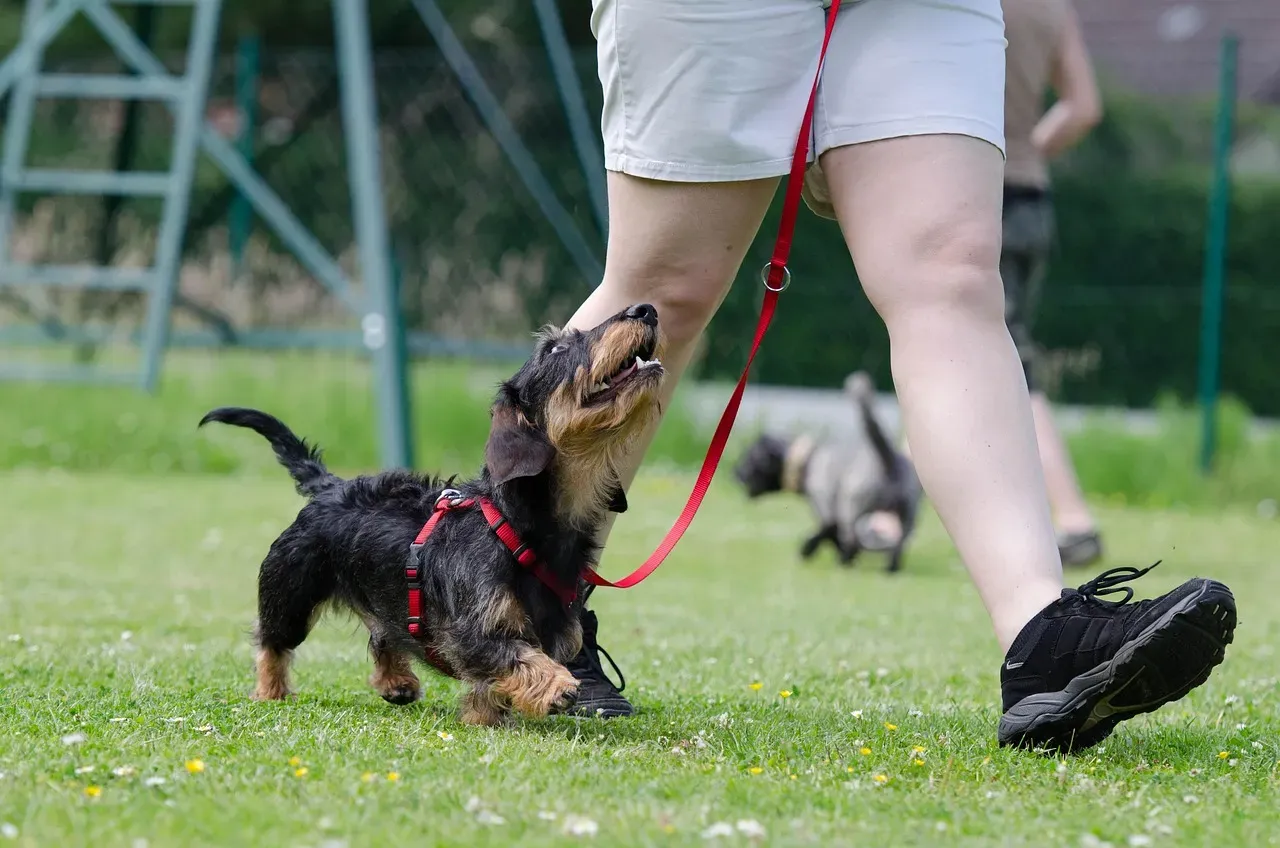
This is where inexperienced owners accidentally break trust. A dog jumps on the counter or chews a shoe, the human corrects it, the dog cowers, and everyone slaps a label on it – “sensitive” or “stubborn.” Experienced fosterers use these early mistakes not to train behavior, but to read how the dog handles pressure.
A calm “uh-uh” and a redirect tells them almost everything. Does the dog crumble, roll over, and shut down? Bark back, escalate, or ignore it completely? Or try a different behavior to re-engage?
- Does the dog crumble, roll over, and shut down?
- Do they bark back, escalate, or ignore completely?
- Do they try a different behavior to re-engage?
Worth Knowing
- Instant shutdown often signals a history of over-punishment
- Quick bounce-back suggests genuine resilience and trainability
- Escalating or ignoring may call for structured, calm consistency
- Offering a new behavior on its own is a strong, trainable green flag
A dog that completely collapses at the lightest correction probably carries a heavy history of over-punishment or chronic stress, and needs extra-careful feedback and a lot of choice-based training. A dog who bounces back quickly and offers something new is a strong candidate for advanced work and busy households – that adaptability is a genuine green flag.
#14 – Their Unfiltered, First Reaction to a Child
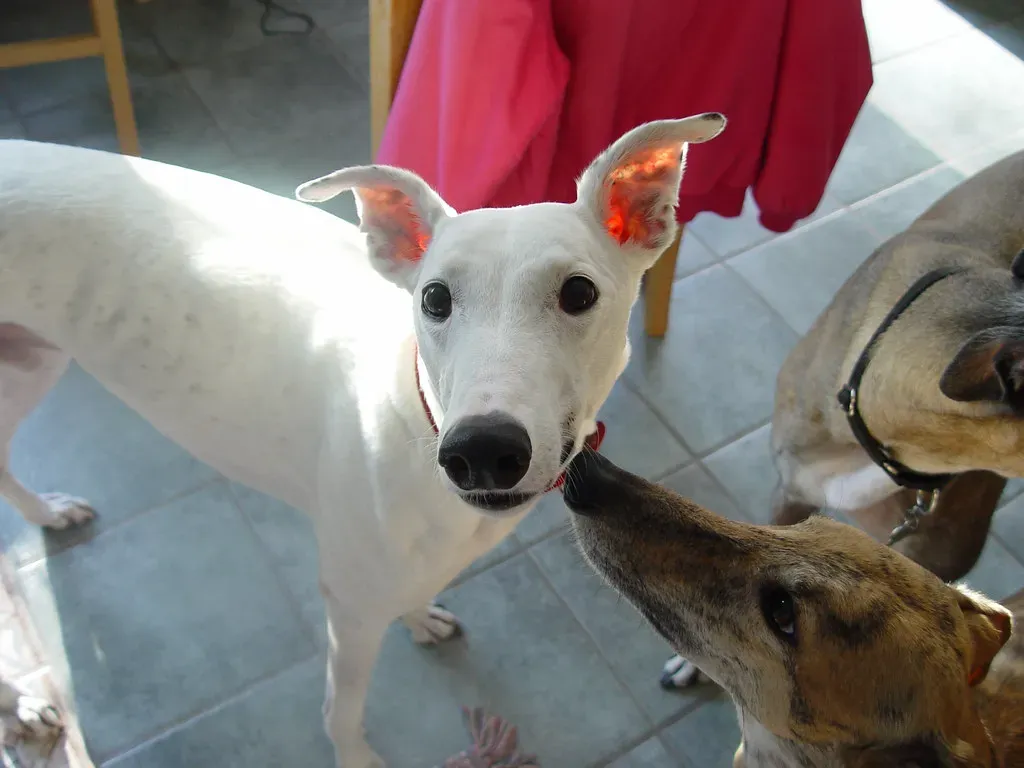
Dogs and kids are where rescue gets dangerously misjudged. “Good with kids” often just means “hasn’t bitten one yet.” The first micro-reactions when a dog notices a child, before anyone even gets close, are the ones that actually matter.
Experienced fosterers are often stricter here than shelters or even some trainers. They watch from a safe distance for whether the mouth closes, the eyes widen, or the body tenses – and whether the dog approaches low and loose or stands stiff and tall.
- Does the dog’s mouth close, eyes widen, or body tense?
- Do they approach low and loose, or stand stiff and tall?
- Do they avoid eye contact or stare intensely?
A dog who orients toward a child, then quickly looks away and sniffs the ground, is showing healthy de-escalation. One who locks on silently may be overwhelmed or triggered by high-pitched voices and jerky movement. Fosterers don’t gamble here – some dogs simply should not go to homes with kids, no matter how badly a family wants them, and that unpopular opinion has saved plenty of dogs and children alike.
#15 – How They Explore the House When No One’s Watching
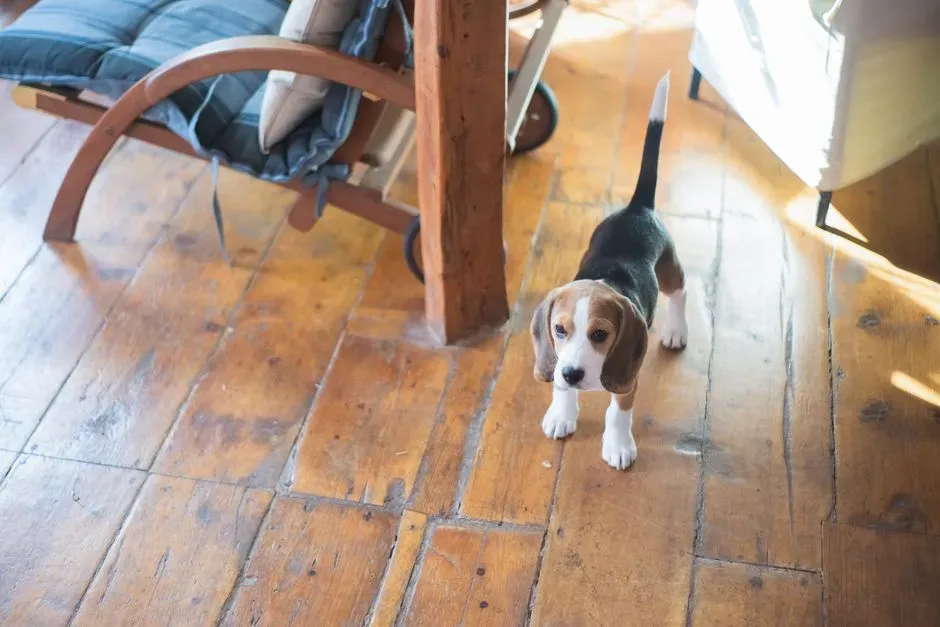
At some point the fosterer pretends to ignore the dog completely – answering emails, folding laundry, scrolling a phone. It isn’t laziness, it’s deliberate. How a dog explores when it thinks no one’s paying attention is the closest you’ll get to its authentic baseline.
No “leave it,” no “come here.” Just raw behavior. Fosterers watch whether the dog checks every doorway quickly or lingers in certain rooms, whether it’s drawn to windows and exits, and whether it returns for brief check-ins or disappears entirely.
- Does the dog check every doorway quickly, or linger in certain rooms?
- Are they drawn to windows, doors, or hiding spots?
- Do they return for brief check-ins or stay out of sight?
A dog who patrols every door and window, on a hair-trigger for outside noise, is mentally on security duty – some owners will praise that as an “excellent watchdog,” but experienced fosterers see a brain stuck in vigilance. A dog who explores briefly, then brings itself back to rest near the human, is already starting to see the home as territory it belongs in, not a job site.
#16 – Their First Attempt at Play (or Total Silence Instead)

Everyone wants the goofy, toy-obsessed shelter dog. Plenty of fosters arrive with zero visible play behavior, and experienced fosterers don’t panic – they investigate. A dog who doesn’t know how to play isn’t boring; it’s often shut down, confused, or never given permission to be silly, which is heartbreaking but also one of the most rewarding things to watch change.
Fosterers test different invitations: a tossed toy versus tug versus chase, a play bow from the human, light fast movements versus slow clumsy ones. The reaction is the whole story.
- Tossed toy vs. tug vs. chase games
- Play bows from the human
- Light, fast movements vs. slow, clumsy ones
A dog who watches a toy fly, then glances back at the human for instruction, may have once been punished for touching “human things.” One who snatches a toy and hoards it in a corner may be guarding fun the same way it once guarded food. Experienced fosterers celebrate the tiny wins – a half-hearted tail swish, a tentative pounce, one goofy zoomie – because that first genuine play bow is often the exact moment a dog’s real personality breaks the surface.
#17 – Their Real Decompression Timeline, Not the One From Social Media
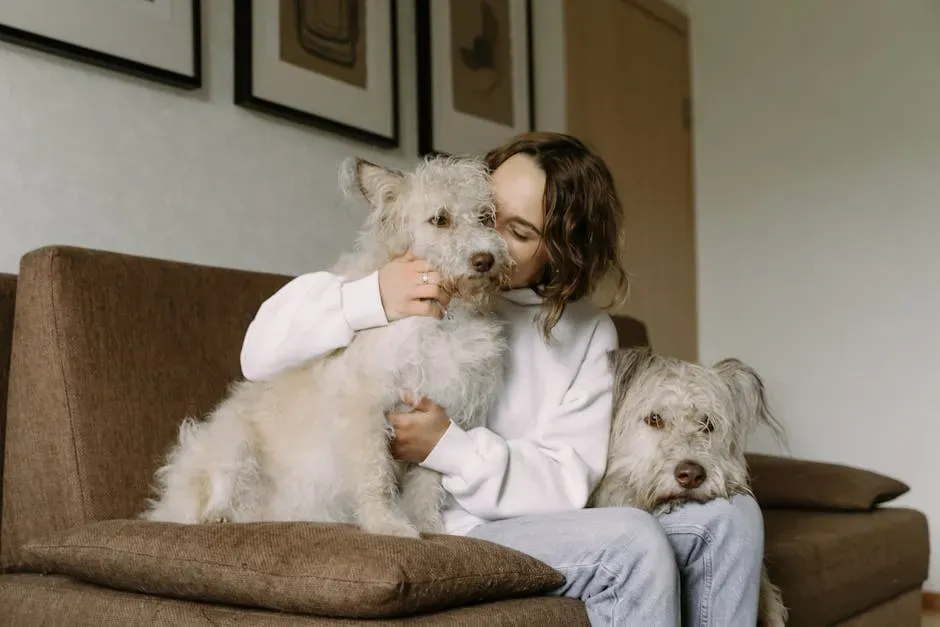
If you’ve spent any time in rescue circles, you’ve heard the “3-3-3 rule”: three days to decompress, three weeks to learn routine, three months to feel at home. Experienced fosterers will tell you bluntly that for many dogs, that’s wishful thinking. Some need three minutes. Some need three years.
The way a dog moves through its first days and weeks tells an experienced foster exactly which kind they’re dealing with. They track whether the dog is more relaxed or more edgy after the first week, whether new behaviors appear after a month that weren’t visible on day one, and whether it’s sleeping deeper and eating easier – or quietly regressing.
- Is the dog more relaxed or more edgy after the first week?
- Do new behaviors appear after a month that weren’t visible in week one?
- Are they sleeping deeper, eating easier, and exploring more, or regressing?
Fast Facts: The 3-3-3 Rule
- Popular shorthand: 3 days to decompress, 3 weeks to learn routine, 3 months to feel at home
- Meant as a loose guide, never a guarantee
- Some dogs settle in minutes; others take years
- Experienced fosterers treat it as a starting point, not a deadline
A dog who arrives shut down and slowly opens up over weeks is on a healthy arc. A dog who arrives seemingly perfect, then starts growling or guarding weeks later, wasn’t “going bad” – it finally felt safe enough to express discomfort. Seasoned fosterers factor that delayed honesty into every adoption recommendation, warning families, “you haven’t seen the real dog yet,” even when everyone else swears the dog is perfect. That realism isn’t pessimism. It’s what keeps placements from falling apart.
The Bottom Line: Most People Read Dogs Like a Picture Book. Fosterers Read Them Like Evidence.
The uncomfortable truth is that most adopters are trying to read a foster dog like a children’s picture book, while experienced fosterers are reading the same dog like a forensic report. The differences are subtle, unglamorous, and absolutely life-changing. How a dog eats, sleeps, startles, hides, and recovers tells you more than any temperament label stapled to a kennel door ever will.
That’s why seasoned fosterers sometimes sound blunt, even harsh, when they say “this dog isn’t for kids” or “this one needs a quieter home than you think.” They’re not being dramatic. They’re translating details everyone else missed, and in my opinion, that translation should carry more weight in adoption decisions than any intake form ever will. If more adopters learned to see what fosterers see – the flinch at the doorway, the tail frozen mid-wag, the dog who can’t relax even with a full belly – fewer dogs would get returned, and fewer would get written off as “bad.” Did we cover the tell you’ve noticed in your own foster dog, or is there one small detail you’d add to this list? Drop it in the comments – that’s genuinely how the rest of us catch up.