
13 Cues a Dog Walker Reads in a House From the Hallway Alone
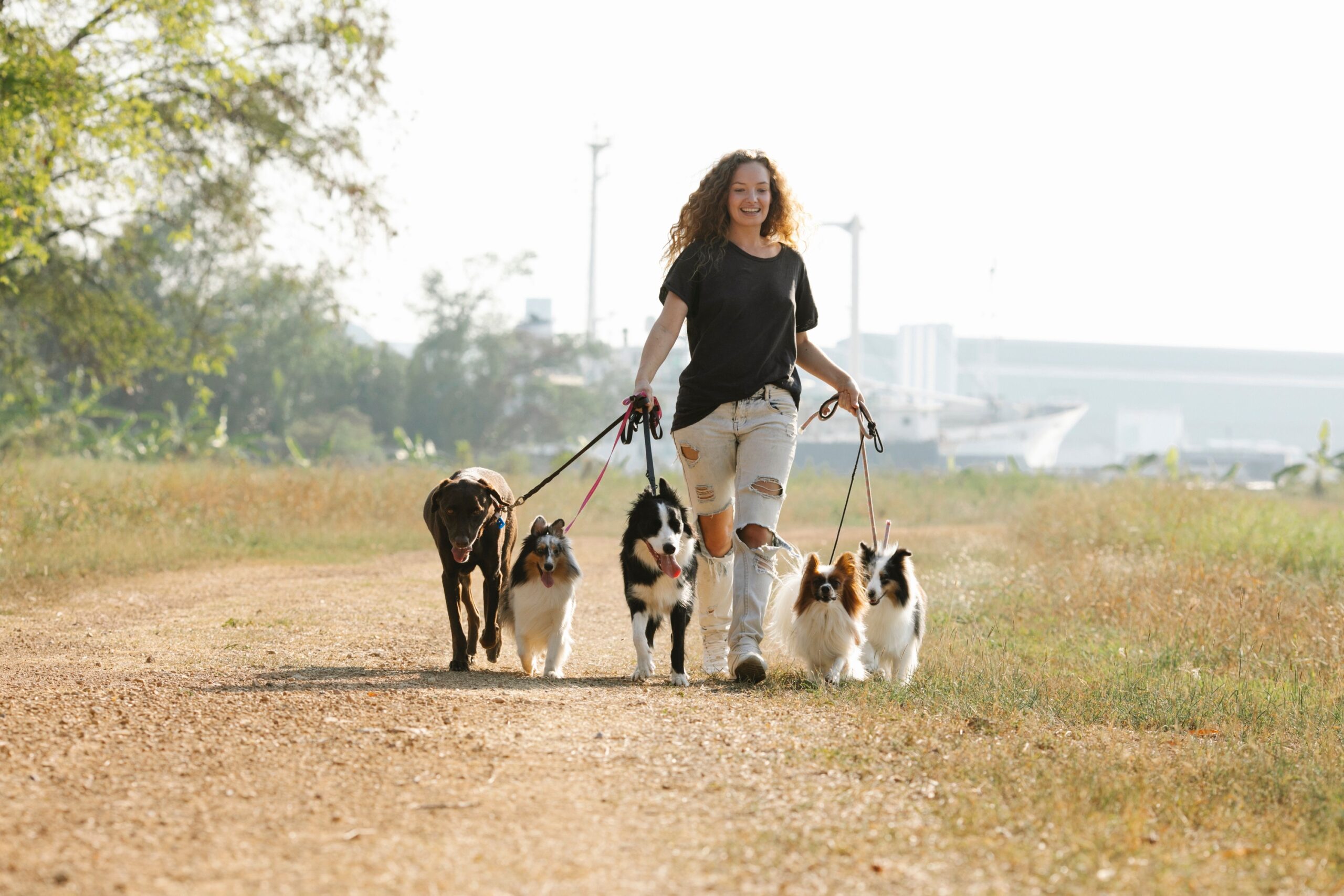
Most people assume a dog walker starts judging the moment they step into the living room and start chatting at the counter. Wrong. The real evaluation happens in the three seconds it takes to cross the welcome mat, before the leash is even off the hook. A seasoned walker can stand in a hallway, take one breath and one glance, and already know whether this is going to be an easy stroll or a full-blown situation.
They’re not being dramatic. Years of walking into strangers’ homes teach you exactly which tiny details predict a calm dog and which ones predict chaos, injuries, or worse. Here are the 13 things experienced dog walkers quietly clock in your hallway – and what each one is secretly telling them about you, your dog, and the life you’re actually living behind that front door.
#1 – The Smell Hits Before the Dog Does
Forget the décor. The first thing a seasoned dog walker notices when that door swings open is the air itself. One deep breath in the hallway tells them almost everything about how this visit is going to go.
A neutral scent, or a faint, familiar “doggy” smell, is completely normal. But a sharp hit of ammonia, stale urine, or sour wet fur is an instant alarm bell – it usually means the routine behind that door is quietly falling apart.
- The dog is being left alone far longer than anyone’s admitting.
- Cleanup isn’t keeping pace with accidents or marking.
A persistent ammonia smell can point to chronic indoor accidents, which isn’t just a cleaning problem – it can signal stress, incomplete house training, or even a medical issue like a UTI. A heavy, wet-dog odor trapped in a closed hallway often means the dog never gets properly dried after walks or baths, which quietly sets the stage for skin problems and hot spots.
Walkers log this instantly, because odor is never a one-time thing – it’s a pattern. If the smell says “days-old accident,” they assume the dog is bored, anxious, or simply not getting enough time outside.
#2 – The Soundscape Tells the Truth About Your Dog’s Nerves
Before a walker ever lays eyes on the dog, they’re listening. What comes from behind that door, or down the hall, is often more honest than anything written on an intake form.
A dog resting calmly doesn’t usually erupt into frantic barking just because a key jingles once. But panicked, nonstop barking the instant a stranger steps into the hallway can be a sign of separation anxiety running on overdrive.
- High-pitched, relentless barking versus a few “who’s there?” warning woofs.
- Scratching or pawing at doors and baby gates.
- Whining paired with pacing, nails clicking against the floor.
A dog that shifts from silence into curious, controlled interest once they hear a familiar voice is usually emotionally balanced, or at least well-trained. A dog already in full meltdown before the walker even reaches the leash hook is often living in a near-constant stress loop.
Most owners have no idea how loud, and how long, their dog vocalizes the second they leave the house. The hallway soundtrack doesn’t lie, even when the owner’s notes insist “she’s totally fine when we go.”
Worth Knowing
- Separation anxiety often shows up as barking, howling, or frantic pacing within minutes of the owner leaving.
- Scratching or pawing at doors is usually an escape attempt, not stubbornness.
- A dog that settles quickly at a familiar voice typically has secure attachment, not fear-based reactivity.
#3 – The Entryway Clutter Predicts the Chaos Level

Dog walkers size up an entryway the way a detective studies a scene, because this cramped little strip of floor is where everything happens: the greeting, the harnessing, the door dash, the muddy paws.
An entryway buried in shoes, Amazon boxes, backpacks, and tangle-prone rugs sends one clear message: this house is going to fight back. Every loose object becomes a hazard the second a leash gets involved.
- Leashes wrapping around chair legs mid-exit.
- Dogs tripping, or bolting, over the clutter.
- Walkers themselves getting pulled off balance.
One badly placed shoe or loose mat is genuinely all it takes for a dog to slip or a walker to go down hard. On the flip side, a clear path with a designated leash hook, maybe a towel and a bin by the door, tells a walker this owner has actually thought through dog logistics.
That doesn’t mean the house is spotless. It means the highest-traffic zone in the home is built for safe exits, and walkers know from experience that the more streamlined the hallway, the calmer the dog usually is about the whole “we’re leaving now” ritual.
#4 – Where the Leashes Live Shows How You Actually Walk
A dog walker can tell a shocking amount from how, or whether, the gear is stored. Step into a hallway with a single hook, one well-fitted harness, and one sturdy leash, and a good walker quietly exhales. That setup usually means this dog gets walked consistently, on a routine that actually works.
Then there’s everything else they run into on a bad day.
- A heap of tangled leashes, flexis, and harnesses tossed into a basket like old tech cords.
- A single flimsy retractable leash left on the floor.
- Gear that’s obviously too tight, frayed, or grimy.
Disorganized or low-quality gear almost always predicts a harder walk. Flexi leashes in particular are a red flag for most pros – they kill control at doorways, tangle around legs, and can cause serious rope burns on both ends of the leash.
When a walker has to spend five minutes untangling gear in a dim hallway before they can even clip in, they already know nobody’s rehearsing calm, structured exits in this house. They’re just hoping today isn’t the day the hardware finally fails mid-walk.
#5 – The Floor Tells You More Than Any Owner Note
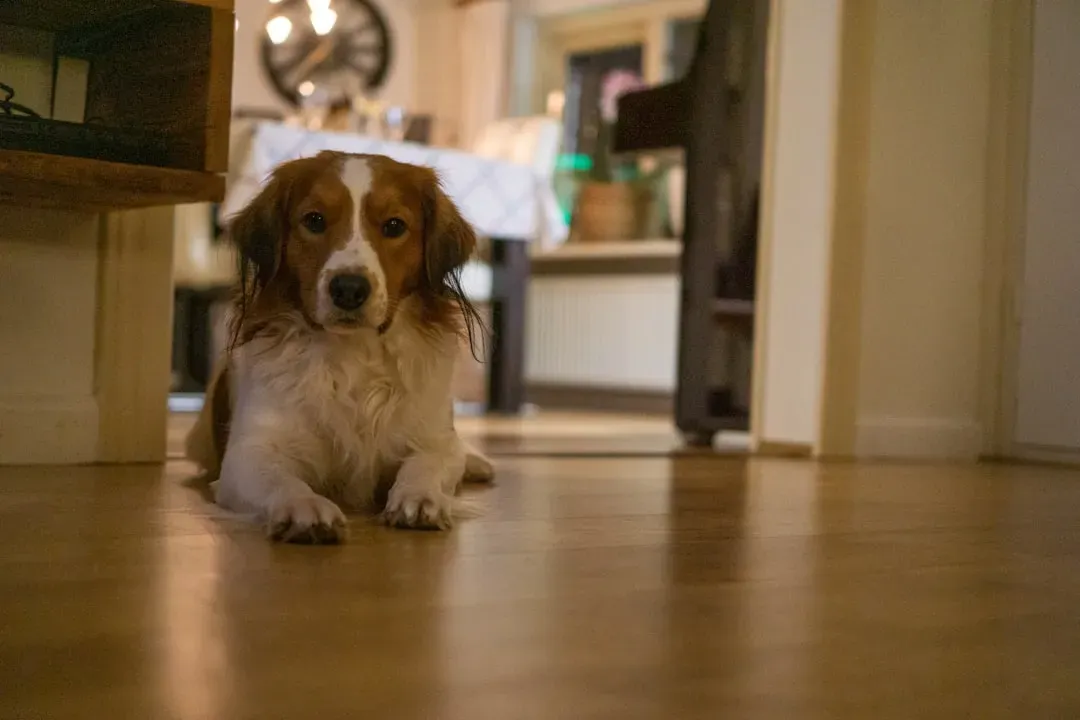
Walkers scan the floor the second they cross the threshold. Slick tile, polished hardwood, a thin runner, a patchwork of throw rugs – this isn’t an aesthetic judgment, it’s a safety calculation happening in real time.
A dog barreling down a slick hallway is a recipe for strained joints, pulled muscles, or torn toenails. If the floor is basically a skating rink and the dog is high-energy, the walker is already bracing for a wrestling match before the leash even clips on.
- Long runners or non-slip mats that give a dog secure footing.
- Loose rugs that bunch up into instant trip hazards.
- Claw marks on hardwood near the door from frantic charging or panic braking.
Scratches and scuffs concentrated right at the doorway tell their own story: a dog that slams into exits, skids to a stop, or panics whenever someone leaves. A calm, well-conditioned exit routine typically leaves far fewer “skid marks” on both the floor and the walker’s nerves.
When the flooring supports stable footing, a walker can actually focus on training moments instead of just white-knuckling their way through the front door.
Quick Compare
- Safer footing: long runners, rubber-backed rugs, non-slip mats.
- Riskier footing: bare hardwood, polished tile, thin throw rugs that bunch up.
- Warning sign: claw marks or skid scuffs clustered right at the door.
#6 – The Coat Rack and Wall Hooks Reveal the Human Routine
Here’s a cue most owners never see coming: professional dog walkers absolutely judge what’s hanging by your door. A row of weather-appropriate jackets, a raincoat, a beat-up pair of walking shoes – it all tells them you actually go outside with your dog, even when it’s not 72 degrees and sunny.
That detail matters more than it sounds.
- A single heavy parka in winter with zero rain gear or light layers.
- No outdoor shoes by the door at all, hinting at fewer spontaneous walks.
- A dog coat hanging front and center versus buried somewhere in a closet.
If there’s no evidence anyone ever prepares for bad-weather walks, a walker quietly assumes the dog’s exercise gets skipped the moment conditions aren’t perfect. Meanwhile, a hanging bag stocked with poop bags, treats, and a towel says something completely different: “This is a daily thing, not an afterthought.”
The hallway wall becomes a quiet snapshot of priorities – are walks non-negotiable in this house, or just something that happens when it’s convenient?
#7 – The State of the Water Bowl Near the Hallway Speaks Loudly

If a water bowl sits anywhere in view of the hallway, a walker clocks it instantly, because it’s one of the fastest “care tells” in the entire house. Nobody expects sparkling hotel glassware, but they are quietly noting a few things.
- Is the bowl full, half-empty, or bone dry?
- Is the water clear, or cloudy with floaters and fur?
- Is the bowl even the right size for the dog?
A consistently dry bowl is a serious red flag. Dogs need fresh water before and after walks, and a bone-dry bowl in a warm house can hint at longer absences than anyone’s admitting. On the flip side, a bowl that’s full but looks like a small science experiment points to a different problem entirely – refilling without ever actually washing it.
Walkers also glance for a mat underneath, or a permanently soaked patch of floor around it. Puddles everywhere usually mean a messy drinker, or a dog who’s anxious and restless between visits. Either way, the water bowl is one of the simplest, most honest indicators of day-to-day attentiveness a walker will see all day.
#8 – The Presence (or Absence) of Baby Gates Signals Safety Mindset
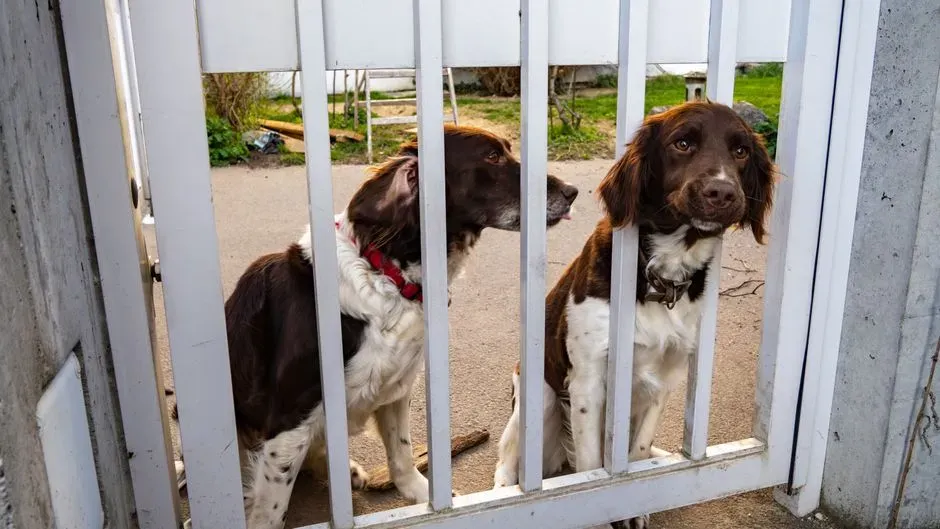
Dog walkers take baby gates seriously, more seriously than most owners realize. A secure gate at the end of a hallway or blocking the stairs signals that someone in this house understands how to manage space, not just shout commands and hope.
It means the dog isn’t free to launch itself at the front door or ricochet through the house the second it opens.
- Is the gate pressure-mounted and solid, or half-detached and leaning?
- Are there chew marks or scratch damage showing the dog constantly tests it?
- Is it actually used, or permanently propped open?
A wobbly, half-broken gate is honestly worse than no gate at all, because it creates a false sense of security. Walkers have watched dogs hit flimsy barriers hard enough to knock them loose and turn a calm hallway into chaos in seconds.
Some owners think gates look restrictive or “babyish,” but most pros see them as one of the smartest, most humane tools for reducing risk. A hallway that relies only on verbal control and hope at the front door leaves a walker quietly bracing for the next surprise dash.
Fast Facts
- Pressure-mounted gates work for most hallways; dogs who lean hard or climb often need hardware-mounted ones instead.
- A properly installed gate shouldn’t wobble or shift when a dog leans on it.
- Chew marks or scratches on a gate usually mean a dog has tested it more than once.
#9 – Hallway Mess vs. Controlled Dog Mess Tells Two Very Different Stories
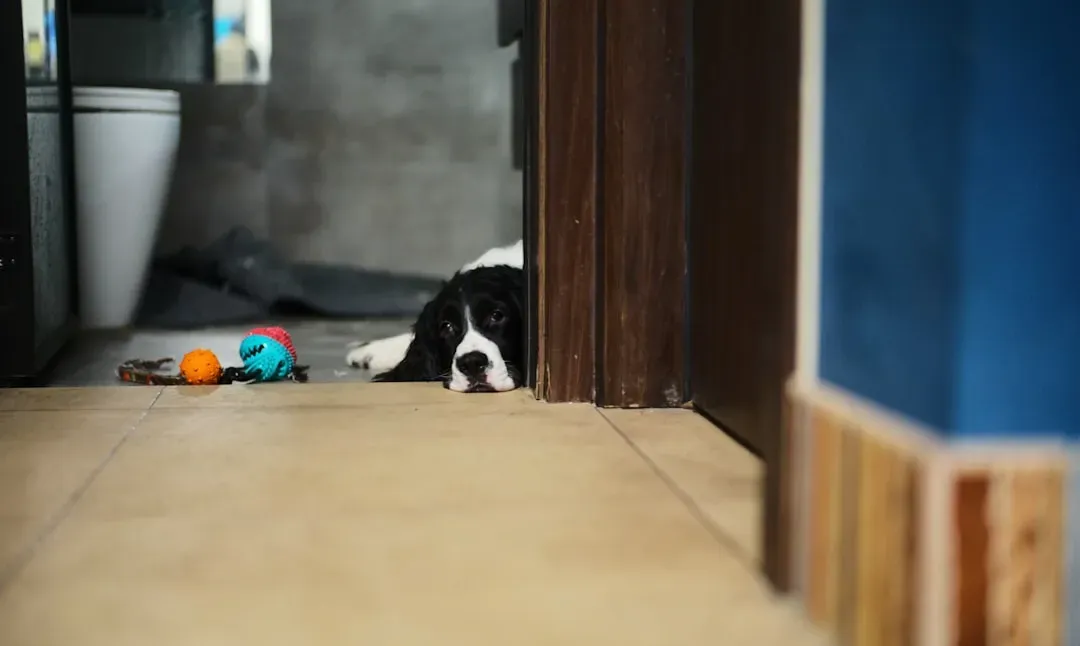
Every dog home has some evidence of the animal lying around, and that’s completely normal. What a walker is really reading is what kind of mess it is, and exactly where it’s piled up.
A lone chew toy by the entry? Fine. A basket of balls and tug ropes? Even better. But a hallway littered with shredded stuffing, gnawed mail, and random destroyed socks is sending a much louder message: this dog has serious unspent energy, or zero boundaries, or both.
- Intentional dog items – toys, a bed, a mat – that create a calm waiting area near the door.
- Collateral damage items – destroyed slippers, ripped bags – that hint at boredom or anxiety.
A chewed-up doormat or claw marks right at the door suggest a dog that fixates on exits and arrivals, and that kind of door-focused energy almost always translates into pulling and lunging once they’re outside. Homes that instead channel that focus into a bed or mat near the hallway show a very different energy – some level of training has clearly happened, even if it’s far from perfect.
Some walkers privately use a blunt rule of thumb: the more a hallway looks like a post-tornado playroom, the more likely the dog is under-exercised or under-stimulated.
#10 – Wall Damage Near the Door Points to Emotional Weather
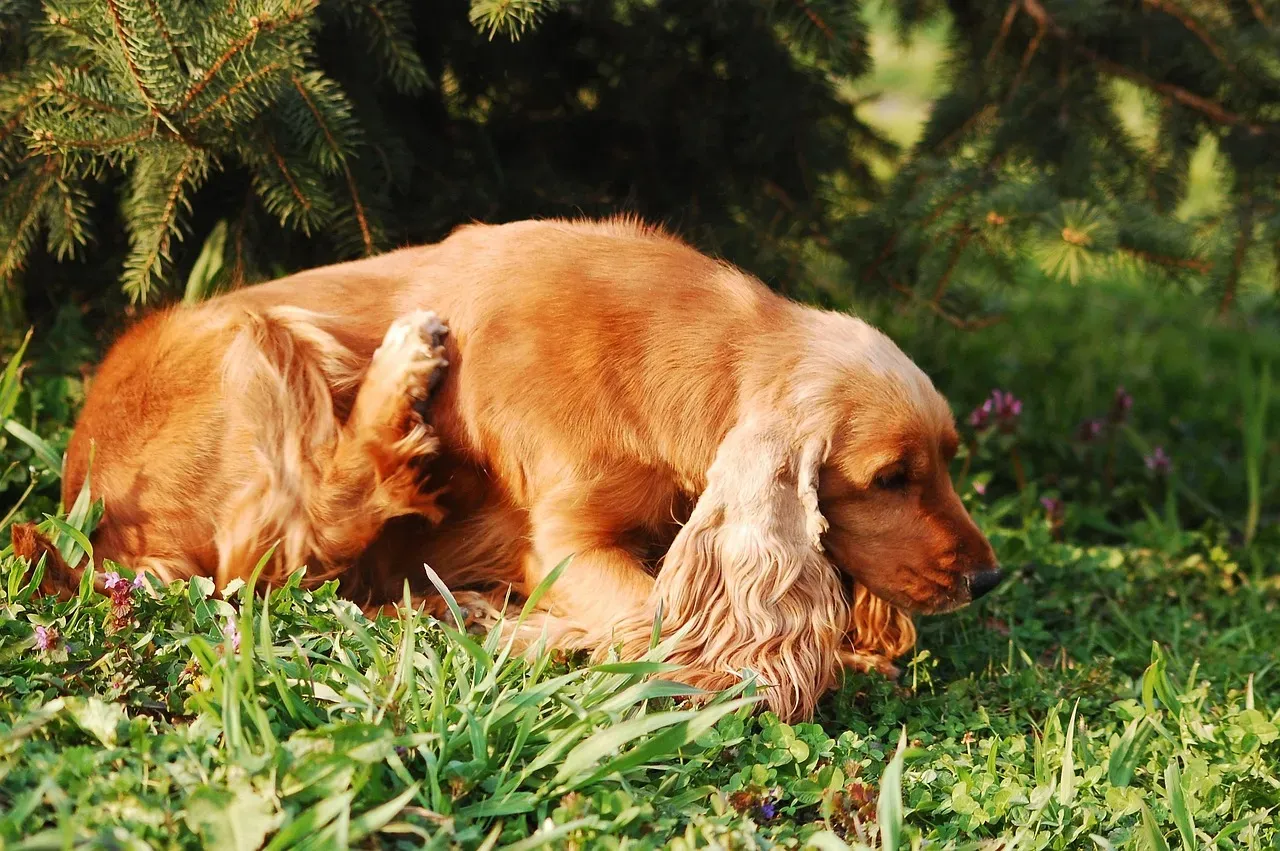
Most people stop noticing the nicks and dents in their own walls after a while, but a dog walker never stops seeing them. The drywall, trim, and paint around the front hallway read like a record of everything that’s happened there.
Deep claw marks around door frames or gouged molding aren’t just cosmetic damage – they’re physical proof of distress or serious over-arousal.
- Scratch patterns around the main door versus the interior doors.
- Chewed baseboard corners at exactly nose height.
- Freshly patched spots that clearly cover up older damage.
A few light scuffs are completely normal. But heavy, repeated damage around the exit points to a dog who spirals when left alone, scratching, chewing, sometimes even throwing their whole body at the door. That’s often a sign of separation anxiety or extreme arousal at arrivals and departures, no matter how casually the owner shrugs it off as “she just gets worked up.”
A relatively untouched entrance, even in a busy dog home, usually means better impulse control and a more gradual greeting routine. The walls remember every meltdown, even when the humans have long since forgotten them.
#11 – The First Glimpse of the Dog’s Body Language Is a Goldmine
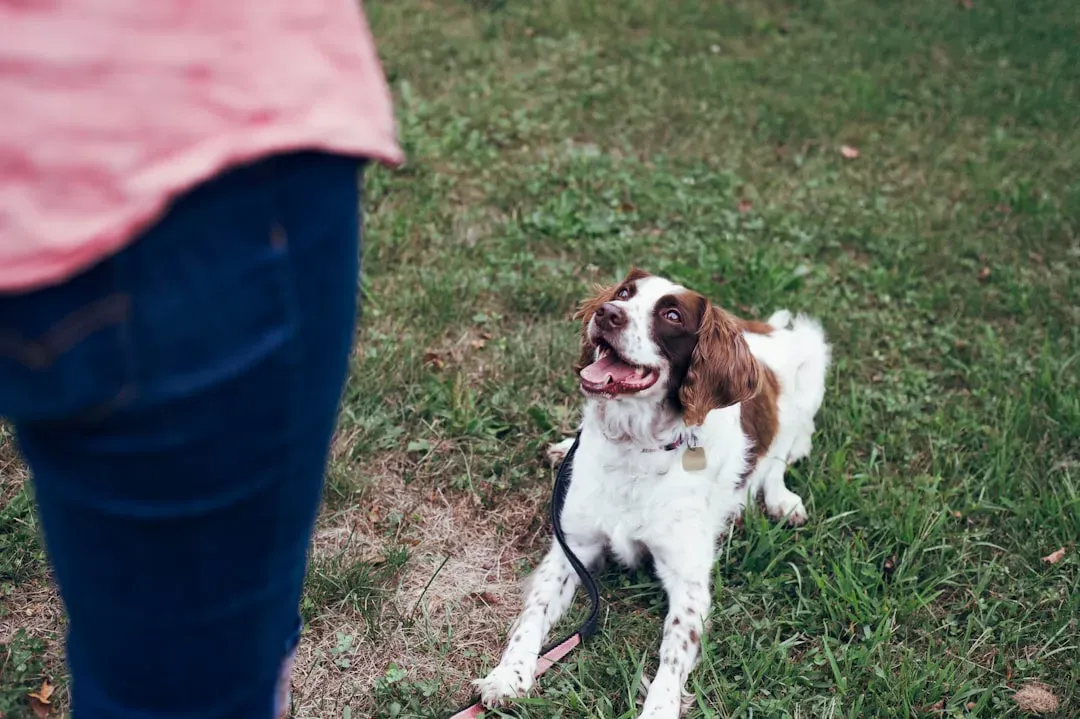
Even from the hallway, sometimes through nothing more than a baby gate or a sliver of open door, a walker is already reading body language. They’re not just glancing at the tail. They’re taking in the whole picture: posture, eyes, mouth, weight distribution.
A loose, wiggly dog approaching in a soft curve with relaxed eyes is saying, “I’m friendly and curious.” A stiff, forward-leaning dog with a direct stare and a frozen tail is telling a completely different story.
- Hackles raised along the shoulders or spine.
- A tight, closed mouth versus an open, relaxed pant.
- Weight shifted forward (testing) versus weight shifted back (uncertain or fearful).
Most owners insist their dog is “so sweet,” but walkers trust what they see in the hallway far more than what’s written on an intake form. A dog who won’t approach and instead barks from a distance while backing away is communicating clearly – they’re worried, not aggressive, and that distinction matters.
Dogs don’t lie about their feelings the way people do.
Cesar Millan
That first moment in the hallway sets the tone for everything after it: how the leash gets clipped on, how the door gets opened, how close the walker chooses to stand. It’s the raw, unfiltered version of a dog’s emotional state, not the polished one from the family photos.
#12 – The Note, Whiteboard, or Total Silence Speaks Volumes About Communication
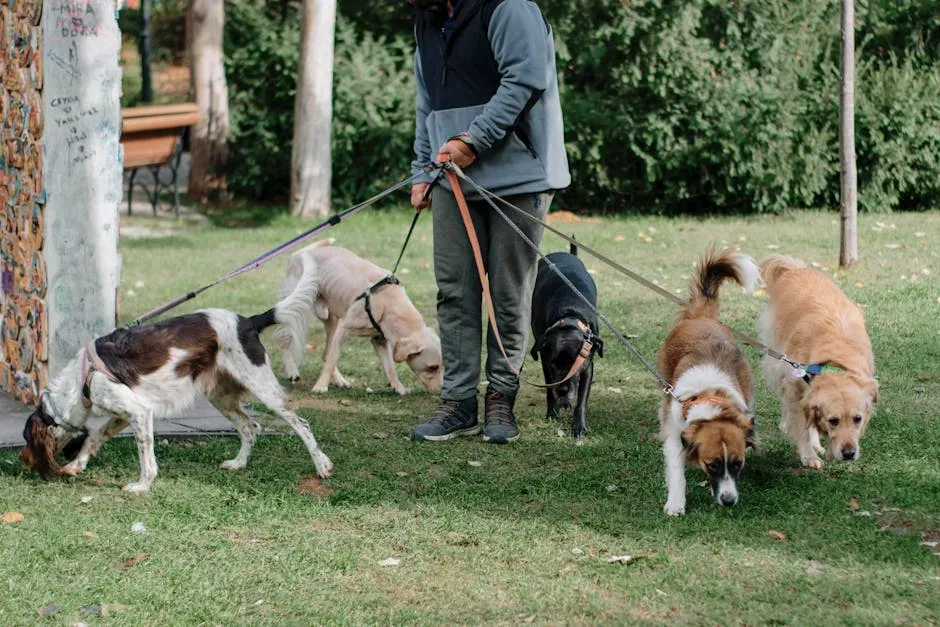
Plenty of dog homes leave some kind of instruction in the hallway: a whiteboard, a notepad, a sticky note by the key hook. Walkers love these, but only when they’re actually kept up to date.
A quick line like “tummy’s a bit off, shorter walk today” or “met a big black dog this morning, was nervous” is pure gold. It shows someone is genuinely paying attention to their dog’s day-to-day life, not just outsourcing the walk and forgetting about it.
- Date-stamped notes versus vague instructions that are months old.
- Long, detailed essays that never actually change – clearly ignored templates.
- No note at all, in a home with obviously complex needs.
Total silence in a high-need home is a genuine red flag. If the dog is elderly, on medication, or working through behavior issues, and there’s nothing written down anywhere, the walker knows they’re flying blind. That’s exactly how mistakes happen: missed doses, physical limits pushed too far, or triggers repeated that could easily have been avoided.
A single, current line about what actually changed today builds enormous trust. It tells the walker, “We see our dog as an individual, not a chore on autopilot,” and for a lot of pros, that’s the difference between feeling like hired help and feeling like part of the dog’s actual care team.
#13 – The Overall “Energy Imprint” of the Hallway Is Harder to Fake Than You Think
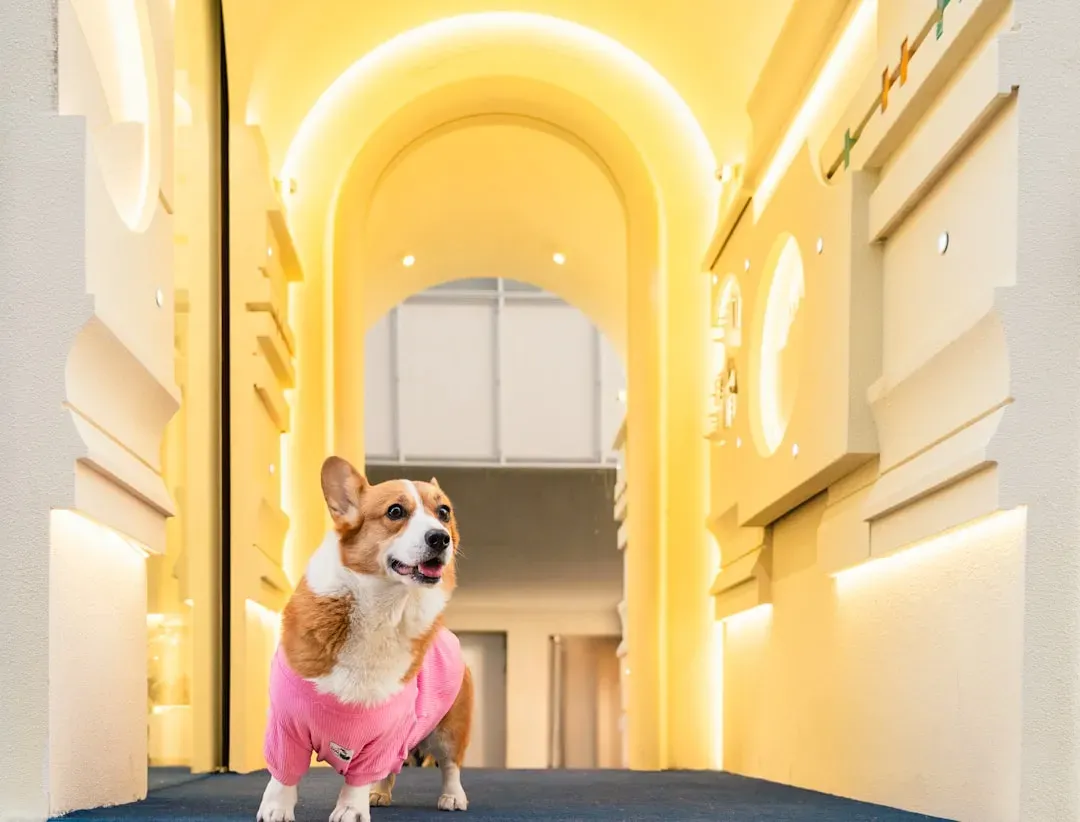
Here’s the part most people don’t love hearing: experienced dog walkers can feel a home the way a bartender can feel a room the second they walk in. The hallway delivers that first hit of vibe before a single word is spoken.
Is there frantic energy – doors slamming, constant noise, rushed clutter everywhere? Or does the space feel lived-in but basically under control? It has nothing to do with minimalism or Pinterest-level tidiness. It’s about whether the hallway supports calm, predictable comings and goings, or quietly amplifies chaos every single time.
- Half-finished projects, loose tools, and hazards blocking the path.
- Dim lighting and dead bulbs versus a well-lit, easy-to-navigate entrance.
- A sense that everyone’s perpetually rushing out the door versus a steady, familiar rhythm.
Dogs absorb that energy and mirror it straight back. A chronically frantic hallway tends to raise a chronically amped-up dog, while a reasonably organized, well-lit entry tends to go hand-in-hand with clearer routines and calmer exits.
Walkers don’t expect perfection. What they clock immediately is whether the environment makes calm behavior easy, or nearly impossible. What a lot of owners call “a crazy dog” is often just a sensitive animal accurately reacting to a chronically scrambled home base, and the hallway is where that thesis statement gets written, whether anyone meant it to or not.
Why It Stands Out
- Clear sightlines and a steady walking path, not an obstacle course.
- Consistent lighting instead of half-dead bulbs or total dark corners.
- A rhythm that feels routine, not like everyone’s perpetually late.
The Bottom Line
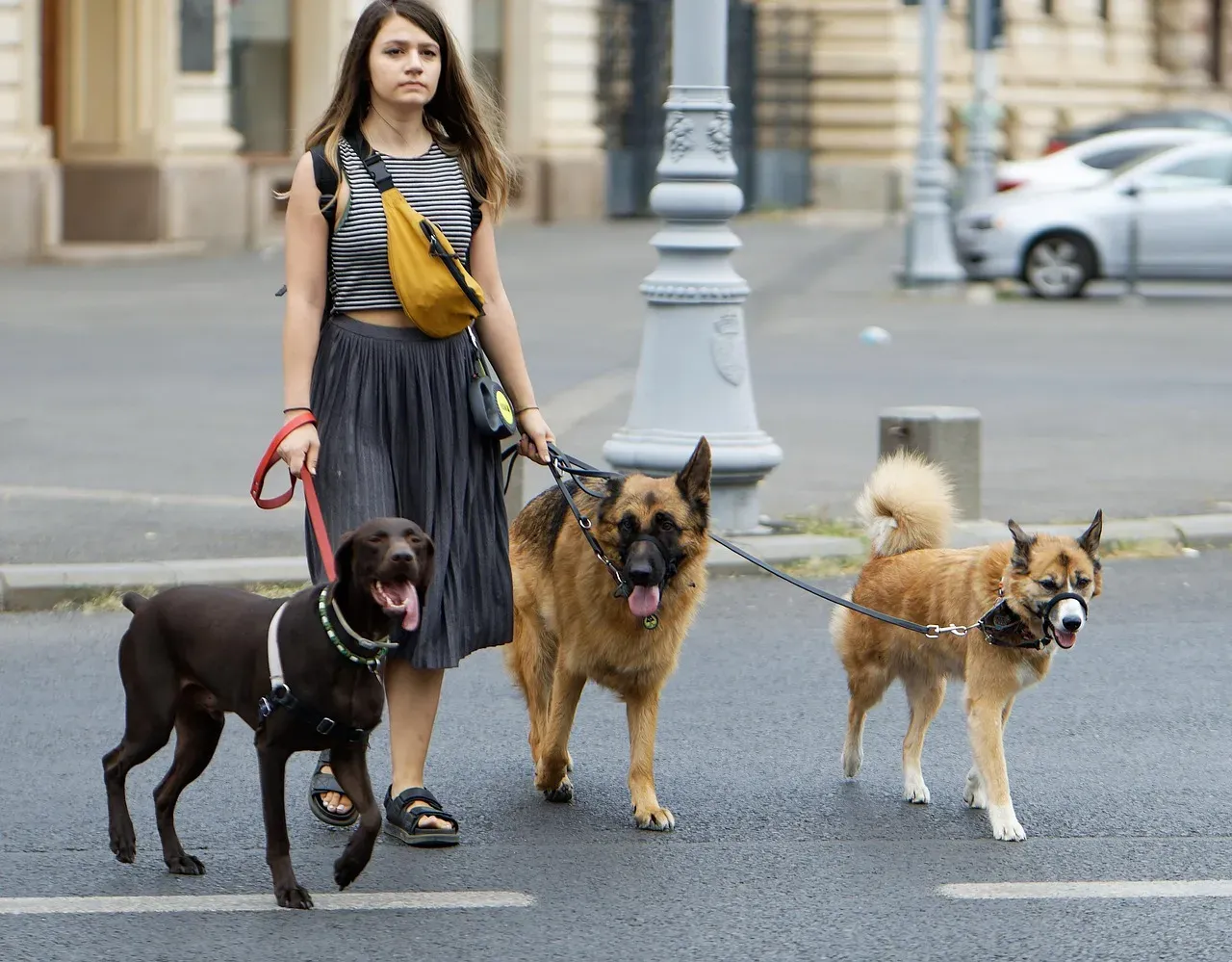
From the smell that hits before the door’s even fully open to the way a dog first appears at the end of the hallway, a professional dog walker is reading cues most owners stopped noticing years ago. The scent, the clutter, the flooring, the gear, the gates, the wall damage, even that note by the key hook – all of it quietly reveals how a dog actually lives, not how the owner wishes it looked on paper.
That’s not a moral judgment. It’s pattern recognition built from hundreds of homes and thousands of walks, and it’s usually right.
Here’s the part I’ll say plainly: in a lot of cases, the “problem dog” was never really the problem. The environment and the routine were telegraphing the whole story from the hallway the entire time. Tight, chaotic spaces with mismatched gear and zero communication almost guarantee rougher walks and more stressed-out dogs. Calm structure, clear paths, and a few thoughtful setups near the door nearly always predict the opposite.
So skip the personality quiz. Go stand in your own hallway and look at it the way a walker would – the smell, the mess, the gear, the silence or the sticky note – and decide, honestly, what story it’s telling about the dog behind that door.