
9 Reads a Dog Has Stopped Keeping Watch on a Door Somebody Walked Out Of
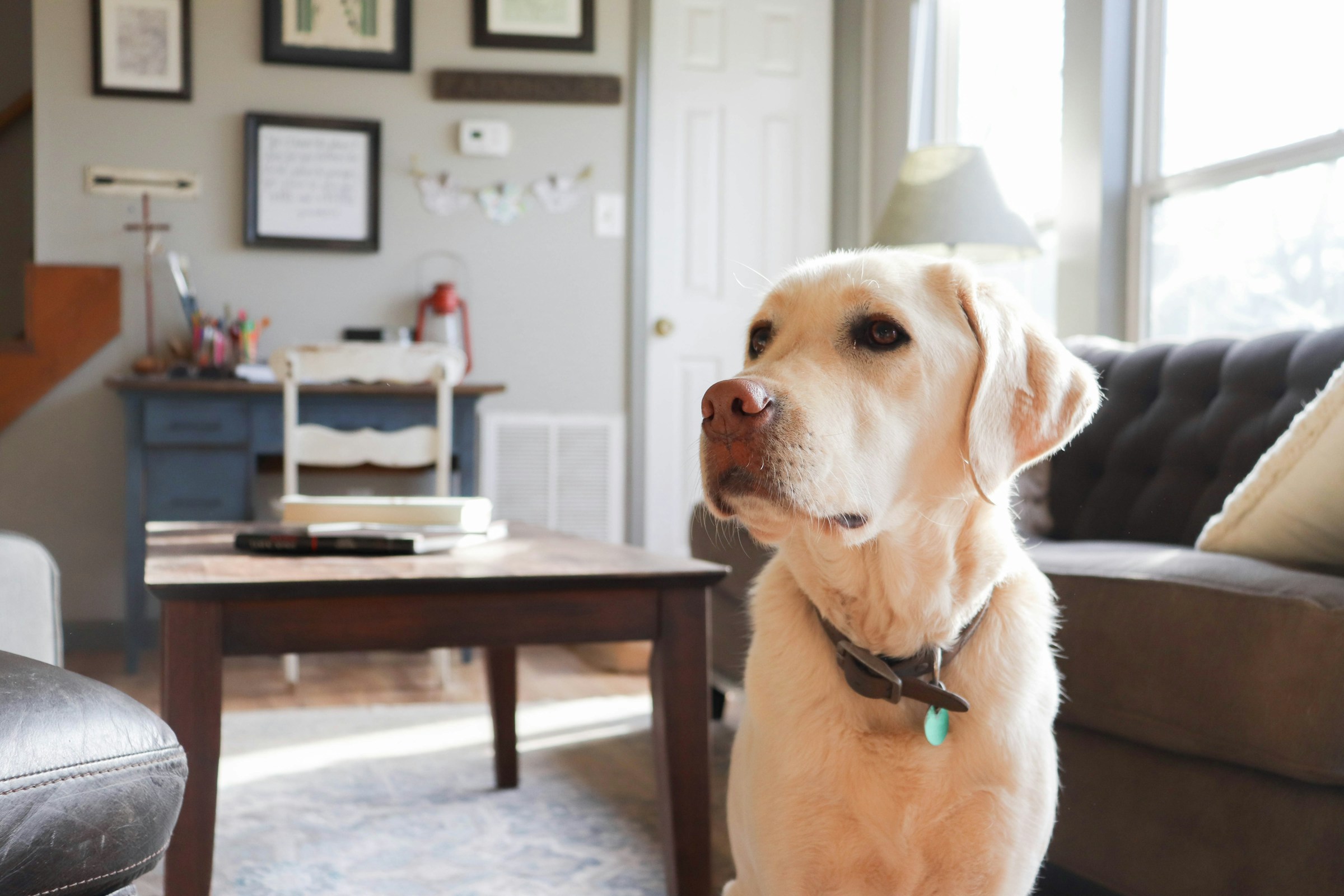
You’d think a dog never really lets go. Not of a smell, not of a sound, and definitely not of the door someone they loved walked through. That’s the story we tell ourselves anyway – the loyal dog, forever waiting, forever watching that one spot.
But dogs quietly break that story more often than people realize, and when they do, it’s rarely random. Trainers and behaviorists say the moment a dog stops staring down that doorway is actually one of the most honest, information-dense moments in the whole relationship – you just have to know what you’re looking at.
#1 – The Door Stopped Promising Anything Good
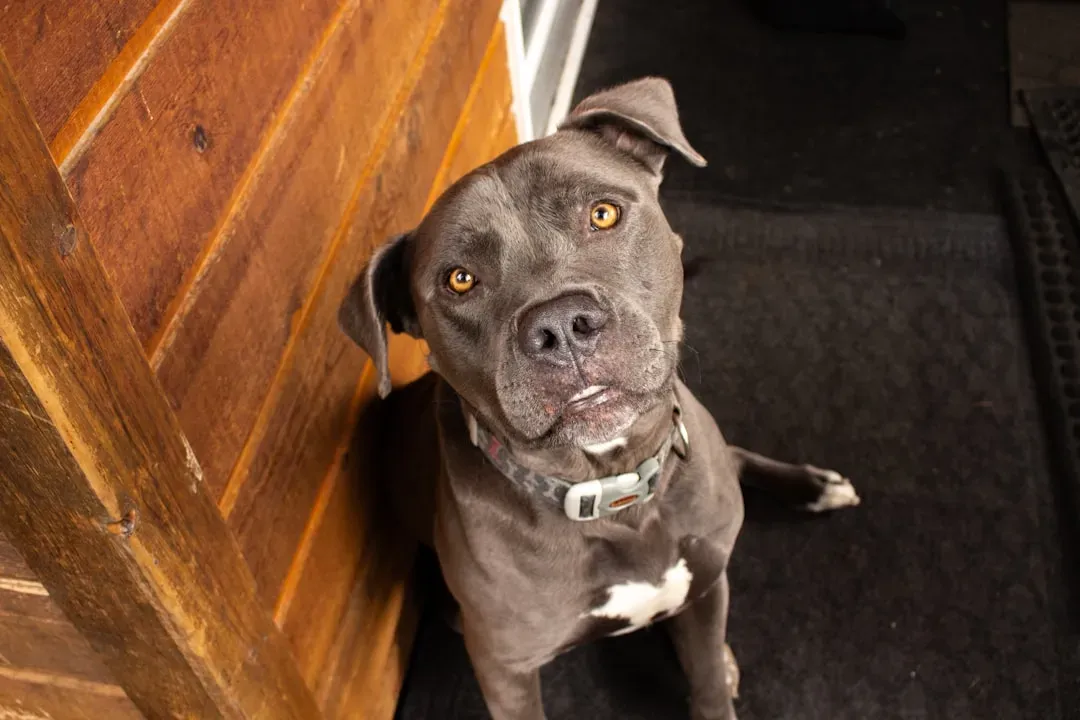
Here’s the blunt version: when a dog quits hovering near a door someone walked out of, it’s usually because that door stopped predicting anything worth the wait. Dogs run on pattern recognition. For weeks or months, someone left through that spot and came back with a leash, a treat, a scratch behind the ears – so the dog’s brain flagged the location as important. Take away the payoff long enough, and the flag comes down.
This shows up hard after a breakup, a roommate moving out, or a schedule that suddenly changes. At first the dog checks the door at every creak and passing car. Eventually, once nothing exciting keeps showing up, they stop burning energy on it. It isn’t coldness – it’s a dog quietly deciding the couch, the window, or your side of the bed pays off better.
Fast Facts
- Dogs learn through association, linking a location to an outcome rather than to sentiment.
- Once a spot stops predicting a return, a treat, or attention, the brain quietly deprioritizes it.
- The change is about efficiency, not a loss of affection.
- Watching behavior almost always fades gradually – it’s rarely an overnight switch.
#2 – Their Loyalty Quietly Changed Addresses
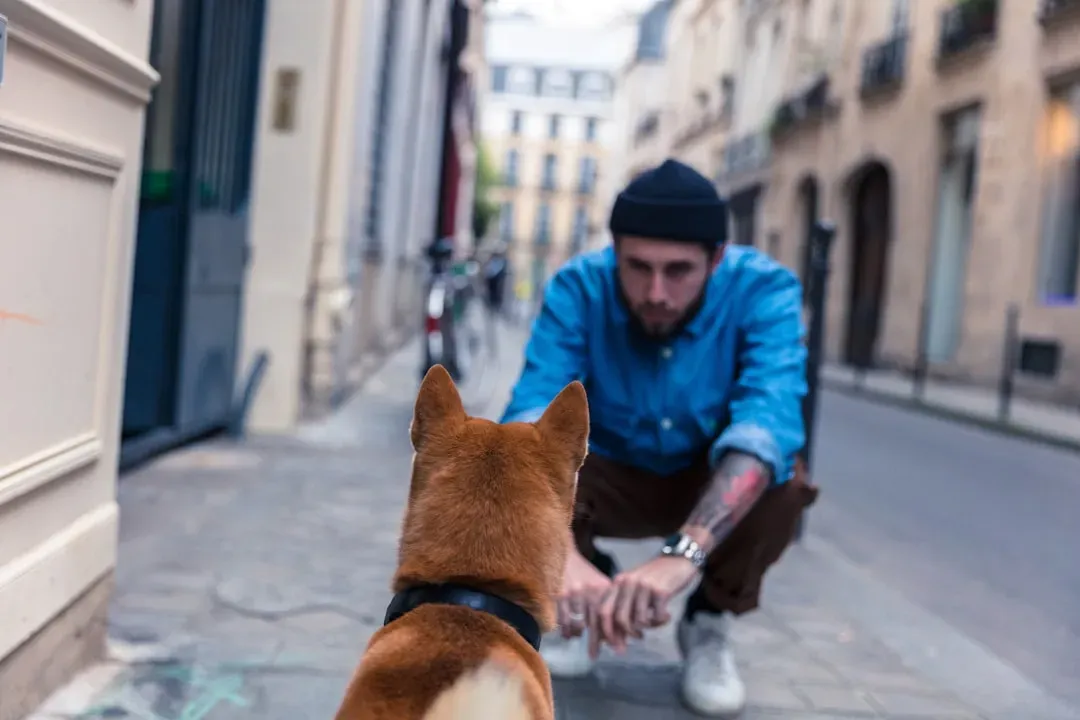
If your dog has abandoned one door but now follows you from the kitchen to the bathroom like a tiny shadow, something bigger just happened: their emotional anchor moved. Dogs are remarkably good at picking a “main person,” and if the one who used to walk out that door is gone or barely around, most dogs re-anchor to whoever is feeding, walking, and talking to them the most now.
- They wait outside the bathroom door for you instead of watching the entryway for someone else.
- They camp under your desk instead of by the front hall.
People love the idea of a dog waiting forever for one human, but real dogs don’t survive on nostalgia – they survive on connection and predictability. When they start tracking your footsteps instead of that old door, they’ve made a decision: you’re the person now. Some owners find that uncomfortably honest, but it’s just how a dog’s heart actually works.
#3 – The Anxiety Finally Burned Itself Out
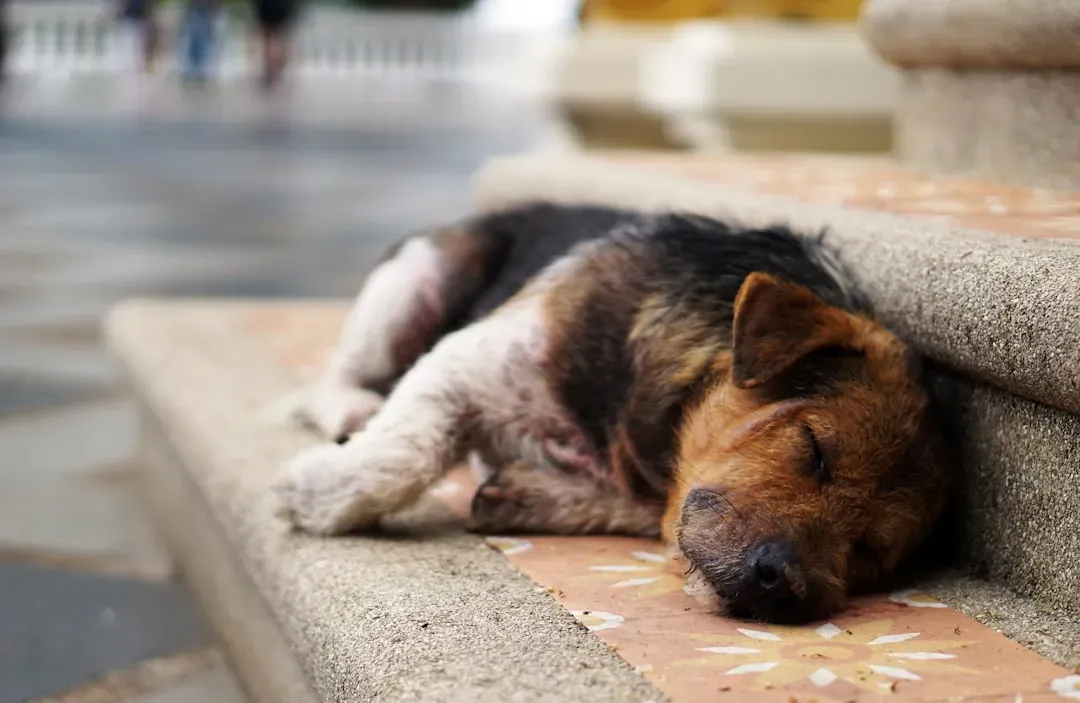
Most dogs go through a rough stretch first. They pace, whine, pop up at every sound near that door. But hypervigilance is expensive, and a nervous system can’t stay on red alert forever – eventually the anxiety collapses into exhaustion, and it can look uncomfortably like giving up.
- Longer, heavier sleep, away from that door.
- Almost no reaction to knocks or footsteps outside anymore.
- A dog who once sprinted to the door now barely lifts his head.
Owners often say “he just stopped caring,” but that’s not quite right. It’s closer to the truth to say his body decided guarding a door that never delivered was no longer worth the toll. It’s a hard thing to watch if you remember how hard he waited at first – and it’s usually a sign to invest in new routines, not old ghosts.
#4 – The House Got a New Map of What Matters
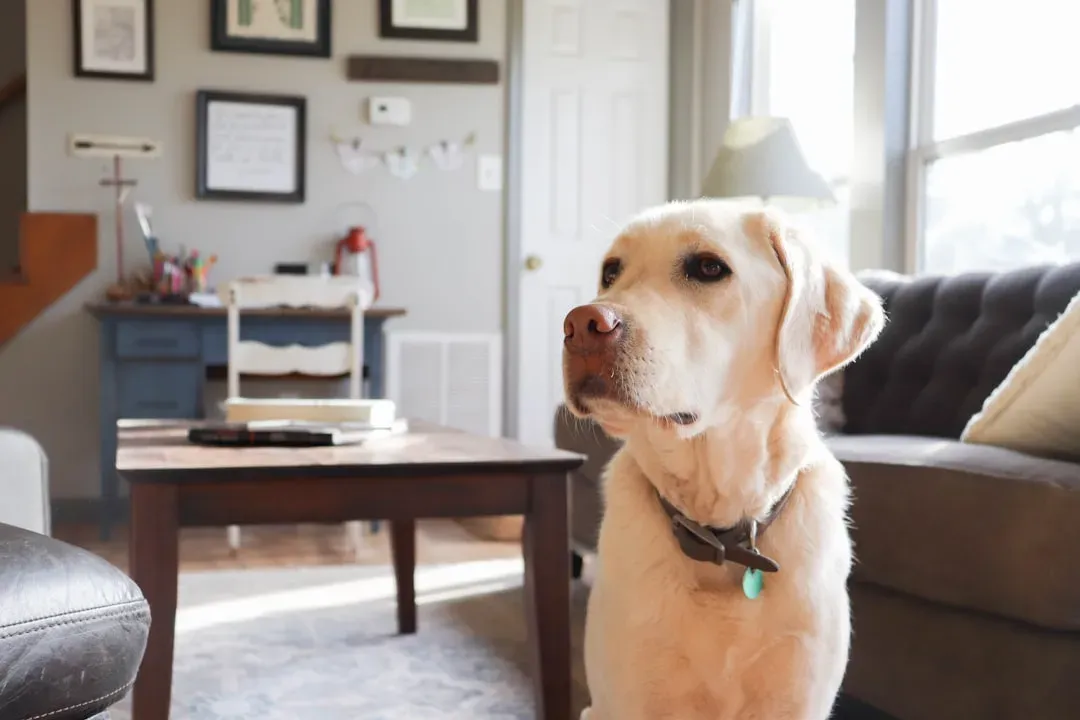
Dogs don’t see your home as a floor plan – they see it as a map of where things happen and who shows up. Once a door stops delivering anyone interesting, your dog quietly runs an update, and that old “hello/goodbye” spot gets demoted from emotional hotspot to background wall.
- They park themselves at a window watching cars or joggers instead.
- They guard the kitchen threshold because that’s where food actually appears.
- They favor the main entrance over the side door the missing person used.
A dog who’s stopped watching one door has usually reassigned guard duty somewhere more useful. They aren’t abandoning the person so much as reallocating attention toward whatever is currently real. To a dog, guarding what’s alive always beats guarding what’s gone.
#5 – The Scent That Kept Hope Alive Finally Faded
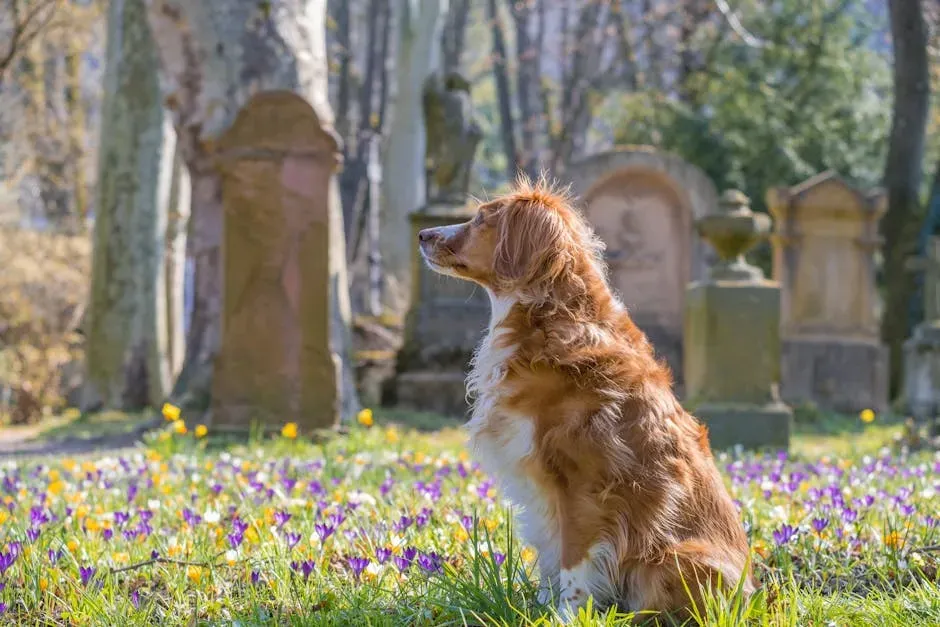
This one sounds dramatic, but it’s true: a dog’s emotional memory often lives in the nose more than anywhere else. When someone walks out for good, their scent lingers on the threshold, the floor, the nearby furniture – and for a while, your dog isn’t just staring at wood, they’re sitting inside a cloud of smell that says “they were just here.”
As that scent gets washed away, aired out, and overwritten by new shoes and new routines, the pull fades with it. Dog noses are legendary, but they’re also ruthlessly current – once the trail drops below a certain point, there’s no sensory nudge whispering “wait, they might still come back.” It can feel like watching grief evaporate, but really, your dog is just following what’s actually in the air.
Worth Knowing
- A dog’s sense of smell is widely estimated to be tens of thousands of times more sensitive than a human’s.
- Scent trails naturally break down through airflow, cleaning, and new activity moving through a space.
- Once a scent is no longer detectable, there’s no sensory cue left telling a dog to keep waiting.
- That’s why scent-heavy spots – thresholds, rugs, favorite chairs – are often the first places the pull disappears from.
#6 – Routine Beat Sentiment, Every Single Time
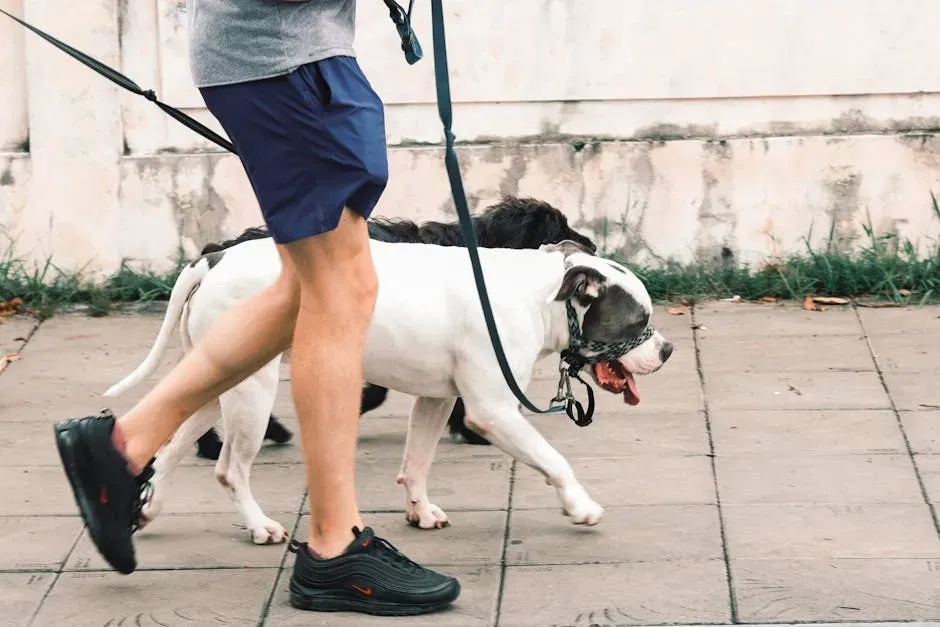
Humans cling to sentiment. Dogs cling to routine. Once new habits settle in – different wake times, different walks, different feeding schedules – the pull of that old door loses to the hard comfort of a predictable day. If someone used to walk in at 6 p.m. and now 6 p.m. means nothing, your dog eventually redirects that anticipation toward something that actually happens.
- They stand by the pantry instead of the door at the old “arrival hour.”
- They perk up at your keys jingling, not at that particular door handle.
- They track your shoes, your alarm, your TV schedule – not a memory.
People underestimate how practical dogs really are. They’re not sentimental the way we are; they’re brutally efficient about what the world reliably delivers. When the door stops producing a person and the routine keeps producing dinner and walks, the brain quietly votes for the sure thing. It isn’t unloving – it’s survival math.
#7 – The Bond May Have Been Thinner Than You Assumed
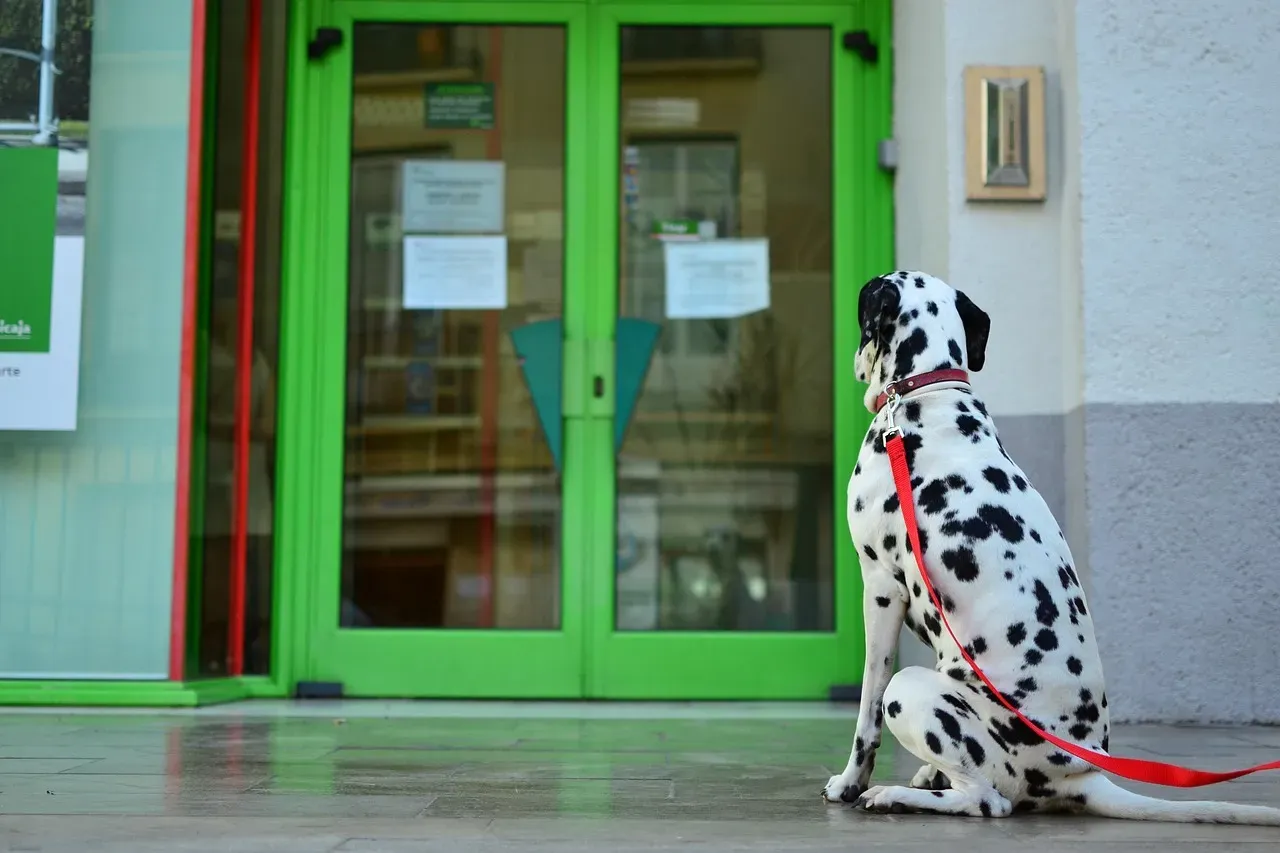
Here’s the uncomfortable read: sometimes a dog stops watching a door because the connection with the person who left was never that deep to begin with. Maybe they played occasionally but never fed, walked, or trained the dog. Maybe they were physically present but emotionally checked out – and dogs notice exactly who meets their needs and who’s just furniture with a heartbeat.
- Rarely took the dog outside.
- Gave affection inconsistently, if at all.
- Never set boundaries or did any training.
If that describes the person who left, the dog’s early waiting was probably more about disrupted routine than heartbreak. Dogs can be perfectly polite with people they’re not truly attached to, and when those people vanish, the dog’s world doesn’t collapse – it just reshuffles. That can sting if you assumed you were the favorite, but the dog stopping watch here isn’t cruelty. It’s honesty.
#8 – Guard Duty Turned Into Self-Protection
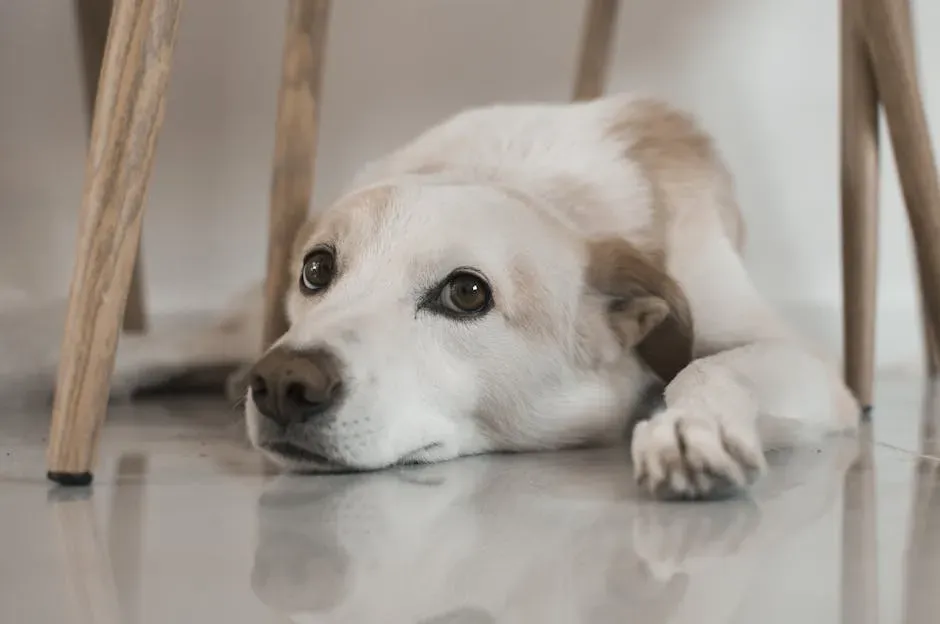
Some dogs take repeated disappointment personally. If a dog waited at that door for days or weeks, growing more stressed each time it opened for a delivery, a draft, or nobody at all, their brain can flip the meaning entirely – the door stops meaning “my person comes back” and starts meaning “nothing good ever happens here.”
- They actively avoid lying near that door, even when it’s quiet.
- They tense up if you linger there, then relax the second you walk away.
- They redirect their energy toward toys, other people, or a totally different vantage point.
In humans, we’d call this a coping mechanism. Dogs don’t have the language for it, but they clearly have the behavior. By refusing to stare down a door that keeps letting them down, they’re protecting themselves from repeated disappointment – and that quiet self-preservation can be one of the most revealing things a dog ever shows you.
Quick Compare
- Early on: Perks up at every knock, lingers by the door, tenses when it finally opens.
- Weeks later: Barely reacts to sounds near that spot and chooses another vantage point.
- Early on: Tracks footsteps outside like it’s the only thing that matters.
- Weeks later: Redirects that same energy toward toys, people, or a new window.
#9 – Hope Quietly Turned Into Acceptance
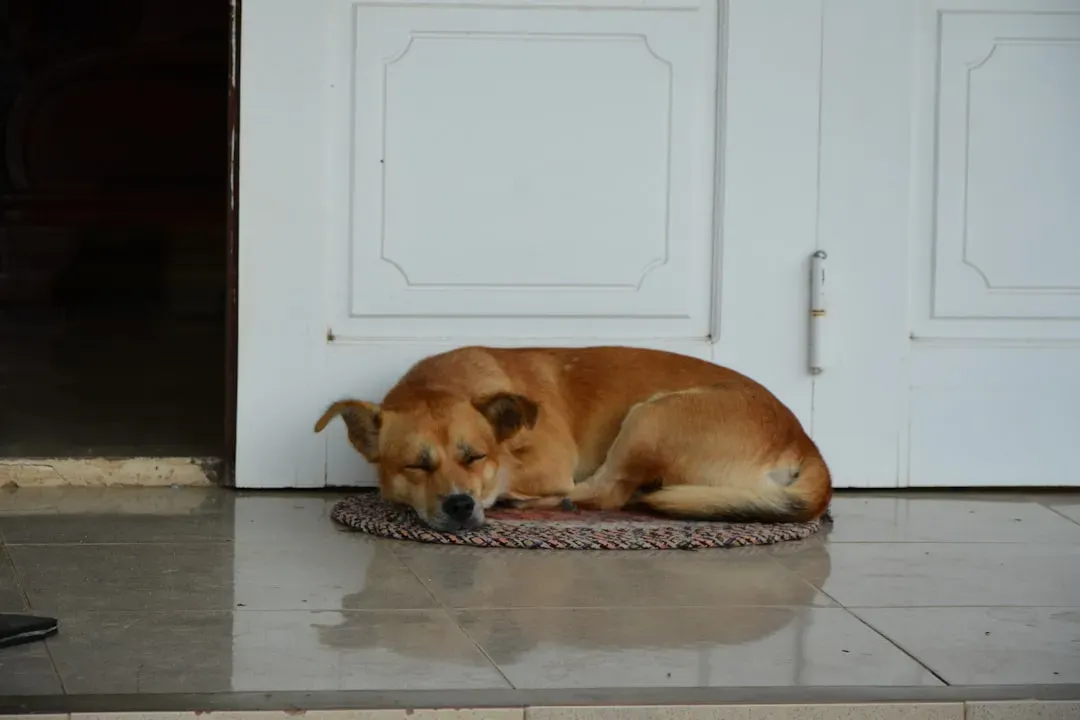
By the time a dog has fully stopped keeping watch on a door, the simplest explanation is usually the true one: they’ve accepted that whatever story lived in that doorway is over. Not erased, not meaningless – just over. Dogs are present-tense creatures, and once enough time passes with no return, no scent, and no routine attached to that person, the brain settles on one conclusion: this isn’t where life happens anymore.
You might still feel a jolt every time you glance at that handle, replaying goodbyes and last walks. Your dog doesn’t. They’re wired to engage with what is, not what was, so their watch shifts to you, the yard, the front step, wherever today’s world actually shows up.
Dogs are our link to paradise. They don’t know evil or jealousy or discontent.
Milan Kundera
Most healthy, well-attached dogs move on quietly, without speeches or symbolism. The door that once held everything just becomes a door again – and that quiet shift is their final, unspoken verdict on the whole situation.
The Bottom Line
When a dog stops keeping watch on a door someone walked out of, it’s never as simple as “they got bored” or “they stopped loving them.” It’s a layered, brutally honest readout of reality – the door stopped predicting anything good, the scent faded, the routine rewired itself, and the dog’s emotional investment simply followed the facts on the ground.
Personally, I think this is where dogs are more honest than we are. They don’t worship a door for what it used to mean; they guard the life that’s actually standing in front of them. If your dog has stopped staring at that old exit, don’t ask what’s wrong with them. Ask what truth they’re quietly handing back to you instead.
Did this match what you’ve seen in your own dog, or did yours defy every bit of it? I’d genuinely like to know.