
12 Tells a Dog Has Built a Routine of Its Own Inside Somebody Else’s Day
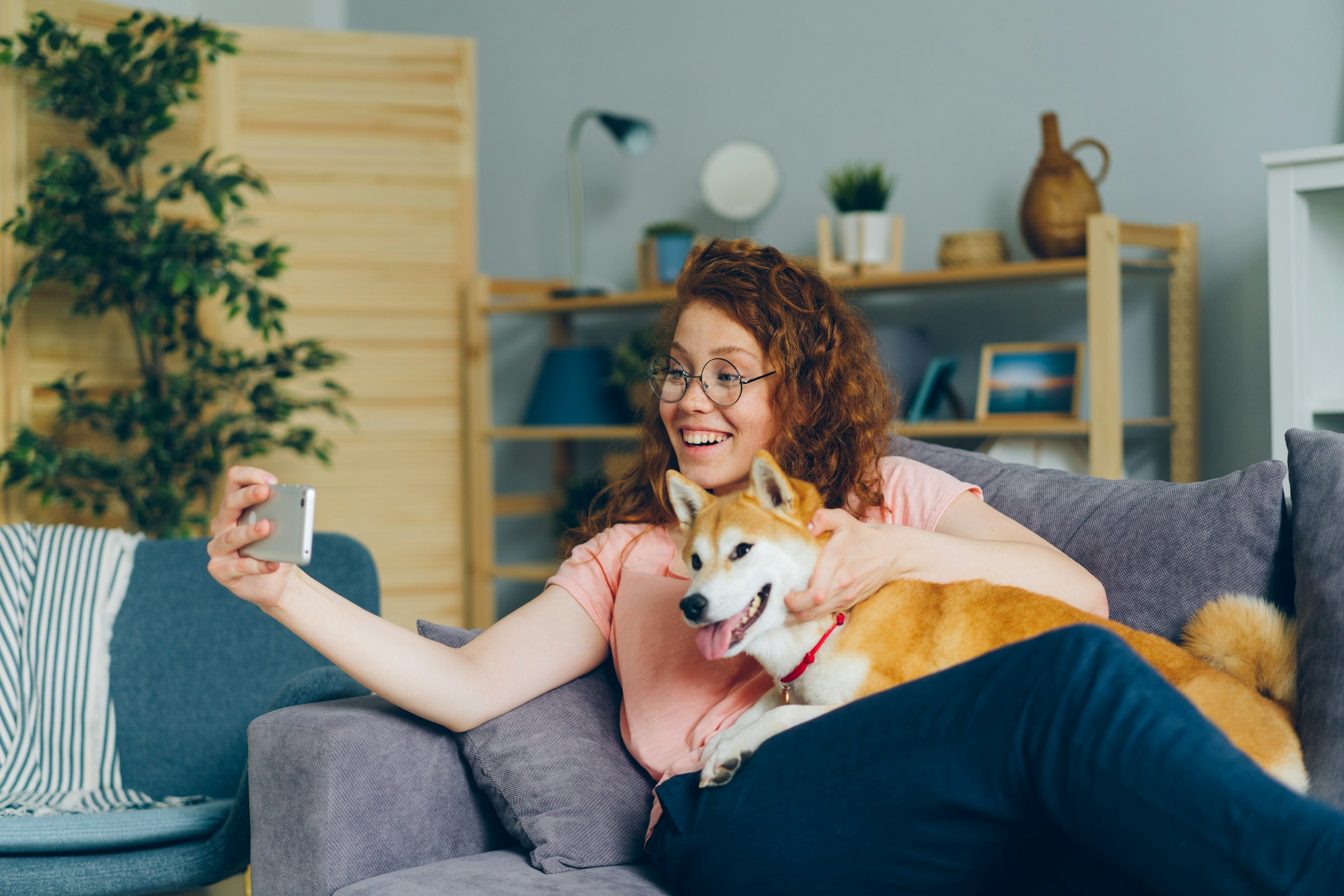
You think you’re the one running the house. You set the alarm, you decide when dinner happens, you choose when the leash comes off the hook. Then one day you notice you’ve stopped checking the clock at all – because a set of four paws already told you what time it is.
That’s the part nobody warns you about when you bring a dog home. Somewhere between the puppy stage and the “old reliable” stage, the dog quietly stops adapting to your day and starts writing its own version of it, with you cast as a supporting character. Here are the twelve unmistakable signs that your dog isn’t just living in your routine anymore – it’s built one of its own, and you’re already living inside it.
#1 – They Wake You Up at the Exact Same Minute, Every Single Day
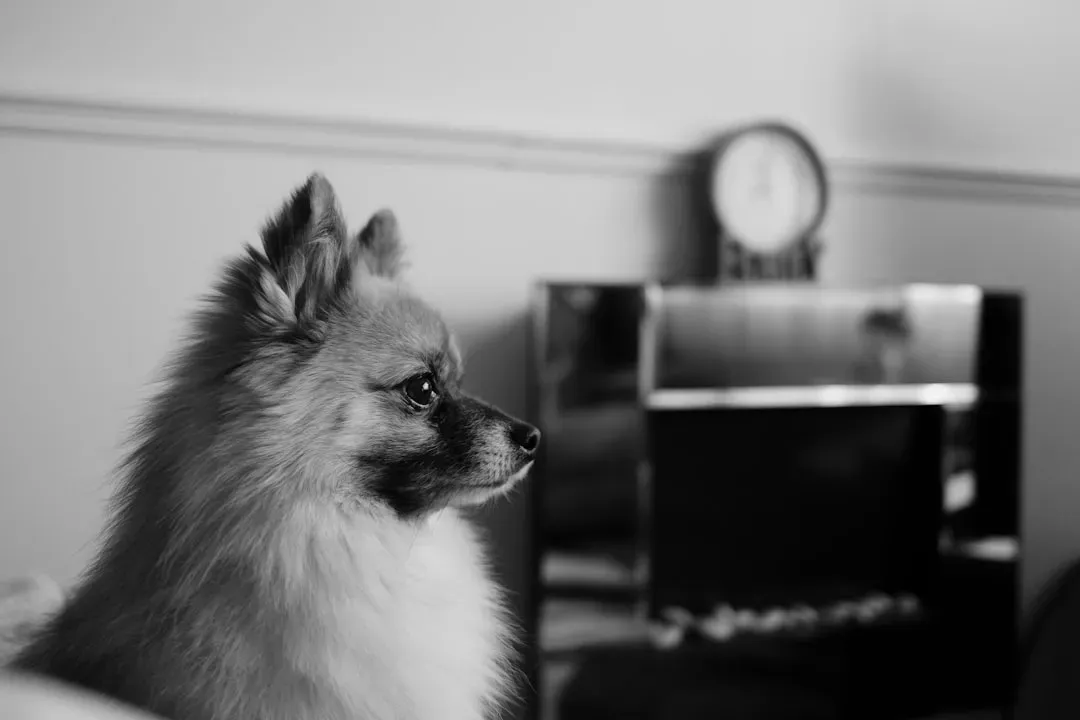
Forget the alarm clock – it’s basically decorative now. Most owners assume their dog just “happens” to be an early riser, but watch the clock for a week and the pattern gets eerie. If your dog wakes you within the same 10–15 minute window morning after morning, that’s not instinct. That’s a schedule they built and are now enforcing.
It might be a cold nose on your arm, a paw pressed into your ribs, or that low, polite-but-serious whine that means business. Notice they’re not waiting for you to stir first – they’re initiating. Over time your own body starts bending around theirs: you go to bed earlier, you cut the late-night scrolling short, because you know your furry alarm clock has zero sympathy for your 1 a.m. TikTok binge. They’re not reacting to your life anymore. They’re programming it.
#2 – They Summon You for Meals Like a Tiny, Furry Manager
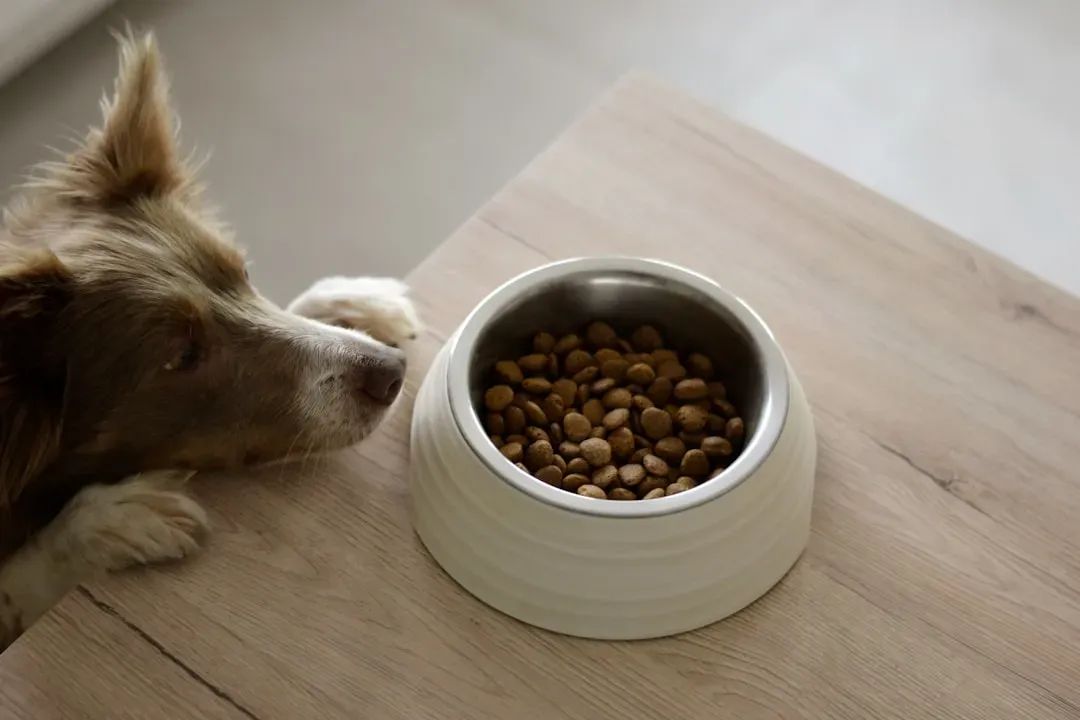
A dog with a self-built routine doesn’t sit around hoping the food bowl magically fills. They track it, they anticipate it, and eventually they start managing you around it. It usually starts small – a little extra pacing by the kitchen, a longer stare during dinner prep. Then one day you catch them showing up at the food station at the exact same time daily, and coming to fetch you the moment you’re “late.”
“Late” can mean five whole minutes past the sacred hour they’ve personally decided is correct. Some dogs get theatrical about it – sitting in dead silence in front of an empty bowl, staring you down, or trotting back and forth between you and the kitchen with an audible, dramatic sigh. Respond to that even occasionally and you’ve taught them something huge: they can summon you. That’s no longer feeding your dog. That’s being scheduled by one.
Fast Facts
- A dog’s sense of smell is estimated to be 10,000 to 100,000 times more sensitive than a human’s, letting them notice fading scent cues tied to your schedule.
- Adult dogs sleep an average of 12 to 14 hours a day, which is part of why their naps can sync so closely with your own energy dips.
- A dog’s internal body clock is shaped by light exposure and feeding times, not just habit.
- Studies on separation behavior show dogs respond differently to short absences versus longer ones, suggesting they’re tracking more than just “gone” or “here.”
#3 – They Post Up at “Shift Change” Spots Like Clockwork
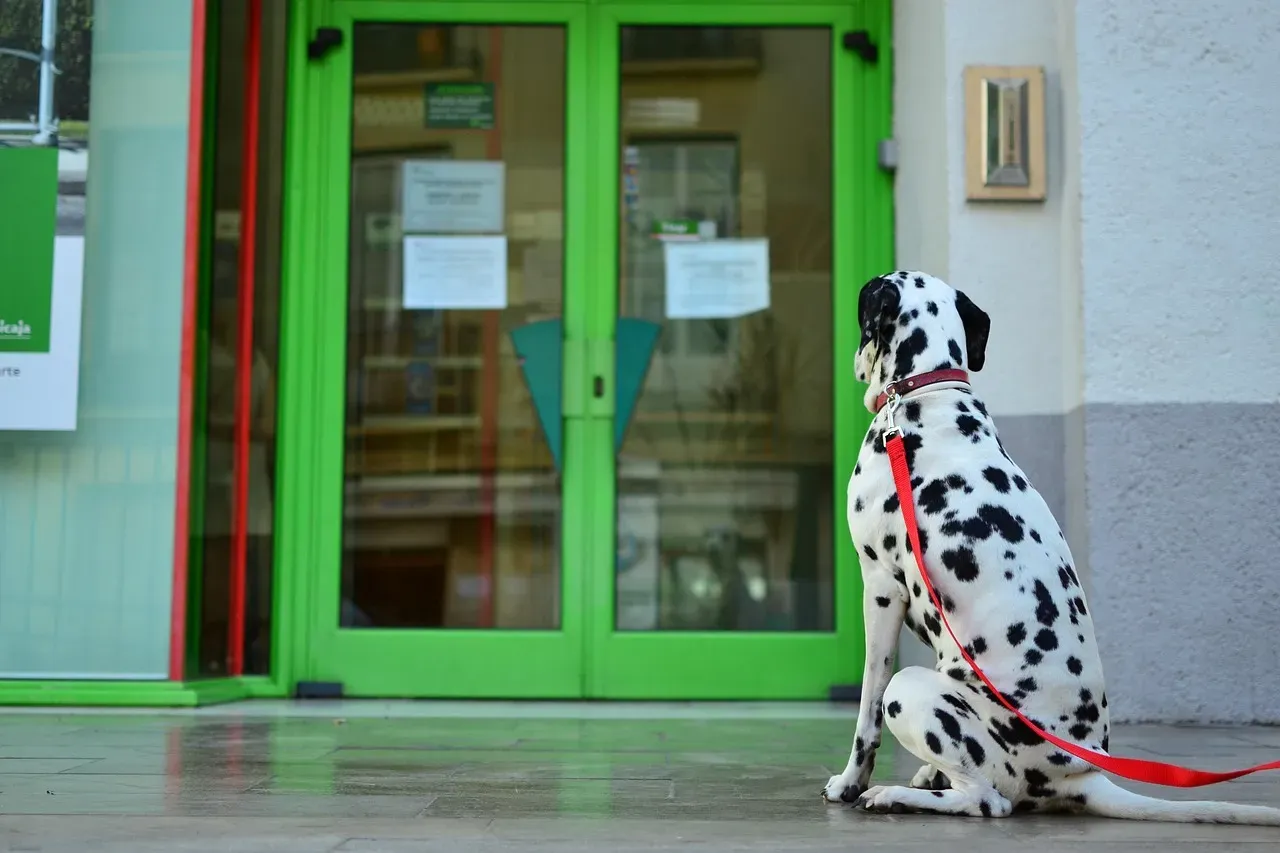
It’s easy to assume your dog just likes a particular corner of the house because it’s cozy. Sometimes that’s true. But when a dog has built its own routine, those spots are strategic outposts, not accidents. Watch where they station themselves right before you leave, right when you’re due home, or right as you shift from work mode into couch mode.
A dog parked by the front door from 4:30 to 5:30 p.m. every single day isn’t bored – they’ve mapped your return window down to the hour and assigned themselves the job of greeting committee. Work from home? They’ll camp near your office door starting around 4 p.m., not to bother you, but to be ready the instant you stand up and “clock out.” Dogs are pattern machines. Give them a few weeks of watching you close a laptop or drop your keys in the same bowl, and they’ll build an internal shift-change alarm around it – then position themselves to intercept you the second it goes off.
#4 – They Hijack Your Phone and Screen Time
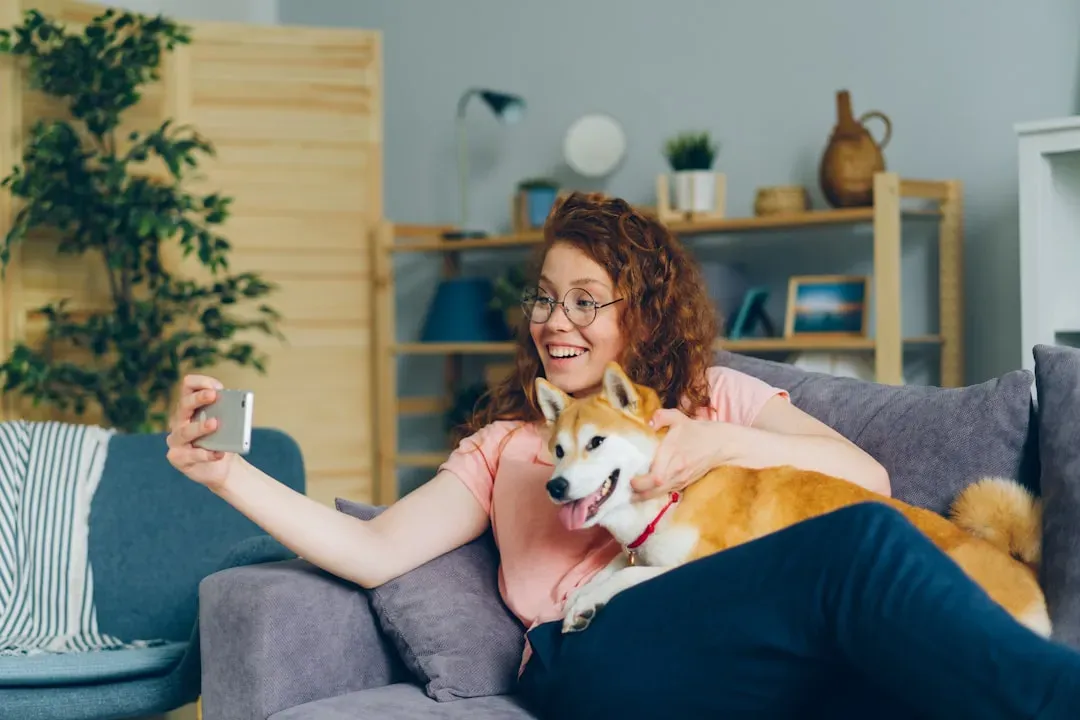
One of the clearest giveaways that a dog has wedged its own routine into your day is what happens the moment you sit down with a phone, a laptop, or the TV remote. Does a toy magically appear in your lap? Does a nose nudge your “phone hand” until it starts petting on autopilot? Does your dog climb against your legs at that exact moment, every single time?
If so, they haven’t just noticed your habit – they’ve bolted their own subroutine onto it. For a lot of dogs, “human scrolling time” quietly becomes “my guaranteed cuddle slot,” and even an absent-minded pet is enough reinforcement to lock it in. When the couch creaks after dinner, they move into position. When Netflix auto-plays the next episode, they shift closer, a gentle reminder they’re still on the clock. The uncomfortable truth: plenty of dogs have learned that if they don’t insert themselves during screen time, they don’t get quality attention at all – so your entertainment becomes their paycheck.
#5 – They Predict Your Bathroom Breaks Better Than You Do
You head toward the bathroom, and your dog is already up. You touch the doorknob, and they’re waiting in the hallway. You finish brushing your teeth, and there they are – a tiny, furry security detail. It looks clingy at first glance, but watch the timing closely and it starts to look a lot more like scheduling.
Morning trip? They know it’s followed by breakfast, so they’re right there. Bedtime routine? They linger in the hall because that’s the last shot at a yard sniff or one more cuddle before lights out. Dogs quickly figure out that humans are briefly captive in bathrooms and tend to talk to them, pet them, or open the door with a little greeting – small, reliable reward moments. Most of us adapt right back, opening doors slower, scratching an ear on the way out, without even noticing. Bit by bit, your most private, automatic routine becomes a shared appointment your dog can set a watch by.
#6 – They Anticipate Your Leaving Rituals Down to the Second
A dog with a built-in routine doesn’t just clock that you “might” be heading out. They know exactly how you leave, when you leave, and what’s in it for them. Watch what happens when you put on real shoes instead of slippers, grab keys without a bag, or say a specific phrase like “Okay buddy, I gotta go.”
If your dog is already stationed at the door or drifting toward their crate before you’ve even finished getting ready, that’s deep, practiced pattern recognition. Owners usually cooperate without realizing it – the treat always comes right after the keys jingle, the same goodbye phrase gets said every time, the same sequence plays out before the door closes. Predictability can genuinely soothe an anxious dog, but it also means your leaving has stopped being a random event in their world. It’s a scheduled appointment they emotionally and physically pre-game for, every time.
#7 – They Trigger the Walk, Not the Other Way Around
Everyone says “I take my dog for a walk.” Pay closer attention, though – is that still technically accurate? Or has your dog started telling you when walk time is? Dogs running their own routine will stare down the leash closet on schedule, stand by the door glancing back at you repeatedly, or start vibrating with restless energy at the same time every day.
If you tend to cave – “okay, okay, we’ll go now” – you’ve handed your dog the ability to embed “walk o’clock” into your day as a non-negotiable event. It’s not all bad; it often makes both of you more active. But it’s still a tell that your dog has stopped being a passive rider in your schedule. Some dogs even build a mini-routine inside the walk itself – same route, same sniffing spots, same tree. Notice the guilt that creeps in when you try to change the route? That’s your dog’s preferences steering you, not the reverse.
Quick Compare: What You Think vs. What’s Really Happening
- You think: “He just likes waiting by the door.” Reality: He’s tracking your shoes, your keys, and your goodbye phrase as a countdown sequence.
- You think: “I decide when we walk.” Reality: The pacing, staring, and door-scratching are scheduled cues you’ve quietly learned to obey.
- You think: “She just naps a lot near me.” Reality: Her rest cycle is timed to your predictable energy crashes.
#8 – They Nap on Your Energy Crashes, Not Just Near You
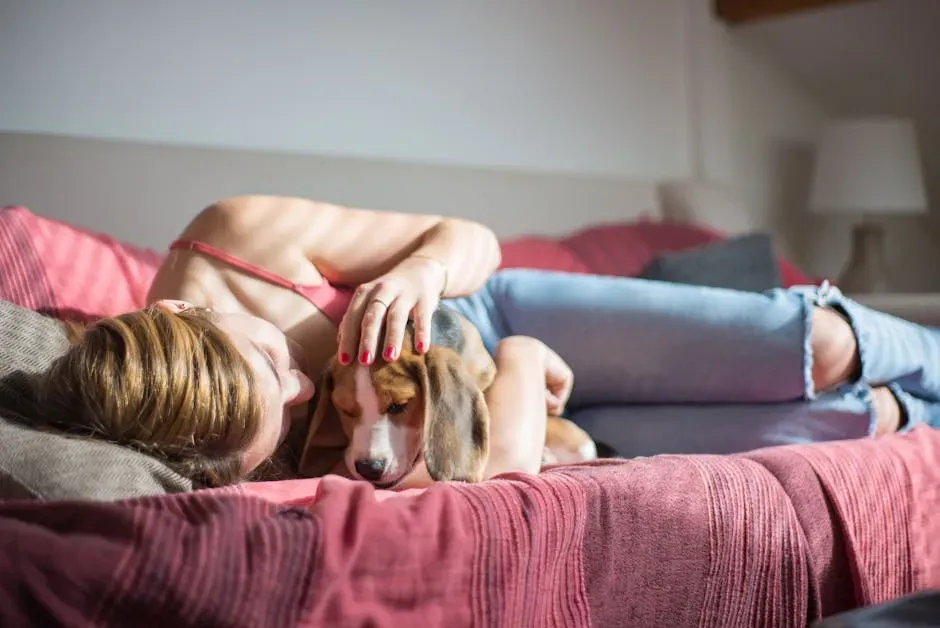
Here’s one most people miss entirely: your dog doesn’t just nap near you, they nap with you, on a schedule that lines up suspiciously well with your energy dips. Post-lunch slump? That’s exactly when they curl up in their favorite spot. Late-night crash onto the couch or bed? They’re right behind you, powering down on cue.
Dogs are shockingly good readers of human energy, and a lot of them build their rest cycles around your predictable slumps – because a low-energy human is a stationary one, and a stationary human means slow petting, steady body heat, and undisturbed cuddle time. Once a dog has cashed in on that enough times, they start planning for it, burning their own energy earlier in the day to be ready. Break your pattern – stay wired late, skip your usual afternoon lull – and watch your dog get oddly restless. That’s not moodiness. That’s a routine getting disrupted.
#9 – They Assign Each Person in the House a Specific Job
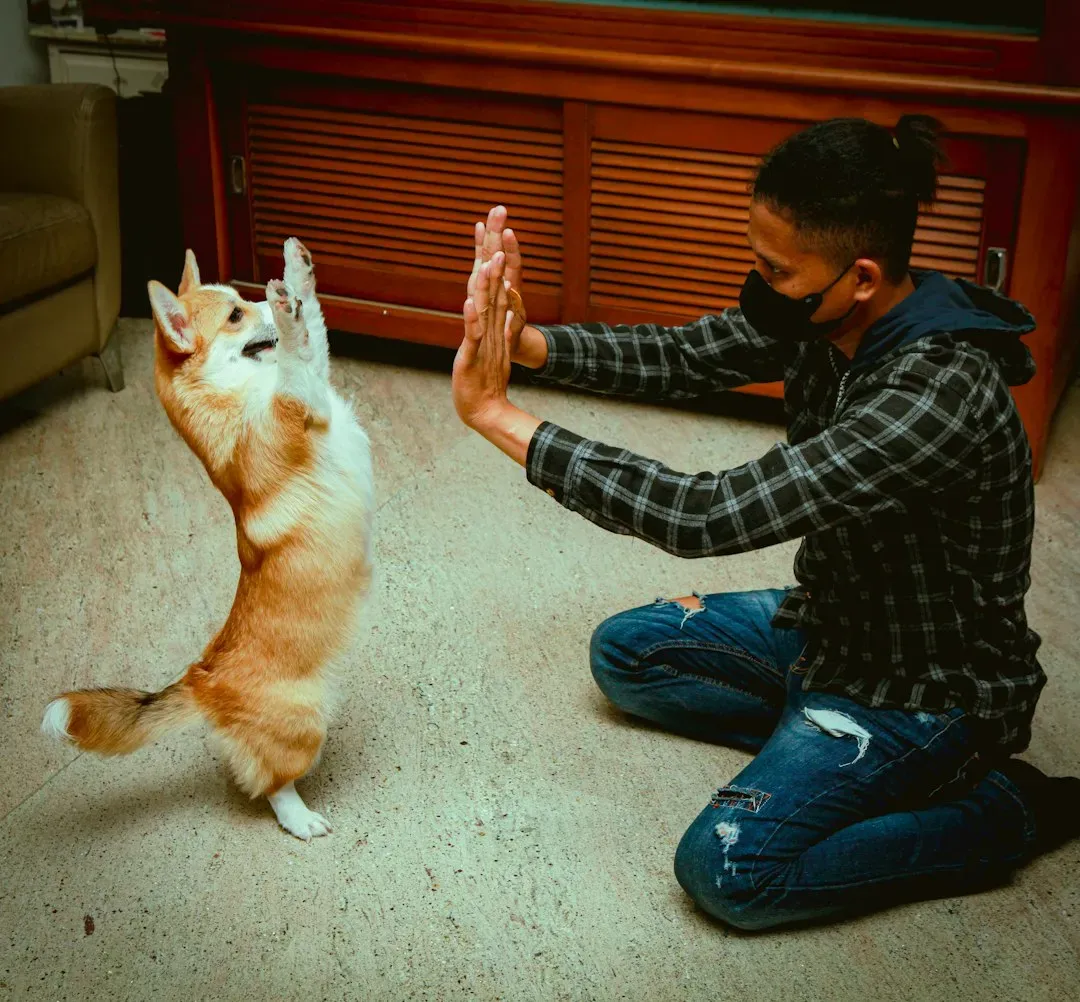
In a multi-person household, a dog with a self-built routine treats the humans like calendar slots, not interchangeable caretakers. One person becomes the “morning walk human.” Another is “after-work play human.” A third is “late-night snuggle human.” It looks like favoritism, but it’s really role assignment based on who is reliably available at what hour.
Watch closely and the pattern jumps out: the dog waits by the door for one specific person at 5 p.m. sharp, then immediately fetches a toy. They ignore everyone’s breakfast except the one person who always drops a crumb. At bedtime, they bypass whoever’s still glued to the TV and head straight for whoever goes to sleep first. Over months, your dog is essentially running its own mental calendar, slotting each family member into a recurring event. It’s efficient, even if it does spark the occasional “why does he only come to you” argument at the dinner table.
At a Glance: The “Jobs” Dogs Assign Their People
- Morning walk human – first up, first out the door
- Snack drop human – the reliable source of dinner-table crumbs
- After-work play human – greeted with a toy already in mouth
- Bedtime cuddle human – whoever settles down first at night
#10 – They Show Up for Comfort Duty Before You Even Feel It Coming
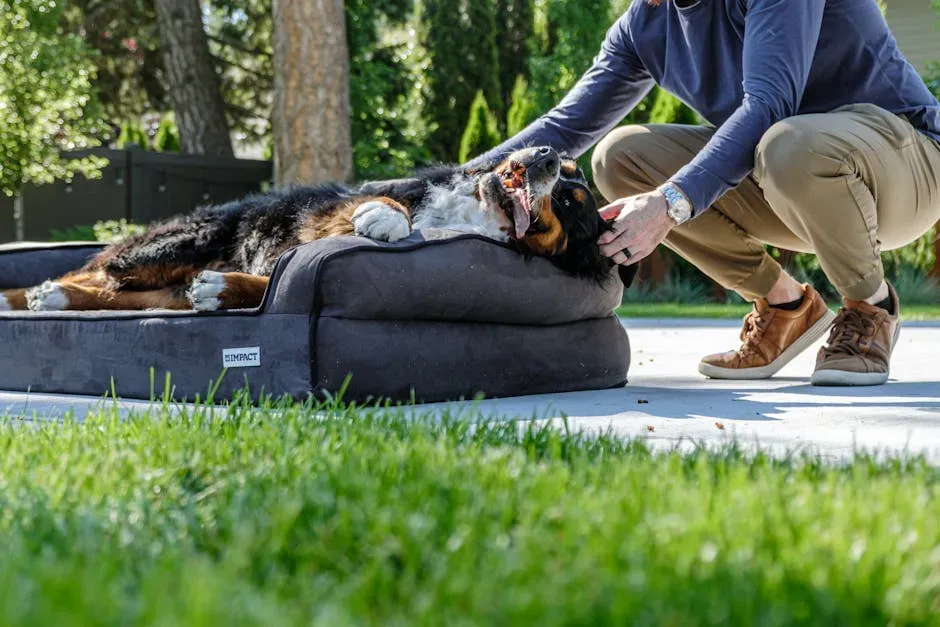
This one sounds almost mystical, but it’s painfully practical. Dogs that live closely with humans don’t just track time and actions – they track mood. If you’re reliably stressed on Mondays, drained by Friday, or anxious before a certain meeting, your dog has already clocked it, even if you haven’t consciously admitted it to yourself.
Maybe they climb into your lap five minutes before that recurring Zoom call. Maybe they park by the door on gym days when you’re tempted to bail. Maybe they get clingy on the exact nights you historically doom-scroll until 2 a.m. What’s happening isn’t magic – it’s your dog reading posture, breathing, and tiny timing cues you’ve trained yourself to ignore. And here’s the part that stings a little: plenty of people start softening their voice or slowing their movements because the dog is watching them with concern. Your own coping mechanisms are now quietly routed through your dog’s built-in emotional radar.
#11 – They Time Their Mischief for the Moment You’re Least Likely to Say No
Smart dogs don’t just build cute routines – they build opportunistic ones. If your dog reliably begs for treats at your busiest hour, demands play the second you sit down with food, or gets into some low-grade mischief right before you leave for work, that’s not random bad timing. That’s a dog who has clocked exactly when you’re most distracted and most likely to give in just to keep the peace.
This isn’t “bad dog” behavior – it’s shockingly effective scheduling. If chewing a toy loudly gets ignored at 3 p.m. but earns a guaranteed game of tug at 8 p.m. when you’re mid-show, guess which time slot that behavior migrates to. Your own responses end up carving weird little pressure points into the day: cave to one more treat when you’re exhausted, hand over the high-value chew when you’re running late. Dogs notice fast. Soon your weakest moment of the day becomes their strongest leverage point.
Worth Knowing
- Shift feeding times by 15 to 20 minutes every few days to loosen a schedule that’s become too rigid.
- Vary your walk route or leaving phrase occasionally so routines stay flexible instead of fixed.
- Reward calm waiting instead of insistent nudging, so you’re not reinforcing demanding timing.
- A little unpredictability is healthy – it keeps a smart dog mentally engaged rather than anxious about exact timing.
#12 – They React to Tiny Environmental Cues You Never Even Registered
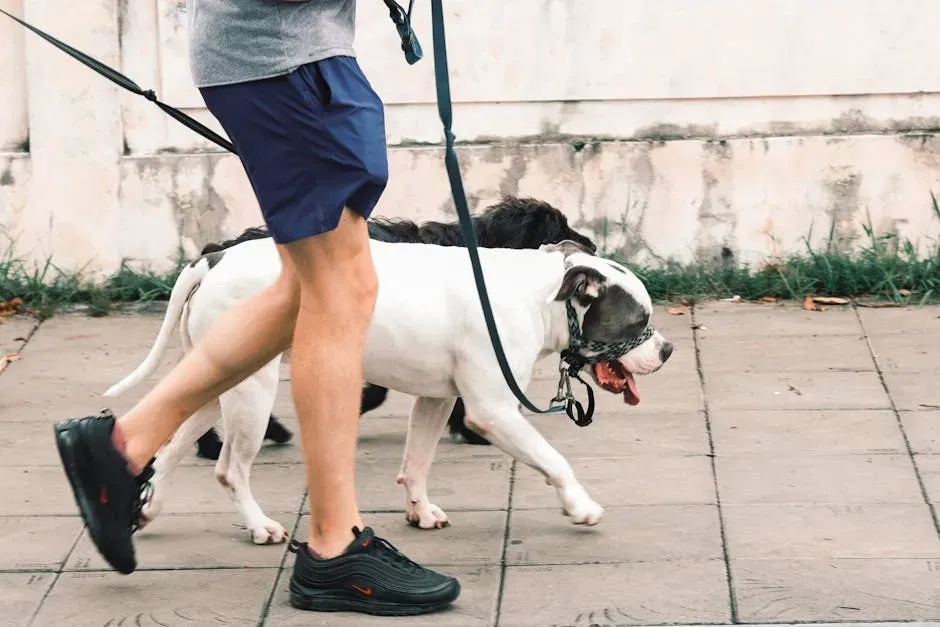
The final, genuinely strange tell is when your dog starts responding not to clock time, but to micro-habits you didn’t even know you had. Maybe the way the afternoon light hits the living room always lines up with your coffee break. Maybe a distant school bus means the kids are ten minutes out. Maybe a certain jingle on TV always plays right before your favorite show wraps up.
Once your dog has linked these background details to what you do next, they start moving before you do – up and heading for “kid greeting duty” the moment they hear that bus, before you’ve glanced at the clock. Drifting toward the kitchen before you’ve consciously decided you want coffee. Heading for the bedroom the instant the closing music starts. It isn’t intuition, it’s advanced pattern mapping – your dog has cross-wired the world around you into a seamless schedule. And here’s the moment it flips completely: you stand up because they did, you assume it must be late because they’re waiting by the door. That’s the tell that their routine isn’t inside your day anymore. Your day is inside theirs.
The Verdict: Whose Day Is It, Really?
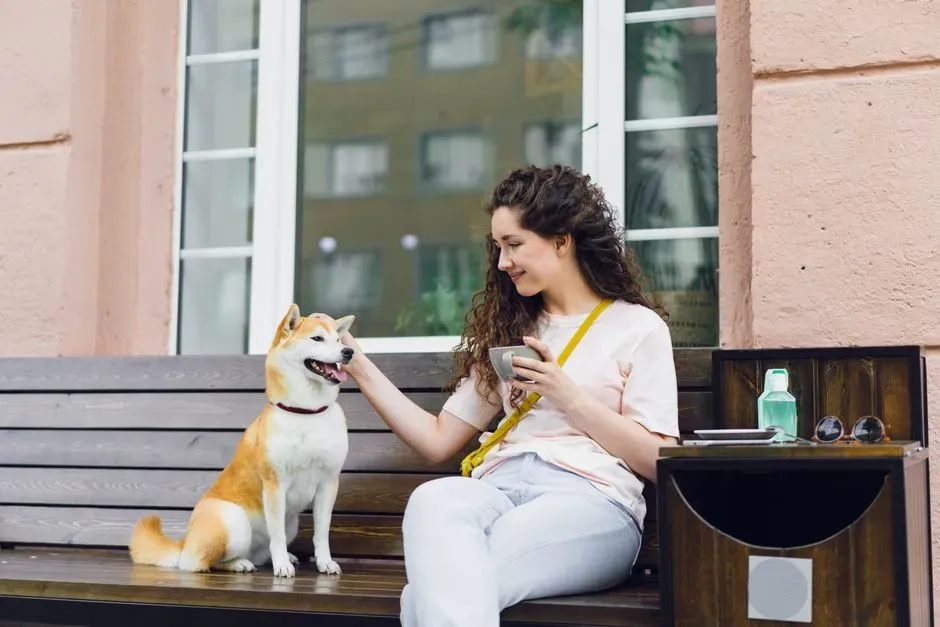
The comforting version of this story is that dogs simply “fit into” our schedules, grateful passengers along for the ride. The real version is messier and honestly more impressive: the more tuned-in a dog is, the more quietly and thoroughly they rewire your day around their own expectations – your wake-up calls, your meals, your screen time, your emotional low points, even your bathroom breaks.
I don’t think that’s a flaw in dogs. I think it’s the whole point of them. A dog that has built a routine inside your life isn’t manipulating you in some sinister way – it’s co-writing your daily script because it has nothing else to invest its attention in except you. That can mean more walks, more structure, a built-in mood-check twice a day. It can also mean you’ve quietly surrendered more control than you realized to a creature that can’t even open a door.
So skip the question of whether your dog has done this – it has. The real question is whether you’re okay with how much of your day they now secretly own, and if you’re not, which habit you’re actually willing to take back first.