
10 Details a Dog Treats as Fixed Points in a Day That Keep Shifting Around It
Most people assume their dog is watching the clock – waiting for 7 a.m., counting down to 5:30 p.m., panicking at the exact minute dinner is late. That assumption is wrong, and once you see why, you’ll never look at your dog’s daily routine the same way again.
Dogs don’t orbit numbers. They orbit a handful of emotional checkpoints that quietly slide around all day, anchored not to time but to you. Stick around, because once you know what these ten hidden anchors actually are, you’ll start noticing your own dog reading your life like a script – and you might realize you’ve been moving the goalposts without ever knowing it.
#1 – The Wake-Up Moment (Even If You Hit Snooze Three Times)
Your dog doesn’t care what your alarm says. It cares about the second you actually become “awake human” – the creak of the bed frame, the phone unlocking, the shift in your breathing. That moment is the first fixed point of the day, and it slides around based entirely on your habits, not a clock on the wall.
Here’s the part that surprises people: if you get up but skip the greeting – no eye contact, no stretch, no hello – your dog often turns clingy or unsettled later on. The wake-up time never mattered. The shared ritual did. Switch to night shifts, and that anchor simply relocates to whenever your body finally says “we’re up now,” no confusion required.
#2 – The First Door Opening: When “Inside World” Becomes “Outside World”
The instant a doorknob turns, your dog’s entire universe expands. That first door – the back door to the yard, the front door for a quick walk – hits like a daily checkpoint, and it doesn’t matter what time it happens. It’s the moment their nose officially clocks into work, flooded with smells, sounds, and the status report of the outside world.
Delay that moment because you’re stuck on a call, and plenty of dogs start pacing or staring at the door like it’s overdue, even though nobody ever taught them a schedule. What’s really happening is sharper than it looks: dogs read circadian cues – light, outside noise, your movement – and treat that door swinging open as confirmation the day is on track. Move your routine, and within days, most dogs quietly reset the whole bookmark.
Fast Facts
- Dogs largely track “time” through light levels, scent changes, and routine cues rather than clock-watching.
- A dog’s version of “wake-up” is the shift in your energy and behavior, not the hour on your alarm.
- The first door of the day works like a sensory newsfeed, loaded with scent and sound updates.
- Most dogs can quietly reset an anchor point within days once a new routine becomes consistent.
#3 – Breakfast Bowl Time: The Moving Feast
Humans obsess over “7:30 sharp.” Dogs obsess over the sequence that leads to the bowl – the walk to the kitchen, the scoop hitting kibble, the pantry door creaking open. That chain of small cues matters far more than any exact minute, which is exactly why breakfast still feels like a fixed point even when it drifts by an hour.
Skip a step or scramble the order, and some dogs get anxious, vocal, or unusually clingy – not because the food was late, but because the pattern broke. Others start “pre-gaming” the meal, following you around and staring at the food area based purely on how long it’s been since last night’s dinner. Either way, breakfast isn’t really about the time slot. It’s a small daily promise: the world is generous, and we’re okay.
#4 – The Departure Ritual: Drama Around a Shifting Exit
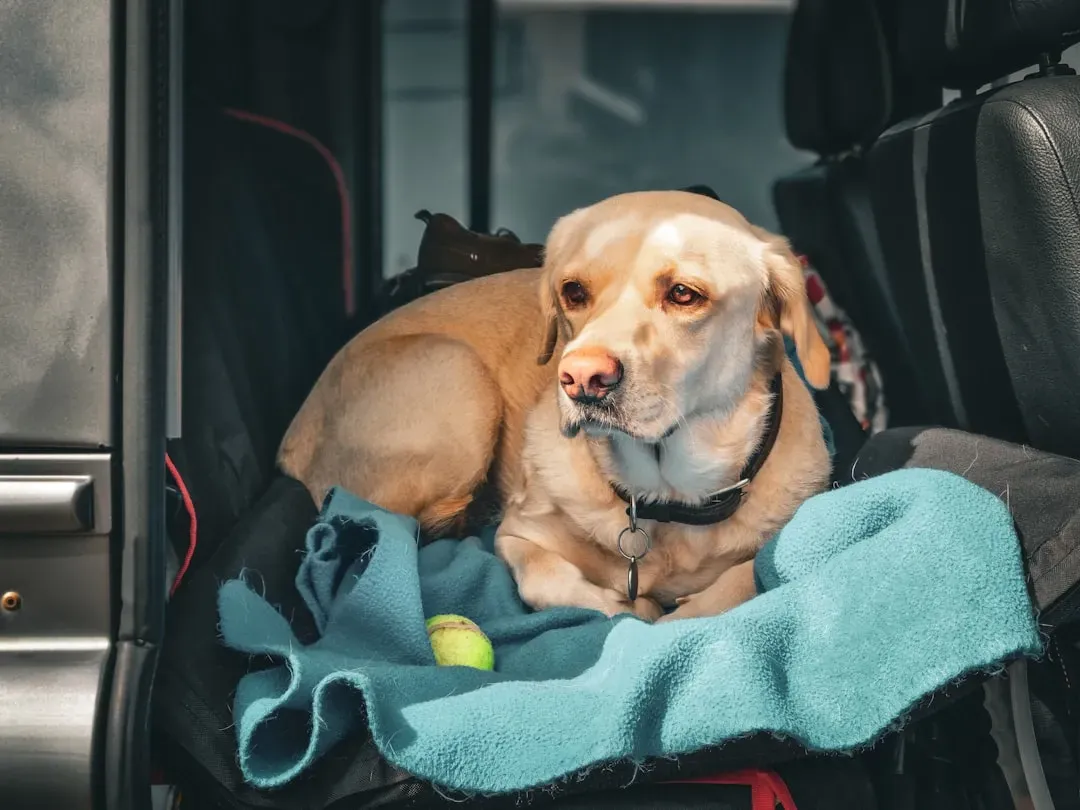
Most owners assume the dog is losing it because you leave at 8 a.m. sharp. Wrong. The real trigger is a cluster of signals – keys jingling, shoes from one particular spot, the bag you only touch for work – and that cluster moves wherever your schedule does. Those objects become louder to your dog than any clock ever could.
Here’s the part that ruffles feathers: some behaviorists now argue that strict, identical exits actually make anxious dogs worse, because the ritual builds toward the same dreaded note every single time. Their fix is controlled unpredictability – swap the bag, reorder the steps, sneak in a quick play moment before you go – to soften the emotional grip of that exit anchor. Your dog still knows you’re leaving. It just stops feeling like judgment day.
#5 – The First Reunion: When Time Snaps Back Into Place
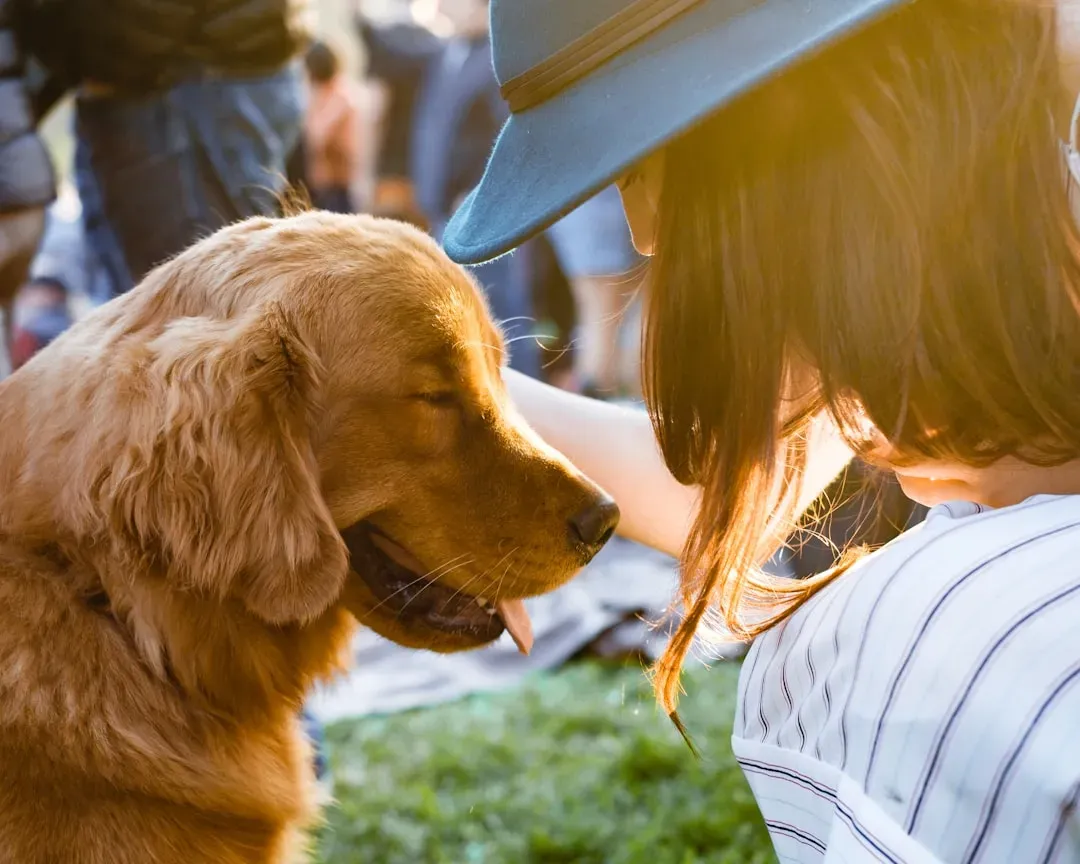
Your return isn’t just “you’re home.” It’s the emotional reboot that makes the entire day’s waiting make sense, and it may be the single most powerful fixed point in your dog’s life. Dogs don’t track your absence by staring at a clock – they read scent decay. Your smell fades for hours, and the second you walk in, it snaps back to full strength.
That’s why they explode at the door like the world just reassembled itself. It’s less “you’re on time” and more “reality finally clicked back into place.” Dogs adjust to schedule chaos – night shifts, rotating hours, sudden changes – within a week or two, simply shifting the emotional weight of the day to whatever moment those familiar footsteps show up. Rush past the greeting too often, and you’re not correcting jumping. You’re dulling the biggest payoff of their entire day.
Worth Knowing
- A dog’s sense of “how long you’ve been gone” is tied to fading scent, not elapsed hours.
- Reunion greetings can lose intensity over time if they’re consistently rushed or ignored.
- Most dogs adapt to new work schedules or shift changes within one to two weeks.
- A calm, full greeting reinforces the anchor instead of just managing excited jumping.
#6 – The Main Walk: A Moving Window Into the World
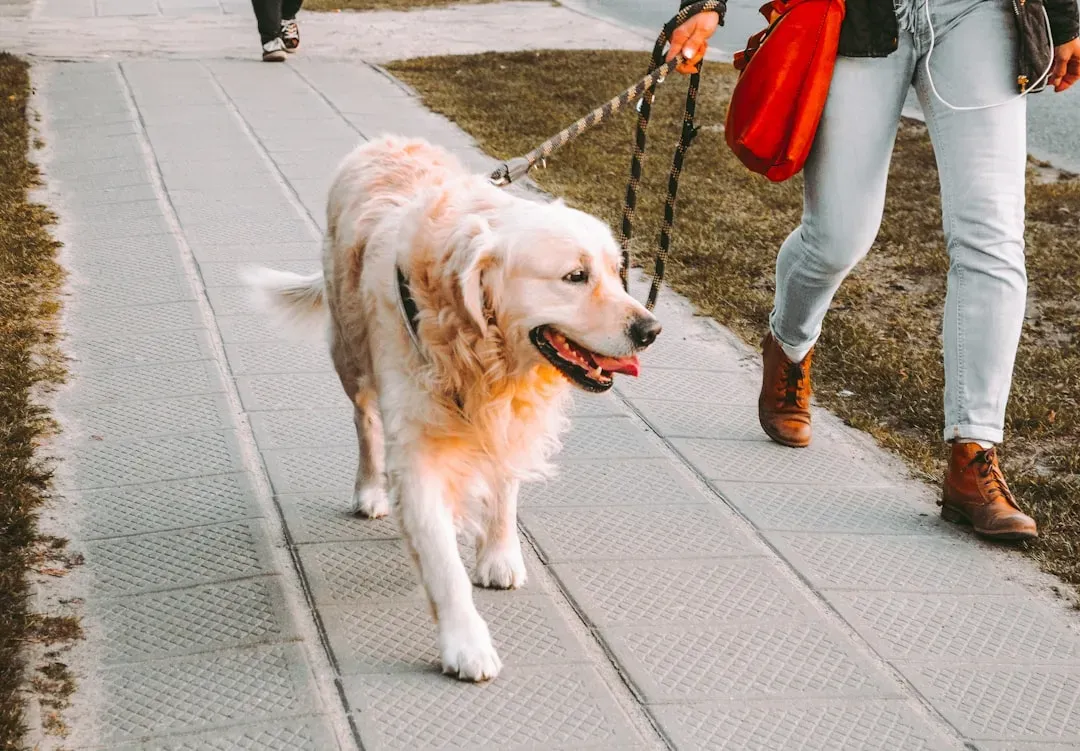
Ask an owner what their dog loves most and they’ll say treats or dinner. Trainers quietly disagree – the walk is the real jackpot, and its timing is one of the slipperiest anchors in a dog’s entire day. It’s not about relieving themselves. It’s a full-body workout, a newsfeed of scent and sound, a social scroll of who’s been where.
Here’s the unpopular opinion: skipping the daily walk regularly, even with a huge yard available, is one of the most underrated welfare mistakes owners make. A fenced lawn is static. A walk is a moving classroom that never repeats itself. Shift the timing from morning to evening and your dog won’t cling to the old hour – but break the pattern too often, and you don’t just get a bored dog. You get a confused one whose biggest daily payoff keeps vanishing.
#7 – The Midday Lull: The Soft Anchor No One Talks About
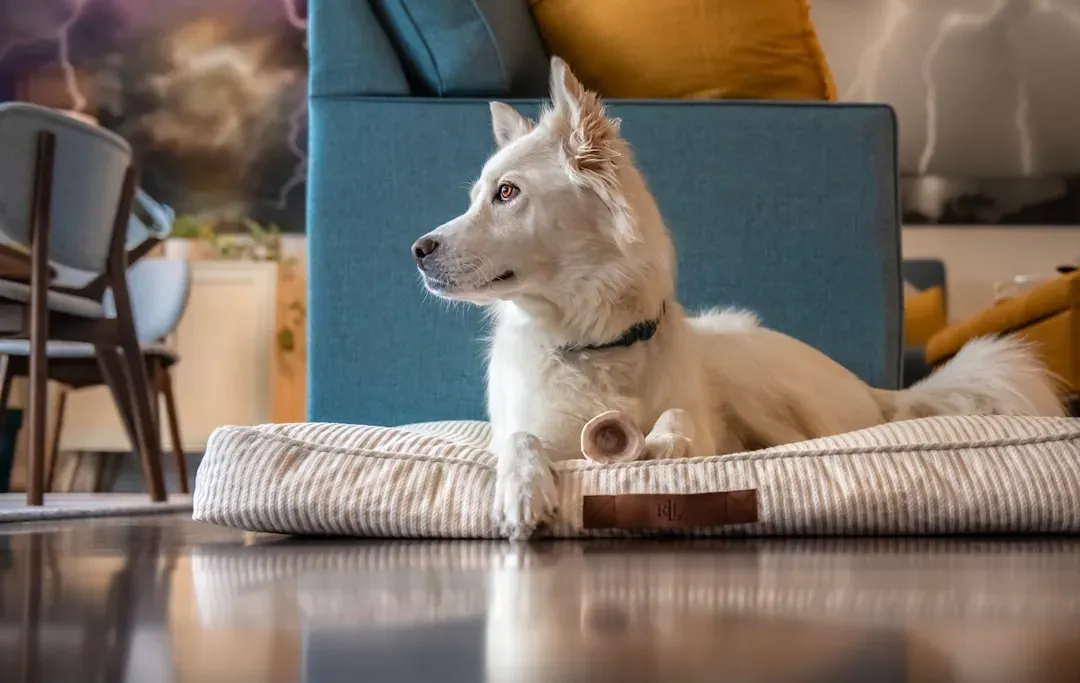
Between the big, loud moments – walks, meals, reunions – sits a quiet fixed point almost nobody notices: the midday lull. It’s not about activity. It’s about predictable stillness, usually settling in after the first walk or once you park yourself at your desk, in whatever spot holds your scent the strongest.
This is when a dog’s nervous system does its real recovery work – heart rate drops, breathing evens out, the constant tracking of your every move finally switches off. Households that never offer a consistent quiet stretch can accidentally rob their dog of this anchor entirely, leaving them permanently “on watch” and mislabeled as simply high-energy, when really they’re just under-rested.
At a Glance: Why the Midday Lull Matters
- Predictable quiet time lets a dog’s heart rate and breathing fully settle.
- Dogs without a consistent rest window can stay in a low-grade “on watch” state all day.
- This lull is often mistaken for boredom when it’s actually a needed recovery period.
- The stillness itself matters more than the exact hour it happens.
#8 – Dinner Time: The Emotional Deadline of the Day
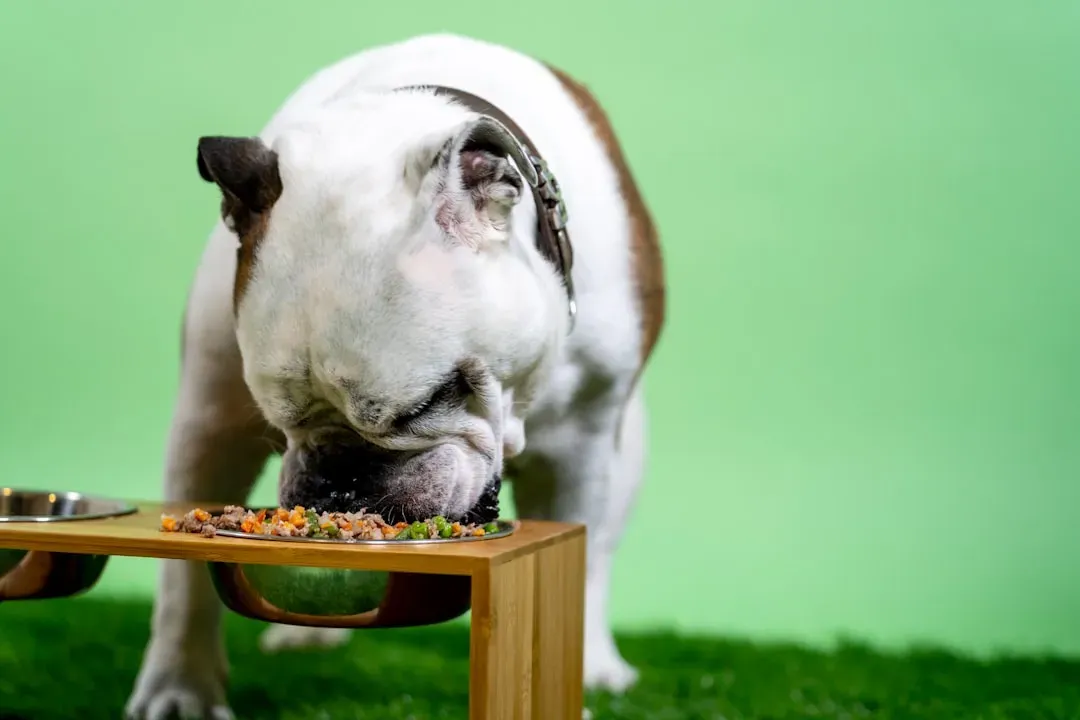
If breakfast is a promise, dinner is a verdict: did the day stay predictable? Dogs pair the second meal with a whole cluster of closing-time cues – the sun dipping, the laptop closing, the TV clicking on, voices getting louder as the household regroups. Over time, dinner stops being about hunger and starts being about closure.
Here’s the opinion that won’t win any popularity contests: leaving food out all day can quietly strip dogs of this satisfying anchor. It works fine for some dogs, but for plenty of others, a shared, predictable meal delivers more emotional structure than constant kibble access ever could. The bowl hitting the floor at “close of business” tells them, plainly, we made it through another day together.
#9 – The Evening Shadowing: Your Dog’s Moving Check-In
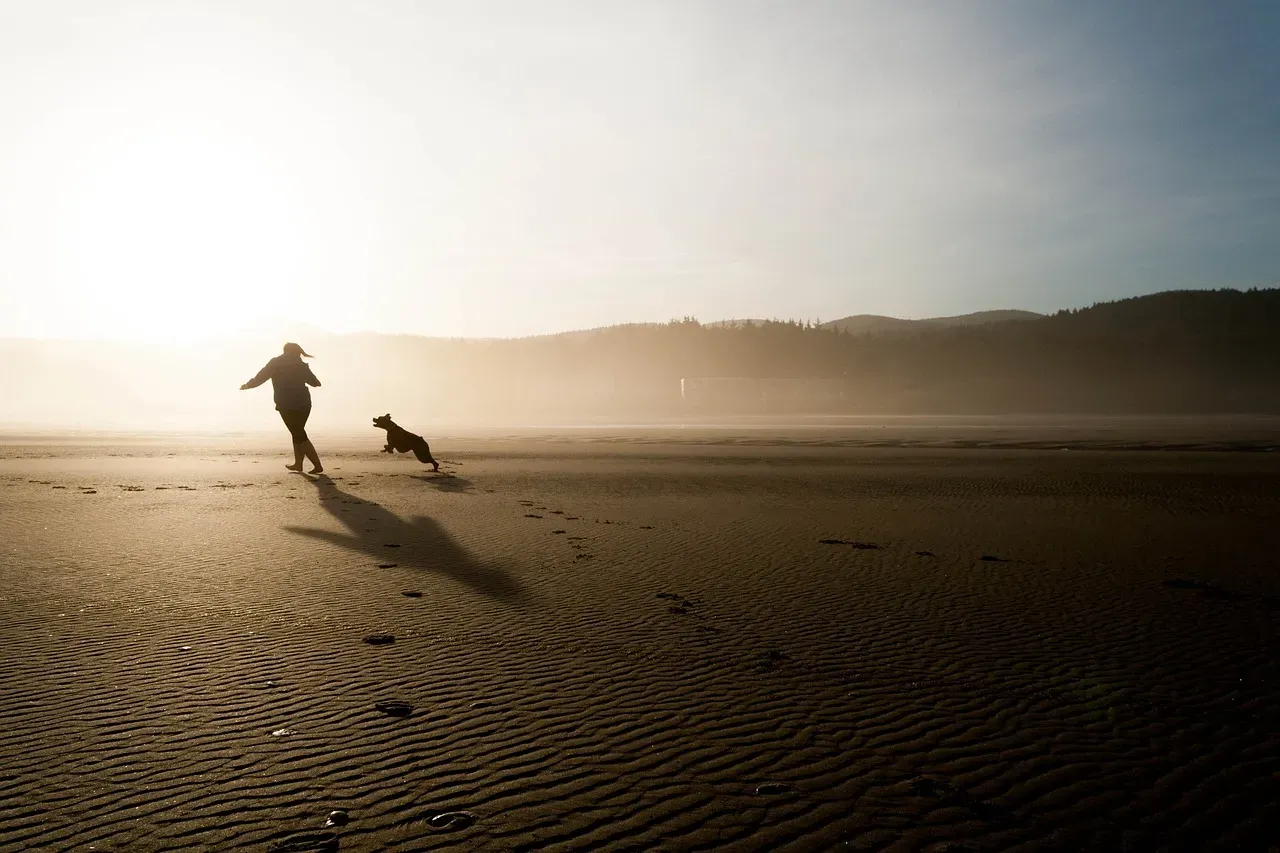
As night creeps in, many dogs slide into a second orbit around you – following room to room, watching a little closer, clocking your every small routine. This shadowing phase isn’t set by the clock at all. It’s triggered by your energy shifting from outward to inward, from errands and office mode into couch mode.
Dogs use this window to run their last major safety check before sleep – sometimes doing slow “rounds” of every person in a multi-person household, quietly confirming who’s home and who’s okay. In winter that might kick in at 5 p.m.; in summer, not until 9. Your dog doesn’t care about the hour. It’s reading the emotional temperature of the room, and if your evenings run chaotic or tense, this soothing ritual turns into a scanning mission instead – one that follows them straight into a worse night’s sleep.
Quick Compare: Calm vs. Chaotic Evenings
- Calm energy: shadowing settles into easy rest near you.
- Chaotic energy: shadowing turns into constant scanning and restlessness.
- Predictable bedtime script: your dog relaxes fully once the routine fires.
- Inconsistent bedtime script: pacing, barking, or clinginess before sleep.
#10 – Bedtime: The Last Anchor Before the World Goes Dark
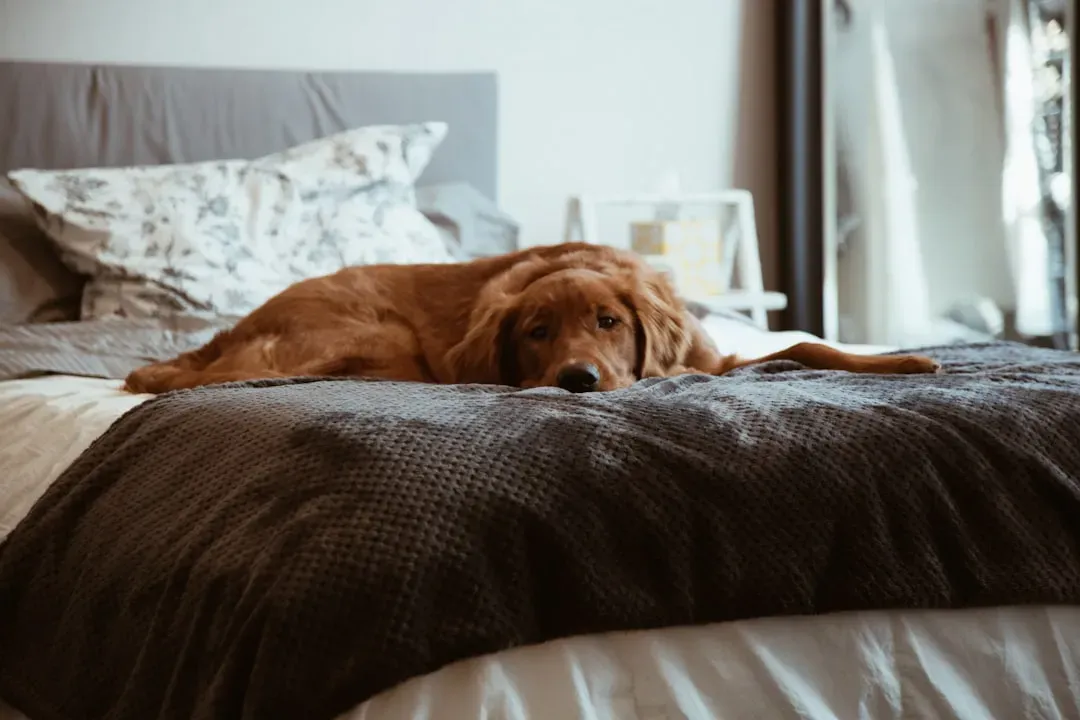
If wake-up is the world switching on, bedtime is the final confirmation that it’s safe to power all the way down. Dogs learn your nighttime script with almost unnerving precision – lights going off in a specific order, teeth brushing, the exact phrase (“alright, bedtime!”), the walk toward a particular room. Once that sequence fires, plenty of dogs beat their owner to the bedroom entirely.
The real trouble starts with inconsistent bedtime energy – quiet cuddles one night, loud arguments or a disappearing act out the door the next. For sensitive dogs, that unpredictability turns the last fixed point of the day unstable, and it shows up as pacing, barking, or refusing to settle unless they’re physically pressed against you. A calm, repeatable pre-sleep ritual is what finally lets a dog’s brain say: the pack is down, the territory is safe, I can let go now.
Dogs don’t live by clock time. They live by emotional landmarks – wake-up, the first door, meals, departures, reunions, the walk, the lull, the shadowing, and finally bedtime. These feel like fixed points not because the hour never moves, but because the pattern and the emotional tone underneath it usually do.
Here’s the uncomfortable opinion I’ll stand behind: a dog in a cramped apartment with steady, respectful rituals is almost always better off than a dog in a sprawling backyard surrounded by chaos. Structure was never about military precision. It’s about giving your dog a handful of anchors it can actually predict and relax around, no matter how messy the rest of your schedule gets. So which of these ten fixed points does your dog cling to hardest – and where might you be quietly moving the goalposts without even realizing it?