
16 Cues a Shelter Dog Picks Up on in the First Sixty Seconds With a Stranger

You walk down the kennel aisle thinking this is just a meet-and-greet. It isn’t. By the time you’ve taken ten steps, the dog in front of you has already run a full background check on your posture, your breathing, your smell, and the way your hand moved toward the latch. Most adopters believe the magic happens when they finally kneel down and say hello. In reality, the dog already decided how this was going to go before a single word left your mouth.
Shelter dogs aren’t reading your intentions. They’re reading your body, because bodies don’t lie the way words can. Some of what they pick up on is almost too subtle for a human to notice in themselves – until you see it listed out and suddenly recognize every mistake you’ve ever made in a kennel aisle. Here’s what’s actually happening in that first sixty seconds, cue by cue.
#1 – Your Energy Before You Even Reach the Kennel
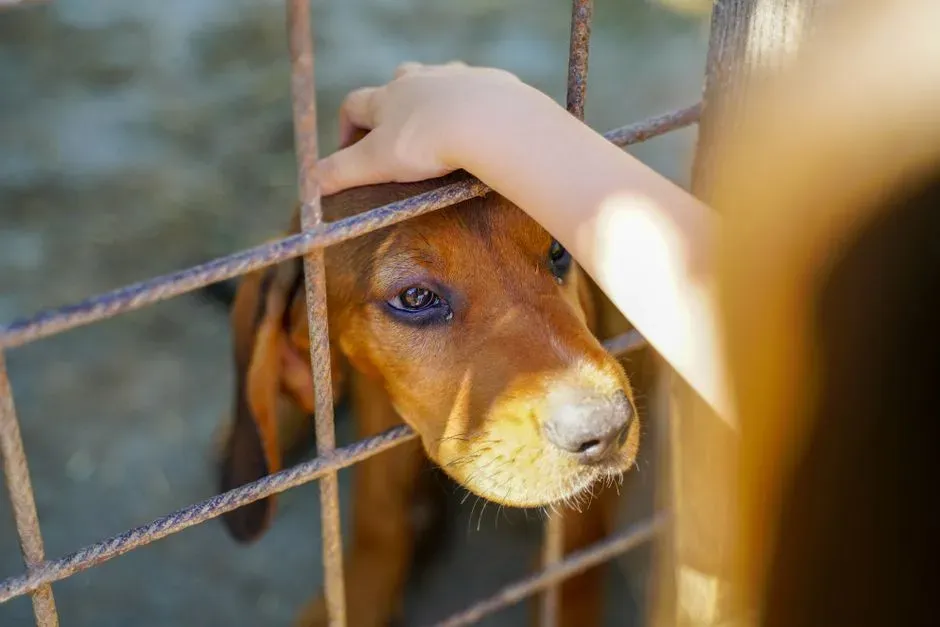
Dogs in shelters start sizing you up before you’re even standing in front of them. As you walk down the aisle, they’re clocking your footsteps, your pace, even how tense your shoulders are. A rushed, stomping walk often reads as unpredictable or threatening, especially to dogs who’ve lived with chaotic humans before. A slower, relaxed pace with soft movements signals safety and gives their nervous systems room to stay calm instead of spiraling into frantic barking.
Most visitors have no idea how much their own excitement leaks out before they even speak. Shelter dogs can pick up on stress through breathing and micro-movements almost instantly, and if you’re holding your breath, jittery with “I want a dog SO badly,” many fearful dogs read that as something being wrong. Ironically, the people who want it the most often feel the scariest to the dogs who need calm the most. A loose, unhurried walk toward the kennel is the first sentence in a conversation the dog is already having with your body.
#2 – Whether You Stare or Softly Glance
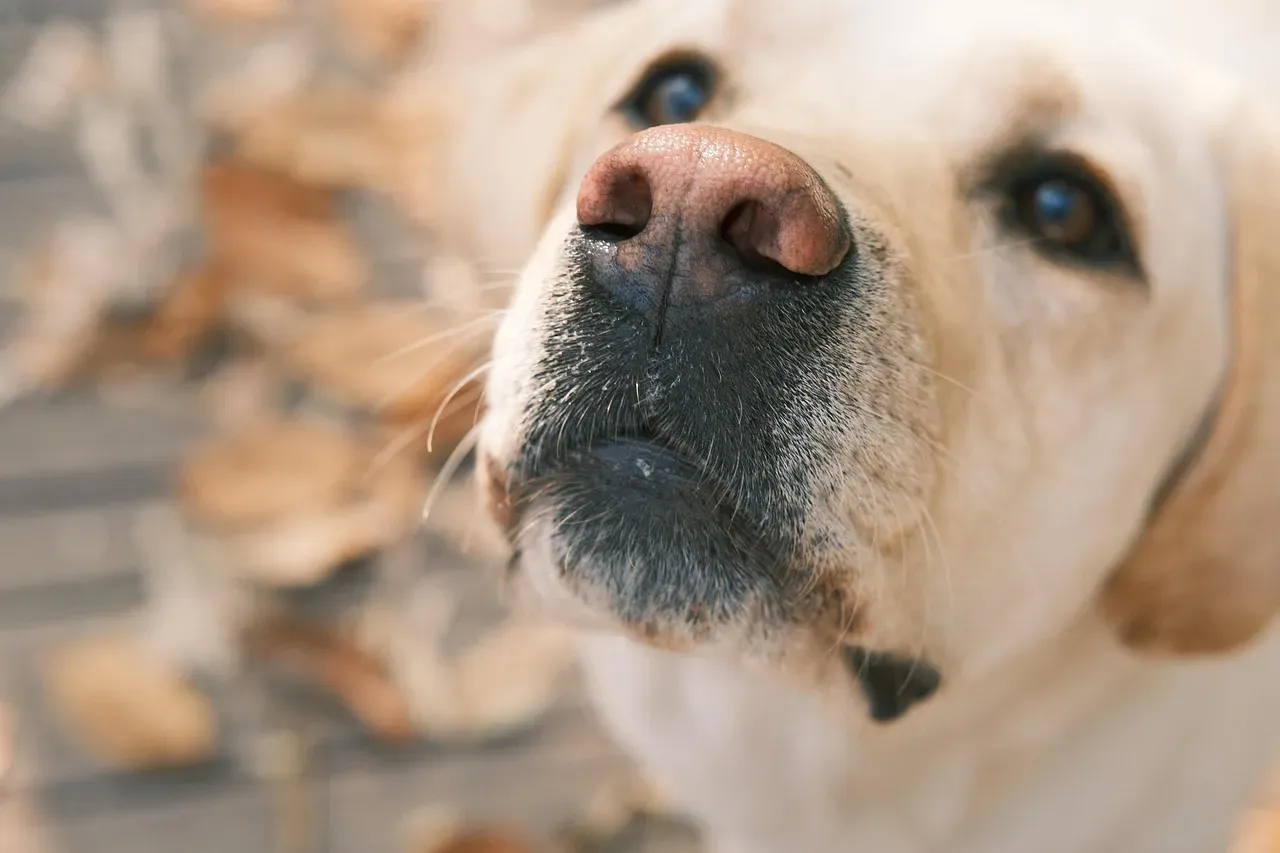
Here’s the part most people get wrong: marching up to a kennel and staring straight at the dog feels attentive to you, but to many dogs, direct, locked-on eye contact is a challenge. Especially for dogs with rough histories, a stranger’s hard gaze through metal bars can scream confrontation, not connection. That’s why some dogs bark harder or shrink back the moment someone leans in and stares.
A quick soft glance, followed by a slight head turn or averted eyes, is dog language for “I’m not here to fight you.” Behavior-savvy adopters blink slowly, soften their face, and glance at the dog before briefly looking away. That tiny adjustment can change everything – dogs who were barking like maniacs will sometimes pause, sniff, or even offer a tentative tail wag once they realize you’re not staring them down. Your eyes tell them, in seconds, whether you’re pushy or polite.
Worth Knowing
- A slow blink often reads to a dog as “I mean no harm”
- Turning your head slightly away can defuse tension without breaking connection
- Lip licking or yawning in a dog is frequently stress, not sleepiness
- A soft, relaxed mouth is a good sign; a tense, closed mouth usually isn’t
#3 – The Way You Use Your Hands at the Kennel
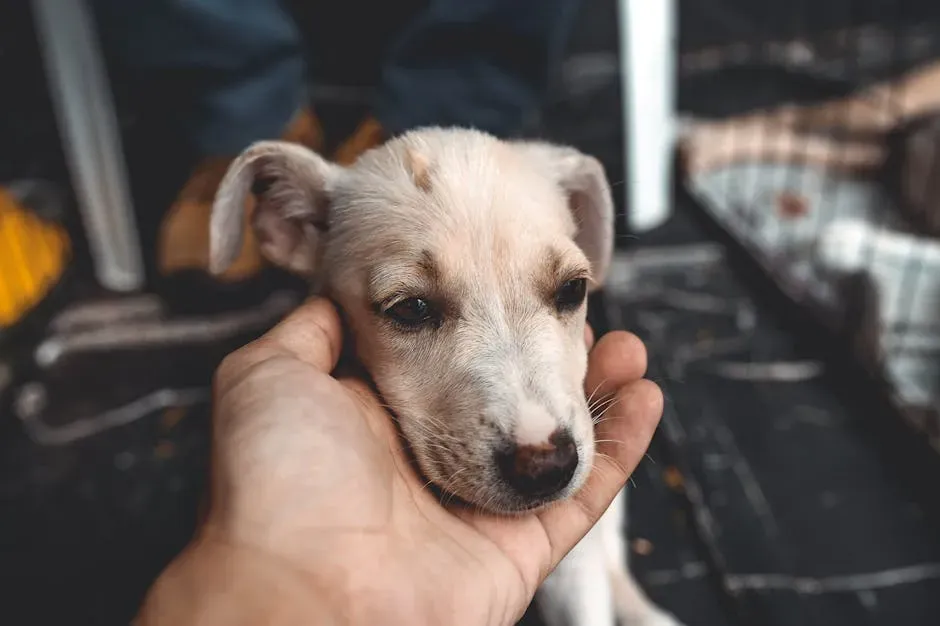
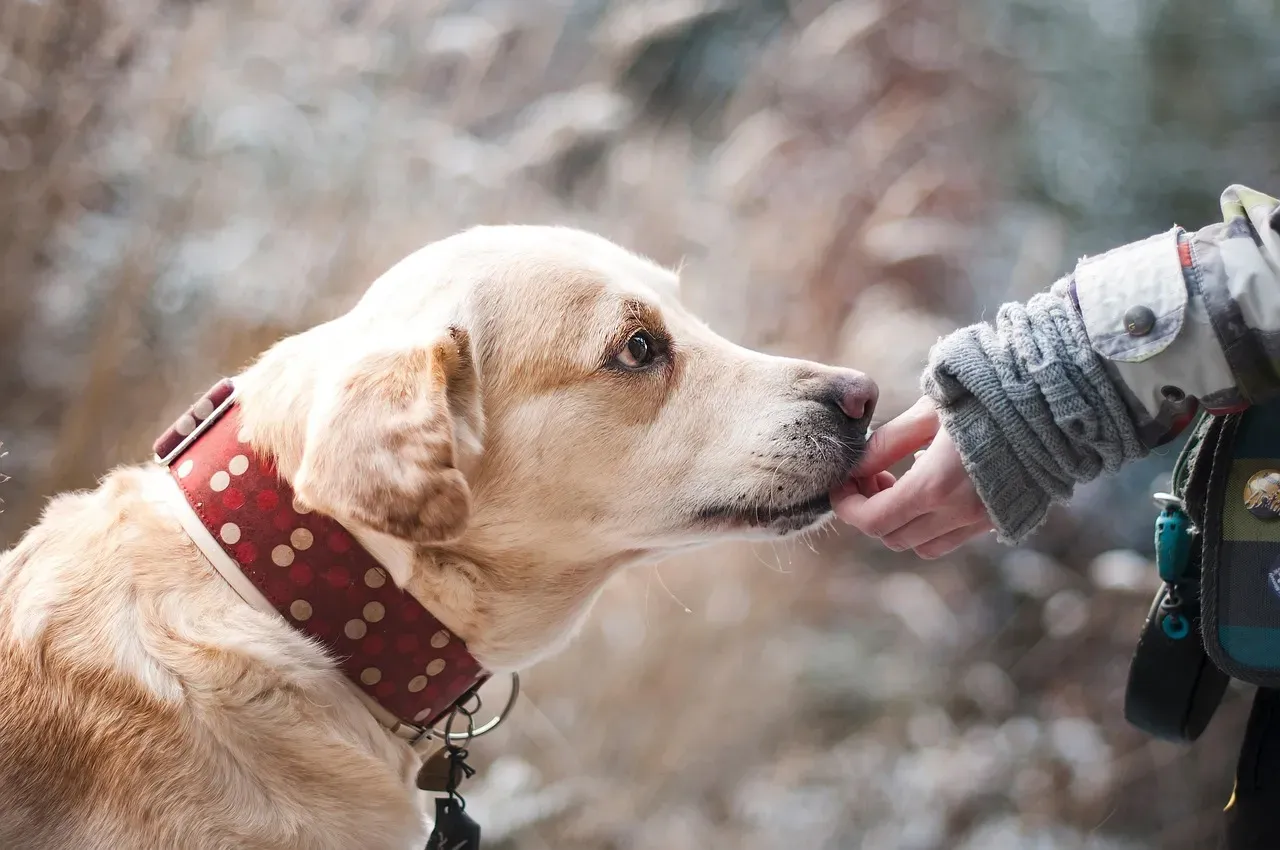
Your hands are sending signals long before you ever touch the dog. A surprising number of people walk up and immediately shove fingers through the bars, clap, or tap the kennel to “get their attention.” From a scared dog’s point of view, that’s just more unpredictable human hands – exactly what many of them learned to fear. Overwhelming them right away can turn a maybe-friendly dog into a reactive one in seconds.
More thoughtful visitors treat the kennel like a boundary, not a toy. They keep their hands low and relaxed at first, and let the dog approach the bars instead of reaching in.
- Keep hands low and relaxed at your sides
- Let the dog choose to approach first
When they do offer a hand, it’s gentle, sideways, and still, giving the dog a chance to sniff without pressure. A hand jammed over the dog’s head or wiggling fingers in their face reads as rude, even threatening. How you introduce your hands is often the clearest cue of whether you’ll respect their space.
#4 – Your Voice Tone (Not the Words You Say)
A lot of people think saying “It’s okay, it’s okay, it’s okay!” in a high, squeaky voice is comforting. For many shelter dogs, it’s the opposite. Dogs don’t speak English – they read tone, rhythm, and pitch. A fast, high-pitched, babbling voice can sound chaotic and overstimulating, especially in an echoey kennel block where everything is already loud and confusing.
What lands better is warm, low, and slow. A calm “Hey, buddy,” said softly with pauses between words, helps a dog’s arousal come down instead of up. Some confident dogs love cheerful baby-talk, sure, but fearful or shut-down dogs usually do better with fewer words, slower delivery, and a lower pitch. You can literally watch some dogs exhale the moment your voice matches calm instead of frantic.
#5 – Your Body Angle and How You Take Up Space
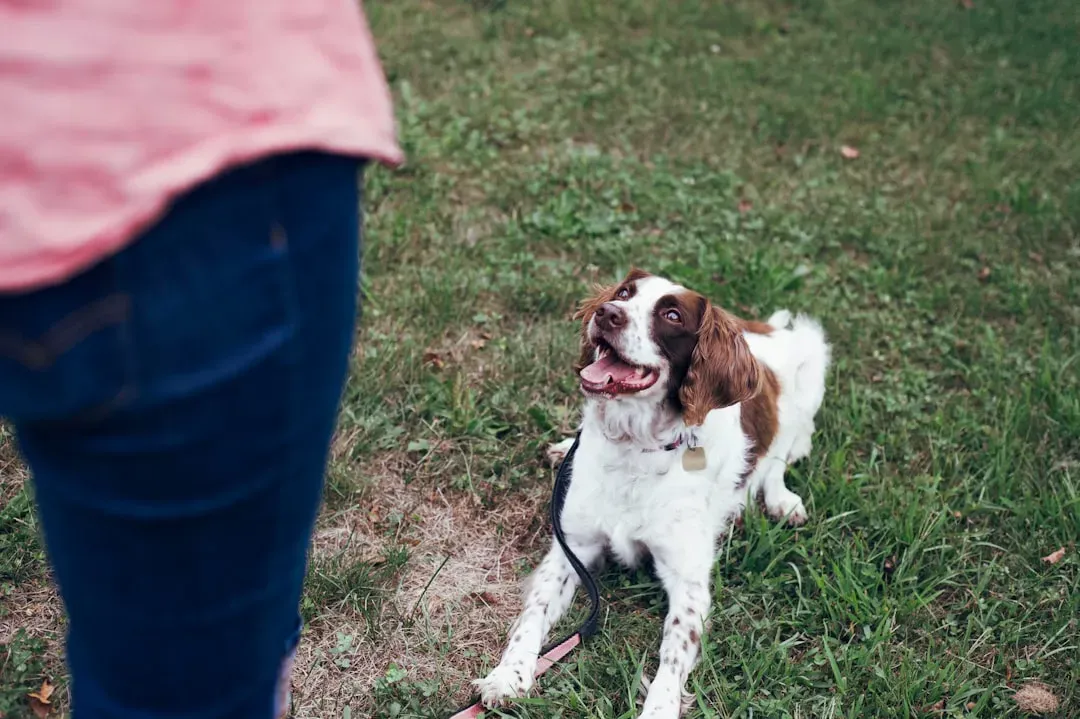
Here’s a subtle cue almost nobody talks about: how your body is oriented. Squaring up, shoulders forward, chest out, and leaning in might feel like showing love to you, but to many dogs, a full-frontal approach is big, intense energy. Combined with a small kennel and years of unpredictable humans, that can feel like being cornered – even a wagging tail can freeze when someone looms directly over them.
Behavior pros often angle themselves slightly sideways, bending at the knees instead of the waist and crouching to the side rather than hunching over the dog. This creates a softer silhouette and leaves what looks like an escape route, which immediately reduces pressure. Some confident, social dogs won’t care how you stand, but the ones who’ve been pushed around absolutely do – your posture tells them, within seconds, whether you’re the type who crowds or the type who listens.
#6 – Your Scent and What It Says About Your Life
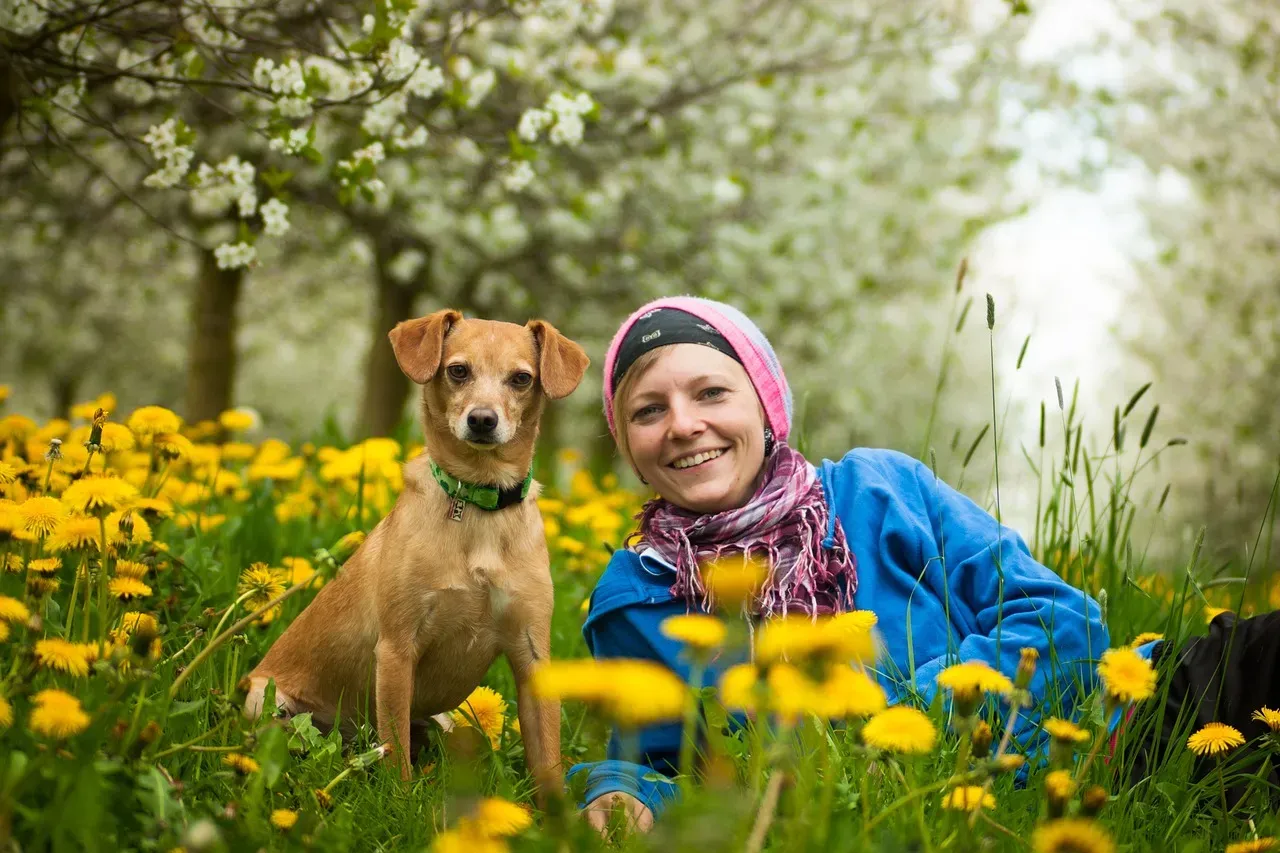
This one sounds almost mystical until you think about it. Shelter dogs spend their days collecting data about humans through scent – other dogs, other animals, where you’ve been. They smell the cat you petted this morning, the park on your shoes, the stress sweat you’re pretending you don’t have. Those first sixty seconds are a full olfactory download of your entire life.
Some dogs visibly key in when you smell like familiar things: other calm dogs, grass, a home that has pets in it. Others back off at the sharp scent of heavy cologne, cigarette smoke, or strong chemical cleaners. It’s not moral judgment, it’s survival data – they’re asking whether you smell like chaos or like routine. You can’t hide who you are from a dog’s nose; your scent is your résumé, whether you meant to submit it or not.
Fast Facts
- A dog’s nose carries vastly more scent receptors than a human’s, giving them a level of detail we can’t match
- Dogs can detect subtle chemical shifts linked to stress in sweat and breath
- Scent memory in dogs can linger long after the person who left it is gone
- A calm household often carries a different “smell profile” than a chaotic one, at least to a dog’s nose
#7 – How You Respond to Their Barking or Fear
This is where many potential adopters silently fail. The dog barks, lunges at the kennel front, or cowers in the corner, and the human either laughs nervously, scolds, or walks away. That first reaction teaches the dog exactly what kind of human you are. If your instinct is to snap “No! Stop that!” at a terrified or overstimulated shelter dog, you’ve just confirmed that humans are unpredictable and punitive – and to a dog who’s been corrected more than comforted, that’s game over.
A calmer, more trauma-informed response looks different: taking a small step back to reduce pressure, softening your voice and body even when the barking feels intense, and waiting quietly to see if the dog can settle. When a dog sees you stay patient instead of instantly frustrated, they’re learning you might handle their worst moments with some grace.
The best thing you can do is not react at all. Let the dog make the first move.
Turid Rugaas, dog trainer and author of “On Talking Terms with Dogs”
#8 – Whether You Respect “No” Instead of Pushing for “Yes”
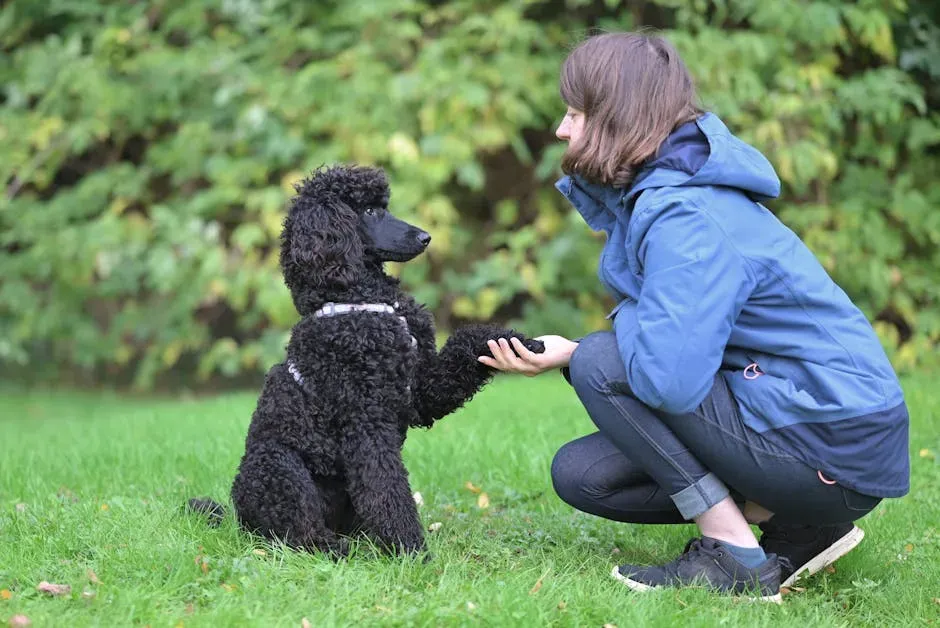
Dogs who’ve been through rough homes know exactly what it feels like when “no” doesn’t matter. A dog who backs away, turns their head, or retreats to the back of the kennel is giving you a clear boundary. The tragic move many people make is to push anyway – calling louder, reaching farther, insisting “Oh, come here, don’t be shy!” To a dog whose signals have been ignored for years, that’s just more evidence that humans don’t listen.
The visitors who earn trust fastest are the ones who take “no” seriously. They pause, stay where they are, maybe even step back and look away, letting the dog decide if and when to re-approach. Often, after a beat of pressure-free time, the dog creeps forward on their own. That choice is powerful – for some of these dogs, it’s the first time in years anyone has actually respected their voice.
#9 – What You Do With the Leash the First Time You Clip In
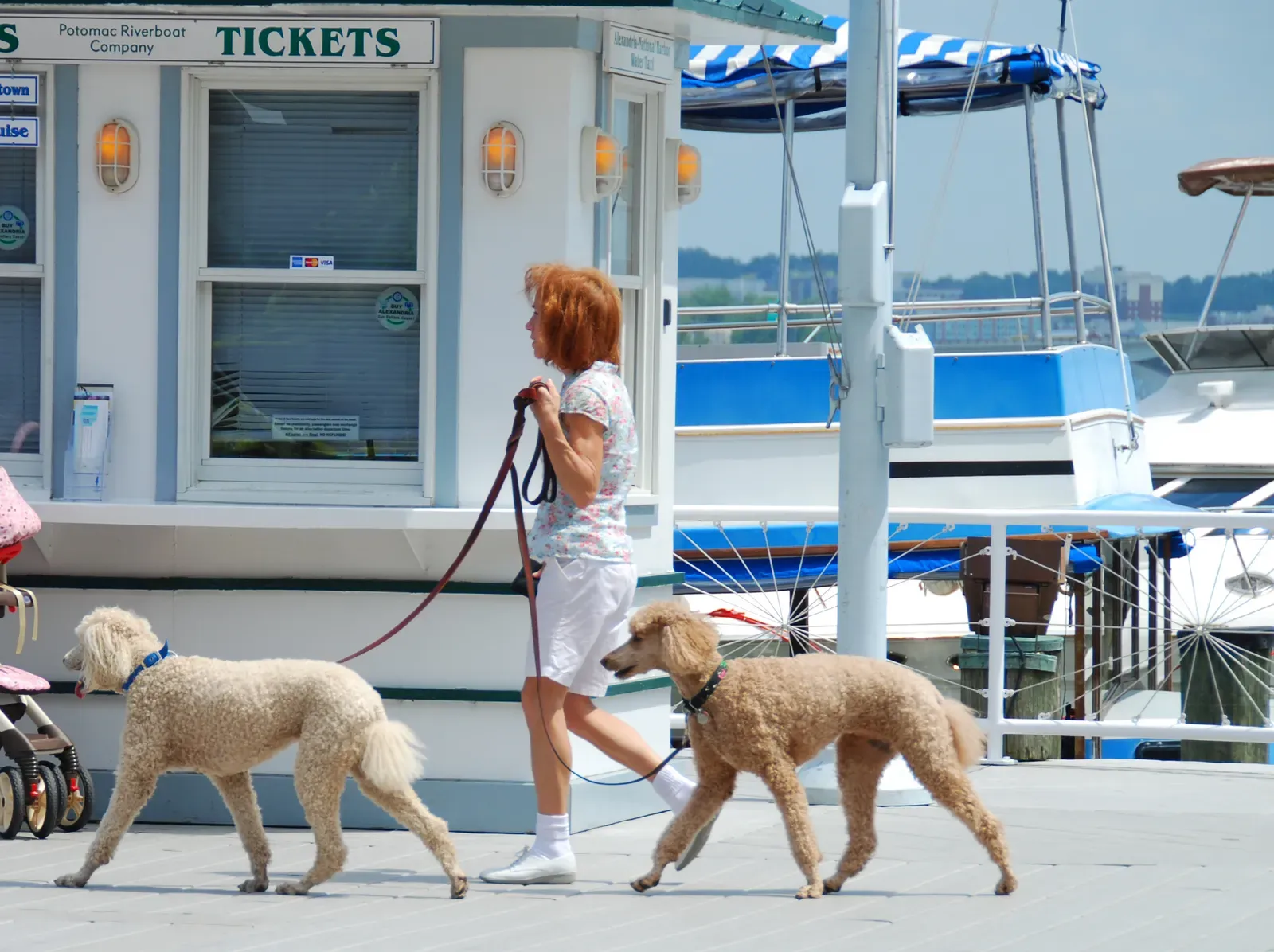
If you’re lucky enough to get the dog out of the kennel, how you handle the leash is a massive tell. Dogs remember hands on collars, yanked leashes, and being dragged. Grabbing quickly for the collar, jerking the leash tight, or getting impatient with wiggly excitement tells a dog, instantly, “Here we go again – more manhandling.” A tight leash in the first ten seconds can set the tone for the whole walk.
Good handlers slow that moment down. They let the dog sniff the leash, talk softly, clip in smoothly, and give the dog a second to process the shift from confined space to potential freedom. On the first step out, they offer slack instead of locking the leash tight. For a lot of shelter dogs, that loose leash is the first hint that this human might not be a control freak.
Quick Compare
- Tight, high leash: reads as tension, invites pulling and reactivity
- Loose, low leash: reads as safety, gives the dog room to think
- Quick grab at the collar: confirms old fears of manhandling
- Slow clip-in with a pause: builds first-time trust
#10 – How You Handle Their First Big Reaction Outside
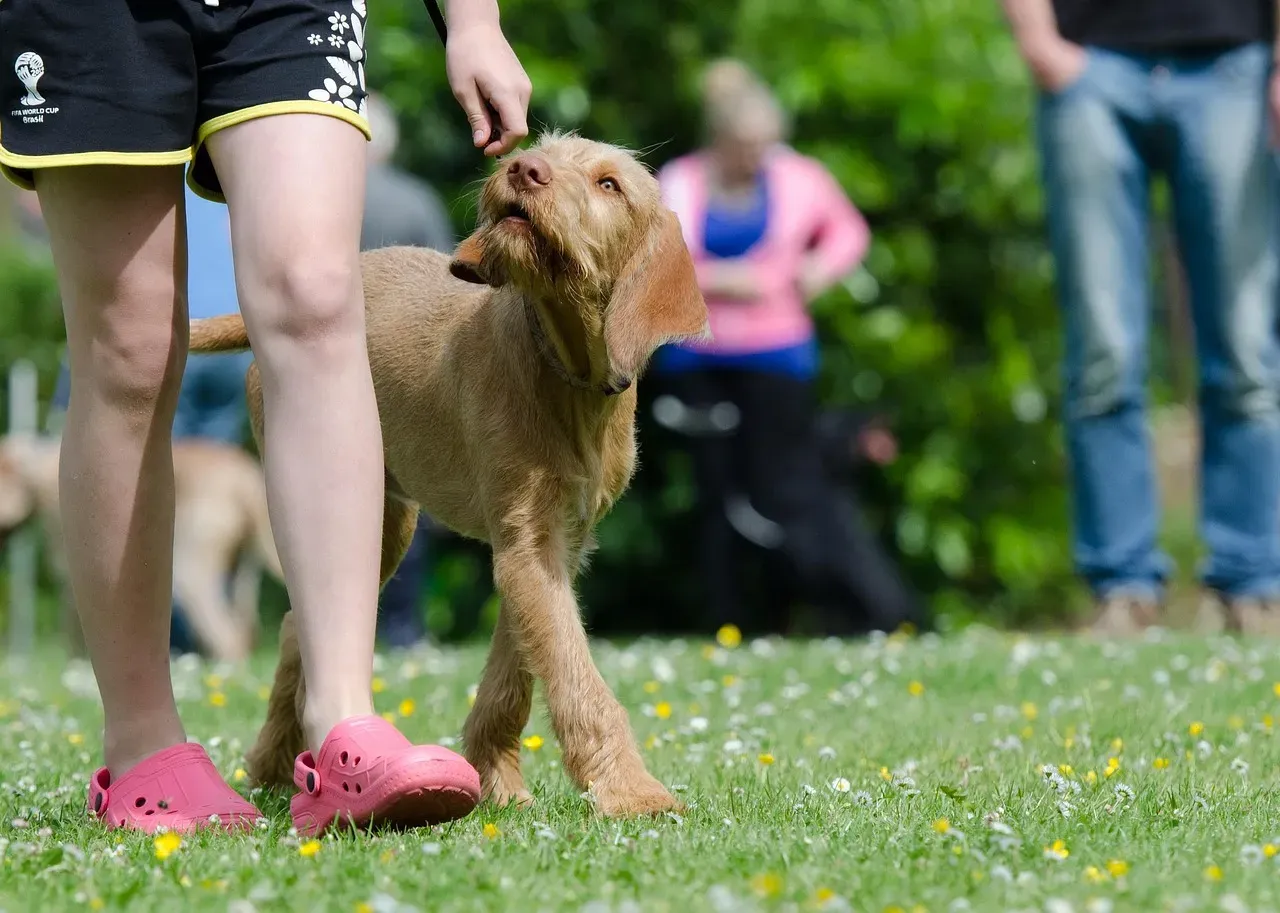
The first doorway, the first barking dog you pass, the first car noise – this is where many dogs explode with excitement or fear. What you do in that exact moment broadcasts what kind of life they’d have with you. Yanking them back, scolding loudly, or getting visibly flustered confirms their worst fears: that the world is too much, and humans punish instead of help.
Someone with better instincts pauses, takes a breath, and maybe moves a few feet away from the trigger, saying calmly, “Okay, let’s give you some space,” while relaxing the leash even a bit. They don’t pretend the dog is perfect, but they don’t overreact either. That combination – firm enough to guide, soft enough not to explode – is exactly what many of these dogs have never had from a human before.
#11 – Whether You Notice Their Stress Signals or Just Their Tricks
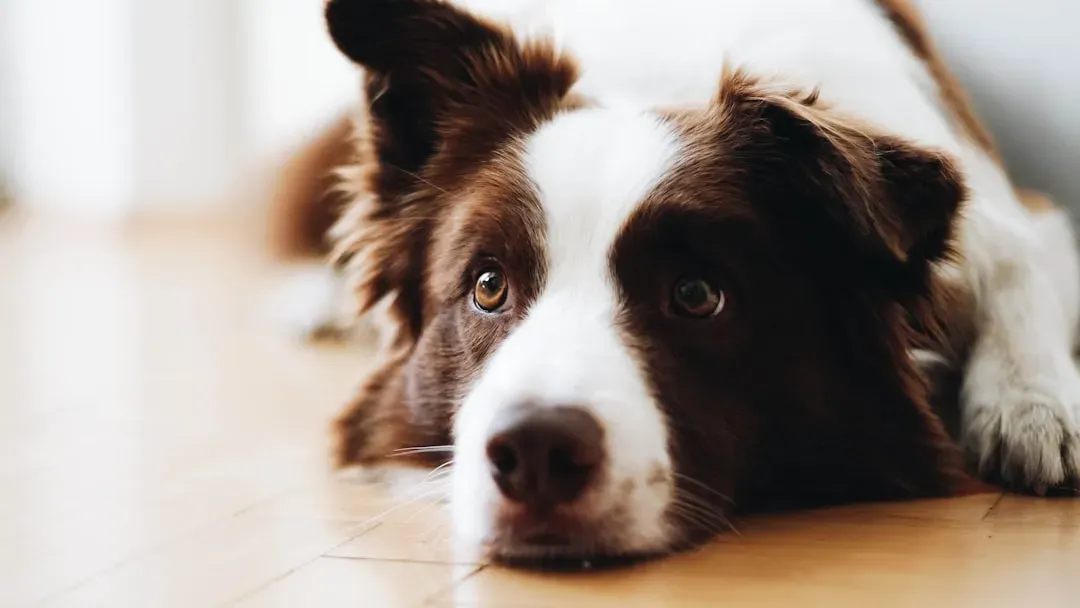
Most visitors look for “sit,” “shake,” or “roll over” because they want proof of a well-trained dog. Shelter dogs, meanwhile, are screaming in body language: lip licking, yawning, whale eye, paw raises, turning away. If you gush over cute tricks while completely ignoring obvious signs of stress, the dog learns you’re the kind of human who only listens when they perform. That’s not a relationship, that’s a transaction.
The people who win dogs over fastest are the ones who notice the small stuff. They pause when the dog licks their lips repeatedly, give more space when the dog freezes or stiffens, and don’t force a sit when the dog is too flooded to think straight. Ironically, those same humans often see better “obedience” later, simply because the dog finally feels safe enough to think.
#12 – The Way You React to Their Scars, Limp, or “Flaws”

Here’s where a lot of well-meaning people unintentionally blow it. They gasp or whisper to their partner about the dog’s missing eye, their limp, their cropped ears, or their patchy coat. They might even murmur “poor thing” in a pitying tone while staring directly at the one thing that makes the dog different. Dogs don’t understand the words, but they absolutely notice when you fixate – being stared at like a tragedy is its own kind of discomfort.
Contrast that with the person who barely blinks. They might acknowledge the limp with a matter-of-fact “Hey, tough guy,” then move on to smelling the grass together or offering a gentle scratch in a safe spot. They treat the dog as a whole being, not a walking sob story. That shift from pity to respect is enormous, and a dog can tell the difference within seconds.
#13 – Your Patience With Awkward or “Embarrassing” Behavior
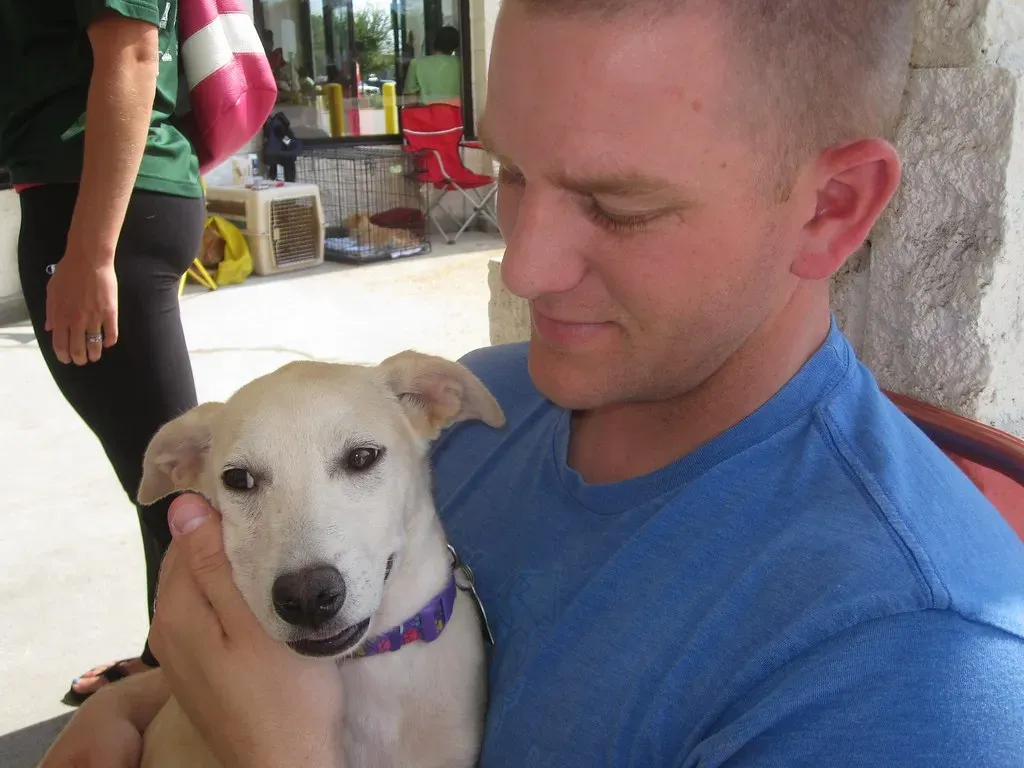
Shelter dogs do weird things when they’re overstimulated: they jump, mouth your sleeves, spin in circles, bark at nothing, or sniff you in places that would get a person arrested. Many visitors get instantly embarrassed, especially with staff watching, and push the dog away roughly or laugh in a tight, awkward way. To the dog, that’s just another moment where being themselves equals human frustration.
More grounded adopters understand that the first minute is messy data collection, not a final exam. They calmly turn their body away from the jumping, redirect the dog to sniff something else, or simply step back without dramatizing it. They don’t shame the dog for having big feelings in an overwhelming environment – and that kind of patience is rare enough that dogs genuinely notice it.
#14 – Whether You’re Really There With Them or Already on Your Phone
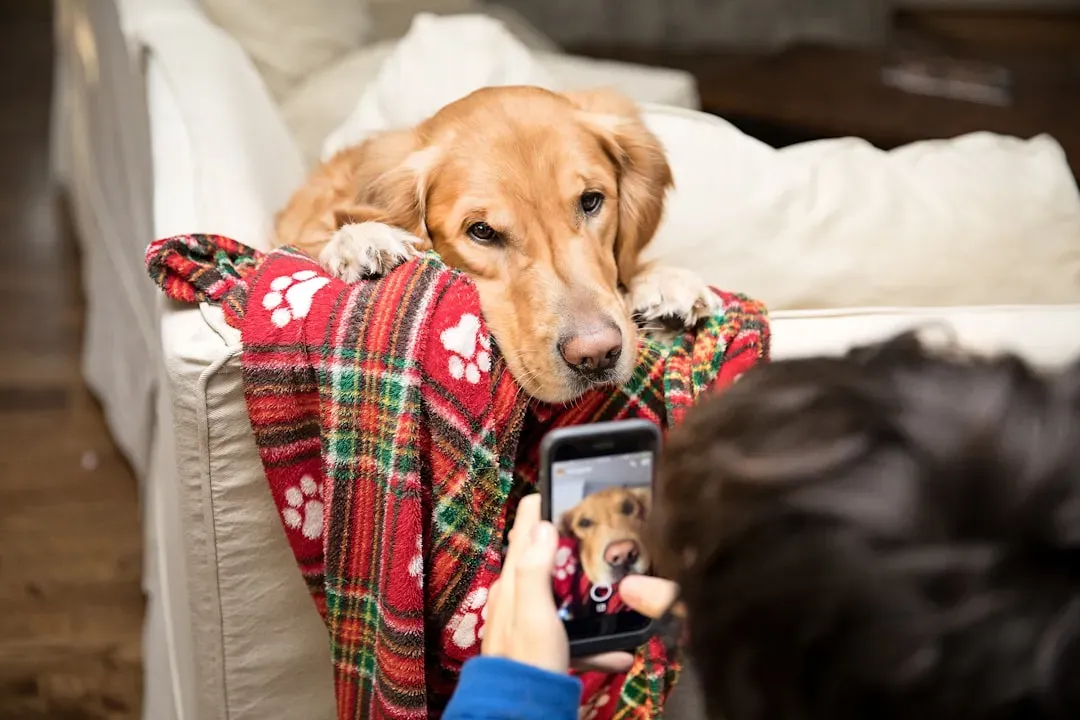
This one is blunt: dogs know when they’re an afterthought. If you’re half-scrolling adoption bios, texting, or snapping selfies in front of the kennel instead of paying attention, that disconnection leaks through everything. Your timing is off, your reactions are delayed, your energy is split – and for a dog desperate for one minute of real focus, that scattered attention feels like another rejection.
Compare that to the person who pockets their phone and is simply there. They match their breathing to the dog’s pace, notice small responses, and let small silences exist without rushing to fill them. In a building where humans stream past like noisy ghosts, someone fully present for sixty seconds stands out more than the one chasing the cutest photo.
Why It Stands Out
- Phone stays pocketed, eyes stay on the dog
- Reactions land in real time, not a beat too late
- Silence isn’t rushed to fill
- Small shifts in body language actually get noticed
#15 – How You Say Goodbye After That First Minute
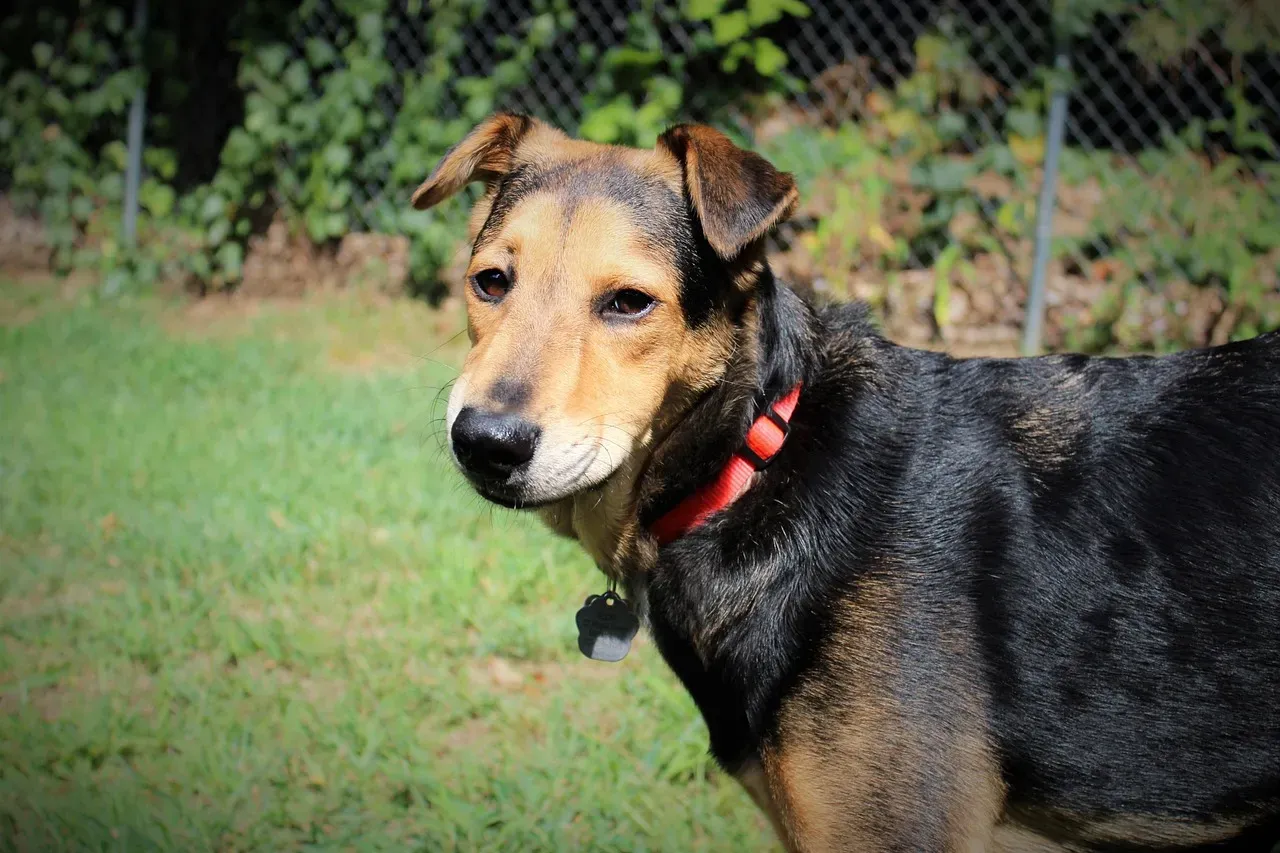
Even if you don’t adopt that day, the way you leave matters more than most people think. Slamming the kennel door, walking away mid-bark, or just disappearing without a pause reinforces the revolving-door pattern many shelter dogs already know too well. To them, humans appear, get them riled up or hopeful, then vanish. Again.
A more thoughtful exit looks like quietly stepping back, softening your body, saying a calm “See you later, buddy” even if you’re not coming back, and closing the door gently with one last relaxed glance instead of a guilty stare.
- Soften your body before you turn away
- Say something calm, even if it’s just for you
- Close the door gently, without slamming
Consistency and predictability, even in tiny interactions, help dogs feel a little less jerked around by the world. That sixty-second encounter can be another confusing blip, or a rare experience of a human closing things calmly and kindly.
#16 – Whether Your Vibe Matches the Life You Can Actually Offer
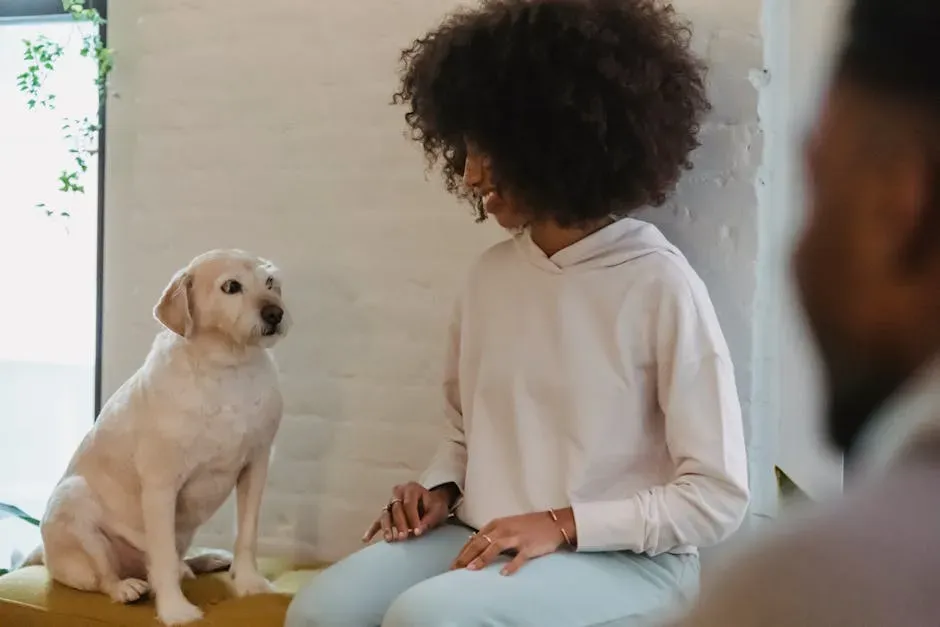
Here’s the uncomfortable truth: dogs don’t just pick up on who you are, they pick up on whether you’re lying to yourself. Hyper, go-go-go humans who claim they want a “chill couch potato” usually leak restless energy the dog can feel immediately. Someone deeply anxious who swears they’re ready for a high-drive working breed often radiates overwhelm in the first minute instead.
A dog doesn’t know your job title, your income, or your weekend plans, but they read how grounded you feel on your feet, how quickly you react to every noise, and whether you breathe like someone who has time for long walks or someone already late for their next thing. When your energy actually matches the lifestyle you can support, many dogs relax just a little, even in a chaotic shelter hallway. They’re not just asking “Are you kind?” They’re asking “Can I actually live with you?” – and they start answering it in the very first sixty seconds.
The Bottom Line
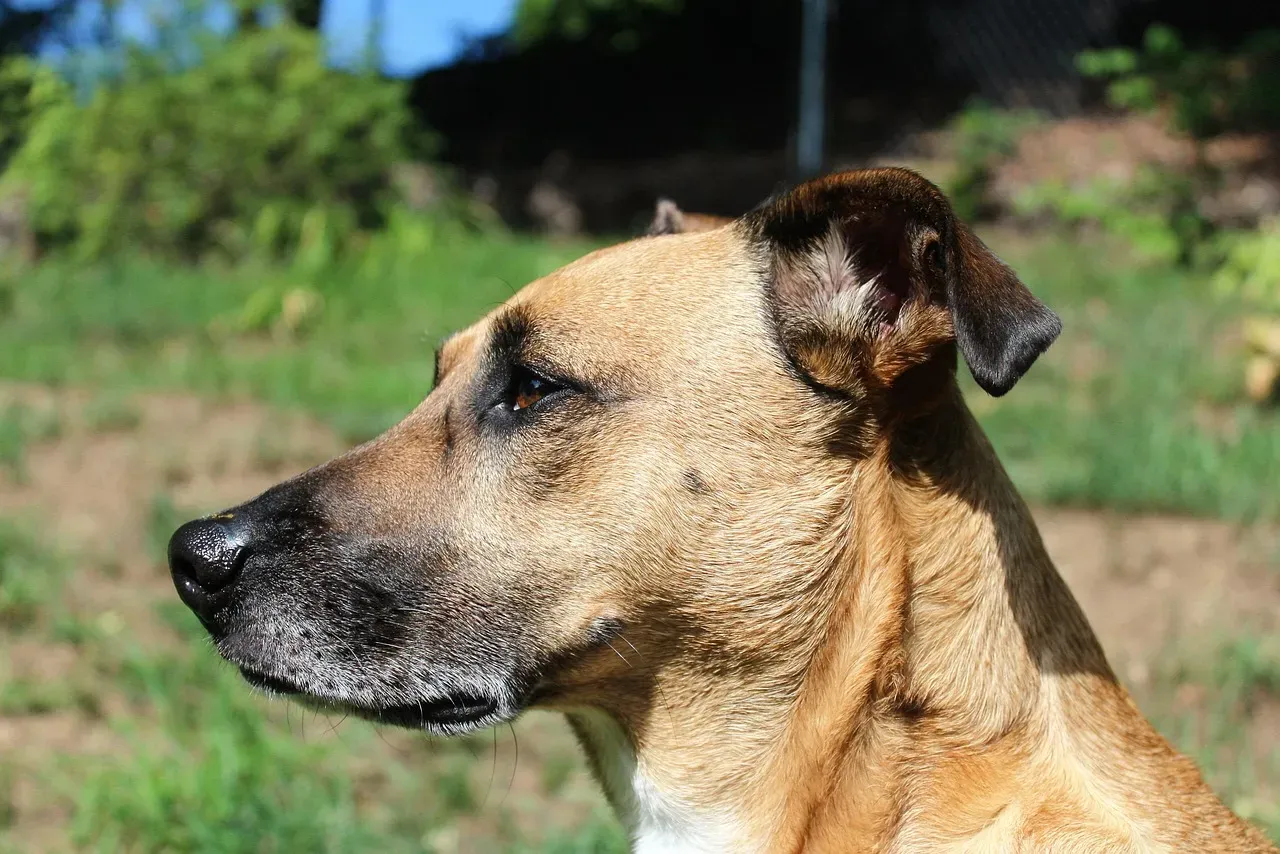
Shelter dogs aren’t fragile angels or broken monsters. They’re hyper-observant survivors running lightning-fast calculations every time a stranger appears. In the first minute, they’re picking up on your posture, your leash hands, your patience, your scent, even how you close a kennel door.
The uncomfortable reality is that most people are busy auditioning the dog, while the dog is quietly auditioning them. And yes, some of the “best-behaved” dogs are simply the best at shutting down around humans who don’t listen. If that stings a little, good – it should. Adopting was never about finding a perfect pet. It’s about becoming the kind of human a dog can finally exhale around. So be honest with yourself walking down that aisle: are you that person, or just another rushed visitor with big feelings and zero self-awareness? Either way, the dog will know before you say a word.