
15 Signs a Dog Has Decided Somebody Is Worth Following From Room to Room
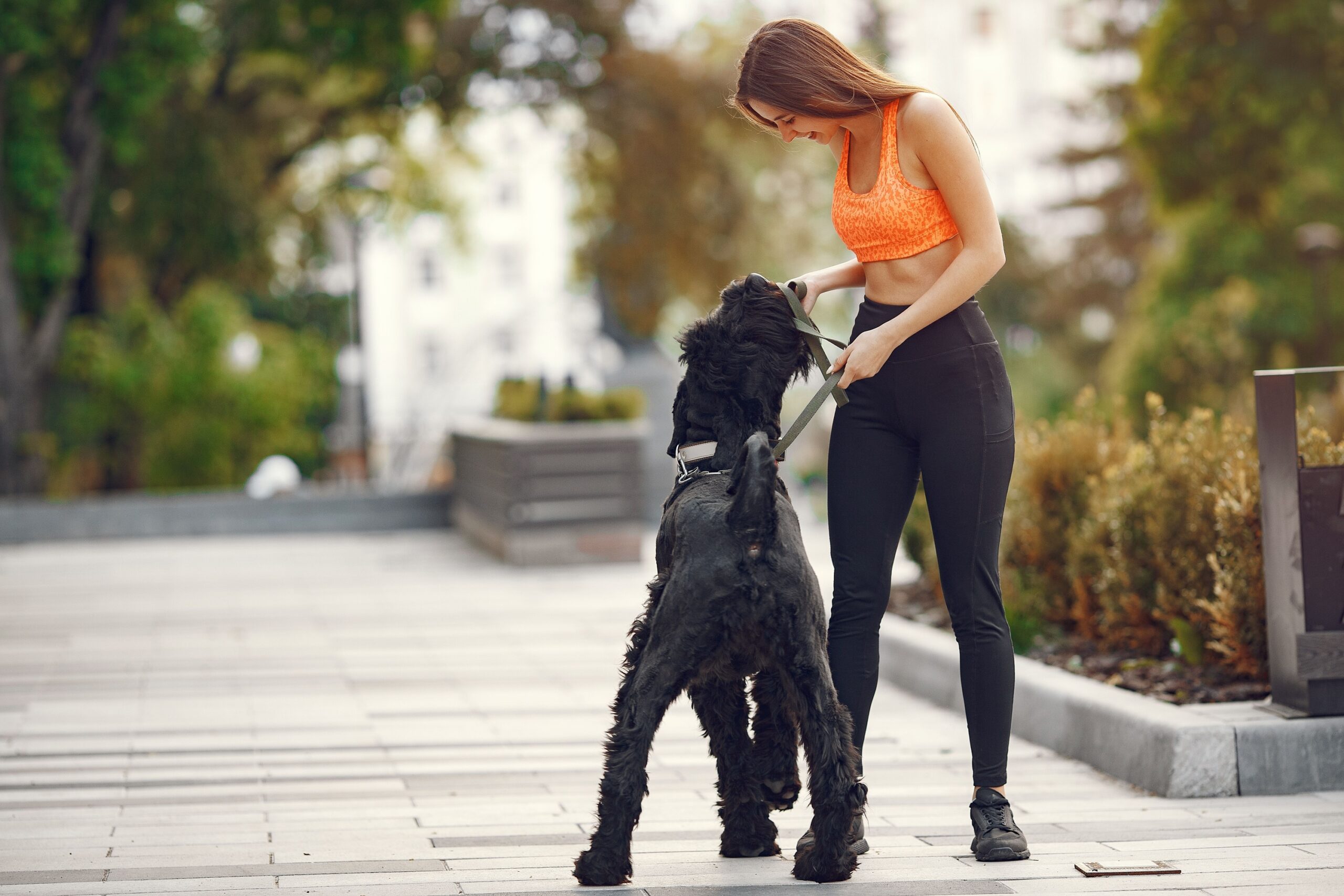
Most people assume a dog trails someone around the house because that person holds the leash, the treats, or the dinner bowl. That’s the polite explanation. The real one is far more specific – and far more flattering, if you happen to be the person in question.
When a dog picks one human to shadow from room to room, it isn’t random affection or boredom. It’s a pattern behaviorists have quietly tracked for years, built from a dozen small, deliberate choices your dog makes every single day. Miss these signs, and you miss what your dog has actually been trying to tell you the whole time you thought they just liked following you around.
#1 – They Get Up Every Time You Move (Even If You’re “Just Grabbing Something”)
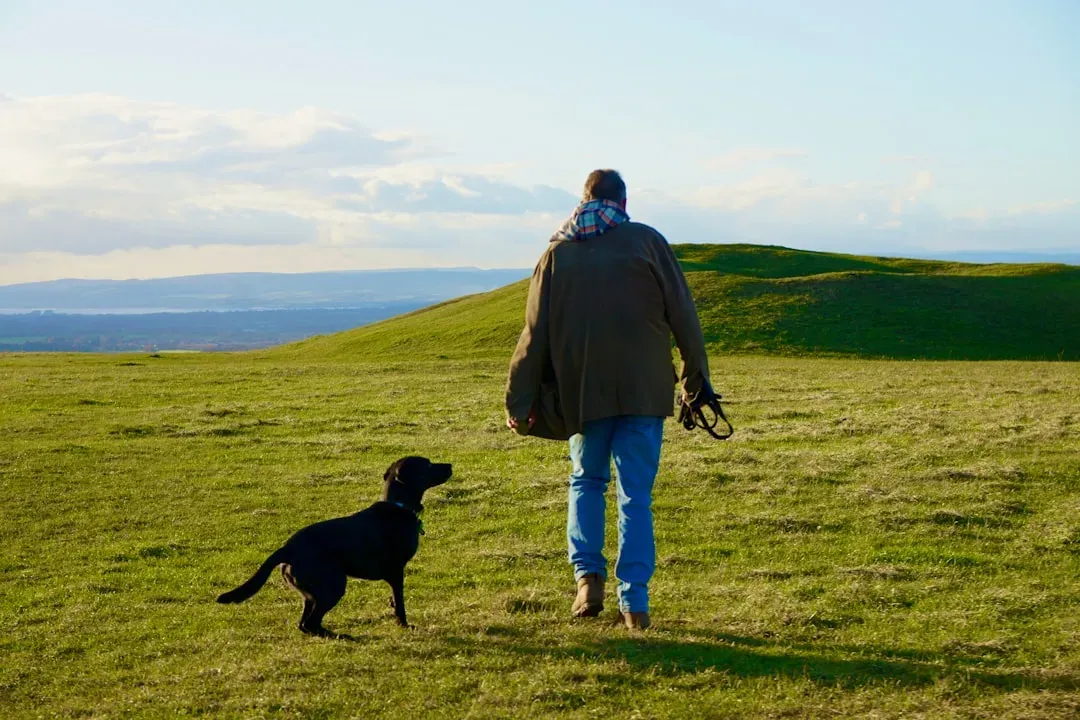
When a dog has truly decided you’re worth following, “I’ll be right back” means nothing to them. You shift your weight on the couch, and they’re already lifting their head. You stand up, and they’re on their feet like a furry shadow, even if you only walk six steps to the kitchen. Dogs don’t waste energy unless it matters to them. If your motion is their cue to relocate, that’s a big emotional investment on their part.
Look closely at the pattern: it’s not just the big moves like going outside or heading to the front door. It’s the tiny, boring ones. Bathroom trips. Refilling your water glass. Grabbing the remote batteries. A dog who follows even during the “dull” transitions isn’t just being nosy; they’re prioritizing proximity to you over staying comfortable. Some people dismiss this as “clingy,” but behaviorists usually read it as a mix of attachment, habit, and trust.
#2 – They Choose You Over the Food Bowl
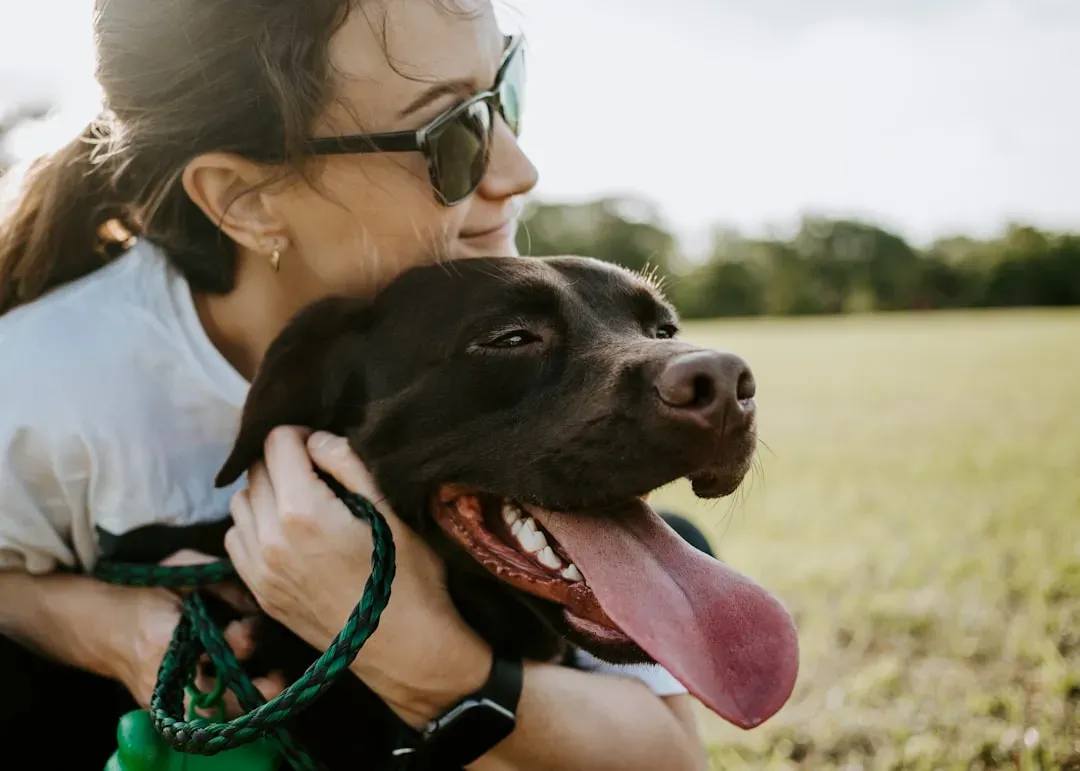
Everyone loves to brag that their dog is “food motivated,” but the real test is what happens when food and you go in opposite directions. If you get up and walk away while dinner is being served, and your dog hesitates at the bowl or even abandons it to follow you, that’s not nothing. For a species hard-wired to prioritize calories, choosing you over food is a loud statement.
You’ll see this especially in dogs with a secure bond and predictable routines. They know food will be there in 30 seconds, but they’re not 100% sure where you’ll go. So they trail you first, check in, and only then return to the bowl. Some trainers even use this as a quick “attachment test” in multi-human homes: who does the dog leave the bowl to follow?
#3 – Their Body Language Softens the Moment They’re Near You
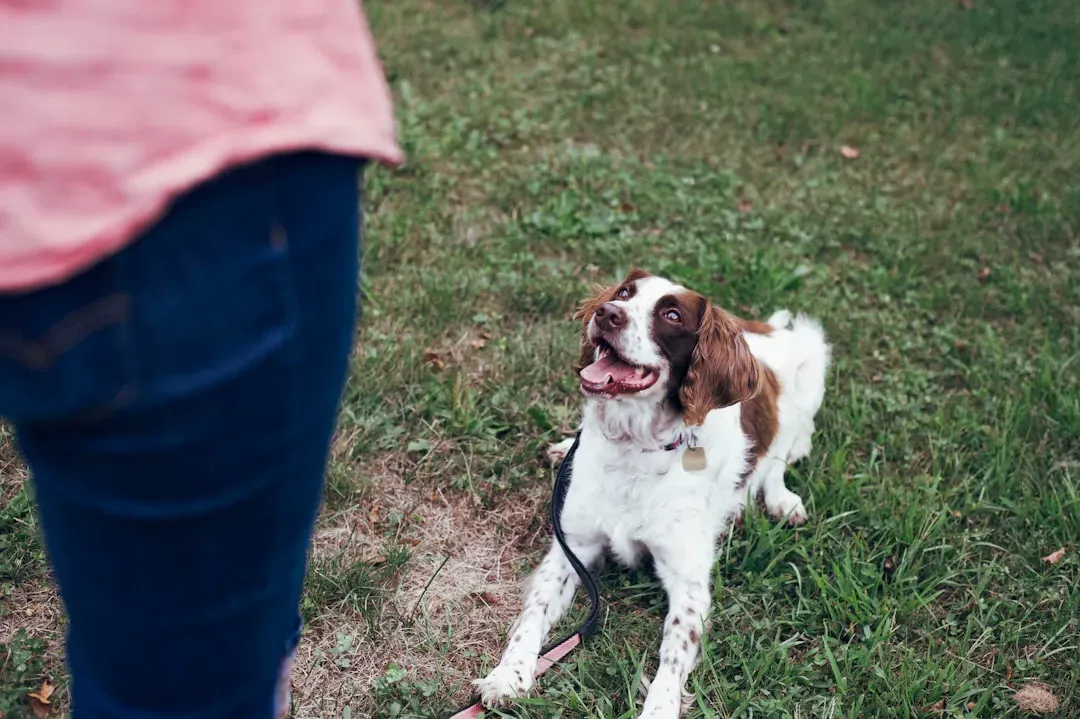
It’s not just that they follow; it’s how their whole body changes when they finally reach you. Watch their posture as they trot down the hallway, then watch again the second they’re within arm’s reach. A dog who has decided you’re worth following will often “exhale” emotionally – ears soften, eyes half-close, tail loosens into an easy wag, and the body curves instead of stiffening. That’s not basic excitement; that’s relief.
Many people misread “shadowing” as anxiety, and sometimes it is. But with a favored person, you’ll often see a clear contrast: slightly alert or restless in other rooms, relaxed jelly mode once they’re parked near your feet. They might lean a hip against your leg, flop on one side facing you, or tuck themselves where they can see your entire outline. It’s their version of saying, “Okay, now it’s safe to power down.”
#4 – They Strategically Place Themselves Between You and the Door
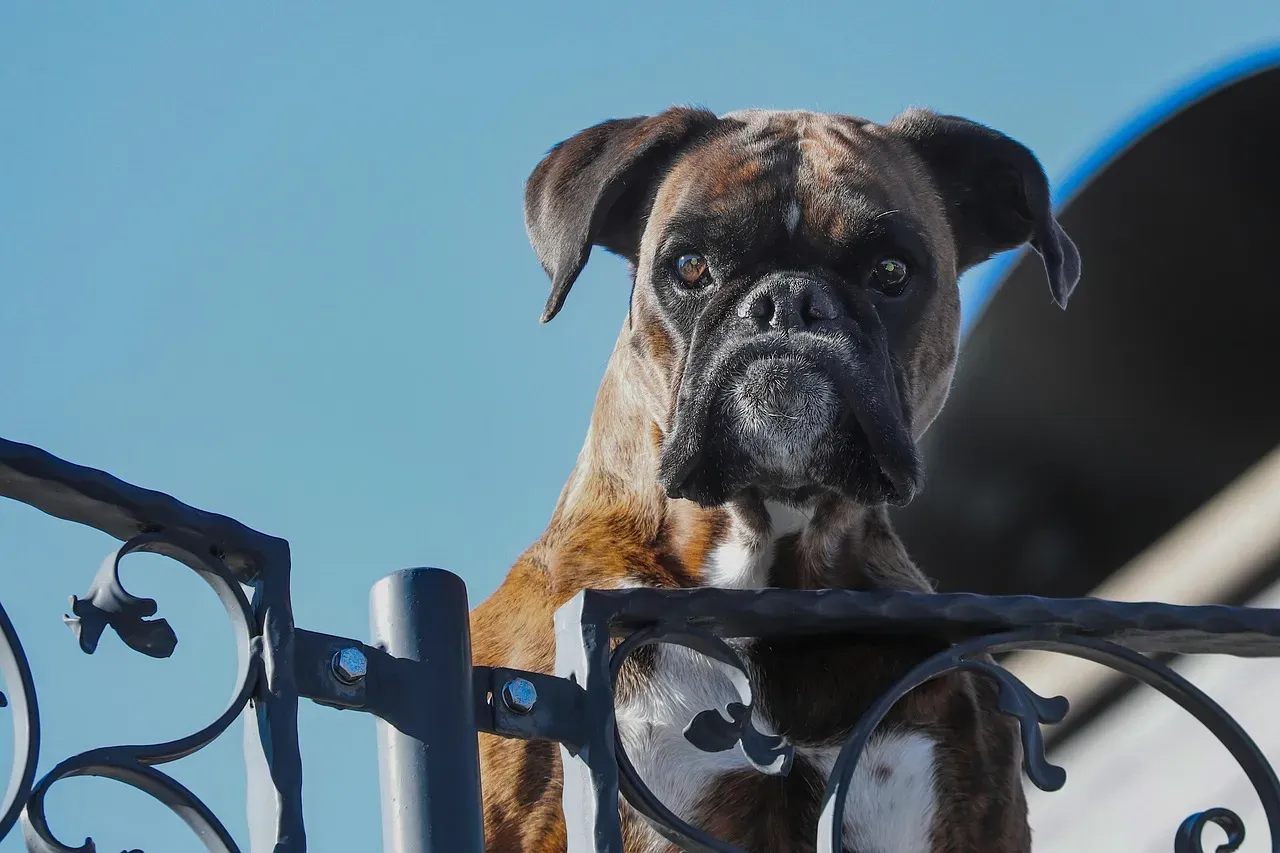
Yes, some dogs actually run a personal security detail. When a dog has mentally assigned you as “their person,” they often park themselves where they can both watch you and monitor potential threats – usually doors, hallways, or windows. You’ll notice them lying sideways across a doorway, stationed at the top of the stairs, or camped where they can triangulate you, the entrance, and the rest of the home.
This isn’t always classic “guard dog” behavior; small, non-guard breeds do it all the time. It’s more like being your unofficial security camera. Even confident, non-anxious dogs do subtle versions of this, choosing a spot where they can instantly spring up if someone knocks or a new sound pops up. Combined with a relaxed body and quiet watchfulness, it often signals a dog who has quietly put themselves on duty for you.
Why It Stands Out
- Doorway and hallway “posts” let a dog watch you and monitor entry points at the same time
- Small, non-guarding breeds show this instinct just as often as classic guard dogs
- A relaxed body paired with quiet watchfulness usually signals attachment, not anxiety
- These self-appointed posts often shift as the household’s foot traffic changes
#5 – They Mirror Your Routine… Down to the Weird Little Habits
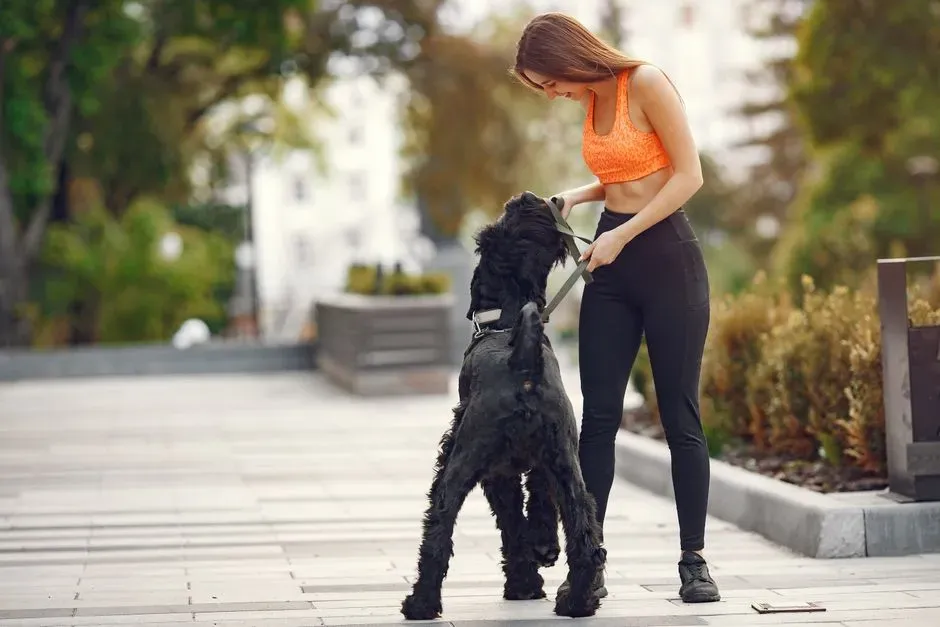
Dogs don’t follow people they find chaotic; they follow people whose patterns make sense to them. When a dog locks onto you as their “anchor human,” they start predicting your micro-routines. You grab a specific mug, and they already know you’re heading to the office. You put on a certain pair of shoes, and they know whether it’s a walk, a workday, or a grocery run. They’re not just following your body; they’re following your script.
Watch for the almost creepy timing. They get up before you even announce, “Let’s go.” They’re already waiting by the bathroom when you turn off the TV at night. They cut through the house at the same angle you always do, skipping the shortcut they’d take alone. This kind of tracking means they’ve studied you so closely that your life has become their internal schedule.
#6 – They “Check In” Visually, Even When They Stop Walking
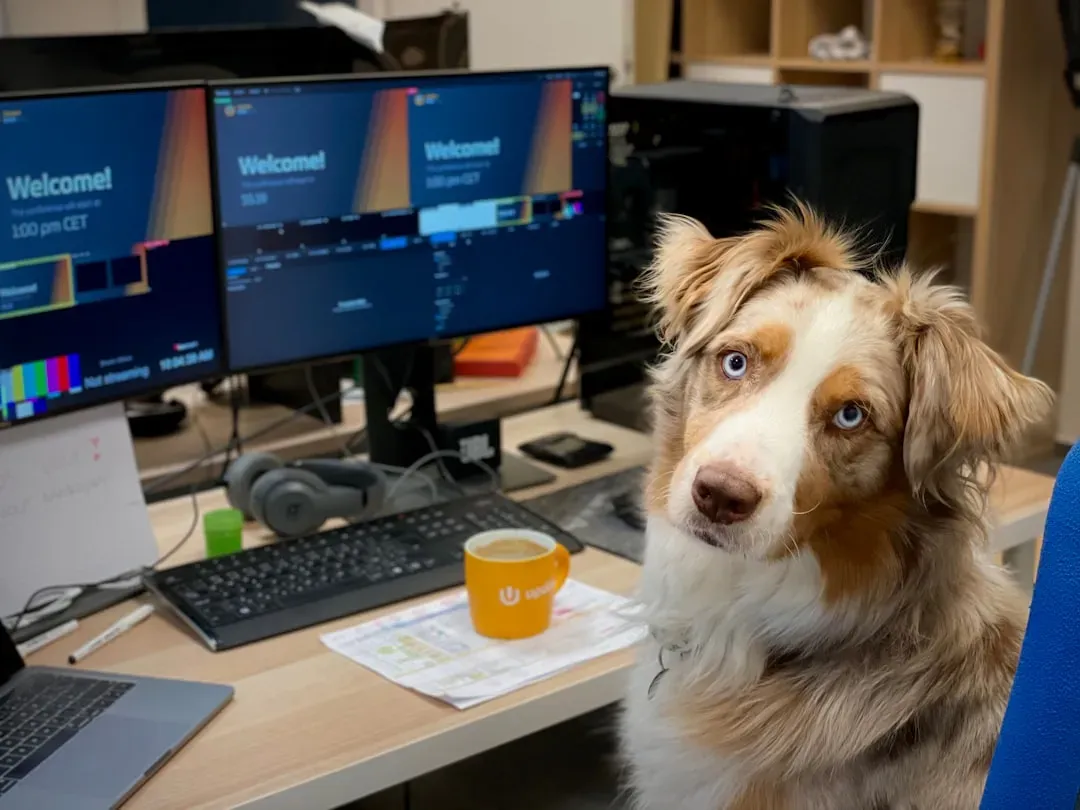
Sometimes you’ll notice your dog isn’t glued to your heels but still orbits you. They’ll follow you into a room, settle themselves a bit away – on a rug, under a side table, or near a wall – and then do constant visual check-ins. Every time you move, speak, or shift, their eyes flick to you, as if updating your position in their mental map. That’s still following, just at a more sophisticated, less obvious level.
This is a sign of a dog who trusts you but also feels confident in the environment. They don’t need physical contact to feel secure; they just need line of sight. Working breeds and herding types do this a lot – what looks like casual lounging is actually low-level monitoring. The tell: if you leave the room entirely, they’re up within seconds, as if their internal alarm just went off.
#7 – They Sleep Where They Can Hear You Breathe
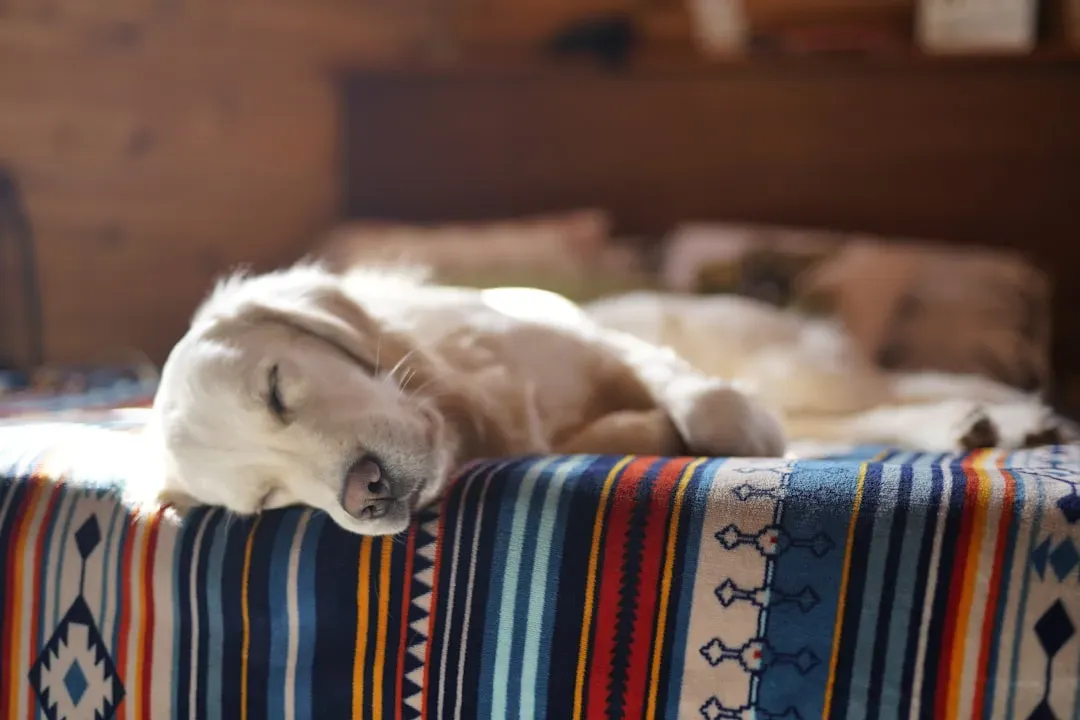
Here’s where things get intimate: night-time choices. A dog that has fully committed to following you doesn’t just trail you during the day; they clock in for the night shift too. They might have an expensive bed in the living room, but they drag themselves onto the hard floor beside your side of the bed anyway. They’re not choosing comfort; they’re choosing proximity to your sounds, your scent, your breathing pattern.
Dogs are light sleepers compared to humans. Being able to hear you breathe, turn over, or get up gives them real-time updates – part safety check, part emotional glue. Some dogs will even subtly change sides of the bed depending on which side you’re sleeping on, or relocate if you go sleep on the couch sick. Not all “bedroom dogs” are spoiled; many are just fulfilling a deep species-level drive to sleep near their chosen social partner.
Fast Facts
- Adult dogs typically sleep 12 to 14 hours per day, though the amount of sleep they need varies based on age, breed, activity level, and overall health
- Adult dogs sleep longer at night than puppies do – usually between 60% and 80% of the hours between 8 p.m. and 8 a.m. depending on their surroundings and their owner’s schedule
- Dogs rouse easily from sleep, so hearing your breathing or movement nearby gives them constant, low-effort reassurance
#8 – They Ignore the Chaos to Stay With You
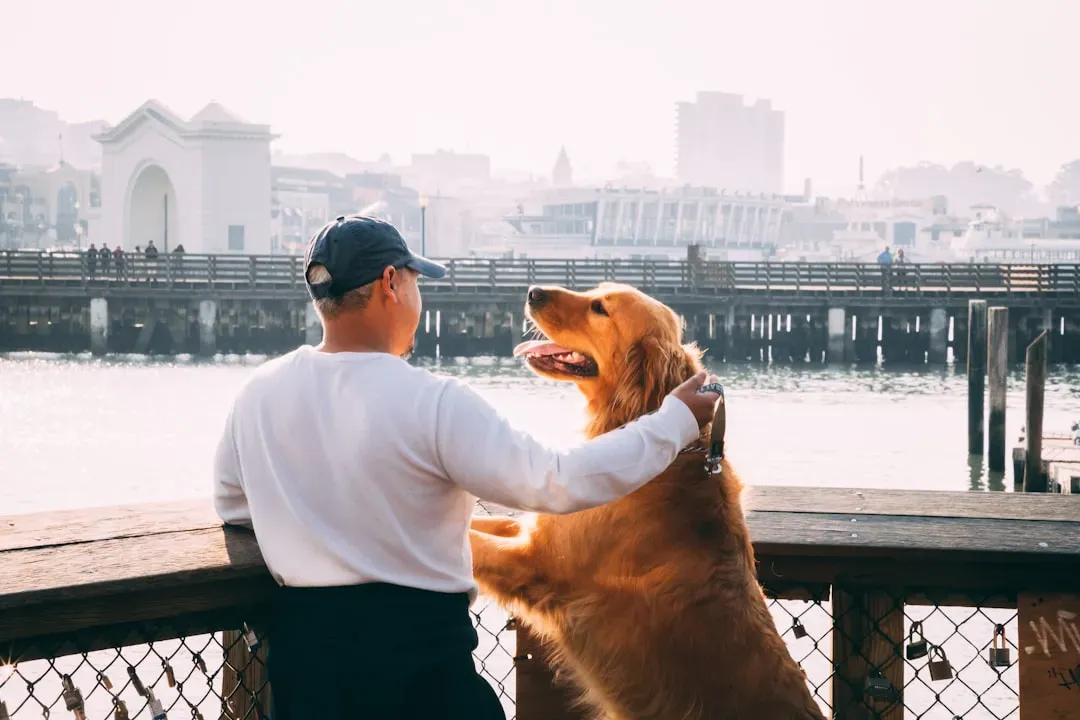
Most people assume a dog who follows someone is just seeking entertainment. But the most telling dogs actually walk away from excitement to keep you in view. Imagine guests arriving, kids running, toys out, food smells everywhere – and your dog still hovers in the hallway, torn but ultimately choosing to park next to you on the couch. When a dog voluntarily abandons high-sensory chaos to maintain your side-seat, you’ve become their “safe channel” in the noise.
This isn’t just about shyness. Confident dogs do it too. They’ll trot over, greet everyone, then quietly return to their station near your legs. Owners sometimes mislabel this as antisocial or aloof, but it’s really a pretty loud ranking of priorities: social fun is good, but you’re better.
#9 – They Shadow You More When You’re Sick, Sad, or Off Your Routine
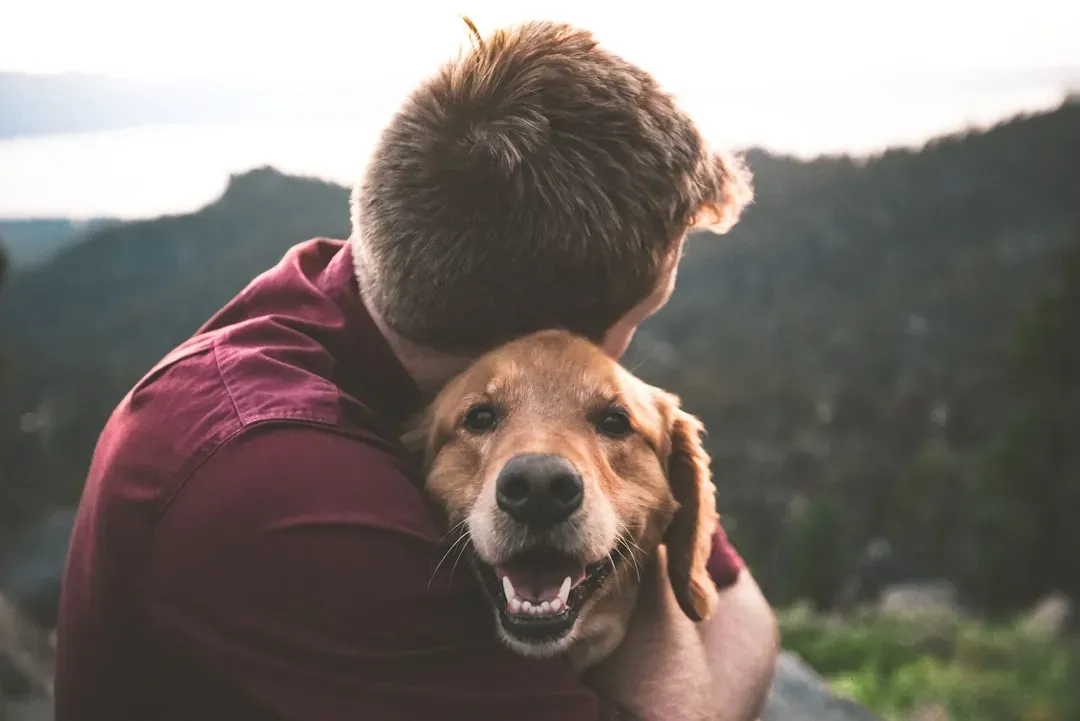
One of the eeriest patterns owners notice: the dog seems to turn up the volume on following during your off days. You’re sick, and suddenly they’re welded to your hip. You’re crying, and they won’t leave the room, even skipping their usual patrols or napping spots. Dogs are ridiculously sensitive to changes in your smell, posture, voice tone, and movement rhythm. When something’s off, attachment-driven dogs close the distance.
This isn’t magic; it’s pattern recognition plus emotional contagion. They learn your normal walking speed, your normal bathroom breaks, your normal tone of voice. When those shift, it can mildly stress or concern them, and their response is usually simple: don’t leave you alone. While people love to romanticize this as pure empathy, it’s also a practical survival strategy – staying close to a compromised pack member. Either way, you can’t cross the hallway without a witness.
Worth Knowing
- Dogs pick up on subtle shifts in scent, breathing, and posture long before most humans notice a change
- A sudden change in your normal walking speed or voice tone can be enough to trigger closer shadowing
- This heightened “check-in” behavior often fades once your routine and energy return to normal
#10 – They Try to Anticipate Your Destination (And Beat You There)
Advanced followers don’t just trail behind – they start predicting. You stand up from the couch, and instead of gluing themselves to your heel, they take a shortcut and arrive at the next room before you. Bathroom? They’re already at the door. Kitchen? They’re standing by the fridge. Bedroom? They’re circling “their” corner. This is following upgraded to forecasting, and it only happens when a dog has logged a massive amount of data on your habits.
This is especially noticeable in smaller homes or apartments, where routes are repetitive. Watch how your dog chooses paths: do they always stick to your side, or do they sometimes peel off as if they already know your end point? It’s the same instinct that makes them wait by the door when they hear your car pull up, except now they’re running those calculations in real time as you move around the house.
#11 – They Guard “Invisible Boundaries” Around You
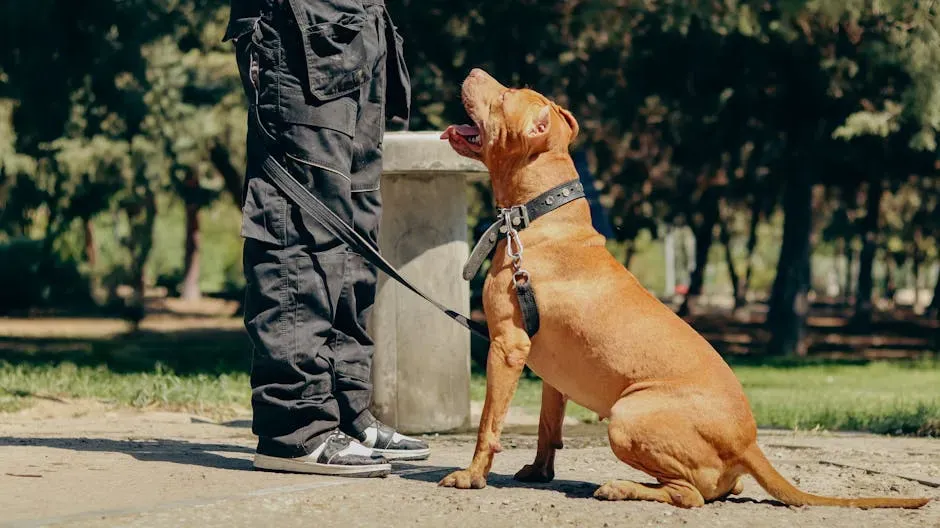
Here’s a behavior that really splits opinion in dog circles. Some dogs who follow a favorite person don’t just track them; they quietly set up a bubble around them. Another dog comes barging toward you on the couch, and your shadow-dog casually steps in between. A stranger leans in a bit too fast, and your dog shifts their body to create a gentle wedge. No growling, no drama – just a subtle, consistent pattern of placing themselves at your perimeter.
This can be controversial because people rush to call it “protective,” but context matters. Is the body relaxed? Tail neutral? No raised hackles? That’s more like social buffering than aggression – the dog saying, “I’ll manage the approaches.” Many multi-dog homes see this dynamic: the follower dog becomes your unofficial gatekeeper, deciding who gets how close and when.
#12 – They Follow Even When You’re Boring (No Walks, No Play, No Treats)
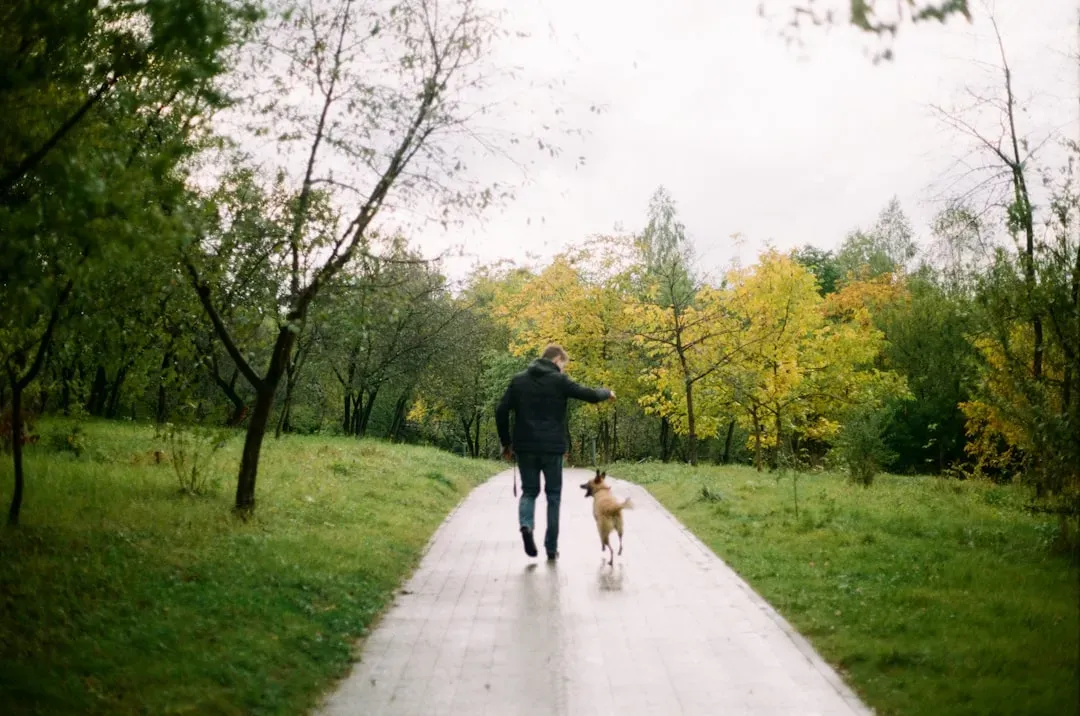
The real test of whether a dog truly values you as a person, not just as a vending machine, is what they do when nothing’s on offer. You’re working at your laptop. You’re scrolling your phone. You’re literally sorting socks. And yet, they move from room to room with you anyway. If you remove walks, toys, and treats from the equation and your dog still shadows you, that’s pure relationship talking.
This is exactly why some behaviorists roll their eyes when people say, “Oh, he just follows me because I feed him.” Really? Plenty of people feed the dog. Not everyone gets followed into the laundry room. Dogs are strategic with their energy – if they’re spending it walking behind you while you do absolutely nothing special, it’s because being near you is the payoff.
The dog is the only animal that has domesticated us.
Konrad Lorenz
#13 – They Don’t Panic When You Leave… But They Track You Constantly When You’re Home
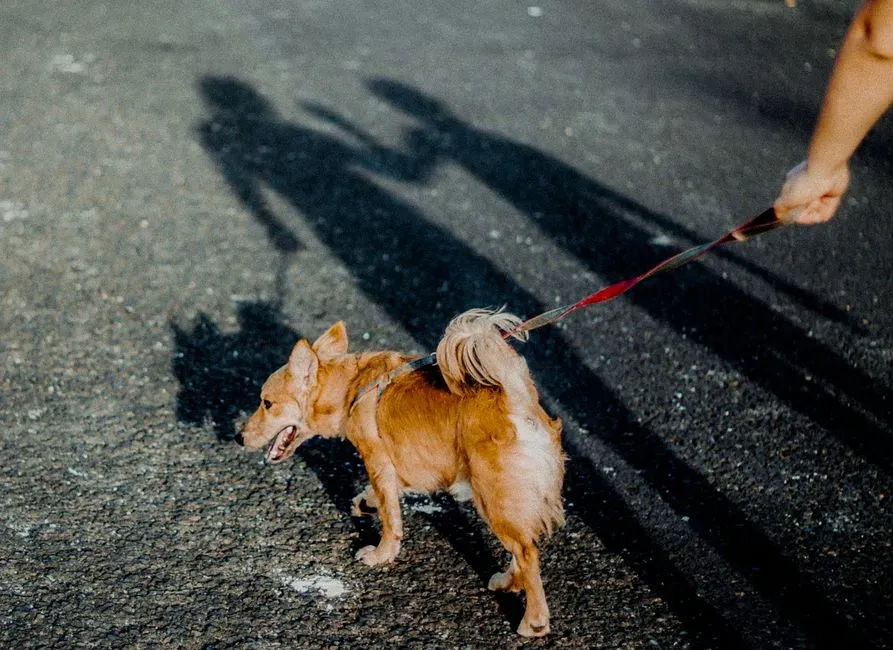
Here’s where things get nuanced. A lot of people mix up “following” with separation anxiety. In reality, the healthiest followers can tolerate you leaving – they might watch you go, maybe sigh, then go lie down. But when you’re home, they act like your quiet shadow. They’re not frantically needy; they’re deliberately attached. That difference matters more than most people realize.
Watch the transitions. If you can leave the house without destruction, howling, or frantic pacing, but you cannot walk from kitchen to bedroom without an escort, that’s an attachment pattern, not a panic disorder. These dogs operate on a simple rule: if you’re in the house, they’ll be near you; if you’re out, they’ll wait. Some owners actually worry they’ve made their dog “too dependent,” when in fact this balance is often a sign of a secure bond.
Quick Compare
- Secure attachment: Calm departures, no destruction, but constant shadowing once you’re back home
- Separation anxiety: Howling, pacing, or destructive behavior begins the moment you’re gone
- Separation anxiety is common, affecting between 13-28% of dogs
- The real difference isn’t how much a dog follows you – it’s how they cope when they can’t
#14 – They “Assign” Themselves a Spot in Every Room You Regularly Use
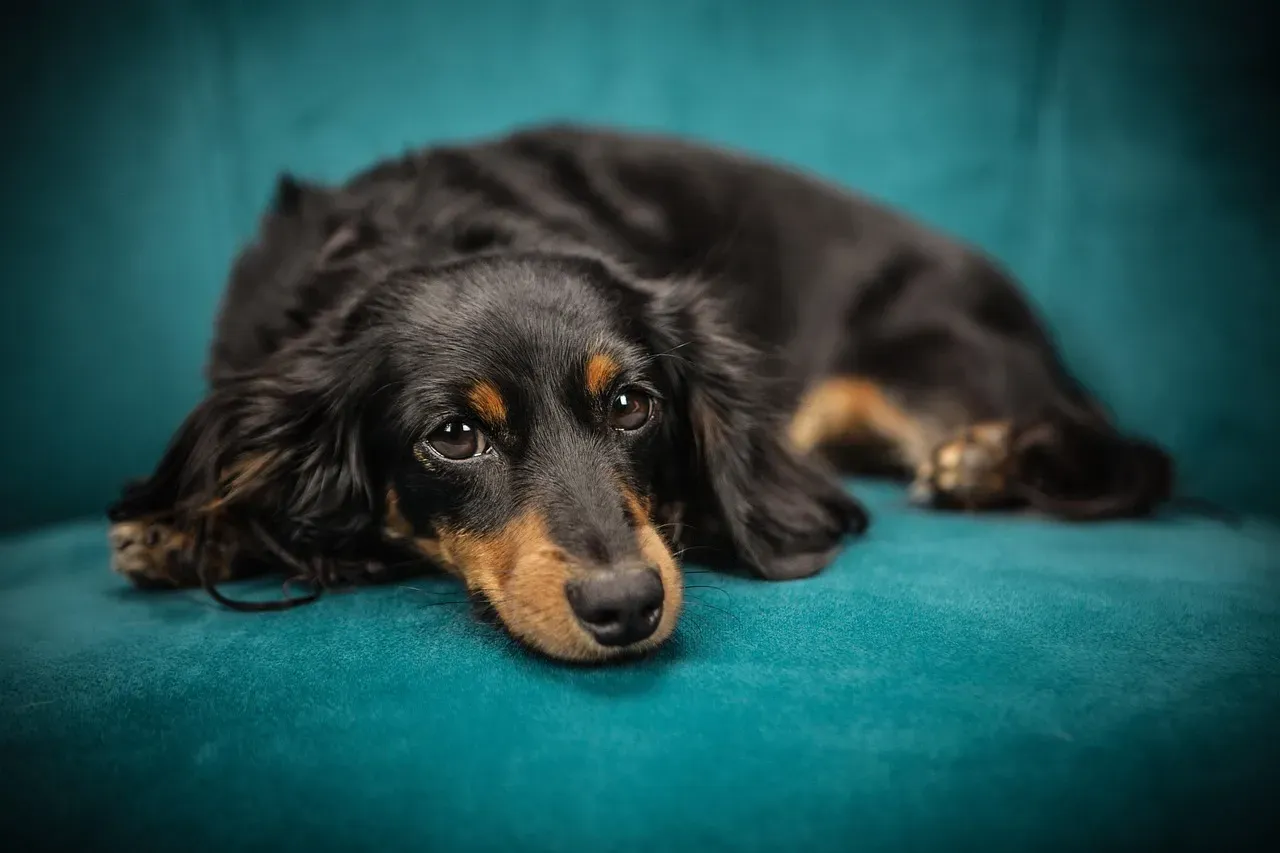
A dog who’s really committed to trailing you doesn’t just randomly flop wherever. Over time, they curate a designated post in every major room of your routine. In the living room, it’s that spot by the coffee table. In the kitchen, it’s the rug just out of your trip-zone. In the bedroom, it’s the patch of floor by your side of the bed. This repeat behavior builds a map of “our” spaces, not just “their” spaces.
You’ll notice this most clearly if you change furniture. Move the couch, and your dog will spend a few days recalibrating, then settle into a new post that fits both you and their comfort rules – close but not constantly stepped on. It’s emotional interior design, canine-style. Following you isn’t just a hallway behavior; it’s baked into how they use the entire home.
#15 – They Treat Your Movement Like the “Main Event” of Their Day
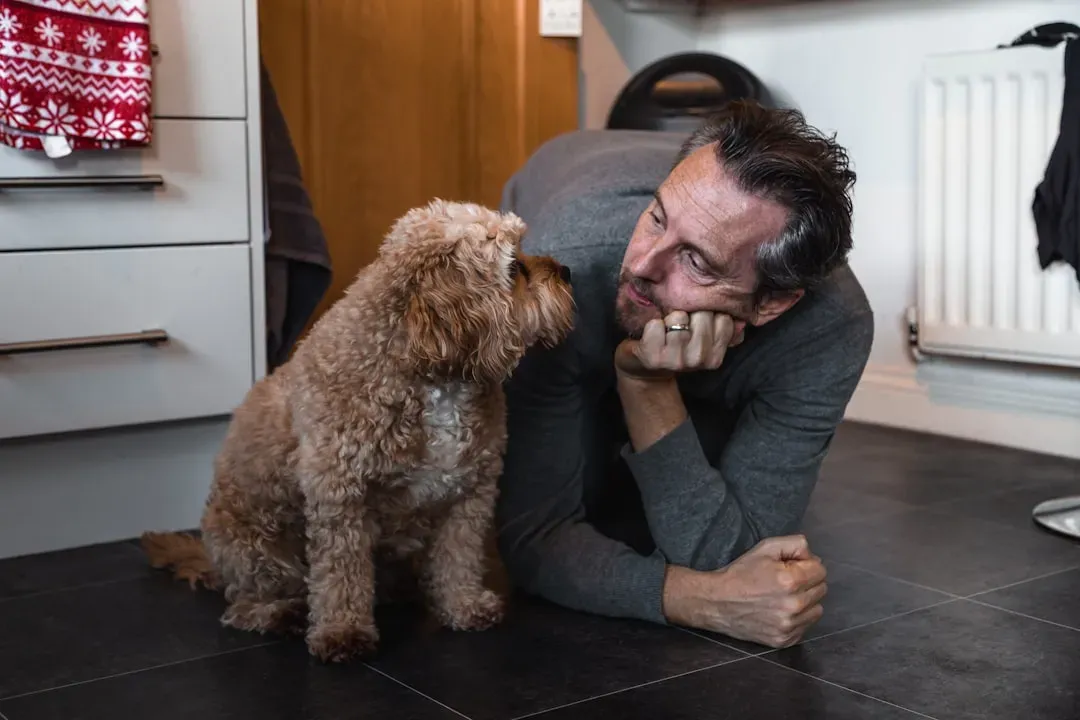
Some dogs have a lot going on: toys, yard patrols, window-watching, other pets. But the dog who has truly picked you will repeatedly interrupt all of that the second you move. They’ll drop a half-chewed toy, abandon a sunny patch of floor, leave mid-sniff in the hallway – just to re-sync with your location. Your movement has become the soundtrack their whole day is built around.
This can be flattering and, honestly, a little heavy. Every time you stand, they stand. Every routine task – brushing teeth, switching laundry, grabbing mail – comes with a four-legged attendee. But from the dog’s side, it’s simple: they’ve run the cost-benefit analysis and decided that wherever you are is where their world makes the most sense. Not the person who bought the bed, not the person who fills the bowl – you, the person whose footsteps they track like subtitles to their day.
The Bottom Line
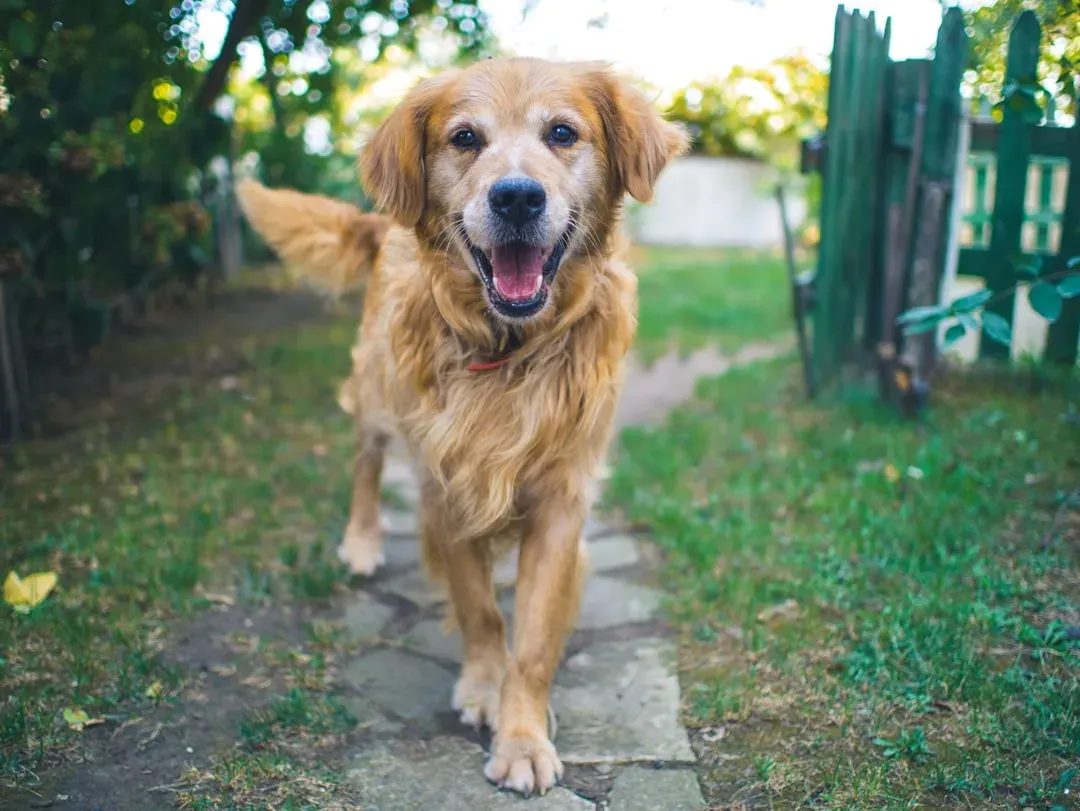
When a dog decides you’re worth following from room to room, it’s not a cute quirk – it’s a full emotional verdict. They’ve studied your habits, mapped your home around you, and quietly chosen your presence over food, comfort, and even some of their natural curiosity. The shadowing, the doorway guarding, the “I’ll follow you even when you’re boring” behavior – these are all receipts of a deep attachment most people underestimate.
Here’s the opinion that will rub some folks the wrong way: if a dog has made you their chosen orbit, you don’t just have a fan; you have a responsibility. They’re organizing their entire emotional day around you. That deserves boundaries, yes – but it also deserves respect. Did we miss a telltale sign your dog does when they trail you like a furry security escort? Drop your story in the comments.