
14 Cues a Dog Notices About a Visitor Within Seconds of the Door Opening

You open the door, your friend steps inside smiling, says hello in the sweetest voice possible – and your dog backs up like they just saw a ghost. Meanwhile, the pizza guy barely looks at your dog and gets a full body wag and a happy spin. Weird, right? Except it isn’t random at all.
In the first two to five seconds after your door opens, your dog is running a silent background check nobody asked for: scent, posture, voice, even the rhythm of someone’s footsteps. By the time your visitor says “hi,” the verdict is already in. Here’s everything your dog quietly clocks the moment someone walks through your door – and why they’re right more often than we’d like to admit.
#1 – The Visitor’s Scent Story (Sweat, Soap, and Stress)
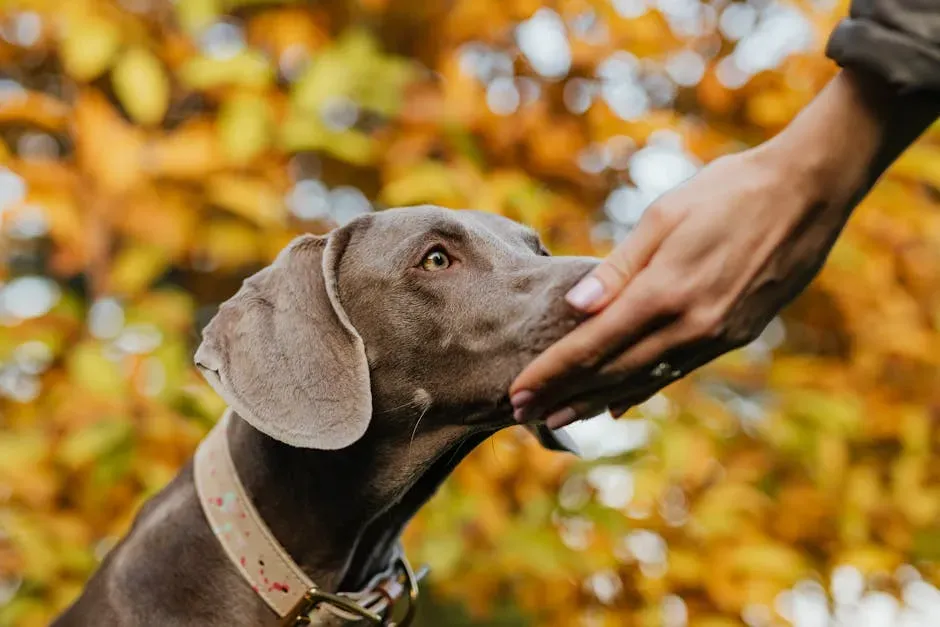
Dogs don’t just “notice” your cologne. They read your entire day like a case file. Scent is the first cue your dog locks onto, long before your guest opens their mouth. A dog’s nose is estimated to be tens of thousands of times more sensitive than ours, which means your visitor walks in wearing a full biography on their clothes – other pets, where they’ve been, whether they smoked, even if they were nervous in the car ride over.
They’re also reading emotional chemistry. Stress and fear change the compounds in human sweat and breath, and your dog can pick up on that shift almost instantly. That’s why some people get an easy, wagging welcome and others get a stiff, suspicious stare, even when both are acting equally “nice.” Your dog isn’t judging behavior yet. They’re smelling a story you haven’t told.
Fast Facts
- Dogs have up to 300 million scent receptors, compared to roughly 6 million in humans
- The brain region devoted to smell is many times larger in dogs than in people
- Subtle shifts in sweat and breath chemistry can signal stress before a word is spoken
- A single greeting can carry traces of someone’s home, car, and other pets
#2 – How They Move in the First Three Steps
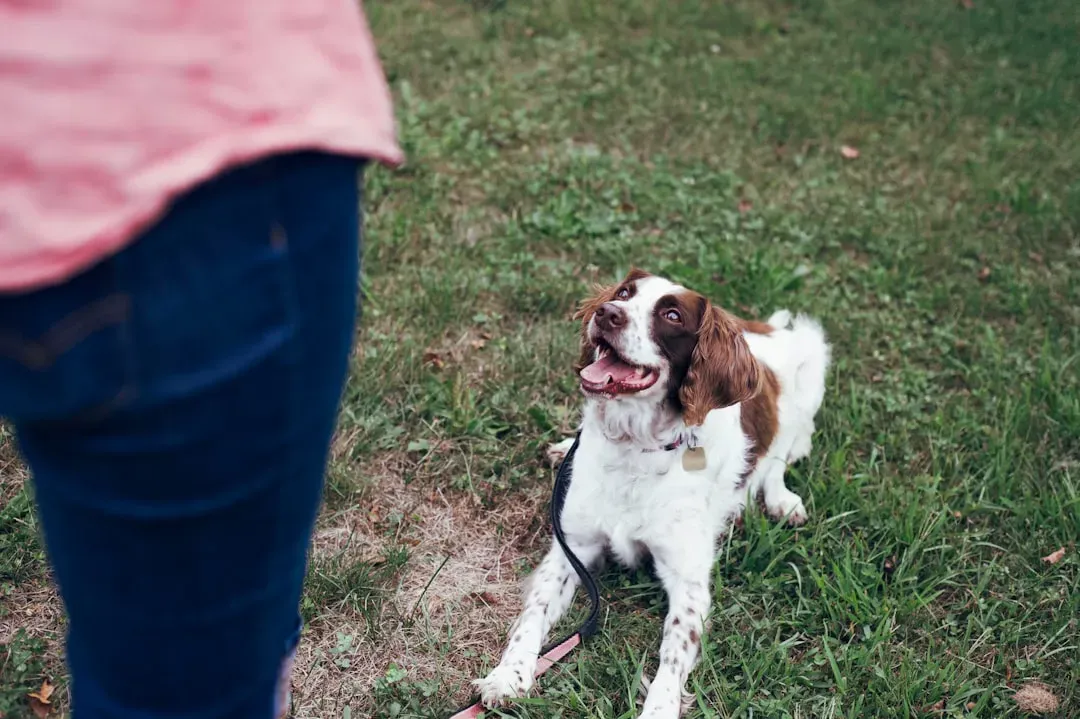
Freeze-frame the first three steps a visitor takes into your home, and your dog could probably tell you exactly how confident, clumsy, or tense that person really is. Dogs are movement experts by design – reading body language from a distance is baked into their DNA. A fast, stomping entrance with big arm swings can register as a threat, especially in a tight hallway. A slower, sideways approach with loose shoulders reads as safe.
Most people think saying “It’s okay, buddy!” fixes everything. It doesn’t. Dogs trust movement over words, every single time. If the body is shouting “I’m barging in” while the mouth is saying “good boy,” the body wins. It’s exactly why trainers coach visitors to angle their shoulders, avoid looming, and let the dog close the distance instead of the other way around.
#3 – Eye Contact: Friendly or Confrontational?
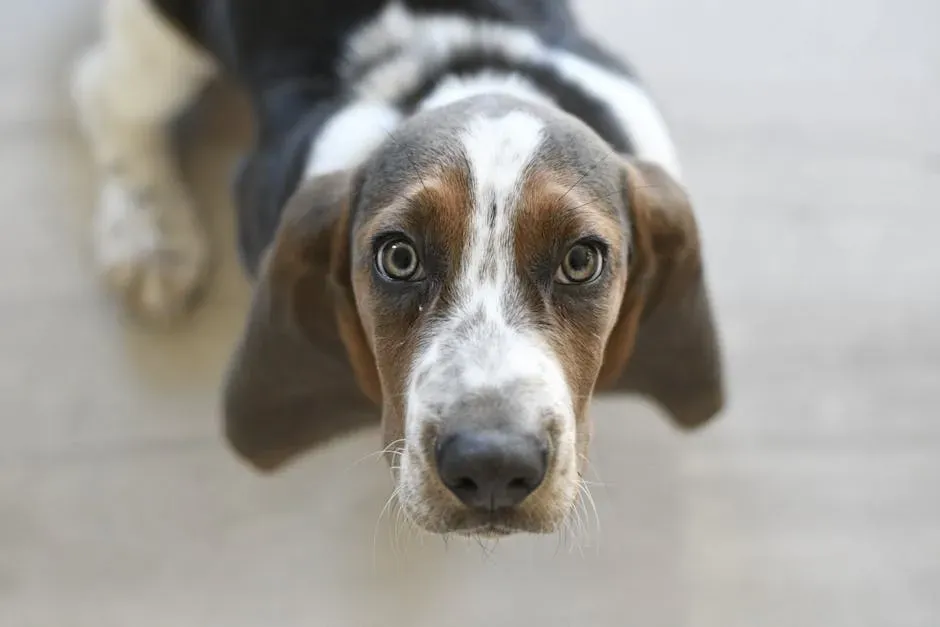
This is where a lot of well-meaning visitors quietly blow it. In human culture, direct eye contact is polite. In dog culture, a stranger walking in and staring straight at them can feel like a challenge being issued. Some dogs shrug it off. More sensitive dogs read it as “are we fighting or what?” – and that’s when the barking, backing up, or stiff posturing shows up out of nowhere.
Meanwhile, the visitor who crouches, softens their gaze, and blinks slowly is speaking a language your dog actually understands. Hard, unblinking eye contact from a stranger is one of the fastest ways to make a dog uneasy, while soft, indirect eye contact is basically a polite dog handshake. People who ignore this often say, “dogs just don’t like me.” More accurately, dogs don’t like being stared down.
#4 – Voice Tone and the First Word They Hear
Your dog doesn’t care what language your visitor speaks. They care deeply about how it sounds. A high, sharp, excited voice can send some dogs into overdrive – hyper-friendly or hyper-anxious, depending on the dog. A deep, booming greeting at the doorway can land like a bark-off challenge before anyone even means it that way. Your dog hears pitch, volume, and rhythm before their brain ever catches a familiar word like “hello.”
Most people don’t realize that calm, slightly higher-pitched, sing-song tones tend to signal safety far better than enthusiastic shouting. A sudden loud laugh, a dropped bag, or a raised voice within seconds of walking in can flip a dog from curious to defensive instantly. Dogs are constantly cross-checking: does this voice match the body language and the smell, or is something off? If it doesn’t line up, your dog notices before you do.
#5 – What Their Clothes and Accessories Reveal
To your dog, your visitor is basically a walking suitcase of strange, unpredictable objects. Swishing jackets, clinking zippers, trailing coats, dangling scarves, oversized bags, umbrellas – every piece changes the visitor’s silhouette and sound. Dogs are extremely tuned into outlines and shapes, because reading shape at a distance is how they’ve always decided if something is prey, predator, or nothing to worry about.
A hooded person in a backpack and heavy boots is, to your dog, a genuinely different creature than that same person in a T-shirt and sneakers. Some dogs get specifically unsettled by:
- Sunglasses that hide the eyes
- Large hats that distort the shape of the head
- Bulky uniforms or oversized packages
Until the hat comes off or the sunglasses lift, some dogs simply won’t relax – you’re not fully “human” to them yet. It’s also part of why delivery drivers trigger more barking than familiar faces: too many unfamiliar shapes, not enough recognizable signals.
#6 – Whether They Smell Like Other Animals
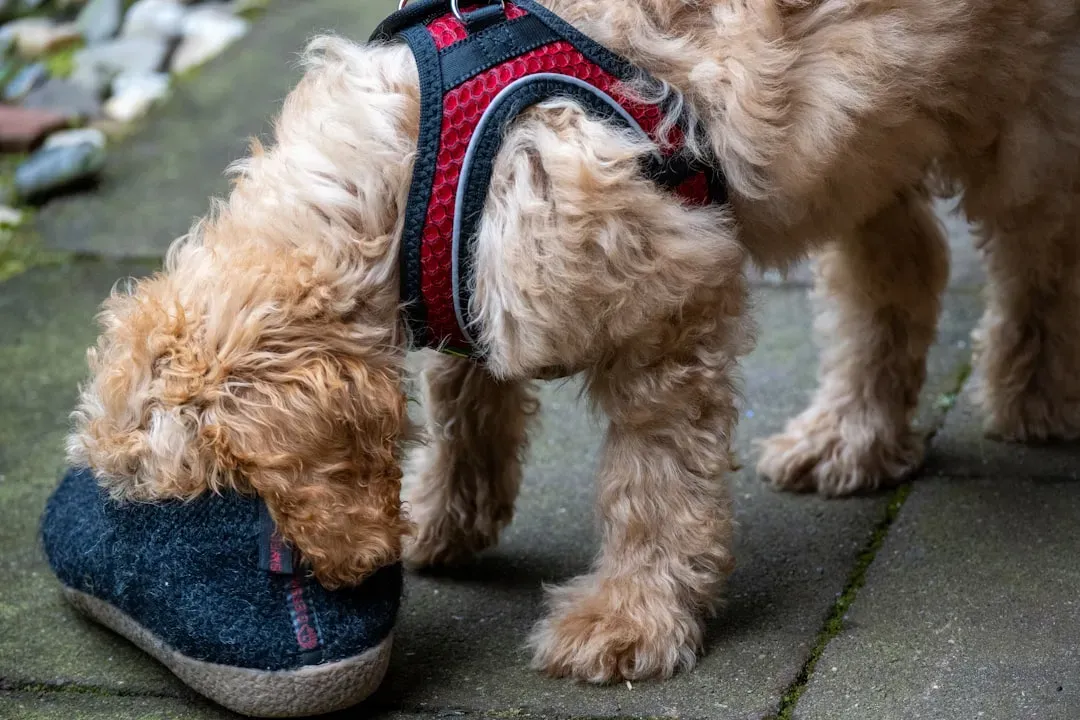
Here’s an uncomfortable truth: your dog knows if that “I don’t have pets” friend is lying. Traces of cat hair, dog dander, rabbit bedding, even barn smells show up on someone’s shoes and pant legs, and your dog can detect it within seconds of the door opening. This isn’t idle curiosity – it’s social intelligence. In dog logic, it translates to: you’ve been around other animals, are they a threat, are you safe, should I be jealous?
This is actually why some dogs get more intense, not less, around visitors who love animals. They go into full investigative mode. A guest’s shoes alone can carry half a park’s worth of scent from other dogs, and for territorial or insecure dogs, that’s a lot of information to process at once – which is why they bark, pace, or sniff obsessively at someone who did absolutely nothing wrong except own a cat.
#7 – Their Emotional State (Nervous, Angry, or Calm)
People hate hearing this, but your dog is better at reading your friend’s emotions than you are. They’re not doing therapy – they’re reading breath, muscle tension, and sweat chemistry in real time. A visitor who’s secretly nervous around dogs thinks they’re hiding it well. They are not. Your dog notices the stiff shoulders, the held breath, the tiny hesitation at the threshold.
Fear and anger are especially loud to a dog’s senses. Elevated heart rate, shallow breathing, a clenched jaw – those signals scream “unstable energy” to an animal that survives by avoiding unpredictability. A dog will often distrust someone smiling politely while quietly radiating irritation or fear, which is exactly why confused owners say, “they’re never like this with anyone else.” The dog isn’t being dramatic. They’re being honest.
Worth Knowing
- Elevated heart rate and shallow breathing are among the clearest stress signals a dog can pick up on
- Dogs tend to react to a person’s real emotional state, not the polite face layered on top
- A tense visitor trying to “act normal” rarely fools a dog for more than a few seconds
#8 – Respect (or Disrespect) for Their Personal Space
This is where a lot of visitors accidentally become the villain of the story without realizing it. The second your guest leans in, reaches over the dog’s head, or steps into their bed space, they’ve communicated a lot without saying a word. In dog terms, it’s the equivalent of a stranger walking straight into your kitchen and opening your fridge. Too familiar, too fast, no invitation.
The visitors dogs tend to adore usually do the opposite:
- They stand or sit at an angle, not square-on
- They let the dog approach them, instead of reaching in first
A hand shoved into a dog’s face in the first five seconds is one of the rudest greetings in canine etiquette. Some dogs tolerate it, some shrink away, and some snap – and it’s never random. Your dog is constantly asking one question: will this person listen if I say no? If the answer looks like no, they stay on guard.
#9 – The Rhythm of Their Steps and Gestures
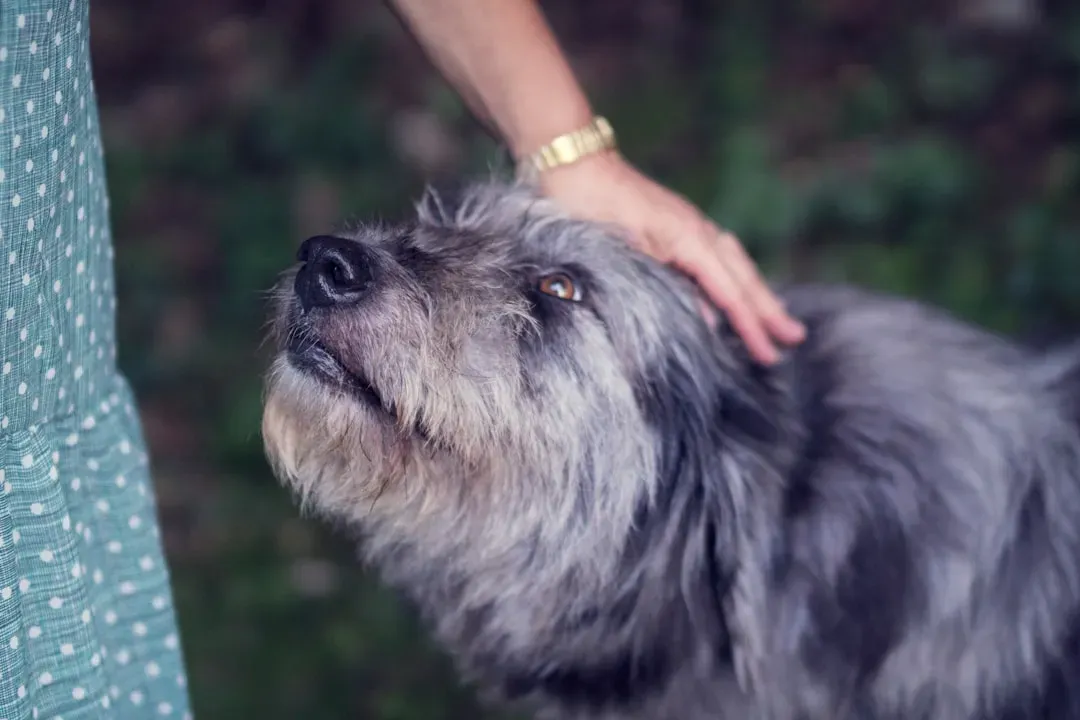
Dogs don’t just clock what a visitor does – they clock the rhythm behind it. Jerky, unpredictable movement feels unsafe: fast hand waves, sudden turns, quick direction changes. Smooth, predictable movement is easier for a dog’s brain to file under “non-threatening.” It’s the same reason many dogs relax faster around calm adults than around kids who dart around unpredictably.
Some behaviorists believe dogs are constantly scanning for patterns that match the “safe humans” already in their life. Someone who moves with a similar cadence to a trusted person – same walking tempo, similar way of settling into a chair – can feel familiar even as a total stranger. An erratic, chaotic movement pattern is often all it takes for a dog to silently decide: I need to watch this one. That’s not drama. That’s caution.
#10 – The Direction of Their Energy (Toward or Away from the Dog)
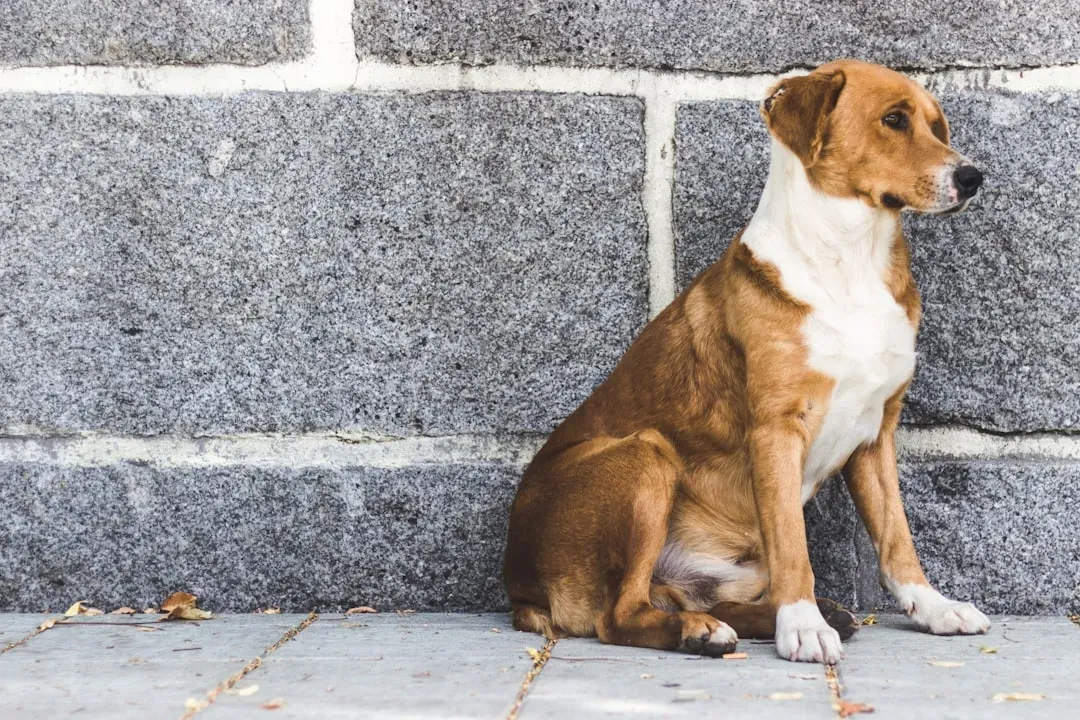
In human culture, we reward people who go all-in enthusiastic when meeting a dog. In dog culture, a big wave of energy rushing straight at them can feel like a freight train. The moment the door opens, your dog is asking: is this person headed right for me, or giving me space first? Ironically, the people who casually ignore the dog at first are often the ones the dog ends up shadowing all night.
Dogs read energy the way we read facial expressions – watching whether a body leans in or leans away, whether hands reach out or stay relaxed at the sides. A person whose entire focus locks onto the dog the second they walk in often overwhelms shy or cautious dogs, while someone who stays neutral and lets the dog orbit closer on their own terms sends a much safer signal. To a dog, too much eagerness at the door reads as suspicious, not flattering.
Quick Compare
- Energy rushing straight at the dog: often reads as overwhelming or pushy
- Energy held back with a neutral posture: usually reads as safe and non-threatening
- Eager, dog-focused visitor: can spook shy or cautious dogs at the door
- Casual, patient visitor: often becomes the dog’s favorite by the end of the night
#11 – How They React to the First Bark or Growl
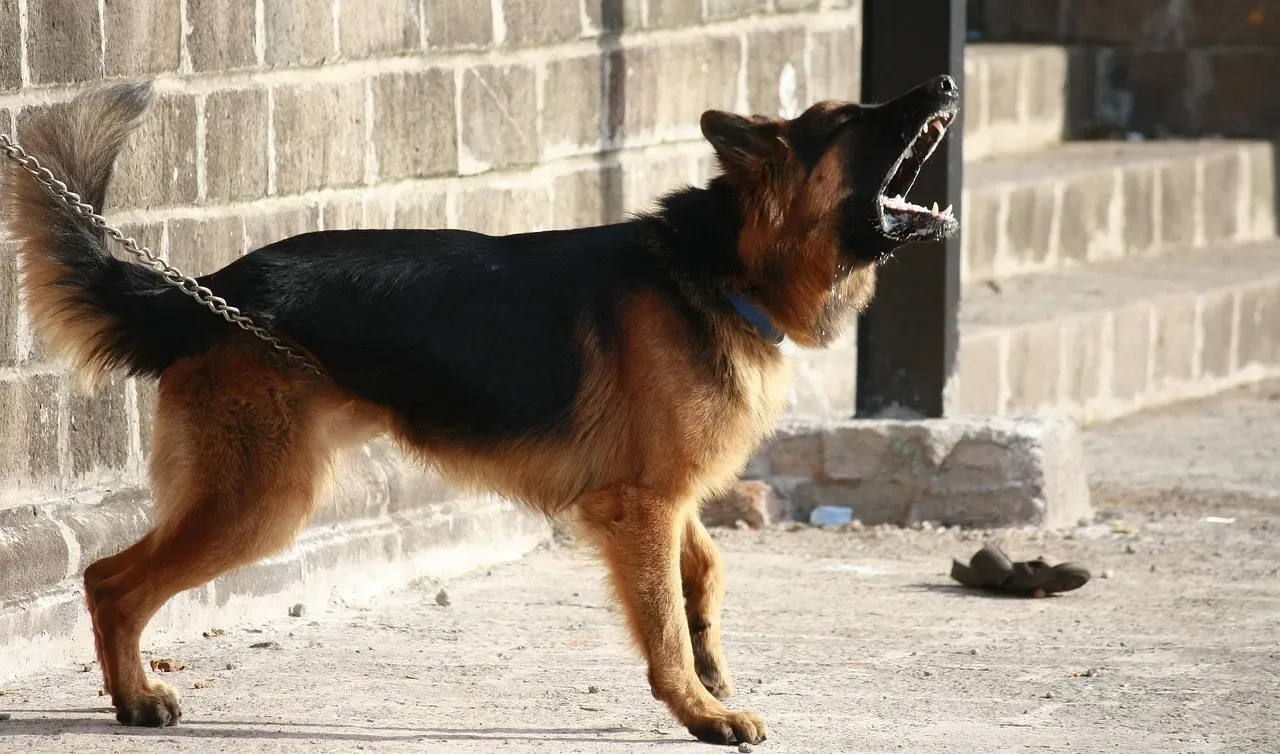
This is the moment of truth. Your dog barks – maybe once, maybe a full meltdown – and your visitor’s reaction tells the dog everything they need to know. Do they flinch, yell, fake-laugh, lunge forward, or scold the dog? Or do they pause, soften their posture, and quietly give the dog space? Dogs treat that split-second response like a character test, and most people fail it by overcorrecting.
The average dog is a nicer person than the average person.
Andy Rooney
A calm, steady “hey buddy, I hear you” paired with neutral body language is far more reassuring than forced cheerfulness or tension. When a visitor mirrors the owner’s calm confidence, a dog’s suspicion melts fast. When a visitor adds more chaos to an already tense moment, the dog files them under unpredictable – permanently. Your dog doesn’t need everyone to love them, but they absolutely notice who respects a warning.
#12 – Their Familiarity (Or Lack of It) With Dog Rules
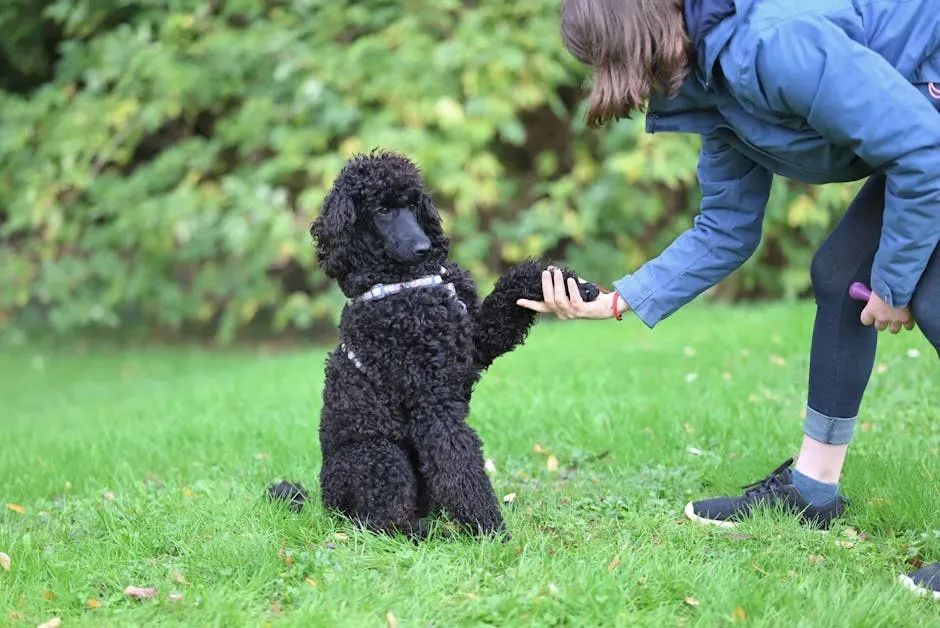
Dogs can tell almost instantly who “gets” dogs and who’s faking it. The person who naturally angles their body, skips the high-pitched squealing, and leaves the toy basket and food bowl alone is a seasoned dog person. The one who walks straight across the dog’s bed or reaches for their collar within the first minute is, in dog terms, an amateur – no offense.
Visitors who instinctively follow dog etiquette earn calmer, quicker acceptance, even from wary dogs, because the dog never has to correct them or retreat from a mistake. On the flip side, someone who tries to “alpha” or discipline a dog they just met often becomes the least-trusted human in the room by the end of the visit. Dogs are brutally, refreshingly honest about competence.
#13 – Whether They “Belong” to the House’s Inner Circle
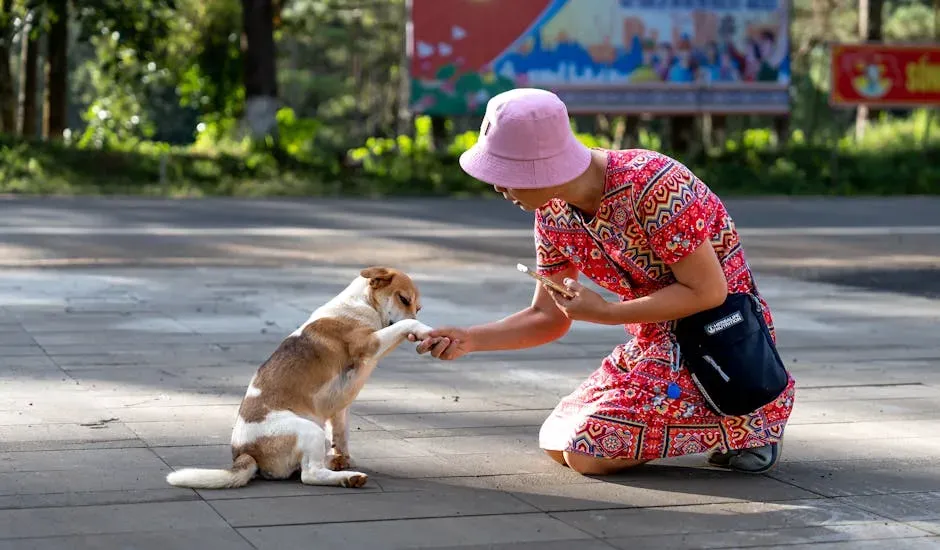
This part sounds almost mystical, but it isn’t: your dog is comparing your visitor’s scent and mannerisms to yours in real time. Pack animals are always quietly asking, are you one of us or one of them? Someone who spends a lot of time around you carries micro-traces of your scent, your car, your home. Even if you can’t detect it, your dog absolutely can, and it earns the visitor instant bonus points.
They’re also watching you. How fast do you move toward this person? How close do you stand? Do you hug them, or stay stiff and formal? If you light up and relax, your dog is far more likely to file the visitor under “probably safe,” even if that person is a little strange in other ways. If you hang back or tense up, your dog clocks that too – your body language becomes part of the visitor’s file.
#14 – Whether the Whole Scene Feels “Normal” or Off
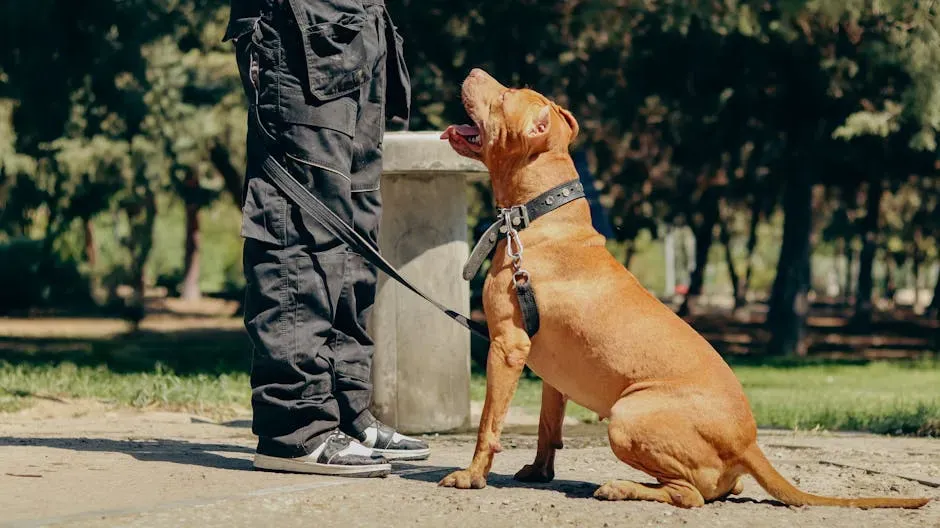
Here’s the big one: dogs are pattern-recognition machines. They know exactly what “normal” looks like in your home – your regular delivery driver, your friends’ usual visiting rhythm, the time of day people typically show up, how you move to answer the door. When something breaks that pattern, they react before their brain even has words for why.
A late-night knock, an argument happening on the porch, a stranger lingering too long in the doorway – your dog flags those anomalies immediately. It’s why even a famously friendly dog can suddenly flip into full guard mode with a particular visitor, for reasons that seem invisible to us. Dogs are experts at sensing when a moment doesn’t match past safe experiences, and when that internal alarm trips, it overrides almost every other cue they’ve already picked up.
At a Glance
- Dogs quickly learn the normal rhythm of visitors, delivery times, and greetings in their home
- A late-night knock or raised voices at the door can instantly break that expected pattern
- When something feels “off,” a dog’s alarm response can override every other calming cue
The Bottom Line
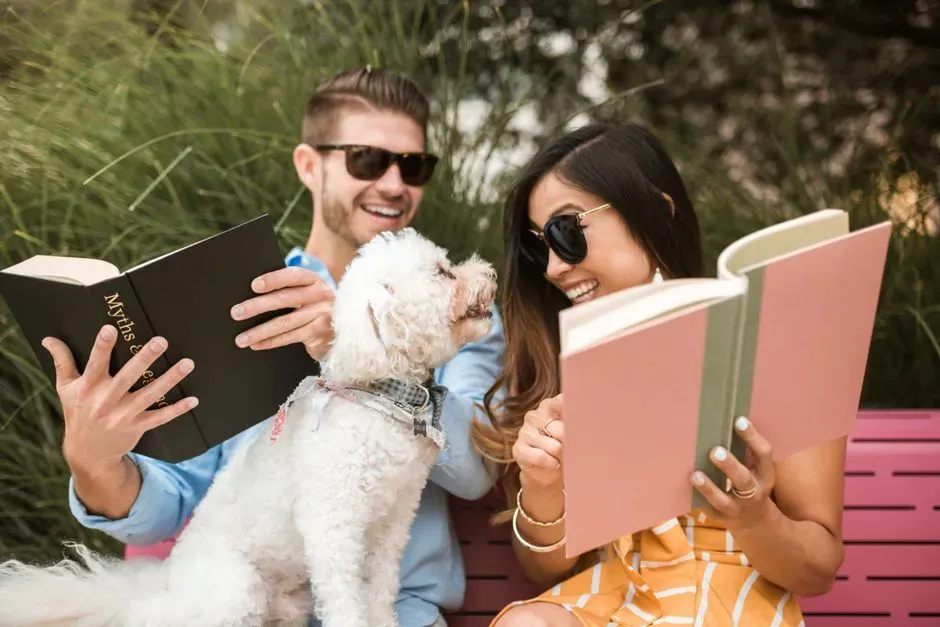
Your dog isn’t sorting your visitors into “good person” and “bad person.” They’re reading scent, movement, energy, and pattern – faster and more honestly than most humans ever will. Within seconds of the door opening, they already know who smells like tension, who moves like trouble, who respects space, and who’s smiling while secretly falling apart inside.
We like to think we’re in charge of first impressions, but in most homes, the dog casts the first and loudest vote. That doesn’t mean they’re always right – but ignoring the read is a mistake. Personally, I think we’d all be a little better off if we stopped calling it “being dramatic” and started asking what our dog picked up on that we completely missed. Did we nail your dog’s front-door checklist, or did we miss one? Tell us in the comments.