
16 Moments a Dog Replays for Hours After a Walk Has Already Finished
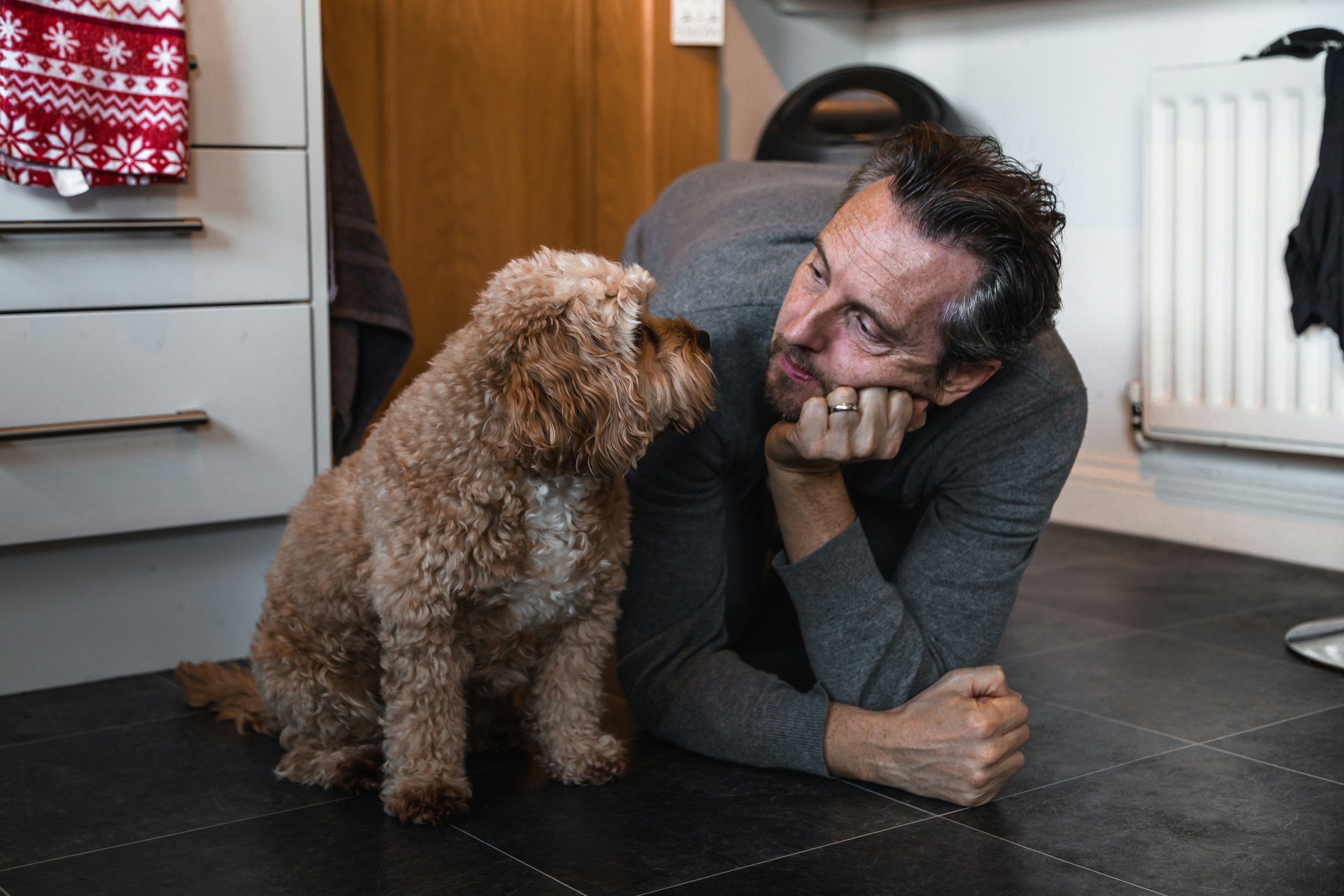
You walk back inside, unclip the leash, hang it on the hook, and move on with your afternoon. Walk over. Case closed. Except your dog never got that memo.
Behind those sleepy eyes on the couch, their brain is still quietly running a highlight reel – the trash can that startled them, the dog they weren’t allowed to sniff, the stranger who crouched down and actually meant the hello. Dogs hold onto emotional snapshots far longer than most owners assume, replaying them the same way we replay an awkward text exchange at 2 a.m.
Here are the 16 moments your dog is secretly rewatching in their head long after the walk ends – and what each one is quietly doing to their mood, their trust in you, and how they show up on the next walk.
#1 – The Exact Second You Grabbed the Leash
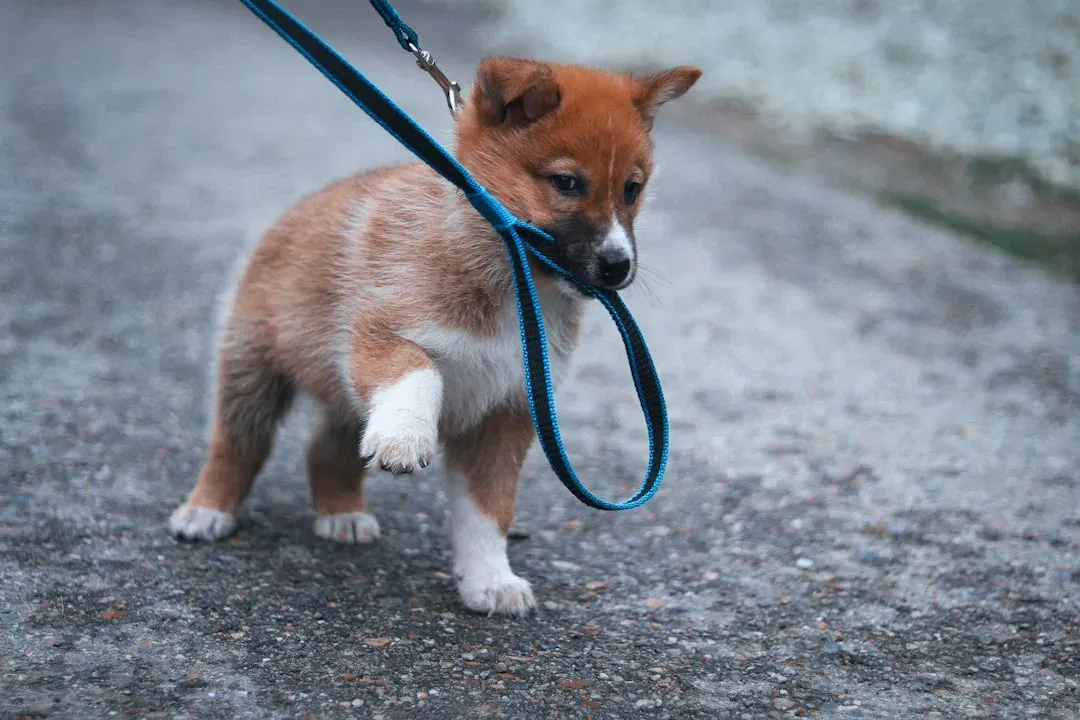
In your dog’s personal movie, the walk doesn’t start at the door – it starts the instant you touch the leash. That soft swish of nylon coming off the hook, that tiny clink of metal, is often the single most electric sound of their entire day. Heart rate ticks up, dopamine floods in, and their brain locks onto one thought: it’s happening.
Dogs don’t just remember the leash itself; they memorize the whole ritual around it – your shoes, your keys, the exact way you say “you ready?” Hours later, they’ll replay that build-up so hard they get randomly hyped near the door for no obvious reason. They’re not confused. They’re testing whether reenacting the ritual might summon the walk back.
#2 – The First Noseful of Air Outside
You step outside and think, “nice day.” Your dog steps outside and gets hit with something closer to a surround-sound explosion of information. With up to 50 times more scent receptors than humans, that first inhale tells them who walked by, what’s cooking three houses down, and which critters snuck through overnight.
That opening blast of scent doesn’t just fade away once you’re back inside. Hours later, your dog may suddenly freeze near a window or door, nose working overtime – that’s them mentally replaying the scent snapshot from earlier. Many behaviorists actually argue this first sniff, not the walking itself, is the real main event of the entire outing.
Fast Facts
- Dogs have an estimated 200-300 million scent receptors, compared to roughly 6 million in humans.
- The brain region devoted to smell is proportionally many times larger in a dog than in a person.
- A dog’s wet nose helps trap and absorb scent chemicals, sharpening detection even further.
- Scent-based memories can linger for weeks, which is why a single whiff can trigger instant recognition.
#3 – The Landmark They Check Like Clockwork
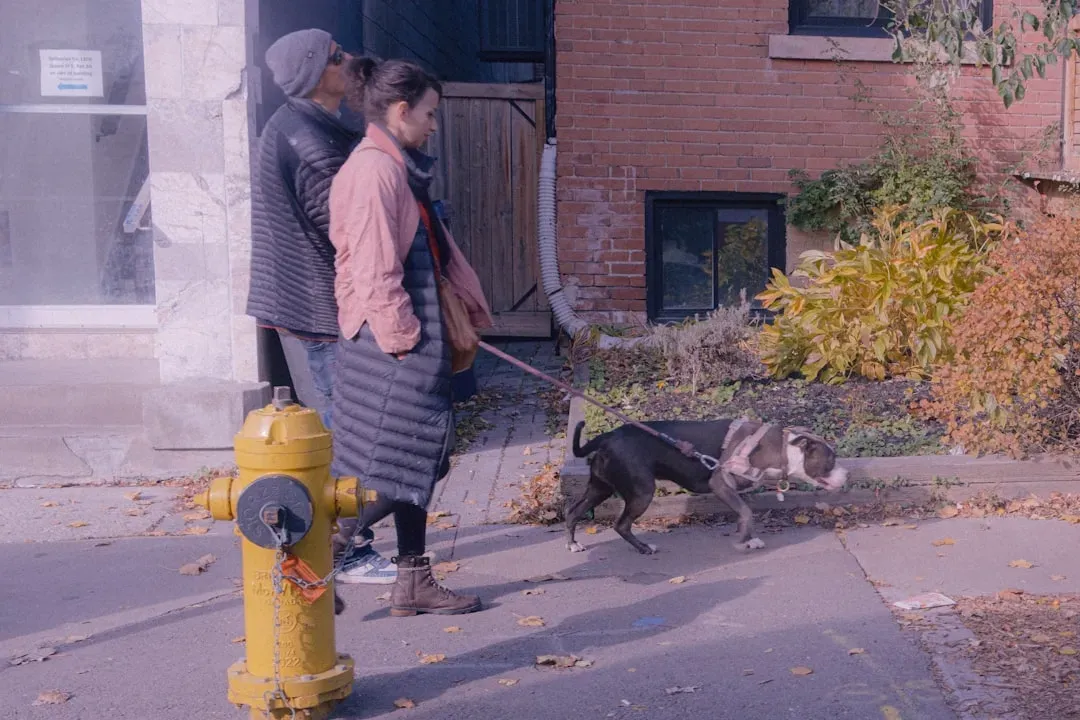
Every dog has that one spot they check religiously – the fire hydrant, the corner post, the same scraggly bush three houses down. To you, it’s a boring five-second pause. To your dog, it’s the neighborhood’s entire social feed, updated daily.
A single sniff there can tell them who’s been through, whether they were male or female, stressed or calm, sick or in heat. When your dog flops down later and lets out one of those big dramatic sighs, they’re often still processing that update. And if the spot ever gets washed, blocked, or replaced, don’t be surprised if they seem genuinely thrown off – they’re comparing it to the version stored in memory.
#4 – The Sudden Noise That Froze Them Solid
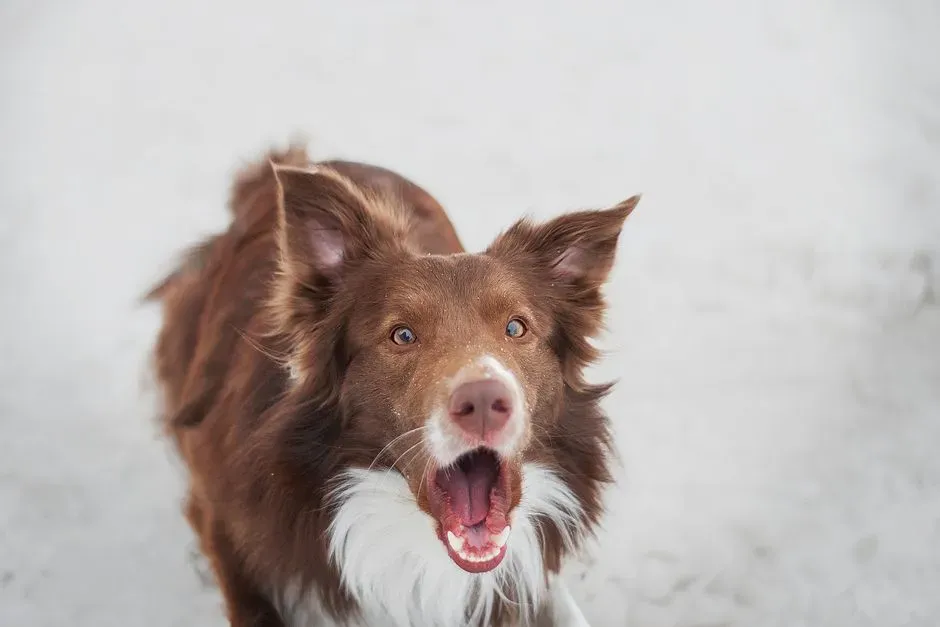
You remember a peaceful walk. Your dog remembers the car door slam, the skateboard rattle, the garbage truck’s hiss that made them go statue-still for half a second. Ancient survival wiring means sudden sharp noises get filed away with extra urgency, even if your dog seems to shake it off immediately.
That’s why a resting dog will sometimes startle at a much quieter sound later – their brain is running a comparison check against the scarier noise from earlier. Fear moments are simply stickier in memory than calm ones. Repeated exposure to stressful sounds without support from you can quietly stack up into real anxiety over time.
#5 – The Stranger Who Noticed Them (or Pointedly Didn’t)
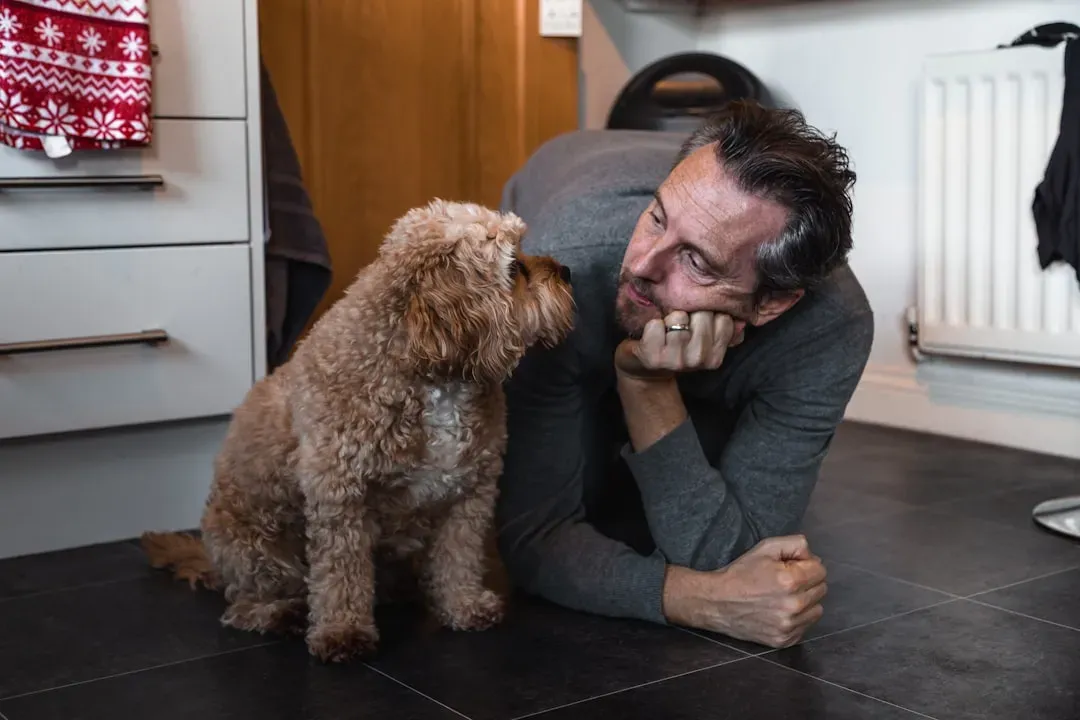
Owners assume the highlight is other dogs. Plenty of dogs are actually more fixated on people – especially the inconsistent ones. The neighbor who sometimes crouches down to pet them and sometimes rushes past without a glance? That contradiction becomes a replay loop.
Dogs read tone of voice, eye contact, and outstretched hands with startling precision. A warm “hi buddy!” can live rent-free in their head all afternoon – and so can the cold shoulder. Next time you pass that same person, watch your dog’s body: a lower tail, a slower approach, or oddly, over-the-top enthusiasm meant to “fix” the earlier vibe.
#6 – The Dog They Passed Without Saying Hi
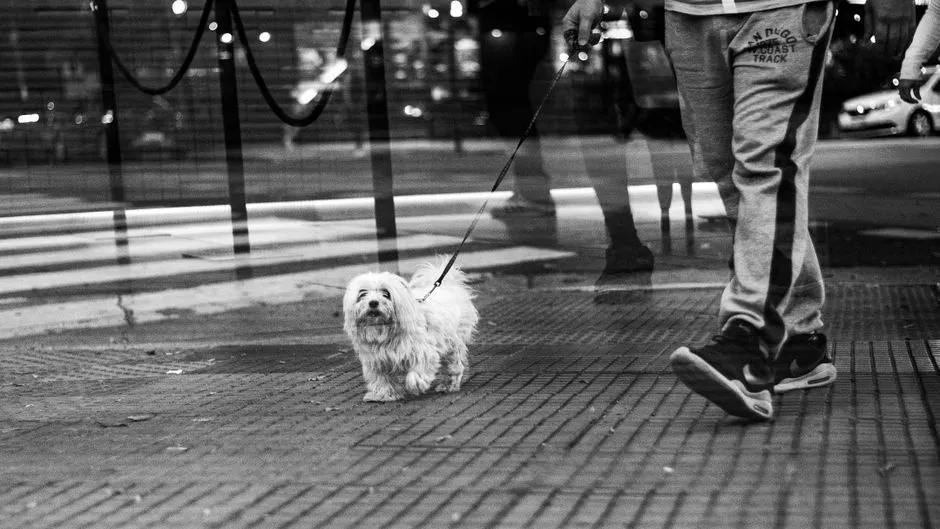
You feel proud when your dog calmly walks past another dog without losing it. Internally, your dog might be screaming. That brief eye contact, the tail flick, the whiff of scent in the air – those few seconds can get replayed like a missed message they never got to answer.
Some dogs will twitch or do tiny “air play bows” in their sleep after walks that were heavy on dog sightings but light on actual greetings. That’s their nervous system working through leftover social frustration. Many trainers argue this backlog of unfinished canine encounters is exactly what fuels reactivity down the line – and that a few calm, controlled sniff-greets would prevent half of it.
#7 – The Smell You Rushed Them Past
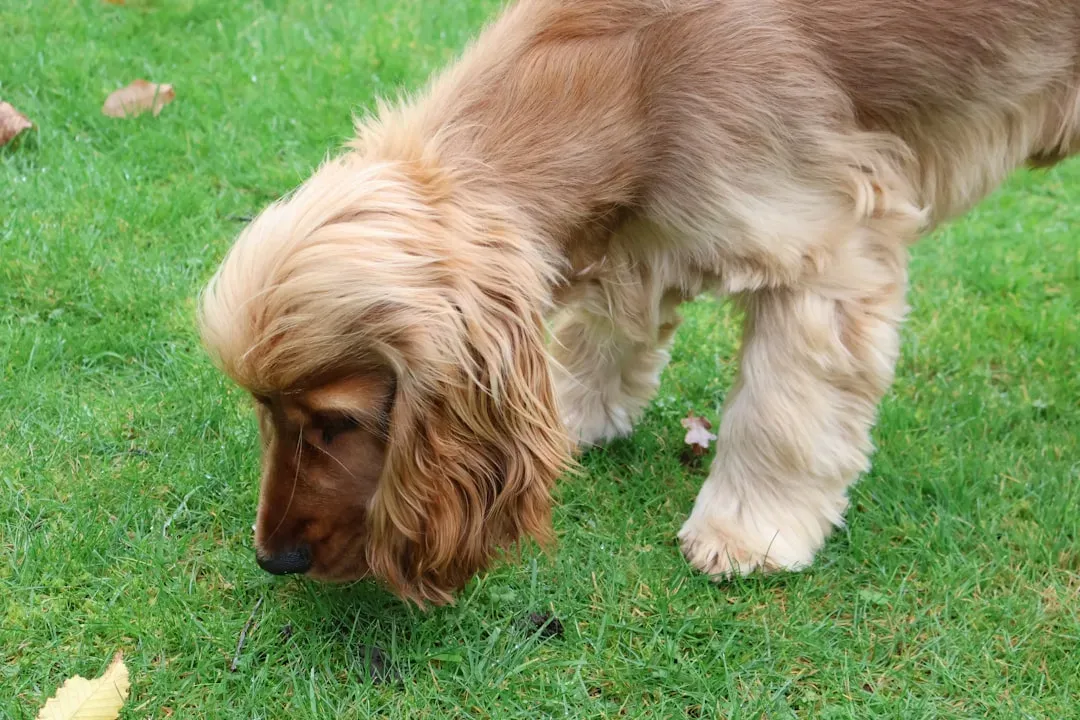
You know the spot – where your dog planted all four paws and tried to read a scent for a full minute, and you said, “come on, let’s go.” You forgot it by the next block. Your dog absolutely did not.
For them, an interrupted sniff is like pausing a gripping podcast mid-sentence and never hitting play again. Later, when they obsessively sniff the living room rug like it’s hiding state secrets, they may just be compensating for that earlier cutoff. Behaviorists are blunt about this one: if you want a calmer dog at home, let them finish the weird sniff sometimes.
Quick Compare
- Sniff-led walk: slower pace, mentally tiring, tends to lower stress and settle a dog faster once home.
- Standard brisk walk: more physical exercise, less mental stimulation, can leave a dog physically tired but still mentally restless.
- Rushed walk: fastest option for you, but leaves the most “unfinished business” for your dog to replay later.
#8 – The Scary Object That Wasn’t There Yesterday
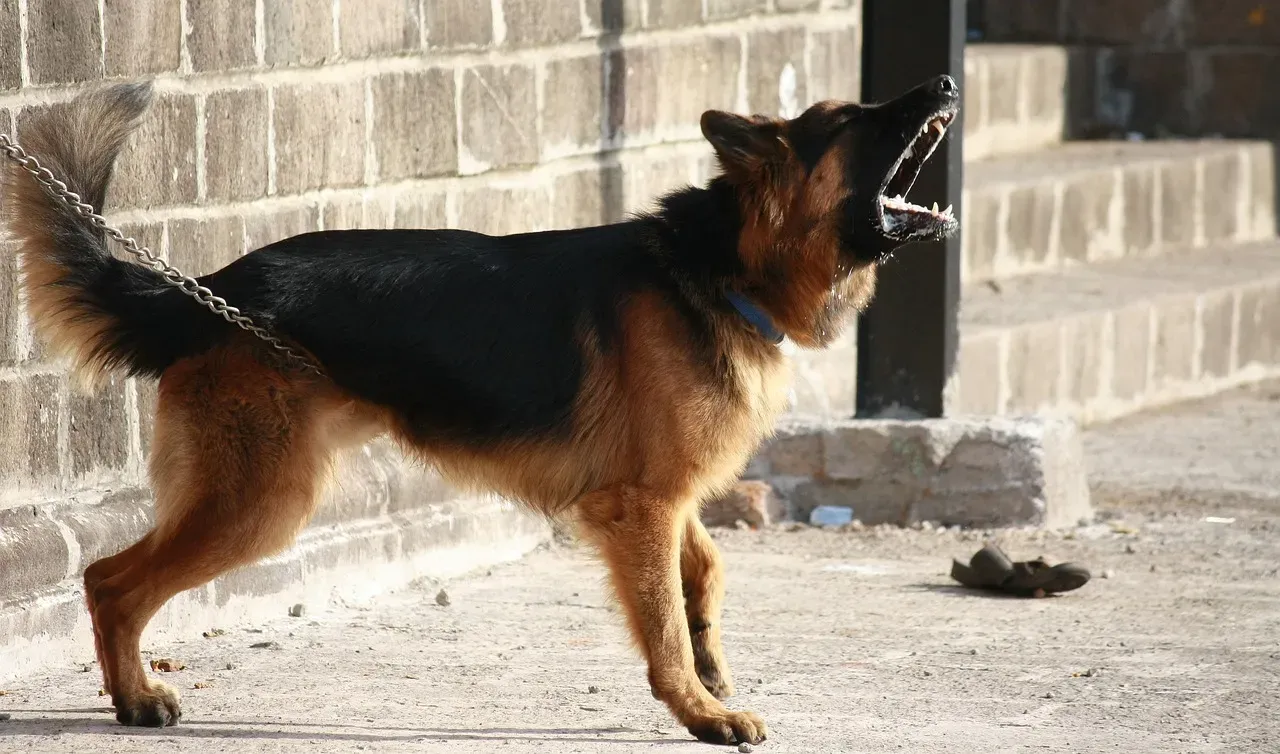
A tipped-over trash can. A new lawn ornament. A plastic bag snagged in a bush. Random to you – but sudden environmental changes light up a dog’s threat-detection instantly, and if it spooks them even slightly, that object becomes a top-tier replay file.
Back home, this often shows up as flinching at a shadow, refusing a dark hallway, or barking at a jacket slung over a chair. Owners call it random. It’s usually a direct echo of that strange object from the walk. How calmly you responded in the moment actually shapes how scary the memory becomes later.
#9 – The Moment Your Steps Finally Matched
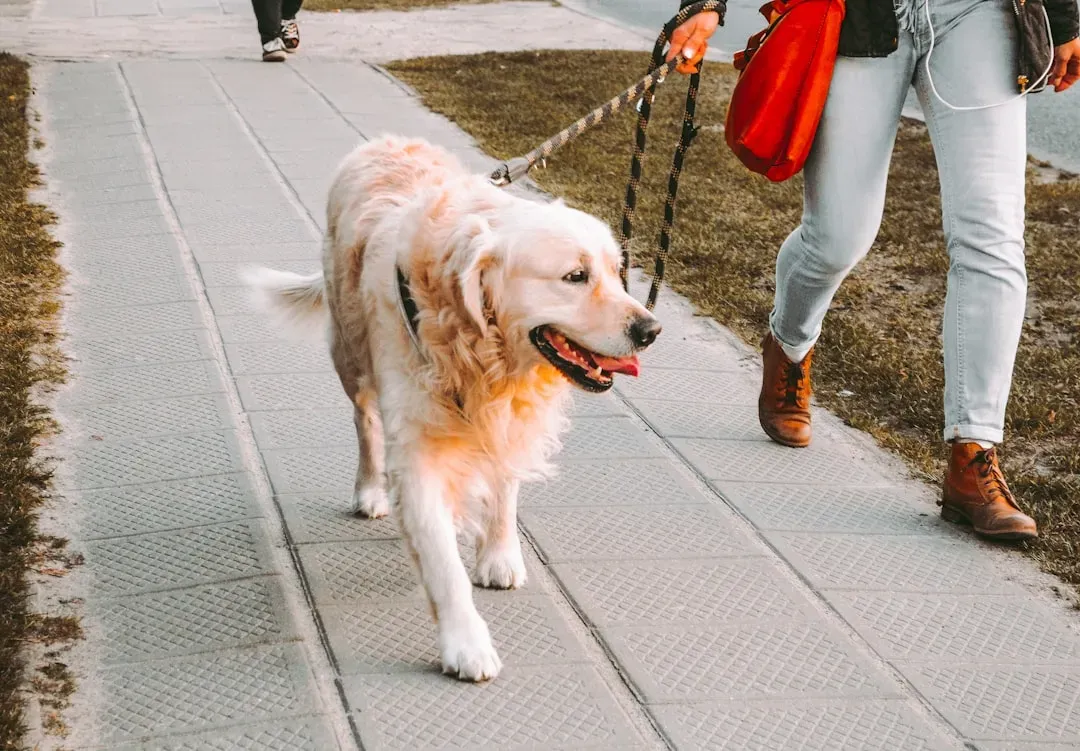
There’s a split second on some walks when everything lines up – the leash goes loose, your stride matches theirs, your arm relaxes, and you both just glide. You barely notice it. Your dog absolutely does.
That synchronized movement feels deeply safe to them, a rare moment of “we’re a team” instead of tension on a leash. It’s why some dogs glance back with soft eyes once the leash slackens. Ironically, most owners break this exact moment by stopping to check their phone – meaning a few tech-free blocks of just walking together might be your dog’s favorite memory of the entire week.
#10 – The Treat That Showed Up Out of Nowhere
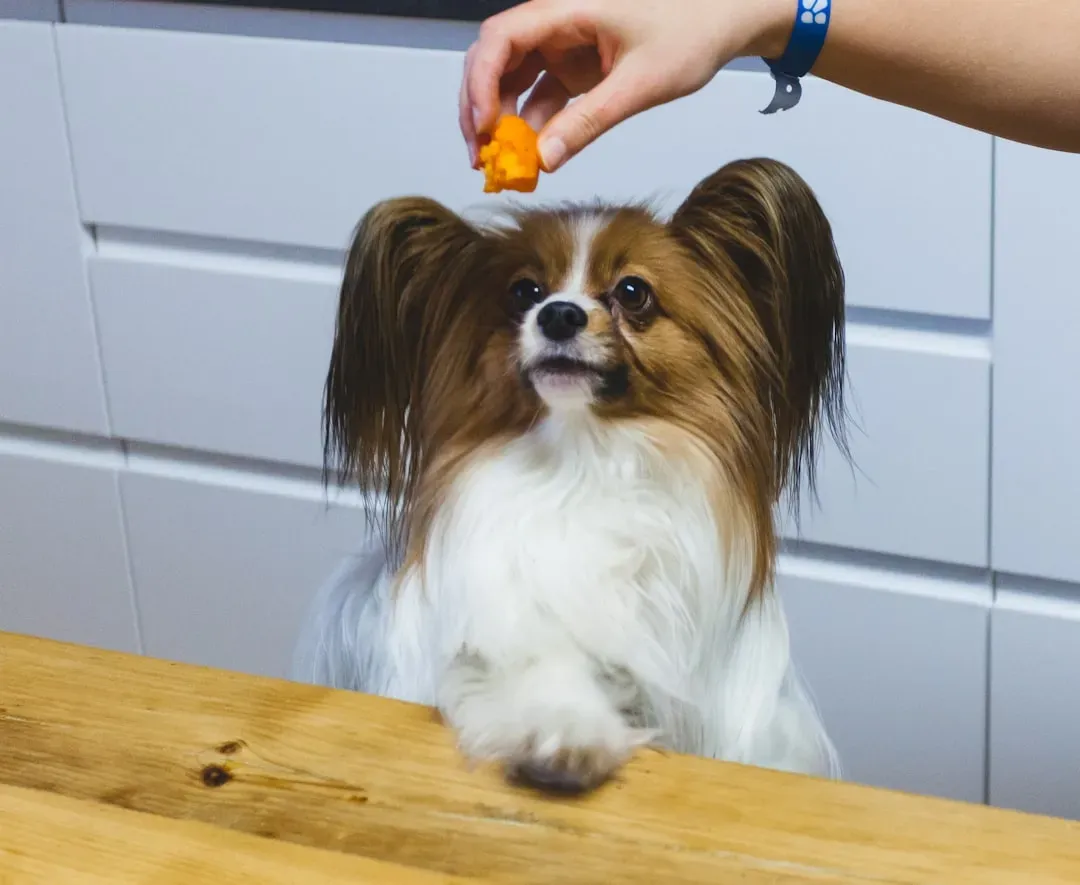
You toss a treat at the halfway mark without thinking twice. Your dog does not experience it as random – dogs are quiet statisticians about rewards, and one surprise snack at a specific corner can turn that spot into a legendary memory they anticipate for weeks.
The crueler flip side: when a reward pattern suddenly stops – the treat at the crossing, the praise for ignoring a dog – your dog replays that confusion hard. They may test the old behavior more frantically before eventually giving up on it entirely. That’s not stubbornness. That’s a carefully logged pattern quietly collapsing.
#11 – The Moment You Snapped or Got Frustrated
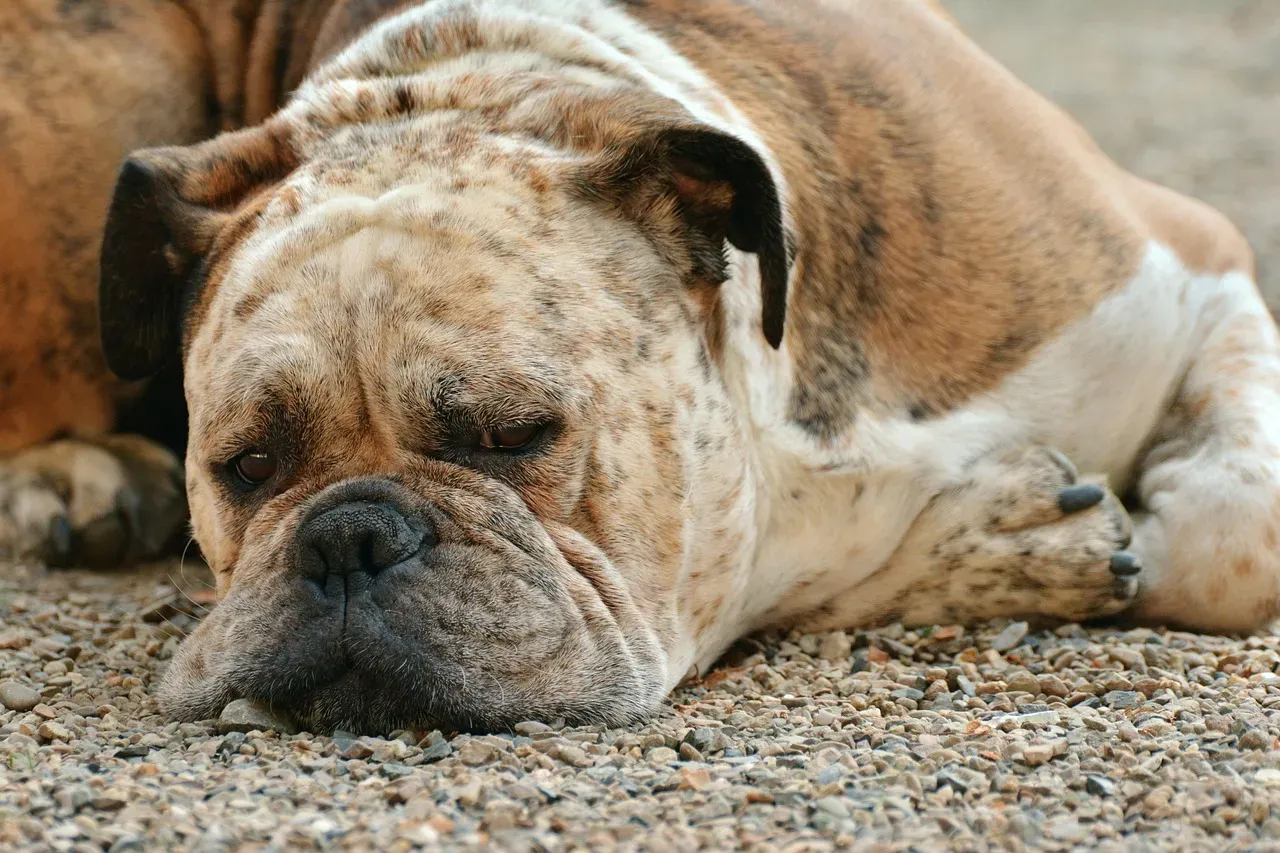
Most owners want to skip this one. Your dog never does. The sharp “hey!” when they lunged, the tight leash jerk toward a squirrel, the muttered “oh my god, stop” under your breath – these flashes of tension get recorded in full detail.
An hour later, your dog might get clingy or oddly quiet for no visible reason – a delayed emotional echo of that tense moment, as they silently ask, “are we okay?” Here’s the uncomfortable part: dogs often think they messed up, when really the environment – too busy, too fast, too loud – was the actual problem.
Dogs are not our whole life, but they make our lives whole.
Roger Caras
#12 – The One Time You Let Them Pick the Route
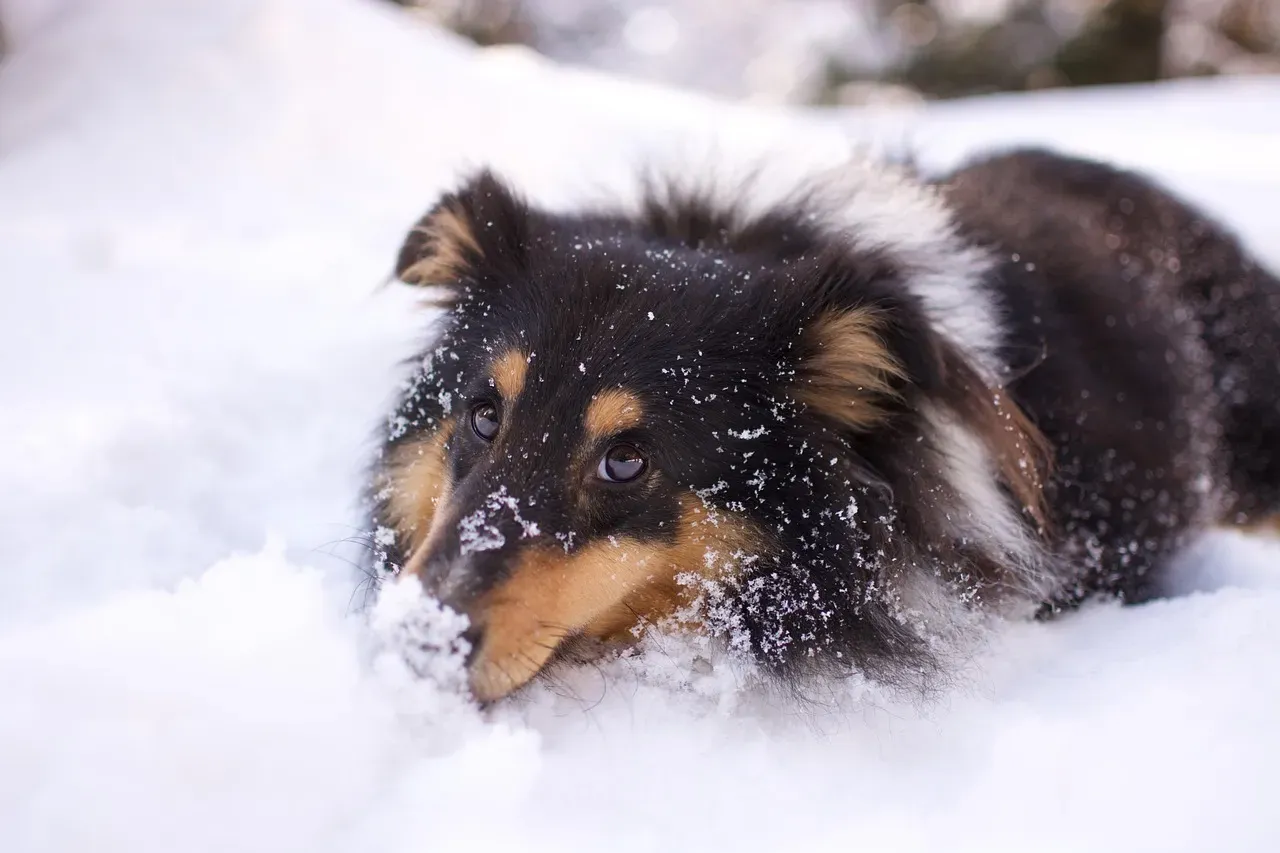
“Okay, your choice – left or right?” Tiny for you. Massive for them. Autonomy is one of the most underrated forms of enrichment a dog can get, and following their nose for once hands them rare control in a world humans usually run.
That sense of “I chose this” sticks in memory far longer than another forced loop around the same block. Later, they may tug more confidently toward that same turn, silently asking if today’s the day they get to decide again. Some behavior pros believe a couple of dog’s-choice walks a week beats half the trendy puzzle toys people buy.
Worth Knowing
- Choice-based walking is often called “sniffari” style walking, where the dog’s nose sets the route.
- Even a few minutes of letting your dog lead can reduce leash pulling by satisfying their need for control.
- Dogs who regularly get a say in small decisions tend to settle faster once back home.
- This kind of enrichment costs nothing and needs zero extra gear – just patience and a looser leash.
#13 – The Wildlife Encounter They Never Got to Finish
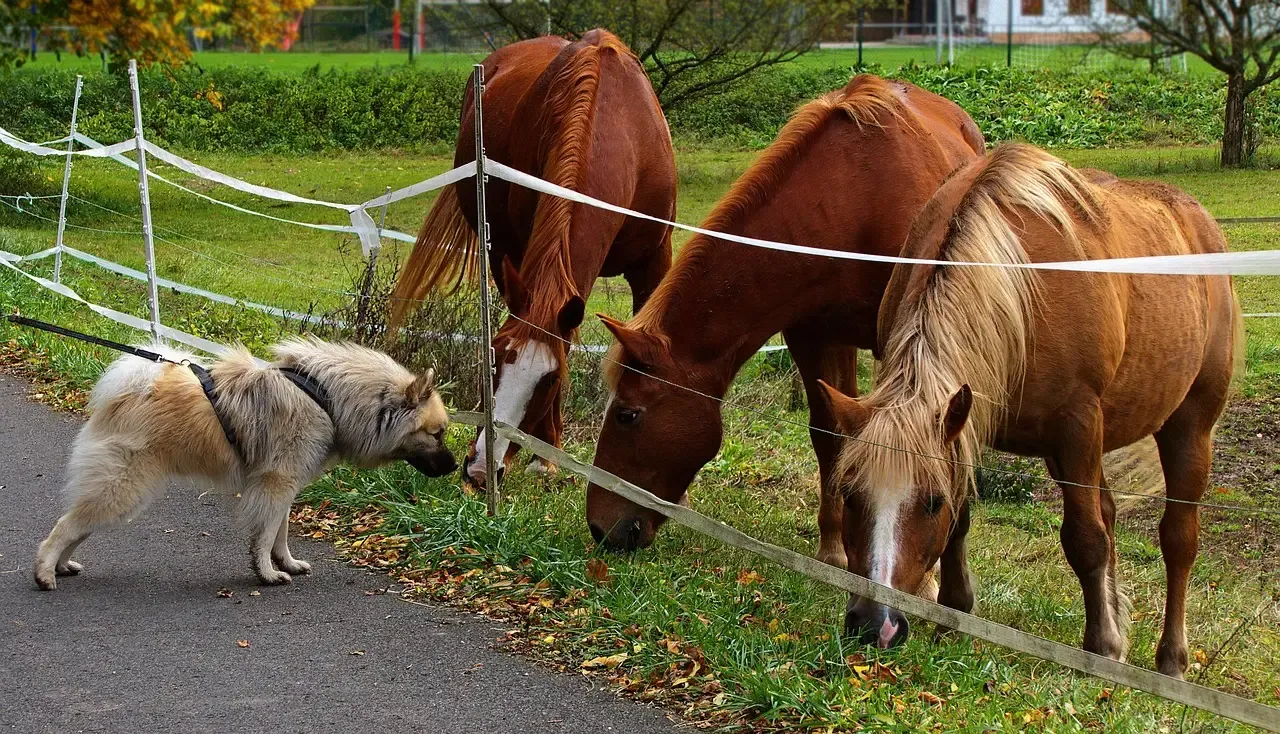
You barely catch a flash of squirrel tail or a rustle in the bushes. Your dog experiences an entire thriller sequence – the smell of rabbit, a bird bursting off the ground, the faint overnight track of a raccoon. These are primal fireworks, hardwired in, even for the laziest couch potato.
They don’t need to catch anything; the possibility alone is enough to etch it into memory. That’s what drives the intense window-staring or sudden zoomies after a nap, and sometimes even twitchy paw-chases mid-dream. Give them a legal outlet – a flirt pole, a sniffy trail, a scent game – and that wild-eyed obsession softens into satisfied tiredness instead.
#14 – The Quiet Pause Where You Just Sat With Them
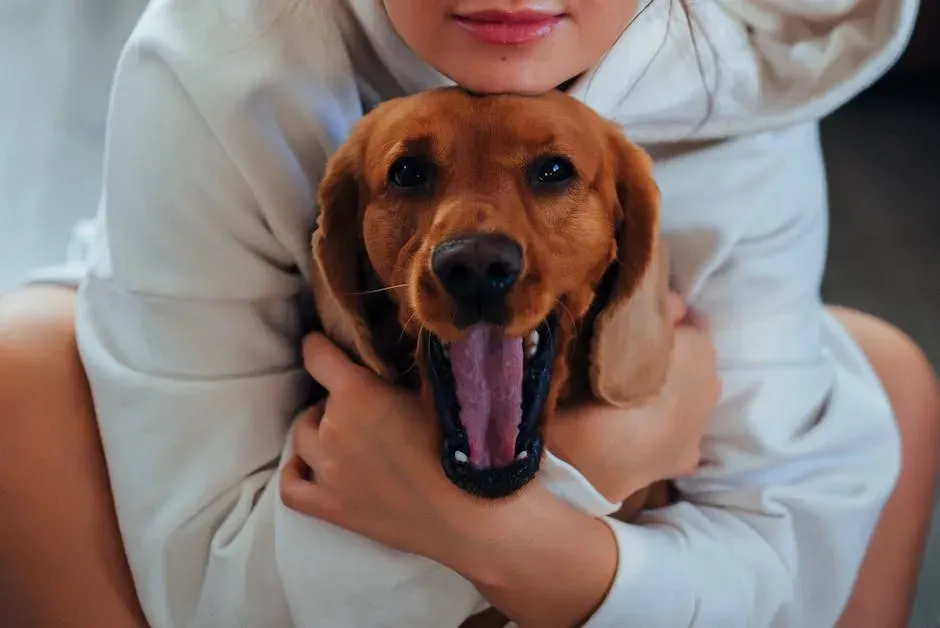
No command, no phone, no agenda – just you on a bench or curb, scratching their chest, watching the world go by together. This feels small to you, maybe even like wasted time. For a lot of dogs, it’s the emotional center of the entire walk.
You’ll see it in their body: breathing slows, ears soften, eyes half-close. This memory doesn’t get replayed as excitement – it gets replayed as comfort, resurfacing when they curl up closer to your bed that night or rest their chin on your knee after dinner. These quiet pauses anchor their sense of “home” more than any toy ever will.
#15 – The Final Stretch Back Toward the House
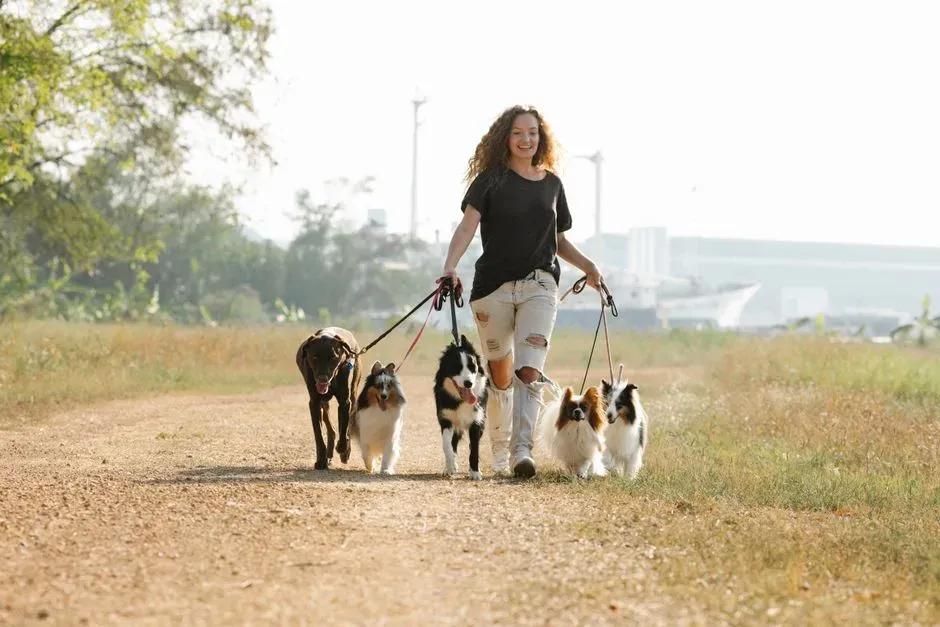
Humans treat the last block like dead space. Your dog treats it like the closing credits – and often the most emotionally loaded part of the entire walk. They’re reading your pace, your tone, how often you glance back, whether you’ve already checked out mentally.
Some dogs speed up, sniffing harder, maybe spinning into a zoomie once the house comes into view. Others slow down, clearly trying to stretch the last few seconds. If that final stretch is always rushed or tense, dogs can start dreading it – but a calmer, looser-leash ending becomes the lingering aftertaste of the entire walk in their memory.
#16 – The Silent Sixty Seconds Right After the Leash Comes Off
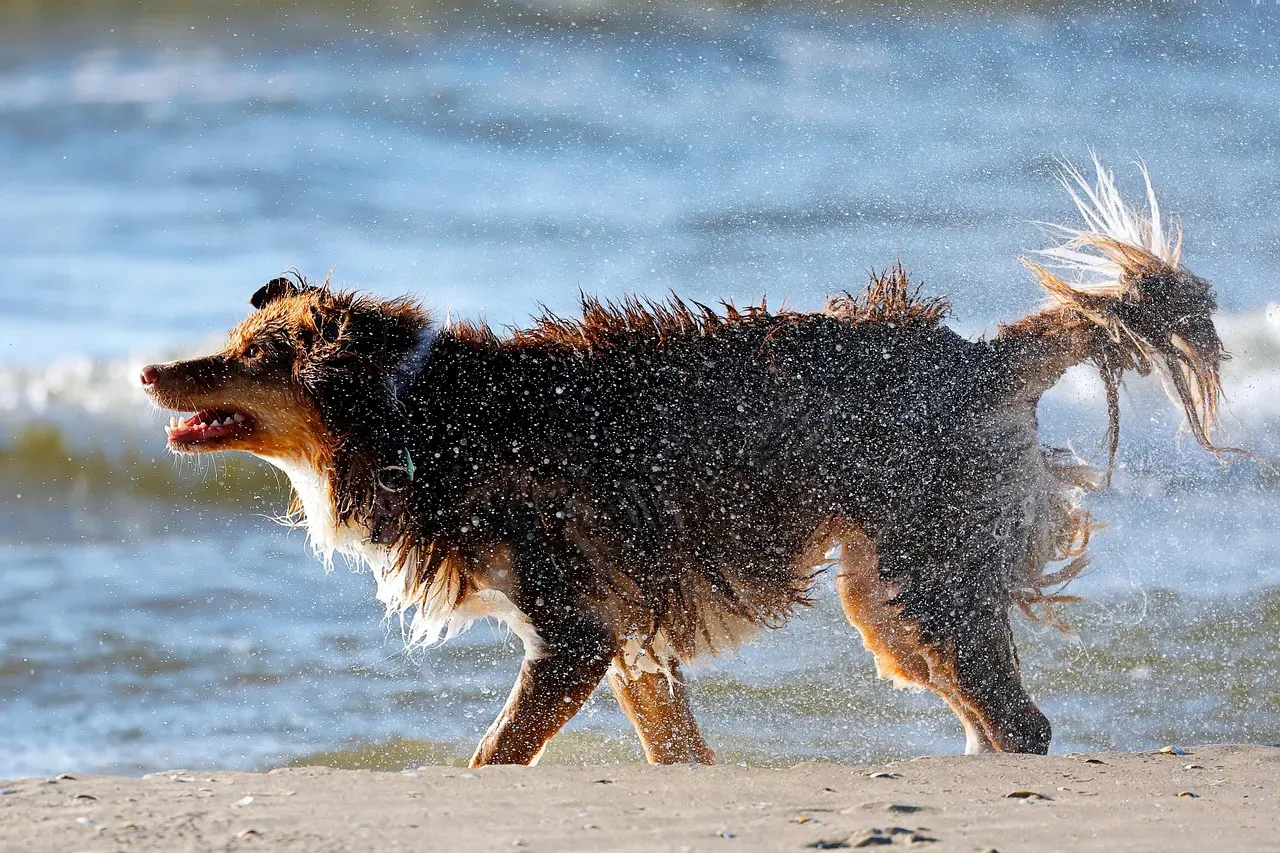
You think nothing’s happening here. Leash off, hook on the wall, on with your day. For your dog, this is when the entire walk rolls back through their brain in fast-forward. Watch closely: the shake-off, the lip-lick, the stretch, the trip to the water bowl – none of it is random.
That full-body shake is widely believed to be a physical reset after stimulation, a way of closing the file on everything that just happened. Where they go next – straight to bed with a deep sigh, pacing the room, or lingering by the door – tells you whether the walk landed as satisfying or left them still mentally stuck outside. Those sixty seconds might be the real moment your dog decides whether today’s walk was actually good.
At a Glance
- Deep sigh, quick flop onto the bed: fully satisfied and decompressed.
- Pacing, whining, or door-checking: still mentally keyed up from the walk.
- Water bowl visit, then settling: both physical and mental needs were met.
- Excessive lip-licking or yawning: leftover stress that didn’t fully release.
The Bottom Line
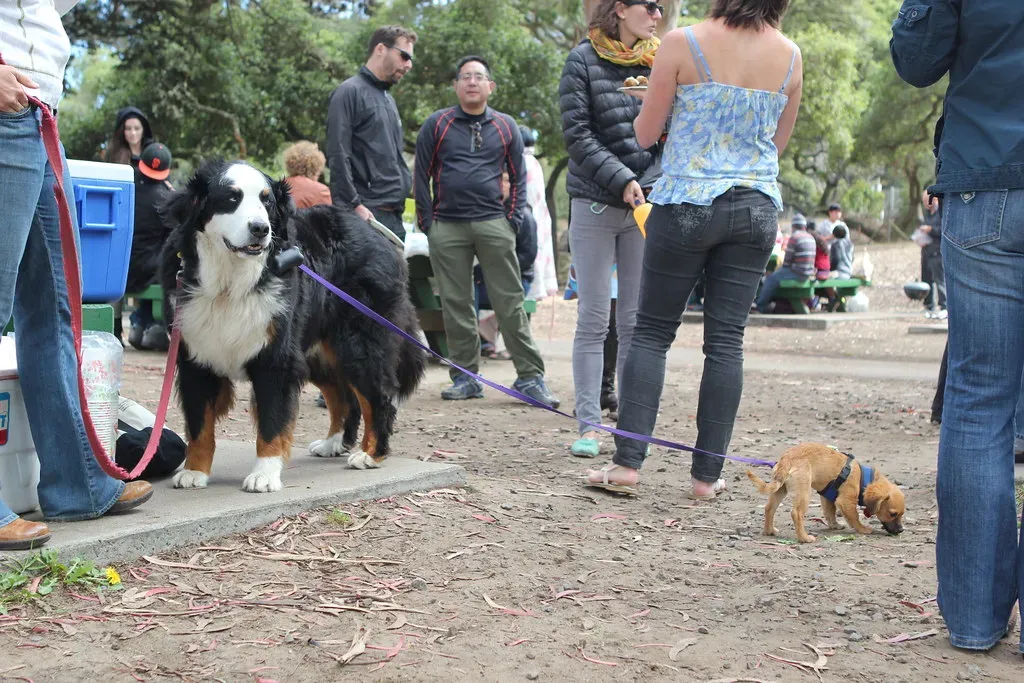
We like to pretend dogs are simple – feed, walk, sleep, repeat. The truth is messier and far more interesting. Your dog is quietly curating a highlight reel from every single outing: the electric thrill of the leash sound, the sniff you rushed, the stranger who lit them up with one kind word, the trash can you barely noticed but they never forgot.
They’re not just burning energy out there. They’re building emotional storylines, one walk at a time. If that makes you slightly uncomfortable, good – it should. In my opinion, the most “spoiled” dogs aren’t the ones with the fanciest gear; they’re the ones whose humans treat every walk like a shared memory instead of a chore to check off. So be honest: if your dog could replay today’s walk tonight, would it actually be worth watching twice?