
10 Details a Dog Walker Notices in Week One That the Owner Works Out Much Later
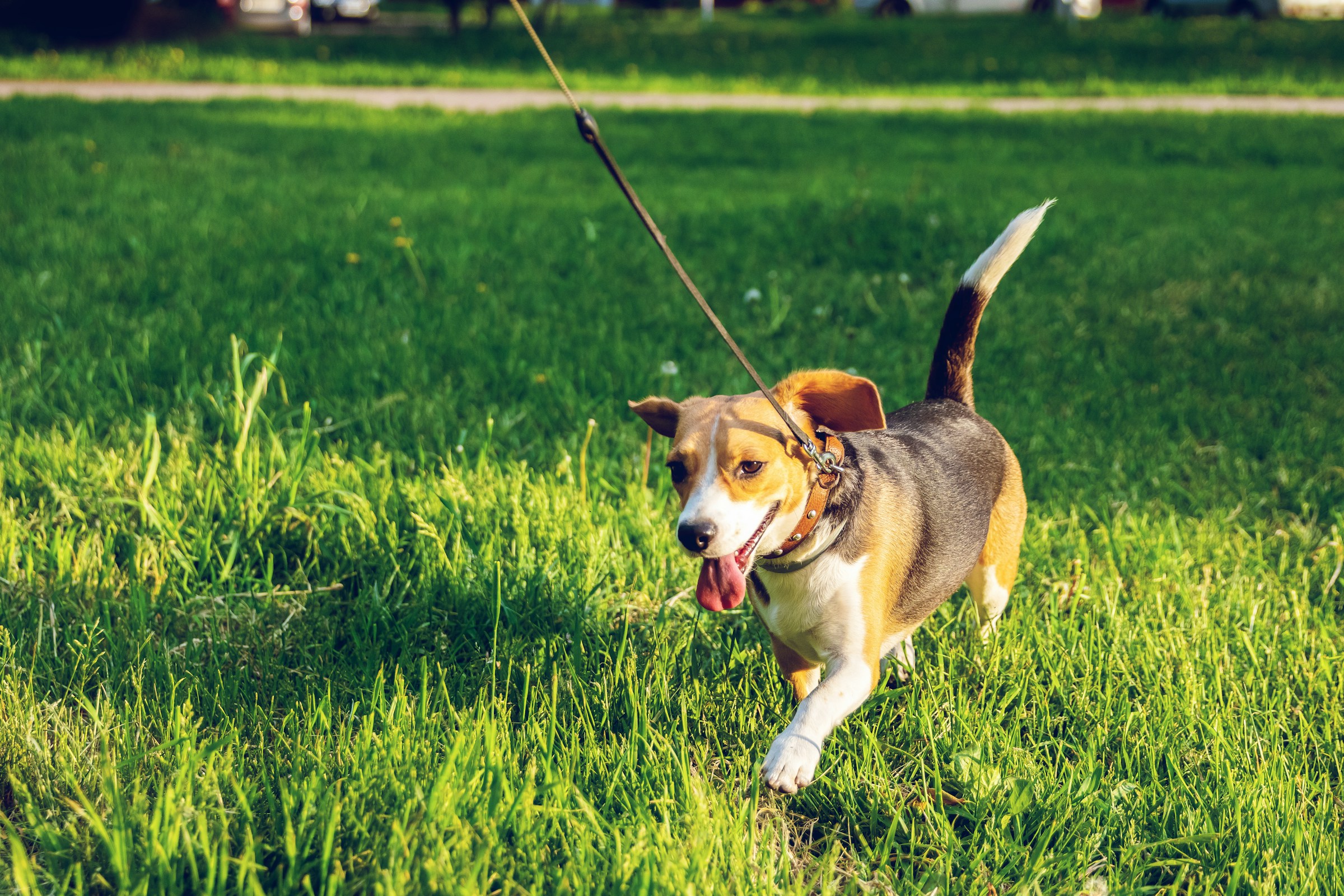
You think you know your dog. Then a total stranger clips on the leash for the first time and reads your dog like a book you didn’t even know you were writing. That’s the part nobody warns you about when you hire a walker: within a handful of walks, they see the anxiety, the pulling, the boredom, the whole dynamic you’ve quietly normalized for years.
It’s not that you’re a bad owner. It’s that you’re too close to the story. A walker isn’t emotionally tangled in your dog’s history, so they catch the patterns fast – and most owners don’t catch up to the same realization until months, sometimes years, later. Here are the ten things a good walker clocks in week one, and the exact moment down the road when the owner finally connects the dots.
#1 – Your Dog Is Way More Anxious Outside Than You Realize
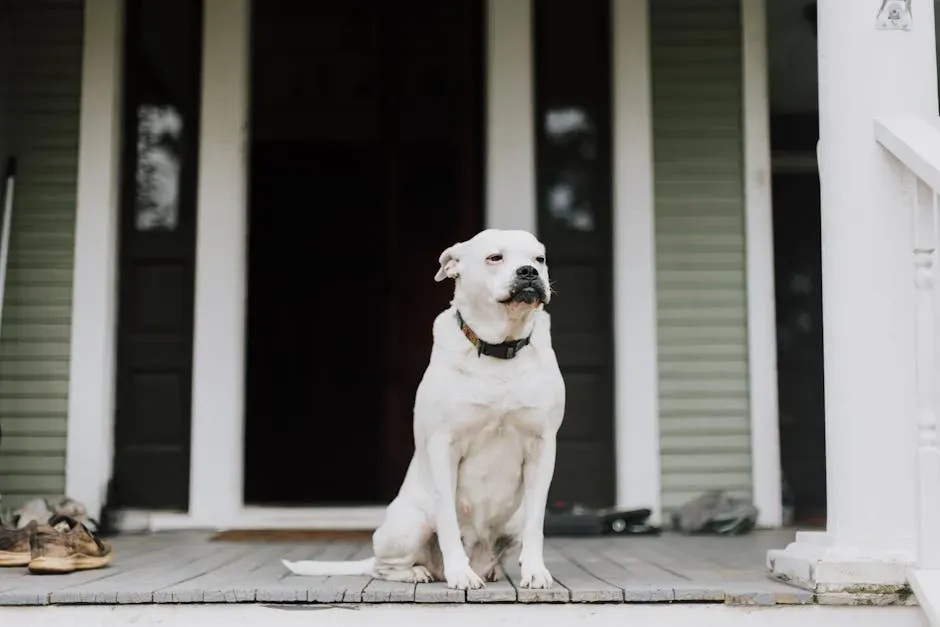
The first thing a sharp walker spots isn’t “energy” – it’s anxiety wearing a costume. Owners say, “Oh, he’s just excited!” while the dog is actually scanning, panting, pulling, and jumpy for the entire walk. A dog who paces at the door, whines in the elevator, or freezes at unfamiliar sounds isn’t quirky. They’re stressed, and it’s visible from the very first lap around the block.
Constant panting on a cool day, dilated pupils, a tail tucked or wagging like a helicopter blade – these are the tells. Most owners think anxiety looks like shivering in a corner. In reality, it usually looks like a dog that never stops moving. A walker also maps the triggers fast: garbage trucks, scooters, men in hats, one specific street. Owners don’t usually connect these dots until something bigger happens – a growl at a vet visit, a meltdown at a friend’s house – and only then do they rewind and realize the walker saw it on day one.
Fast Facts
- Nonstop panting on a cool day is a top anxiety tell
- Dilated pupils plus a stiff, fast tail wag often signal stress, not joy
- Common triggers include garbage trucks, scooters, specific streets, or people in hats
- Walkers usually spot the pattern long before owners connect it to a bigger incident
#2 – Your Dog Is Quietly Terrible on the Leash (And You’ve Been Making It Worse)
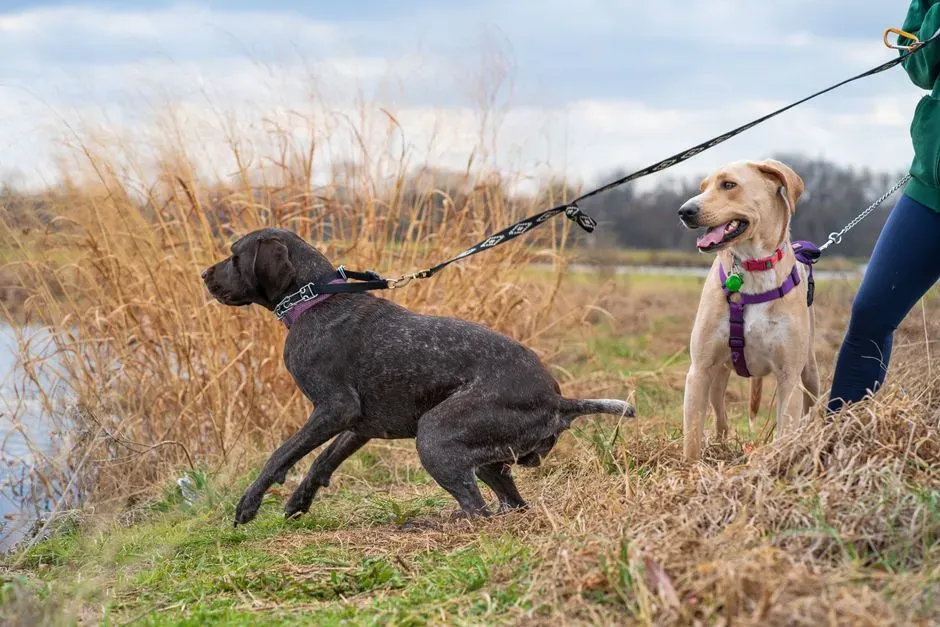
“He pulls a little, but he’s fine,” the owner says. Then the walker clips on the leash and is basically water-skiing down the block. Most people have no idea how bad their dog’s leash manners are because they’ve quietly adapted around it – shorter leash, different route, walking at odd hours so no one’s around to judge.
A dog that forges ahead, zigzags, and ignores leash pressure has been allowed to self-walk for years, and that’s not a coincidence. The dog learned the equation early: pull equals progress. Walkers also catch the small stuff owners miss entirely – speeding up at the sight of another dog, slamming the brakes at certain houses, hitting the end of the leash out of pure habit. Most owners don’t connect this to “training” until a professional finally says it out loud, sometimes years later, by which point it’s not a bad habit anymore. It’s identity.
#3 – Your Dog Is Bad at Reading Other Dogs (And That’s Why You Keep Having “Random Incidents”)
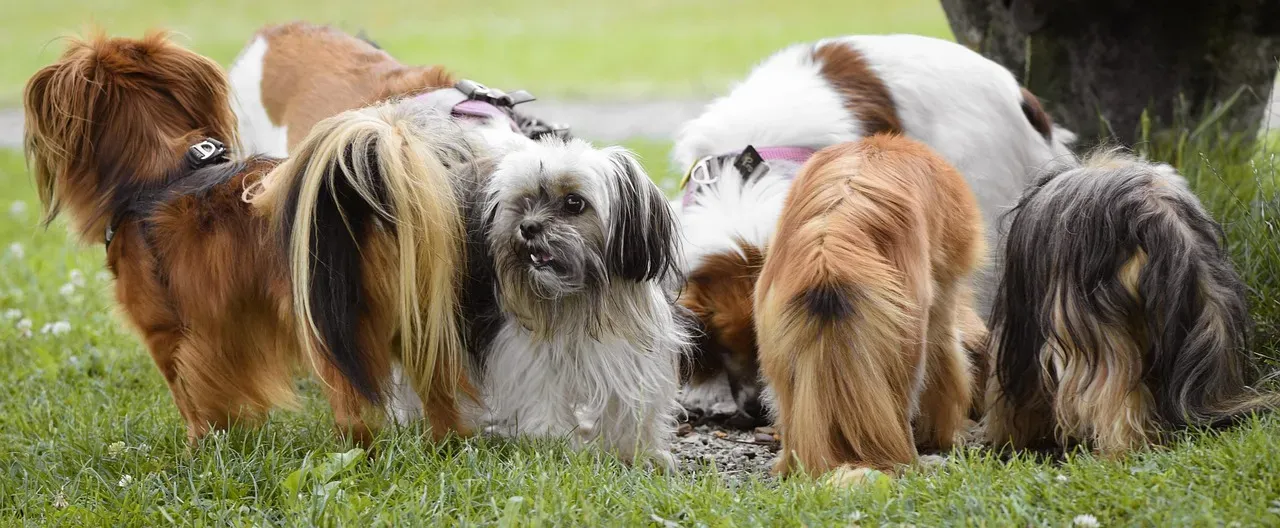
In week one, a walker watches your dog’s social skills in real time, and most dogs are a mess. Owners blame “that other dog” when a scuffle happens, but walkers see the build-up coming: stiff bodies, hard stares, rude greetings, or anxious avoidance long before the snap.
A socially clumsy dog charges into another dog’s face ignoring calming signals, or hovers over smaller dogs with a tail held high and still – which isn’t confidence, it’s pressure. To the owner, it looks like “he just doesn’t like certain dogs.” To the walker, it reads as a dog with no off switch and no exit strategy. Walkers quietly start avoiding certain routes or peak dog-traffic times within the first few walks, and owners usually don’t understand why until a bigger incident forces the conversation – often a year or more later.
#4 – Your Dog Is Under-Exercised… But Overstimulated
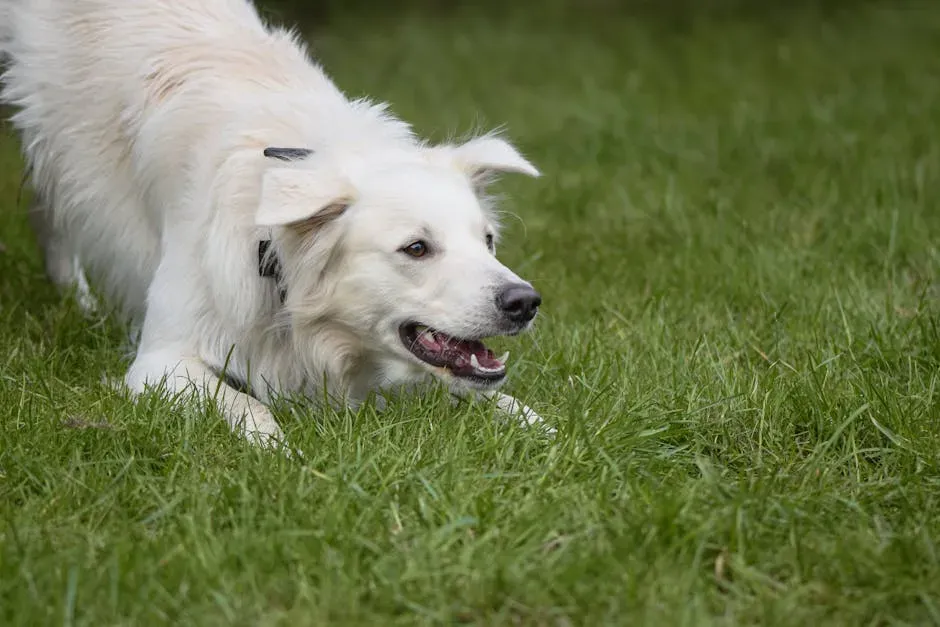
Most owners think “exercise” just means time outside and a tired dog afterward. A walker can tell within minutes whether a dog is actually getting what it needs, or just getting wound up and sent home like a toddler after a birthday party gone sideways.
A dog that’s wild at the start of the walk and still wild at the end isn’t energetic – it’s under-directed. Walkers notice the sprint-then-scavenge pattern, the pacing and whining back at home, the total absence of sniffing or decompression. Too many owners cram their dog’s entire enrichment into one frantic outing and then wonder why the dog is destructive later that night. It usually takes owners months of “but he gets tons of walks!” before they realize quantity was never the problem. Quality was.
#5 – Your Dog Has Subtle Health Red Flags You’ve Normalized
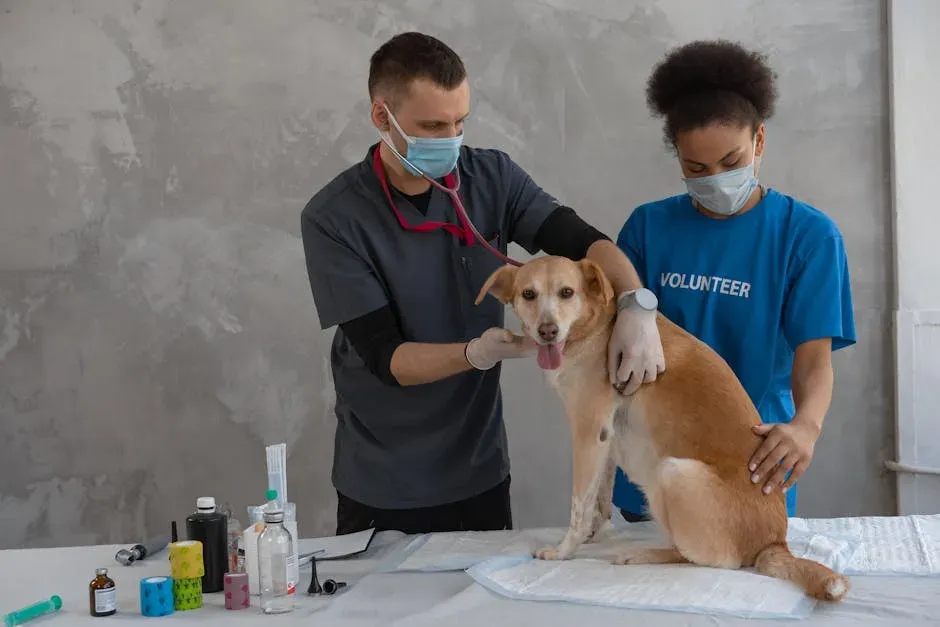
By the end of week one, a walker has watched your dog poop, pee, climb stairs, jump on furniture, and move at every speed. They notice the small physical details most owners brush off as “just how he is.”
Soft stool that’s always been soft. Hesitation on certain stairs. Excessive head shaking after a windy walk. Paw licking after grass that hints at allergies. Because walkers see multiple dogs a day, they have a real baseline for normal – so when they think, “this three-year-old shouldn’t move like a ten-year-old,” that’s a genuine observation, not nitpicking. Many walkers quietly log which leg your dog favors and which days the stool changes. They usually spot the pattern a month or two before the owner finally books the vet appointment that confirms it.
Worth Knowing
- Soft or inconsistent stool can be an early digestive or diet red flag
- Stair hesitation or stiffness in a young dog deserves a vet check, not a shrug
- Excess head shaking after windy walks may point to ear irritation
- Paw licking after grass time is a classic sign of seasonal allergies
#6 – Your Dog’s “Quirks” Are Actually Training Problems You’ve Avoided
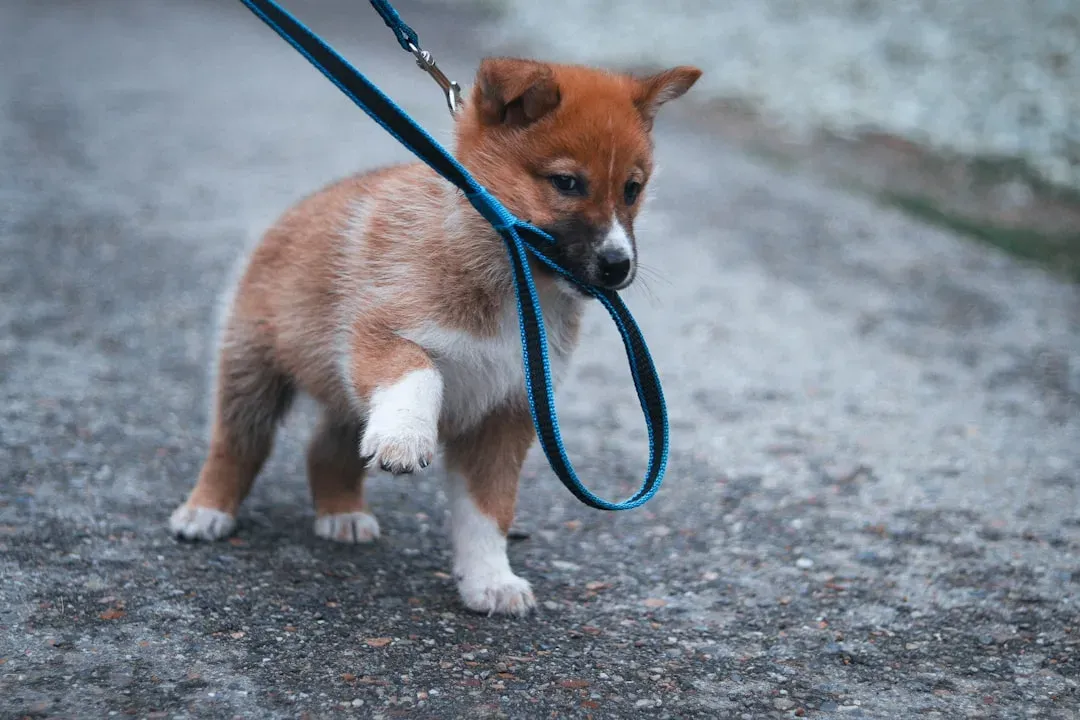
Every owner has a list: he doesn’t like men in hats, she refuses to walk past that blue trash can, he goes crazy at skateboards. You call them quirks. A walker calls them unaddressed triggers you’ve tiptoed around for years, and week one shows exactly how much of your entire route has been built around avoidance instead of coping skills.
The giveaway is the warning list – five streets to avoid for a supposedly “friendly” dog. The brakes slammed in front of certain houses, dragged past instead of worked through. From the outside it’s obvious: the list of off-limits stimuli keeps growing, not shrinking. What you call a phase has quietly become a lifestyle, and most owners don’t notice how many decisions they’ve handed over to the dog – where to walk, who to pass, how fast to go – until someone outside the relationship points out the pattern.
#7 – Your Dog’s Home Life Is Written All Over Their Energy at the Door
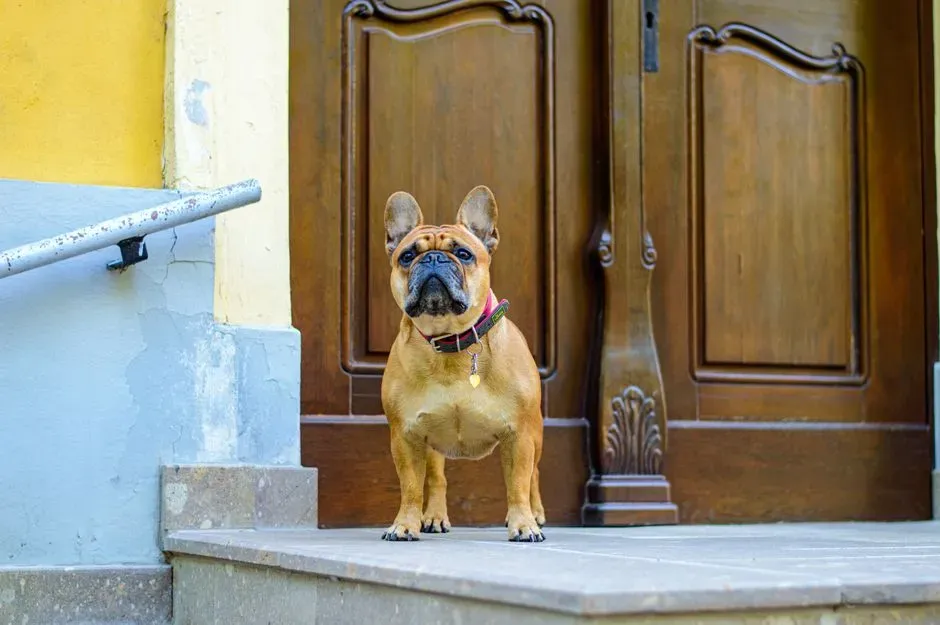
A walker knows what your household feels like before they ever meet you, because your dog tells them in the first thirty seconds. The way your dog greets them at the door is a direct window into how structured, or chaotic, life is inside your home.
There’s the exploding cannonball dog – barking, spinning, mouthing the leash, screaming “no rules at transitions, everything is a party.” There’s the clingy shadow dog, glued to the walker’s leg, reluctant to leave, hinting at separation anxiety or emotional goodbyes. There’s the checked-out dog, slow to the door, mentally exhausted from indoor chaos. None of it is damning on its own, but together it paints a picture owners usually only recognize once a trainer or vet describes their own home back to them, almost word for word.
#8 – Your Dog Is Either Over-Attached to You… or Weirdly Detached
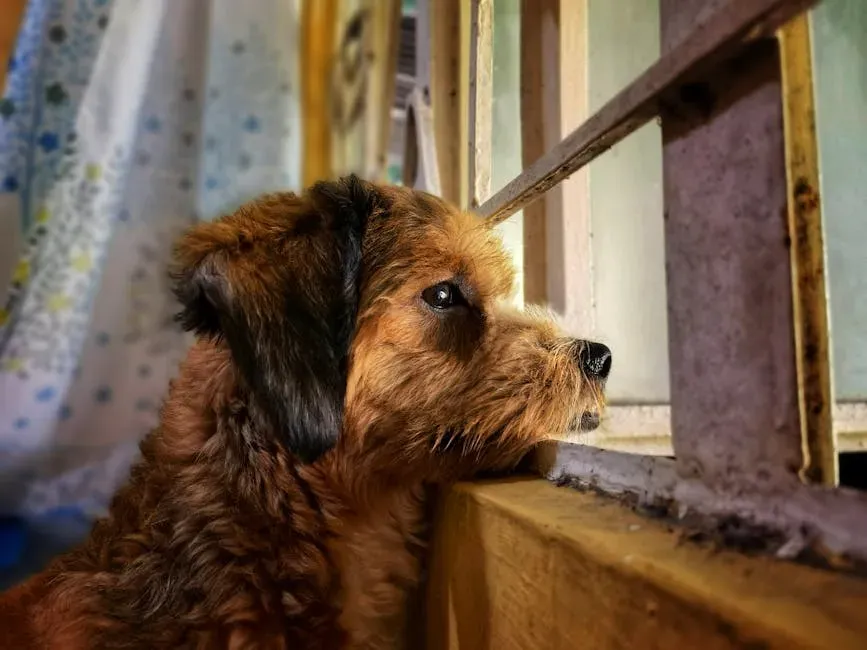
By the end of week one, walkers see how your dog truly feels about you, and it’s rarely the Hallmark version owners imagine. Some dogs are so over-attached that your absence hijacks the entire walk. Others are so detached they barely register that you’re gone.
Over-attached dogs pace and cry at the door, keep glancing back at the building, and explode with relief at the reunion like they’ve survived a disaster instead of a twenty-minute pee break. Detached dogs never check the window, show the walker the same flat enthusiasm they show you, and seem more interested in squirrels than in any human at all.
The relationship between people and their dogs works best when it is built on clear communication, trust and consistency.
Cesar Millan
Owners mistake over-attachment for love and detachment for independence. Walkers see it differently – one is unhealthy dependency, the other is a missing bond – and most owners don’t work out which one they’re living with until a separation, a move, or a new pet forces the truth into the open.
#9 – Your Dog Is Bored Out of Their Mind (And Walks Are Their Only Real Stimulation)
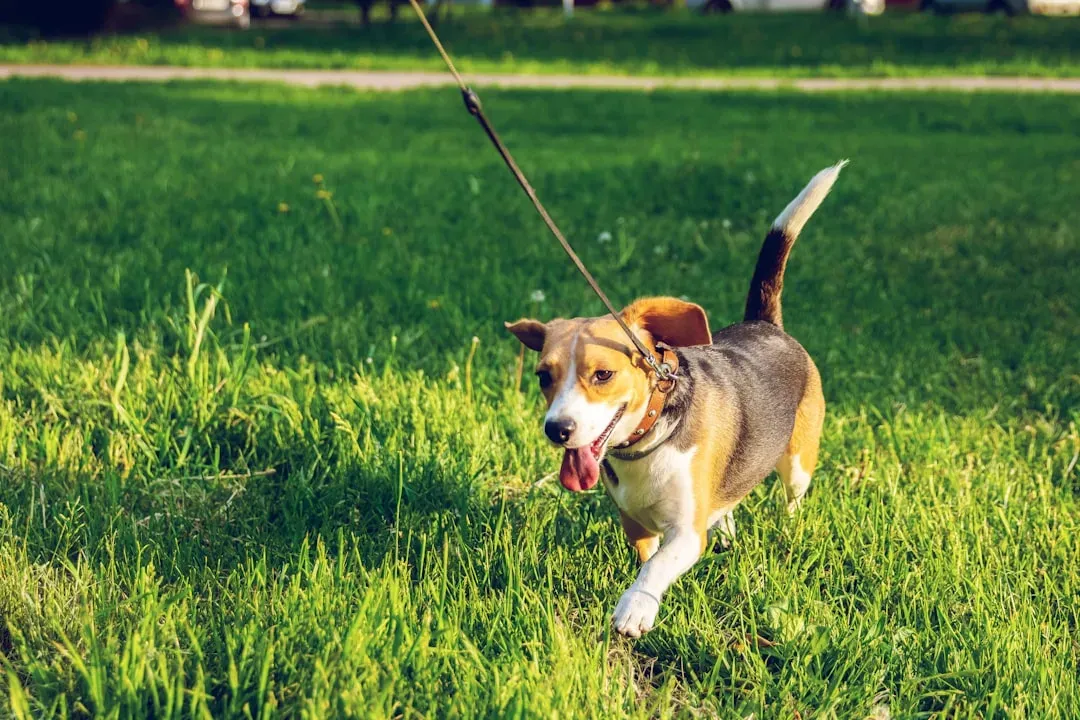
Most owners wildly underestimate how boring a dog’s day actually is. A couple of toys on the floor and they think, “he’s fine.” A walker, coming in cold, sees the truth: the walk is the single interesting event in an otherwise empty day.
A dog that grabs the leash, your sleeve, or anything nearby to turn pre-walk time into a full-contact sport is often starved for mental work, not just fresh air. They inhale every scent like it’s the last one on earth, crash hard back inside, then bounce into restlessness an hour later. Here’s the uncomfortable part most owners don’t realize until years of “reactive” behavior later: barking, lunging, and scavenging are often just boredom that finally found a job to do.
At a Glance
- Leash-grabbing before the walk often signals pent-up mental energy, not just excitement
- Inhaling every scent on the route means the walk is doing double duty as entertainment
- Crashing hard post-walk, then getting restless an hour later, points to under-stimulation
- Barking, lunging, or scavenging can be boredom that finally found an outlet
#10 – Your Dog Is Running the Show… And You Didn’t Notice It Happen
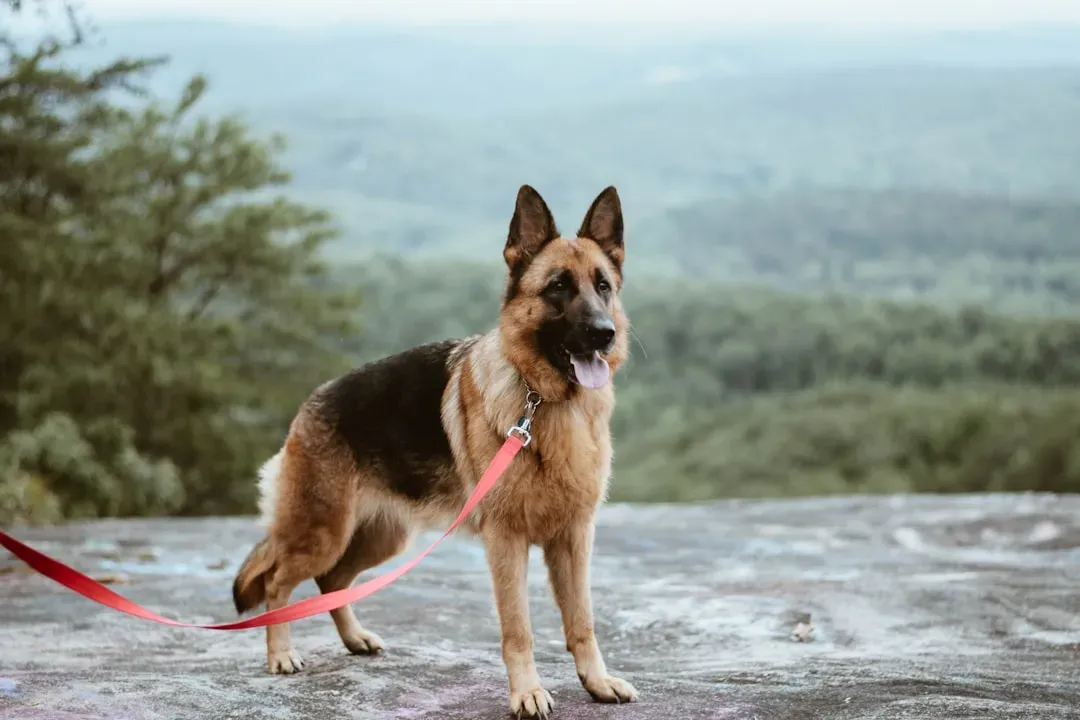
By the end of week one, a walker has a full systems view of how your dog moves, reacts, recovers, and negotiates every tiny moment. In a shocking number of homes, the verdict is simple: the dog is quietly calling most of the shots, not because they’re dominant, but because no one ever drew a clear line.
The dog decides when the walk starts by pestering until you give in. They refuse a direction and you reroute automatically. They plant themselves at the door and get bribed with a treat every single time. From inside the relationship, this feels like love or compromise. From the outside, it’s obvious the dog is writing the script and you’re improvising around their demands. Most owners only notice months later that life feels easier – and they credit the dog for “finally maturing.” In reality, someone else came in during week one, saw exactly what was happening, and quietly started rewriting the rules.
The Bottom Line
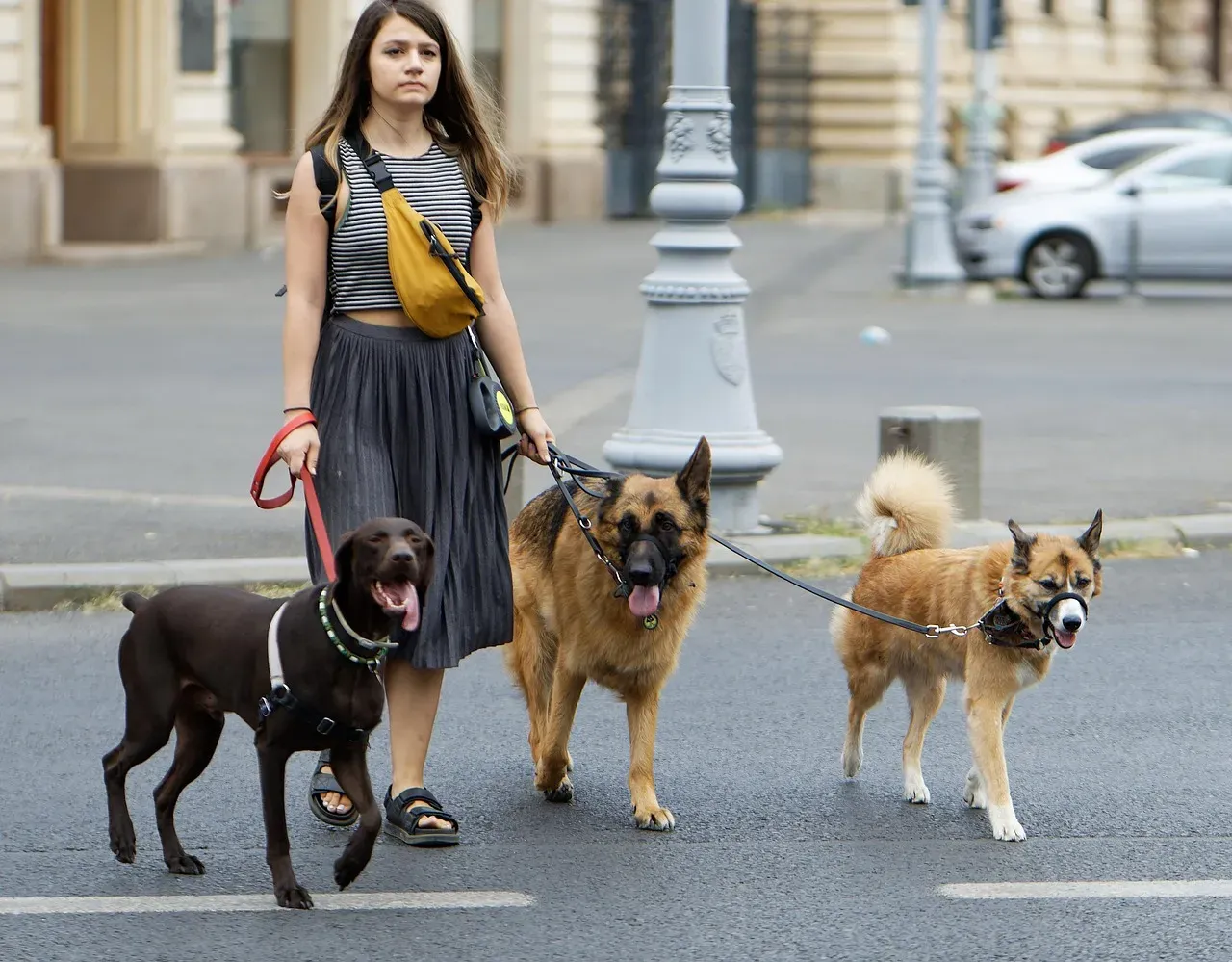
Here’s the uncomfortable truth: a professional dog walker often understands your dog’s patterns faster than you do, simply because they’re not emotionally tangled in the story you’ve built around them. In one week, they see the anxiety you call excitement, the reactivity you call quirks, the health flags you’ve normalized, and the boredom you’ve smoothed over with cute anecdotes.
A dog walker isn’t just someone who gets your dog outside. They’re the first honest mirror your relationship has had in years, and most owners don’t realize how much they needed one until months later, looking back. The owners who swallow their pride and treat walkers like partners instead of hired feet end up with calmer, safer, happier dogs. Everyone else keeps blaming “bad days” and “random triggers” – right up until the day they finally can’t anymore.