
13 Feeding Habits That Owners Are Told Are Fine and Are Not
Pet owners are constantly bombarded with advice from friends, social media, pet stores, and even some outdated books. A lot of it sounds harmless, even loving: an extra treat here, a bit of people food there, letting your pet “graze” all day. It feels kind, so it must be good… right?
That’s where many of us get blindsided. Some of the most common feeding habits are quietly sabotaging pets’ health, shortening their lives, and setting them up for slow, preventable diseases. And the worst part? Many of these habits are still being described as totally “normal.”
I’ve lost count of how many times I’ve heard “My vet said he’s fine” or “She’s always eaten this way.” Then the bloodwork comes back, or the dog can’t walk up stairs anymore, or the cat stops using the litter box. Once you see the patterns, you can’t unsee them. Let’s walk through 13 feeding habits you might have been told are okay – but really aren’t – and what to do instead.
#1 Free-Feeding Dry Food All Day “So They Can Eat When They’re Hungry”
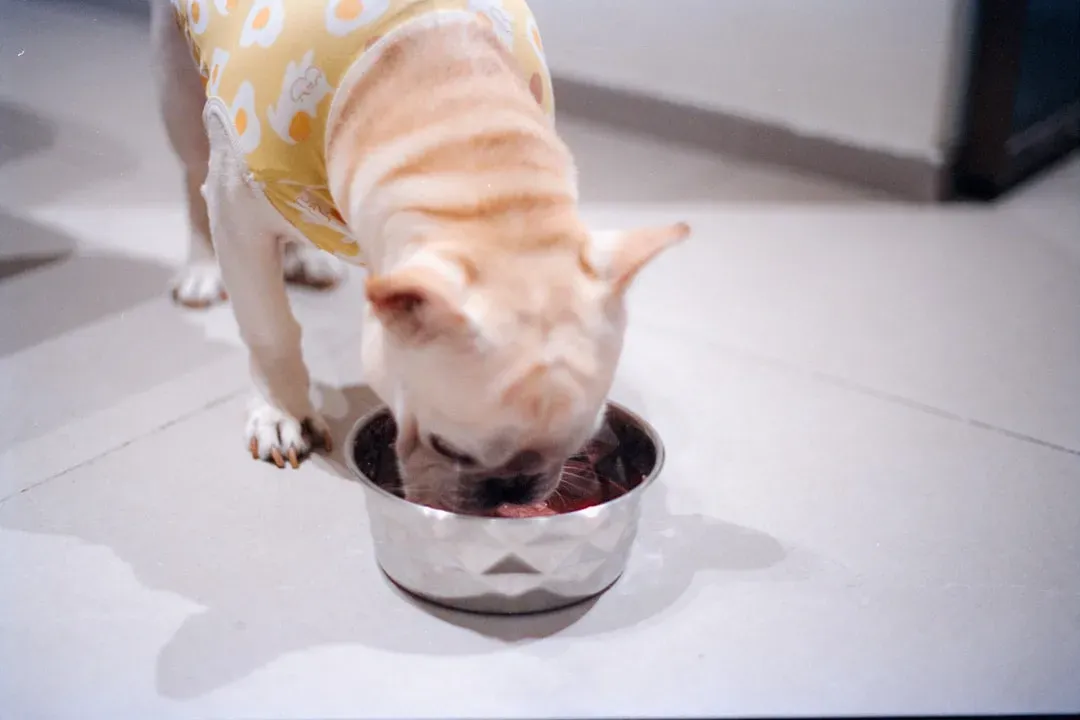
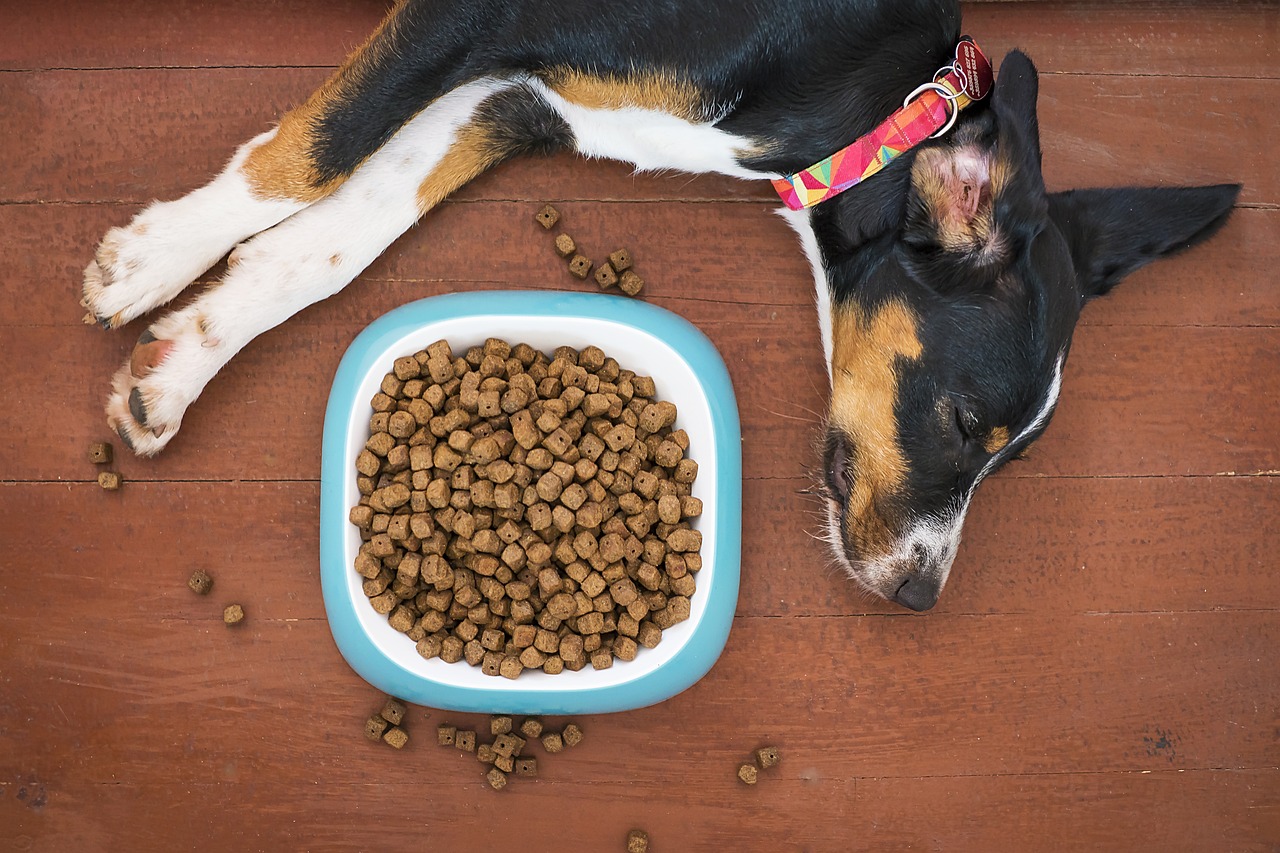
Leaving a full bowl of kibble out all day sounds kind and convenient. The idea is that your pet will just snack when hungry, like a self-regulating buffet. In reality, many dogs and cats do not regulate their intake well at all, especially when the food is calorie dense and highly palatable, which most commercial dry foods are. This constant availability also disconnects them from any real sense of meal rhythm, and over time, the pounds creep on.
There’s another hidden issue: free-feeding makes it nearly impossible to spot early signs of illness. When you feed set meals, you know immediately if your pet skips a meal or eats less than usual, which can be a first red flag for problems like dental pain, kidney disease, or nausea. With a bottomless bowl, you may not realize there’s a change until things are much more serious. It also encourages boredom grazing, where pets eat simply because the food is there, not because they need it.
Most adult pets thrive on two measured meals a day, sometimes three for small breeds or very active dogs. Cats may prefer more frequent, smaller meals, but still in controlled portions. Switching to structured meal times can feel harsh at first if your pet is used to constant access, but with gradual changes and consistent timing, most adapt quickly and end up calmer, leaner, and healthier.
#2 Letting Your Pet Get “A Little Chubby” Because It Looks Cute
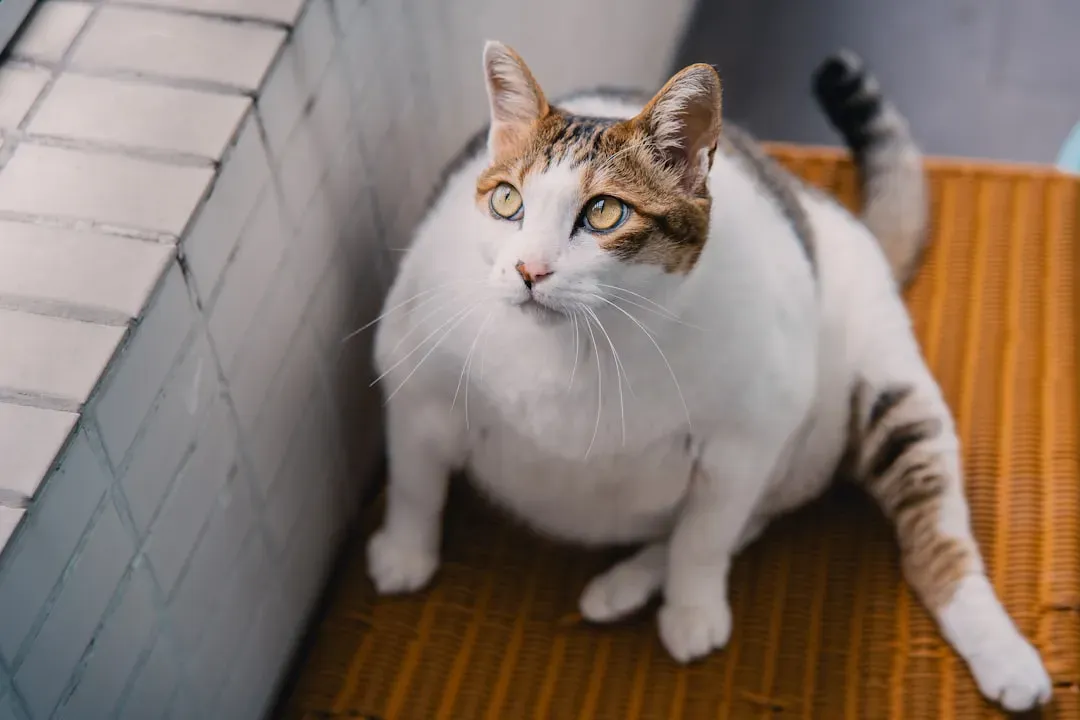
People will say things like “He’s just big-boned” or “She looks healthy with some padding,” and even some professionals underestimate the risks of mild extra weight. The reality is that even a small amount of chronic excess weight significantly increases the risk of arthritis, diabetes, heart strain, and early organ problems. For cats, extra weight is closely linked with painful joint issues and a higher risk of urinary and metabolic disease.
Here’s the uncomfortable truth: most of us underestimate how overweight our pets actually are. When you’re used to seeing round dogs and barrel-shaped cats everywhere, that becomes your “normal,” so a truly lean pet can even look too skinny to some people. That social normalization makes it very easy for a vet or a friend to say, “He’s fine,” when the body condition score is really creeping into the danger zone.
A good rule of thumb is that you should be able to easily feel (but not sharply see) your pet’s ribs, and they should have a clear waist and a slight abdominal tuck when viewed from the side. If that sounds nothing like your pet, it’s time to slowly reduce calories and increase appropriate activity. It is far kinder to feed for a lean, athletic body than to “love” them into chronic pain with extra food.
#3 Feeding Only Dry Food to Cats Because “It Cleans Their Teeth”
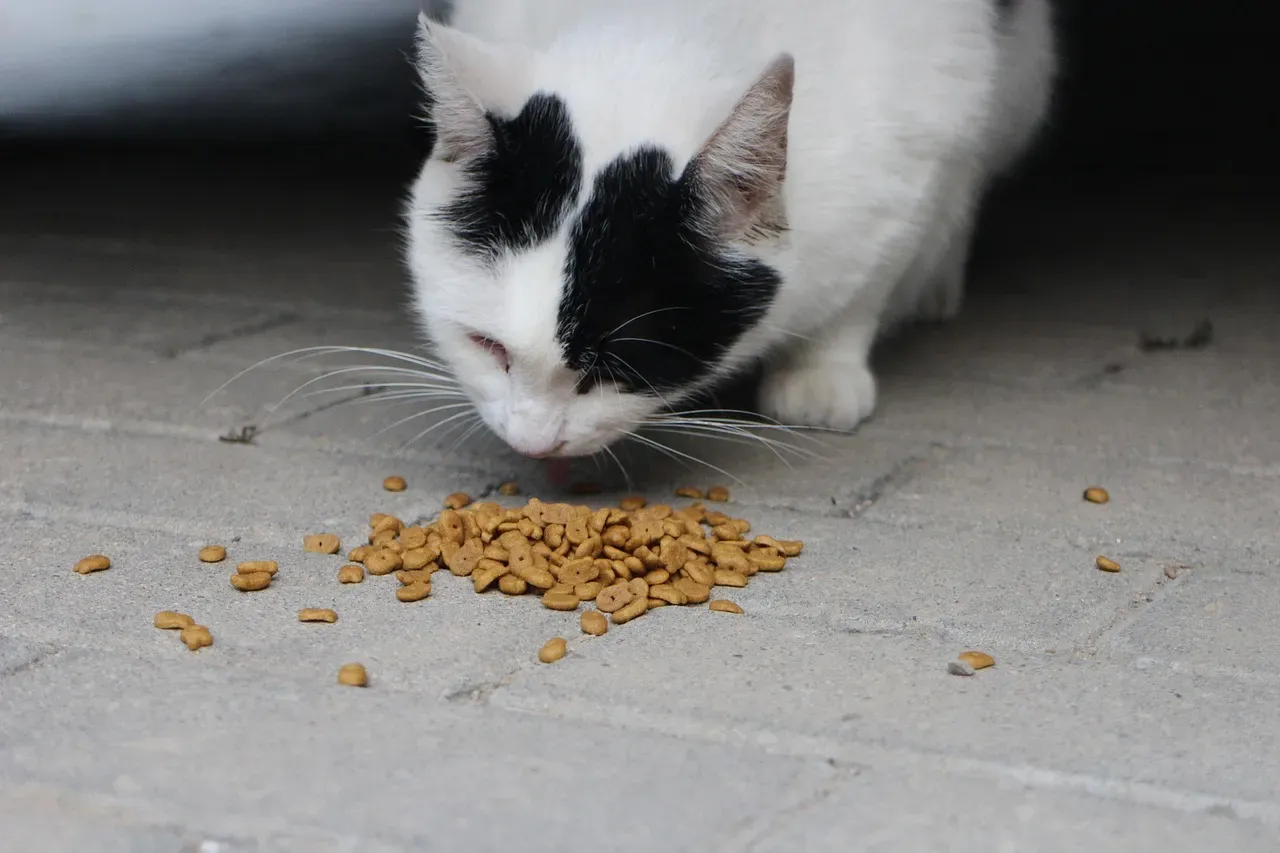
The idea that kibble cleans teeth in cats is one of those myths that just refuses to die. Most cats do not chew dry food in a way that provides a meaningful scrubbing effect; many simply crush or even swallow pieces with minimal grinding. True dental cleaning requires friction against the tooth surface in a way that kibble generally does not provide, especially when the kibble pieces are small and brittle.
Meanwhile, what cats really need and too often do not get is moisture. Cats evolved as desert animals with a low thirst drive, designed to get most of their water from prey. When we feed only dry food, they rarely make up that moisture deficit by drinking more water, and their urine can become chronically concentrated. This sets the stage for urinary crystals, bladder inflammation, and other lower urinary tract issues, particularly in neutered males.
That does not mean dry food is inherently evil, but relying on it as the sole diet is not ideal for most cats. Adding in high-quality wet food or a moisture-rich, balanced diet (commercially prepared and complete) can support kidney and urinary health. Dental health is better protected by brushing, veterinary dental cleanings, and specially formulated dental diets or treats – not just any random kibble.
- Dry food alone rarely keeps teeth clean.
- Cats naturally have a low thirst drive and need moisture in their diet.
- Adding wet food can help protect urinary and kidney health.
#4 Giving Table Scraps “Because It’s Just a Little Bit”
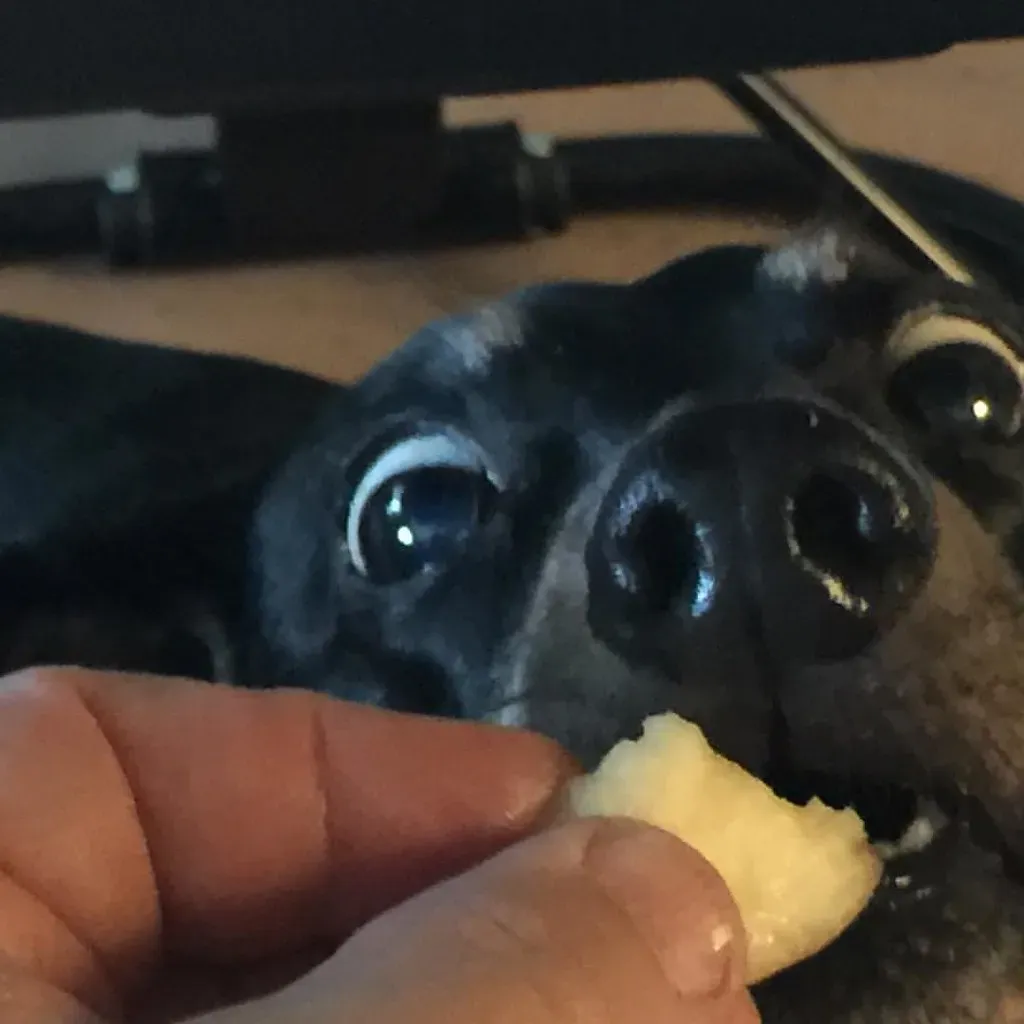
A bite of chicken here, a crust of bread there, a lick of sauce off your plate – these things feel tiny in the moment. But for a small dog or cat, that “little bit” can equal a big chunk of their daily calorie allowance, and it adds up fast. Even for a large dog, rich table scraps can throw their diet out of balance and set off stomach upset or pancreatitis, especially when fatty foods are involved.
There’s also the behavior piece. When pets regularly get food from the table, they learn to associate your mealtimes with potential rewards. That’s when begging, whining, pawing, and even food-guarding start to show up. It might begin as cute, but it can tip into pushy or anxious behavior, and once the habit is firmly in place, it’s hard to undo without a full household reset.
If you want to share something, it’s much better to set up a clear routine: your pet has their own healthy, vet-approved treats that are given away from the table, ideally for calm behavior or simple training cues. Lean plain meat without seasoning in tiny amounts can be okay occasionally, but it should be planned, not random bits of greasy leftovers. Think of it less as “sharing your food” and more as “thoughtfully including them in a healthier way.”
#5 Believing Grain-Free Equals Automatically Healthier
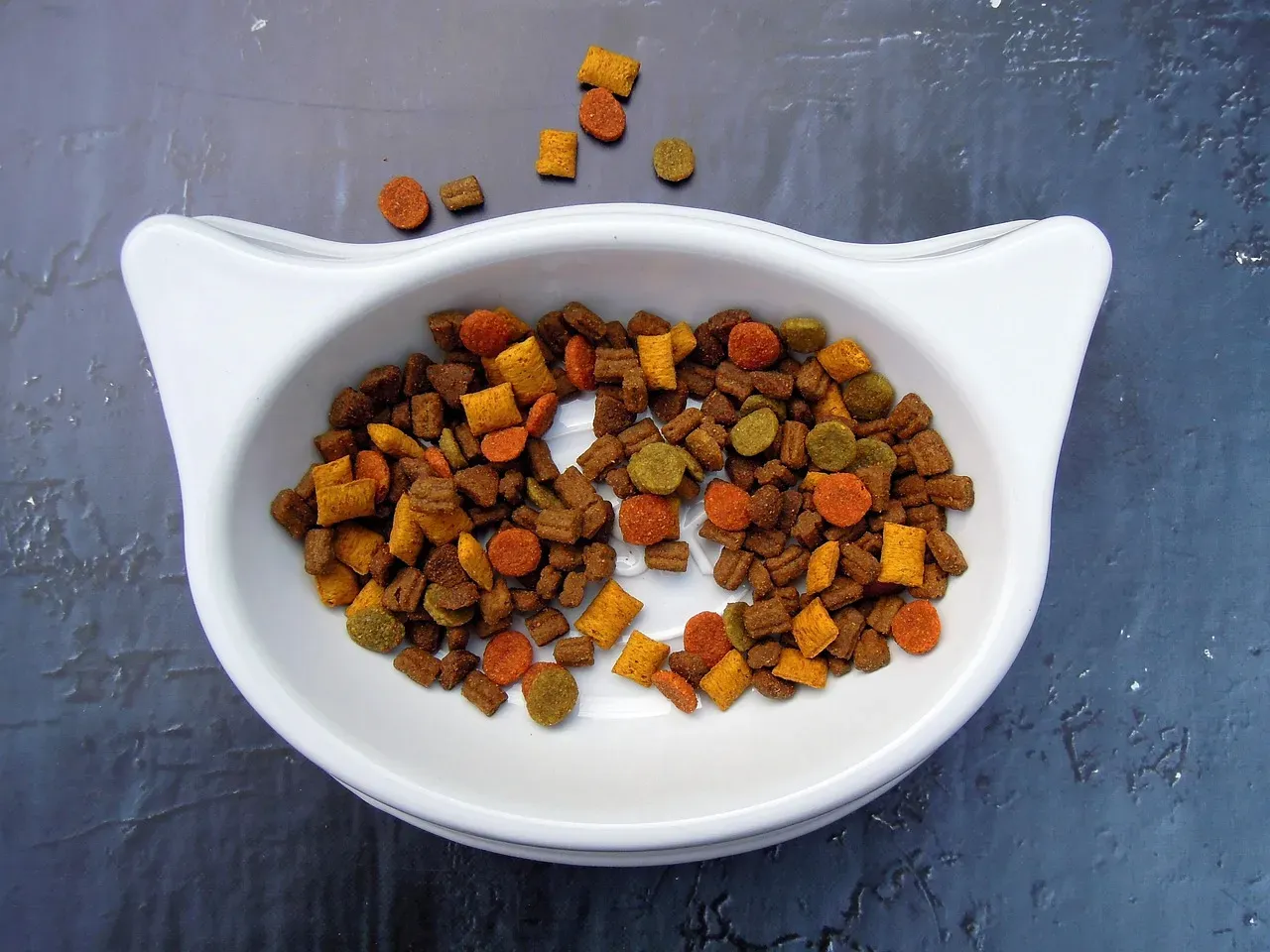
Grain-free pet foods exploded in popularity, riding on human diet trends and the assumption that grains are somehow toxic or unnatural. You’ll still hear people say things like “My dog is on grain-free because it’s cleaner” or “Grains cause allergies.” The evidence does not actually support grains being a common villain in most pets’ diets. True grain allergies in dogs and cats are relatively uncommon; protein sources like beef, chicken, or dairy are more frequent culprits.
More importantly, grain-free does not mean low-carb or more species appropriate. Many grain-free foods simply swap rice or corn for ingredients like peas, lentils, chickpeas, or potatoes, sometimes in large amounts. The overall calorie and starch load can still be high, and the food can be just as processed. In some dogs, certain grain-free formulations have been investigated in relation to heart issues, which shows how complex and unintended the consequences can be when marketing gets ahead of long-term science.
There are pets who genuinely benefit from specific diets, but it should be based on actual diagnosis and nutritional needs, not just the word “grain-free” on a bag. A better guiding principle is to choose complete, balanced diets made by companies with solid nutritional research, transparent testing, and clear feeding guidelines. Grains, when used appropriately, can be a perfectly safe and digestible energy source for many pets.
- Grain-free does not automatically mean lower in carbohydrates.
- True grain allergies are relatively rare compared to protein allergies.
- Diet choices should be driven by evidence, not marketing buzzwords.
#6 Using Big-Bag Treats as a Primary Love Language

We all do it: reach for the treat jar when the dog looks at us with soft eyes or the cat meows accusingly from the counter. Food is one of the easiest ways to feel like we’re giving love and attention. The problem is that many commercial treats are dense, fatty, and calorie heavy, and they get piled on top of an already complete diet. Roughly about one third of daily calories quietly becoming treats can be enough to trigger slow but steady weight gain.
There’s also a habit loop at play. Pets quickly learn that certain behaviors – barking, pawing, or even mild mischief – lead to treats. Without meaning to, we reward and strengthen the very behaviors we find annoying. Over time, the pet is not just overfed; they’re also over-aroused and constantly looking for their next food “hit,” which can make them restless and demanding instead of satisfied.
A much healthier approach is to downsize treats dramatically in calorie and size, and to treat them more like a training tool than random snacks. Tiny pieces of lean meat, certain vegetables (like plain green beans or carrot coins for many dogs), or small bites of the regular kibble can all double as rewards. Just as importantly, we should actively use non-food affection: play, walks, grooming time, puzzle toys, or simply being present and calm together. Love does not need to come with a barcode and a calorie count.
#7 Feeding Bones and Human Chews “To Clean Teeth Naturally”
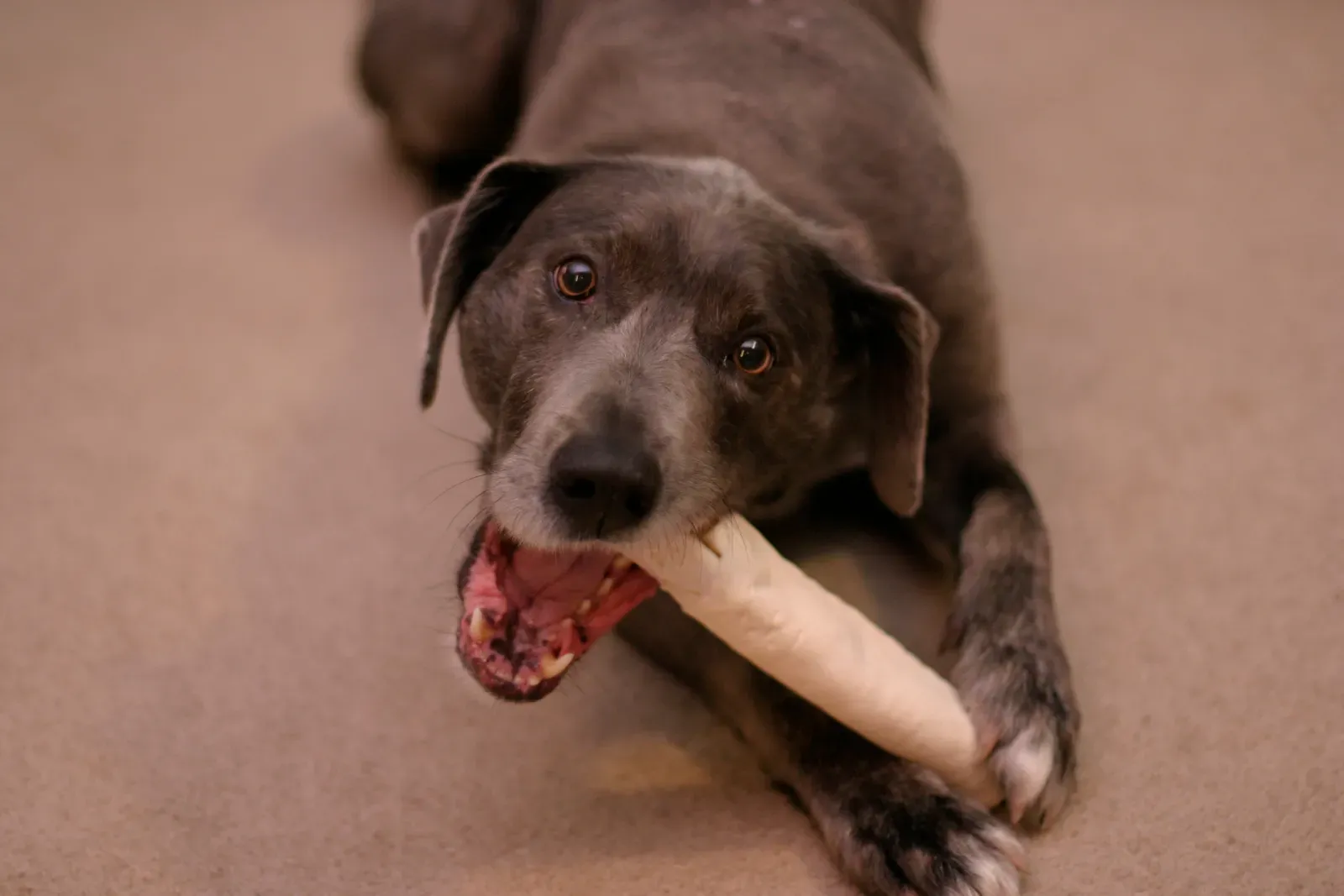
Raw bones, cooked bones, leftover ribs, or even hard items like antlers and hooves are often promoted as natural ways to keep teeth clean. In theory, the chewing action can remove some plaque. In reality, these items frequently cause more harm than good. Hard bones, antlers, and similar chews are a common cause of fractured teeth in dogs, especially the large premolars. A broken tooth is painful, often needs an expensive dental procedure, and can lead to infection.
Cooked bones are even more dangerous because they tend to splinter. Those sharp fragments can lodge in the mouth, throat, or intestines, causing bleeding, blockages, or perforations that can quickly become life-threatening emergencies. Vets see these cases every year, and owners are often stunned because they thought they were doing something healthy and natural. Unfortunately, “natural” does not equal safe.
If you want to support dental health, safer choices include vet-approved dental chews, rubber toys designed for chewing, and actual toothbrushing with pet-safe toothpaste. Regular professional dental cleanings under anesthesia may also be needed depending on your pet’s genetics and oral health. It’s much better to invest in those than gamble with something that can crack a tooth or tear an intestine.
#8 Constantly Switching Foods “So They Don’t Get Bored”
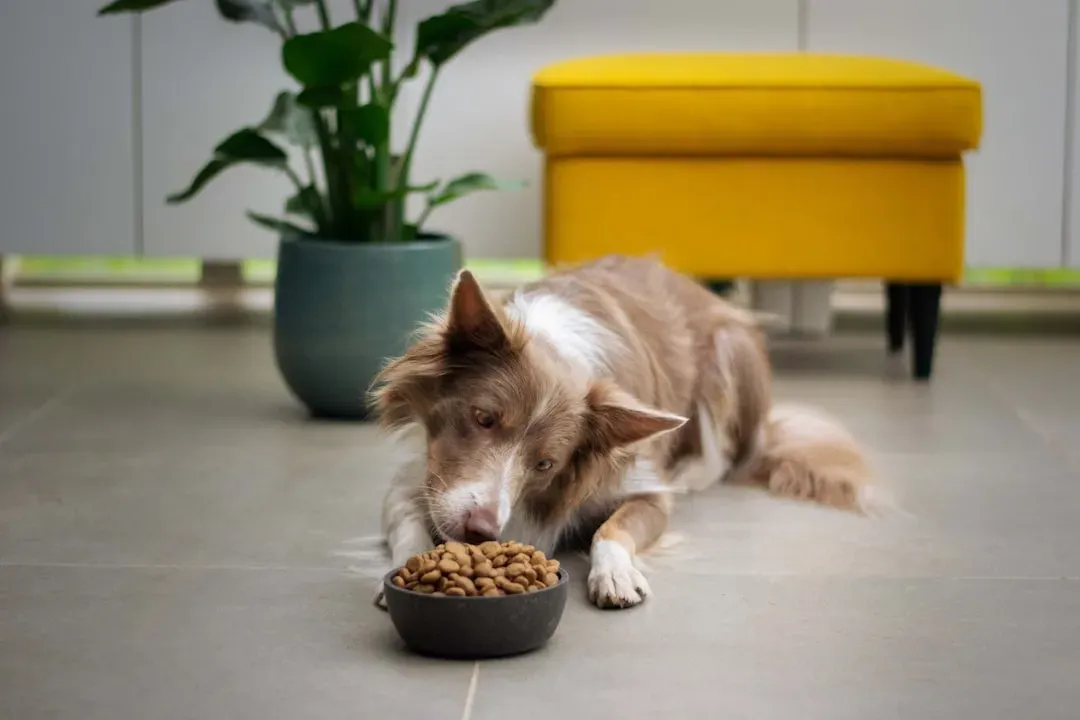
Many owners feel guilty feeding the same food every day, especially when they compare it to their own varied human diet. So they rotate brands and flavors frequently, thinking they’re adding excitement or preventing fussiness. For some pets with iron stomachs, this might not cause obvious problems, but for many others, frequent abrupt changes lead to recurring diarrhea, gas, or vomiting. The gut microbiome prefers some level of stability, and constant change can create chaos.
There’s another subtle risk: when something does go wrong – an allergy, a sensitivity, or a nutrient imbalance – it becomes incredibly hard to pinpoint the cause if the diet is always in flux. It is like constantly changing all the variables in a science experiment and then trying to guess which one triggered the reaction. That makes both diagnosis and treatment harder and more expensive.
If you genuinely want to feed a rotational diet, it should be done thoughtfully. Any changes in brand or protein should be gradual over a week or more, and all diets in the rotation should be complete, balanced, and appropriate for your pet’s age and health status. For most pets, sticking to one well-chosen diet and occasionally adding small, safe toppers is more than enough variety.
- Frequent abrupt food changes can disrupt digestion.
- Rotational diets need a planned, slow transition.
- Stability makes it easier to spot true food-related issues.
#9 Letting Pets Eat in Total Chaos (Kids, Other Pets, Unlimited Access)
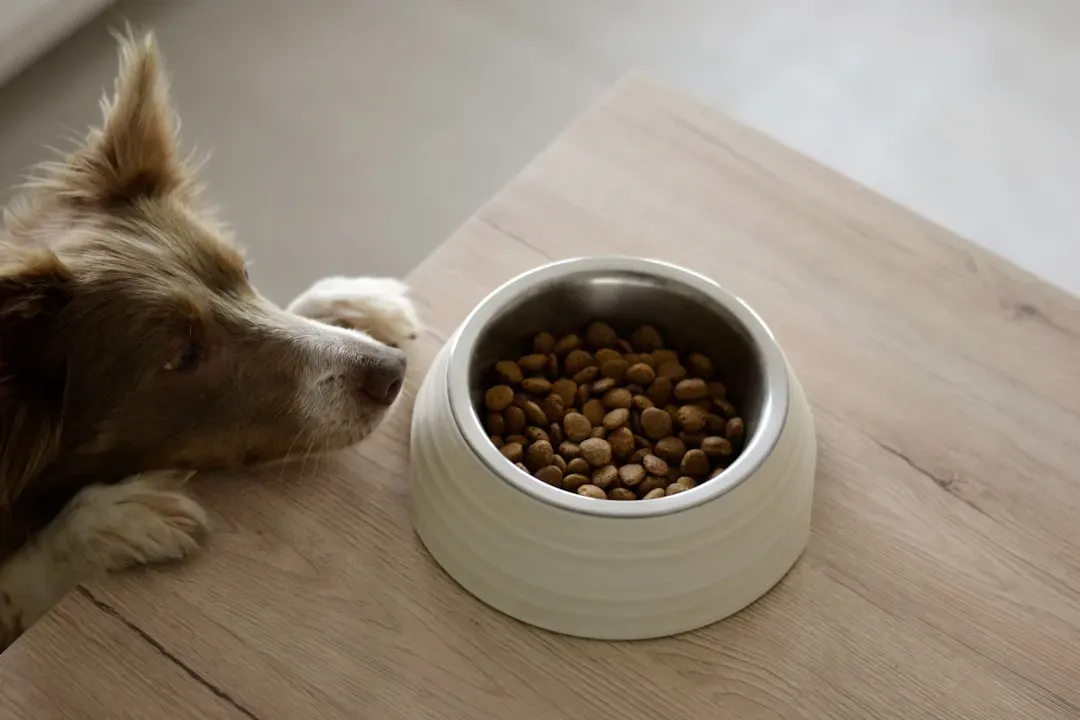
Picture this: the dog’s bowl is in the middle of a busy kitchen, kids racing around, another dog circling, maybe the cat prowling nearby. Everyone says, “They’re fine, they’re used to it.” But many pets eat in a state of low-grade stress or competition in these conditions. Some gulp their food as fast as possible to “protect” it, which can increase the risk of choking, vomiting, or, in some large-breed dogs, even life-threatening bloat.
Others avoid eating fully because they’re anxious about being disturbed. That can look like a picky appetite or on-and-off eating, when the real issue is environmental, not the food itself. Multi-pet households often have subtle resource guarding over food that owners don’t notice until it escalates. Hissing, stiff postures, low growls near food bowls – these are all signs that the feeding environment is not actually okay.
Feeding in calmer, separate spaces is not spoiling your pet – it is protecting both their physical and emotional health. Many owners are surprised to see their pet’s appetite normalize, their pace of eating slow down, and their overall demeanor relax when mealtimes become predictable, quiet, and free from competition. Food should feel safe, not like a daily contest on a noisy game show.
#10 Ignoring Measuring Cups and “Just Eyeballing” Portions
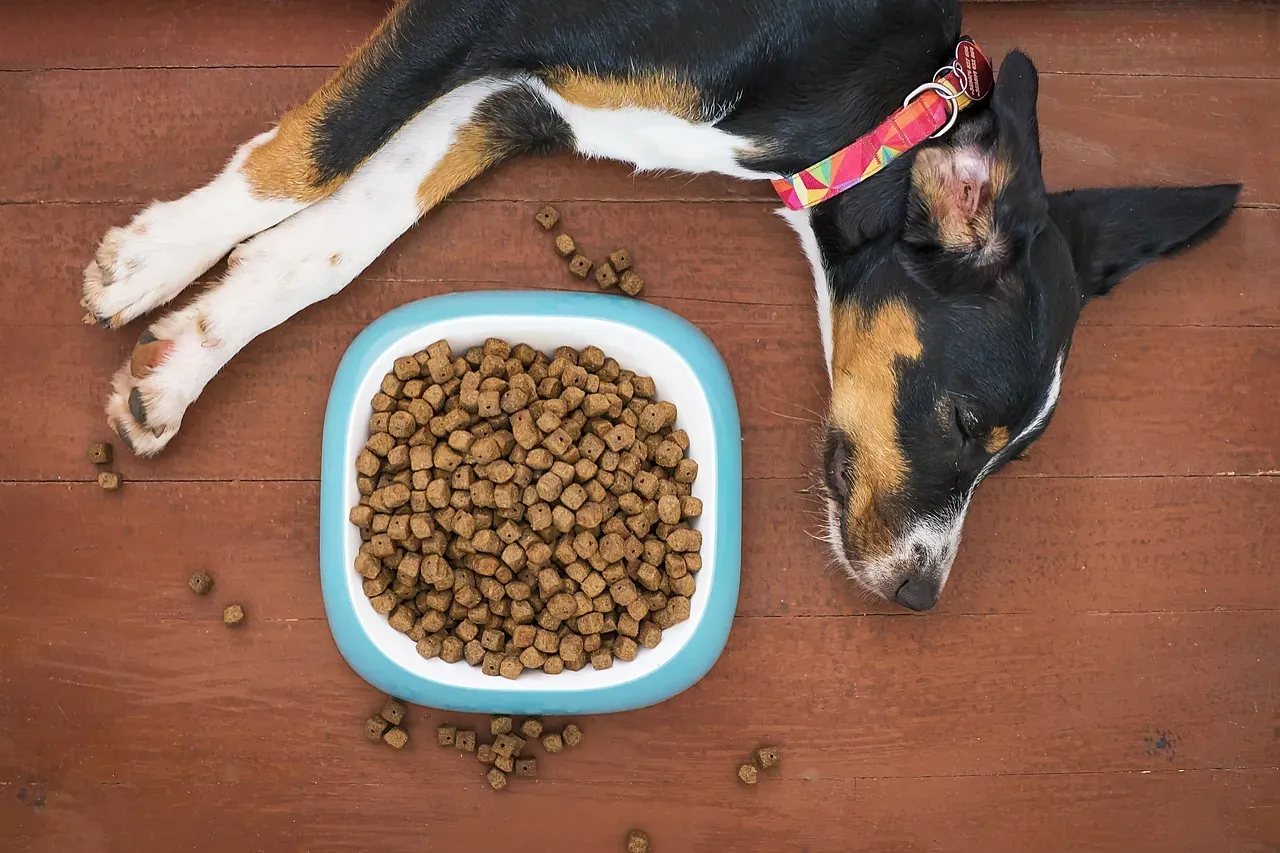
Pouring kibble straight from the bag into the bowl, going by whatever “looks right,” is probably one of the most widespread habits. It also seems innocent because you’re not giving treats or table scraps, just meals. But most foods are calorie dense, and our human eyes are pretty terrible at estimating the difference between “just enough” and “way too much,” especially when the bag suggests a wide feeding range.
Even being off by a small amount at each meal adds up over weeks and months. A slightly heaping cup twice a day instead of a level cup can quietly add the equivalent of an extra small meal every day. For small dogs and cats, the impact is even more dramatic because their total calorie budget is so low. By the time you notice the harness getting tight or the cat no longer jumping as high, that overfeeding habit is well established.
Using a proper measuring cup – or better yet, weighing food on a small kitchen scale – is one of the simplest, most powerful feeding changes you can make. It turns guesswork into precision. You can monitor body condition over time and adjust portions up or down gradually instead of yo-yoing. This tiny daily discipline pays off massively in long-term health and mobility.
#11 Treating Milk, Cheese, and Cream as Harmless Snacks
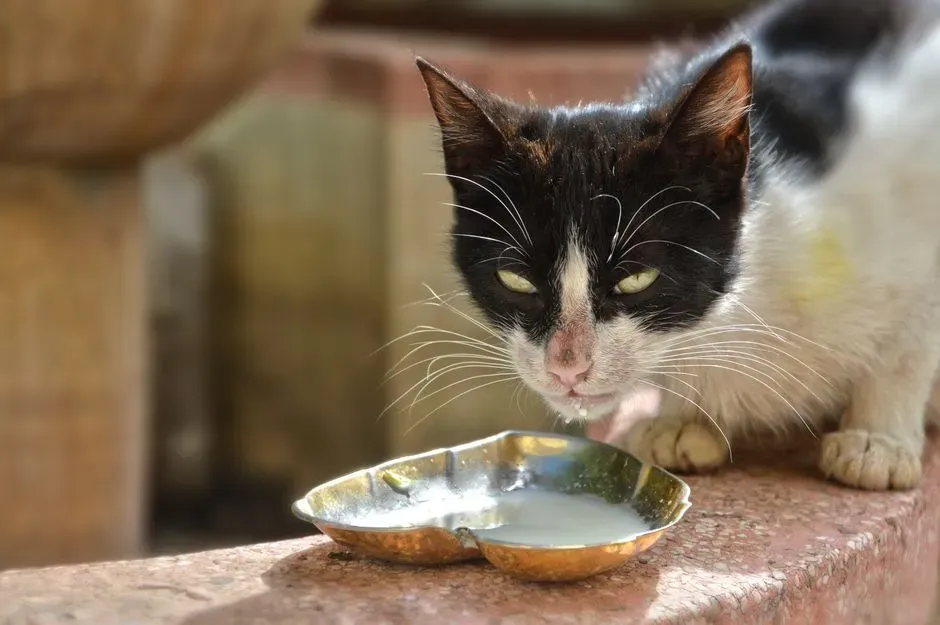
There’s a persistent cultural image of the cat with a saucer of milk or the dog happily licking up leftover ice cream. Many owners still assume dairy is a gentle, comforting treat. The reality: a large proportion of adult dogs and cats are lactose intolerant to some degree. Their ability to digest lactose (the sugar in milk) drops sharply after weaning. That means milk, cream, and many dairy products can cause bloating, gas, diarrhea, or discomfort, even when the pet seems eager to drink or eat them.
Dairy is also calorie dense and often high in fat. For a small pet, a seemingly tiny amount of cheese can match a full meal’s worth of calories. Repeated over time, that contributes to weight gain and puts strain on the pancreas, liver, and joints. Some cheeses are also salty, which is not ideal for pets with heart or kidney issues, even in small amounts.
If your pet truly adores dairy, there are safer ways to channel that. Tiny amounts of lower-lactose dairy like plain yogurt (without sweeteners) might be tolerated by some pets, but it should be rare, not daily, and always introduced cautiously. In most cases, there are far better treat options that do not come with the risk of digestive upset or unnecessary fat and sodium.
#12 Following Social Media “Feeding Hacks” Without Checking Safety
Social platforms are overflowing with reels and posts of colorful pet bowls, elaborate “raw” recipes, and trendy toppers like spices, herbs, or superfood powders. The videos look beautiful and confident, and it is easy to think, “If it has so many likes, it must be fine.” But popularity is not the same as safety. Many homemade recipes floating around online are not nutritionally balanced, and some include ingredients that can be harmful to pets in certain amounts or in specific health conditions.
I once tried following a widely shared “healthy dog bowl” idea for a friend’s dog, only to realize after digging into the details that the calcium-to-phosphorus ratio was wildly off, and the vitamin D content was essentially nonexistent. Over months or years, that kind of imbalance can damage bones, organs, and overall metabolism. The risk is even bigger for growing puppies and kittens, where the nutritional window for normal development is more narrow.
That does not mean all fresh feeding or DIY diets are bad. It means they should be guided by well-established nutritional science, not just cool editing and background music. If you want to make your own pet food or heavily customize meals, working with a veterinary nutritionist or using recipes from reputable veterinary sources is a far safer path. Social media can inspire you, but it should never be your only check on what goes into your pet’s bowl.
- Likes and shares do not verify nutritional balance.
- Homemade diets can easily miss key vitamins and minerals.
- When in doubt, get a recipe reviewed by a nutrition professional.
#13 Believing “If They’re Eating and Happy, The Food Must Be Fine”
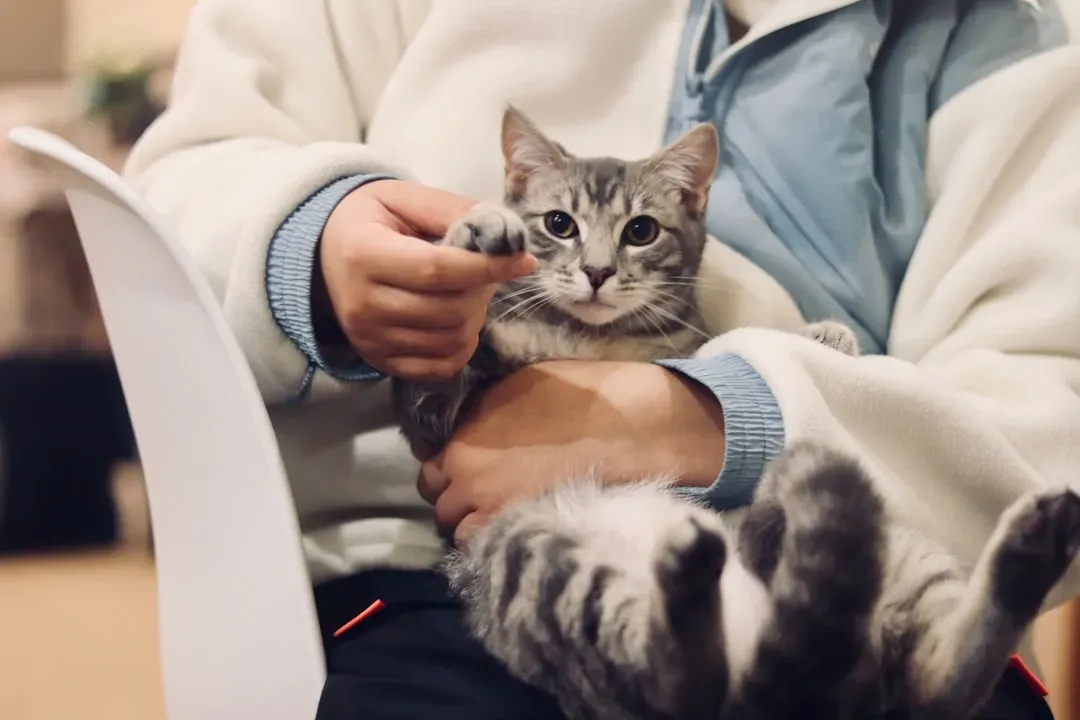
This might be the most seductive myth of all. Pets are incredibly good at enjoying food that is not ideal for them, just like humans. They can be joyful, energetic, and seemingly thriving on diets that are, under the surface, too rich, too unbalanced, or simply more than they need. Many nutrition-related diseases build silently for years: extra strain on the joints, early changes in the kidneys, slow fat infiltration in the liver, or subtle shifts in blood sugar.
By the time overt symptoms appear – lameness, panting at rest, constant thirst, vomiting, or dramatic appetite changes – the damage may already be significant. Relying only on surface happiness and appetite is like judging a car’s health solely by how fast it drives, while ignoring the warning lights on the dashboard. Pets cannot tell us that their pancreas is irritated or their blood pressure is creeping up; all we see is the tail wag or the loud purr.
The better approach is to combine your instincts about your pet’s mood with objective checks: regular vet exams, body condition scoring, bloodwork when appropriate, and honest evaluation of what and how you’re feeding. A pet can be both joyful and biologically stressed at the same time. Our job is to make sure their happiness today does not come at the cost of chronic illness tomorrow.
Conclusion: Loving Them Enough to Feed Them Better

When you zoom out, a pattern appears: most problematic feeding habits start from love, convenience, or cultural assumptions, not from neglect. Free-feeding, table scraps, grain-free fads, oversized treats, chaotic mealtimes – all of them are framed as normal, or even caring. But love without boundaries can slowly hurt the very animals we adore, especially when food is the main way we show affection.
Stepping back and changing how we feed can feel uncomfortable at first. You might worry your dog will feel “deprived” without endless treats, or that your cat will resent losing free access to the food bowl. In truth, pets adjust far faster than we do, and they benefit tremendously from clear routines, measured portions, and calmer, safer food choices. What feels strict actually creates security, just like a good bedtime routine does for a child.
In my view, modern pet care is moving away from simply keeping animals alive and toward truly protecting their long-term quality of life. That means being willing to question advice you’ve heard for years, even from well-meaning people, and to choose what serves your pet’s body as much as their heart. The next time someone tells you a questionable habit is “fine,” will you quietly nod – or will you feed your pet in a way that matches how deeply you really love them?