
14 Digestive Patterns in Dogs That Say More Than Any One Symptom
Dog digestion is a bit like a group chat: one single message can be misleading, but the whole conversation tells you what’s really going on. A one‑off soft poop or random burp is usually no big deal. But when you zoom out and look at patterns over days or weeks, you start to see real clues about your dog’s health, stress level, and even pain.
Most dog owners have been taught to obsess over single symptoms: one bout of diarrhea, one missed meal, one gassy evening. In reality, veterinarians often make decisions based on trends: frequency, timing, duration, and how different signs cluster together. That “big picture” view is where you, as the person who sees your dog every day, can be incredibly powerful.
This article digs into fourteen key digestive patterns that matter far more than any isolated incident. They are not here to freak you out, but to help you separate “normal dog stuff” from “OK, something’s off.” Along the way, we’ll talk about what’s usually harmless, what deserves a vet visit, and how your dog’s gut is often the loudest voice in their whole body’s health story.
#1 Repeated Soft Stools vs. One‑Off Diarrhea
One watery stool after a day of stealing table scraps is annoying, but it’s rarely an emergency by itself. What matters more is whether your dog keeps having loose or unformed stools over several days or weeks. That pattern can suggest chronic irritation, inflammation, or diet issues rather than a simple “oops, I ate something dumb” moment.
If you notice stools that are consistently soft like mashed potatoes instead of forming nice firm logs, that’s a pattern worth tracking. Many vets care more about how long this has been going on than how bad a single poop looks. Recurrent softness can point toward food sensitivities, low‑grade infections, parasites, or inflammatory bowel disease.
Helpful pattern checkpoints to watch:
- Has your dog had soft stools for more than a week?
- Is it happening most days rather than randomly?
- Is the volume larger than usual or more frequent?
When I started paying attention to this with my own dog, I realized it wasn’t “occasional mush” – it was actually every other day. That detail completely changed the conversation with our vet and led to a diet change that finally helped.
#2 Sudden Change in Poop Frequency (Not Just Texture)
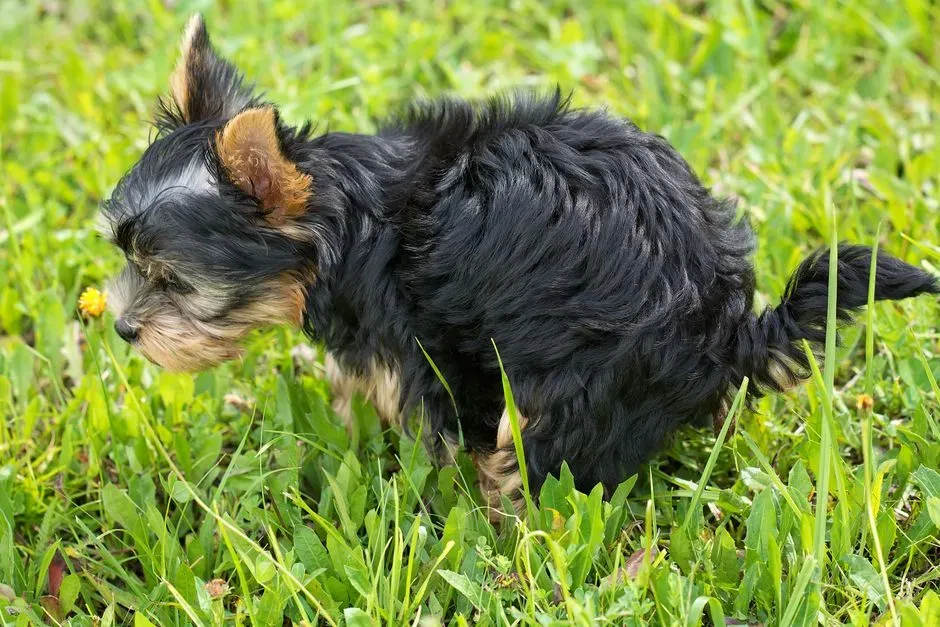
People naturally stare at texture, color, and smell, but frequency tells its own story. A dog that suddenly starts pooping three or four times per walk, when they used to go once or twice, might be dealing with irritation, malabsorption, or a diet that’s too rich or too fibrous. On the other hand, a dog who goes from twice a day to once every two days could be constipated, in pain, or moving less.
It’s the shift from your dog’s normal that matters. Some dogs are genuinely “once a day” and others are “little and often” types. If you only react when the stool looks awful, you might miss low‑level problems that show up as subtle frequency changes first. Frequency reflects how fast things move through the gut and how efficiently nutrients and water are being absorbed.
Key frequency patterns to keep in mind:
- A gradual increase in trips over several weeks can signal chronic gut irritation.
- A sudden drop in poop frequency, especially with straining, can hint at pain, dehydration, or blockage risk.
- Older dogs with new constipation should always be taken seriously.
If your dog’s bathroom schedule has noticeably shifted for more than a few days, that pattern is worth mentioning to your vet even if every individual poop looks “okay-ish.”
#3 Alternating Constipation and Diarrhea
One of the most telling digestive patterns is the back‑and‑forth dance between constipation and diarrhea. Many owners see these as separate, random events, but in dogs, that alternating pattern can point to deeper trouble like chronic inflammation, partial obstruction, or motility problems in the intestines. The gut may be struggling to find any sort of balance.
For example, a dog may strain for a day or two with dry, small stools, then suddenly swing into loose or watery output. Sometimes this happens because hard stool blocks things up, then liquid material leaks around it, which looks like diarrhea but actually masks constipation. In other cases, the gut overreacts after a slow period, flushing everything too quickly.
Important things to consider with this pattern:
- How long has the see‑saw been happening – days, weeks, or months?
- Is there any vomiting, bloating, or visible discomfort alongside it?
- Is your dog a senior or prone to eating non‑food objects?
This is not a pattern to shrug off for long. Even if your dog seems bright and playful, that rhythmic swing can indicate that the gut lining or nerve control is under persistent stress and needs a professional look.
#4 Chronic Gas and Burping, Not Just “Dog Farts”
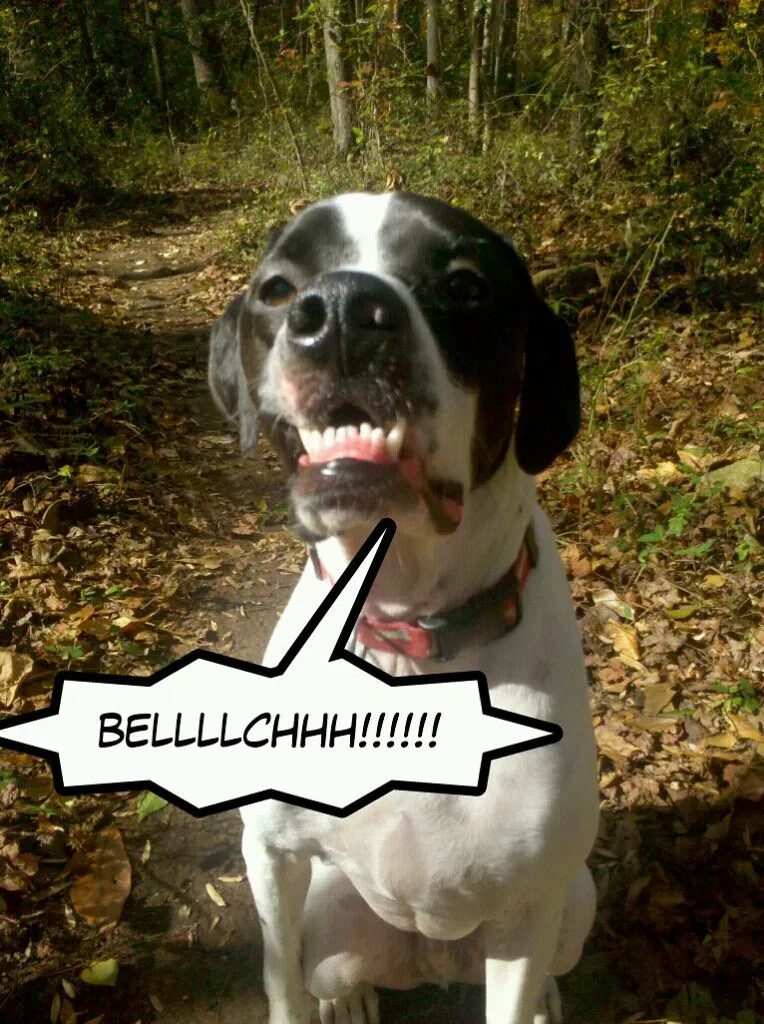
All dogs pass gas; that’s just living with a carnivore who also eats socks and crumbs off the floor. The red flag is not a random evening of stink, but gas that becomes a regular part of life. If your dog is chronically gassy or burps frequently, especially after meals, it can signal that food is not being digested properly in the upper gut or that there is bacterial imbalance further down.
Chronic gas often walks hand in hand with other subtle signs: mild bloating, occasional loose stools, or boredom with the food bowl. Some breeds, like Bulldogs or Labs, are famous for being gassy, but even in these dogs, a change in their “normal gas pattern” matters. A dog whose gas smell or frequency suddenly escalates may have a new intolerance, a diet change that doesn’t suit them, or even an overgrowth of certain gut bacteria.
Patterns to look for around gas:
- Burping or licking lips repeatedly after eating
- Restlessness or stretching a lot after meals, as if uncomfortable
- Gas that comes with visible belly swelling or pain when touched – that’s an urgent vet case
Sometimes a simple diet adjustment helps, but chronic or newly severe gas is your dog’s way of telling you their gut is unhappy, not just being dramatic.
#5 Early‑Morning Vomiting or “Empty Stomach” Bile Episodes
Many owners see occasional yellow, foamy vomit in the morning and dismiss it as random. But when this becomes a repeating pattern – say, a few times a week, mostly first thing in the morning, often before breakfast – it may point to a condition where stomach acid and bile irritate the empty stomach lining overnight. Some dogs are simply more sensitive to going long hours without food.
That pattern matters way more than any single puke. A dog who vomits bile once every few months is very different from a dog who does it every Monday, Wednesday, and Friday at 6 a.m. Chronically irritated stomach lining can lead to inflammation and discomfort, and it can also mask more serious issues if everyone assumes it’s “just what he does.”
If you notice regular early‑morning bile vomit, pay attention to:
- Whether small late‑night snacks reduce the problem
- Whether your dog is otherwise eating, playing, and pooping normally
- Any weight loss, drooling, or reluctance to eat – those are warning signs
This is one of those patterns where small management changes can help, but persistent episodes deserve a real workup, especially if they appear suddenly in an older dog.
#6 Eating Grass in Patterns, Not Just Occasionally
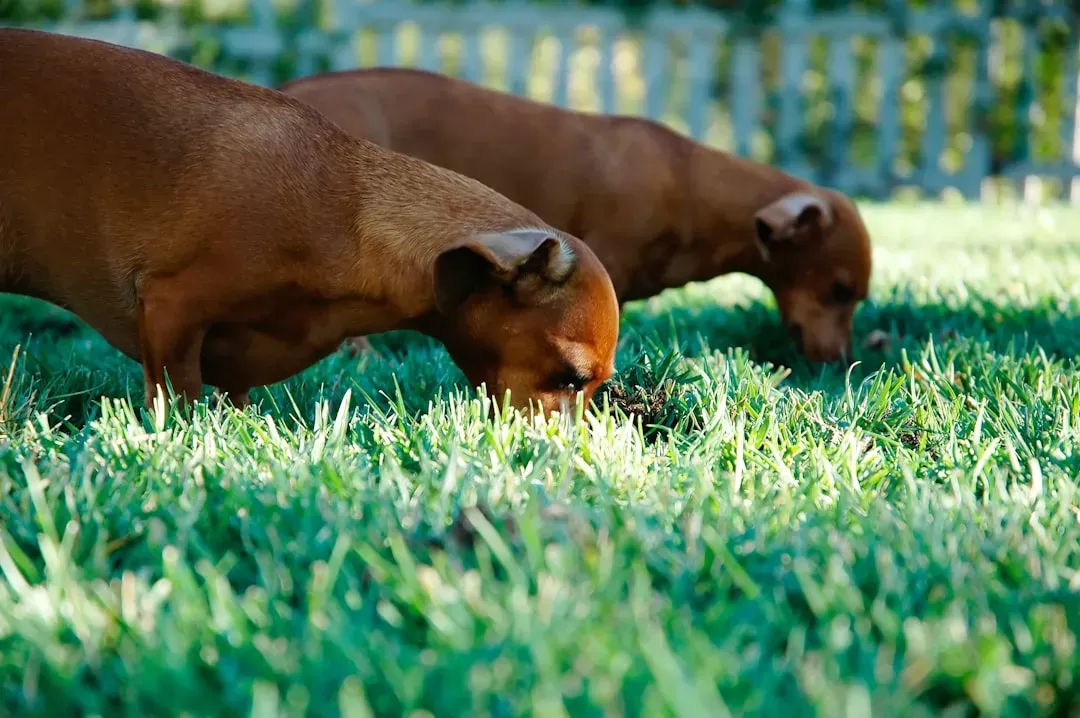
Almost every dog eats grass sometimes. It’s when grass eating becomes a repeated, intense pattern that it starts to whisper about gut issues. A dog that occasionally nibbles a few blades during a walk is one thing. A dog that rushes outside to gulp down grass frantically, often followed by vomiting, is a different story.
Some dogs use grass almost like a self‑medication tool when their stomach feels off or when they’re nauseous. While science doesn’t fully explain every aspect of grass eating, frequent and urgent grass consumption, especially clustered around mealtimes or car rides, suggests ongoing nausea, reflux, or stomach irritation. It’s less about grass itself and more about the context.
Ask yourself these pattern‑based questions:
- Is your dog suddenly more obsessed with grass than they used to be?
- Does the grass binge often end in vomiting foam, bile, or partially digested food?
- Does it tend to happen at specific times of day, like early morning or late evening?
I used to think my dog’s grass hobby was just quirky until I realized it always showed up the week before a flare of loose stool or decreased appetite. Looking at it as a pattern instead of a cute habit made me catch stomach trouble earlier.
#7 Food Refusal or Pickiness That Comes in Waves
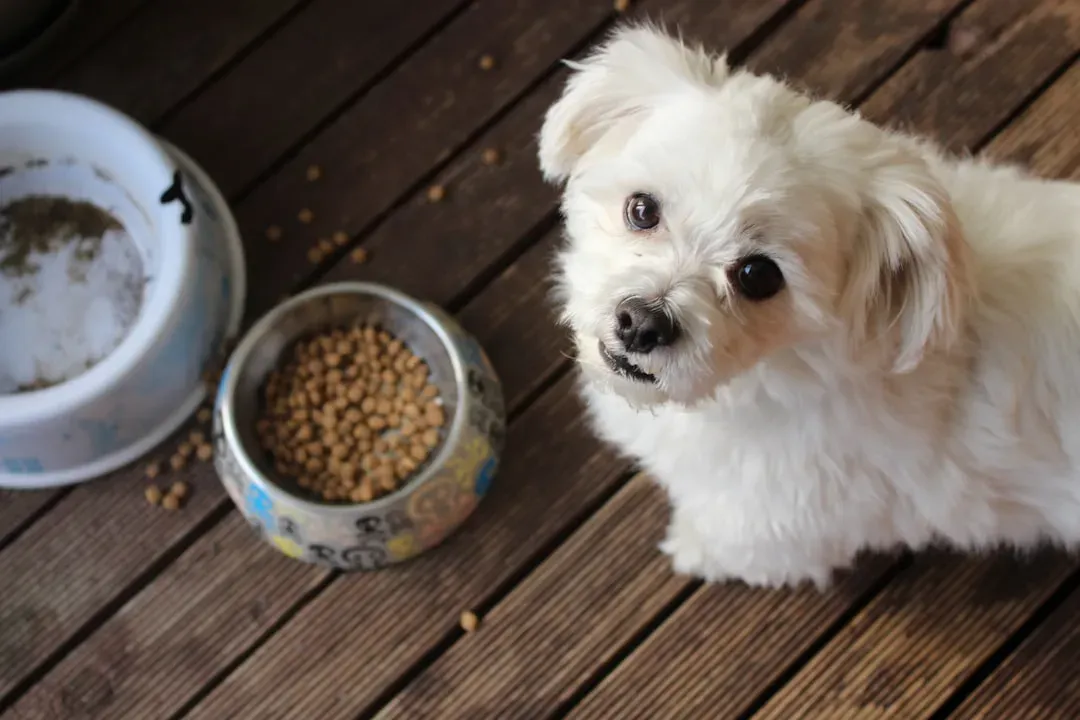
Plenty of dogs are picky eaters, and some are simply more motivated by people, toys, or the squirrel in the yard than by their bowl. What’s more meaningful is when your dog’s appetite comes and goes in cycles. They eat ravenously for a few days, then suddenly act disinterested or walk away from meals, only to bounce back again.
That wave pattern can indicate that the gut feels good on some days and irritated or nauseous on others. Dogs often hide discomfort surprisingly well; turning away from food is one of the few honest signals you get. If you chalk it up to “he’s just fussy” without noticing how often it happens, you might miss recurring inflammation, pancreatitis flare‑ups, or stress‑related gut upset.
Consider these appetite patterns:
- Does your dog skip breakfast regularly but eat dinner fine?
- Do they seem eager but then back off once they sniff the food?
- Is food refusal paired with licking lips, swallowing hard, or grass eating?
Appetite that dips now and then is normal; appetite that falters on a recognizable schedule is your dog quietly telling you: something in here is not quite right.
#8 Post‑Meal Restlessness, Stretching, or Prayer Position
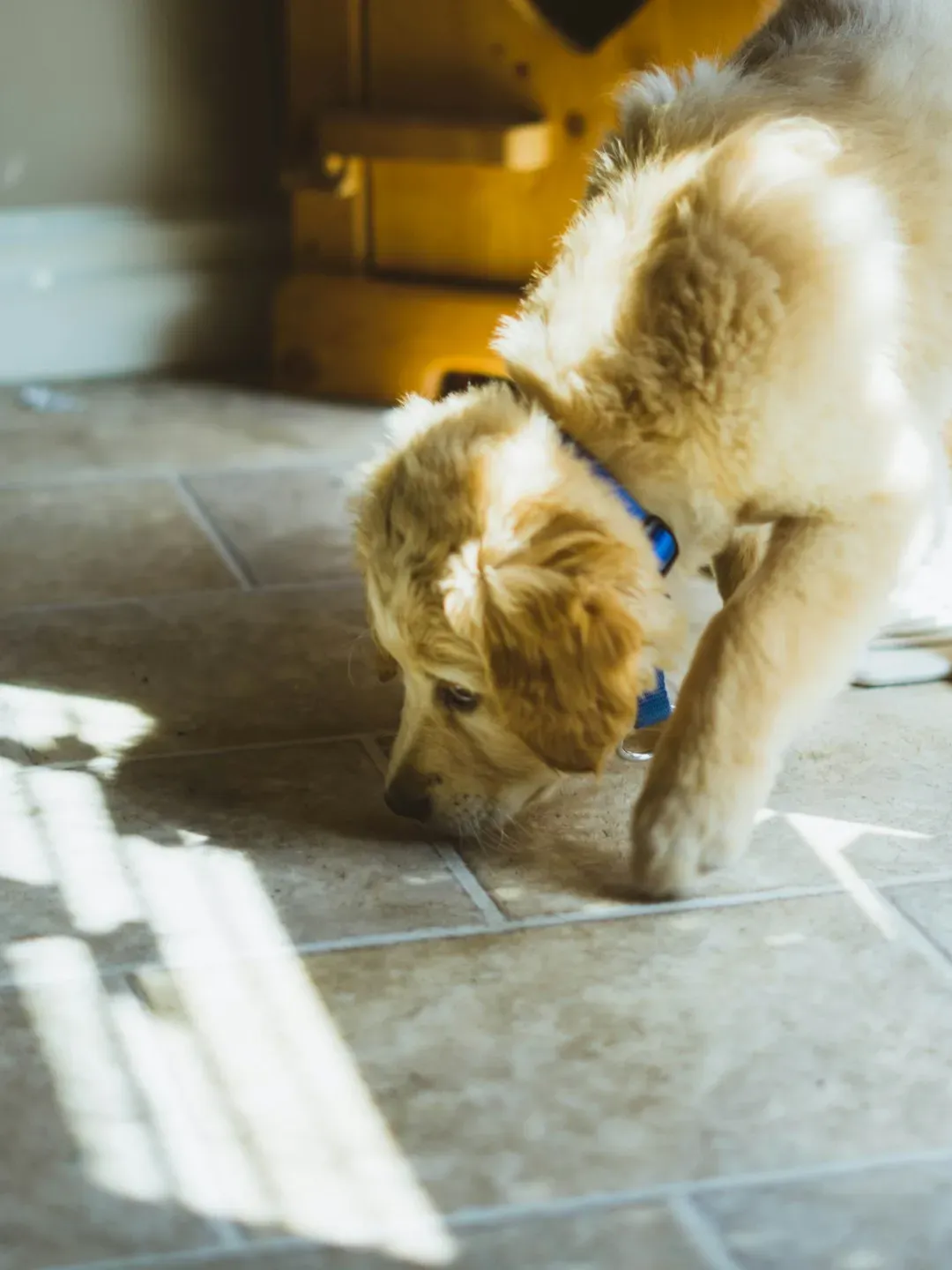
We tend to think of digestion as invisible, but your dog’s body language after meals is extremely revealing. If your dog used to crash happily after eating but now paces, changes positions constantly, or does repeated deep stretches, that can indicate discomfort in the stomach or upper abdomen. One specific posture – front legs down, back end up, sometimes called the “prayer position” – often signals abdominal pain.
This is where patterns beat one‑off events. A single weird stretch is not concerning. A dog that consistently moves into that position after meals, or lies on their side with a tight belly, may be trying to relieve pressure or discomfort. This can be linked to issues like gastritis, gas build‑up, or, in more serious cases, early stages of bloat in deep‑chested breeds.
Key details to track:
- How soon after meals does the restlessness or stretching start?
- Does it happen with all foods or only new or fatty meals?
- Is there drooling, panting, or a tense abdomen alongside it?
If you see a consistent connection between eating and discomfort behaviors, do not ignore it. That pattern can be more telling than any single bout of vomiting or diarrhea.
#9 Changes in Stool Color That Stick Around
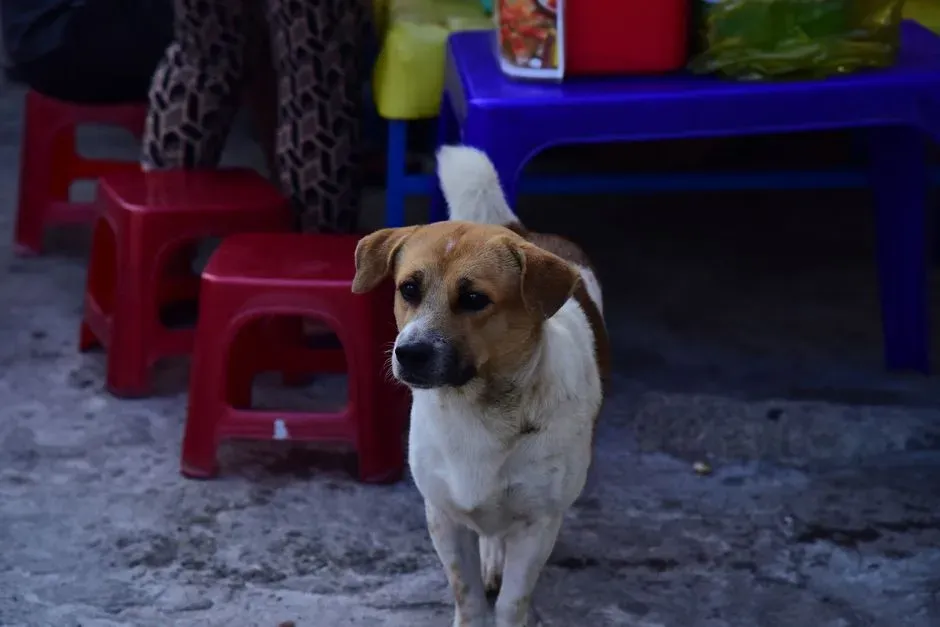
Stool color can fluctuate with diet – carrots, beets, or certain kibbles can tint things. What matters is not a one‑time weird color but a consistent change that sticks around. Very dark, tarry stools may signal digested blood from higher up in the gut, while very pale or grayish stools can point toward bile or liver issues.
Many owners notice an odd color once and then shrug when the next poop looks normal. The danger lies in assuming every strange color is a fluke instead of checking if it keeps happening. Chronic orange‑tinted stools, for example, may suggest fat absorption problems or particular ingredient sensitivities, while mucus‑coated stools frequently can point toward large intestine irritation.
Color patterns worth noting:
- Stools that stay consistently much darker or lighter than your dog’s usual shade
- Regular streaks of bright red blood, rather than a single isolated episode
- Persistent slimy or jelly‑like coating around the stool
If you start to think, “Huh, it always looks like this now,” that’s your cue. Snap photos, keep a log, and bring both to your vet – you’ll be a step ahead in figuring out what the color change truly means.
#10 Frequent Small Poops with Urgency
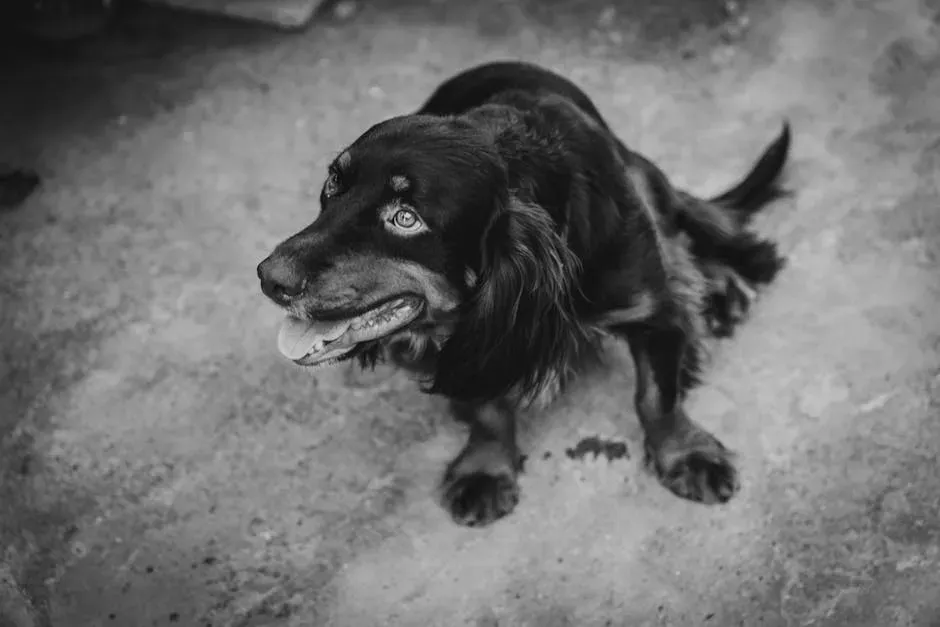
A dog that suddenly has to go outside urgently, only to produce small amounts of stool multiple times in a row, may be dealing with large intestine irritation. Instead of one satisfying, normal‑sized poop, you get several urgent, sometimes strained attempts with mucus or a bit of blood. It looks alarming, and the pattern itself is very informative.
This is different from a dog who just eats more and therefore poops more. The urgency and small volume together hint that the colon is inflamed and constantly sending “go now” signals. It might be caused by dietary indiscretion, stress colitis, infections, or chronic inflammatory conditions. The pattern of frequent, low‑volume, rushed poops paints that picture much more clearly than any one episode.
Watch for these linked clues:
- Needing to go out at night when they previously slept through
- Straining at the end, even when nothing more is coming
- Soft or jelly‑like coating on these small stools
If this pattern persists beyond a couple of days, especially with visible discomfort, don’t write it off as “he just ate something.” You might be looking at inflammation that deserves some targeted support or treatment.
#11 Coprophagia, Pica, and Gut‑Driven Cravings
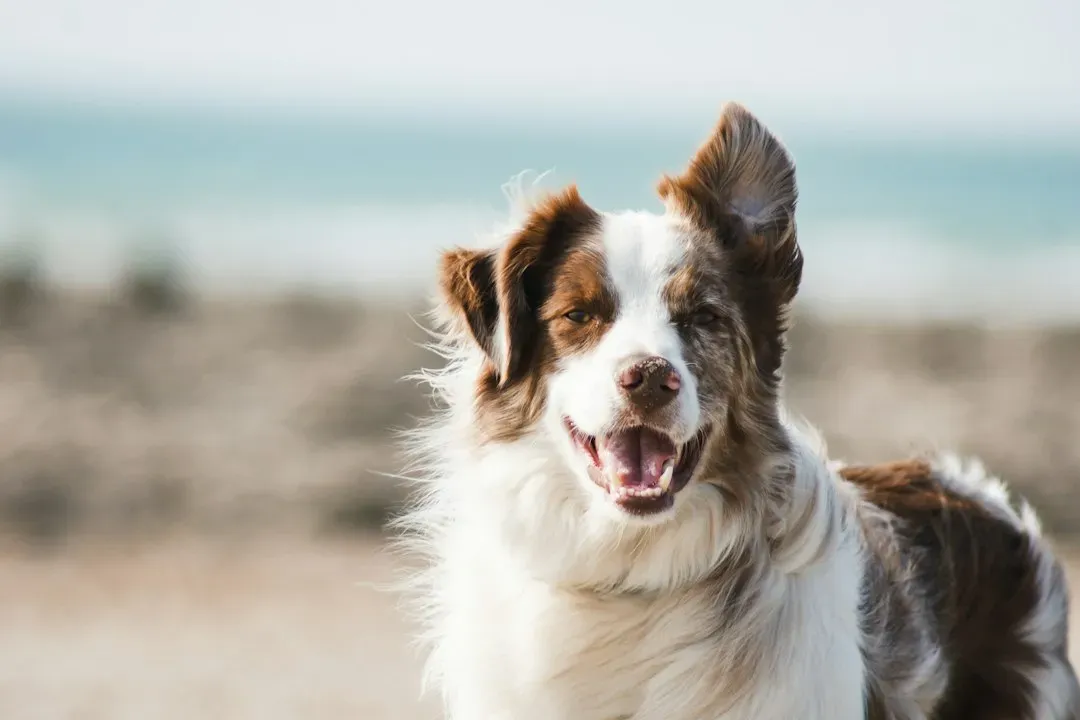
Dogs that eat poop or non‑food items like dirt, paper, or rocks can drive their owners crazy. Behavior and training absolutely play a role, but in some dogs, these habits also connect tightly to digestive health. When the gut is not absorbing nutrients efficiently, some animals develop odd cravings, almost as if their bodies are desperately searching for missing pieces.
What matters is not a puppy who tastes everything once – that’s just normal curiosity. The concerning pattern is persistent coprophagia (eating feces) or pica (eating non‑food items) that continues into adulthood or worsens over time. In some cases, improving the diet, addressing parasites, or supporting gut health reduces these behaviors significantly.
Signs the pattern may be gut‑related rather than purely behavioral:
- History of chronic soft stools, weight loss, or poor coat despite eating well
- Cravings that intensify when meals are delayed or after certain foods
- Other signs of malabsorption, like bulky, smelly stool in large volumes
Of course, training and management still matter – you do not want your dog snacking on rocks. But looking at the broader digestive pattern often gives you more tools than just scolding and leash control.
#12 Bloating and Belly Shape Changes Over Time
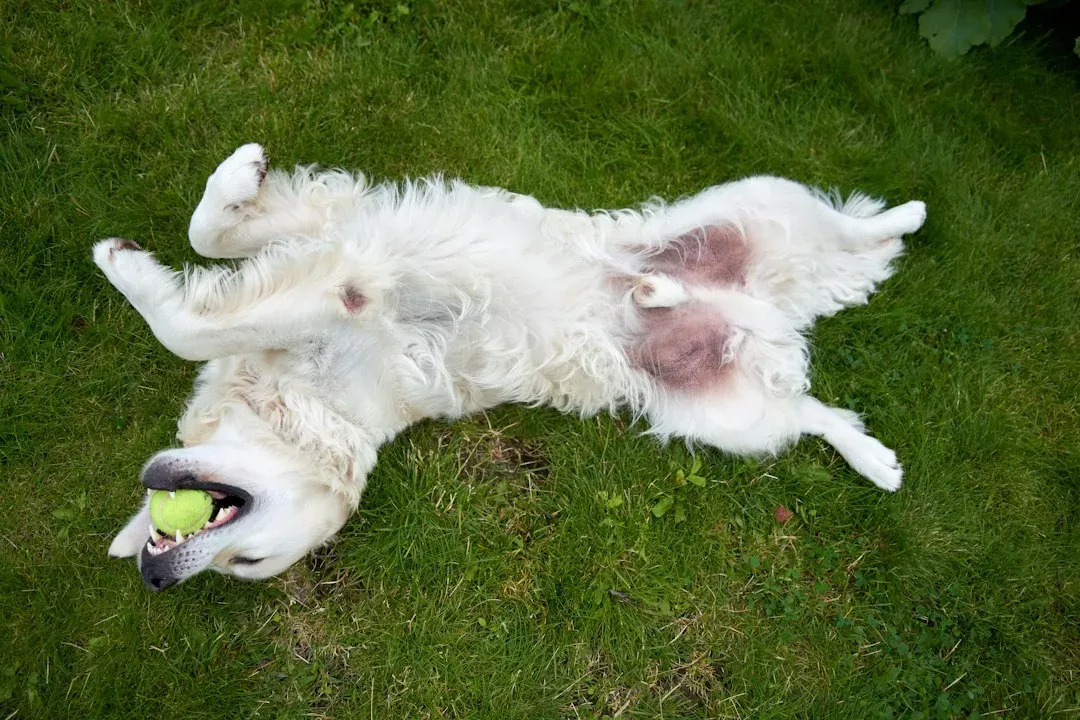
We all notice when a dog suddenly balloons in the belly – that’s often an emergency. But slower, more subtle patterns of abdominal enlargement can be just as telling. A dog whose ribcage used to be well defined but gradually develops a round, tense belly may have chronic gas buildup, fluid accumulation, or organ changes that relate directly to digestion and metabolism.
The tricky part is that we live with our dogs every day, so we adapt to their appearance and sometimes miss the gradual changes. Taking occasional side‑view photos can reveal a slow shift from trim to potbellied that you would not catch otherwise. Combined with changes in energy, appetite, or stool, belly shape tells a surprisingly rich story.
Patterns to check around belly changes:
- Belly consistently firm or drumlike, rather than soft and squishy fat
- Visible discomfort when the abdomen is touched
- Increased panting, restlessness, or nighttime pacing alongside enlargement
Fast‑developing, hard bloating is always an emergency. But even slower, recurring bloat after meals should never be brushed off; digestion is central to these changes more often than people realize.
#13 Digestive Upsets That Track with Stress or Routine Changes
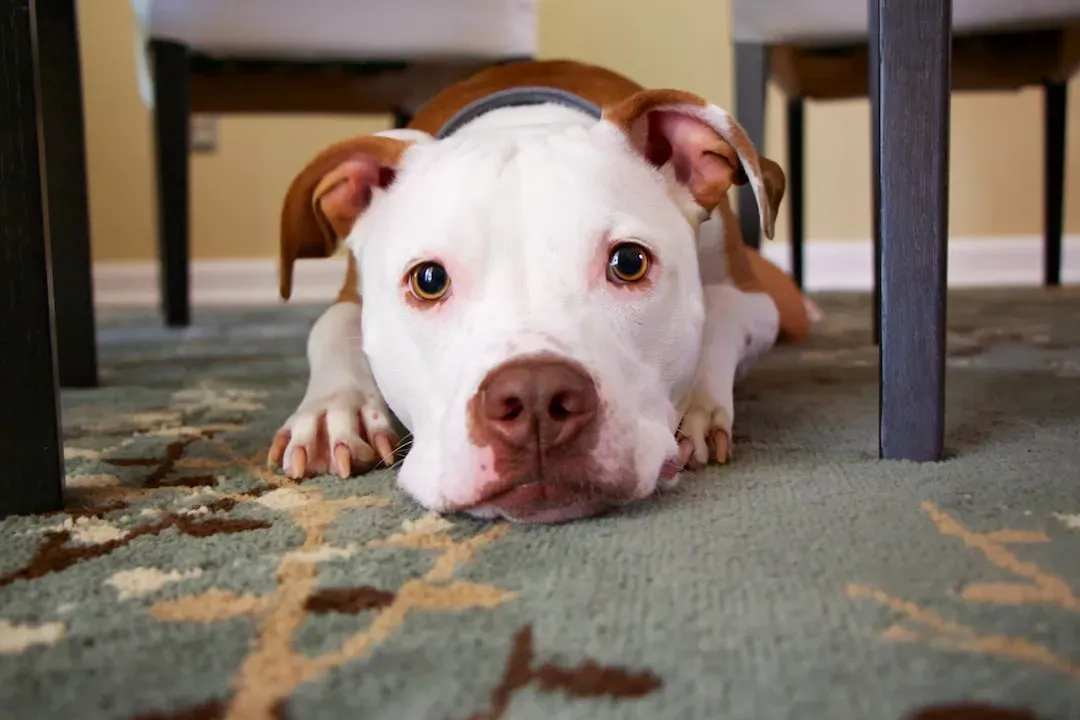
One of the most underappreciated patterns in dog digestion is the link to stress. Many dogs get loose stools, decreased appetite, or even vomiting after boarding, moving houses, new babies, or household tension. If your dog’s digestive issues cluster around life changes or louder human emotions in the home, that pattern is deeply meaningful.
The gut and brain are tightly connected, and dogs are extremely sensitive to their environment. A dog that gets diarrhea every time you travel or argue might not just be “sensitive” but genuinely experiencing stress‑induced inflammation or motility shifts. If you only treat these episodes as isolated stomach bugs, you may never address the underlying emotional triggers.
Look for these stress‑linked trends:
- Digestive flare‑ups that start within a day or two of a known stressor
- Issues that resolve when routine stabilizes again
- Patterns specific to certain events – visitors, storms, fireworks, or vet visits
Recognizing this pattern lets you plan ahead with calming strategies, slower transitions, or vet‑approved supplements, instead of simply mopping up messy stools and hoping for the best.
#14 Slow, Quiet Weight Loss with Mild Digestive Quirks
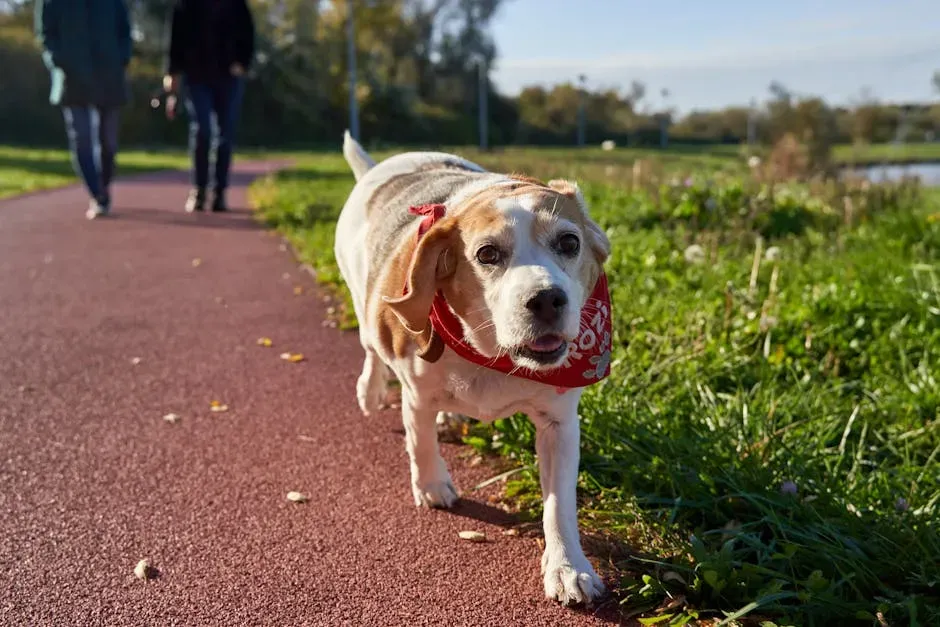
Weight loss in dogs is often blamed on age, activity changes, or pickiness. But when it happens gradually, alongside small but ongoing digestive oddities, it can be one of the most important patterns of all. A dog that is eating roughly the same amount but losing condition – ribs more visible, muscles shrinking, coat dulling – is waving a red flag that their gut may not be absorbing nutrients properly.
This pattern is easy to miss because the individual signs look minor: slightly bigger poops, a bit more gas, occasional soft stool, or mild picky days. Put together over months, they paint a clear picture that calories are going in but not being used effectively. That can stem from chronic intestinal inflammation, pancreatic issues, parasites, or more serious diseases.
Pattern checkpoints for this quiet but serious trend:
- You can suddenly feel bones you did not notice before
- Stools are larger than you’d expect for the amount of food
- Your dog’s energy dips even though appetite seems okay most days
In my mind, this is one of the most underrated digestive patterns. Slow weight loss paired with “little” gut quirks is not just aging – it’s your dog’s body telling you that digestion and absorption are not keeping up with what they need.
Conclusion: Stop Chasing Single Symptoms and Start Reading the Whole Story
If there’s one mindset shift I wish every dog owner would make, it’s this: stop obsessing over the last poop and start paying attention to the pattern. Dogs have off days just like we do. What really matters is what keeps happening, what clusters together, and what slowly changes over time. That bigger picture is often more accurate than any one dramatic episode of diarrhea or vomiting.
The honest truth is that digestive patterns can be frustrating. They rarely hand you a neat label, and they often blur the line between “probably fine” and “we should check this out.” But that’s exactly why your daily observations are so valuable. You are the only one who sees how stools, appetite, mood, gas, and behavior all move in sync or fall out of rhythm.
My own bias is clear: I think we underestimate chronic, subtle digestive patterns and overreact to one‑off messes. I would rather see an owner walk into a clinic with a two‑week poop log and a list of behavior changes than a single photo of spectacular diarrhea. It’s not as flashy, but it’s far more powerful for protecting a dog’s long‑term health.
So the next time your dog burps a little more than usual, skips a meal, or has an odd‑colored stool, ask yourself: is this a lone wolf, or part of a pack of signs I have been seeing? Because in the end, your dog’s gut is less about one symptom and more about the story those fourteen patterns are quietly telling you. Which of these patterns have you already seen but brushed off as “just one of those things”?