
13 Lumps and Bumps in Dogs Vets Are Not Worried About
You’re petting your dog on the couch, your hand glides over their fur, and suddenly you feel it: a lump. Your stomach drops. For many dog owners, that tiny bump might as well be a siren. Is it cancer? Is something seriously wrong? Do I need to rush to the vet tonight?
The truth is, dogs get an incredible number of harmless lumps and bumps over their lifetime. In fact, in many clinics, the vast majority of skin lumps vets see turn out to be benign or just normal anatomy. That doesn’t mean you should ignore anything new, but it does mean this: not every bump is a disaster waiting to happen.
Let’s walk through thirteen types of lumps and bumps that vets commonly see and generally are not worried about once they’ve checked them. You’ll still want to be observant and sensible, but you might just breathe a lot easier the next time your fingers find something unexpected under your dog’s fur.
#1 Normal Lymph Nodes You Suddenly Noticed
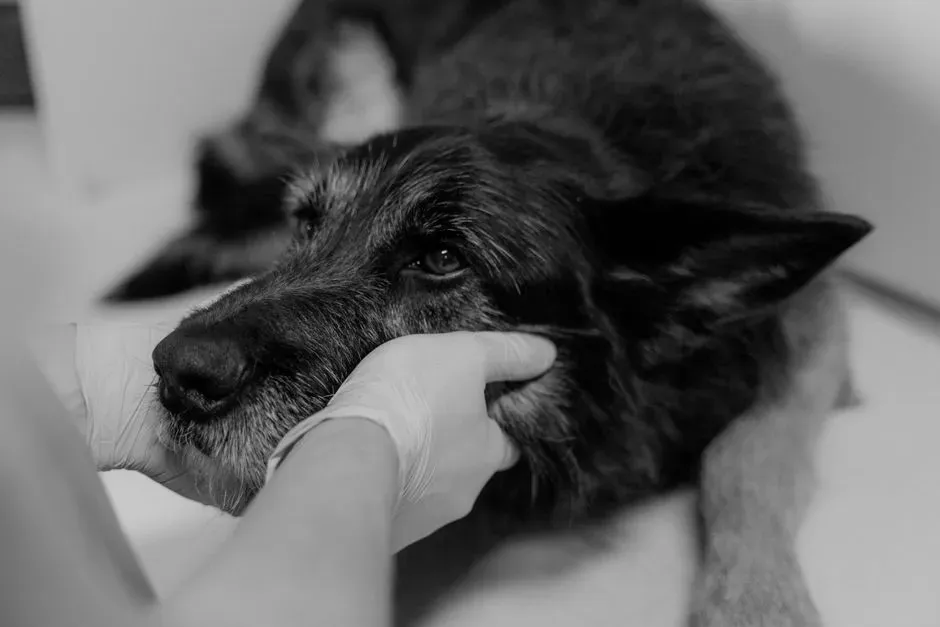
This one is surprisingly common: you feel two small, movable nodules under your dog’s jaw and panic. Many people jump straight to the worst possible conclusion, but often they’re just touching something that’s been there all along – the dog’s normal lymph nodes. Dogs have several clusters of lymph nodes that sit near the surface and can feel like small beans under the skin.
The most noticeable ones are usually under the jaw, in front of the shoulders, and sometimes in the groin. When they’re normal, they feel smooth, slightly rubbery, and roughly symmetrical from one side to the other. They don’t usually hurt your dog when touched, and your dog acts totally normal – eating, drinking, playing like usual.
Vets are not worried when lymph nodes are: small, symmetrical, not rock-hard, and your dog is otherwise well. They become more concerned if the nodes are rapidly growing, very firm, or your dog is lethargic, losing weight, or running fevers. So if you’ve just now discovered those “mysterious” pea‑sized bumps under the jaw and your dog is fine, there’s a good chance you’re just meeting their lymph nodes for the first time.
- Small, bean‑shaped, and movable
- Usually in predictable places: under jaw, front of shoulders, groin
- Often just normal anatomy, not a sign of disease
#2 Old Vaccination Site Thickening
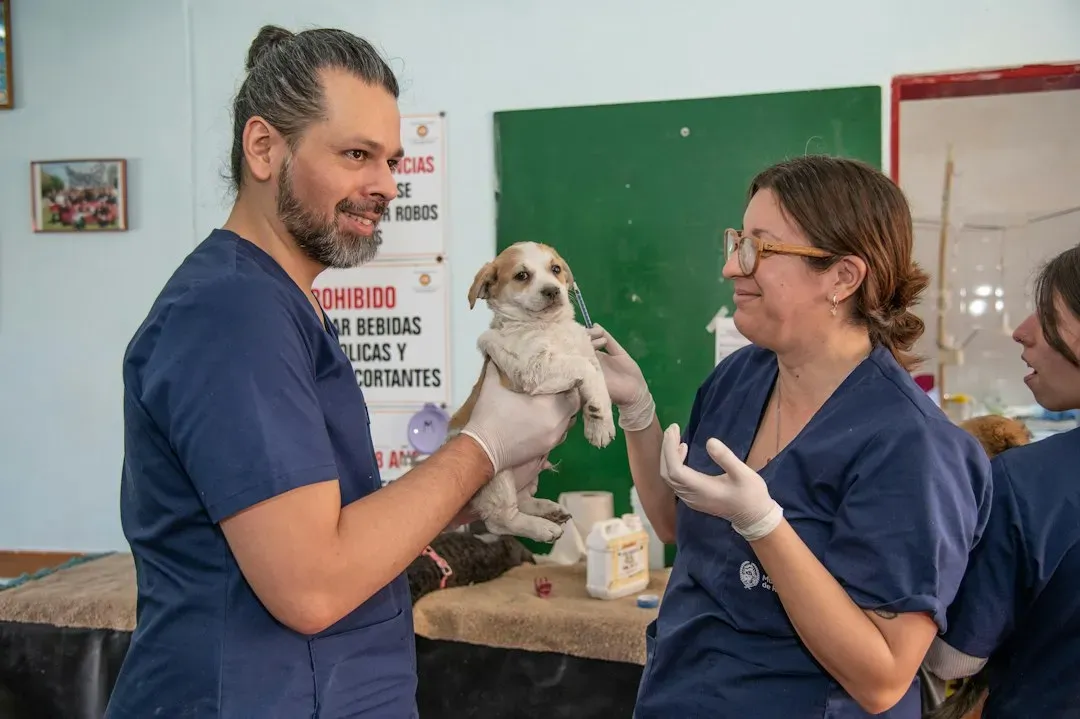
After a vaccine, some dogs will develop a little bump at the injection site. It might show up a few days later or even seem more obvious after a week or two. This is usually just a local reaction where the body has sent immune cells into the area to respond to the vaccine. The site can feel slightly firm or thickened under the skin, and sometimes the fur pattern looks a bit disturbed.
Most of these vaccine-related lumps are small, not painful, and don’t grow quickly. Over a few weeks to a couple of months, they tend to shrink, soften, or even disappear. Vets see this all the time, particularly in younger dogs who are getting multiple booster shots as puppies, or in slim dogs where every little change under the skin feels more dramatic.
Vets are mainly relaxed when the bump appears right where a recent shot was given, doesn’t grow aggressively, and your dog seems comfortable. That said, they do keep an eye on any lump that persists for many weeks or starts to enlarge, especially in certain breeds. So if you feel a new bump exactly where your dog was vaccinated recently, note the date, size, and shape, but know that in many cases this is a routine and harmless response.
#3 Skin Tags and Tiny Dangling Growths
If you’ve ever noticed a little floppy bit of skin hanging from your dog’s chest, armpit, or eyelid, you’re probably looking at a skin tag. These are small, benign growths made of normal skin tissue that decided to overgrow a little. They can be flat, stalked, or even look like a tiny tassel. Some dogs get just one in their whole life; others seem to collect them like badges of aging.
Most vets are not worried about typical skin tags. They tend to be soft or slightly firm, often matching the same color as the surrounding skin. They may grow slowly over time, but they don’t invade deeper tissues or spread to other parts of the body. Many dogs live their entire lives with multiple skin tags that never cause a problem.
The only time they become an issue is when they’re in a bad location: where the collar rubs, at the edge of the eyelid, or between the toes where they get snagged. In those cases, a vet might recommend removing them for comfort, not because they’re dangerous. If a new growth looks like a classic, simple skin tag and your vet has confirmed it in the past, chances are they’re not losing sleep over it – and you don’t need to either.
- Usually soft, dangly, and skin‑colored
- Common in older or larger dogs
- Removed mostly for comfort or cosmetic reasons
#4 Lipomas: The Famous “Fatty Lumps”
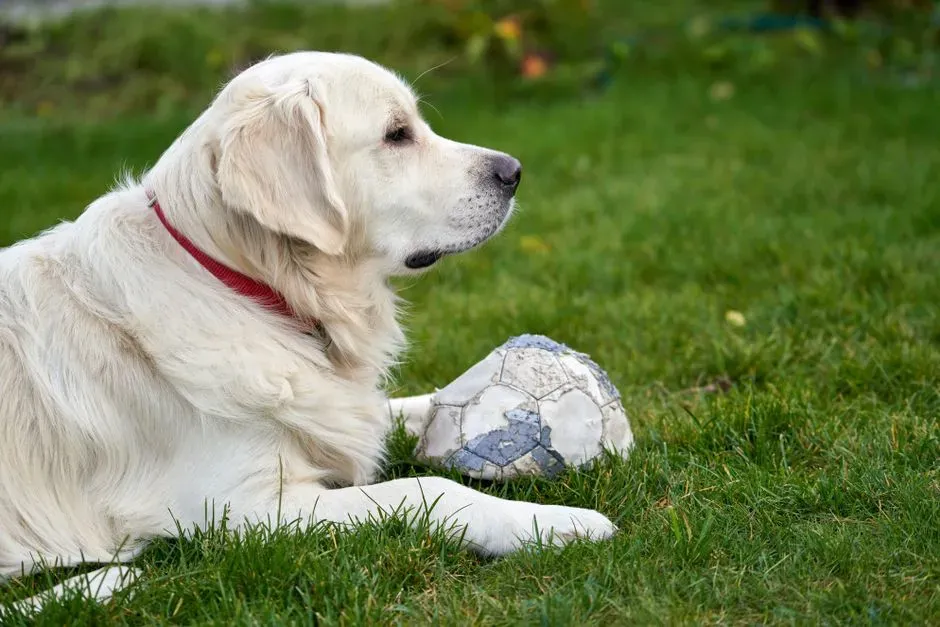
If there were a “most likely to be harmless” award for dog lumps, lipomas would probably win. These are benign tumors made up of fat cells, often found under the skin on the chest, abdomen, or along the sides. They usually feel soft, squishy, and well-defined, like a little water balloon in the tissue. They’re especially common in middle‑aged and older dogs, and some breeds seem genetically more prone to them.
Vets see lipomas so often that, in many clinics, they are by far the most common lump that walks through the door. Once a vet has examined the lump and, ideally, sampled it with a fine needle to confirm it’s just fat cells, they’re rarely concerned. These fatty tumors almost never turn malignant and almost never spread to other organs. They may grow slowly over the years, but they generally just sit there and mind their own business.
The only time lipomas become a real worry is when they’re huge, growing very fast, or located somewhere that interferes with walking, lying down, or breathing (for example, in the armpit or deep inside the body). Most, however, are monitored rather than removed. If your vet has called your dog’s lump a benign lipoma, they’re usually telling you: it’s a nuisance, not a nightmare.
#5 Tiny Benign Sebaceous Adenomas (“Old Dog Warts”)
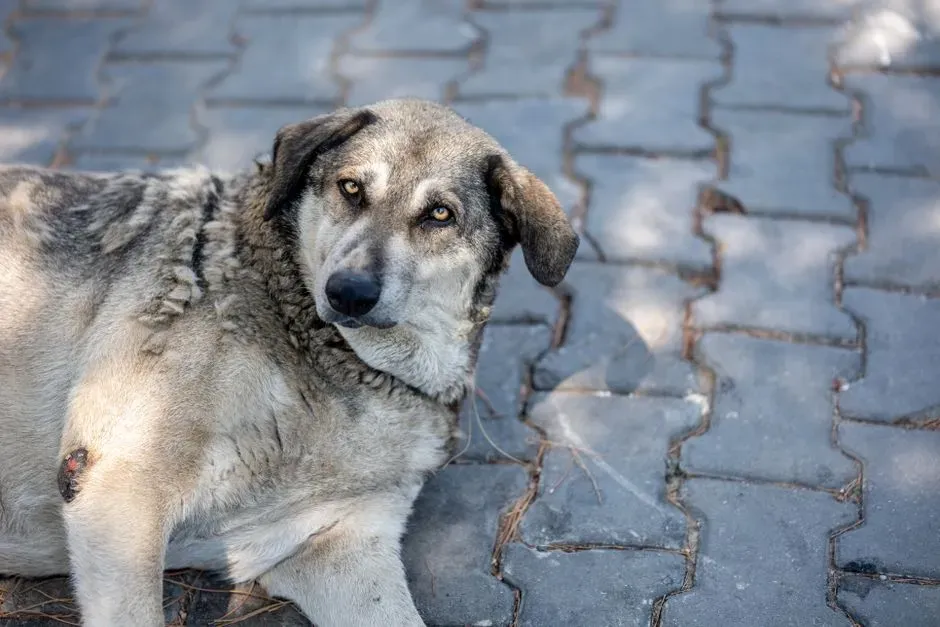
Those crusty, cauliflower-looking bumps on older dogs often turn out to be sebaceous adenomas. These growths arise from the sebaceous (oil) glands in the skin and can look like tiny warts, mini-cauliflowers, or little bumpy buttons. They’re especially common in senior dogs, particularly smaller breeds, and often pop up on the head, back, or legs.
Despite their slightly ugly appearance, most sebaceous adenomas are completely benign. They don’t spread to internal organs and they rarely transform into something dangerous. Vets see them so frequently in older pets that they’re part of the “normal old dog landscape.” The main annoyance is that they can break open or ooze if the dog scratches or licks them, which can make them look alarming even though the underlying growth is harmless.
Usually, vets are not worried about them as long as they stay small, slow-growing, and relatively dry and intact. They may recommend removal if a particular lump keeps getting traumatized, bleeds frequently, or bothers your dog. But in terms of overall health risk, these “old dog warts” rarely rank high on a vet’s list of concerns.
- Common in senior dogs, especially small breeds
- Often lumpy, crusty, or cauliflower‑like
- Very rarely dangerous, but can be messy or irritating
#6 Histiocytomas in Young Dogs
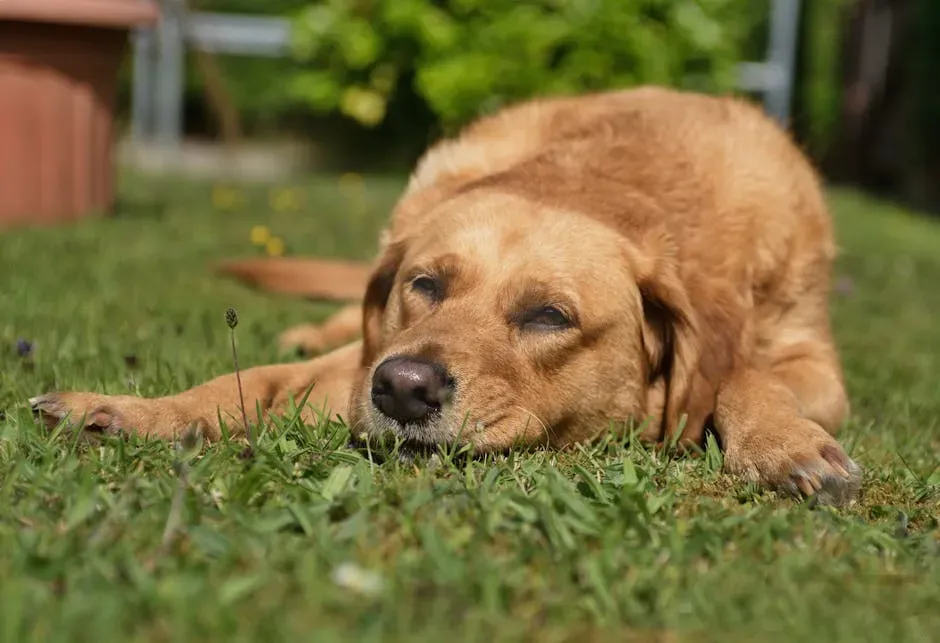
Histiocytomas are one of those lumps that look scary but usually act quite friendly. They’re small, raised, often hairless bumps that can appear suddenly, typically in younger dogs under about three years old. They often show up on the head, ears, or legs and may look red and angry, prompting a lot of anxiety from owners who suddenly find them.
The fascinating thing about histiocytomas is that they’re usually “self-limiting,” meaning the dog’s immune system eventually shrinks them down on its own. Over the course of a few weeks to a couple of months, many will appear, hold steady for a bit, and then start to regress and flatten. Vets often describe them as benign immune-system growths, not true aggressive tumors.
Once a vet has confirmed a lump is a histiocytoma (often via a quick needle sample), they’re generally relaxed about it. They may just ask you to monitor it and come back if it gets very large, painful, or ulcerated. Most histiocytomas vanish like an odd little chapter in your dog’s history – intense for a moment, then gone, without long‑term consequences.
#7 Ingrown Hairs and Follicular Cysts
Just like humans, dogs can get ingrown hairs and clogged hair follicles that turn into small cysts. These often feel like firm, round peas just under the skin. They can be smooth, sometimes with a tiny dark spot in the center, and are more likely to appear where the coat is dense or where there’s friction, like along the back or in the groin area.
Follicular cysts are usually benign and filled with keratin or sebum – basically the same material that makes up hair and skin oils. If they burst, they may release a cheesy or waxy material that looks unpleasant but isn’t dangerous. Some dogs are prone to occasional cysts, and vets simply monitor them or drain them if they’re in a spot that bothers the dog.
Vets are not typically worried about these as long as they remain small, stable, and non-painful. However, repeated scratching, licking, or chewing can turn a harmless cyst into an inflamed, infected mess. So if you suspect a little lump is a cyst, one of the kindest things you can do is prevent your dog from worrying at it, and let your vet decide if it needs any minor treatment.
- Firm, pea‑sized, often smooth under the skin
- Can occasionally burst and leak thick material
- Usually more of a cosmetic issue than a health risk
#8 Calluses and Thickened Elbows
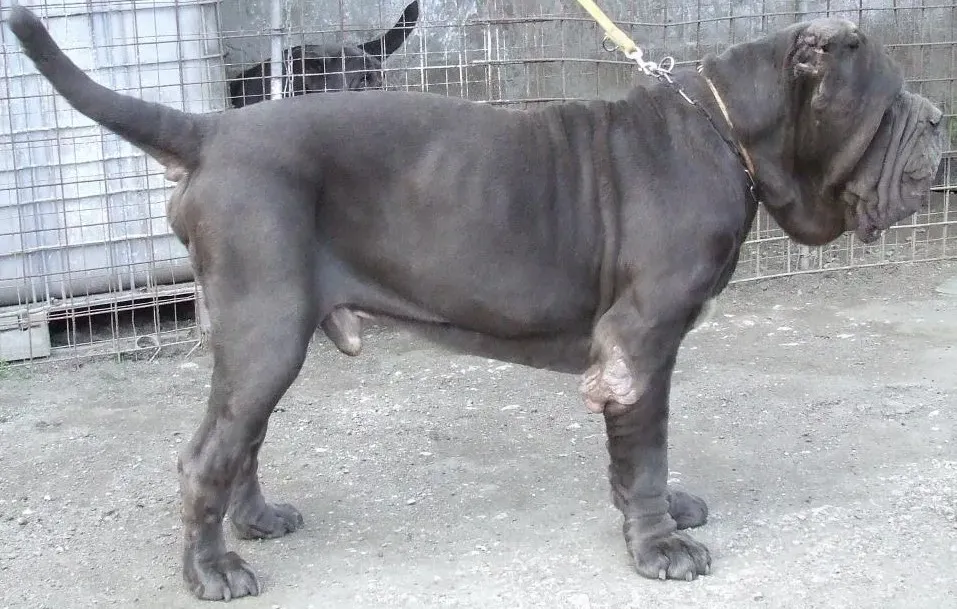
Big dogs that love hard floors often pay a small price in the form of calluses. These appear as thick, hairless patches with a firm feel, usually on the elbows but sometimes on hocks or hips. Many owners first think they’re looking at a growth, but when you feel it closely, it’s flat or only slightly raised – more like a rough patch than a true lump.
Calluses form because of chronic pressure and friction when a dog lies on hard surfaces. Over time, the body responds by thickening and toughening the skin, almost like a natural elbow pad. Most vets are completely unconcerned about simple calluses. They’re viewed as a normal adaptation, especially in heavy or large-breed dogs.
The main thing vets watch for is secondary issues: cracking, bleeding, or infection, especially if calluses turn into pressure sores. In many cases, simple measures like soft bedding, elbow pads, or moisturizing balms can keep them healthy. So if your big dog has rough elbow “bump pads,” chances are your vet sees them as a lifestyle thing, not a medical emergency.
#9 Insect Bites, Stings, and Small Allergic Bumps
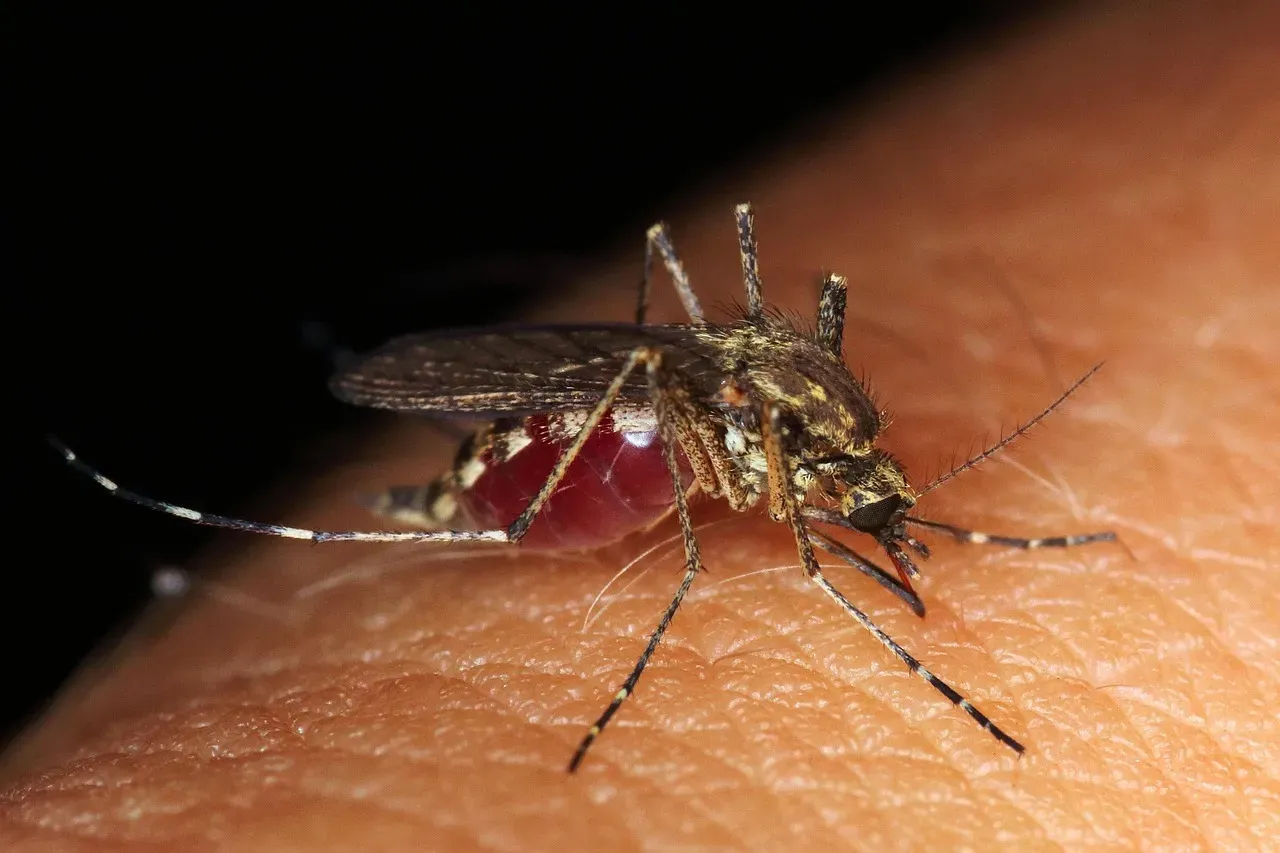
One day your dog seems fine; the next, you feel a small raised bump on their skin and start imagining the worst. In reality, a huge number of sudden, single bumps on dogs are nothing more than insect bites or mild allergic reactions. Mosquitoes, fleas, ants, spiders, and other little pests can all leave behind small, itchy welts.
These bumps are often slightly red, warm, or itchy, and your dog might scratch at them. They usually appear quickly, often in areas that are more exposed like the belly, inner thighs, or muzzle. As long as your dog is breathing normally, acting fine, and the swelling is limited to a small area, vets usually are not too worried. Many of these bumps settle down in a day or two on their own.
The exceptions are dramatic reactions: very large swelling, multiple hives, facial puffiness, or any problem with breathing. Those are urgent, but they’re the minority compared to the typical tiny bug bump. A single, small, itchy lump that improves over a couple of days is very often just your dog’s skin complaining about an unwelcome little visitor.
- Sudden onset, often itchy or slightly red
- Common after time outdoors, especially in warm weather
- Most fade within a few days without treatment
#10 Harmless Moles and Pigmented Spots
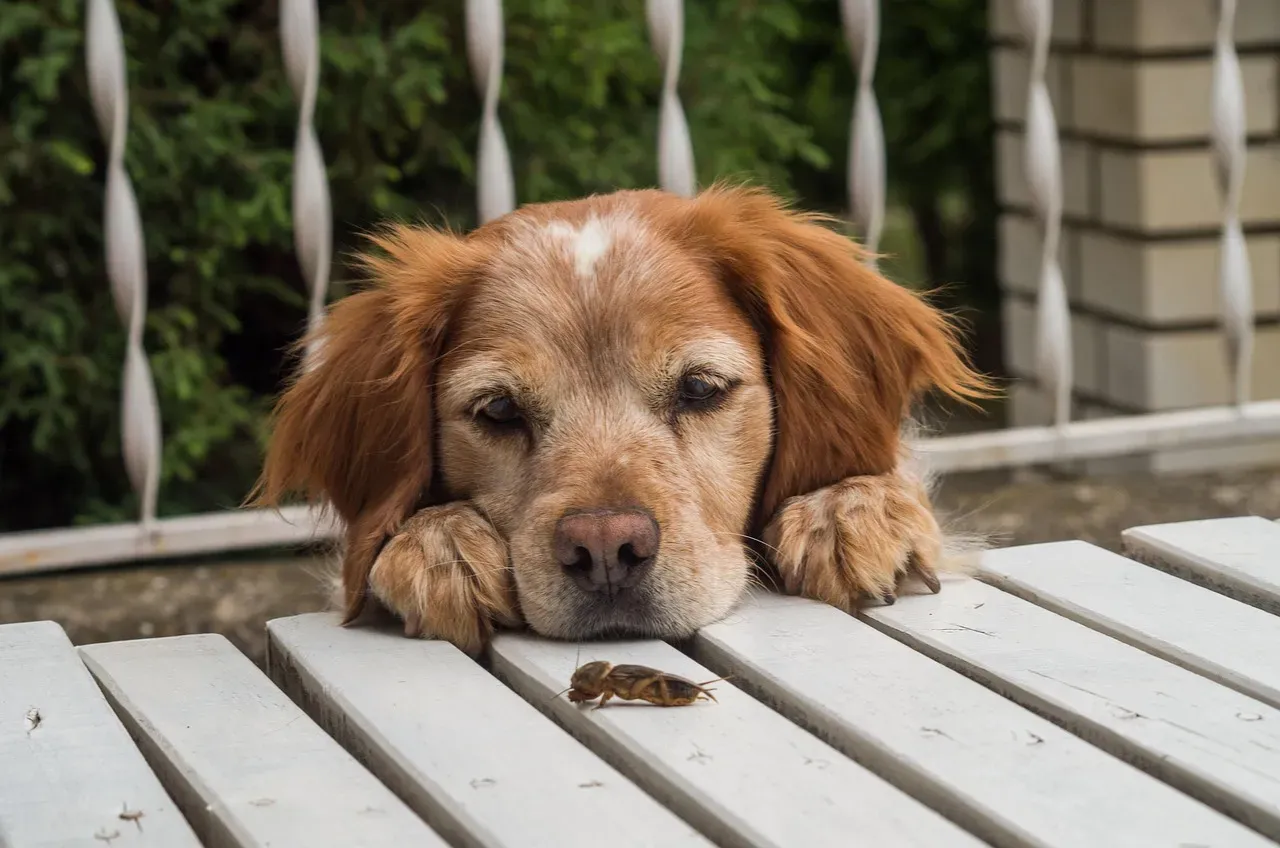
Just like people, dogs can have moles and pigmented skin spots that feel slightly raised or look like dark freckles. These can be especially noticeable on dogs with short coats or pink skin, where any change stands out. Many owners are startled when they suddenly notice a small dark bump, especially on the belly, lips, or near the groin.
Most of these spots are benign collections of pigment cells or simple overgrowths of normal skin. Vets become familiar with a dog’s “constellation” of spots over time and often recognize the same ones visit after visit. As long as these bumps stay the same size, shape, and color and don’t start bleeding or ulcerating, they’re usually not a cause for concern.
Of course, skin cancers do exist in dogs, and suspicious changes always deserve attention. But a small, stable mole that has been the same for years, or a slightly raised pigmented spot that doesn’t change, is something most vets have on their mental list of “keep an eye on, but not stressed about.” Think of these like beauty marks – worth noticing, not necessarily fearing.
#11 Normal Bony Prominences Mistaken for Lumps
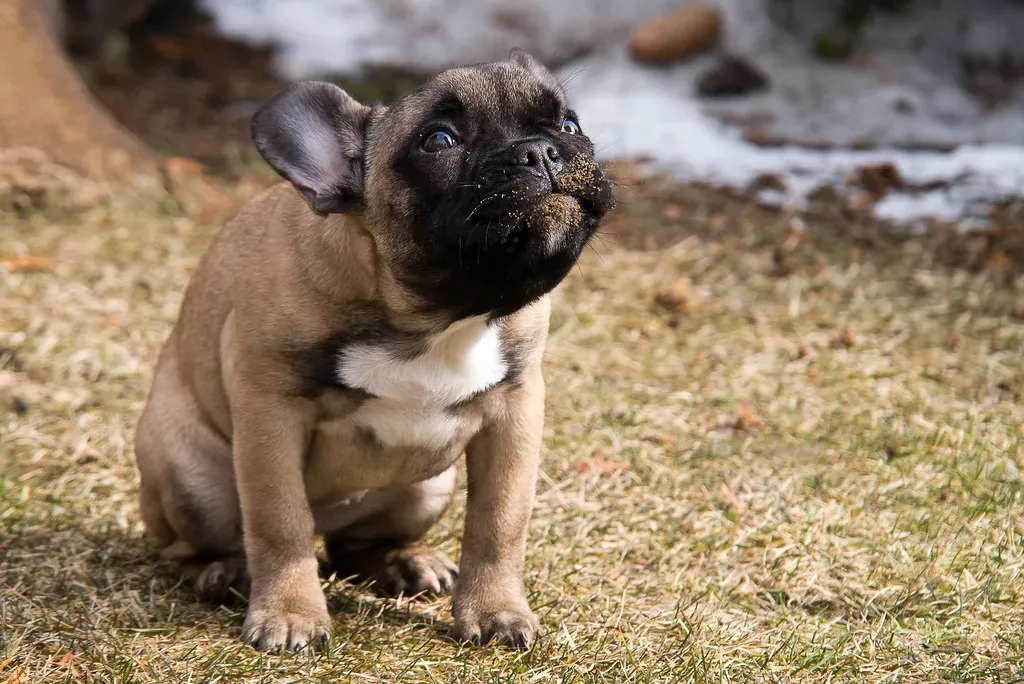
One of the strangest experiences for many owners is realizing that the “hard lump” they felt is actually just bone. In slim or elderly dogs, the edges of the shoulder blades, spine, hips, and ribs can feel surprisingly prominent. If you’re used to a thicker-coated or chubbier dog, suddenly feeling a firm knob under the skin can be alarming, even though it’s completely normal anatomy.
The places where this confusion happens most often are along the spine, on the top of the head, over the shoulder blades, and over the hip bones. These areas can feel like fixed, hard lumps that do not move under the skin – which is exactly what bone does. Vets are used to gently reassuring owners that what they’re feeling is simply the dog’s skeleton doing what it’s supposed to do.
If a vet can clearly outline the bony structure and the “lump” matches expected anatomy, they’re not worried. It’s a bigger concern when a hard mass is sitting on top of or off to the side of the bone, is asymmetrical, or has appeared or grown recently. But if your vet calmly presses around and says, essentially, “That’s just bone,” it’s usually a relief disguised as embarrassment – and nothing more needs to be done.
- Common in slim, athletic, or elderly dogs
- Felt over spine, hips, shoulders, and skull
- Fixed, hard, and symmetrical – because it’s bone, not a tumor
#12 Benign Mammary Nodules in Spayed Females
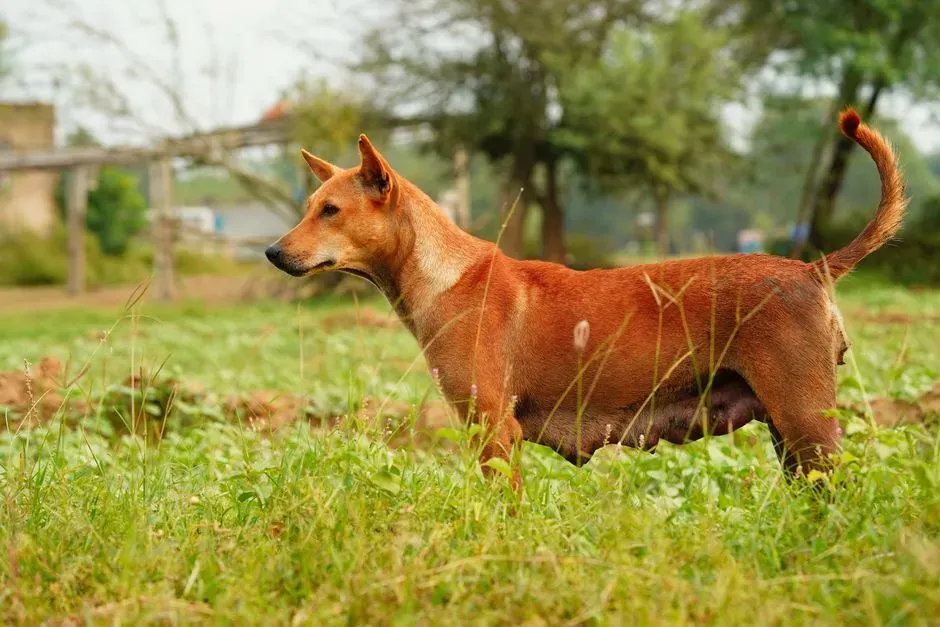
Mammary lumps in dogs always deserve a vet’s attention, because some can be serious. But once your vet has done the appropriate checks and determined a particular small nodule is benign or harmless scar tissue, they often move it into the “not worried” category. This is especially true in dogs that were spayed before their first heat or very early in life, which dramatically reduces their risk of mammary cancer.
Sometimes, little firm nodules along the mammary chain turn out to be benign hyperplasia, cysts, or leftover changes from previous hormonal cycles or pregnancies before spay. If they’re small, not growing, and have been confirmed as non-cancerous by your vet (often by sampling or removing one and testing it), those remaining or similar nodules may become “monitored but not feared.”
The key is that these are not ignored blindly; they’re downgraded only after proper evaluation. Once that’s done, a small, stable mammary nodule in a low-risk dog often becomes just another thing on your dog’s medical history list, not an active threat looming over your head.
#13 Tiny Scar Tissue Knots from Old Injuries or Surgeries
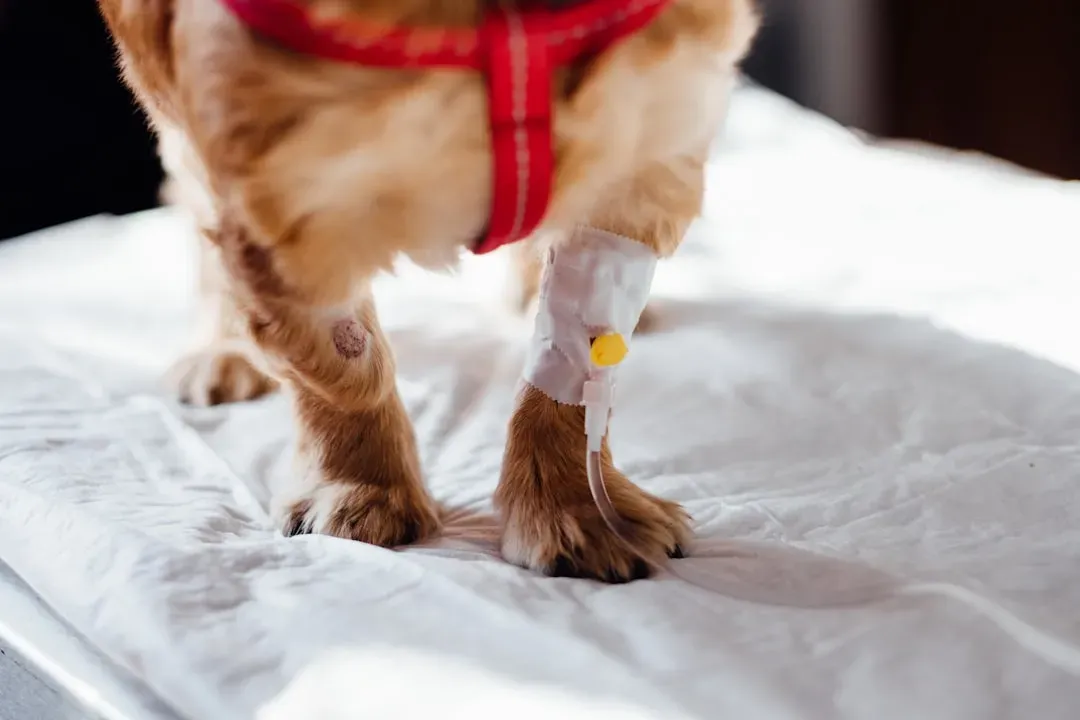
Scar tissue is your dog’s built‑in repair glue. After a cut, bite wound, surgery, or even a deep bruise, the body knits collagen together to strengthen the area, and that can leave behind small, firm nodules. These can feel like marbles or cords under the skin and may be discovered months or years after the original injury, especially once the fur grows back and hides the old scar.
Vets quickly connect the dots when they feel a firm lump exactly where a previous surgery incision ran or where an old wound was treated. Scar tissue is usually non-painful, doesn’t grow once healing is complete, and tends to be fixed in place. It’s the body’s way of saying: “This spot broke once, so I reinforced it.”
Because scar tissue does not behave like an active tumor and has a clear history behind it, vets are rarely worried once they’ve confirmed the story fits. Owners often feel relieved to learn that this odd knot is basically a badge of survival, not a new problem cropping up out of nowhere.
- Firm, fixed, and located at a known old injury or surgical site
- Does not usually keep enlarging over time
- Considered a normal part of the healing process
Conclusion: Calm, Not Careless – Learning Which Lumps Deserve Panic
If there’s one emotional truth about dog ownership, it’s this: every new lump feels like a threat until someone experienced tells you otherwise. I still remember the first time I found a soft, movable lump on my own dog’s side and couldn’t sleep until the vet calmly explained it was just a lipoma. That moment permanently changed how I think about bumps – not as automatic emergencies, but as questions that need answers.
The important balance is this: you should never ignore a new lump, but you also don’t need to assume the worst every single time your fingers find something new. Many of the bumps vets see day after day – normal lymph nodes, skin tags, lipomas, cysts, calluses, and scar tissue – are more like your dog’s personal history written in braille than signs of catastrophe. Vets are not dismissing your worry when they say a lump is harmless; they’re drawing on patterns they’ve seen in hundreds or thousands of dogs.
Being a good guardian means noticing changes, getting them checked, and then trusting the evidence. Some lumps absolutely do need biopsies, surgery, or close monitoring, and your vet is there to separate those from the long list of annoyingly harmless bumps. The goal is not to stop worrying altogether; it’s to worry wisely. So the next time your hand pauses on an unexpected bump, will you let fear run the show, or will you take a breath, call your vet, and let knowledge calm the noise?