
13 Things a Groomer Can Tell About a Dog’s Home Within the First 10 Minutes
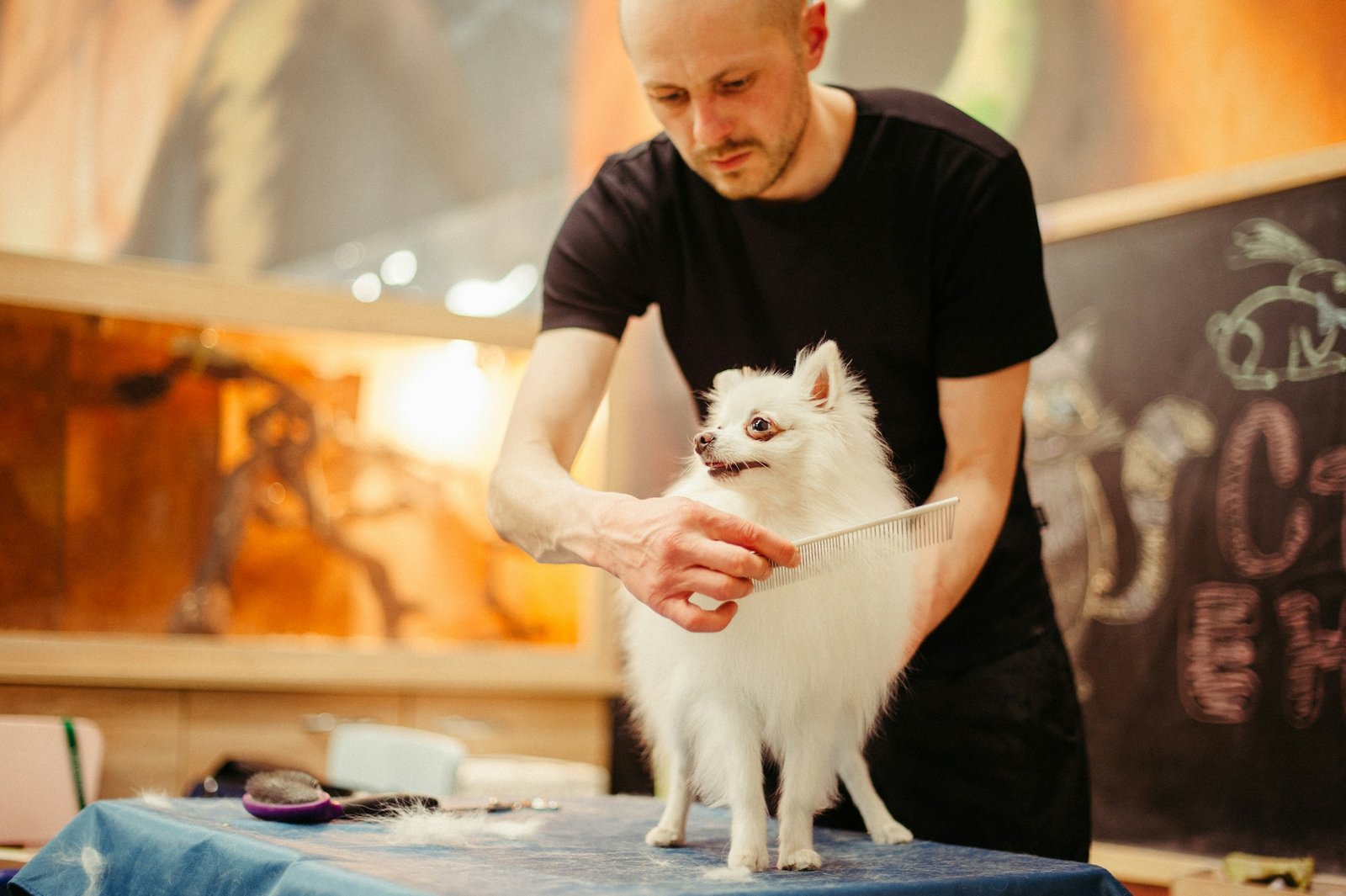
Most pet owners think a grooming appointment is just a trim, a bath, and twenty minutes of shampoo before a lavender-scented pickup. That assumption is about to get a little uncomfortable.
Professional groomers spend hours a day with their hands directly on a dog’s skin, nails, ears, and teeth – and that kind of up-close access gives them an almost unsettling read on what’s actually happening at home. They don’t need to walk into your living room to know if your dog sleeps on the couch, skips its daily walk, or hasn’t seen a vet in over a year. By the time the clippers come out, the whole story is already written into the dog’s body. Here are the 13 tells groomers say give the truth away before an owner even finishes the intake form.
#1 – How Often the Dog Actually Gets Walked
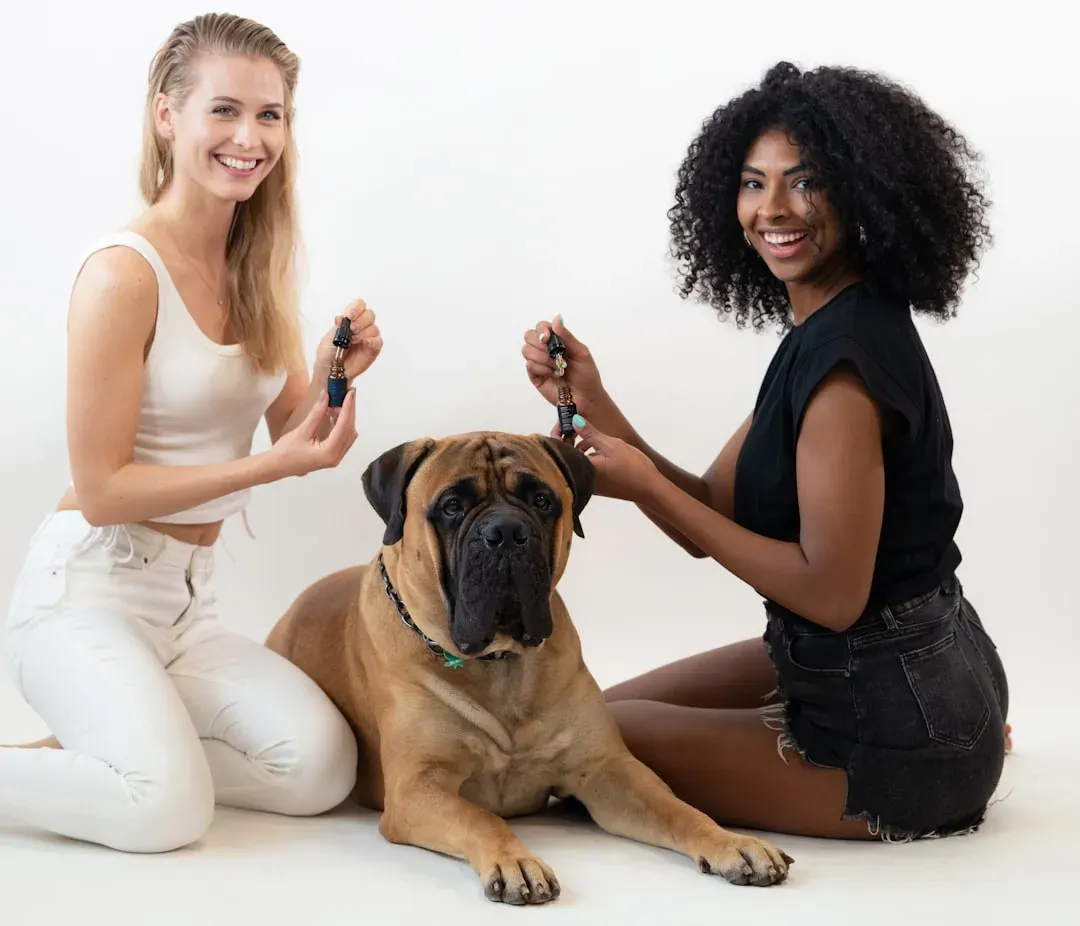
The first thing a groomer checks is almost always the nails, and nails don’t lie. Long, curling nails that click on tile floors are a dead giveaway that a dog isn’t walking on hard pavement regularly. Nails naturally file down through friction on concrete and asphalt, so a dog with overgrown, sharp nails is likely spending most of its time on grass, carpet, or indoors.
Overgrown nails aren’t just a hygiene issue – they can actually cause pain and change how a dog walks, sometimes affecting the joints over time. Groomers see this constantly in small breeds kept mostly indoors, where owners mistakenly believe the dog is “low maintenance” simply because it’s small.
On the flip side, dogs with naturally short, smooth, rounded nails almost always belong to owners who walk them daily on rough surfaces. It’s one of the fastest tells in the entire appointment, and it quietly sets the tone for everything the groomer expects to find next.
Fast Facts
- Most vets recommend nail trims every 3-4 weeks for dogs that aren’t walked on pavement daily.
- If nails audibly click on hard floors, they’re already past the ideal length.
- Overgrown nails can push toes out of alignment and alter a dog’s gait over time.
- Dogs walked daily on concrete or asphalt may rarely need a trim at all.
Nails are just the opening clue. What’s tangled in the coat tells an even messier story.
#2 – Whether Brushing Happens at Home Or Not
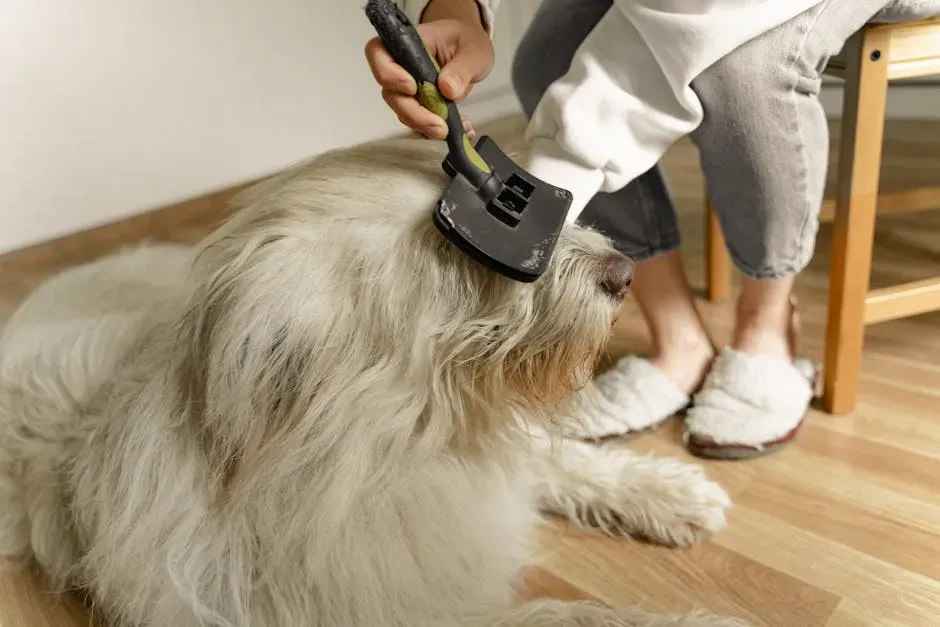
Matting tells a story that owners often try to talk their way around. A groomer can tell within seconds whether a dog has been brushed in the last week – or the last month. Mats form fast, especially in double-coated or curly breeds, and they don’t lie about neglect the way owners sometimes do.
Light, surface-level tangles behind the ears or under the legs are normal and expected, even in well-groomed dogs. But dense, matted fur pulling tight against the skin – sometimes called “pelting” – signals weeks of missed brushing. In severe cases, mats trap moisture and waste against the skin, leading to painful sores groomers have to shave around carefully.
Groomers say the location of the matting also matters. Matting concentrated only around the collar area often means the collar has been left on too long without adjustment, not necessarily poor grooming overall.
Matting is bad enough. But wait until you hear what a groomer’s nose picks up next.
#3 – How Frequently the Dog Gets Bathed
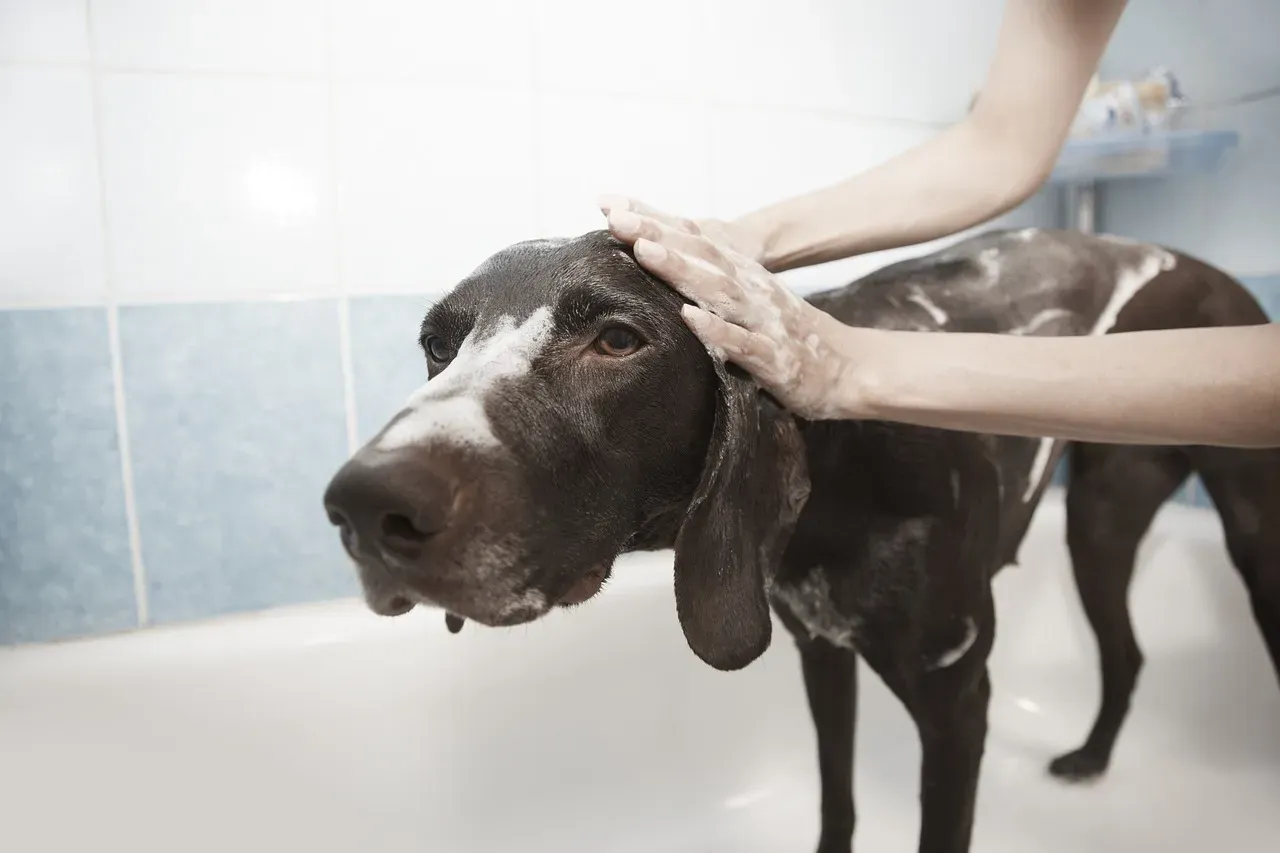
The smell and feel of a dog’s coat reveal bathing habits almost instantly. Groomers can often tell if a dog hasn’t had a proper bath in over two months just from the oil buildup on the skin. Excess oil creates a dull, greasy coat and a distinct odor that no amount of perfume-spray can mask.
Over-bathed dogs tell a different story – dry, flaky skin and a brittle coat often mean an anxious owner is washing the dog too frequently, sometimes weekly, which strips natural protective oils. Groomers frequently have to explain that most dogs only need bathing every four to six weeks unless they have skin conditions.
Quick Compare
- Under-bathed: Greasy coat, dull shine, noticeable odor even after brushing.
- Balanced routine: Bathing roughly every 4-6 weeks for most breeds.
- Over-bathed: Dry, flaky skin, brittle fur, increased scratching.
Either extreme reveals something about the household: under-bathing often points to a hands-off routine, while over-bathing can point to an owner overcorrecting out of anxiety about smell or cleanliness.
Bathing habits explain a lot about the coat – but ears reveal something owners almost never think to check.
#4 – Whether Ears Are Cleaned Regularly
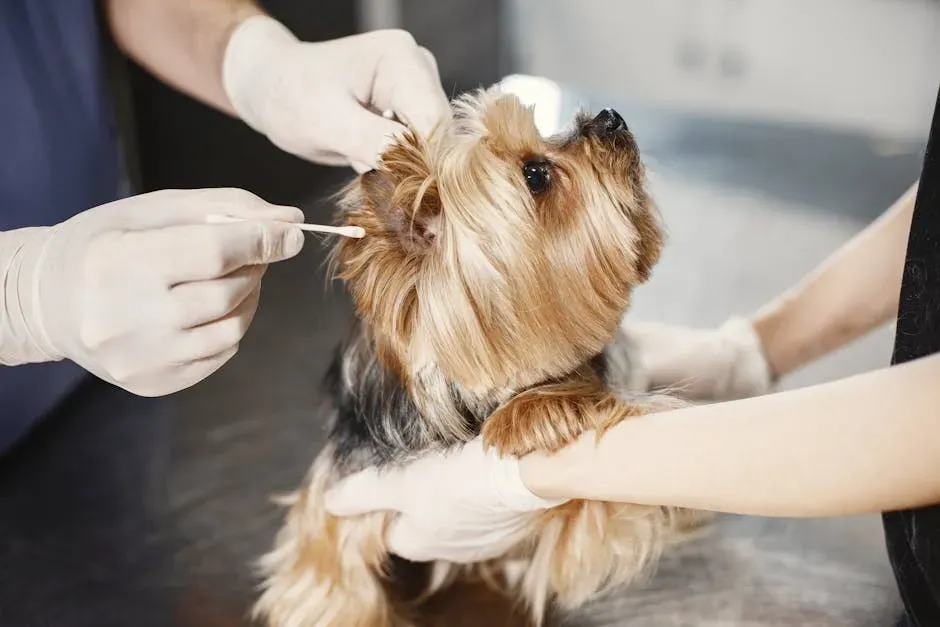
Ear checks are one of the most revealing five seconds of any grooming appointment. A dark, waxy buildup with a yeasty smell almost always means ear cleaning has been skipped for weeks, if not months. This is especially common in floppy-eared breeds like Cocker Spaniels and Basset Hounds, where airflow is already limited.
Groomers say chronic ear neglect often correlates with dogs that dislike being touched near the head – because if ears have never been handled at home, the dog has no positive association with the process. This creates a cycle where anxious dogs get skipped, and skipped dogs become more anxious.
Clean, pink ears with minimal wax usually indicate an owner who checks and wipes ears as part of a regular routine, often in coordination with vet visits.
Ears reveal neglect fast. Weight reveals something else entirely – what’s really happening at the food bowl.
#5 – How the Dog Is Fed at Home
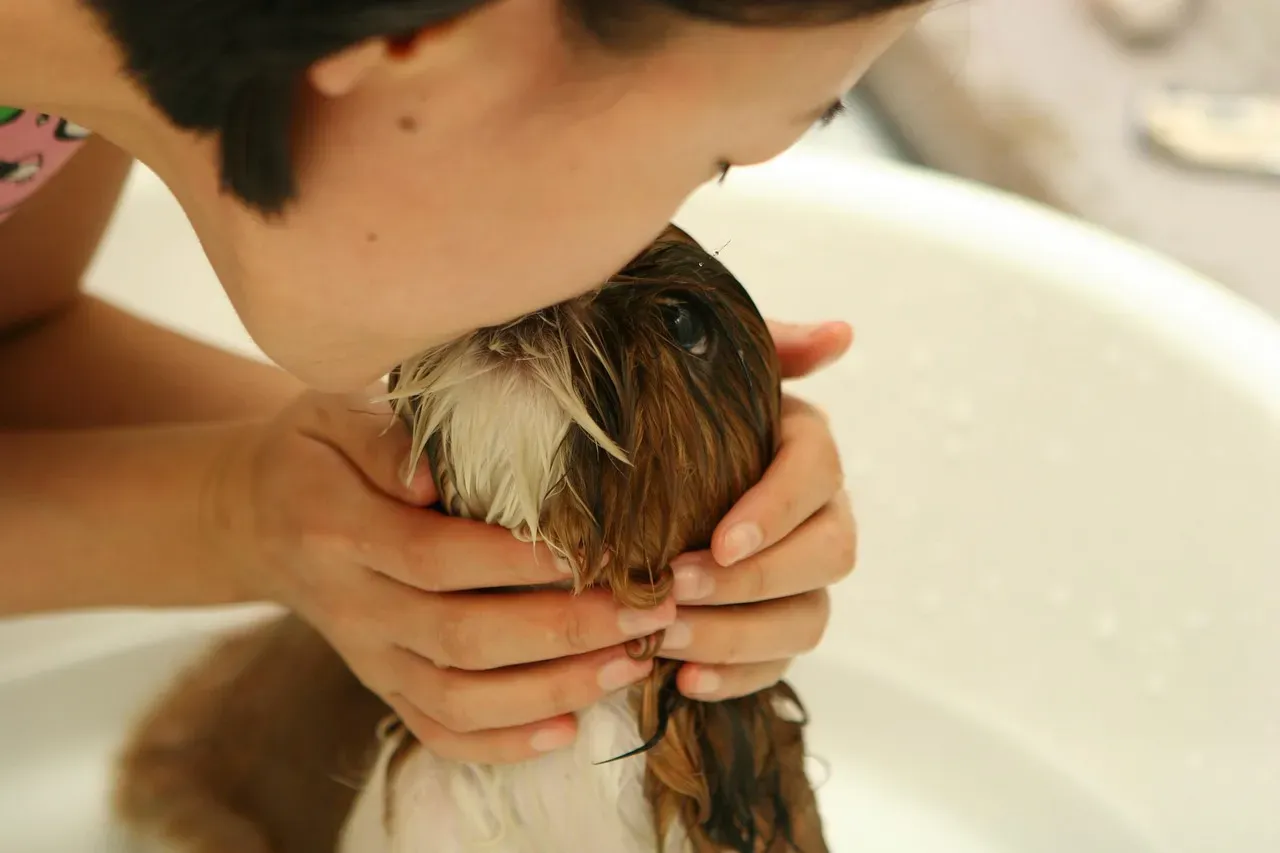
Weight and body condition offer groomers a surprisingly clear read on diet without ever seeing a food bowl. A groomer running hands along the ribs can immediately tell if a dog is overweight, underweight, or right on target – information that’s often disconnected from what the owner believes.
Overweight dogs frequently belong to households using food as an emotional reward system, groomers note, especially in retired or empty-nest households where dogs get frequent table scraps. This isn’t judgment – it’s pattern recognition built from thousands of appointments.
Underweight dogs with visible ribs and prominent hip bones can point to picky eaters, but in some cases hint at inconsistent feeding schedules or multi-pet households where food competition is an issue.
Diet clues are subtle. This next one practically announces itself the moment the dryer turns on.
#6 – Whether the Household Includes Smokers

This one surprises most clients, but groomers insist it’s real. The coat of a dog living in a smoking household often carries a distinct stale odor that clings even after a full bath and blow-dry. Secondhand smoke particles settle into fur similarly to how they settle into fabric and carpet.
Beyond the odor, some groomers report subtly duller coat coloring in dogs from heavy-smoking homes, though this is more anecdotal than proven fact. What is well documented is that smoke residue on fur can transfer to human skin through petting – meaning the dog is quite literally carrying secondhand smoke exposure risk.
Groomers rarely bring this up directly with clients, but many say it’s one of the most immediately identifiable environmental markers in the entire appointment.
Smoke lingers in fur. But how a dog reacts to being touched tells groomers something no odor ever could.
#7 – How Much Physical Handling the Dog Gets at Home
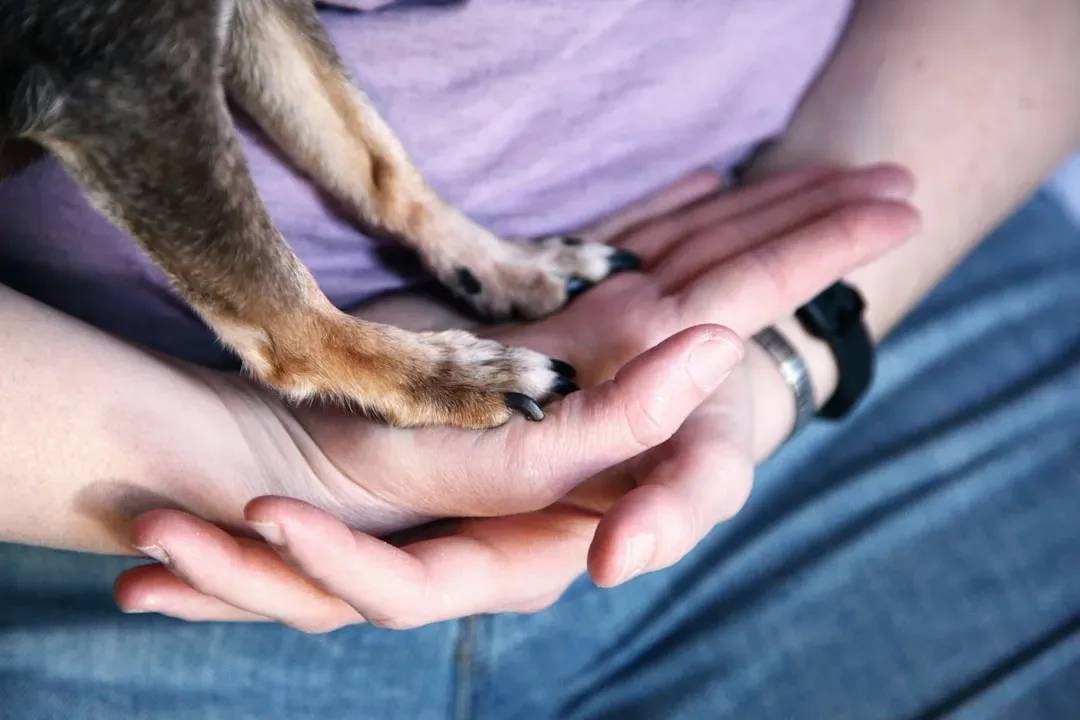
A dog’s reaction to being touched, lifted, or restrained speaks volumes about daily handling at home. Dogs that flinch, freeze, or snap when their paws are touched are almost always dogs whose paws are rarely handled outside the grooming table. Regular at-home nail trims, paw wipes, or simple touch desensitization build tolerance that groomers can spot immediately.
Conversely, dogs that relax into being lifted, flipped onto their backs, or having their faces held usually come from homes where handling is a normal, frequent part of daily interaction – often multi-person households or homes with kids.
Worth Knowing
- Short daily paw-touch sessions can build real tolerance in just a few weeks.
- Puppies handled early are far less likely to show stress on the grooming table later.
- Multi-person households often produce dogs more comfortable with varied types of touch.
- Rewarding calm behavior during handling helps reduce fear responses over time.
Groomers say this single behavioral cue predicts how the entire appointment will go far more reliably than breed or size ever could.
Touch tolerance says a lot about home life – but two specific body checks reveal whether a vet has seen this dog anytime recently at all.
#8 – Whether the Dog Has Regular Vet Care
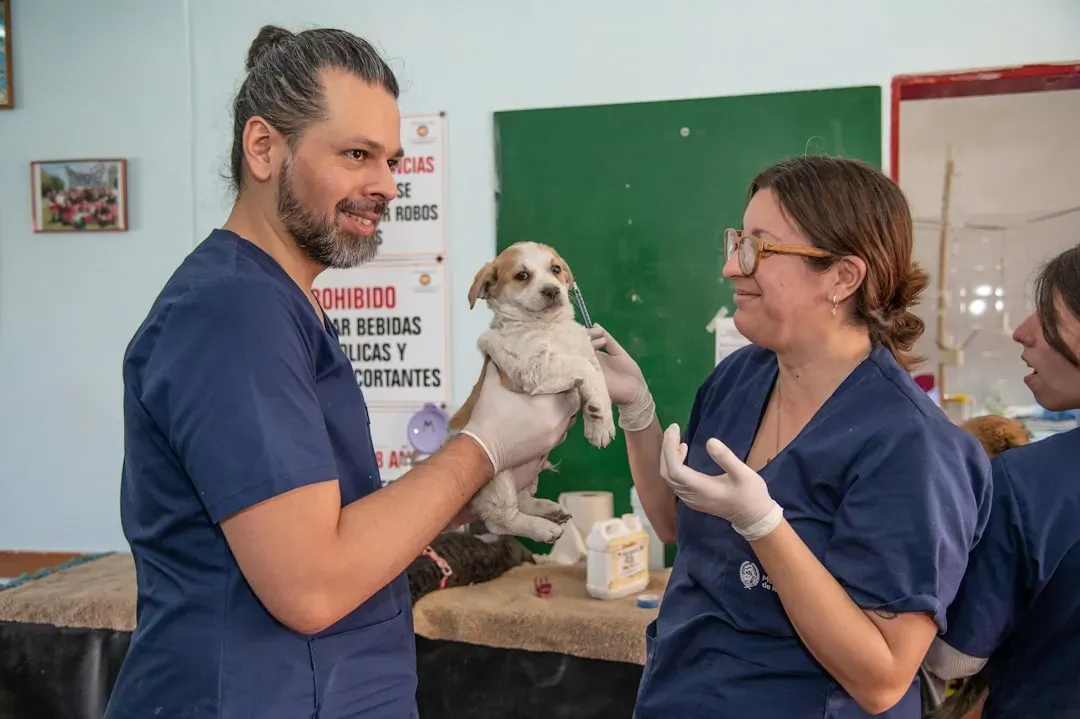
Anal gland health and dental condition are two areas groomers check that double as unofficial vet-care report cards. Impacted or overly full anal glands, a common and uncomfortable issue, often indicate the dog hasn’t had a wellness check in well over a year. Left unaddressed, this can lead to painful abscesses that require emergency veterinary treatment.
Similarly, heavy tartar buildup and inflamed gums signal that dental care – whether brushing at home or professional cleanings – has been ignored. Groomers frequently become the first line of detection for issues that should have been caught at a routine vet visit.
This makes grooming appointments an accidental but valuable early-warning system, catching problems owners didn’t even know existed.
Some tells point to neglect. This next one just points to who else lives in the house.
#9 – Whether There Are Other Pets in the Home
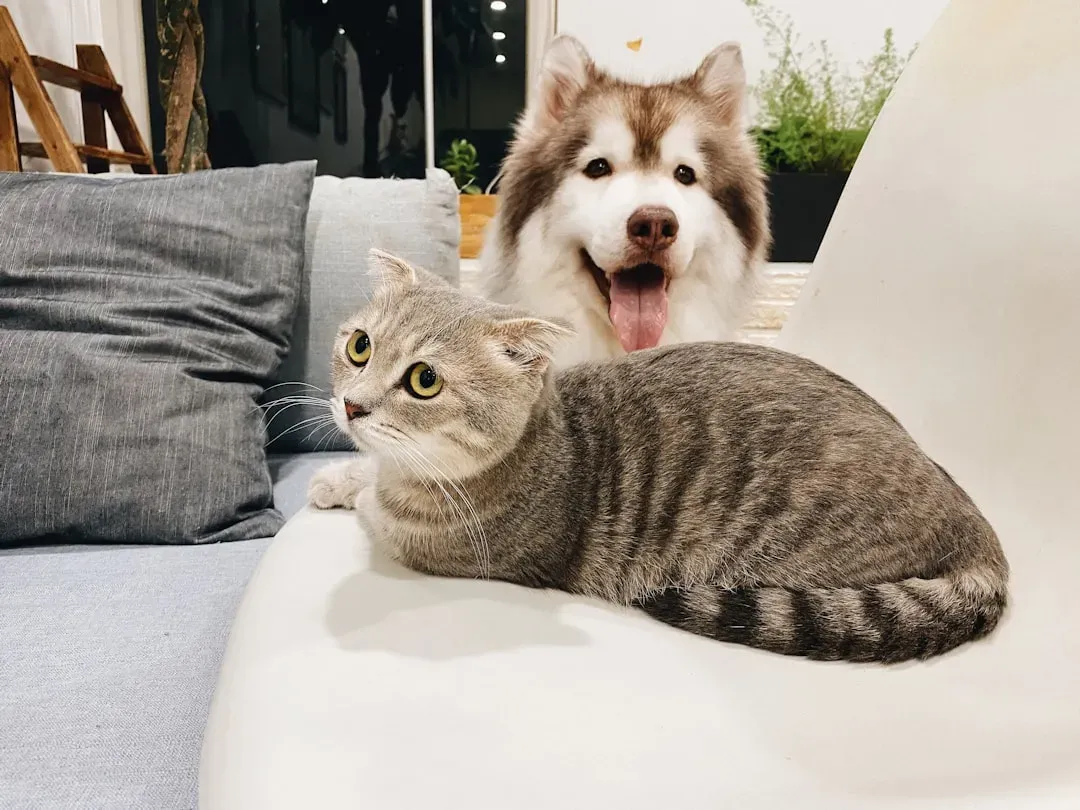
Scent transfer is subtle, but experienced groomers pick up on it fast. A dog carrying strong traces of cat scent, or fur mixed into its own coat, usually indicates it’s sharing close living space with a cat or another dog. This isn’t guesswork – cross-contamination of scent and loose fur is a near-guarantee in multi-pet households.
Beyond scent, behavioral tells matter too. Dogs accustomed to sharing space with other animals often show less resource-guarding behavior around toys or treats offered during grooming breaks, while only-pets can react more possessively.
Groomers say this detail rarely comes up in conversation with owners but is almost always confirmed when asked directly.
Scent gives away roommates. A single ring around the neck gives away something else entirely.
#10 – How Tight (or Loose) the Collar Has Been Left
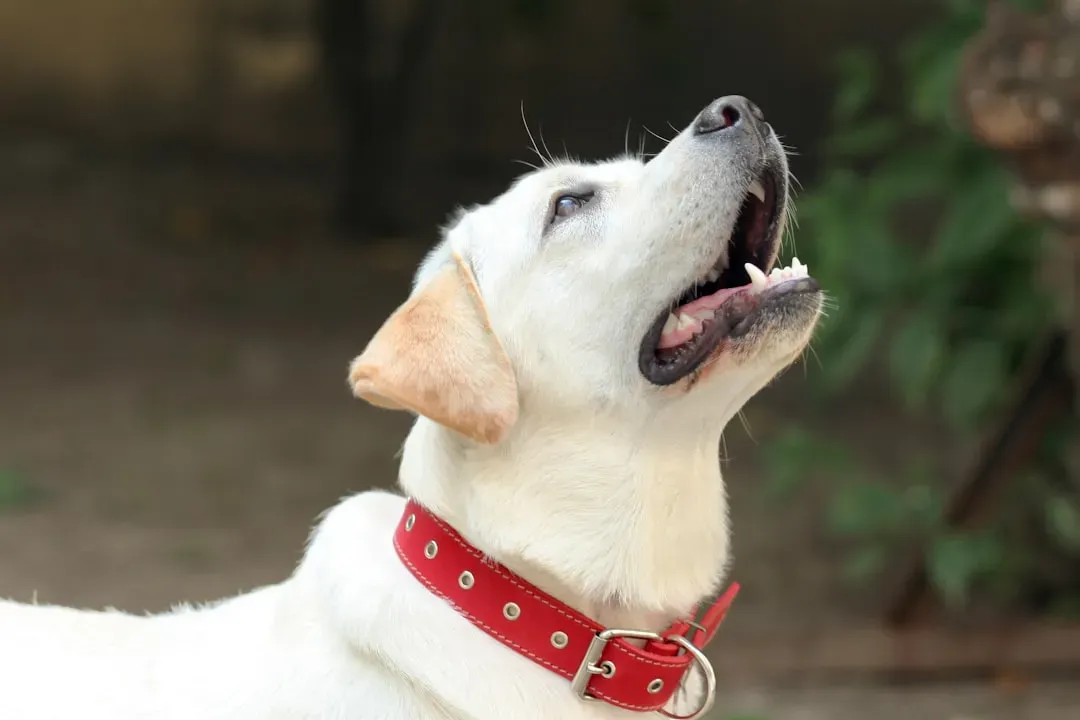
Physical marks on the neck and coat reveal a detail most owners never think about. A visible ring of flattened, discolored, or thinning fur around the neck almost always means a collar has been left on – unadjusted – for months, sometimes longer than the dog has been growing. This is especially common in puppies whose collars weren’t sized up in time.
In more serious cases, groomers report finding collar grooves pressed into the skin itself, a clear sign of a collar left too tight for extended periods. This isn’t usually intentional neglect – it’s simply something owners forget to check regularly.
Groomers often flag this directly to owners, since it’s one of the easiest fixes with the most immediate impact on comfort.
A tight collar is an easy fix. What’s tangled in the fur next tells a bigger story about where this dog actually spends its days.
#11 – Whether the Dog Spends Time Outdoors Unsupervised
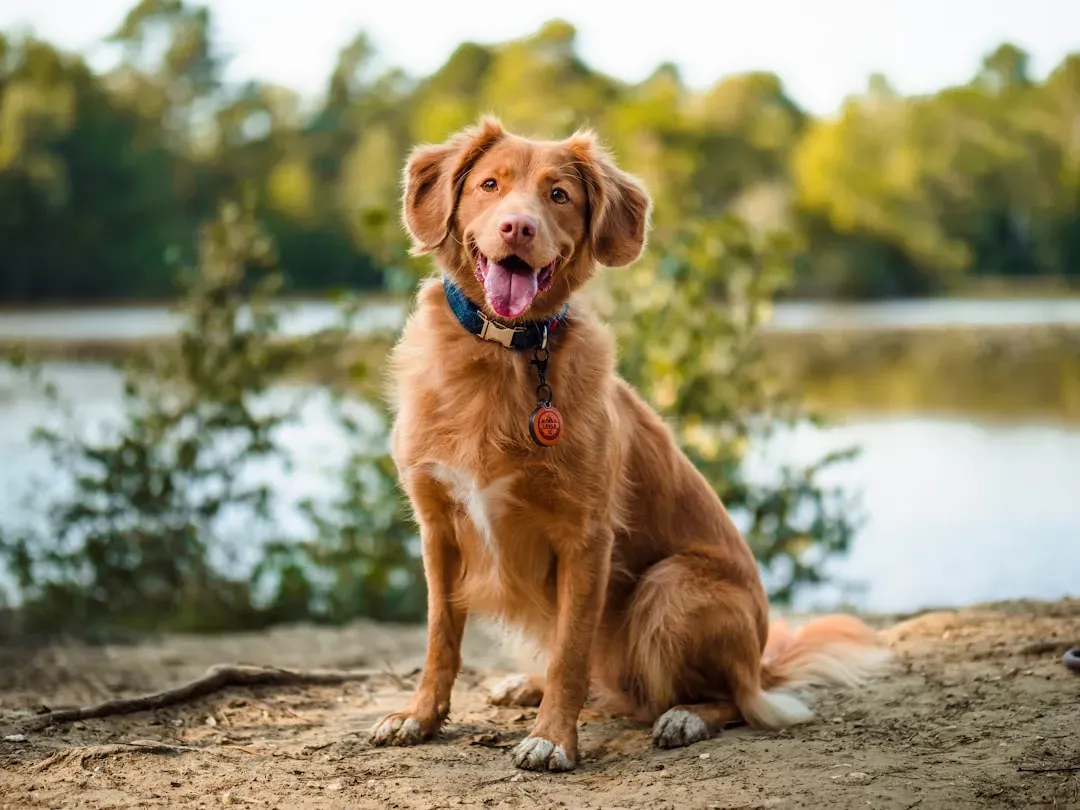
Fleas, ticks, burrs, and foreign debris embedded in the coat tell an outdoor-access story fast. Finding ticks or flea dirt during a groom often signals a dog with regular unsupervised access to a yard, especially in wooded or high-grass areas, and groomers use this to gently flag preventive care gaps to owners.
Debris like burrs, sap, or seed pods tangled deep in the coat points to off-leash time in fields or wooded trails – often a sign of an active, outdoorsy household rather than neglect. Context matters here more than almost any other category.
At a Glance
- Flea eggs can survive in carpet and yards for weeks at a time.
- Ticks tend to be most active in spring and fall across much of the U.S.
- Burrs and foxtails can work into skin and cause painful abscesses if missed.
- Most vets recommend year-round parasite prevention, even through winter months.
Groomers say distinguishing between an “outdoor adventure dog” and a “neglected yard dog” comes down to overall coat condition paired with these specific debris clues.
Burrs and fleas tell an outdoor story. But the next tell has nothing to do with the coat at all – it’s about mood.
#12 – The Emotional Tone of the Household
This is the one most groomers say is the hardest to explain but the easiest to feel. Dogs from calm, structured households tend to settle into the grooming routine faster, even if they’ve never met that particular groomer before. Anxiety, reactivity, or excessive clinginess toward the owner during drop-off often mirrors tension or unpredictability at home.
Groomers frequently note that dogs mimicking their owner’s stress levels during check-in – panting, shaking, refusing to make eye contact – tend to be dogs from households where the owner is also highly anxious about the appointment itself.
While this observation is more behavioral pattern than hard science, most veteran groomers agree it’s one of the most consistent signals they encounter, appointment after appointment.
Even the calmest dog can’t hide what happens next – because the final clue doesn’t come from the dog at all. It comes straight from the owner’s own mouth.
#13 – How the Owner Talks About the Dog During Drop-Off
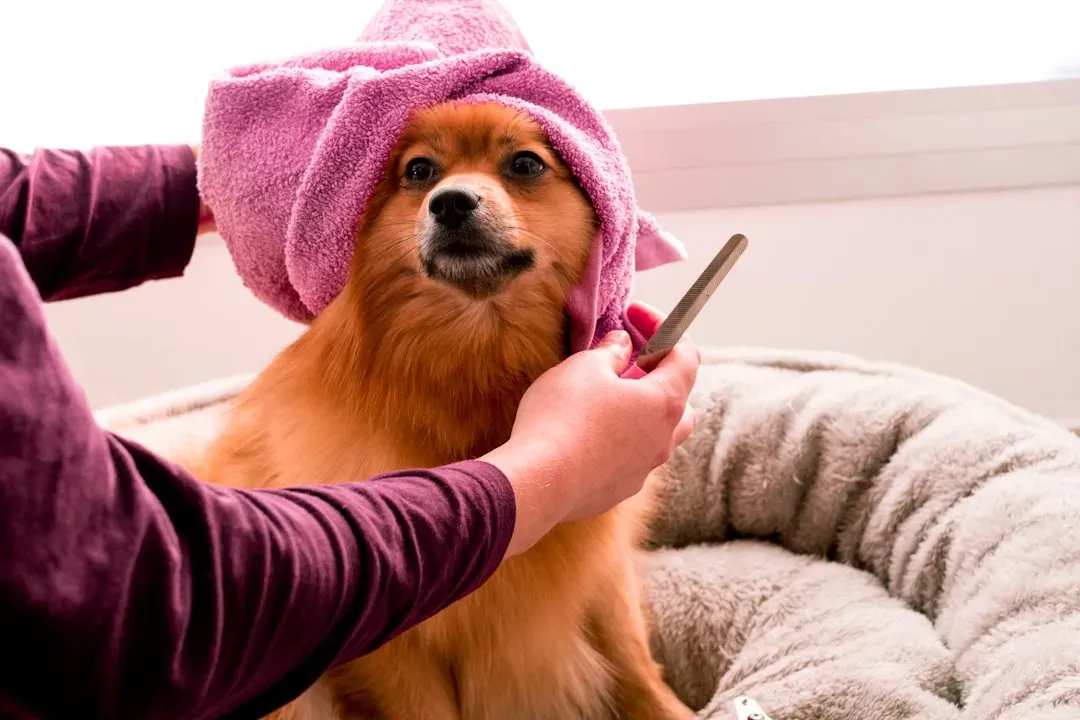
The final, and arguably most telling, clue has nothing to do with the dog’s body at all. The specific language an owner uses when dropping their dog off – nervous over-explaining, dismissive short answers, or detailed care notes – often predicts how attentive that household really is. Owners who mention diet changes, recent vet visits, or behavioral shifts unprompted tend to be the most consistently engaged pet parents.
Groomers say owners who barely make eye contact with the dog during drop-off, or who seem irritated by basic questions about the dog’s routine, often correspond with the same disengaged patterns showing up physically on the dog – missed brushing, skipped vet visits, minimal handling.
It’s not a perfect science, but after thousands of appointments, most groomers say this final tell is rarely wrong.
The Bottom Line
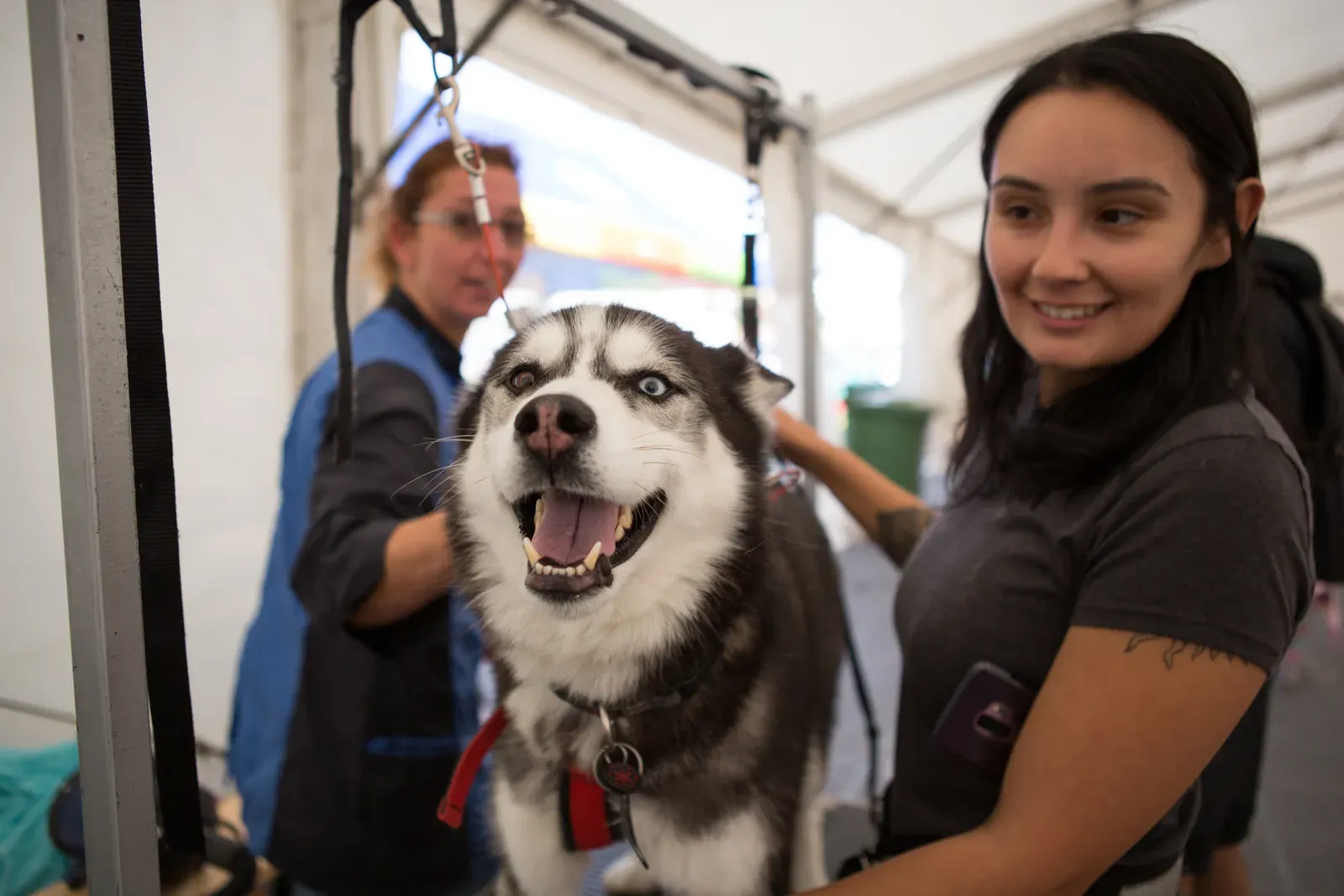
Ten minutes is all it takes for a trained groomer to reconstruct months of a dog’s home life – walking habits, feeding routines, vet attentiveness, even household stress levels. The evidence is written in nails, fur, ears, and behavior long before an owner says a single word.
Some of these tells, like matting or overgrown nails, are simple neglect. Others, like collar grooves or anal gland impaction, point to genuine care gaps that deserve more attention than they get.
Frankly, more owners should treat grooming appointments like informal wellness checks instead of just a cosmetic errand – because your groomer already knows more about your dog’s life than most people give them credit for. Did your groomer ever call out something about your dog you didn’t expect? Drop it in the comments – we want to hear the tell that surprised you most.